
Jun 27, 2026
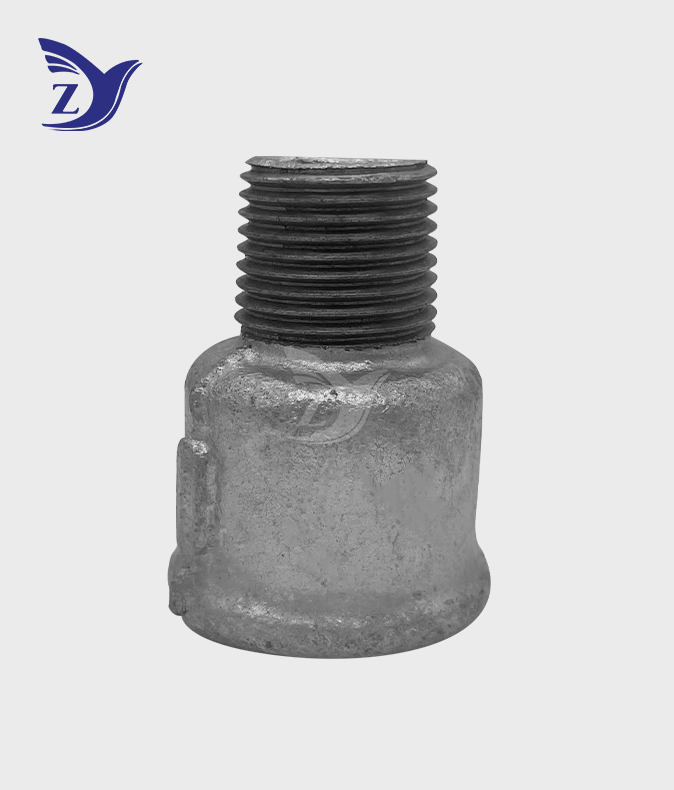
Bulk Supply of Round Face Galvanized BSPT Reducing Coupling with Round Edge
Finding the right fittings is a very important part of handling big pipe projects for things like fire protection systems, water distribution for cities, or industrial process lines. These BSPT round face galvanized round edge reducing coupling pipe fittings are a reliable way to connect pipes of different sizes and make sure they don't leak in tough conditions. The strong thread standards of BSPT (British Standard Pipe Taper) are combined with hot-dipped galvanization in these precision-threaded malleable iron adapters. This gives them the corrosion protection and mechanical strength needed for water, gas, and steam uses. Their round edges make the structure stronger during installation and keep it from cracking under high power, which is a regular problem in the field.
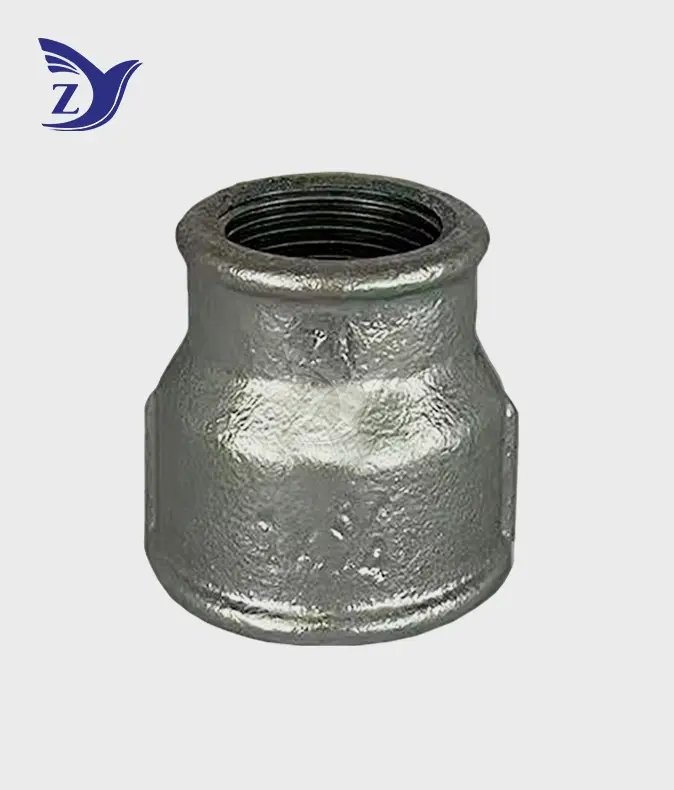
Key Comparisons in BSPT Galvanized Reducing Couplings
When looking through seller catalogs, purchasing managers should know how BSPT round face galvanized round edge reducing coupling pipe fittings stack up against other threading methods and material options. The differences affect not only the initial cost, but also how well the system is installed and how much it costs to maintain over time.
BSPT Versus NPT and BSPP Thread Systems
The 55-degree thread angle of BSPT fits is very different from NPT's 60-degree angle. This means that these systems are physically incompatible, even though they look a lot alike. If you try to force a BSPT connection onto NPT pipe threads, you will damage both parts and make spiral leak paths that won't close even when you use a lot of thread sealer. BSPP threads, on the other hand, use bonded sealing washers instead of tapered interference, which means they can't be used in places with a lot of shaking because the mechanical seals can come away. The taper-to-taper seal of BSPT connections makes them less likely to back out when temperatures change, which is why they are used so often in heating systems and steam condensate return lines in Asia and Europe.
Galvanized Steel Versus Stainless Steel and Black Iron
To choose the right material, you have to balance its resistance to rust, its mechanical qualities, and your budget for buying it. Fittings made of stainless steel, especially those made of 304 or 316 types, are better at resisting chemicals and don't let zinc get into systems that carry drinkable water. Stainless steel is usually 250% to 400% more expensive than coated steel, so it's mostly used in pharmacy, food processing, or chemical settings that are very corrosive. Black iron parts are the cheapest up front, but they need to be coated to protect them or maintained regularly if they get wet. Galvanized couplings are a good compromise because they are corrosion-proof and have a round edge that can withstand decades of use in plumbing, irrigation, and public works infrastructure projects. They are also much cheaper than stainless steel couplings, and the zinc coating protects them for 20 to 50 years, depending on how they are exposed to the environment.
Certification and Quality Benchmarks
Fittings from reputable makers are approved to meet ISO 9001 quality management standards and are tested for pressure according to ISO 49 protocols. Fittings that are UL Listed or FM Approved are often needed for fire safety. These certifications show that the fittings meet certain standards for size, thread specs, and pressure performance. The CE mark shows that the product meets European standards, which is important for foreign markets. If these certificates are on the mill test records, they should be a big part of how suppliers are judged. This is because fittings that aren't certified may have inconsistent threading, a thin enough layer of galvanization, or a base material makeup that weakens the joint under operational stress.
Bulk Supply Considerations for BSPT Round Face Galvanized Reducing Couplings
Buying BSPT round face galvanized round edge reducing coupling pipe fittings in bulk is very different from buying one item at a time. To keep project timelines and keep stocking costs under control, you need to build smart relationships with suppliers and plan your logistics.
Evaluating Supplier Capabilities and Lead Times
When looking for more than a few thousand high-strength anti-rust malleable reducers, the production ability of the seller becomes very important. A company with several production lines and separate areas for casting, cutting, and welding can usually ship 10,000 to 30,000 pieces of merchandise within four to six weeks of receiving the order. Standard sizes like ½-inch x ¼-inch, ¾-inch x ½-inch, and 1-inch x ¾-inch reducing joints should be in stock and able to be shipped in parts within 48 to 72 hours for projects that need them right away. By asking the seller how much they produce each year, you can get an idea of how well they can adapt to the growth of your project. Facilities that produce 20,000 to 30,000 tons each year have the infrastructure to support multi-year supply deals without quality dropping or delivery times getting longer.
Negotiating Pricing Structures and Volume Discounts
When bargained for carefully, buying in bulk directly leads to cost savings. When it comes to quantity break price, the lowest order size is usually 1,000 pieces, and the savings get bigger at 5,000, 10,000, and 25,000 pieces. A water/gas pipeline diameter transition fitting that costs $2.50 per unit in lots of 1,000 pieces might cost $1.85 per unit when bought in lots of 10,000, which is a 26% discount that builds on itself over big projects. When negotiating terms, you should talk about both unit prices and payment schedules. Payment plans that include a 30% deposit, 60% when the production is finished, and 10% after review can help both parties stay financially stable. Asking for a set price for six to twelve months guards against changes in the cost of raw materials, especially zinc and iron ore, whose prices can change, which can affect the cost of galvanized fittings.
OEM Customization and Quality Assurance
System installers and buyers from other countries often need customizations that go beyond what is listed in the catalog. OEM services include changing sizes (custom thread lengths, special reducer ratios), finishes (powder coating, epoxy filling), and adding a company logo to make the product stand out for a specific brand. A provider with in-house research and development staff—ideally 30 or more technical experts—can make samples for non-standard uses like high-pressure gas distribution systems that need thicker wall sections or special alloys for places where sulfur is present. Quality control procedures should include reports on physical inspections, magnetic gauge tests to measure the thickness of the zinc coating, and records of hydrostatic pressure testing that show how well the product performed under burst pressure. Asking for witness testing access or third-party inspection services through SGS or Bureau Veritas adds another level of proof for important projects where a failed fitting could put people in danger or cost a lot of money.
Making the Smart Choice: Why Choose Galvanized BSPT Reducing Couplings?
Choosing where to invest in pipe infrastructure depends on weighing the costs of getting BSPT round face galvanized round edge reducing coupling pipe fittings now against its value over its entire life. In this equation, galvanized BSPT fittings play a key role because they offer performance benefits that can be measured in terms of return on investment.
Superior Corrosion Resistance in Real-World Conditions
The hot-dipped galvanization process makes a metal structure with many layers that changes depending on the surroundings. At first, the open zinc layer on the outside corrodes more quickly, creating zinc carbonate and zinc hydroxide chemicals that fill in surface flaws and slow down further oxidation. Under this layer of reactivity, layers of zinc-iron alloys that form during the galvanizing process create a barrier that is mechanically linked and can't be damaged by wear and tear that would damage painted coats. Comparative studies of buried pipeline fittings in soil conditions typical of municipal infrastructure show that galvanized couplings keep their structural integrity for 40 to 75 years, while unprotected steel only lasts 8 to 15 years and painted fittings last 15 to 25 years before the coating breaks down at the threads, leaving weak spots.
Lifecycle Cost Analysis and Replacement Economics
The economic calculus can be shown by a plumbing wholesaler who supplies home building projects. A reduction coupler made of black iron costs about $1.20 per unit, a galvanized one costs about $2.10, and one made of stainless steel costs about $7.50. The cost of work and materials for replacing a single fitting in a concealed wall application that needs drywall to be taken down, plumbing to be accessed, and the wall to be fixed up is more than $250 per spot. Putting in zinc fittings costs an extra $0.90 per fitting at first, but over the life of the building, repair costs are eliminated. In a 150-unit apartment building with 2,400 reducing connections, the extra $2,160 spent keeps the repair costs from going over $600,000 if rust breaks down a lot of them. This is called a return ratio exceeding 270:1.
Quality Identification and Supplier Trustworthiness
Paying attention to production details is needed to tell the difference between high-quality fittings and cheaper options. Precision-threaded iron goods have smooth, clean thread profiles that don't have chatter marks or unfinished thread forms that show worn tools or bad machining techniques. The zinc surface shouldn't have any bare spots, drip marks, or flux remains that would show that the process wasn't controlled well. Heat lot markings on the fitting body from reputable sources make it possible to track the product. These markings can be compared to mill test records that show the chemical makeup, mechanical qualities, and coating thickness measures. Manufacturers with FM Approval or UL Listing have their factories inspected regularly to make sure that the process is always the same. Uncertified manufacturers don't have this level of control, so differences between batches can hurt performance in important uses.
Conclusion
Choosing the right pipe fitting seller has effects on the success of the project that go far beyond the cost of the original purchase. BSPT round face galvanized round edge reducing coupling pipe fittings have been used for years in plumbing, fire protection, city infrastructure, and industrial processes where rust resistance and pressure integrity can't be compromised. Precision BSPT threading, hot-dipped galvanization, and building from malleable iron make this a reliable product that can be sent in bulk to foreign markets, system designers, and wholesalers. Procurement pros who have to balance cost concerns with quality needs find that these fittings are a good compromise. They last decades longer than unprotected options and cost a fraction of what stainless steel does. As project needs grow, the supply chain will be more reliable if you work with makers that can show they can produce, meet approval requirements, and make changes to your specifications.
FAQs
Is it possible for BSPT Reducing Couplings to connect to NPT Threaded Pipes?
Because their thread angles are different—55 degrees versus 60 degrees—BSPT and NPT threading methods can't be used together physically. Forcing these threads that don't fit together hurts both parts and makes leak routes that won't close. For a proper link, you need to either use adapter pieces that are made to go from one thread standard to another or make sure that all of the parts of the system have the same threading.
What are the pressure limits for Class 150 galvanized fittings?
Standard Class 150 malleable iron valves have 300 PSI values for water, oil, and gas at room temperature. For full steam service, these ratings drop to 150 PSI. The design with round edges keeps the structure strong under these pressures, which stops the fittings from breaking like unreinforced ones do when they are put through high installation torque or pressure spikes.
Why is galvanization important for the safety of drinking water?
When made according to NSF/ANSI 61 guidelines, high-grade galvanization that uses 99.99% pure zinc and lead-free methods usually meets standards for drinkable water. For drinking water uses, the procurement requirements should make it clear that they need NSF certification. This is because differences in the manufacturing process can introduce contaminants that get into water supplies. Many places have switched to using different materials for drinking water, which makes approval proof very important.
What causes leaks even when thread sealant is used correctly?
Most of the time, BSPT thread leaks happen because the threads aren't engaged enough or are tightened too much, which bottoms out the connection before the threads are properly compressed. To make the interference fit needed for closing, the curved threads need to be engaged to a certain depth, which is usually between 6 and 8 full threads. When pipe threads are too small or have damage, they don't make good metal-to-metal contact, which lets leaks happen even when sealant is present.
Partner with a Trusted BSPT Round Face Galvanized Round Edge Reducing Coupling Pipe Fittings Manufacturer
Zhiyuan Malleable Steel can help you with your buying needs because they have been making for 26 years and can make 30,000 tons of steel each year. Our Shanxi factory has a wide range of manufacturing tools, such as 8 sets of 3-ton medium frequency electric ovens, 100-ton natural gas annealing kilns, and specialized galvanizing lines. These tools make sure that quality is controlled at every stage of the production process. We keep a large stock of standard sizes so that we can deliver within 48 hours for urgent project needs. Our 38-person technical team can also customize OEM products for unique uses. Our dedication to international quality standards is shown by our ISO 9001, CE, UL, and FM certifications, as well as our promise that we will replace any defective goods. Our team provides the responsiveness and technical support your projects need, whether you're a plumbing distributor looking for full specification ranges, an engineering contractor in charge of large-scale installations, or an international buyer looking for a reliable source of BSPT round face galvanized round edge reducing coupling pipe fittings. You can email us at q1236800000@gmail.com or look at our full selection of products at zymalleablepipefitting.com to talk about bulk discounts and customization choices that fit your needs.
References
- British Standards Institution. BS 21:1985 Specification for Pipe Threads for Tubes and Fittings Where Pressure-Tight Joints Are Made on the Threads. London: BSI, 1985.
- American Society of Mechanical Engineers. ASME B16.3-2016: Malleable Iron Threaded Fittings, Classes 150 and 300. New York: ASME Press, 2016.
- National Fire Protection Association. NFPA 13: Standard for the Installation of Sprinkler Systems, 2022 Edition. Quincy: NFPA Publications, 2022.
- Porter, Frank C. Corrosion Resistance of Zinc and Zinc Alloys. Boca Raton: CRC Press, 1994.
- International Organization for Standardization. ISO 49:1994 Malleable Cast Iron Fittings Threaded to ISO 7-1. Geneva: ISO Publications, 1994.
- American Water Works Association. AWWA Manual M11: Steel Pipe—A Guide for Design and Installation, Fifth Edition. Denver: AWWA Press, 2017.
Online Message
YOU MAY LIKE
High quality furniture manufacturer
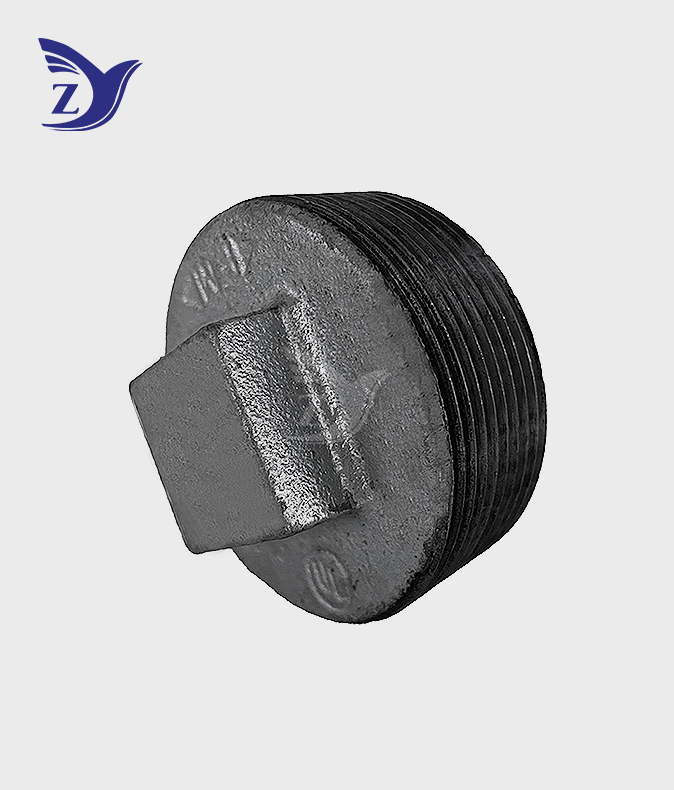
NPT Galvanized Non-Flanged Pipe Plug Pipe Fittings
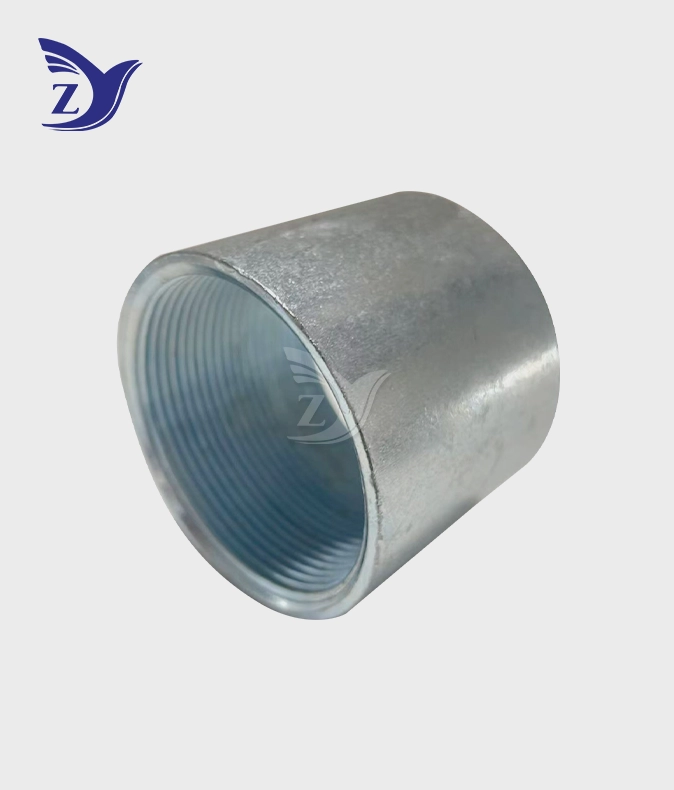
Electro-galvanized full-thread pipe coupling
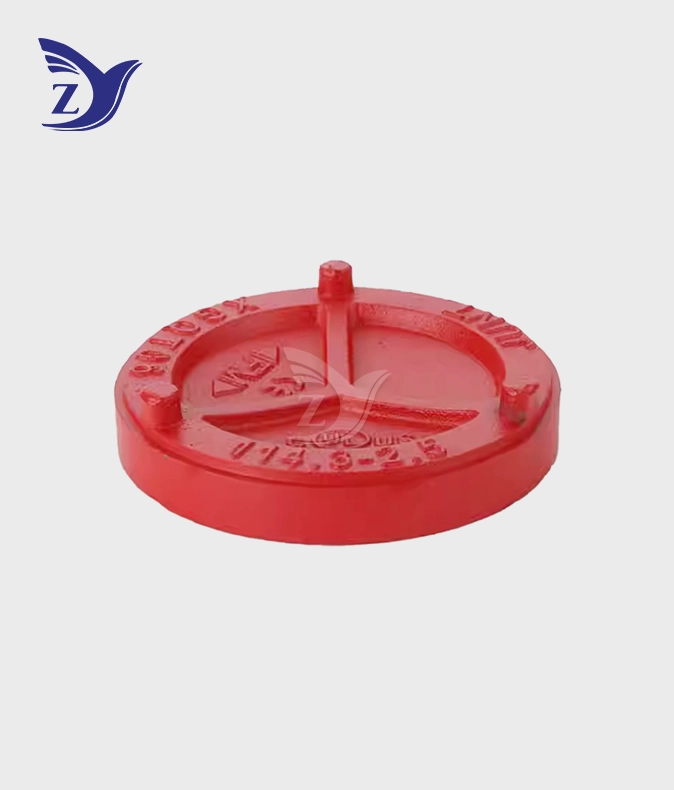
Fire Grooved Blind Flange
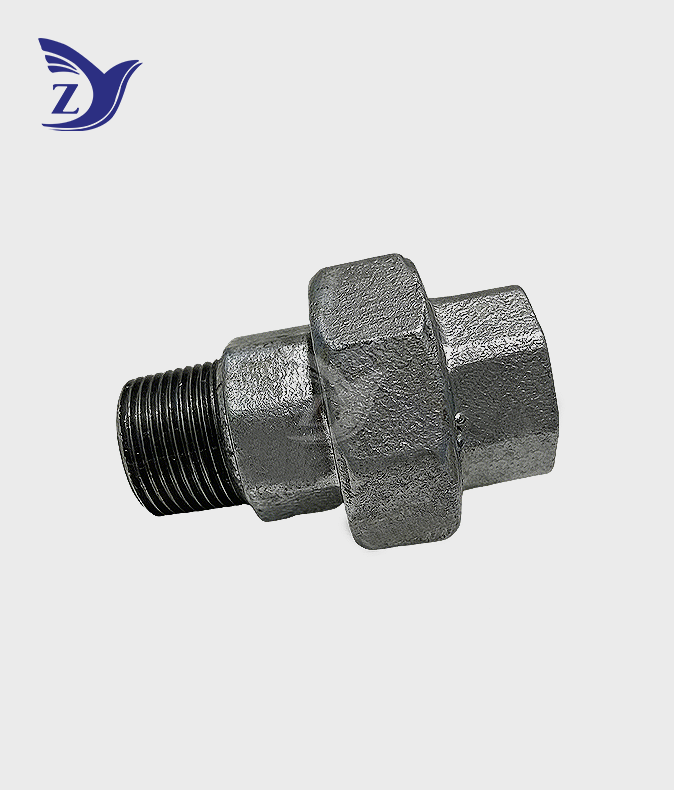
NPT Galvanized Male Female Threaded Union 343 Pipe Fittings
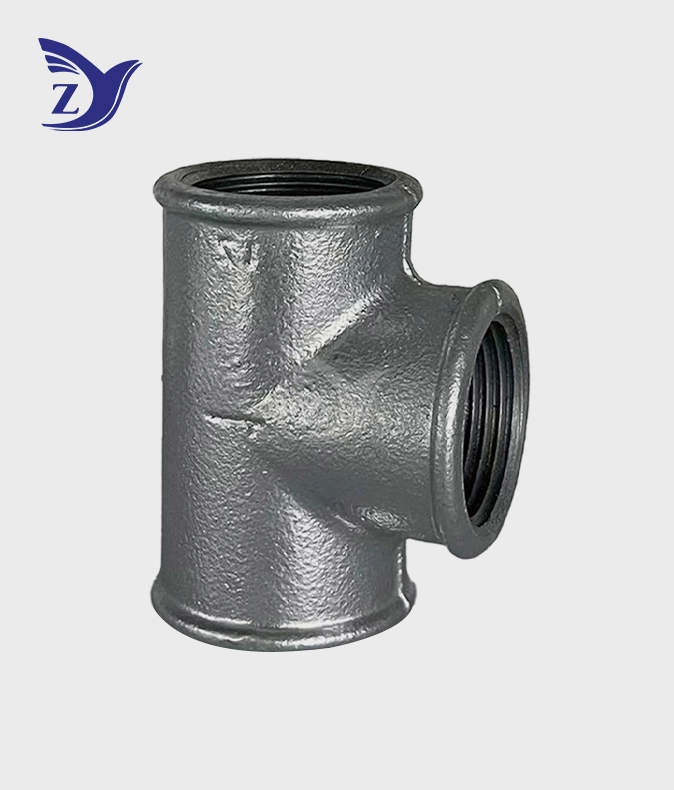
NPT Round Face Galvanized Round Edge Straight Tee Pipe Fittings
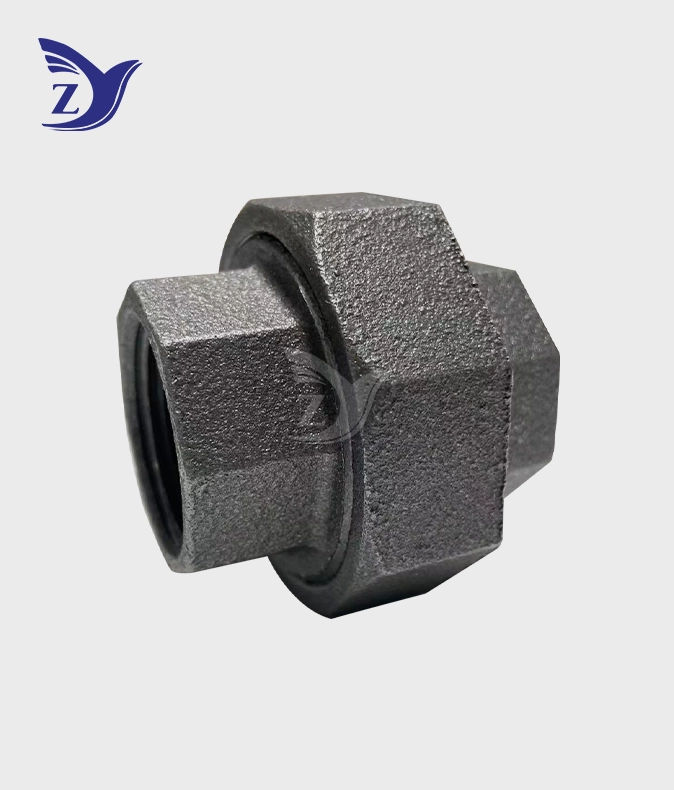
NPT Black Union 340 Pipe Fittings
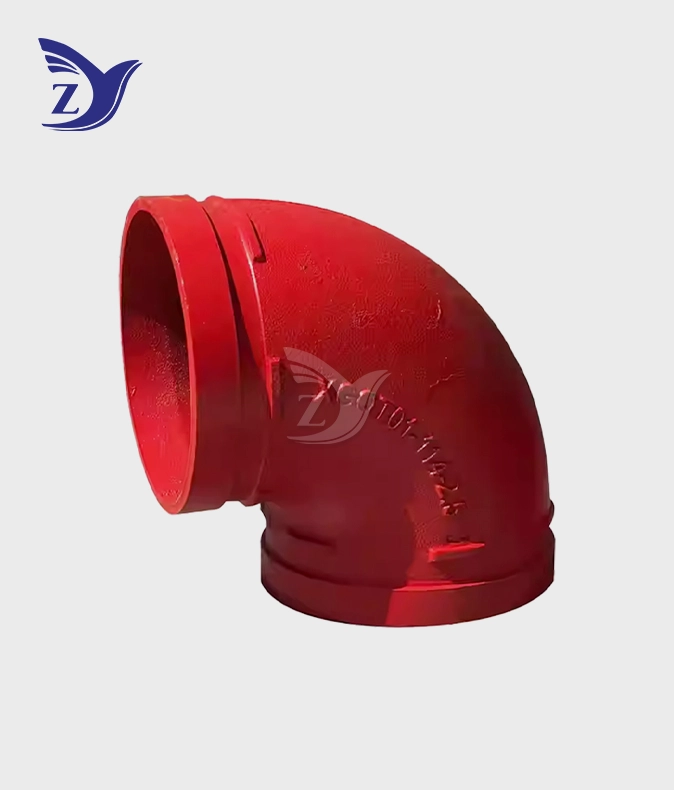
Fire Grooved 90° Elbow
Beaded Galvanized BSPT Round Edge Male-Female Reducing Coupling