
Jun 25, 2026
Best Galvanized NPT Straight Tee with Round Face Round Edge for Residential & Commercial Plumbing
NPT round face galvanized round edge straight tee pipe fittings stand out as reliable parts that balance corrosion resistance, mechanical strength, and ease of installation when plumbing professionals and sourcing experts look at fitting choices for important infrastructure projects. These three-way branch fittings make it safe for fluids to move through home water systems, business HVAC networks, industrial gas pipes, and fire protection systems. These precision-threaded parts are made from high-strength malleable iron and finished with hot-dipped galvanization. They meet strict ASTM A197 and ASME B16.3 standards, so they work reliably in harsh settings where leaks and rust failures aren't acceptable.
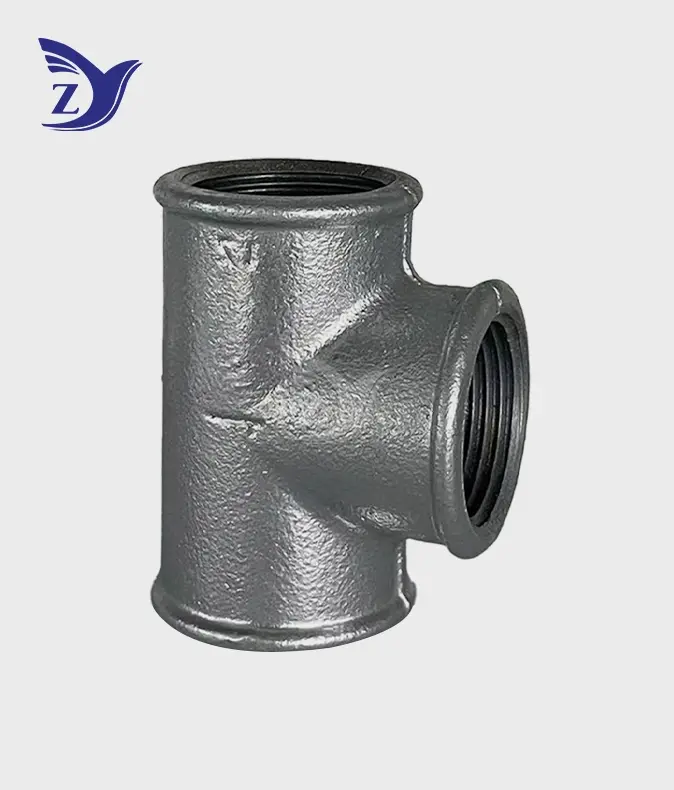
Benefits and Applications of Round Face Round Edge Galvanized Tee Fittings
When it comes to efficiency, NPT round face galvanized round edge straight tee pipe fittings are better in a number of ways that project engineers and building managers care about. Knowing about these benefits helps procurement teams make smart choices that balance the costs of the original purchase with the stability of the system in the long run.
Corrosion Resistance and Service Life
In both above-ground and underground systems, the galvanized covering protects well against rust. When the zinc layer is wet, it corrodes faster than the iron layer below it, giving up its own protection. This electrical safety keeps working even if the coating gets a little damaged. When used with city water, galvanized pipes that are placed correctly can last for decades without breaking. The resistance to rusting is especially useful in coastal areas where salty air is present and in industrial settings where chemicals quickly rust metals that are not protected.
Mechanical Strength and System Compatibility
In high-pressure situations, constructions made of malleable iron have better mechanical qualities than those made of PVC or brass. The material can go through stages of heat expansion and contraction without cracking, so it can be used in steam and hot water systems. These fittings work perfectly with coated steel pipe, black steel pipe sealed properly, and threaded parts that are compatible with a variety of system designs. The round edges make it easier to handle during installation, which lowers the risk of damage to the fittings while they are being moved and put together.
Widespread Application Across Industries
NPT round face galvanized round edge straight tee pipe fittings are used by fire protection workers to put together sprinkler systems, hydrant connections, and pump house pipes, all of which are very important for life safety. In municipal engineering projects, these fittings are used in water transport networks, drainage systems, and gas pipeline infrastructure that serves both home and business areas. HVAC workers like that the fittings can be used with heating and cooling systems that need to be able to handle changes in temperature. Irrigation experts use them in systems that water crops and gardens and need to be resistant to rust and able to handle pressure.
When installing, the round-edge shape is much easier to use than square-edged fittings. Rounded edges make it less likely that cross-threading will happen during the initial contact, which makes it easier for workers to get the parts lined up correctly. The smooth edges reduce the amount of stress that can build up and cause cracks when the surface is vibrated or heated and cooled. These changes to the design lead to faster work times and fewer calls back to the field, which helps the project make more money overall.
Comparing Galvanized Tee Fittings with Alternatives
When it comes to fitting, NPT round face galvanized round edge straight tee pipe fittings are in a good spot because they balance performance and cost better than premium choices while also beating economy options. Stainless steel fittings are better at resisting rust in harsh chemical conditions and keep their good looks without losing their coating. Because of these benefits, stainless steel costs 300–400% more than galvanized choices. This means that it is only economically viable in situations where the environment requires it. Black steel fittings cost less initially but lack corrosion protection, needing paint or wrapping in open applications and showing significantly shorter service life in moisture-prone installations.
Performance and Cost Analysis
Beveled-edge galvanized tees are a little less expensive than round-edge versions, but they don't have the benefits of stress distribution and ease of fitting that round shapes do. The cost difference is usually only 5–10% per fitting, which is very small when you look at the overall project budget and the time you might save installing it. Fittings made of brass can be used in potable water uses that need to be lead-free, but they are less strong and cost more than options made of malleable iron.
Bulk Purchasing and Custom Options
Through direct ties with manufacturers, buying in bulk saves a lot of money. When you order more than 5,000 pieces, you can often get custom sizes, different holes, or special finishes. Lead times for normal sizes range from right away for things that are in stock at a distributor to 4 to 6 weeks for plant production runs. Depending on how complicated the production is, custom specs may make the lead time 8 to 12 weeks. Building ties with makers that can do both standard catalog items and engineering customization gives the supply chain the ability to adapt to changing project needs.
How to Choose the Best Galvanized Round Face Round Edge Tee Fitting for Your Projects?
To pick the right NPT round face galvanized round edge straight tee pipe fittings for your projects, you need to weigh technical requirements, supplier skills, and project costs. Accuracy in measurements affects how well an installation works and how reliable the system is. Tight tolerances are kept on thread pitch, taper angle, and fitting measurements by good makers. Make sure that the technical data sheets that providers give you include exact numbers as well as nominal sizes. When working on big projects that use parts from different sources, putting them together could cause problems with how they work together.
Critical Selection Criteria
Material approvals show that the product meets certain standards and help quality assurance systems keep track of it. Look for proof that the material meets the requirements of ASTM A197 and ASME B16.3 dimensions. Thread measuring papers prove that the NPT is accurate within the allowed range. Measurements of the coating thickness show that the galvanization standards of ASTM A153 are being met. When projects need submittal reviews or checks by officials with control, these certifications become even more important.
Sourcing from Trusted Manufacturers
Established makers have decades of experience in metalworking and process improvement that smaller businesses can't match. Companies that have ISO 9001 certification have shown that they are dedicated to quality management systems that lower the number of variations and errors. Shanxi Taigu Zhiyuan Malleable Steel is a great example of this kind of industrial quality. It has been in business since 2006 and has 26 years of experience in casting research and making pipe fittings. Their building in Taigu District is 50,000 square meters and can handle up to 30,000 tons of more than 1,000 different types of products every year. Eight sets of 3-ton medium frequency electric furnaces, two sets of 100-ton natural gas annealing kilns, environmental protection galvanizing furnaces, and 156 sets of precise machining tools make up the production infrastructure. Vertical integration makes it possible to keep an eye on quality from the time the raw materials are melted until they are inspected for quality assurance.
Procurement Strategy for Large Projects
Talk about pricing systems that reward promises to buy a lot of something while still allowing for changes in the specifications. Staged delivery plans make sure that inventory arrives at the right time for the building project, so there is less need for on-site storage and less money being stuck in materials. Before you ship something, make sure you have clear quality acceptance standards and sampling methods in place to avoid problems and delays. Make sure the packing meets certain standards so that the threads and covering are safe during shipping. For example, double-layer cardboard packaging is better at protecting than bulk bags or minimal wrapping. Ensure that the mechanics of shipping meet the project's deadlines by taking into account lead times for production, the time it takes for foreign goods to travel between countries, and the steps needed to clear customs.
Conclusion
To choose the best NPT round face galvanized round edge straight tee pipe fittings, you need to weigh technical requirements, supplier skills, and project costs. When you buy these three-way branch fittings from a company that cares about quality materials and precise engineering, you can be sure they will work well in water uses in homes, businesses, and factories. The round-edge shape makes fitting easier, and the hot-dipped galvanization protects against corrosion for a long time. When procurement experts check certifications, build relationships with reliable manufacturers, and negotiate good terms, their projects are more likely to be successful and meet both performance and cost standards.
FAQs
Why choose round edge over square edge galvanized tee fittings?
Round edge fits spread mechanical stress more evenly during installation and service, which makes it less likely that sharp points will crack. The smooth edges make it easier to line up when threading and reduce the chance of cross-threading. These benefits mean faster installation times and better long-term dependability, especially in systems that shake or change temperatures.
Can NPT threaded fittings work with BSPT pipe connections?
As much as NPT and BSPT threads look alike, they have different thread angles and pitch requirements. Direct replacement can lead to bad closing, which could lead to leaks. Many companies, including Zhiyuan Malleable Steel, make parts that work with both NPT and BSPT standards by carefully changing the threads. Before mixing link types in the same system, make sure that the specs say they are compatible.
What pressure ratings apply to Class 150 galvanized tees?
Fittings made of Class 150 malleable iron can usually handle 150 psi of full steam and 300 psi of cold water, oil, and gas. Assuming good installation with the right thread sealants and usage within temperature limits, these values are accurate. Always check the manufacturer's instructions to get the exact pressure-temperature relationships that will work for your purpose.
Partner with Zhiyuan Malleable Steel for Your NPT Round Face Galvanized Round Edge Straight Tee Pipe Fittings
For your important plumbing and pipeline jobs, Zhiyuan Malleable Steel has a history of producing high-quality NPT round face galvanized round edge straight tee pipe fittings. Our fittings are certified to meet foreign standards, such as ISO 9001, CE, UL, and FM. Since 2006, we've been committed to making quality products first. We keep a lot of stock on hand so that we can send most products within two hours. Our 30,000-ton annual capacity lets us handle big orders and OEM/ODM requirements. Email our technical team at q1236800000@gmail.com for full quotes, bulk price benefits, and engineering help that is tailored to the needs of your project. As a reliable seller of NPT round face galvanized round edge straight tee pipe fittings, you can look at our full range of products at zymalleablepipefitting.com.
References
- American Society of Mechanical Engineers. "ASME B16.3: Malleable Iron Threaded Fittings - Classes 150 and 300." ASME International Standards, 2021.
- ASTM International. "ASTM A197: Standard Specification for Cupola Malleable Iron." Annual Book of ASTM Standards, Volume 01.02, 2020.
- ASTM International. "ASTM A153: Standard Specification for Zinc Coating (Hot-Dip) on Iron and Steel Hardware." Annual Book of ASTM Standards, Volume 01.06, 2019.
- Stewart, Harry L. "Pipefitters Handbook: Installation, Maintenance and Repair of Industrial Piping Systems." Industrial Press Inc., 2018.
- Nayyar, Mohinder L. "Piping Handbook, Seventh Edition." McGraw-Hill Professional, 2017.
- McAllister, Eugene W. "Pipeline Rules of Thumb Handbook: A Manual of Quick, Accurate Solutions to Everyday Pipeline Engineering Problems." Gulf Professional Publishing, 2016.
Online Message
YOU MAY LIKE
High quality furniture manufacturer
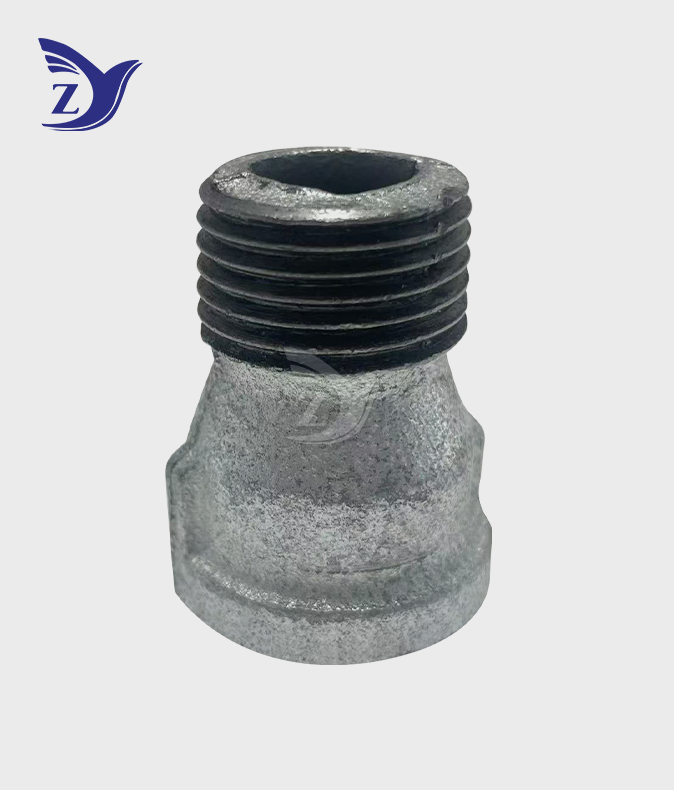
NPT Thread Square Edge Reducing Street Coupling Pipe Fittings
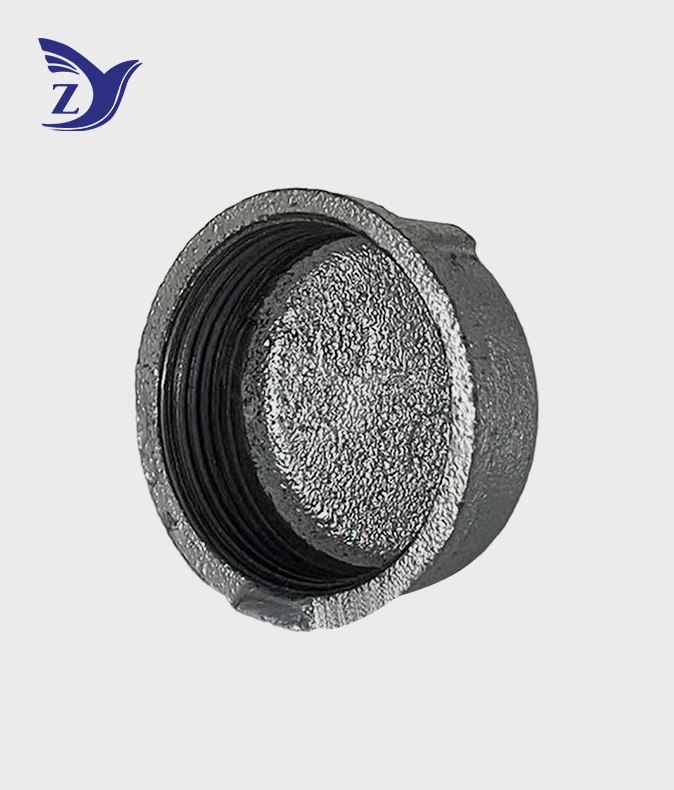
NPT Galvanized Pipe Cap Pipe Fittings
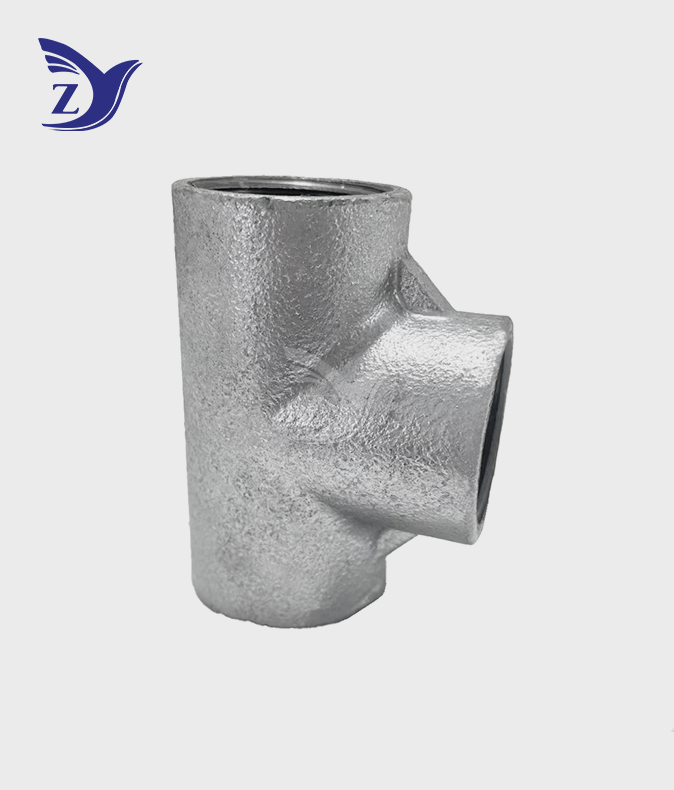
No Hub Electro Galvanized Straight Tee Pipe Fitting
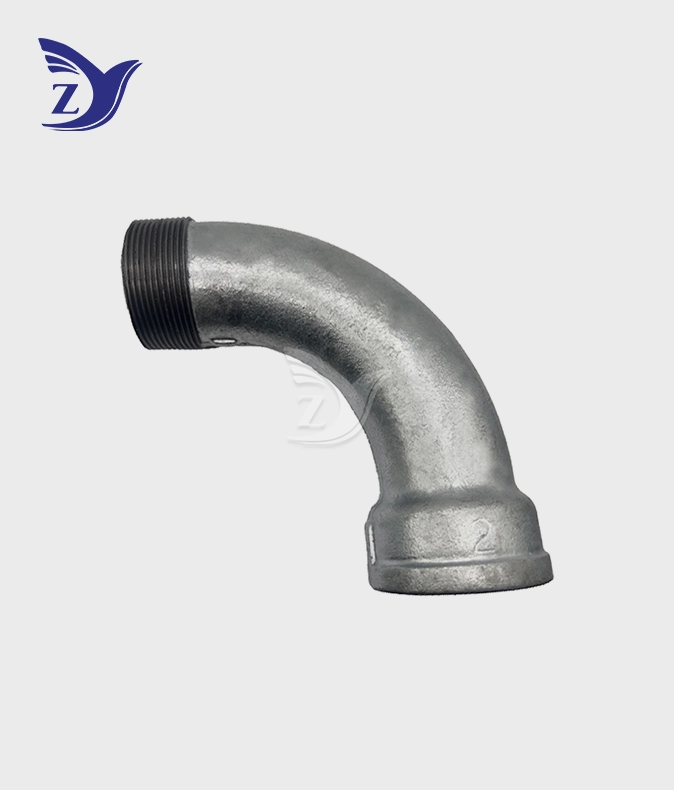
BSPT Galvanized Male Female 90° Long Radius Elbow Pipe Fittings
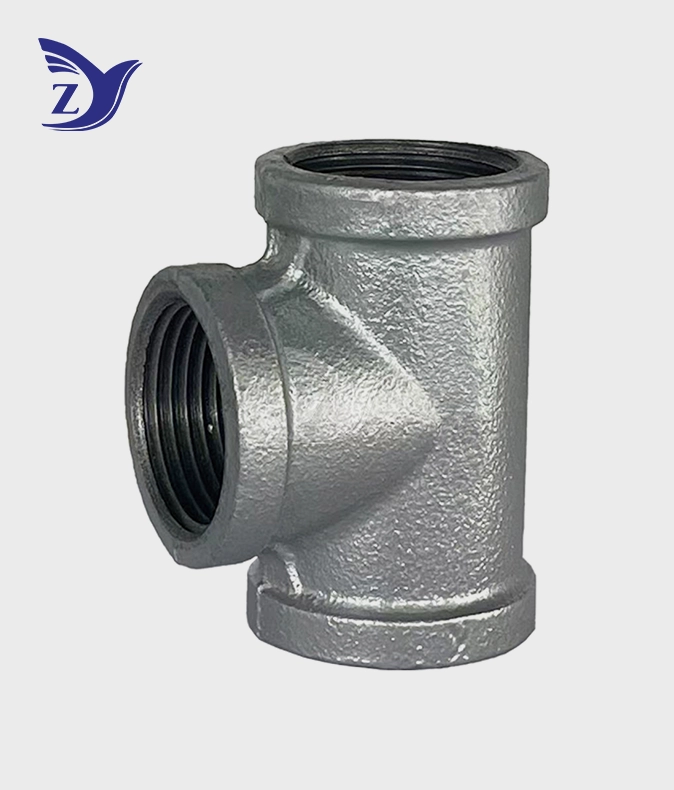
NPT Square Face Galvanized Square Edge Straight Tee Pipe Fittings
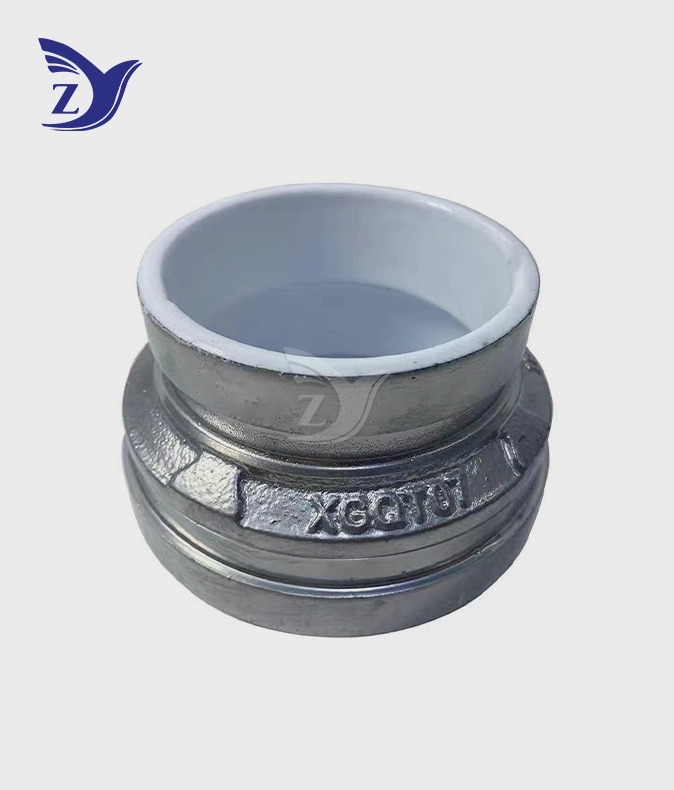
Water Grooved Reducer
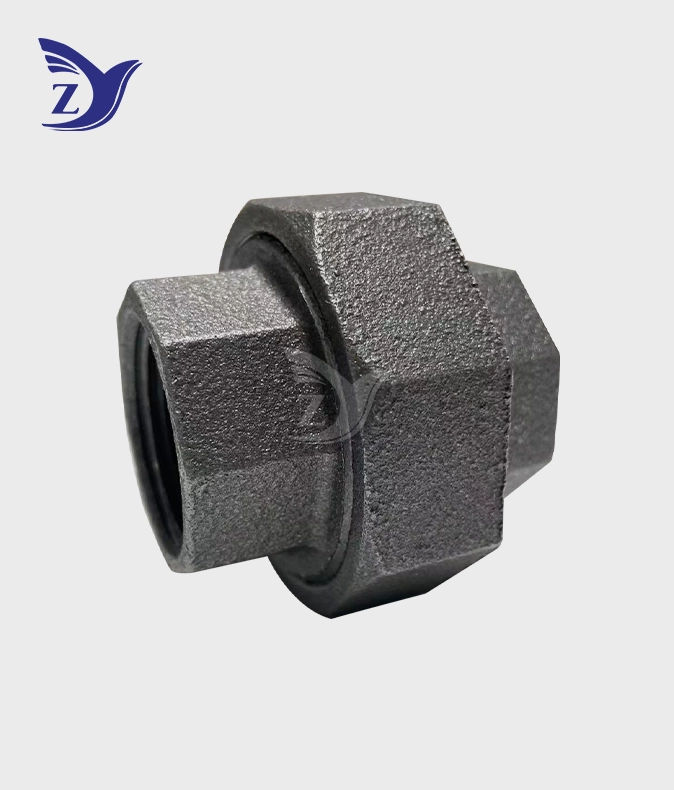
NPT Black Union 340 Pipe Fittings
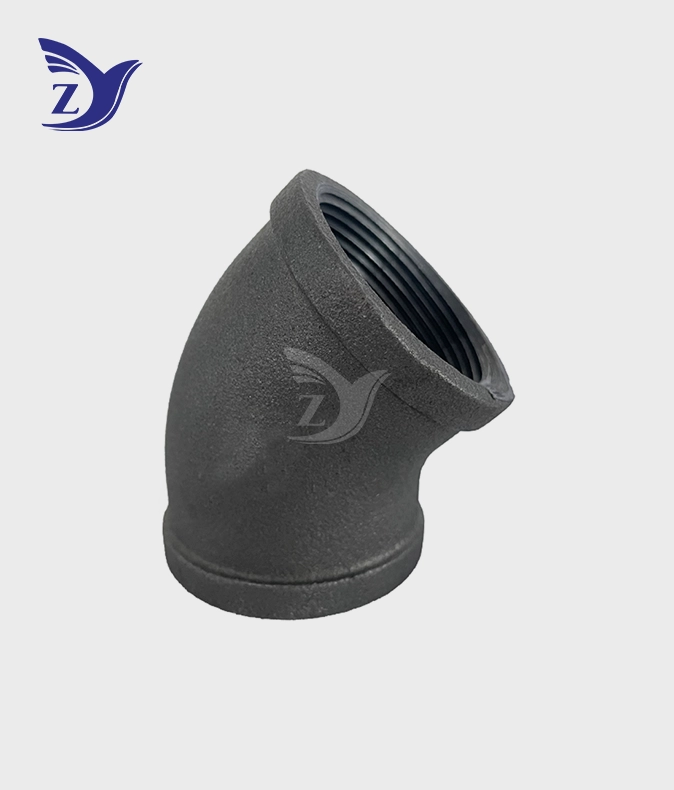
NPT Black Square Face 45° Elbow Pipe Fittings