
Apr 20, 2026
Benefits of Galvanized Union 340 Pipe Fittings for Corrosion Resistance
Galvanized union 340 pipe fittings are a key part of modern pipeline systems where rust can damage the pipes' ability to work and make them last longer. The high-strength, malleable iron used to make these threaded, removable connections is coated with hot-dipped zinc, which makes a barrier that fights rust and chemical breakdown in harsh industrial settings. The design shown in Figure 340 has a carefully carved conical seat that creates a strong metal-to-metal seal without the need for gaskets. This makes these NPT and BSPT suitable unions perfect for uses with water, gas, steam, and petrochemicals. The fact that they are replaceable makes upkeep easier, and the galvanization process makes them last a lot longer than options that aren't coated.
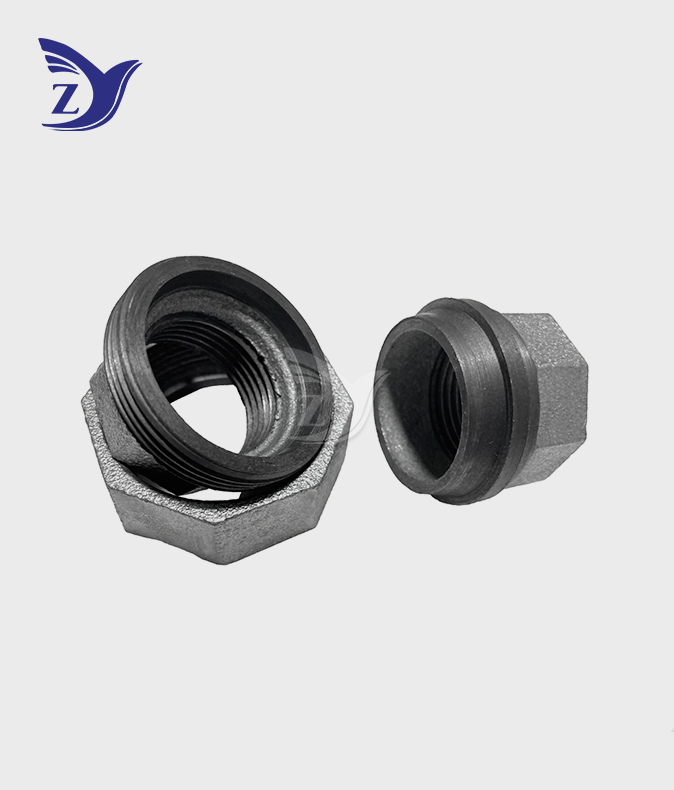
Galvanized Union 340 Pipe Fittings Corrosion Resistance
Failures in pipe systems cost businesses millions of dollars every year, and rust is a big reason for this. This problem is solved by galvanized union 340 pipe fittings, which use both material science and protection covering technology.
Material Composition and Manufacturing Standards
galvanized union 340 pipe fittings are made from Black Heart Malleable Iron that meets standards like KTH300-06, KTH330-08, or ASTM A197. The tensile strength of the malleable iron is over 300 MPa, but it stays flexible enough that it doesn't break when it's being installed or heated and cooled. These parts are different from regular cast iron ones that might break under stress because they are made of a different material.
The process starts with precision casting and then moves on to heating in kilns heated by natural gas. This changes the iron's microstructure to make it stronger. The NPT or BSPT threads are machined to exact taper specs (1:16 for BSPT and 60 degrees for NPT). The fittings are then hot-dip galvanized to meet ASTM A153 or ISO 1461 standards.
How Galvanization Prevents Corrosion
The zinc coating that is put on during hot-dip galvanization is usually at least 70 micrometers thick, making a layer that is mechanically attached to the iron base. This barrier works in two ways that work together to keep things safe. The zinc acts as a barrier, keeping water and other acidic substances from getting to the iron below. More importantly, zinc acts as a sacrifice anode—when small scratches or other damage reveal the base metal, the zinc around it corrodes faster, defending the iron through electrochemical action.
This two-layer defense is especially useful for installations outside, fire safety systems, and places where the temperature changes or where chemicals are present. The zinc surface can handle changes in pH and temperature that would quickly rust or corrode steel that isn't protected.
The Figure 340 Conical Seat Design
Their iron-to-iron conical seat design is what makes these unions unique. The precision ground joining surfaces, unlike rubber gasket unions, make a leak-proof seal just by touching metal to metal. This design can handle a small amount of angular error during fitting and still work properly at pressures up to 25 bar (PN25 rating). The union nut has structural support bits that spread out the torque loads so that the threads don't strip when the nut is tightened.
Key Benefits of Galvanized Union 340 Pipe Fittings for Corrosion Resistance
Extended Service Life in Harsh Environments
When used in tough situations, galvanized union 340 pipe fittings last a very long time. The zinc coating greatly slows down the formation of rust. Fittings that are properly fitted usually last 20 to 30 years in moderate environments and 15 to 20 years even in harsh environments like chemical processing plants or sites near the coast. This longer lifespan means that the system doesn't need to be replaced as often, which saves money on work costs during downtime.
Fire safety building firms really like how long-lasting this is. Sprinkler systems often go idle for years, leaving water in the lines, which is perfect for corrosion. The galvanized coating makes sure that these important safety systems keep working when they need to, so that rusted pipes don't break during situations and cause terrible damage.
Maintenance Cost Reduction
Compared to bonded or fixed connections, union fittings are already easier to maintain because they can be taken off. When paired with their ability to fight corrosion, these galvanized union 340 pipe fittings make the total cost of ownership much lower. If the equipment is well taken care of, maintenance teams can take apart sections of pipelines to change valves or fix broken parts without cutting the pipes. They can then put the sections back together using the same fittings.
Municipal water and gas supply companies that are in charge of large distribution networks save a lot of money by reducing the number of times they have to do upkeep. The anti-rust qualities keep scale and rusting from forming, which would otherwise mean that parts would need to be cleaned more often or replaced before they're time. This means that there will be fewer service interruptions and lower operating costs over the lifetime of the system.
Performance Across Diverse Conditions
galvanized union 340 pipe fittings work effectively in a wide range of temperatures, pressures, and chemical environments that are common in business-to-business settings. These fittings can be used in HVAC systems, district heating networks, and process pipes that carry hot fluids because the material qualities don't change when the temperature drops below freezing or when it steams.
This makes the work easier for construction and city planning tasks. A single fitting specification can be used for multiple purposes inside a building, such as household water supply, natural gas distribution, and drainage systems. This makes buying and keeping track of inventory easier and makes sure that the quality of all installs is the same.
Regulatory Compliance and Safety Standards
Many foreign standards have been met by these galvanized union 340 pipe fittings, such as ISO 9001 quality control standards, CE marking for European markets, and UL/FM approvals for use in fire protection applications. Following the rules set by EN 10242 and ISO 49 guarantees that all production runs will have the same dimensions and materials.
For petroleum plants and power plants, strict safety rules apply to procurement managers, as pipeline failures could cause environmental problems or practical risks. Certified galvanized joints provide written proof that parts meet engineering standards, lowering the risk of liability and meeting the needs of regulatory audits.
Dimension Specifications and Material Standards Critical to Corrosion Resistance
galvanized union 340 pipe fittings will work as designed for as long as they are used if they meet certain technical requirements. By knowing these factors, you can make smart choices about buying that keep expensive system failures from happening.
Standard Size Ranges and Thread Compatibility
The sizes of these unions range from 1/4 inch to 6 inches, which is large enough to meet most industrial pipe uses. During production, standardized plug and ring gauges make sure that the thread shape stays the same for each size. When it comes to North American markets, NPT threads have a 60-degree angle and smoothed crests and roots. In Europe and the Commonwealth, BSPT threads have a 55-degree angle and rounded curves.
This level of accuracy in measurements is very important for the stability of the system. Threads that were cut to the wrong specs might look like they fit when the parts are not assembled, but they won't close properly when they are. Manufacturers of good products make sure that the effective thread length and taper angle keep the threads from bottoming out and create the force needed for connections that don't leak.
Material Grade Verification and Coating Thickness
Both mechanical strength and rust protection are directly affected by how malleable the iron is. Reliable providers use spectrometric research to make sure that the ratios of carbon, silicon, and manganese are within the acceptable levels. These chemical combinations make sure that the material can be shaped properly and doesn't become too flimsy, which could lead to cracking during installation pressure application.
The layer of the zinc covering is a key factor in protecting against corrosion over time. Quality control checks make sure that galvanization is above 70 micrometers on all surfaces by using magnetic induction scales. Thinner coatings may meet basic requirements, but they won't last as long, and too much zinc can make it hard for the threads to connect. It doesn't matter how regular the coating is; uneven galvanization leaves weak spots that can rust quickly.
Pressure Ratings and Temperature Derating
Heavy-duty galvanized union 340 pipe fittings usually have PN25 grades, which means they can be used safely at 25 bar (360 psi) and room temperature. But as temperatures rise, pressure powers drop because material properties change at high heat levels. When engineers are choosing fittings for steam service or hot water uses above 120°C (248°F), they need to look at derating curves.
The conical shape of the seat helps it handle more pressure. The metal-to-metal contact spreads stress more widely than links that depend on gaskets, which lowers the risk of blowouts. The union nut's reinforcements keep it from deforming under high power, so the seal stays intact even when pressure spikes or water hammer effects happen.
Conclusion
It has been shown that galvanized union 340 pipe fittings are useful for fire safety, building structures, industrial processing, and construction. High-strength, malleable iron, precision-threaded NPT/BSPT compatibility, and hot-dipped zinc finish work together to make links that are reliable, detachable, and can last for decades in harsh conditions. The conical seat design in Figure 340 gets rid of the need to maintain gaskets and makes sure that the seal doesn't leak at rating pressures. When installed and kept correctly, these industrial-grade parts lower the total cost of ownership by a large amount because they last longer, need less care, and work reliably. Purchasing professionals feel more confident when they select tools that meet international quality standards, and project engineers benefit from having parts that can be used with a variety of system types in the same installation.
Partner With Zhiyuan Malleable Steel for Quality Galvanized Union 340 Pipe Fittings
Zhiyuan Malleable Steel has been making specialized steel products for more than 26 years and works with fire protection companies, city engineering firms, plumbing distributors, and industry buying teams in North America and around the world. Our annual production capacity of 30,000 tons supports both big project orders and ongoing supply deals. We have a lot of standard galvanized union 340 pipe fittings in stock and can deliver them within two hours. To make sure they meet the requirements for ISO 9001, CE, UL, and FM standards, every fitting goes through strict quality control measures such as 100% pressure testing, thread size verification, and zinc coating thickness analysis. Our ODM/OEM design options meet the specific needs of different industries, and our replacement guarantee for broken goods shows that we care about customer happiness. Contact our technical team at q1236800000@gmail.com about your needs and find a reliable company that makes galvanized union 340 pipe fittings and can help you with your next project with engineering support and cheap prices.
FAQs
What Distinguishes Figure 340 From Figure 342 Union Designs?
The Figure 340 has a conical iron-to-iron seat that makes a metal-to-metal seal that can be used in oil, gas, and general utility uses. galvanized union 340 pipe fittings in the Figure 342 design have a bronze-to-iron seat, which is best for systems that handle drinkable water because the softer brass surface stops galvanic corrosion between matching faces and makes binding easier in low-pressure situations.
Can These Unions Connect NPT and BSPT Threaded Pipes?
The geometry and size requirements for NPT (60-degree angle) and BSPT (55-degree angle) threads are not the same. When you force threads that don't match together, the threading gets stripped and leaks happen. For links to work right, the thread types on the fitting and the pipe must match, or the right adapters must be used when switching between standards.
How Long Do Galvanized Unions Last in Corrosive Environments?
How long something lasts depends on how bad the situation is. Moderate conditions inside usually give 25 to 30 years, while harsh conditions outside or chemical contact give 15 to 20 years. Proper fitting that protects the zinc coating and regular upkeep have a big effect on how long something lasts.
Do Union Conical Seats Require Gaskets or Sealants?
The internal conical seat in Figure 340 is a precisely made metal-to-metal seal that doesn't need a gasket or sealant. PTFE tape or thread sealer is needed to stop leaks on the NPT or BSPT threads on the outside of the joint where it screws onto the pipe.
References
- American Society for Testing and Materials. "ASTM A197 Standard Specification for Cupola Malleable Iron." ASTM International, West Conshohocken, PA.
- British Standards Institution. "EN 10242 Threaded Pipe Fittings in Malleable Cast Iron." BSI Standards Publication, London, UK.
- National Association of Corrosion Engineers. "Corrosion Costs and Preventive Strategies in the United States." NACE International Impact Report, Houston, TX.
- International Organization for Standardization. "ISO 1461 Hot Dip Galvanized Coatings on Fabricated Iron and Steel Articles." ISO Standards Catalogue, Geneva, Switzerland.
- American Society of Mechanical Engineers. "ASME B16.3 Malleable Iron Threaded Fittings: Classes 150 and 300." ASME Standards Collection, New York, NY.
- Zinc Council International. "Hot-Dip Galvanizing for Corrosion Protection of Steel Products." Technical Publication on Galvanization Processes and Performance, Brussels, Belgium.
Online Message
YOU MAY LIKE
High quality furniture manufacturer
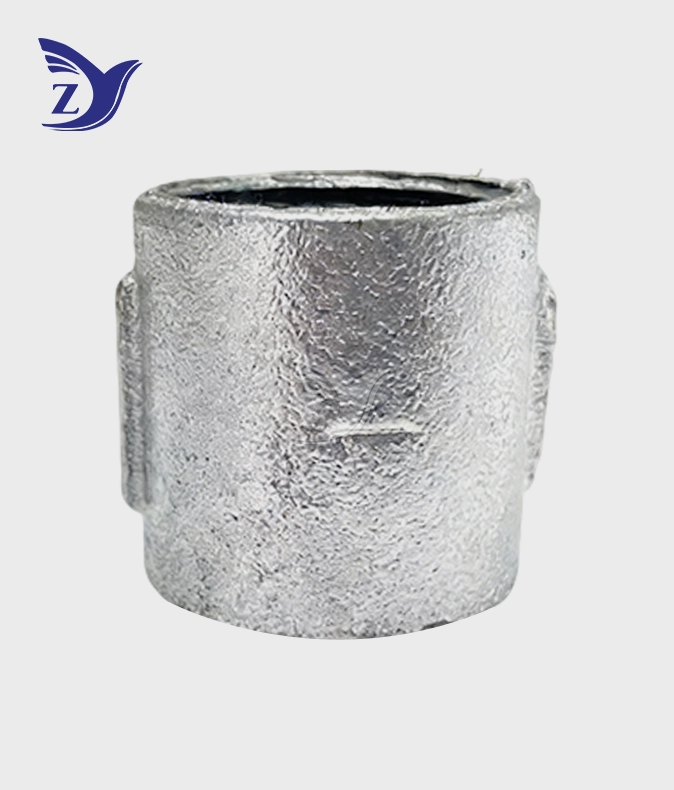
No Hub Hot Dip Galvanized Coupling Pipe Fitting
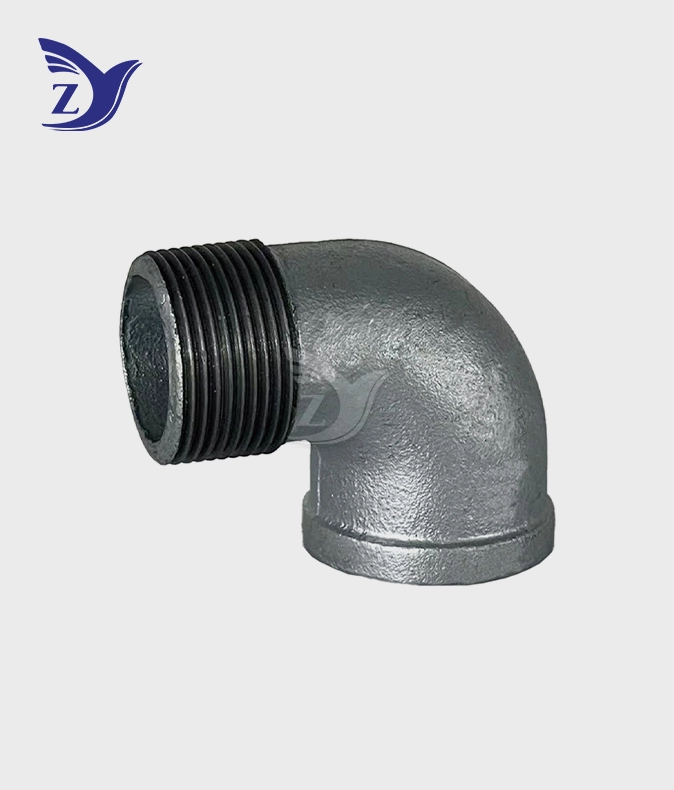
NPT Square Face Galvanized 90° Male Female Threaded Elbow Pipe Fittings
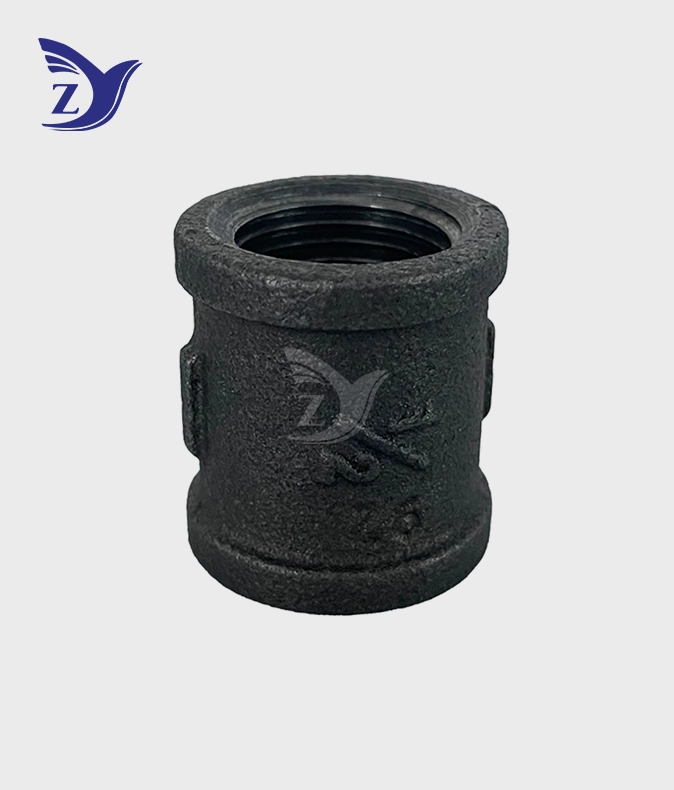
NPT Black Square Face Coupling Pipe Fittings
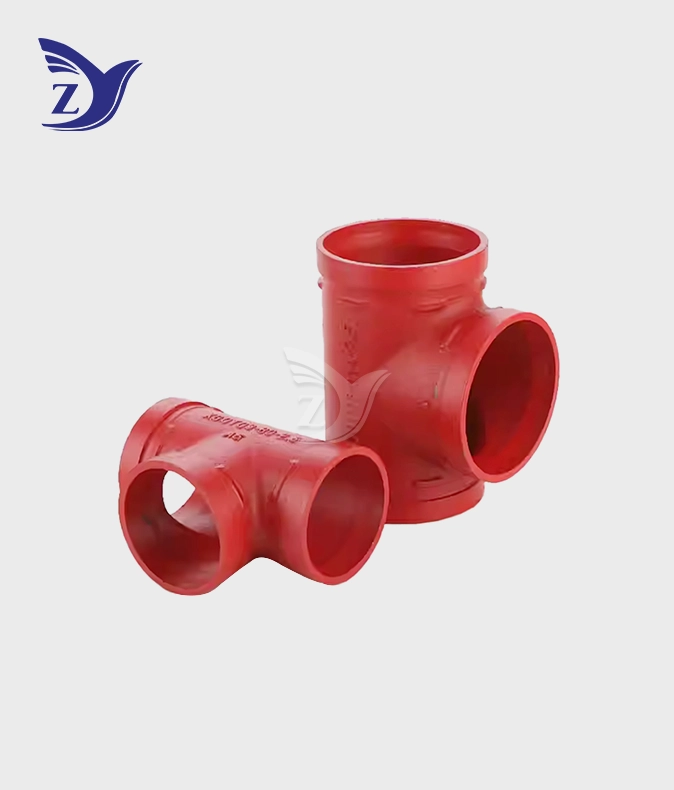
Fire Grooved Straight Tee
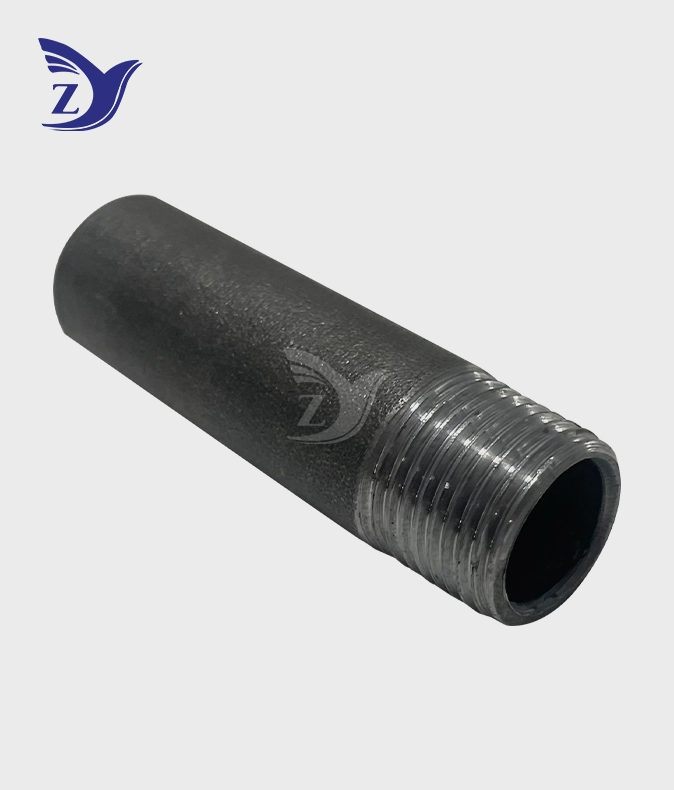
Carbon Steel Pipe Male Threaded Fittings Sand Blasted
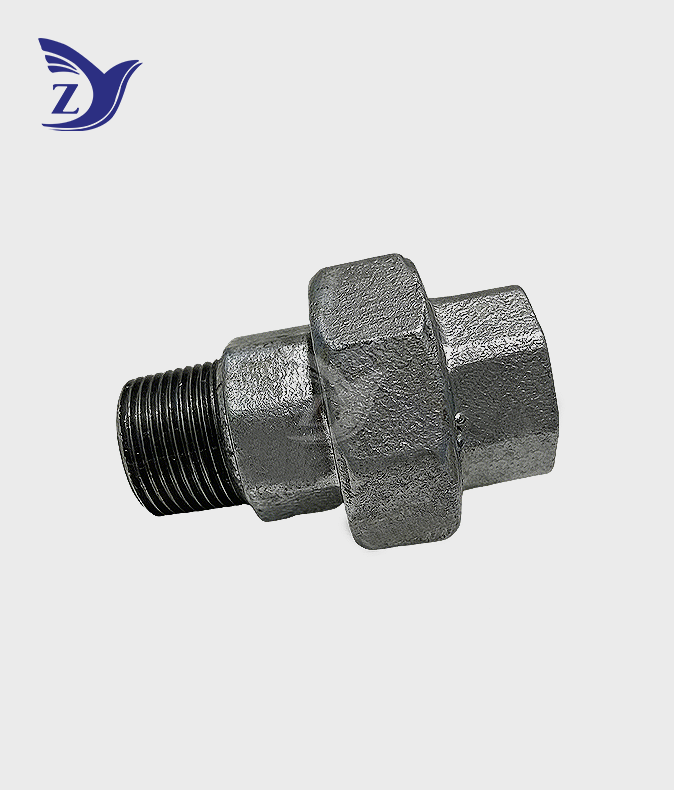
NPT Galvanized Male Female Threaded Union 343 Pipe Fittings
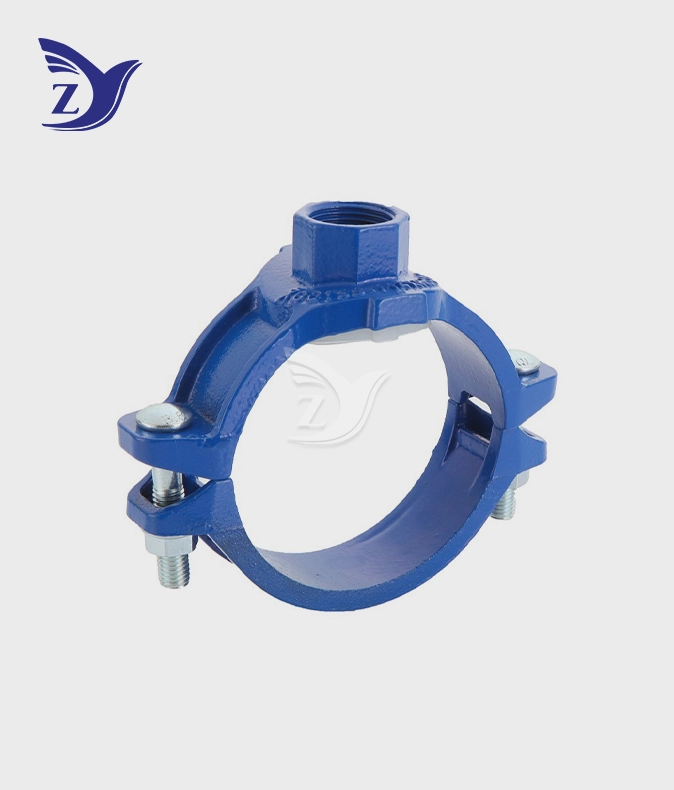
Water Grooved Mechanical Tee
Carbon Steel Full Threaded Coupling Fittings Black Oxide Treated