
Apr 29, 2026
Are there galvanized square edge reducing tee pipe fittings?
Galvanized square edge reducing tee pipe fittings are useful and simple to find. They are used in lots of business and industry pipe systems around the world. These one-of-a-kind parts, which are also known as square face galvanized square edge reducing tee pipe fittings, are strong like malleable iron and last a long time thanks to hot-dip galvanization. They also have a unique square-edged design that makes them easier to install and stronger. Find the best fittings at the best price, with the best performance and long-term dependability, by learning about their technical specs, material properties, and possible uses. You can learn about galvanized reducing tees and how they can be used in fire safety, public infrastructure, and industrial systems in this in-depth guide. It also has criteria for judging suppliers and buying best practices that are made just for engineering firms, distributors, and people buying from other countries.


Galvanized Square Edge Reducing Tee Pipe Fittings
What Makes Square Edge Design Distinctive
Each outlet on a galvanized reducing tee with a square edge has a rectangular reinforcement band. Pipe wrenches won't slip during installation because these bands make a good surface for them to grip. It's not like other fittings that are rounded or beaded because this one lets installers control the torque better without having to use special tools. This helps in the field, where time and getting things done quickly are important. When fittings are tightened with a lot of torque, the square banding adds mass to key stress points in the material. This makes it less likely that the material will deform or crack. This change to the structure is helpful in places where the safety and continuity of operations depend on the connections being strong, such as fire sprinkler systems, industrial steam lines, and public water systems.
Material Composition and Galvanization Process
Square face galvanized square edge reducing tee pipe fittings are made from high-quality iron that can be shaped and meets ASTM A197 or ISO 5922 standards. These materials were picked because they are strong enough to tear and bend without breaking. Gray iron is very brittle, but malleable iron can handle changes in temperature, vibration, and mechanical stress without breaking. These are important traits for pipelines that are put through changes in pressure and temperature. ASTM A153 says that the hot-dip galvanization process usually adds a zinc layer that is more than 70 microns thick. This forms a barrier that protects the base metal and keeps it from oxidizing, even when it's wet or the chemicals are harsh. This zinc layer makes the fitting last a lot longer than black steel fittings that aren't coated. This is especially true in systems that are outside or that deal with media that is corrosive.
Thread Standards and Compatibility
To meet the needs of pipes in different parts of the world, square edge reducing tees can have either NPT (National Pipe Taper) or BSPT (British Standard Pipe Taper) threading. ASME B1.20.1 says that NPT threads have a 60-degree angle and a 1:16 taper ratio. In North American markets, these threads are used a lot. A 55-degree Whitworth thread form is used for BSPT threading according to ISO 7-1 standards. This thread form is common in industrial systems in Europe, Asia, and the Commonwealth. To make mechanical seals that are pressure-tight up to 150 psi (Class 150) or 300 psi (Class 300), both types of threads must be properly assembled and sealed with the right thread sealants. This depends on the fitting classification and the temperature ranges that are used.
Key Applications and Benefits of Galvanized Square Edge Reducing Tee Fittings
Industrial Water and Gas Pipeline Branching
Square face galvanized square edge reducing tee pipe fittings are very important for branching in networks that distribute water in factories, send natural gas, and connect air lines. In order to send the fluid to equipment or secondary pipes with smaller diameters, they change the flow. The reducing configuration makes it easy for engineers to switch from main headers to smaller branch lines. It controls flow rates and pressure drops based on the needs of the system design. Plants that make things use these fittings to connect each production station to the process water. They are also used by public gas companies to connect business buildings to mains that carry gas and provide service. The galvanized coating keeps the steel from rusting and makes sure it works well in underground installations where soil and water would quickly rust steel that isn't protected.
Fire Protection System Integration
Fire safety engineering firms often suggest galvanized tees that are easy to shape for installing sprinkler systems that need to meet building codes and last a long time. The fittings connect the main pipes that bring water to the sprinkler heads to the smaller pipes that go to each head. The reducing design makes it possible for the supply mains to be stepped down to the outlet connections. When surfaces are hot-dipped galvanized, they stop rust scale from building up inside, which can block sprinkler nozzles after years of standby use. This is important to think about because the building is at risk if the nozzle gets clogged during a fire. Heavy-duty iron that can be shaped can handle the water hammer effects that happen when sprinklers go off quickly. Because of this, the joints don't break, which would make the system less useful in an emergency.
HVAC and Plumbing Installations
Some commercial buildings use these pipe fittings as part of their heating, ventilation, and air conditioning systems. This type of connection is used for condensate drain lines, chilled water circuits, and hydronic heating loops that need to be strong and not leak. Plumbers like precision-threaded NPT or BSPT connections because they are easy to install and make strong connections without the need for welding gear or special training. Because the galvanized coating doesn't rust, the system lasts longer in mechanical rooms where the humidity changes and maintenance workers might not be able to get to the area easily. Construction and city engineering firms use these fittings for water supply and drainage systems in public, private, and home infrastructure projects. How reliable the parts are has a direct effect on how much it costs to run these systems over time.
Advantages Over Alternative Materials
When you put galvanized malleable iron t-shirts next to black steel and stainless steel ones, you can tell that they work and cost differently. Even though stainless steel doesn't rust as easily as galvanized steel, it costs a lot more—often two to three times as much. Because of this, it is not a good choice for large installations that will be subject to moderate corrosion. At first, black steel fittings are cheaper, but they rust quickly and need to be replaced because they are constantly being used in damp places. Square edge reducing tees made of galvanized steel are a good middle ground because they don't rust and last 15 to 20 years longer than black steel. Plus, they cost less than black steel, which is good for projects that need to stay within their budget. The square edges make installation easier and don't cost more. By cutting down on labor costs and field adjustments, this adds value that can be measured.
Trusted Supplier Evaluation for Galvanized Square Edge Reducing Tee Fittings
Manufacturing Standards and Certifications
Buyers who care about quality give more weight to suppliers who can get third-party certifications to show that they follow well-known production standards. A company with ISO 9001 quality management certification makes sure that all of their products meet the same standards through a set of controls. When fittings get a certain certification, like UL and FM approval for fire safety parts or CE marking for the European market, it means that they meet strict performance and safety standards set by testing labs outside of the company. Buyers can make smart choices based on performance traits that can be checked, not just marketing claims, when manufacturers publish full technical specs like tensile strength data, pressure test results, and coating thickness measurements.
Supplier Credential Assessment
When looking at possible square face galvanized square edge reducing tee pipe fitting suppliers, you should check how much they can produce, how much they know about technology, and how good they are at customer service. These things work together to decide if the relationship will work or not. That's because bigger factories that make more than 20,000 tons of goods a year can get better materials, keep quality high, and keep costs low, which smaller factories can't do. Technical staff who can help with application advice, making sure that specifications are clear, and making custom products are useful resources that go beyond just taking orders. Support after the sale, like warranties, policies for replacing broken items, and friendly customer service, keeps procurement investments safe when issues arise. This is what makes partnership-oriented suppliers different from transactional suppliers.
Geographic Sourcing Considerations
Choosing between local and international suppliers involves balancing cost advantages against service responsiveness and supply chain complexity. Domestic suppliers offer shorter lead times, simplified logistics, and easier communication that streamline project coordination and reduce inventory carrying costs. You can save a lot of money by buying in bulk from international companies, especially those in industrialized areas. Often, the prices are 20–40% less than in the United States. This could make project budgets go up or down a lot. It is best to get goods from other countries from suppliers who offer technical support in English, have a history of exporting, and have set up logistics networks that make shipping as easy as possible. Long-term buying benefits that support project portfolios come from building relationships with suppliers that offer both low prices and reliable service.
Conclusion
Fire alarm systems, commercial plumbing, and industrial water systems all work well with galvanized square edge reducing tee pipe fittings. They are also a good value. They don't rust, are simple to put in place, and work well over time. Weldable iron is strong, hot-dip galvanizing protects, and precision threading makes sure that the part fits perfectly. This makes it last for decades in harsh conditions. It's helpful for procurement professionals to understand the technical differences between square edge and other designs. They should also look at a supplier's certifications and production capabilities and use systematic selection criteria that match the needs of the project with the requirements of the parts. When making strategic sourcing choices, it's helpful to think about the total cost of ownership and build relationships with suppliers. This can help a project's short-term and long-term performance in many situations.
Partner with Zhiyuan Malleable Steel for Your Piping Solutions
Zhiyuan Malleable Steel has been making square face galvanized square edge reducing tee pipe fittings for 18 years. They are used by fire protection contractors, municipal engineering firms, and industrial facility operators all over North America. Every year, our facility in Taigu, Shanxi, can handle 30,000 tons of cargo. We also keep a lot of standard NPT and BSPT configurations in stock so that they can be shipped within 48 hours for projects that need them right away. When it comes to square face galvanized square edge reducing tee pipe fittings, we make sure that every part meets high standards of quality before it leaves our building. To do this, we follow strict ISO 9001 quality controls and have UL, FM, and CE certifications for our products. We have a technical team that can help you with application advice and custom sizing for needs that aren't standard. They also offer full warranty protection and promise to replace any products that are broken. Our procurement specialists can be reached at q1236800000@gmail.com to talk about your project needs, get detailed technical specifications, or set up sample shipments. This shows how dedicated we are to giving you the best quality and service in industrial pipe fittings.
FAQ
Are galvanized square edge reducing tees suitable for high-pressure applications?
Yes, as long as it's rated correctly. At most 150 psi, Class 150 fittings can handle oil and water pressures. At most 300 psi, Class 300 fittings can handle both. As a safety measure, make sure that the system's highest working pressure is greater than the fitting's pressure rating. Temperature can also change ratings. According to ASME standards, working pressures are lowered as temperature rises.
What distinguishes square edge from square face reducing tees?
These terms are often used to refer to the same thing in the business world: the square bands that make it easier to hold a wrench at fitting outlets. The square edge draws attention to the sharp shape, and the square face shows the flat surface for gripping. When compared to round beads, both types have the same mechanical advantages.
Can I mix NPT and BSPT threaded fittings in the same system?
Not at all. When you mix thread standards, you get connections that don't work together and leak when you put pressure on them. Because NPT and BSPT threads are not the same in terms of pitches and angles, they do not work well together. All of the systems need to use the same threading. They can pick between the NPT (North American standard) and BSPT (international standard) threading types based on the needs of their region and the infrastructure that is already in place.
References
- American Society of Mechanical Engineers. (2020). ASME B16.3: Malleable Iron Threaded Fittings – Classes 150 and 300. New York: ASME Press.
- ASTM International. (2019). ASTM A153/A153M Standard Specification for Zinc Coating (Hot-Dip) on Iron and Steel Hardware. West Conshohocken: ASTM International.
- International Organization for Standardization. (2021). ISO 5922: Malleable Cast Iron – Technical Specifications. Geneva: ISO Standards.
- National Fire Protection Association. (2022). NFPA 13: Standard for the Installation of Sprinkler Systems. Quincy: NFPA Publications.
- British Standards Institution. (2018). BS EN 10242: Threaded Pipe Fittings in Malleable Cast Iron. London: BSI Group.
- Smith, R. J., & Thompson, M. K. (2021). Industrial Piping Systems: Design, Installation, and Maintenance Practices. Boston: Technical Publishing House.
Online Message
YOU MAY LIKE
High quality furniture manufacturer
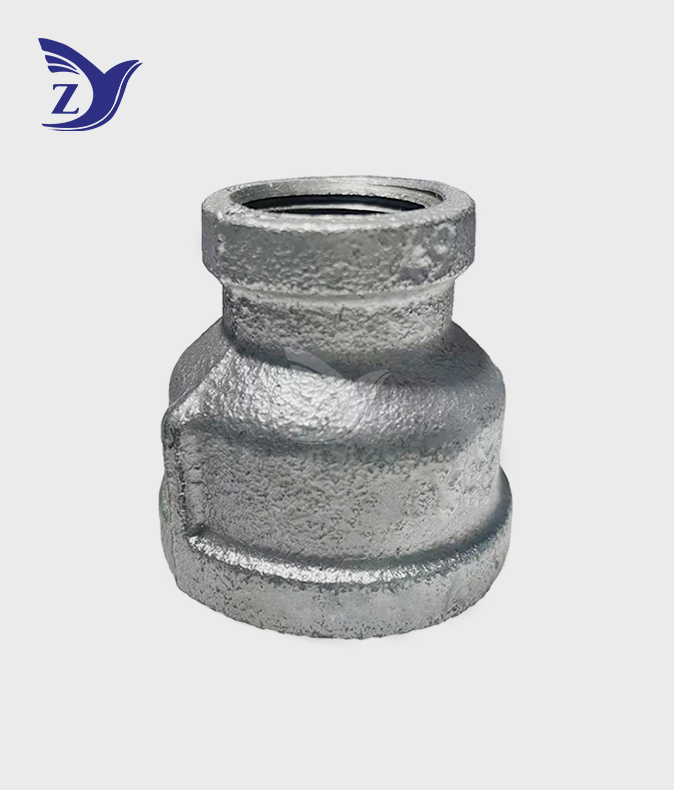
BSPT Square Face Galvanized Square Edge Reducing Coupling Pipe Fittings
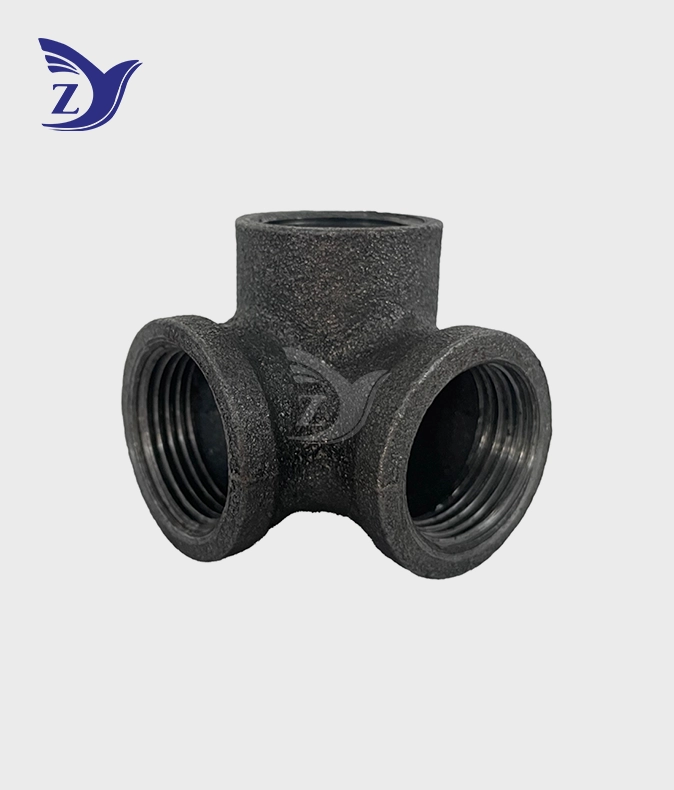
NPT Black Malleable Iron Tee Pipe Fittings
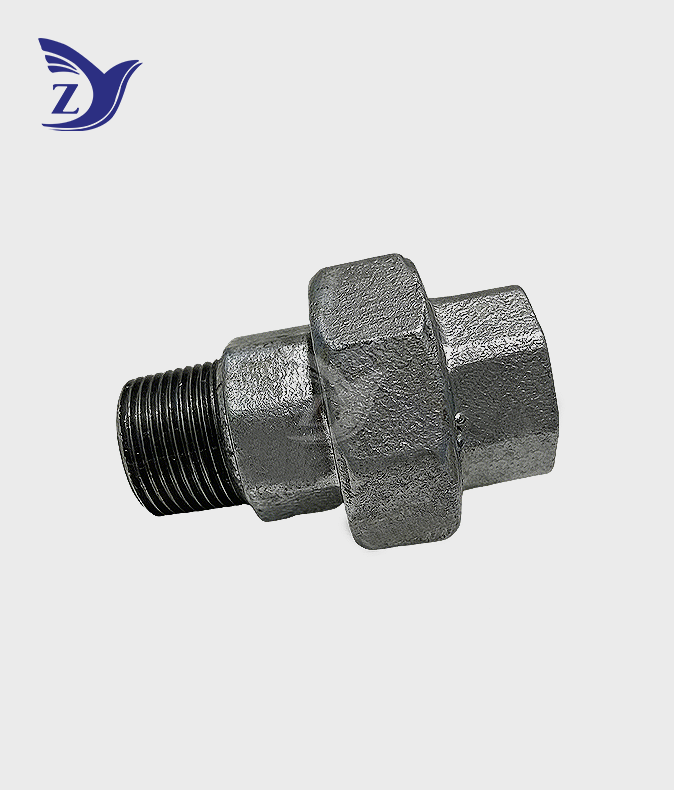
NPT Galvanized Male Female Threaded Union 343 Pipe Fittings
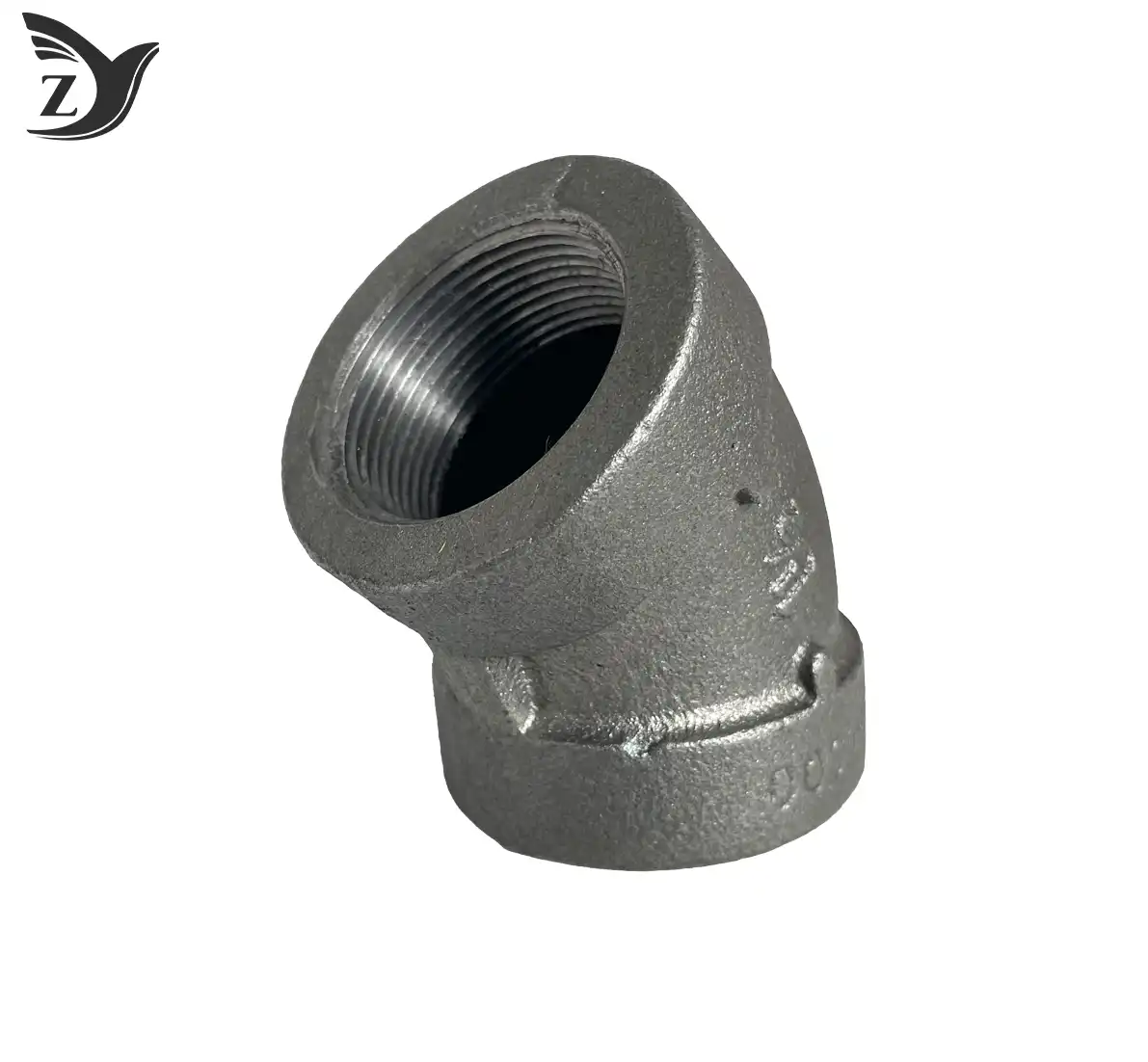
300LB Black Malleable Iron 45 Degree Threaded Elbow Pipe Fittings
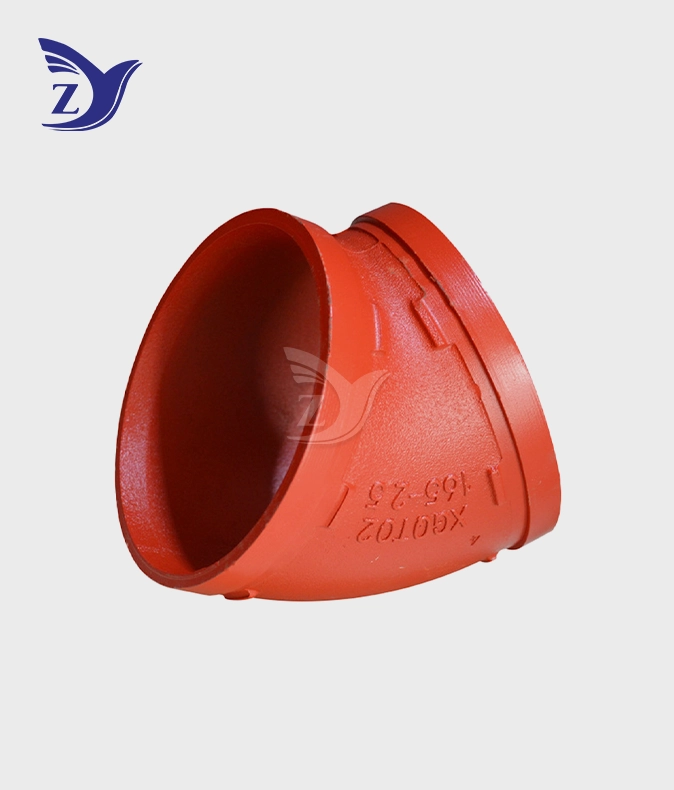
Fire Grooved 45° Elbow
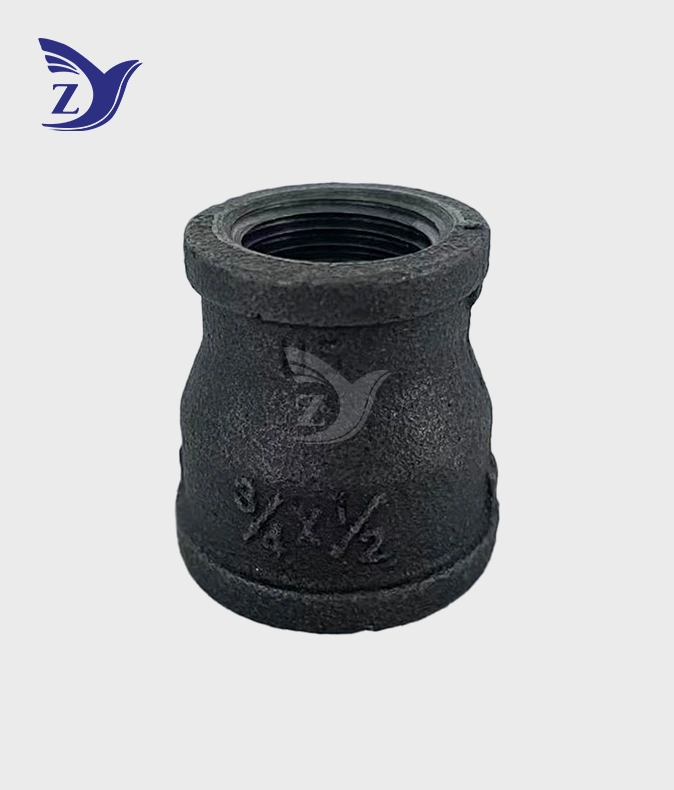
NPT Black Square Face Reducing Coupling Pipe Fittings
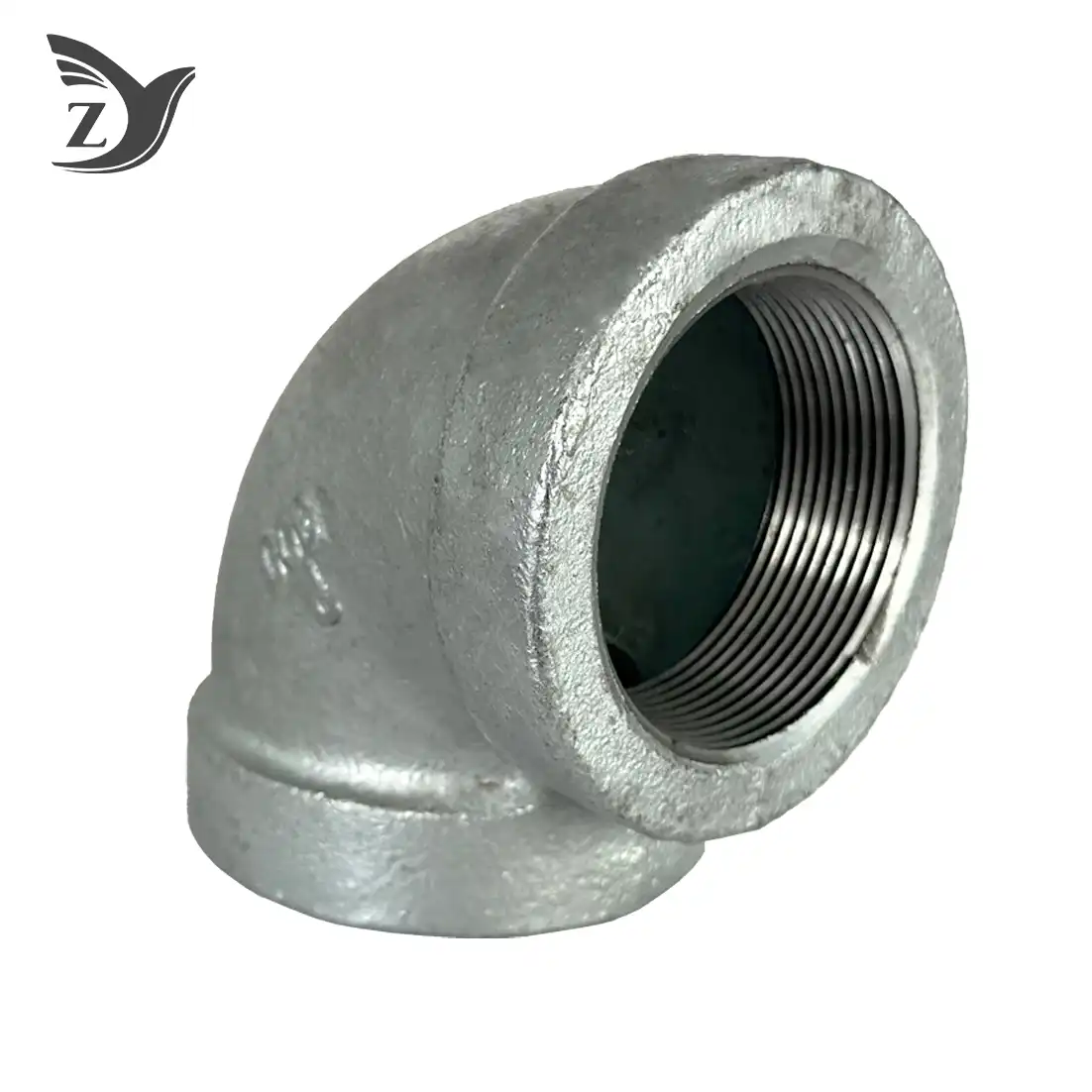
Class 300 Galvanized 90 Degree Malleable Iron Elbow
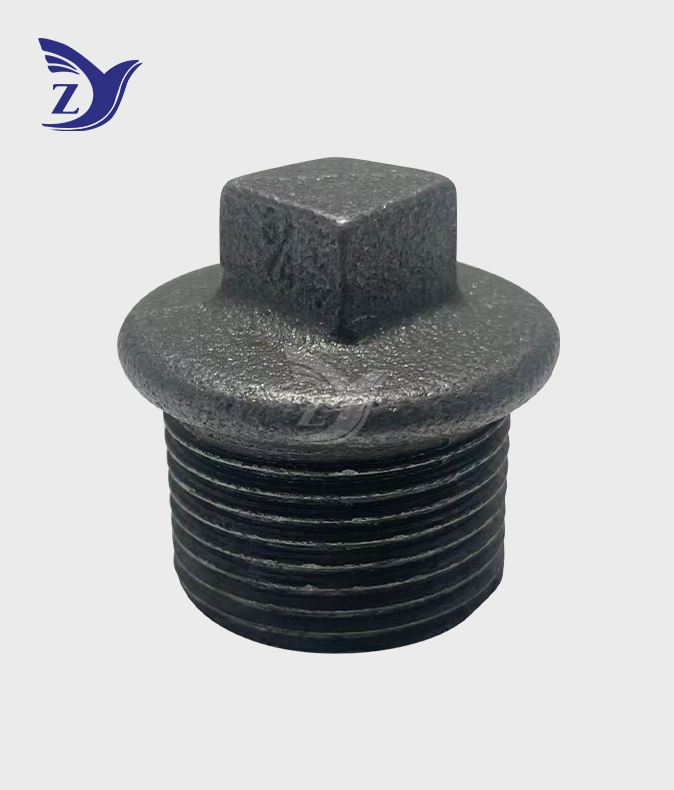
NPT Black Flanged Plug Pipe Fittings