
Jul 1, 2026
Are NPT and FPT the same?
The language used to describe pipe parts for industrial projects can be hard to understand. NPT and FPT are two terms that are often used together and can be hard to understand, even for experienced engineers. They talk about different parts of threaded pipe joints, even though they sound alike and are often used together. This difference is important to know when you're looking for parts like NPT galvanized male female 90° long radius elbow pipe fittings that are used in fire protection, HVAC, or public water systems.
The National Pipe Tapered thread, or NPT, is a standard thread shape set by ANSI/ASME B1.20.1. When the threads connect, this curved design makes a mechanical seal that gets tighter over time to stop gas and liquid systems from leaking. On the other hand, FPT stands for "Female Pipe Thread." This term only refers to the type of link (internal threading), not the thread standard itself. The threads on an FPT fitting can be NPT, BSPT, or another type. On a specification sheet, "NPT male to FPT" means that a male NPT-threaded end will mate with a female NPT-threaded end. There is misunderstanding because FPT doesn't say which thread standard to use, but NPT does. When buying teams know this difference, they can avoid expensive mistakes that cause leaks, downtime, or project delays.
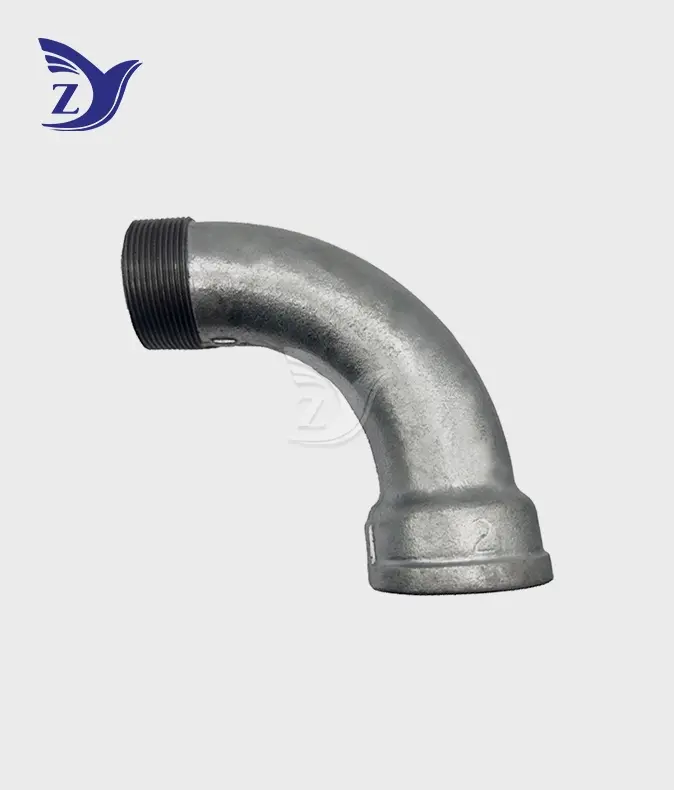
NPT and FPT Threads: Definitions and Differences
What is NPT and Why Does It Matter?
NPT threads have a 60-degree taper angle, which means that as the thread lengthens, the width gets smaller and smaller. This taper makes an interference fit, which means that as you tighten the link, the metal presses against itself to make a cover that won't leak. To make sure that products from different makers can work together, the standard sets limits for pitch diameters, engagement lengths, and taper rates.
In North America, NPT threads are used most often in industrial settings because they can handle shaking, temperature cycles, and changes in pressure well. The tapered shape makes up for small flaws in the machining, so the seal works well even in harsh places like petrochemical plants or sites near the coast, where salt air speeds up rust. When thread sealant or PTFE tape is used with NPT connections, leak rates drop below what is considered normal in the industry. Often, they go above and beyond the Class 150 pressure values (300 psi at room temperature).
Decoding FPT: A Gender Designation, Not a Standard
FPT stands for "internal threading." Think of it as the plug that fits a pipe or tip with a male thread. On the other hand, FPT doesn't tell you if the internal threads are NPT, BSPT (British Standard Pipe Tapered), or metric ISO. This difference is very important when getting fits from other countries or putting together parts from different sources.
It's possible for a fitting marked "1/2-inch FPT" to have NPT threads (common in the US), BSPT threads (common in Europe and Commonwealth countries), or even parallel threads like BSPP. Each standard has a different pitch, angle, and way of closing. If you use the wrong NPT male with a BSPT female, you could end up with cross-threading, broken threads, or huge leaks when the pressure is on. To make sure everything works, procurement experts have to check not only the gender but also the exact thread standard.
How Male NPT and Female NPT Threads Work Together
One end of an NPT galvanized male female 90° long radius elbow pipe fitting has external NPT threads (male) and the other end has internal NPT threads (female). This arrangement, which is sometimes called a "street elbow," gets rid of the need for a middle nipple. This frees up space in small places like fire sprinkler riser assemblies or boiler rooms.
As soon as the taper engages, the fitting gets tight. The male end goes into the female port. To put something correctly, you need to use thread sealer on the male threads. This is usually a PTFE paste that is rated for the temperature and type of fluid that will be used. When iron bodies are over-tightened, they can crack, but when they are under-tightened, they leave gaps that let fluid out. Different sizes need different amounts of torque. For example, a 1-inch NPT fitting needs 30 to 40 ft-lbs, which can be measured with a certified torque wrench. Knowing how these two things work together will help your installation team make links that are safe, up to code, and pass hydraulic testing.
NPT Galvanized Male Female 90° Long Radius Elbow Pipe Fittings: Features and Benefits
Key Design Features That Solve Real-World Challenges
With these special joints, pipe runs are turned 90 degrees while switching between male and female joining points. "Long radius" means that the centerline radius is 1.5 times the standard pipe diameter. For example, the centerline radius of a 2-inch elbow is 3 inches. This longer pass cuts down on turbulence and pressure drop compared to short-radius designs. This keeps the system's efficiency in high-flow situations like water mains in cities or cooling loops in factories.
A zinc layer more than 70 microns thick (500g/m² by ASTM A153 norms) is put on during hot-dip galvanization. This coating works as a sacrifice anode: if the iron underneath gets scratched, the zinc will rust first, saving the iron below. Immersing the fitting in liquid zinc at 840°F is part of the process. This makes sure that all of the threads and holes are covered, which is where rust usually starts. Galvanization is especially good for threaded fittings because the thread roots, which are where stress builds up, become easy places for rust to happen. The zinc barrier increases the service life by 20 to 30 years in damp or outdoor settings. This is a very important benefit for fire sprinkler risers that are exposed to condensation or farming irrigation lines that are exposed to fertilizer leftovers.
Material Advantages: Malleable Iron vs. Alternatives
NPT galvanized male female 90° long radius elbow pipe fittings are made from black heart malleable iron that meets ASTM A197 standards. They have a tensile strength of more than 300 MPa and an extension strength of more than 6%. Grey cast iron breaks when it is hit hard, but malleable iron can handle impact thanks to tiny graphite bits mixed in with a ferrite core. This toughness is important during installation—cracks that compromise pressure integrity rarely happen when parts are dropped or over-torqued.
The material can handle temperature changes from -20°F to 150°F without breaking. It can handle these changes better than hard cast iron. Water hammer is the rapid rise in pressure that happens when valves close. It can break parts that are easily broken, but malleable iron can handle the force. Around NPT threaded holes, the square-face bead strengthening adds 15–20% more mass than light-duty fittings. This makes the hoop stronger and stops it from splitting during high-torque assembly.
Why Long Radius Elbows Outperform Short Radius in Critical Systems
When fluid flows through a short-radius curve (where the central radius is the same as the pipe diameter), the direction of flow changes quickly. This creates secondary flow patterns and friction losses. At normal flow rates, the pressure drop across a short-radius 90° elbow can reach 0.5 to 0.7 psi per fitting. When that happens over dozens of joints in a big HVAC system, it adds 10-15 psi of back pressure that isn't needed. This makes pumps work harder and use more energy than they need to.
Hydraulic engineering handbooks say that long-radius elbows lower pressure drop by 30–40% compared to short-radius elbows. The softer shape keeps the laminar flow going for longer, which reduces the damage that turbulence causes to the inner radius. This design stops erosion-corrosion in steam condensate return lines. This is when high-speed drops wear away protective oxide films, leaving new metal open to acid attack. Long-radius designs also keep sediment from building up in slurry transport. Irrigation systems that pump water with soil particles in it benefit a lot because solids that are swept through the elbow don't settle at the turn.
Conclusion
Making it clear what the difference is between NPT (a thread standard) and FPT (a gender name) saves time and money for industry buyers who are confused. NPT galvanized male female 90° long radius elbow pipe fittings have standard threading, coatings that prevent corrosion, and flow-optimized shape. They solve common problems in HVAC, fire protection, and city building projects. Leak-free performance that meets ANSI/ASME standards is guaranteed by using torque-controlled ways and suitable sealants during installation. When galvanized malleable iron works better than alternatives, balancing cost, longevity, and environmental resilience, is clear from comparing materials. To make sure that reliable parts are delivered on time, strategic procurement focuses on certified sources, volume prices, and planning transportation. When engineers and procurement teams understand these technical and business factors, they can choose fittings that make systems work better while keeping project risks and lifetime costs low.
FAQ
Can I Connect Male NPT to Female BSPT Threads?
Trying to mate NPT and BSPT threads together leads to problems with compatibility. The thread angles on both are 60 degrees, but the BSPT drop is a little faster (1:16 on width vs. 1:16 on NPT). The first few threads may engage, but they can't fully engage, leaving holes that leak when pressure is applied. The diameter is also a little different. NPT uses threads per inch, while BSPT uses threads per inch with different densities for standard sizes that are the same. Mixing standards can cancel guarantees and is against the law in most places. Make sure that both parts that fit together have the same thread standard. This is especially important when buying from overseas or combining old equipment.
How Do I Know if My Existing System Uses NPT or BSPT?
Use a thread gauge to measure the thread pitch. Hardware shops sell gauges with different pitch shapes. The normal pitch for NPT sizes is 14 threads per inch for 1/2-inch, 14 TPI for 3/4-inch, and 11.5 TPI for 1-inch. Check the marks on the fittings that are already there; good providers will stamp the size and standard on the body. The location of the equipment can help you figure it out. For example, North American sites tend to use NPT, while European or Commonwealth equipment tends to use BSPT. If you want to add on to or change an older system, you should take a part off and have the threads identified by a provider instead of guessing.
What Pressure Rating Do NPT Galvanized Elbows Achieve?
If the wall is thick enough, malleable iron fittings may meet Class 150 ratings (300 psi at -20°F to 150°F) or Class 300 ratings (750 psi). When the temperature goes up, the pressure capacity goes down. For example, at 350°F, Class 150 fittings lose pressure to 200 psi. The 150–175 psi that fire sprinklers use is well within safe limits. Most municipal water mains run between 60 and 80 psi, which is a large safety cushion. Always check pressure numbers against test reports, especially when using steam or compressed air, where failure could have very bad results. Before the system is put into service, fittings are checked for soundness by hydrostatic testing to 1.5 times the working pressure.
Partner with Zhiyuan Malleable Steel for Reliable NPT Galvanized Male Female 90° Long Radius Elbow Pipe Fittings
Zhiyuan Malleable Steel has been casting and making things with quality in mind for 26 years, and they can help you buy industrial pipe fittings. Our NPT galvanized male female 90° long radius elbow pipe fittings are compliant with ANSI/ASME B1.20.1 and ASTM A153 standards. This was confirmed by strict thread gauging and zinc thickness tests. We sell to fire protection companies, municipal engineers, and industrial plants all over North America and the world. Our annual production capacity is 30,000 tons, and we meet more than 1,000 requirements. Certifications like ISO 9001, CE, UL, and FM make sure that even the most difficult tasks can be tracked and followed. Standard sizes can be shipped within 48 hours from our large collection, and we can also make custom designs for specific uses through our ODM/OEM services. As a company that makes NPT galvanized male female 90° long radius elbow pipe fittings, we offer discounts for buying in bulk, expert support, and promises that any problems will be fixed, all of which lower your risk when buying from us. Contact us at q1236800000@gmail.com or visit zymalleablepipefitting.com to discuss your project requirements and receive detailed quotations.
References
- American Society of Mechanical Engineers. (2013). ASME B1.20.1: Pipe Threads, General Purpose (Inch). New York: ASME Press.
- ASTM International. (2016). ASTM A197: Standard Specification for Cupola Malleable Iron. West Conshohocken: ASTM International.
- ASTM International. (2018). ASTM A153: Standard Specification for Zinc Coating (Hot-Dip) on Iron and Steel Hardware. West Conshohocken: ASTM International.
- Crane Company. (2020). Flow of Fluids Through Valves, Fittings, and Pipe: Technical Paper No. 410. Stamford: Crane Co.
- National Fire Protection Association. (2019). NFPA 13: Standard for the Installation of Sprinkler Systems. Quincy: NFPA.
- Smith, J.L., and Reynolds, T.M. (2017). Industrial Piping Systems: Design, Installation, and Maintenance. Boston: Engineering Publications.
Online Message
YOU MAY LIKE
High quality furniture manufacturer
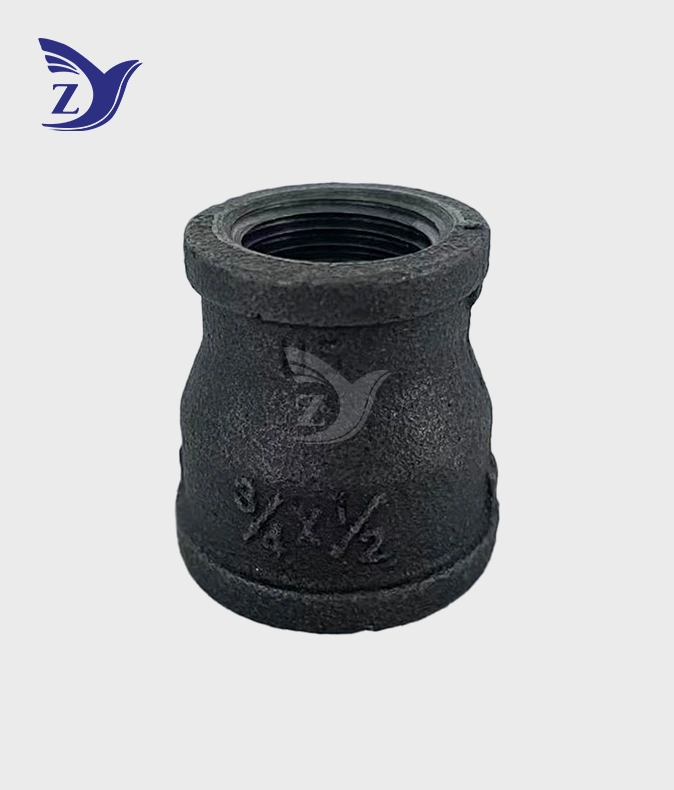
NPT Black Square Face Reducing Coupling Pipe Fittings
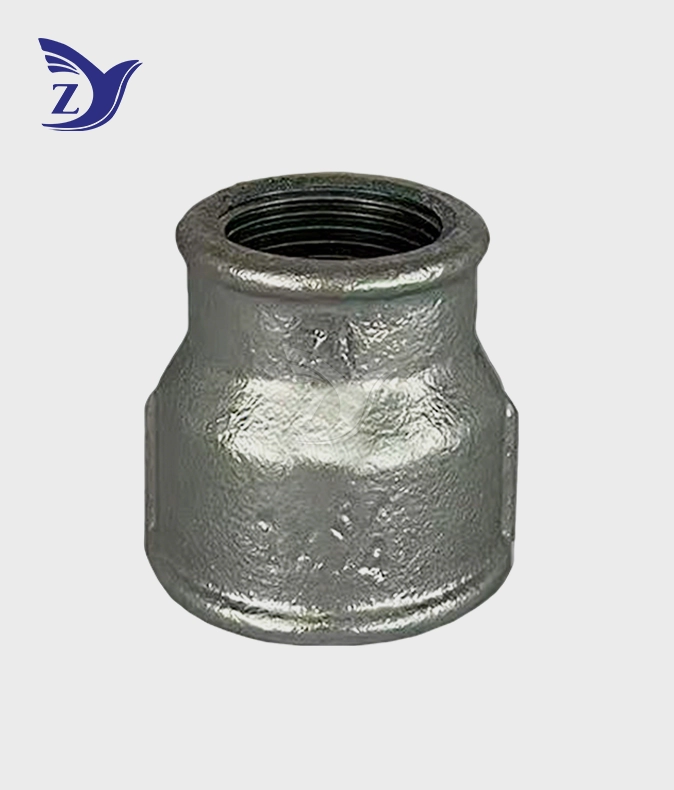
BSPT Round Face Galvanized Round Edge Reducing Coupling Pipe Fittings
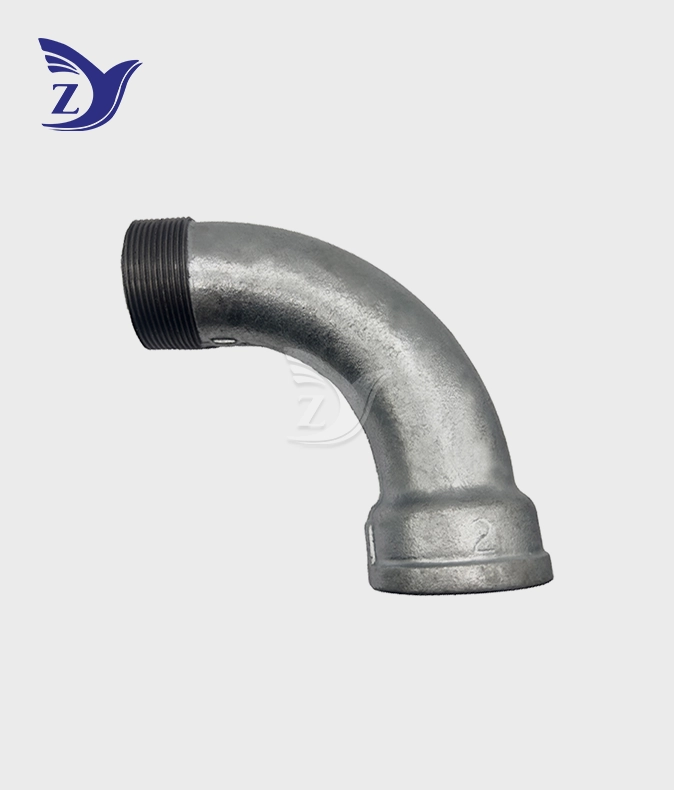
NPT Galvanized Male Female 90° Long Radius Elbow Pipe Fittings
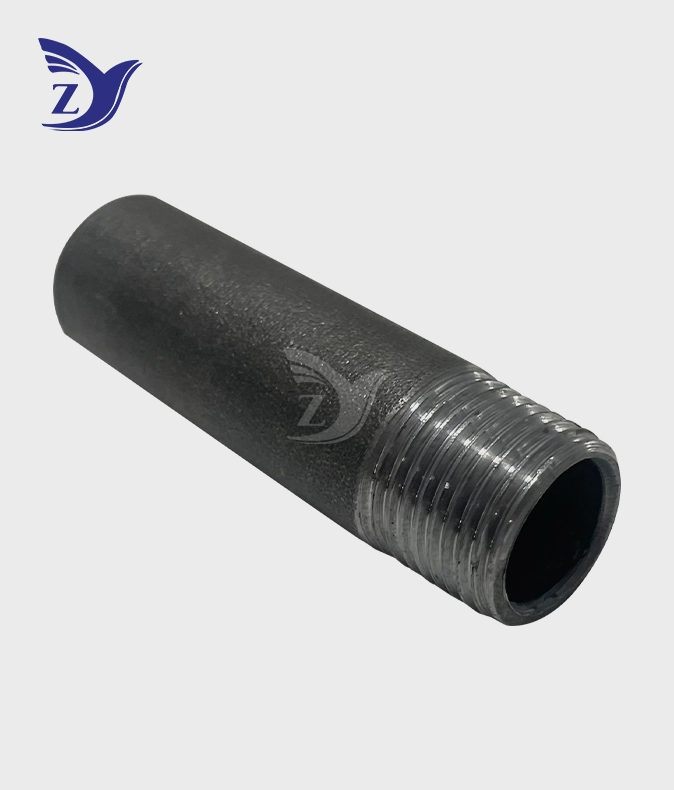
Carbon Steel Pipe Male Threaded Fittings Sand Blasted
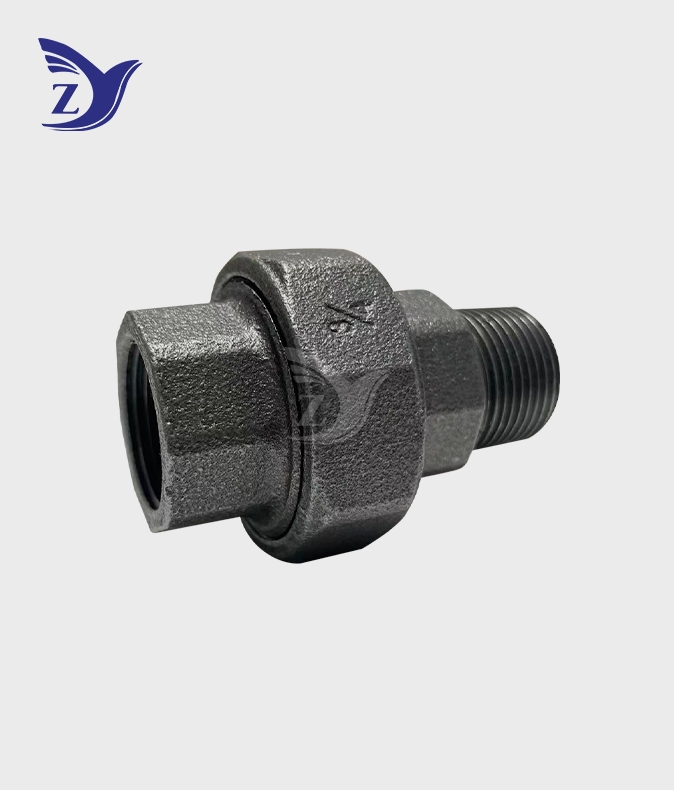
NPT Black Male-Female Union 331 Pipe Fittings
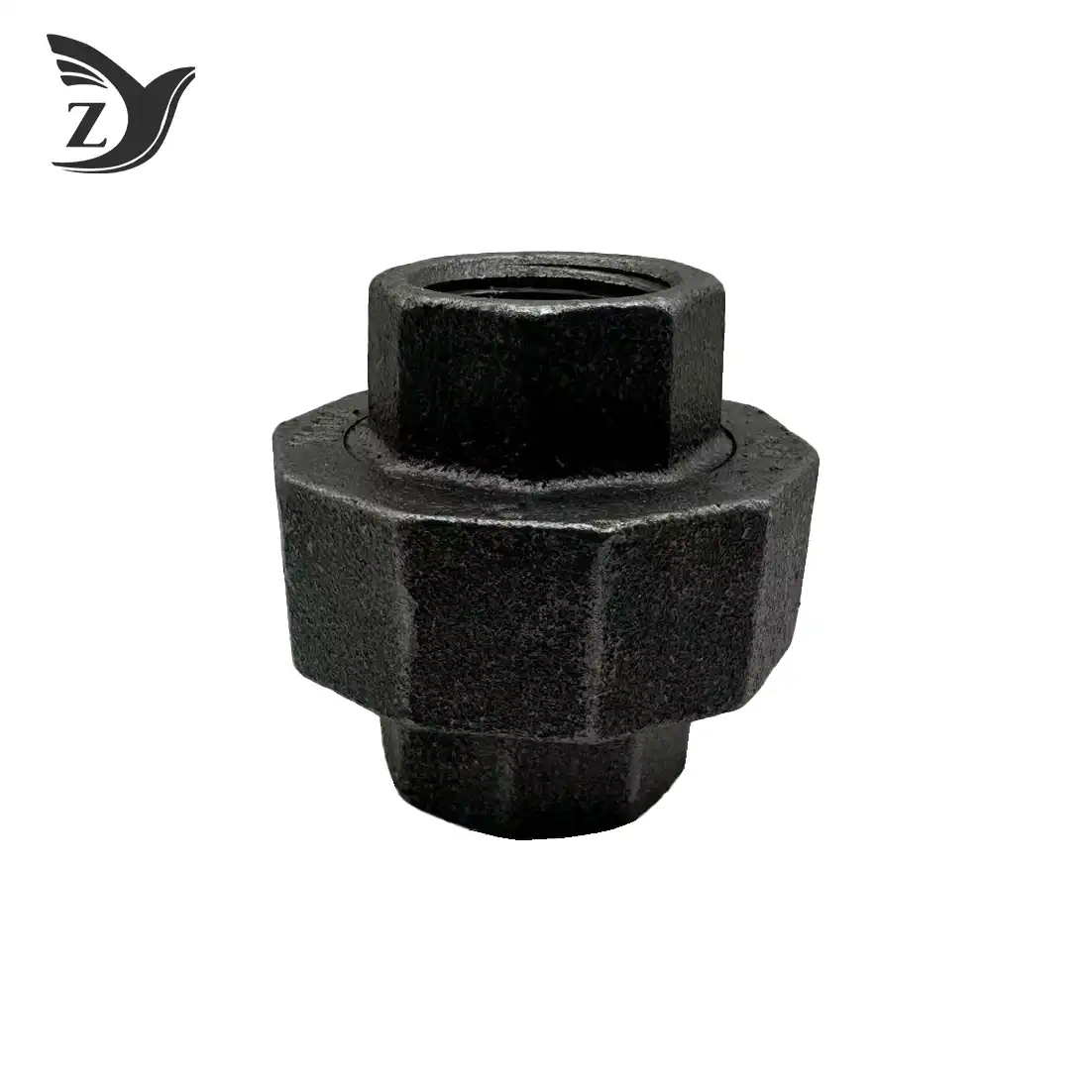
NPT Black Union Class 300 Pipe Fittings
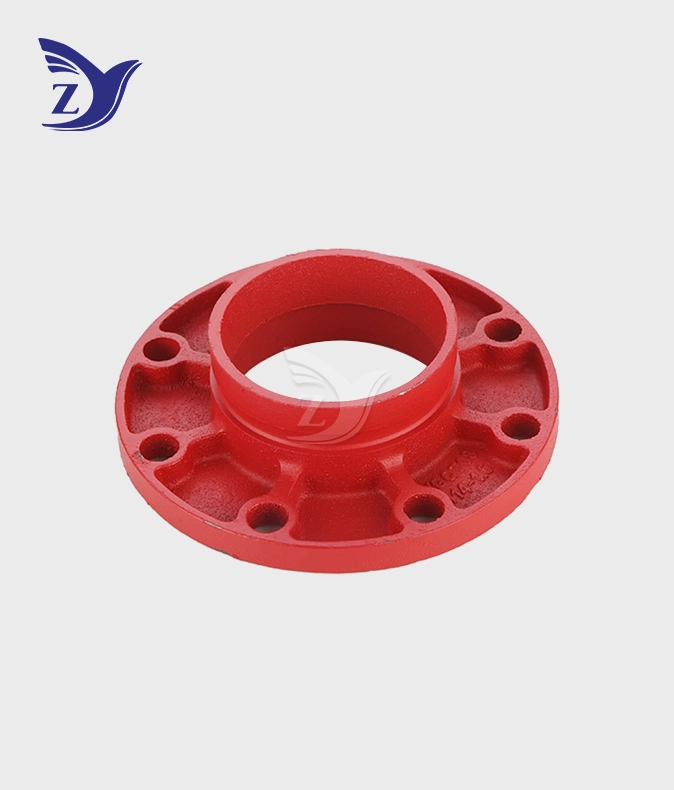
Fire Grooved Flange
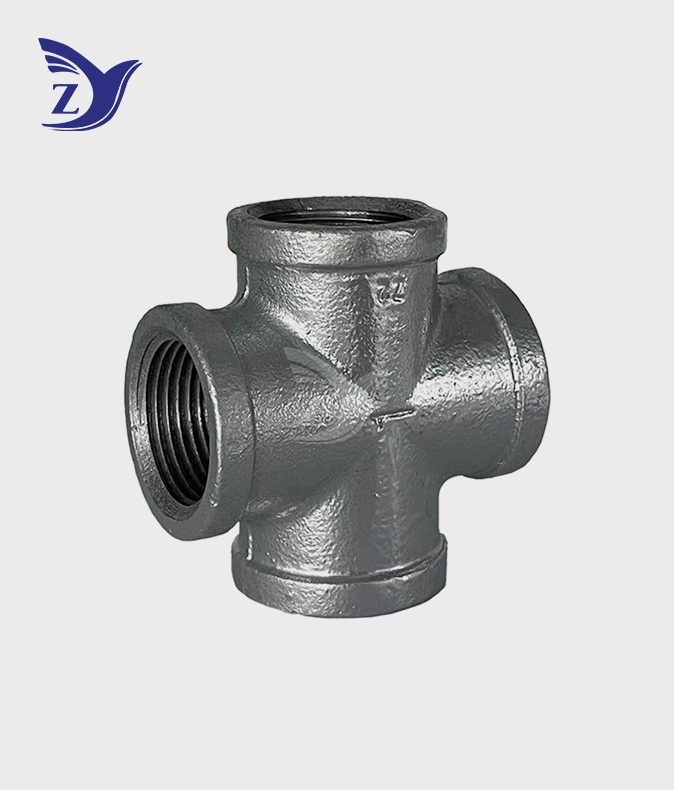
NPT Square Face Galvanized Square Edge Cross Pipe Fittings