
Jun 9, 2026
Are galvanized pipe unions suitable for potable water lines?
Galvanized male female threaded union 343 pipe fittings remain a topic of debate in potable water applications. While the hot-dipped galvanized coating provides corrosion resistance for malleable iron unions, their suitability depends on local water chemistry, regulatory requirements, and system design. In many municipal and commercial water systems, these detachable pipe connectors serve effectively when properly specified and maintained. The 343 configuration—featuring one NPT or BSPT male threaded end and one female threaded end—offers practical advantages for maintenance access, though considerations around zinc leaching and coating integrity require careful evaluation before deployment in drinking water lines.
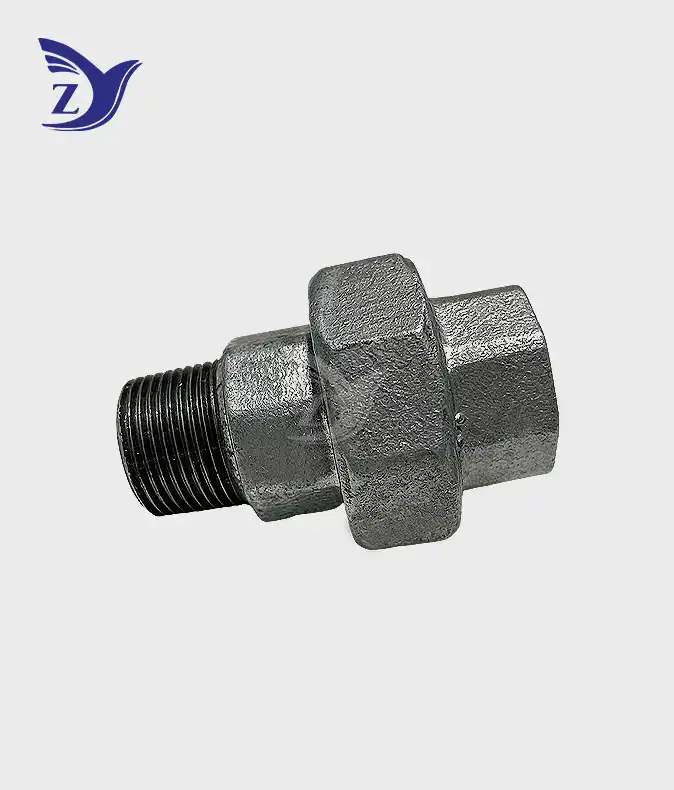
Understanding Galvanized Pipe Unions and Their Role in Potable Water Lines
The way zinc threaded joints are made shows how industrial pipe fittings have changed over the years. These industrial-grade pipe joiners are made of iron that can be shaped and is cast according to ASTM A197 or ISO 5922 standards. The iron is very strong mechanically, but it can also be bent easily enough to handle being hit during installation and heat cycles. ASTM A153 standards control the hot-dip galvanization process, which covers all areas with a zinc covering that is about 70 microns thick on average. This makes a barrier against oxidation.
Material Composition and Manufacturing Standards
The carefully controlled casting methods are the first step in making these corrosion-resistant threaded unions. We use medium frequency electric ovens to make iron that is easy to shape and has the right amount of carbon. This makes sure that the material is flexible enough for threaded connections. After being cast, parts are heated in kilns that use natural gas to soften the brittle white cast iron and make it tough, shock-resistant, and workable iron. This heat treatment method takes a few days, but it is necessary to get the mechanical qualities that pressure-rated pipe fittings need.
The 343 Flat Seat Design Explained
Figure 343 shows a male-female setup with a flat seat, which is different from the conical seat forms in Figures 340 and 341 unions. To make a good seal at the union face, this flat seat design usually needs a gasket. Depending on the pressure and temperature, the gasket is made of fiber or rubber. The male threaded end screws directly into female-threaded equipment ports, like valve bodies or pump casings. The female end then connects to the male threads of the pipeline, so there's no need for extra barrel nipples that would add more leak points and make the installation longer overall.
Evaluating the Suitability of Galvanized Pipe Unions for Potable Water Applications
Protecting water quality is the most important thing to think about when choosing any part for drinking water systems. Engineers have to decide if the galvanized finish on flexible galvanized male female threaded union 343 pipe fittings is better than other options because it protects and could cause problems.
Corrosion Resistance and Water Quality Impacts
Galvanic protection is how zinc coats work. The zinc layer corrodes more quickly to protect the iron underneath. When used with potable water, this method for giving up zinc raises concerns about how it might get into the water system. According to research released by water quality officials, zinc amounts in most municipal water systems are still well below what is considered safe for human health. But water with a low pH, a lot of dissolved oxygen, or a lot of salt speeds up zinc consumption, which could cause the layer to fail early and the iron to oxidize.
The white rust phenomenon, which is a zinc oxide/hydroxide formation that looks like powdery white layers, usually shows up in the first few months of service when the water doesn't move. Even though it looks bad, this covering can actually add extra defense once it is stable. Keeping the water flowing properly during launching helps cut down on this initial reaction time.
Regulatory Compliance Landscape
When it comes to health effects, galvanized male female threaded union 343 pipe fittings that come into touch with potable water in the US must meet NSF/ANSI Standard 61. It is important to check that the galvanized malleable iron parts you are specifying are NSF 61 certified because not all of them are. Our factories are certified with ISO 9001, and if you ask, we can give you NSF 61 paperwork for parts that are meant to be used with drinking water.
European markets are regulated in different ways. In the UK, you need WRAS (Water Regulations Advisory Scheme) approval, and in all EU member states, similar systems are in place. When shipping galvanized unions for use with potable water, making sure they have the right certifications for the location stops expensive compliance problems during the project's completion.
Material Alternatives Comparison
Because galvanized male female threaded union 343 pipe fittings don't rust and have a history of NSF 61 approval, brass and bronze unions have generally been used in potable water systems. Stainless steel joints are much more resistant to rust, but they cost a lot more. When we look at the total cost of ownership, galvanized malleable iron can be helpful in some situations. The comparison of materials is broken down in a number of ways that buying teams and project managers will find useful.
In one area, pressure ability is where flexible iron really shines. Class 150 galvanizing unions can handle working pressures of up to 300 psi at room temperature. They are as good as or better than brass versions and cost 30–40% less in bulk. The pliable iron's mechanical strength also makes it better at resisting impacts during installation in crowded mechanical rooms where tools are often hit by mistake.
Each material has a very different temperature range that it can handle. Brass is better for hot water recycling systems because it stays the same size over a bigger range of temperatures. Galvanized malleable iron works well in cold water distribution systems and can handle small changes in temperature. However, being exposed to temperatures above 150°F for a long time speeds up the coating's breakdown.
Procurement Guidance for Galvanized Male Female Threaded Unions
Choosing where to get things affects how long a job takes, how much it costs, and how reliable the system is in the long run. B2B buyers should look at more than just unit price when deciding which providers to buy from in order to get the best results.
Supplier Certification and Quality Assurance
Reputable galvanized male female threaded union 343 pipe fittings supplier keep full quality management systems that are certified to ISO 9001 standards. This makes sure that production methods are always the same and that products can be tracked. When looking for galvanized unions for use with drinkable water, make sure you get proof of NSF 61 certification or a similar regional approval. Suppliers should give mill test records that include information about the material's make-up, the results of pressure tests, and readings of the coating's thickness for each production lot.
Our facilities have a number of foreign certifications, such as CE, UL, and FM approvals, which help them meet the needs of markets around the world. Statistical quality control and checking procedures are used in the casting, heat treatment, galvanizing, and final assembly steps of the manufacturing process. This layered verification stops users from getting parts that aren't working right.
Bulk Purchasing and Lead Time Management
When you commit to buying more, volume price models give you big savings per unit. When projects need 500 or more standard-sized unions, they can usually get wholesale price that saves them 15 to 25 percent compared to small number rates. Our inventory management system keeps popular NPT and BSPT sizes from 1/4 inch to 4 inches in stock, so we can quickly meet standard requirements.
Manufacturing lead times are needed for custom specs like thread types that aren't standard, special pressure ratings, or changed measurements. Usually, it takes 4 to 6 weeks from the time an order is confirmed until the finished goods are delivered for customized unions. Project delays can be avoided by planning buying plans around these dates. We suggest that you buy specialty fittings early on in the project, while normal items can be bought closer to the time of delivery.
OEM and Customization Capabilities
For certain system limitations, engineering teams sometimes need to make changes to standard union designs. The people who work in our research and development department work with customers to make custom casting patterns, thread shapes that are changed, or coating specs that are unique. Trading companies and equipment makers can get private-label parts that are made to their exact specs through ODM partnerships.
In recent customization projects, longer barrel lengths were needed for certain valve interface needs, unions with built-in mounting lugs were added for attaching earthquake bracing, and special metal compositions were used for high-temperature uses. Our factory can make up to 30,000 tons of goods every year, which means it can handle both high-volume standard production and flexible special manufacturing runs.
Conclusion
Galvanized male female threaded union 343 pipe fittings work well in many drinkable water situations as long as they are properly matched to the system. More than any natural material barrier, suitability is determined by the chemistry of the water, government rules, and the ability to keep up with upkeep. Because they are strong and don't cost much, hot-dipped galvanized malleable iron unions are good options for industrial water distribution, fire protection systems, and city building projects that are kept within the right pH and corrosion limits. Engineers and people who work in buying should check that the water system is NSF 61 certified, look at data on the water quality in the area, and set up upkeep procedures to make sure the system lasts as long as possible and delivers safe drinking water.
FAQs
Can galvanized pipe unions contaminate drinking water?
During the first few months of use, galvanized surfaces let small amounts of zinc into water. However, the levels usually stay below the EPA's secondary limits of 5 mg/L. The chemistry of the water has a big effect on how fast things dissolve. Neutral pH water (7.0–8.0) slows down zinc release, while acidic conditions speed up covering consumption. Galvanized unions that are NSF 61 approved meet health-based standards for products that come into touch with potable water.
How often should I inspect galvanized unions in water systems?
How often you inspect relies on the type of water and how important the system is. Because corrosive water conditions mean that coatings need to be checked for wear and rust every year. When city water systems are in good shape, times can be extended to 24 to 36 months. No matter the quality of the water, it should be checked more often for critical uses like hospital water sources.
What distinguishes galvanized unions from stainless steel alternatives?
For non-aggressive water settings, galvanized malleable iron unions are a good alternative to stainless steel ones that don't cost as much and don't rust. Stainless steel works better in tough chemical environments and doesn't worry about zinc leaking. To get the best value, material selection has to take into account things like price, water quality, and expected service life.
Partner with Zhiyuan Malleable Steel for Certified Galvanized Unions
Zhiyuan Malleable Steel makes high-quality galvanized male female threaded union 343 pipe fittings. They have been making these fittings for 26 years and have received international quality clearances. Our hot-dipped galvanized unions have precise NPT/BSPT threading, are made of high-strength malleable iron, and have coatings that prevent rust, so they can be used in demanding drinking water situations. With a capacity of 30,000 tons per year, more than 1,000 different product specifications, and two-hour delivery on basic inventory items, we help wholesalers, contractors, and local buyers meet project deadlines and stay within their budgets. ODM/OEM customization options and promises for replacing broken products give buyers trust. We are a reliable company that makes galvanized male female threaded union 343 pipe fittings. You can look at our full collection at zymalleablepipefitting.com or email our technical team at q1236800000@gmail.com to talk about your project needs and get cheap quotes.
References
- American Water Works Association. (2017). AWWA Manual M11: Steel Pipe—A Guide for Design and Installation. Denver: AWWA Publications.
- National Sanitation Foundation International. (2019). NSF/ANSI Standard 61: Drinking Water System Components—Health Effects. Ann Arbor: NSF International.
- ASTM International. (2020). ASTM A197/A197M-20: Standard Specification for Cupola Malleable Iron. West Conshohocken: ASTM International.
- European Federation of Corrosion. (2016). Corrosion Behavior of Zinc and Zinc Alloys in Potable Water. London: Maney Publishing.
- American Society of Mechanical Engineers. (2018). ASME B16.3-2018: Malleable Iron Threaded Fittings—Classes 150 and 300. New York: ASME Press.
- Water Research Foundation. (2015). Material Selection for Water Distribution Systems: A Guide for Engineers and Planners. Denver: Water Research Foundation.
Online Message
YOU MAY LIKE
High quality furniture manufacturer
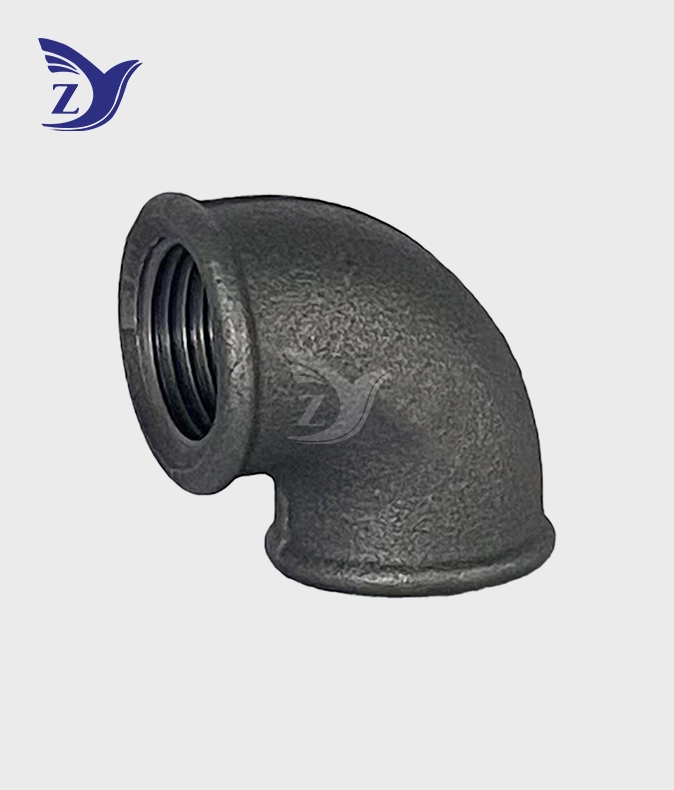
NPT Black Round Face 90° Elbow Pipe Fittings
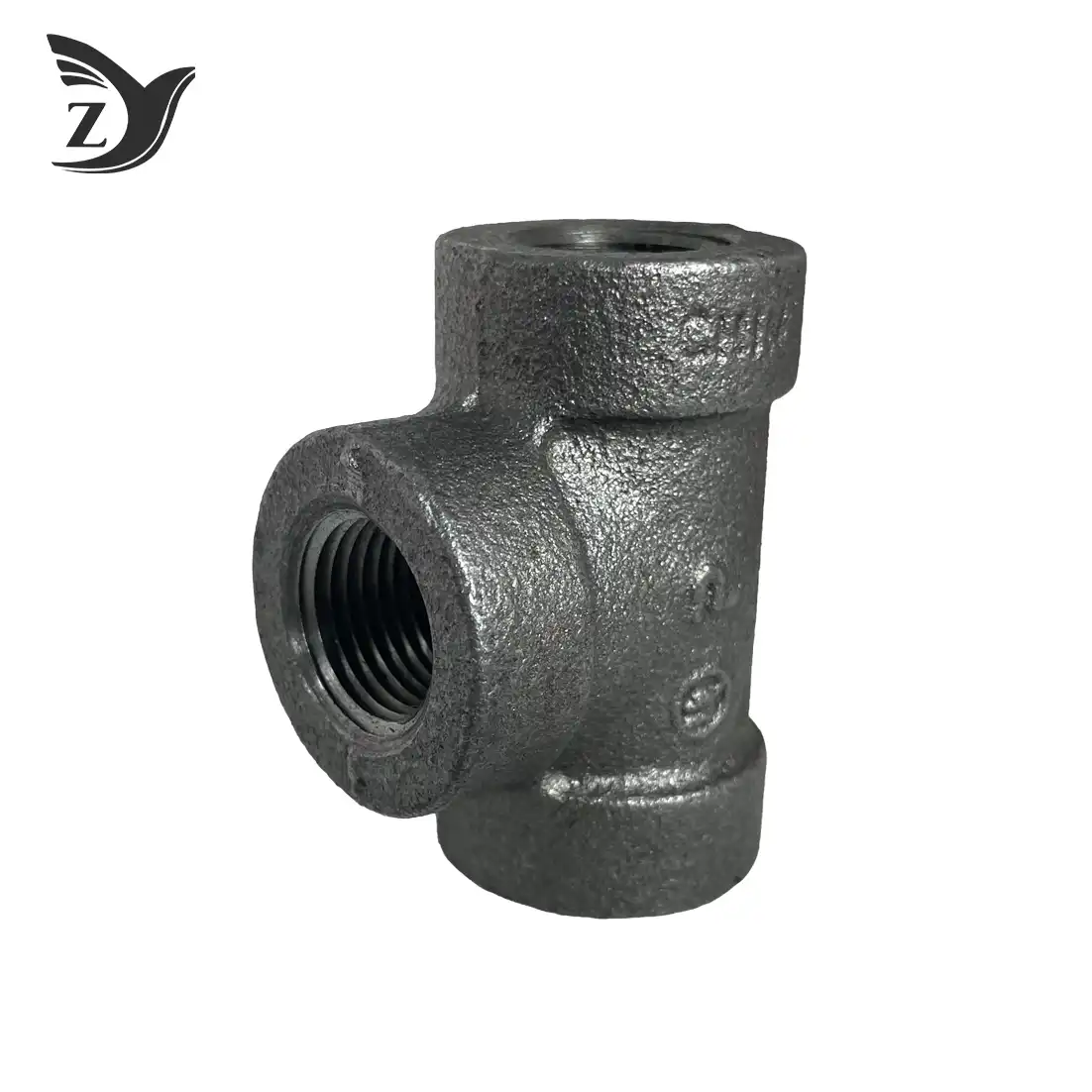
Black 300# Malleable Cast Iron Tee Pipe Fitting
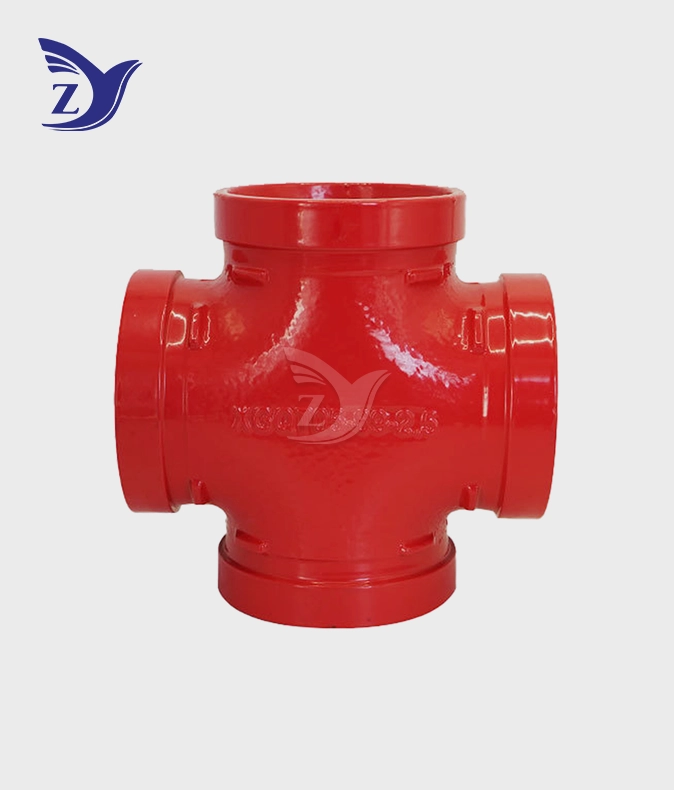
Fire Grooved Cross
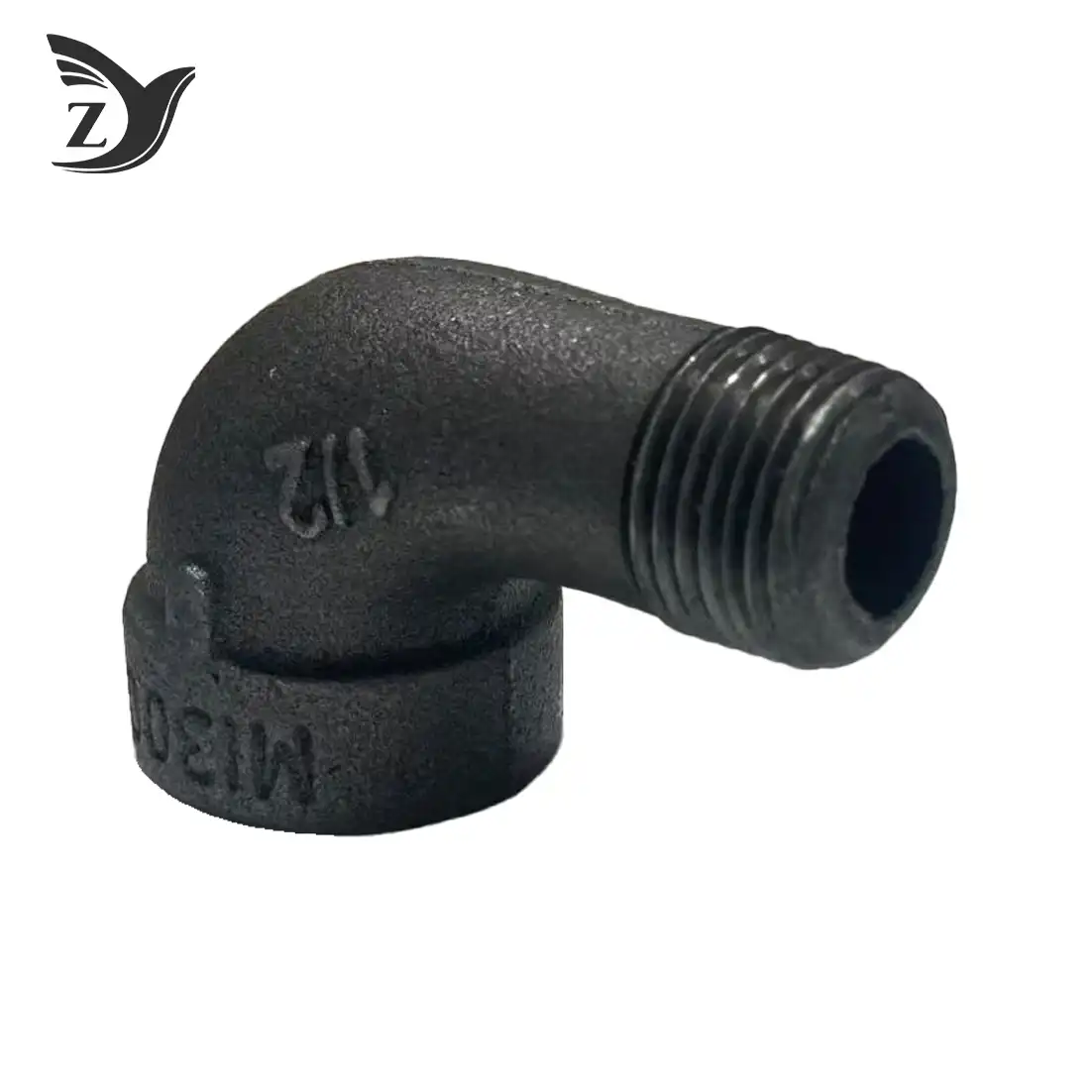
300# Black Threaded 90° Elbow, Male & Female
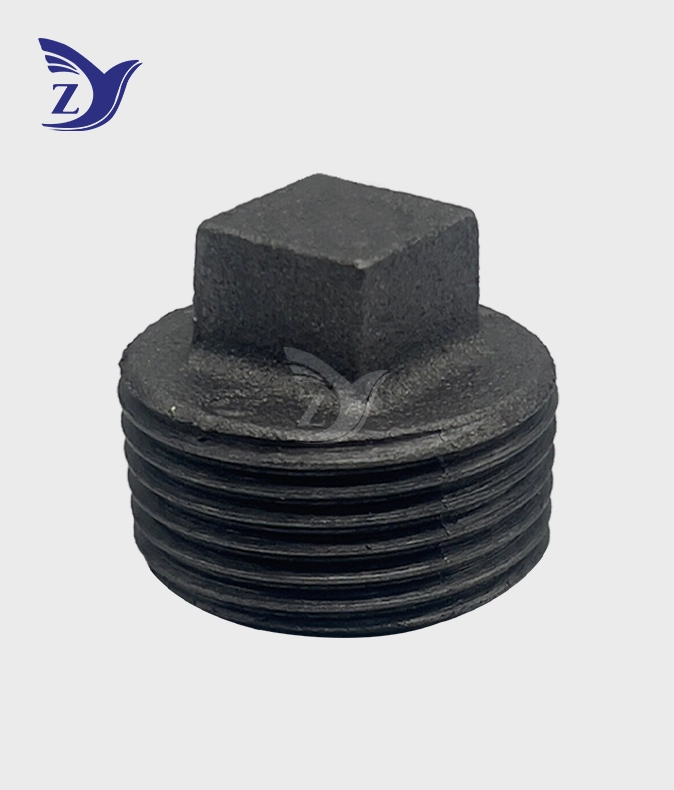
NPT. Black Flangeless Plug Pipe Fittings
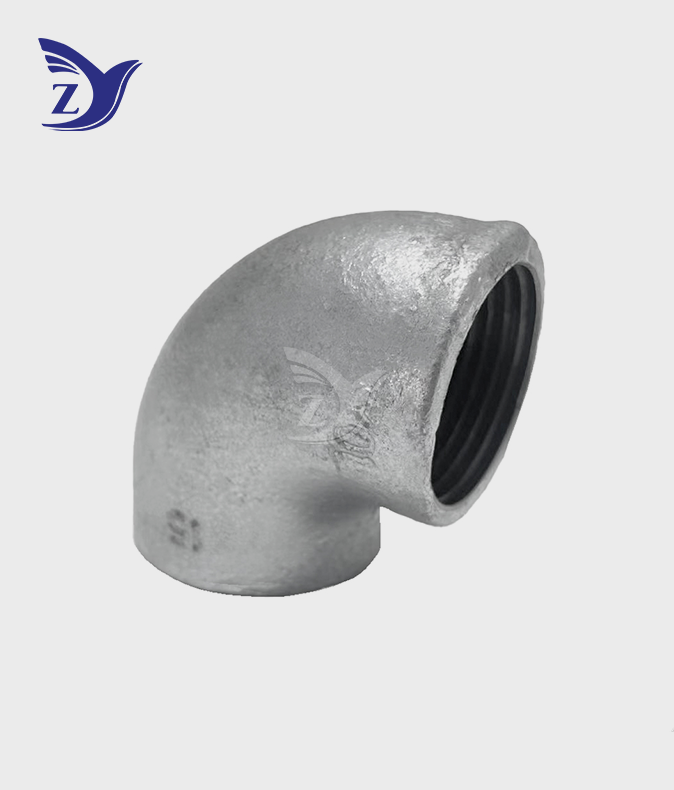
No Hub Electro Galvanized 90° Elbow Pipe Fitting
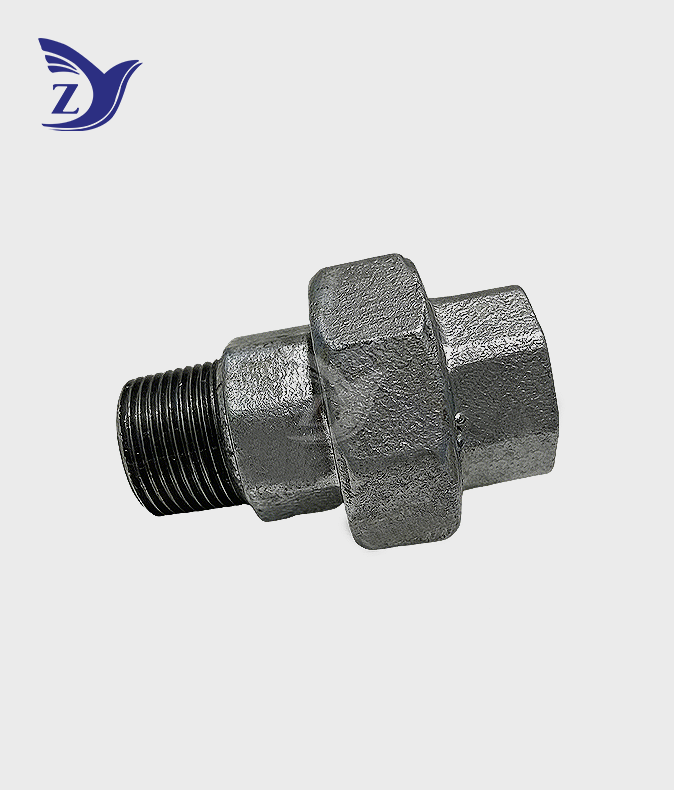
NPT Galvanized Male Female Threaded Union 343 Pipe Fittings
Carbon Steel Full Threaded Coupling Fittings Sand Blasted