
May 23, 2026
Are 45 and 90-degree elbows the same?
No, 45-degree and 90-degree bends are not the same. In pipe systems, they are used for different things. It is best to use a 45-degree elbow for keeping fluid flow smooth in industrial water and gas pipes because it changes directions more slowly and reduces pressure drop and turbulence. A 90-degree elbow, on the other hand, makes a tighter turn, which is useful in small areas but costs more in friction loss. When choosing between these choices, you might want to think about using square face galvanized 45° square edge elbow pipe fittings made from pliable iron that have been hot-dipped galvanized. These valves are better at keeping their structure together and resisting corrosion, especially in harsh settings where dependability is key.
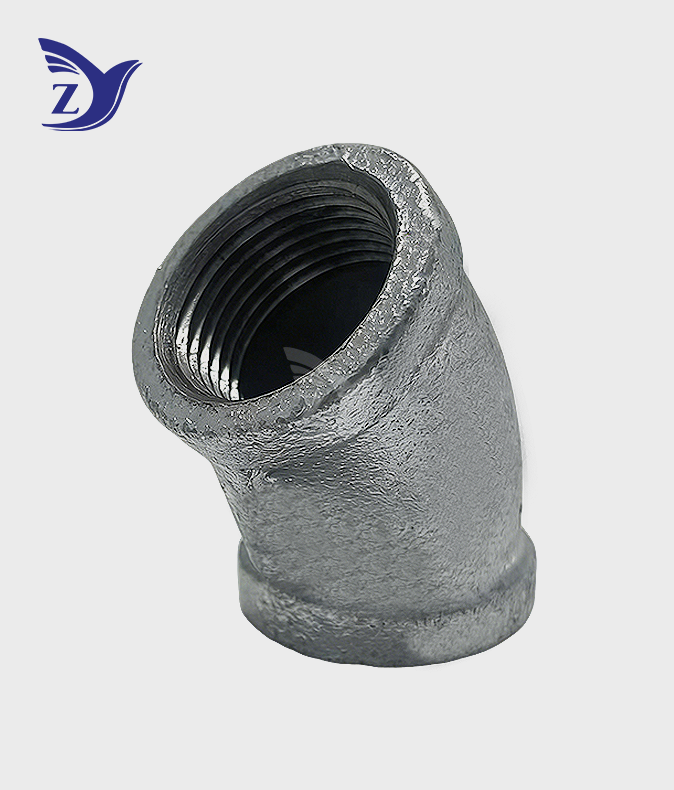
Elbow Pipe Fittings: 45° vs 90°
Elbow pipe joints are very important for changing the flow of fluids in plumbing networks. Whether you're in charge of a fire safety system, a city's water supply, or an industrial HVAC project, picking the right elbow type has a direct effect on how well and how long the system works.
Core Functional Differences Between 45° and 90° Elbows
The main difference is the angle at which the direction changes. A 45-degree elbow changes the direction of the pipe by half as much as a 90-degree elbow. This makes the flow more smoothly and prevents energy loss. This is very important in water transportation systems that move a lot of water and need to keep the pressure high. Fluid dynamics study shows that 45-degree bends lower turbulence by 30 to 40 percent compared to tighter angles. This means that over time, it costs less to pump.
On the other hand, 90-degree bends work great in situations where limited space requires tight wiring. Installers can easily get around hurdles in pump houses and mechanical rooms with limited space thanks to these connections. On the other hand, this means higher friction coefficients and the possibility of water hammer effects if they are not properly considered during design.
Square Edge vs. Round Edge: Why the Design Matters
When it comes to fitting building, the square edge design is clearly better than the more common round edge design. Square edge fittings have a flat, rectangular support band at the threaded connection points. This gives pipe tools better places to grip during installation. This structural reinforcement lets workers use more torque without having to worry about fittings deforming or cracking, which is a typical place where things go wrong in high-pressure situations.
Square face galvanized 45° square edge elbow pipe fittings have a strong shape and are coated with hot-dipped zinc, which meets ASTM A153 standards for protecting against rust. The galvanizing process adds a zinc layer that is at least 85 microns thick. This layer acts as both a physical shield against water and a cathodic protector that stops rust from forming. This two-layer defense is very important for fire control systems that are outside and for city pipes that are out in the open, where corrosion from the air speeds up the breakdown of materials.
Flow Efficiency and Pressure Considerations
When engineers look at how efficient a system is, they have to take pressure drop calculations into account. The resistance coefficient (K-factor) of a 45-degree elbow is usually between 0.35 and 0.45, and that of a 90-degree elbow is between 0.75 and 1.0, based on the type of radius. When these differences add up over long water delivery networks that cover many miles, they add up to real energy saves. When procurement professionals look at the total cost of ownership, they should include both the original costs of setting up the item and the long-term costs of running it.
The range of angles also changes how easy it is to do upkeep. When it comes to regular upkeep, systems with 45-degree elbows often make it easier to clean and see what's going on. This is especially important for industrial process pipes that carry fluids with solids in them that can build up at sharp turns.
Comparing Galvanized 45° and 90° Elbows for Industrial Use
When making procurement choices, you have to weigh a lot of performance factors against operational needs and price limits. Although both types of elbows are necessary, they are not always the best choice.
Performance Analysis: Durability and Corrosion Resistance
Square face galvanized 45° square edge elbow pipe fittings exhibit superior longevity in flowing systems due to reduced turbulence-induced erosion. Studies that looked at fitting failures in public water systems found that 90-degree bends wear out faster on the inside radius, where fast-moving water hits the fitting wall. Because 45-degree elbows have a softer angle, they spread hydraulic forces more widely, which can increase service life by 15 to 25 percent in similar setups.
Corrosion protection is mostly determined by the strength of the galvanizing, not the elbow angle. But 90-degree fits with sharp interior corners may trap sediment and moisture, which can lead to localized corrosion cells if the zinc coating is damaged. This risk is lessened by regular cleaning, but systems that are built with 45-degree curves naturally keep sediment from building up.
Cost-Effectiveness and Procurement Considerations
Structures of prices show how complicated the goods are made and how much material is used. 45-degree elbows usually cost 10–15 percent less than 90-degree fittings of the same pressure class and width because they are easier to make. When you buy in bulk, you can save even more on unit costs. For example, when you buy more than 500 pieces, you can often get prices that are 25–30% lower than retail.
Lead times depend on how much material is available and how much tailoring is needed. Standard NPT threaded steel fittings from well-known companies like Zhiyuan Malleable Steel are kept in stock in popular sizes (1/2" to 3") so they can be shipped within 48 hours. For projects with non-standard sizes or BSPT threading, production may take two to four weeks, so it's important to plan ahead.
When you are comparing providers, make sure that they have compliance certifications like ISO 9001 for quality management and product-specific standards like ASME B16.3 for accurate measurements. Infiltrating supply chains are fake parts that haven't been properly heated or galvanized thick enough, which leads to early failures that threaten the safety and integrity of the system.
Application-Specific Advice on How to Choose
45-degree elbows are helpful for high-pressure steam lines that go over 250°F because they lower stress concentrations and pressure drop. The slow change in direction allows for thermal growth without putting too much mechanical stress on the pipe parts next to it. On the other hand, 90-degree bends can be used in low-pressure drainage systems that work with gravity flow without affecting performance.
Chemical interaction needs to be carefully looked at. Galvanized fittings work well in neutral to slightly alkaline (pH 6–10) environments, but the zinc dissolves faster in acidic environments below pH 5. Since natural gas and propane are not reactive, zinc fittings can last for decades without any upkeep. However, all connections must be sealed with gas-rated sealants and tested for pressure before they can be used.
Making the Right Choice: How to Select the Best 45° Elbow Fittings for Your Project
To choose the best fittings, you need to carefully compare the technical needs with the product specs that are offered. Professionals in procurement have to find a balance between performance standards, price constraints, and the dependability of suppliers.
Critical Selection Parameters
The pressure number is the basis for choosing a safe joint. Figure out the highest pressure in the system, taking into account short-term issues like water hammer, and then choose parts that are rated at least 25% higher than the highest pressure. For most public and business uses, Class 150 fittings (300 psi WOG rating) are enough. However, Class 300 or higher standards may be needed for high-pressure industrial processes.
Temperature differences affect the choice of material and the way it is sealed. From -20°F to 650°F, malleable iron keeps its structural qualities, so it can be used in almost all water and low-pressure steam situations. Galvanizing works up to 390°F. Above that temperature, zinc sublimates, and you need to use a different covering.
Chemical compatibility isn't just about the liquids being moved; it also includes things in the outside world. Installations near the coast are exposed to salt spray, which requires high-quality coating or stainless steel. Underground sites have to be able to handle a wide range of soil types, from neutral sands to acidic clays with high sulfate levels.
Evaluating Supplier Credentials and Certifications
Verification of square face galvanized 45° square edge elbow pipe fittings manufacturer's license is the first step in quality assurance. Systematic quality management is shown by ISO 9001 approval, but better proof of conformance can be found in product-specific standards such as ASTM A197 for material composition and ASME B16.3 for measurements. Ask for mill test records that show the chemical makeup and mechanical properties of the material. Reliable providers will gladly give you these reports.
Third-party testing and approval by groups like UL (Underwriters Laboratories), FM Global (Factory Mutual), or CE marks for European markets backs up claims about how well a product works. These certifications require ongoing surveillance checks, which provide quality guarantee after the product has been qualified for the first time.
The dependability of delivery is affected by how much a supplier can produce. When manufacturers use various production lines with backup equipment, they lower the risk of interruptions caused by repair or broken equipment. Zhiyuan Malleable Steel can produce 30,000 tons of steel each year, which is spread out among 156 processing tools and various casting furnaces. This makes sure that the steel is always available, even during times of high demand.
Total Cost of Ownership Analysis
The initial buy price is only one part of how much the thing really costs. Think about the work that goes into installing it, which goes up as the fitting and connection type get more complicated. Installing threaded connections requires skilled workers who know the right torque specs. Grooved connections, on the other hand, can be put together more quickly and with less skill, but the parts cost more.
Over the life of a machine, maintenance costs add up. Premium fittings that are more resistant to rust may cost 20–30% more at first, but they save you from having to repair them over and over again, which costs money, time, and damage from leaks. Find the net present value over the expected working life, which for properly placed galvanized lines is usually 25 to 40 years.
Risk exposure is affected by warranty support and how responsive a provider is. When manufacturers back up their goods with strong guarantees and quick replacements for problems, projects don't get derailed as much. Because Zhiyuan Malleable Steel promises to replace broken items, procurement teams can be sure that the parts they describe will work.
Conclusion
Which elbow to use—45-degree or 90-degree—depends on the needs of the system, the available space, and the performance goals. 90-degree elbows are good for changing directions quickly in small areas, but 45-degree elbows are better for flow efficiency because they lower pressure losses and turbulence. The square edge design makes installation more reliable by making it easier to hold a wrench and strengthening the structure, which is especially helpful in high-torque situations. Hot-dipped galvanizing that meets ASTM A153 standards protects against rust for decades in harsh industrial settings. Procurement pros can easily choose fittings that meet both short-term project needs and long-term operating performance by looking at pressure ratings, threading standards, material specs, and the qualifications of the seller.
Partner with Zhiyuan Malleable Steel for Your Piping Solutions
Zhiyuan Malleable Steel has been making castings and pipe fittings for 26 years and can help you with your industry projects. As a reliable provider of square face galvanized 45° square edge elbow pipe fittings, we keep our ISO 9001, CE, UL, and FM certifications up to date to make sure that all of our parts meet strict international standards. With a yearly production capacity of 30,000 tons and an inventory of over 1,000 specs, we can quickly meet customer needs. Standard goods ship within two hours. we offer full ODM/OEM customization services that are suited to your needs, and we promise to replace any goods that aren't working right. Get in touch with us at q1236800000@gmail.com or visit zymalleablepipefitting.com to talk about your large order needs and find out how our malleable iron fittings can make your piping system more reliable.
FAQ
Can I substitute a 90-degree elbow with two 45-degree elbows in my system design?
Yes, using two 45-degree elbows makes a 90-degree change in direction while lowering pressure drop by 20 to 30 percent compared to using a single 90-degree fitting. This arrangement needs more installation room and an extra fitting connection, but it improves flow efficiency in situations where reducing energy loss is important enough to justify the extra cost and complexity.
What makes square edge fittings superior to round edge designs?
At connection points, square edge fittings have flat support bands that make them easier to grip and keep the wrench from slipping during high-torque installation. This design spreads installation loads out more evenly, which keeps fittings from deforming or breaking. The better structural stability is especially useful in high-pressure situations where a lot of force is needed to close properly.
How long do galvanized 45-degree elbows typically last in outdoor installations?
When put correctly and in line with ASTM A153 standards, hot-dipped galvanized fittings will usually last 25 to 40 years in normal weather conditions. Service life may be cut to 15 to 25 years in coastal areas with salt spray or industrial places with chemical pollution. Regular inspections and upkeep find problems before zinc loss lets base metal rust happen, which extends the life of the product.
References
- American Society of Mechanical Engineers. ASME B16.3: Malleable Iron Threaded Fittings—Classes 150 and 300. New York: ASME International, 2020.
- ASTM International. ASTM A197: Standard Specification for Cupola Malleable Iron. West Conshohocken: ASTM International, 2019.
- Crane Co. Technical Paper. Flow of Fluids Through Valves, Fittings, and Pipe. Stamford: Crane Company, 2018.
- International Organization for Standardization. ISO 49: Malleable Cast Iron Fittings Threaded to ISO 7-1. Geneva: ISO, 2017.
- National Fire Protection Association. NFPA 13: Standard for the Installation of Sprinkler Systems. Quincy: NFPA, 2022.
- Zinc Coating Technology Institute. Hot-Dip Galvanizing for Corrosion Protection of Steel Products. Birmingham: American Galvanizers Association, 2021.
Online Message
YOU MAY LIKE
High quality furniture manufacturer
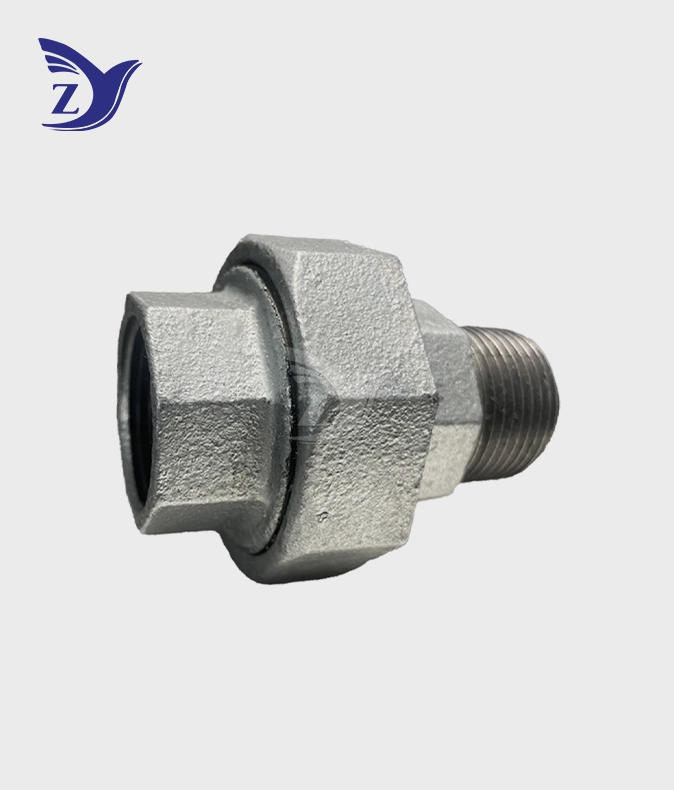
NPT Galvanized Male Female Threaded Union 331 Pipe Fittings
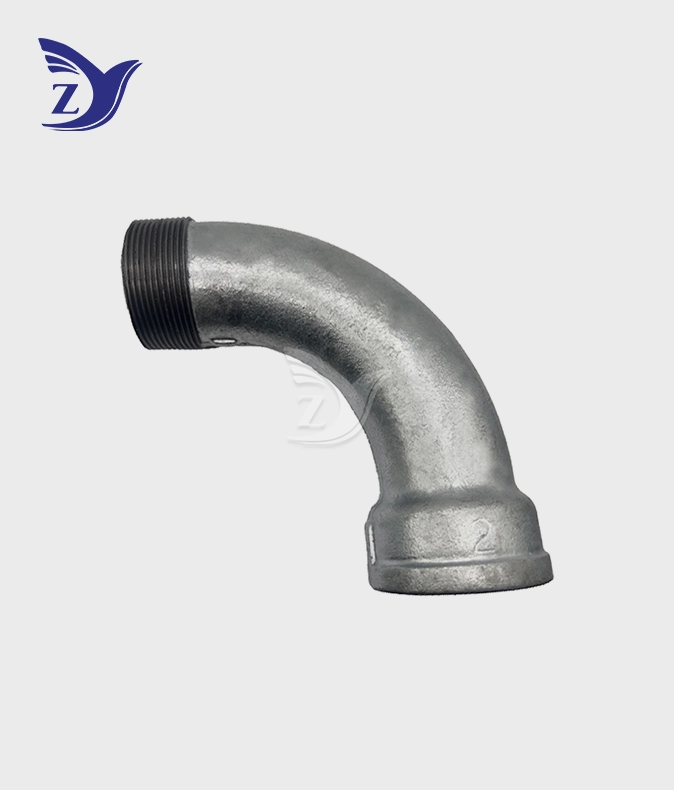
BSPT Galvanized Male Female 90° Long Radius Elbow Pipe Fittings
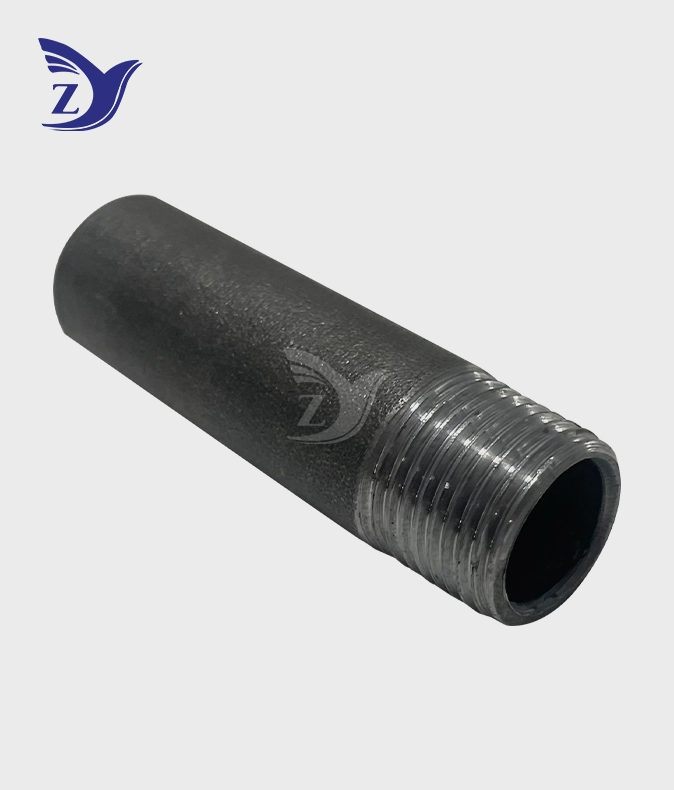
Carbon Steel Pipe Male Threaded Fittings Sand Blasted
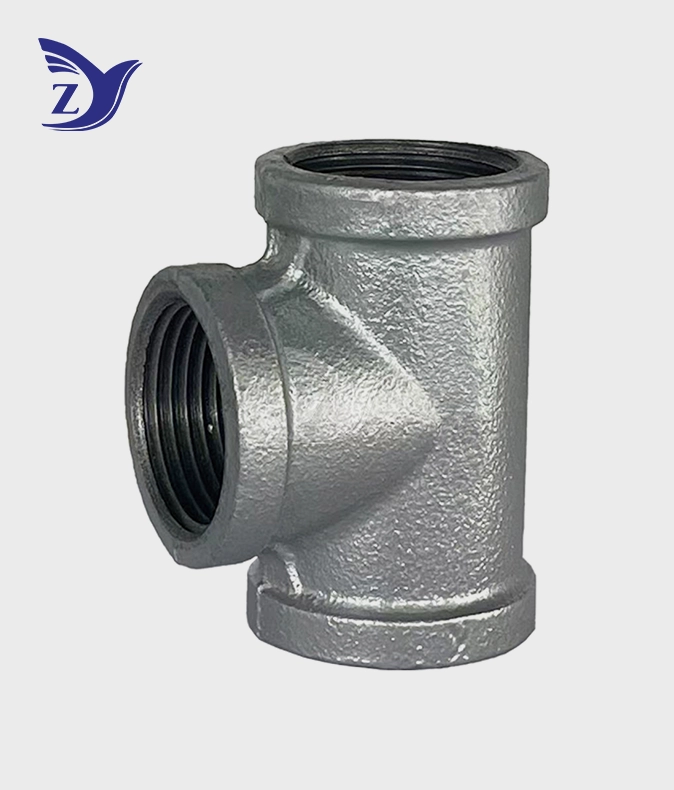
NPT Square Face Galvanized Square Edge Straight Tee Pipe Fittings
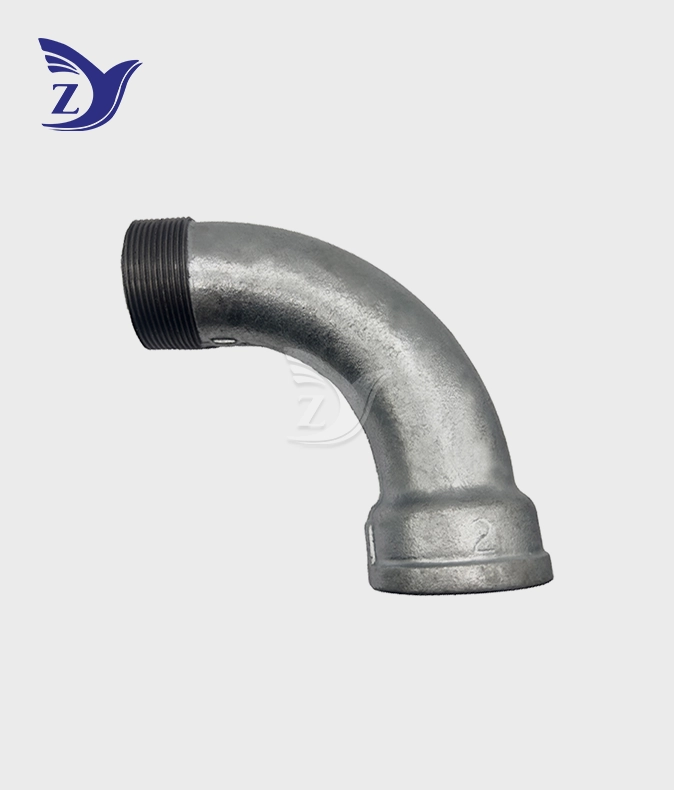
NPT Galvanized Male Female 90° Long Radius Elbow Pipe Fittings
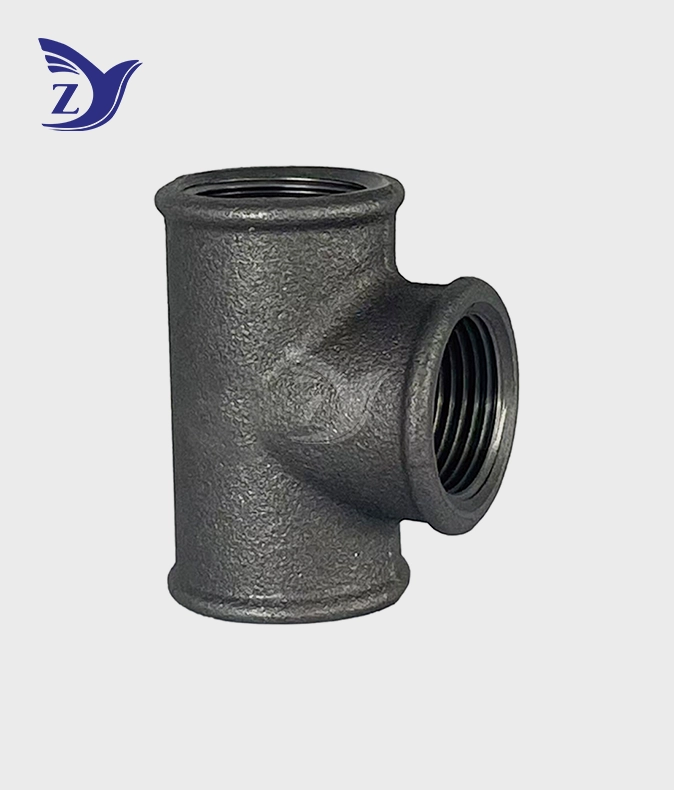
NPT Black Round Face Straight Tee Pipe Fittings
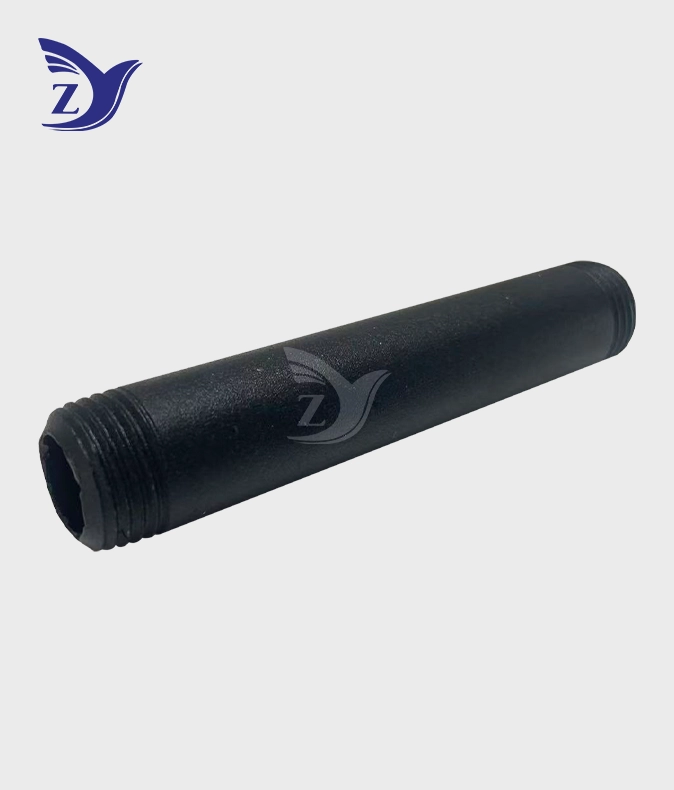
Carbon Steel Pipe Male Threaded Fittings Black Oxide Treated
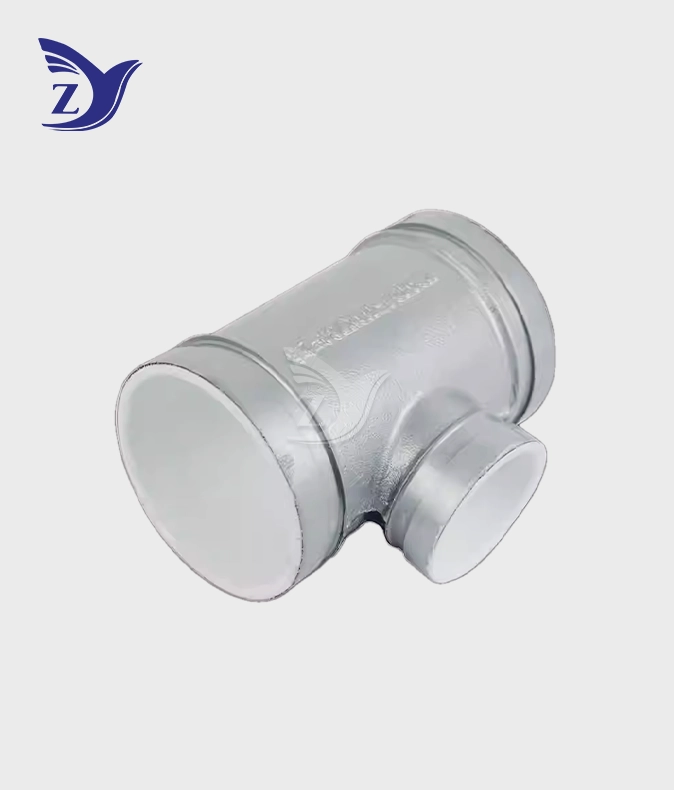
Water Grooved Reducing Tee