
Apr 28, 2026
Applications of Square Face Galvanized Square Edge Cross Pipe Fittings
Square face galvanized square edge cross pipe fittings are important parts of industrial and business pipe systems because they connect four pipes at right angles to let fluid flow in more than one way. These hot-dip galvanized NPT/BSPT threaded malleable iron fittings are essential for fire protection systems, local water infrastructure, HVAC installations, and petrochemical sites because they are so resistant to corrosion. Their strengthened square-edge design makes the structure stronger during high-torque setups, and the zinc finish makes them last longer in harsh settings by stopping oxidation and rust formation.
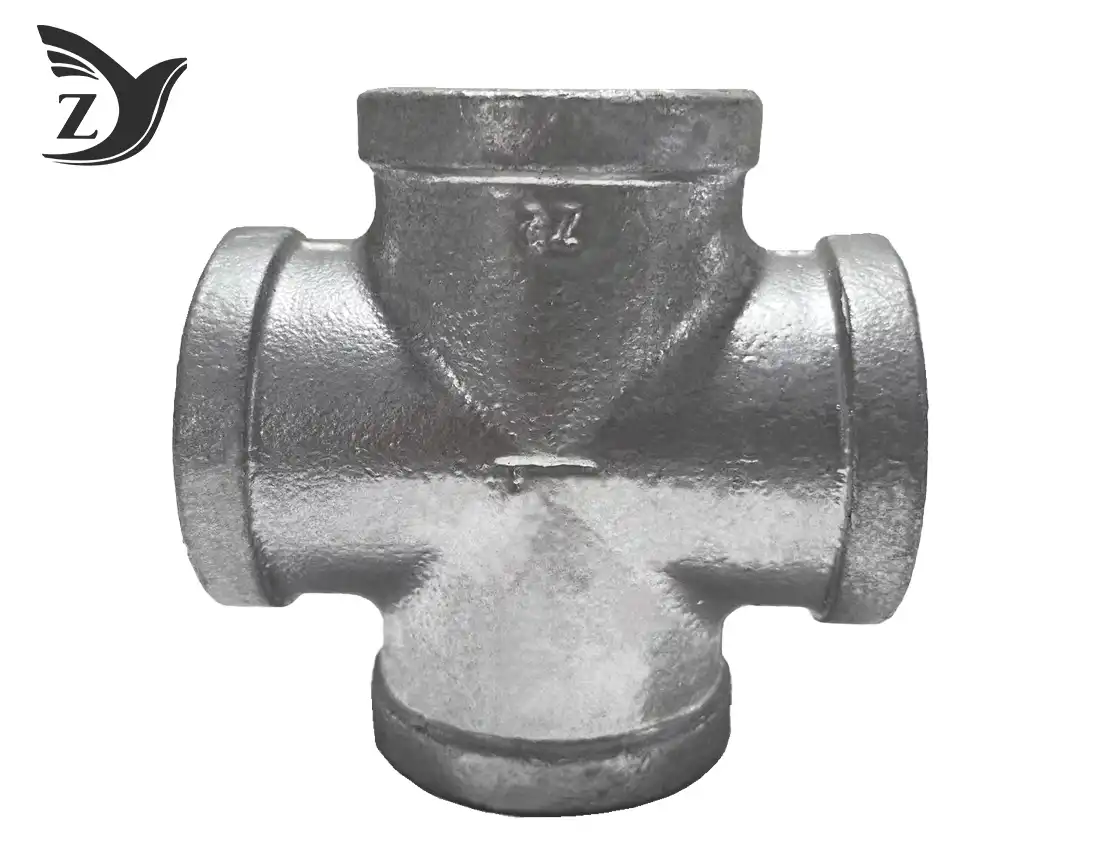
Core Applications of Square Face Galvanized Square Edge Cross Pipe Fittings
When buying teams know where these fittings give the most value, they can choose the right parts for a wide range of projects. The galvanized finish and bendable structure solve problems in a number of different businesses.
Fire Protection Systems Integration
These cross fittings are used by fire protection companies for sprinkler system manifolds, which are places where water is sent to coverage zones by various branch lines. When compared to multiple elbow and tee pairs, the four-way design reduces the number of fittings and possible leak points by combining connection points into one. Internal corrosion can cause blockages in dry pipe systems because trapped moisture speeds up the formation of rust during idle times. Galvanization stops this from happening.
Cross fittings order distribution headers in pump house systems by linking suction lines, discharge pipes, circulation loops, and relief valves. The strengthened square-edge design doesn't loosen when pumps are running, and the corrosion-resistant paint can handle the damp conditions that are common in pump rooms. UL and FM licenses make sure that fire code rules are followed, which makes the approval process easier during checks.
Municipal Water Infrastructure Projects
Square face galvanized square edge cross pipe fittings are used by water supply companies in their distribution networks, which are made up of main lines that split off to serve different areas. The strong construction handles water hammer effects from valve operations and pump starts ups, absorbing pressure spikes that break weaker parts. Galvanization guards against both internal and external corrosion, which means that buried uses can last longer before they need to be replaced because the cost of digging up and replacing them would be too high.
In community heating systems, cross fittings are used in the supply and return pipes, and heaters in one place heat loops in several buildings. Because malleable iron is thermally stable, it can handle the cycles of expansion and contraction that happen in heating uses. This means that the seal stays intact even when the temperature changes with the seasons. Within the recommended limits, the wide temperature tolerance works with both low-temperature cold water systems and high-temperature heating circuits.
Industrial Process Piping Networks
These fittings are used in utility pipe systems at petrochemical plants to move cooling water, process wastewater, and compressed air around the plant. The chemical protection of galvanized coats protects against the corrosive atmospheres that are common in refineries. These atmospheres contain sulfur compounds and wetness, which break down metals that aren't protected. Cross fittings make routing easier in crowded pipe racks, which cuts down on the need for special production while still meeting code requirements.
In power plants, these parts are used in extra systems like handling ash, making up cooling towers, and plant drainage networks. The mix of resistance to corrosion and mechanical strength makes the system work reliably even in tough circumstances. This reduces the need for unplanned repair that lowers the production capacity. There are different sizes available, from 1/8" to 6", so they can fit a wide range of flow needs, from monitoring lines to large-diameter headers.
HVAC and Building Mechanical Systems
Cross fittings are what commercial building builders ask for when they use hydronic pipes for heating and cooling. Precision fitting makes sure that connections don't leak, which keeps water from damaging the inside of buildings. The galvanized finish lets them be installed in machinery rooms without needing to be painted or coated again. When compared to putting together similar connections from various fittings, the compact four-way junction cuts down on installation time.
These fittings are used to connect gas lines to more than one device in business kitchens and industrial buildings. The pressure grade can handle normal pressures for delivering natural gas, and the tapered thread design makes secure seals that stop dangerous leaks. Inspectors and insurance companies will accept these parts as long as they follow the gas rules that apply.
How to Choose the Right Square Face Galvanized Square Edge Cross Pipe Fittings?
To choose the right parts, you have to look at a lot of technical and business factors that affect how well the system works and how much it costs. We help our clients make these choices so that they get the best component specifications.
Material Specification Considerations
Galvanized malleable iron is very good at resisting rust in most situations, but some places need different materials. Square face galvanized square edge cross pipe fittings made of stainless steel are better at resisting acidic vapors and high chloride amounts, but they are a lot more expensive. Black steel is fine for dry compressed air systems and indoor uses where there isn't much chance of rusting. It can save money on projects that need to stick to a budget.
The flexible iron base provides impact protection that is important for installation and operation, absorbing mechanical shocks that would break more fragile cast iron options. This toughness comes in handy in places where vibrations, water hammer, or accidental touch with other objects during repair work happen. The material stays strong even when the temperature changes, which causes different parts of the pipe to expand at different rates.
Thread Compatibility and Connection Types
Matching thread standards to current system parts keeps costly changes from having to be made in the field and makes sure that the seals work right. NPT threads are most common in North America and can be found on pipes, valves, and other home appliances. BSPT threads are found on foreign systems and tools that were made to European or Asian standards. To keep the threads compatible during the installation, the right fittings must be used.
Mixed-thread systems make it harder to buy things and make inventory more complicated. We suggest sticking to a single thread type whenever possible and using the right fittings to change parts that don't work with each other at the equipment links instead of all the way through the distribution pipes. This method cuts down on the number of different parts that are needed and the chance of cross-threading happening during installation.
Size Selection and Flow Calculations
The right size matches pressure drop and installation cost, since fittings that are too big lose money and parts that are too small stop flow and use more energy. Cross fittings change the flow direction, which causes turbulence and friction losses. The level of these effects depends on how many active exits there are and which flow paths go through the junction.
For systems with three active branches from the cross, use flow splitting ratios and maker flow coefficient values to figure out the pressure drop. Standardizing the width of the fitting to the size of the pipe it connects to is fine for many uses, but for important uses, hydraulic modeling is needed to make sure that the right amount of pressure gets to the end devices.
Certification and Compliance Requirements
For projects that have to follow building codes and insurance rules, parts must have the right third-party approvals. When fire safety parts are listed by UL, it means they meet NFM guidelines for materials, sizes, and pressure values. FM clearance means that the product has been tested in a fire-like environment to make sure it works when it's needed the most.
For European markets, international projects may need a CE mark, while other areas may need state approvals. We keep extensive certification files that cover all major countries. This makes it easier to meet the requirements for international projects. When you buy something, asking for approved test results and mill certificates is a good way to keep records for the owner and inspectors.
Procurement and Supplier Selection Guide
Getting quality square face galvanized square edge cross pipe fittings from trusted sources saves project schedules and system performance while lowering the cost of purchase. Strategic ties with suppliers provide value that goes beyond the price of a unit.
Evaluating Supplier Credentials and Capabilities
We started Zhiyuan Malleable Steel in 2006 with a promise to make the best products possible. That promise has helped us grow for 26 years. Our 50,000-square-meter factory in Taigu District has 156 pieces of precision machining equipment, eight 35-ton medium-frequency induction furnaces, and two 100-ton natural gas heating kilns. It also has environmentally friendly galvanizing systems. This vertical integration helps our 30,000-ton yearly production capacity and makes sure that quality control is maintained throughout the whole process.
Quality marks are direct proof of how well a product is made. Our ISO 9001 certification shows that we handle quality in a planned way, and our UL, FM, and CE approvals show that our products meet international safety and performance standards. These qualifications speed up the approval process for projects and meet the risk management needs of building owners and insurance companies.
Customization and OEM Service Evaluation
Most of the time, standard store things work well, but for specific projects, being able to customize them is helpful. Together with our clients, our engineering team comes up with non-standard sizes, thread forms, and treatments that are made just for that purpose. This helps solve specific problems. OEM equipment makers who need custom configurations and foreign trade businesses that serve markets with regional specification needs will both benefit from this freedom.
Custom product creation includes making prototypes, checking their performance, and putting together documentation to help the customer approve the product. We keep safe production division for confidential designs to protect intellectual property and make sure that quality is the same across all production runs. When you buy unique items, the minimum order quantity is based on the cost of the tools and setup. However, we work with our clients to set up orders that balance the cost of keeping inventory with the price per unit.
Logistics and Inventory Management Strategies
Our location in Shanxi Province makes it easy to get to major transportation hubs. For example, Taiyuan Airport is only 30 minutes away, and we have built business partnerships that make sure deliveries are always on time. We keep a large store of finished goods for standard things, so we can fill urgent orders within two hours. Being quick to respond helps contractors deal with unplanned needs in the field and backs up just-in-time supply programs that keep customer storage costs low.
Packaging standards keep goods safe while they're being shipped internationally and make dealing easier. Damage to our double-layer cardboard wrapping is avoided during shipping and packing, which lowers the cost of claims and replacements. We can meet the unique packaging needs of our customers for private label projects and retail channels, using markings and labels that meet the needs of your supply chain.
Conclusion
Square-face galvanized square-edge cross pipe fittings make links that work well in both industrial and business settings that need to go in more than one way. Their construction is made of malleable iron, which can withstand mechanical stress and changes in temperature. Hot-dip galvanization protects them from rust for decades in harsh settings. To make the right choice, you need to weigh the standards for certification, thread compatibility, pressure ratings, and material specs against the conditions of the application. Professional work that follows best practices in the industry extends the life of parts, and smart relationships with suppliers make sure that customers can get quality goods quickly. These engineered parts have been used successfully in fire safety systems, city structures, industry processes, and building mechanical systems all over the world.
Partner with Zhiyuan Malleable Steel for Reliable Cross Fitting Solutions
Zhiyuan Malleable Steel can help you with your pipe system projects by combining advanced manufacturing skills with quick customer service. We have a wide range of products, such as NPT and BSPT square-edge cross fittings in sizes from 1/8" to 6". These products are certified by ISO 9001, UL, FM, and CE, and they meet strict project requirements. As a well-known company that makes square-face galvanized square-edge cross pipe fittings and has a yearly capacity of 30,000 tons, we keep a large inventory that lets us fill orders quickly and offer low prices for large purchases. Our research team helps you choose the right products and make changes to them, making sure that the parts you get meet the needs of your unique application. Please email us at q1236800000@gmail.com to talk about your project needs with skilled experts who are dedicated to providing high-quality goods, on-time delivery, and excellent customer service that leads to long-term business partnerships.
FAQs
What distinguishes square edge from beaded edge cross fittings?
Each outlet on a square-edge cross fitting has a strengthened rectangular band that adds 15 to 20 percent more material mass than a standard beaded design. This extra material makes the collar stronger against horizontal expansion while it is being tightened, which keeps cracks from forming from too much pressure. The bigger flat surface also makes it easier to engage the wrench, which keeps it from slipping during installation. Round strengthening is used in beaded fittings, which makes them less strong mechanically but costs a little less. When there is a lot of mounting torque or pressure cycling, square-edge design is the most reliable option.
Can these fittings be used for steam service applications?
Cross fittings made of galvanized malleable iron can handle steam service as long as they don't go too hot or too low. However, the zinc layer may wear off above certain temperatures. Class 150 fittings can easily handle steam at 350°F and 150 psi, but for more information, please look at pressure-temperature rate charts. Think about how vapor from steam systems can make surroundings that are corrosive and galvanization can help protect them. Some places don't let you use galvanized fittings for drinkable water after they've been exposed to steam because of worries about zinc leaching. Check your local code standards before specifying.
How does galvanization thickness affect corrosion resistance?
Hot-dip galvanizing according to ASTM A153 usually leaves behind 85-micron zinc layers that rust at steady rates. When the weather is warm, zinc corrodes about 1 mm every year, protecting it for more than 70 years. Corrosion happens faster in harsh industrial settings or submersion service, which could cut the service life to 20 to 30 years. The layer is 10 times thicker than electroplated options, which explains why it lasts longer. Regular checks let you keep an eye on the state of the coating, which lets you plan for replacement before the base metal is exposed.
References
- American Society of Mechanical Engineers. ASME B16.3: Malleable Iron Threaded Fittings - Classes 150 and 300. New York: ASME Press, 2020.
- ASTM International. ASTM A197: Standard Specification for Cupola Malleable Iron. West Conshohocken: ASTM International, 2019.
- British Standards Institution. BS EN 10242: Threaded Pipe Fittings in Malleable Cast Iron. London: BSI Standards Publication, 2021.
- National Fire Protection Association. NFPA 13: Standard for the Installation of Sprinkler Systems. Quincy: NFPA Press, 2022.
- Smith, Donald R. Piping Materials Guide: Selection, Applications, and Installation. Houston: Gulf Professional Publishing, 2018.
- Zahner, L.P. Corrosion Protection of Piping Systems: Technical Reference Manual. Chicago: Industrial Press Technical Publications, 2017.
Online Message
YOU MAY LIKE
High quality furniture manufacturer
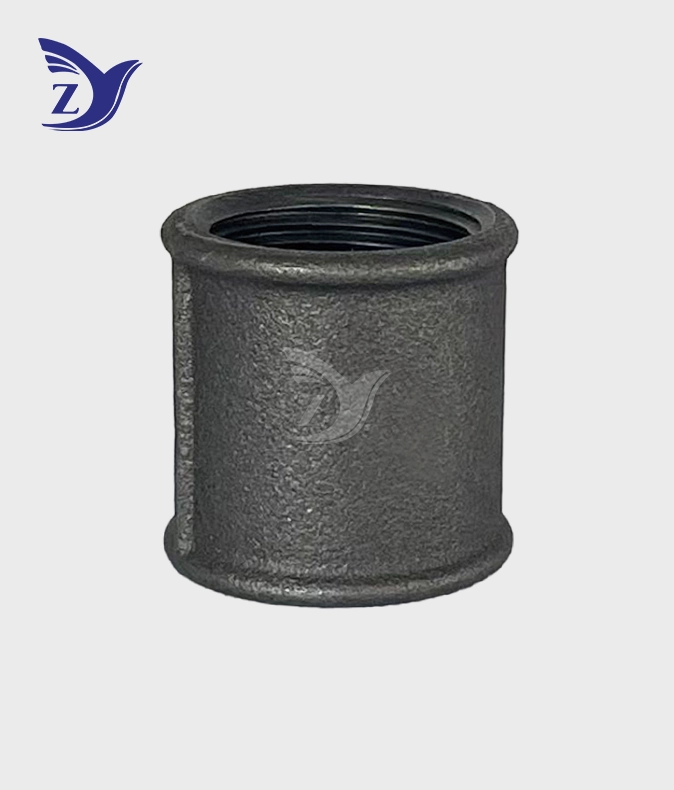
NPT Black Round Face Coupling Pipe Fittings
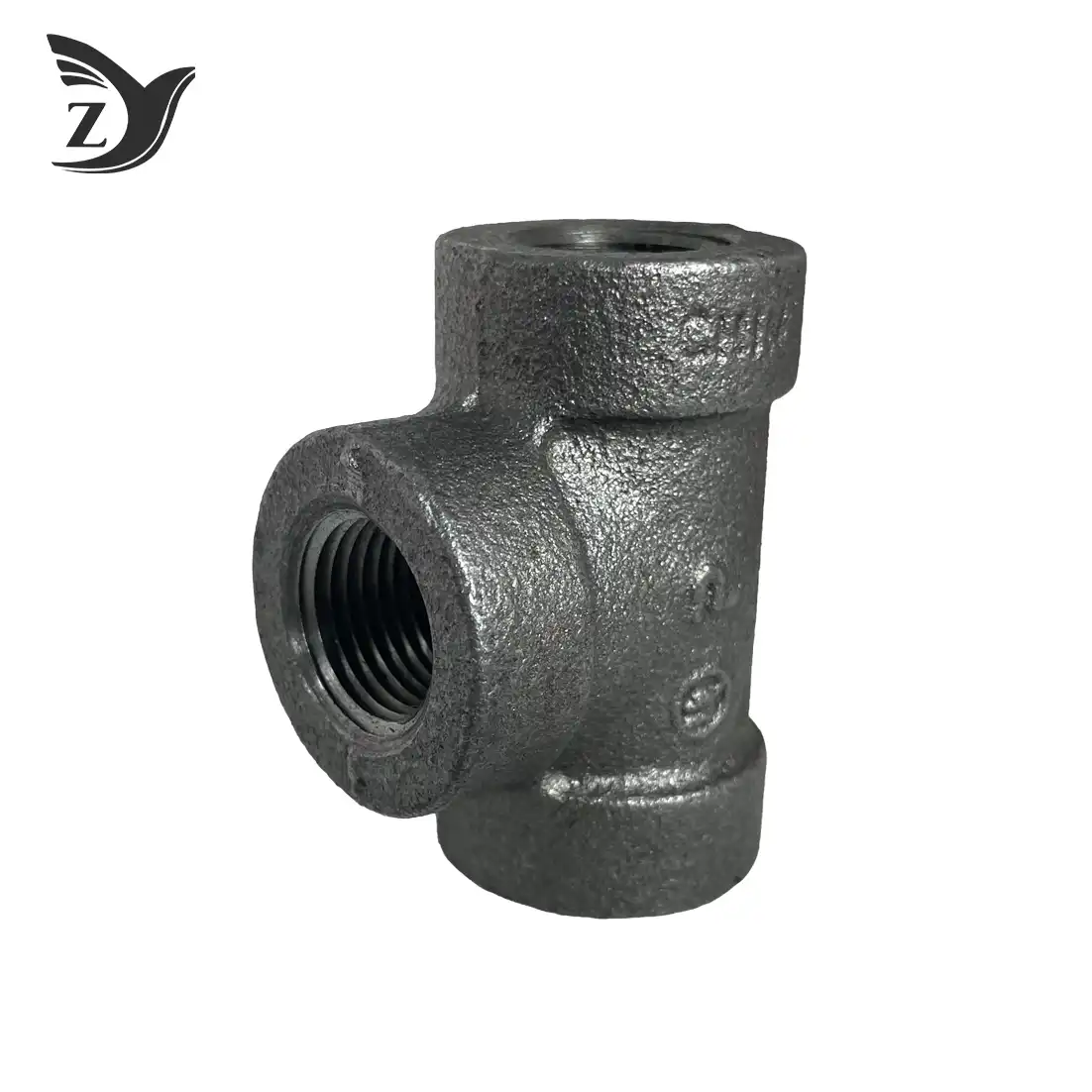
Black 300# Malleable Cast Iron Tee Pipe Fitting
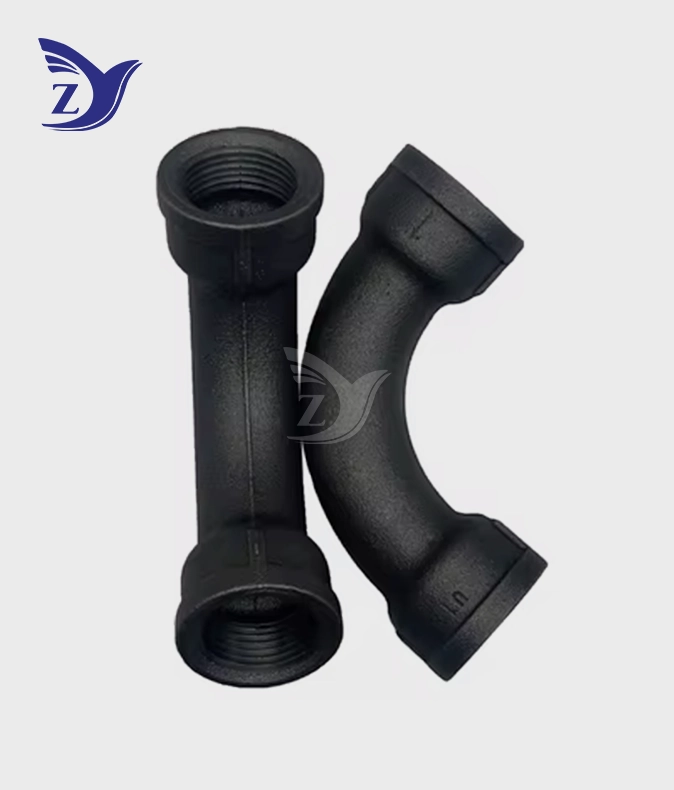
BSPT Black FxF 90° Long Bend Malleable Iron Pipe FittingsFittings
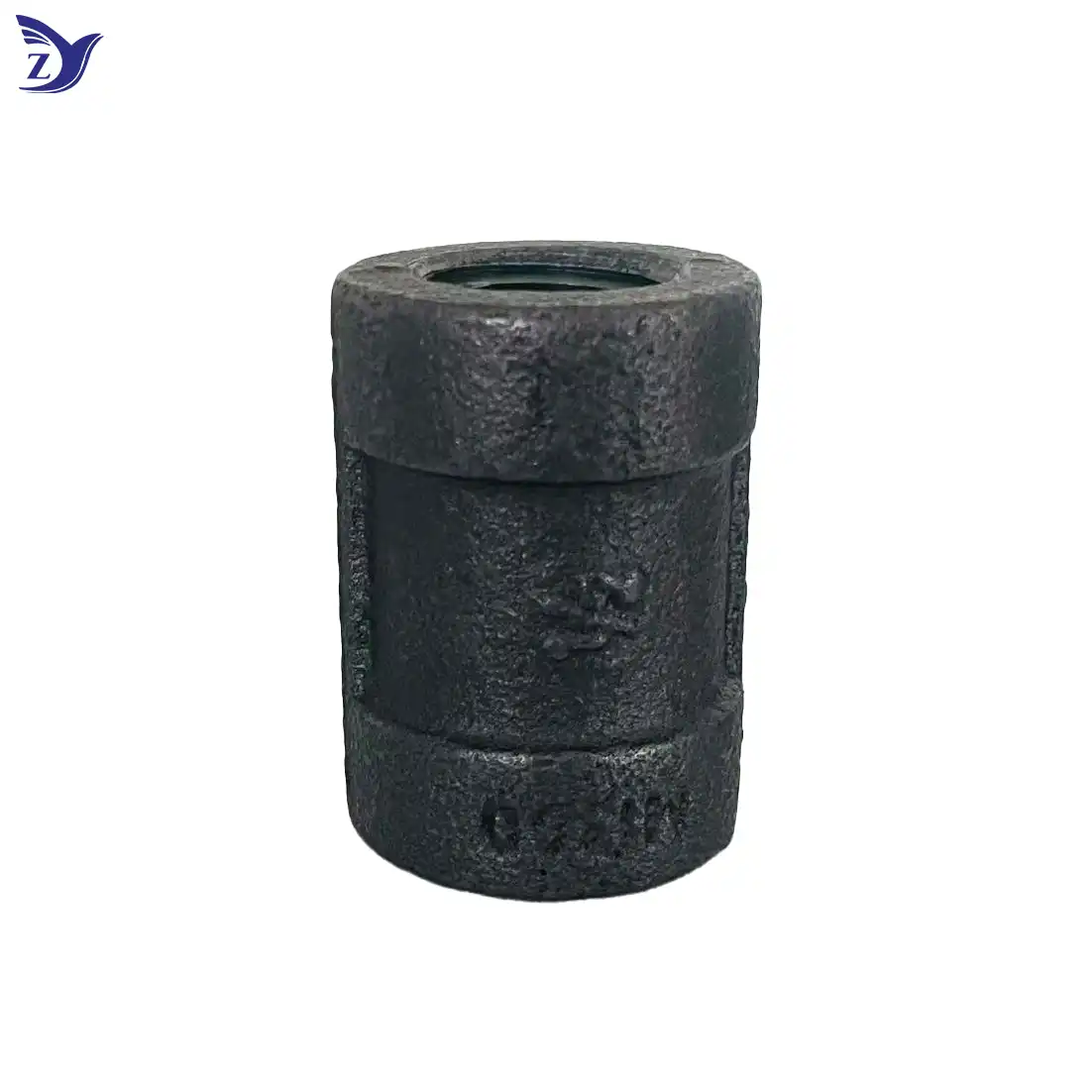
Black Malleable Iron Coupling Class 300
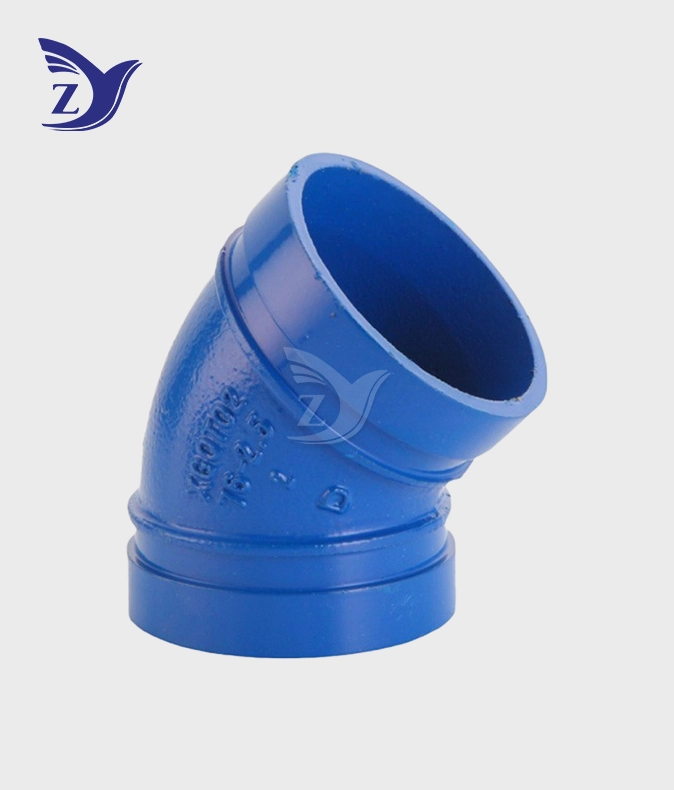
Water Grooved 45° Elbow
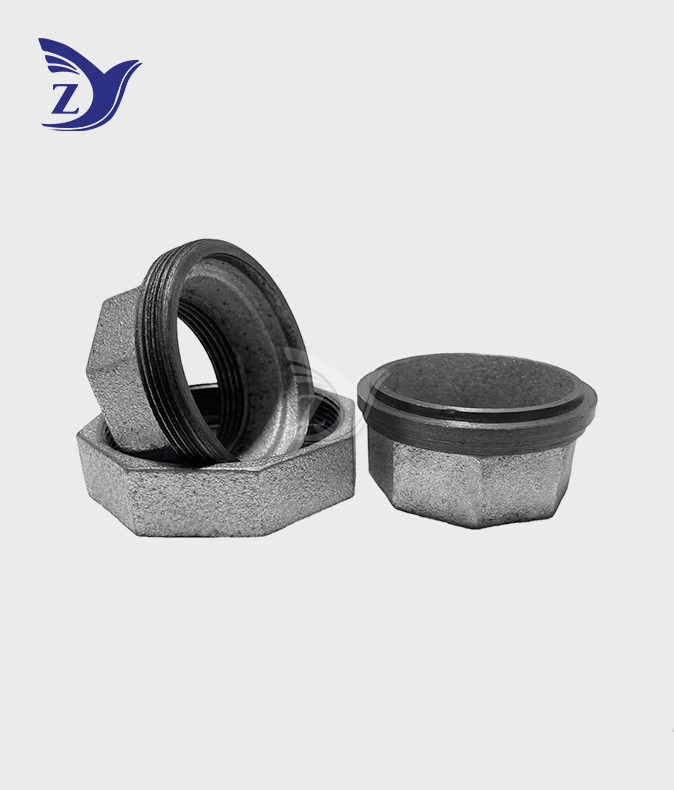
NPT Galvanized Union 330 Pipe Fittings
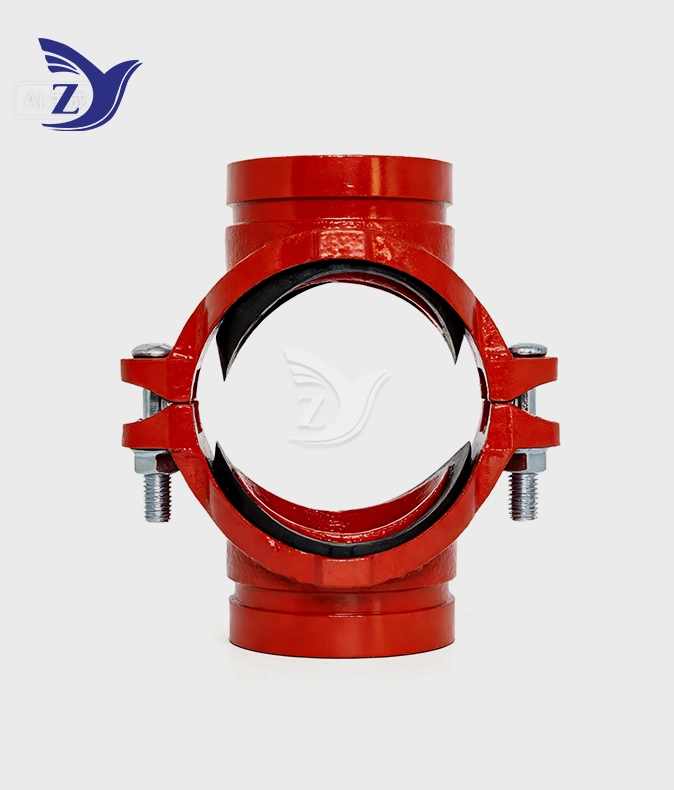
Threaded Mechanical Cross
Galvanized NPT 90° Reducing Elbow