
Jul 13, 2026
Why Choose Galvanized 342 Union Pipe Fittings with Standard NPT Taper Threads?
If you choose NPT galvanized union 342 pipe fittings, you're choosing a connecting method that can be disconnected and is meant to last for a long time in industrial pipe systems. The brass-to-iron seat design of these fittings keeps them from sticking and galling, which makes taking them apart easy even after years of use. The hot-dip galvanized finish is very resistant to rust, and the precision-machined NPT taper threads make leak-proof seals without needing too much pressure. This mix solves important maintenance problems in areas like fire safety, city water systems, HVAC installations, and industrial process piping, where the ability to quickly change parts and prevent corrosion affects both system safety and working efficiency.
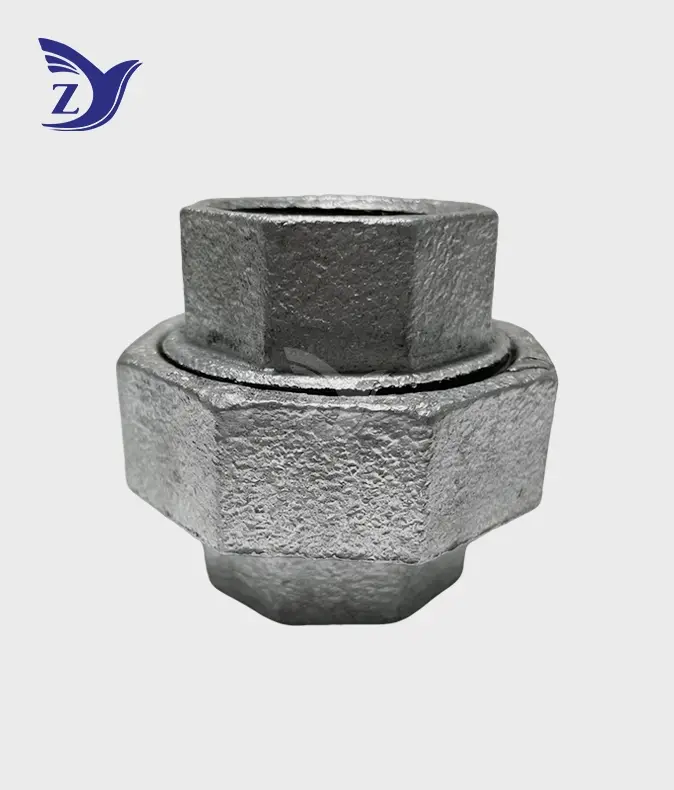
Understanding NPT Galvanized Union 342 Pipe Fittings
NPT galvanized union 342 pipe fittings are a new type of detachable pipe joints. They are made of malleable iron and can be identified by their Figure 342 name. These are different from normal Figure 340 iron-to-iron unions because they have a brass-to-iron seat arrangement.
The Technical Foundation of NPT Threading
ASME B1.20.1 standards say that National Pipe Thread taper threads must have a perfect 1°47' taper angle that makes interference-fit seals. When placed correctly, these threads create a mechanical link that gets stronger under pressure. In many situations, this means that joints don't need to be welded. As you tighten the connection, the taper design makes sure that metal-to-metal contact rises gradually. This creates a pressure-activated seal that is safer under practical stress. Because of this, NPT connections are very reliable for systems that carry water, gas, steam, and other fluids and must not leak.
Material Composition and Galvanization Process
The body is made of black heart malleable iron that meets ASTM A197 standards. This type of iron is more flexible and resistant to pressure than gray iron options. This choice of material lets the fitting handle vibration and temperature expansion without breaking, which makes it last a lot longer in settings where pipelines move around a lot. According to ASTM A153, hot-dip galvanization puts on a zinc covering that is usually more than 86 micrometers thick. This forms a metallurgical bond that keeps the base iron safe from rust and chemical attack. Immersing the finished fitting in liquid zinc at about 840°F is part of the galvanization process. This makes sure that all surfaces are covered, even internal threads and hollow areas that could rust.
The Brass-to-Iron Seat Advantage
The 342 type is especially important because it has a precision-ground brass ring insert built into the female end. This brass part fits over the iron male end, making a non-corrosive contact that keeps the joint from sticking together over time. Standard iron-to-iron unions would stop in places with high humidity, changing temperatures, or chemical exposure. The brass seat keeps the ability to disassemble smoothly in those places. During regular repair, this design feature comes in very handy because it lets you remove pumps, valves, or instruments without stopping the whole pipeline.
Benefits of Choosing Galvanized 342 Union Pipe Fittings with NPT Threads
When you choose these specialized NPT galvanized union 342 pipe fittings, you get measured benefits across a wide range of operational dimensions. This directly addresses common problems that repair teams and project engineers face in industrial settings.
Enhanced Durability in Corrosive Environments
The dual security system with galvanized outsides and a metal seat inside makes it last a very long time in tough circumstances. Municipal water treatment plants that work in coastal areas say their service lives are longer than 20 years and don't get much worse over that time, even when they are exposed to salty air and water. As a sacrifice, the zinc covering corrodes more quickly than the iron below it to protect it, while the brass seat stops the galvanic corrosion that would happen at the metal-to-metal contact otherwise. This makes repair intervals much longer, which lowers lifetime costs by cutting down on the number of times parts need to be replaced and the system needs to be shut down.
Installation Efficiency and Labor Savings
Standardized NPT threading gets rid of problems with tools from different makers not working together, which speeds up the fitting process. Technicians don't need special tools or welding equipment to do a good job of closing by hand tightening plus one to three extra turns with standard pipe wrenches. Because union fittings are removable, installers can put together complicated groups of valves or instrument clusters on the table first, and then install them as whole units in the field. When compared to welded connections, this method cuts installation time by about 40%. This is especially helpful when working in tight areas or on high levels where access is limited.
Maintenance Accessibility and Downtime Reduction
When it's time to do maintenance on the pump, clean the filter, or calibrate the meter, the union joint provides a clear break point that lets the part be taken off in minutes instead of hours. Preventive maintenance is done during short breaks in production at factories that run continuously, so quick entry is necessary. The metal seat makes sure that even unions that were put in decades ago will unthread easily, without the need for cutting torches or other damaging methods. This feature alone makes the small price difference between temporary and permanent links worth it in situations where unplanned downtime costs a lot of money.
Multi-Industry Application Versatility
These fittings are used by fire protection companies for hookups in pump rooms and risers for sprinkler systems. They have to be reliable and easy to service in order to meet UL and FM approval standards. The galvanized finish meets the requirements for corrosion protection in wet pipe systems, and the union design lets testers check the check valves and flow switches without having to drain whole areas. They are used in HVAC systems to connect equipment in chilled water loops and condenser circuits. This is done so that chillers and cooling towers can be isolated for yearly repair. They are specified at instrument taps and sample places in chemical plants and factories by industrial process piping. This lets calibration work be done without stopping the process. They are put in by municipal water departments at meter vaults and pressure lowering stations to make it easier to swap meters and service valves, which would have to be done by digging and cutting lines otherwise.
Comparing Galvanized 342 Union Fittings with Other Union Types
Procurement workers can better match NPT galvanized union 342 pipe fittings to the needs of a project if they know how different union setups work in different situations.
Galvanized 342 Versus Figure 340 Unions
Figure 340 unions use iron-to-iron seat contact, which is cheaper at first but harder to maintain in places that are wet or have harsh chemicals. Over time, oxidation products build up at the seat contact, which binds the parts together and makes it very hard to take them apart. The brass seat in the 342 models completely gets rid of this failure mode, which makes up for the extra 15–20% price by saving money on labor costs during future maintenance rounds. With 342 unions, projects that expect to be serviced every 10 years or more before big overhauls always have a lower total cost of ownership, even though they cost more up front.
Stainless Steel Union Alternatives
Stainless steel unions are better at resisting corrosion in harsh chemical situations like handling acids or sea settings, but they are much more expensive to make—usually three to four times as much as galvanized malleable iron. The fitting pressure needs are also different. Because stainless steel tends to gall, threads need to be carefully oiled and tightened in a controlled way. As long as chemical compatibility isn't a problem, galvanized 342 unions work well enough for normal water, air, and fuel services at a much lower cost.
Brass Union Considerations
All-brass unions work great in systems that handle drinkable water and must be lead-free, as they meet NSF/ANSI 61 standards for touch with drinking water. But brass isn't as strong mechanically as pliable iron, so bigger sizes can only handle 150 to 200 psi of pressure. Galvanized 342 unions keep their Class 150 grades (300 psi WOG at room temperature) across the whole size range. This makes them better for industrial uses that need higher pressure. The design of malleable iron also makes it more resistant to damage from water hammer and pressure surges, which can break brass fittings in systems where valves close quickly.
Socket Weld Fitting Comparison
Socket weld links make solid parts that can handle high pressures and little flow restriction, but they can't be used again in the future. Once a part is welded, it has to be cut and re-welded in order to be removed. This adds a lot of work and could cause quality problems from field welding. Union valves give up a little bit of pressure rating and cause a small amount of flow disturbance at the joint. However, these trade-offs aren't a big deal in most situations where easy upkeep is more important than small performance gains.
Conclusion
NPT galvanized union 342 pipe fittings are very useful because they have a special brass-to-iron seat design, are made of strong galvanized metal, and have standard size that makes them compatible with a wide range of industrial uses. Because they don't rust, are easy to install, and can be easily serviced, they work especially well in places where reliability and serviceability are important, like fire protection systems, municipal infrastructure, HVAC installations, and industrial process piping. Service life and return on investment are maximized by carefully choosing a supplier, paying close attention to the right way to put things, and doing regular upkeep. Procurement pros can make sure that their piping projects are both technically and cost-effectively successful by knowing the differences between union types and matching specs to application needs.
FAQs
What makes Figure 342 unions different from standard unions?
The main difference is the type of material used for the seats. Figure 342 unions have a brass ring piece in the female end that fits against the iron male part. Figure 340 models, on the other hand, have iron-to-iron touch all the way through. The brass contact stops the iron-to-iron designs that seize up because of corrosion, so it's still easy to take apart after long periods of use in wet or corrosive settings.
Can these fittings handle steam with a lot of pressure?
Class 150 steel 342 unions can handle 300 psi of pressure for water, oil, and gas at room temperature. For saturated steam service, the limit drops to 150 psi. Temperature limits usually stop people from using steam continuously at 350 to 400°F. Above that temperature, the metal seat may break down and thread seals will no longer work. Check that the manufacturer's rates are correct for the way you'll be using the product.
How does galvanization thickness affect service life?
When hot-dip galvanization is done according to ASTM A153, the zinc layer is thicker than 86 micrometers, which covers the base iron. In normal workplace settings, this coating will guard against corrosion for 15 to 25 years. Coastal or acidic conditions may shorten this time frame, but dry installations inside can last longer than 30 years before the zinc runs out and the base material is exposed.
Partner with Zhiyuan Malleable Steel for Reliable NPT Galvanized Union 342 Pipe Fittings
Trust Zhiyuan Malleable Steel for NPT galvanized union 342 pipe fittings that work. Zhiyuan Malleable Steel has been casting for 26 years and can make 30,000 tons of galvanized union every year. This makes us a reliable galvanized union producer for industry buyers all over the world. Our hot-dip galvanized, precision-threaded 342 unions have brass-to-iron seats that are made under strict ISO 9001 quality control. This makes sure that every fitting works properly and is easy to maintain. We have full CE, UL, and FM certifications, a size range that goes beyond 1,000 specifications, and standard goods that can be shipped within two hours from our 50,000-square-meter plant in Shanxi Province. This gives your projects the dependability and speed they need. We offer OEM/ODM customization, bulk prices for buying in large quantities, and promises for replacement goods that are broken. You can email our team at q1236800000@gmail.com or visit zymalleablepipefitting.com to get technical specs, price quotes, or to talk about unique solutions that will fit your pipeline needs. Certified quality and great service will make a difference in your fire protection, municipal, HVAC, and commercial pipe systems.
References
- American Society of Mechanical Engineers. (2017). ASME B16.39: Malleable Iron Threaded Pipe Unions—Classes 150, 250, and 300. New York: ASME Press.
- ASTM International. (2019). ASTM A197: Standard Specification for Cupola Malleable Iron. West Conshohocken: ASTM International Standards Organization.
- ASTM International. (2020). ASTM A153: Standard Specification for Zinc Coating (Hot-Dip) on Iron and Steel Hardware. West Conshohocken: ASTM International Standards Organization.
- National Fire Protection Association. (2019). NFPA 13: Standard for the Installation of Sprinkler Systems. Quincy: National Fire Protection Association.
- American Society of Mechanical Engineers. (2018). ASME B1.20.1: Pipe Threads, General Purpose (Inch). New York: ASME Press.
- Underwriters Laboratories. (2021). UL 860: Standard for Safety Couplings Used with Fire Protection Equipment. Northbrook: Underwriters Laboratories Inc.
Online Message