
May 11, 2026
Which is better, hot dipped or galvanized?
When engineers and buying workers are looking for industrial pipe fittings, the question "which is better, hot dipped or galvanized?" comes up a lot. You can find the answer by realizing that hot-dip galvanizing is a unique and better way to galvanize. Immersion of hot-dip galvanized round edge 90° elbows in liquid zinc at around 450°C forms a metallurgical link that gives the elbows a thick, long-lasting coating that is 70 microns or more thick. A thin zinc coat is added through electroplating in electro-galvanizing, which is often just called "galvanized." This process is much better. For tough jobs like fire protection, city water systems, and industrial pipes, hot-dip galvanized fittings protect against rust for decades, making them the professional choice for long-term dependability.
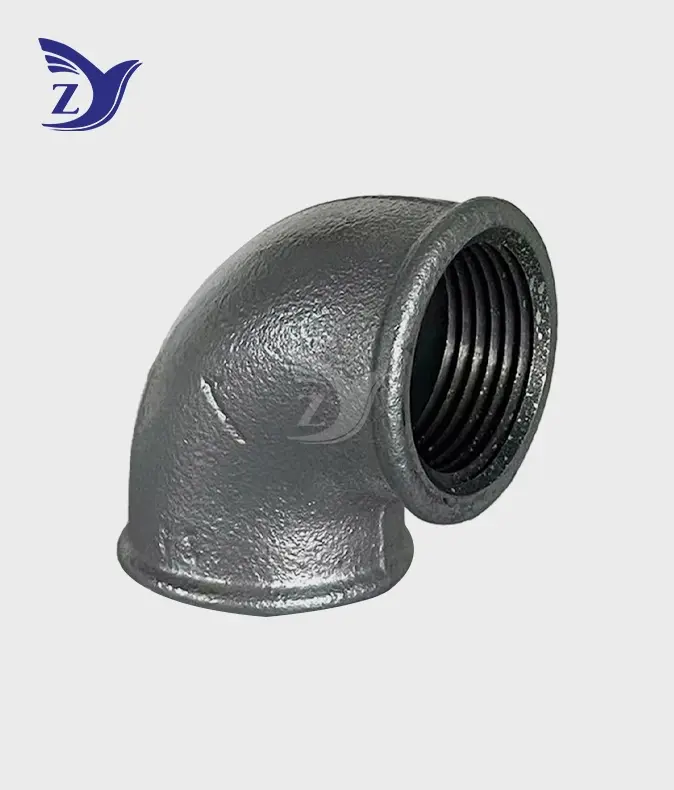
Hot-Dip Galvanizing vs. Electro-Galvanizing
The way that coatings are put on bendable iron pipe parts has a direct effect on how well they work in real life. A lot of buyers get confused between electro-galvanizing and hot-dip galvanizing, but the differences have big effects on the results of the project.
What Makes Hot-Dip Galvanizing Distinct
For hot-dip galvanizing, iron parts that can be shaped are put into a bath of liquid zinc that is heated to about 450°C. The iron base and zinc combine with each other in this process, making several layers of zinc-iron alloys below a layer of pure zinc. The finished layer has a thickness of 70 to 100 microns and a mass of more than 500g/m², which is what ASTM A153 standards call for. Metallurgists call this extra-thick layer "sacrificial protection" because the zinc corrodes more quickly than the iron underneath, protecting the iron even if the coating gets scratches or other small damage.
How Electro-Galvanizing Differs in Application
Zinc is added through an electrochemical process in a cold solution in electro-galvanizing. A thin, even layer of about 5 to 15 microns is usually put down by this method. This layer gives the surface a nice, smooth look, but it's not as thick or as well bonded to metal as hot-dip methods. Electro-galvanized valves work well indoors where the humidity is managed and the metal doesn't get wet very often. Once the thinner covering is broken, it doesn't offer much protection, so these fittings can't be used outside or in places that are likely to rust.
Corrosion Resistance Capabilities Compared
The expected service life is directly related to the amount of the layer. hot-dip galvanized round edge 90° elbows can last for decades in outdoor city water systems, coastal sites, and industrial buildings where chemicals and humidity make corrosion worse. According to ASTM B117 salt spray guidelines, hot-dip coatings can withstand over 1,000 hours of constant salt fog exposure before turning red, while electro-galvanized surfaces usually fail after 200 hours. This difference in longevity keeps expensive failures and upkeep work from happening in gas distribution networks, water treatment plants, and fire protection systems.
Comparing Hot-Dip Galvanized 90° Elbow With Other Pipe Elbow Types
Choice of material affects both initial prices and total costs over the life of the product. Procurement teams can make better decisions when they know how hot-dip galvanized round edge 90° elbows stack up against other options.
Black Steel and Painted Alternatives
Black steel elbows are the cheapest to buy at first, but they need to be protected right away from rust. Without a covering, black malleable iron starts to rust as soon as it comes into touch with water or the outdoors. Painted elbows don't offer much protection because hits, changes in temperature, and handling during installation quickly damage paint coats. These choices need to be inspected, painted, and eventually replaced, which adds up to more money spent than saved at first. The strong, bonded zinc layer on hot-dip galvanized fittings gets rid of these upkeep needs.
Stainless Steel Comparison for Budget-Conscious Projects
Because they contain chromium, which makes an inactive oxide layer, stainless steel elbows are very resistant to corrosion. But the cost of the materials is usually 300–500% higher than that of hot-dip galvanized iron parts that can be shaped. This price difference is too big for big projects that need hundreds or thousands of fittings, like fire sprinkler systems, city water infrastructure, and building HVAC installs. For most industrial and business uses, hot-dip galvanized elbows are the most cost-effective option because they last as long as other types of elbows but don't cost as much.
Round Edge Design Advantages Over Plain Fittings
Quality hot-dip galvanized elbows have round edges, also known as beads, which solves a major technical problem. A lot of hoop stress builds up at the fitting hole when tapered NPT or BSPT threads are tightened. This stress can cause plain or square-edge fittings to crack or split, especially in high-pressure situations or when workers use too much force. The strengthened round edge adds thickness to the material right where stress is high, keeping the structure from breaking. This part of the design is necessary for Class 150 pressure levels (150 PSI saturated steam, 300 PSI water, oil, or gas), and it makes sure that the links don't leak for the whole system's life.
The Hot-Dip Galvanizing Process and Its Impact on Pipe Elbows
The quality of the manufacturing process decides how reliable a part is in tough situations. The hot-dip galvanizing process has strict steps that turn raw iron castings that are easy to shape into long-lasting parts that won't rust.
Surface Preparation and Cleaning Stages
Before they are galvanized, hot-dip galvanized round edge 90° elbows have their surfaces carefully prepared to make sure that the zinc sticks well. The process starts with cleaning the casting with caustic soda to get rid of oils, greases, and organic matter that isn't needed. The fittings are then put through an acid cleaning bath, which usually contains diluted hydrochloric or sulfuric acid. This gets rid of mill scale, rust, and other oxidation products. A flux solution gets the iron surface ready for metallic joining after it has been rinsed. This multi-stage cleaning is very important because even tiny surface dirt stops the zinc-iron alloy from working right, leaving weak spots that are likely to fail soon after the coating is applied.
The Metallurgical Bonding Reaction
When the ready parts are put into the bath of melted zinc at 450°C, a metal reaction happens right away. Iron from the base moves into the zinc while zinc goes through the iron surface, making three separate layers of zinc-iron mixture (gamma, delta, and zeta phases) below the top layer of pure zinc (eta phase). This reaction makes a bond that can't be broken. The coating won't break or peel like paint does because it is metallurgically bound to the base metal. The chemistry of the bath, the temperature, the length of the soaking, and the amount of silicon in the malleable iron all affect the thickness and structure of these layers. All of these factors must be carefully controlled to get the best coating qualities.
Quality Inspection Standards and Certifications
After being taken out of the zinc bath and allowed to cool, each batch is carefully inspected to make sure the quality of the coating. Dimensional checks show that galvanizing hasn't changed the specs for the precision-threaded NPT or BSPT, so the threads will still engage and close. Using magnetic scales to measure coating thickness makes sure that the minimum standards set by ASTM A153 are met. Visual analysis finds flaws on the surface, and adhesion tests make sure the gluing is good. When manufacturers follow the ISO 9001 quality management standards, they keep records of these checks. This gives procurement workers the proof they need for project compliance and quality assurance.
Advantages and Practical Applications of Hot-Dip Galvanized Round Edge 90° Elbows
The value offer goes beyond initial resistance to corrosion to include benefits throughout the whole lifetime in a wide range of settings. Knowing these benefits helps project partners understand why the materials chosen were chosen.
Extended Service Life and Maintenance Reduction
When installed outside, hot-dip galvanized round edge 90° elbows have service lives of 40 to 60 years, which is the same as or longer than the plan life of the buildings and structures they serve. Because they last so long, they don't need to be replaced as often, which would disrupt activities, cost a lot of money, and create waste. Maintenance tasks become almost nonexistent, like painting plans, rust checks, and protection covering refills. This means that local water systems will have smaller operational budgets and more workers will be focused on system growth instead of reactive repair. Fire protection workers benefit from installations that stay up to code and work for decades without any maintenance. This protects both their clients' property and their professional image.
Cost-Effectiveness Across Project Lifecycles
Hot-dip galvanized fittings cost more up front than black steel ones, but a lifetime cost study shows that they save a lot of money over time. To find the total cost of ownership, you have to add up the purchase price, the labor costs of installation, the regularity of replacements, and the time the system is down. Municipal water systems have been studied, and the results show that hot-dip galvanized parts last 30 years longer and cost 40–60% less than painting parts that need regular upkeep. The round edge design adds even more value by avoiding installation problems that need to be fixed. Broken fittings waste materials, require extra work, and cause delays in the plan that lower the project's profits.
Versatility Across Industrial Sectors
These fittings can be used for a huge range of different tasks because they are resistant to rust and can handle high pressures. Here are some examples of how this flexibility can be used:
Fire Protection Systems: zinc fittings are used in both wet and dry pipe sprinkler systems to keep them water-ready for decades. The iron base can handle mechanical pressure during building operations, and the resistance to corrosion stops internal scale formation that could clog water heads.
Municipal Water Infrastructure: hot-dip galvanized elbows are used a lot in water treatment plants, delivery networks, and pumping units. The zinc coating stays stable in chlorinated water, so there are no problems with taste or smell. It also keeps soil-side rust at bay in underground uses.
Industrial Gas Distribution: NPT fittings that don't leak and stay in place when the pressure changes are good for natural gas and compressed air systems. The form with round edges keeps it from stress cracking in industrial settings where it shakes a lot.
HVAC and Plumbing Systems: Galvanized fittings are used for visible pipe runs in building mechanical systems, like hydronic heating and cold water distribution, where looks are important. The covering keeps the look without painting and keeps walls and ceilings from getting rust stains.
Fire protection companies that install commercial sprinkler systems, municipal engineering departments that take care of water infrastructure, industrial facilities that manage process and utility systems, and construction companies that build everything from hospitals to factories are all using these tools. All of these different users have one thing in common: they need pipe parts that are stable, last a long time, and don't need constant maintenance.
Conclusion
For industrial uses, there is a clear answer to the question of which coating is better: hot-dip galvanizing is better than electro-galvanizing because it has a thicker covering, better metallurgical bonding, and better rust protection for decades. hot-dip galvanized round edge 90° elbows have this coating benefit plus structural support that stops installation failures, precise threading for leak-tight connections, and malleable iron strength that can handle high temperatures and pressures. Other options, like painted or stainless steel fittings, are useful in some situations, but hot-dip galvanized parts are the best for fire protection, building systems, industrial piping, and city infrastructure because they last the longest and cost the least over their whole time. Purchasing professionals who buy these fittings from qualified makers make sure the project is a success by making sure there are reliable supply lines, good paperwork, and examples of how well the products have worked in installations around the world.
FAQs
What Lifespan Can I Expect From Hot-Dip Galvanized Elbows?
When used outside, hot-dip galvanized round edge 90° elbows usually last between 40 and 60 years. When used inside, where conditions are managed, they last even longer. Outside, electro-galvanized parts usually last between 5 and 10 years before they need to be replaced.
Are Hot-Dip Galvanized Fittings Suitable for Chemical Environments?
The zinc covering is very resistant to neutral pH and moderately alkaline surroundings. Acidic (pH below 6) or highly alkaline (pH above 12.5) conditions make zinc dissolve faster. You should make sure that certain chemicals will work together in the settings of your application.
Which Certifications Should I Request From Suppliers?
Ask for proof that the material meets the requirements of ISO 9001 quality control, ASTM A197 for the malleable iron base, and ASTM A153 for pickling. When used for fire safety, UL or FM approval is a must. The NSF/ANSI 61 approval proves that it is safe to touch drinkable water.
Can I Use Both NPT and BSPT Fittings Together?
Not at all. The angles, sizes, and ways of closing on NPT and BSPT threads are different. Putting threads that don't work well together hurts both parts and makes leak routes. Set the thread standard so that your whole system follows it.
Partner With Zhiyuan Malleable Steel for Reliable Hot-Dip Galvanized Round Edge 90° Elbow Supply
Zhiyuan Malleable Steel has been making castings and pipe fittings for 26 years and can help you with your buying needs. Our hot-dip galvanized round edge 90° elbow supplier can make products that are ISO 9001, CE, UL, and FM approved and meet international quality standards. We serve fire protection contractors, local planning departments, manufacturing sites, and distribution partners around the world with a capacity of 30,000 tons per year and more than 1,000 product specifications. Our factory in Shanxi Province has 156 precise machine units, eight medium-frequency furnaces, and environmental galvanizing systems. This makes sure that the quality is always high and that orders are filled quickly. Standard items can be shipped within two hours because we keep a lot of them in stock, and our ODM/OEM customization services can meet the individual needs of a wide range of uses. We promise that if a fitting is faulty, we will repair it or give you full expert support. You can talk to our team about your project needs, get approved product paperwork, and get detailed quotes by emailing q1236800000@gmail.com or visiting zymalleablepipefitting.com. Customers are happy with us because we put quality first and work together in a trustworthy way.
References
- American Society for Testing and Materials. (2020). ASTM A153/A153M-20: Standard Specification for Zinc Coating (Hot-Dip) on Iron and Steel Hardware. West Conshohocken: ASTM International.
- American Society of Mechanical Engineers. (2021). ASME B16.3-2021: Malleable Iron Threaded Fittings, Classes 150 and 300. New York: ASME Standards Committee.
- Porter, F.C. (2019). Corrosion Resistance of Zinc and Zinc Alloys. Boca Raton: CRC Press.
- Underwriters Laboratories. (2022). UL 860: Standard for Safety for Pipe Hanger Equipment for Fire Protection Service. Northbrook: Underwriters Laboratories Inc.
- European Committee for Standardization. (2018). EN 10242:2018 - Threaded Pipe Fittings in Malleable Cast Iron. Brussels: CEN Technical Committee.
- National Fire Protection Association. (2022). NFPA 13: Standard for the Installation of Sprinkler Systems. Quincy: NFPA Publishing.
Online Message
YOU MAY LIKE
High quality furniture manufacturer
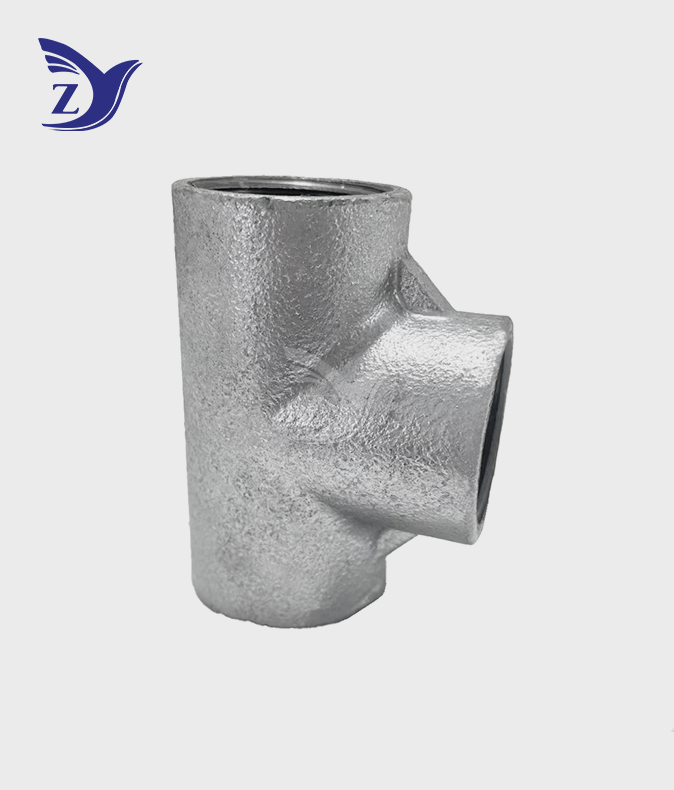
No Hub Electro Galvanized Straight Tee Pipe Fitting
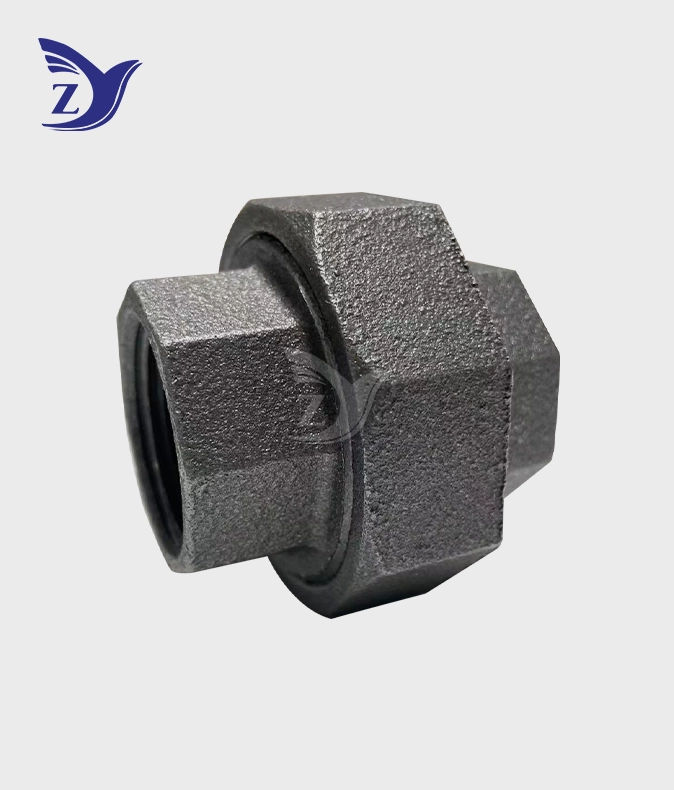
NPT Black Union 340 Pipe Fittings
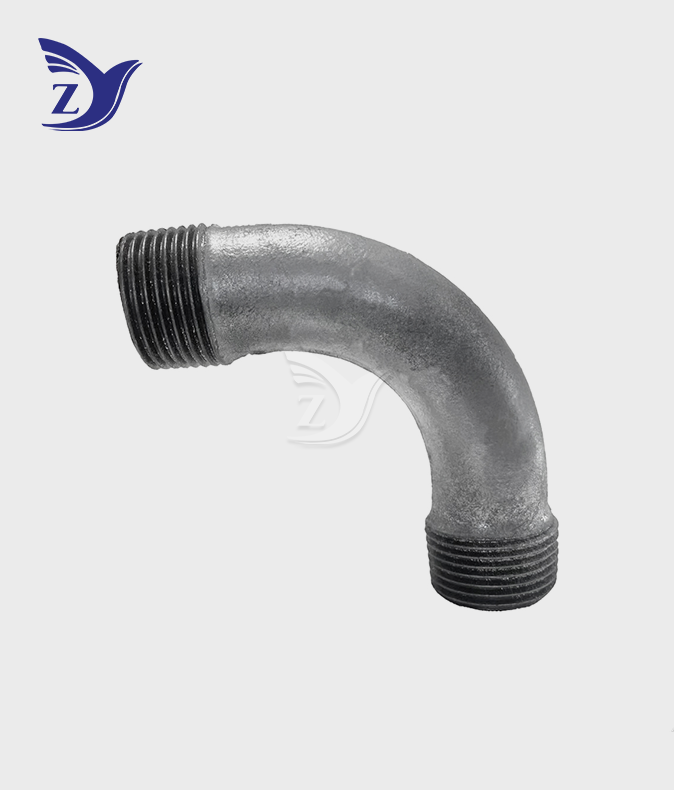
BSPT Round Face Galvanized Round Edge 90° Elbow Pipe Fittings
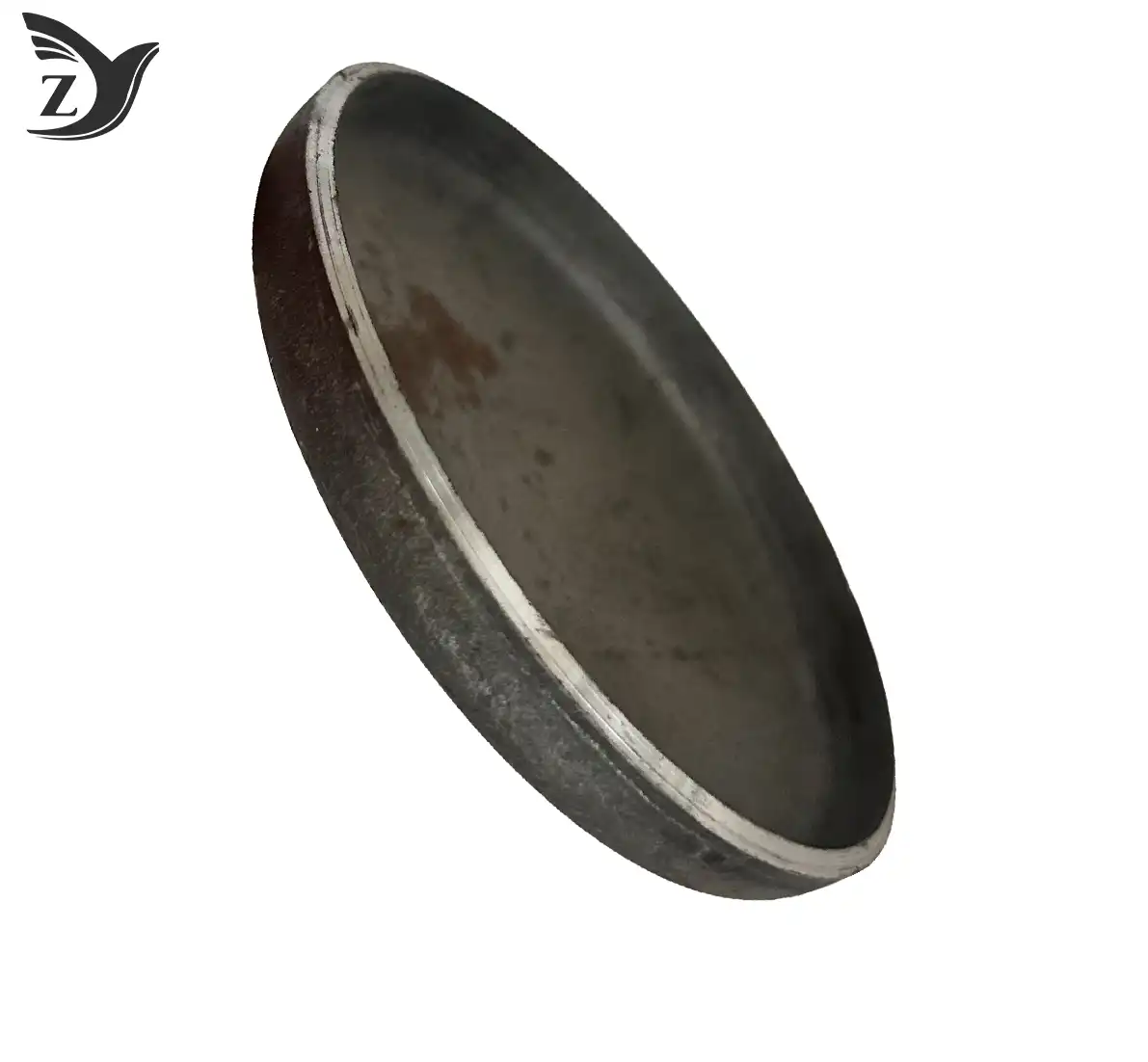
Carbon Steel Welded Cap Pipe Fitting
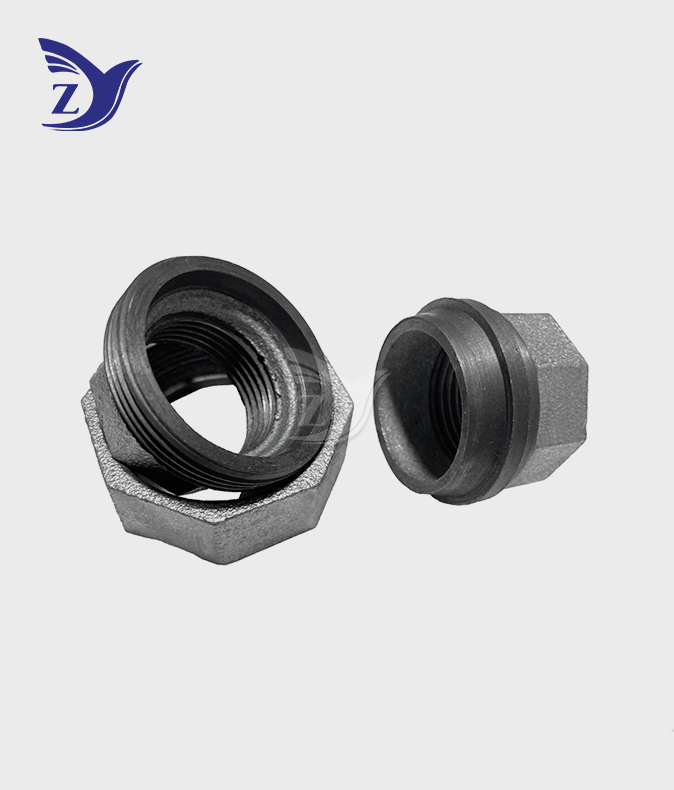
NPT Galvanized Union 340 Pipe Fittings
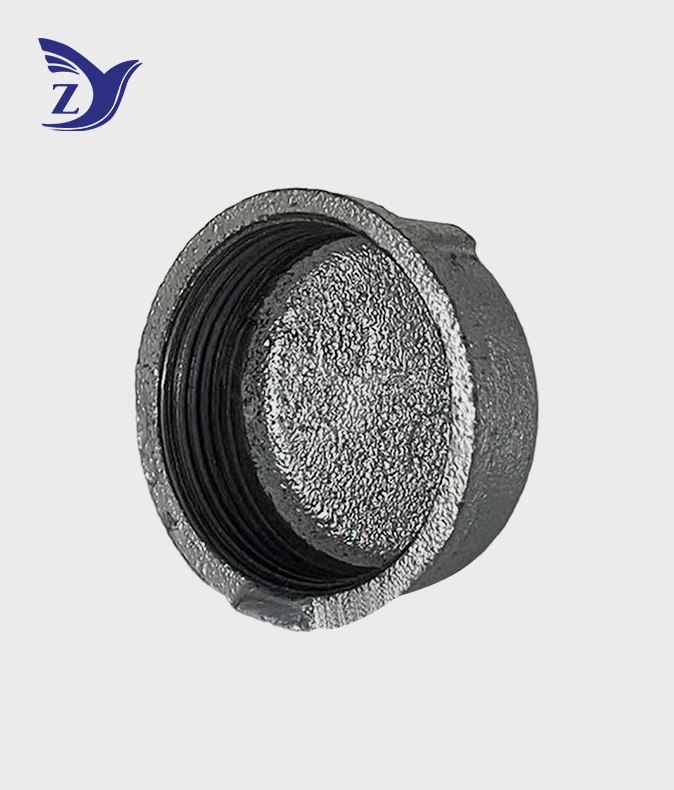
NPT Galvanized Pipe Cap Pipe Fittings
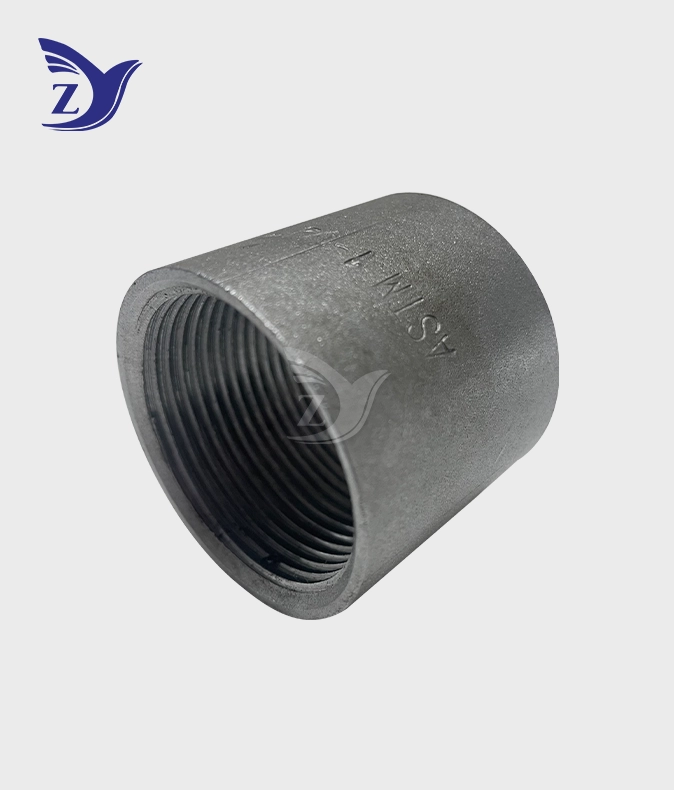
Carbon Steel Full Threaded Coupling Fittings Sand Blasted
NPT Black Male-Female Union 331 Pipe Fittings