
Sep 7, 2026
Where to Buy Plumbing Nipple Types from a Reliable Supplier
Pipe nipples are always a problem for construction material distributors and procurement managers to find a reliable supplier. Purchase from trusted sources of NPT/BSPT male-thread galvanized malleable fittings and satisfy industrial requirements for quality. These threaded connections are basic elements in water and gas pipeline installations in residential, commercial, and industrial applications. Partnering directly with the manufacturer for pipe nipples means no intermediary markups and consistent batches at low prices. Precision-threaded fittings, hot-dipped galvanized, are made from high-strength, anti-rust malleable iron to give the corrosion resistance and durability your downstream customers require for long-term pipeline connections.
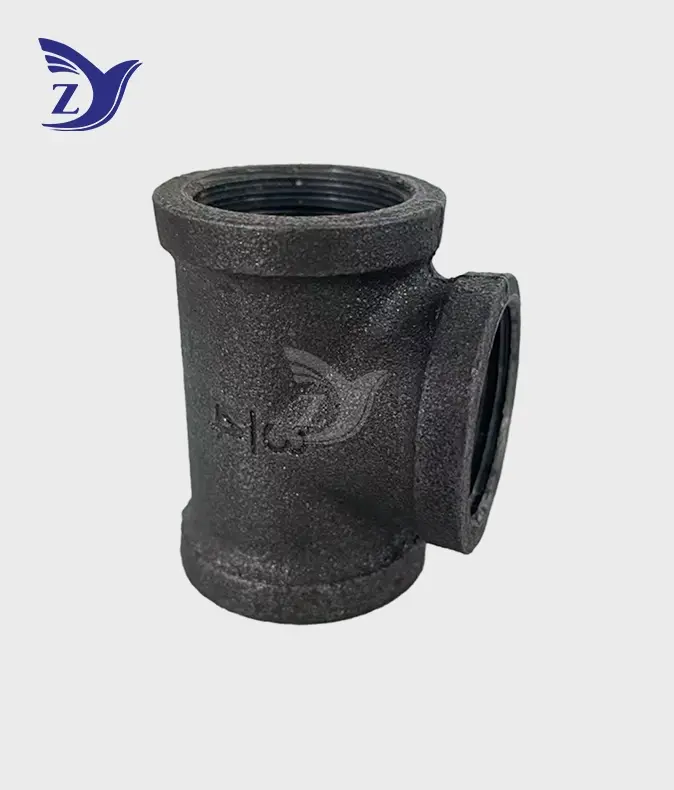
Introduction
Threaded pipe fittings are a crucial element of contemporary plumbing systems. They are used to connect various components of pipe systems that transport pressurized fluids such as water, natural gas, and other chemicals. Pipe nipples are unusual fittings in that they are short with male threads on both ends used to join together fittings, valves, and equipment. The worldwide plumbing fittings market is expanding due to increasing urbanization and the replacement of aging infrastructure. That makes purchase choices more critical than ever.
The durability of the system depends on the quality of materials. Pipe nipples, made from malleable iron, are heat treated in a unique way to change the brittle cast iron into a flexible material that can withstand both thermal expansion and mechanical stress. Hot dip galvanizing is the process of applying a protective zinc coating to steel to prevent rusting in wet environments. This extends the life of the steel by many decades over untreated steel.
The other thing that must be followed is the thread guidelines. The most prevalent threads in North America are NPT (National Pipe Taper), whereas BSPT (British Standard Pipe Taper) threads are used across the globe. Put properly, thread accuracy with the suitable sealants guarantees leak-proof seals. It reduces maintenance expense and system down time.
Profit margins in the supply chain are impacted by price competitiveness. In highly competitive markets, distributors need to have factory-direct pricing to be able to maintain healthy wholesale margins. They are usually targeting margins of 30% or greater. The key is the reliability of the supplier, whether purchasing connections become strategic alliances or perpetual problems. The reliability of suppliers may be assessed based on their adherence to delivery schedules, quality control norms, and communication.
Understanding Different Types of Pipe Nipples for Plumbing
Knowing the building techniques, materials, and size requirements can assist you in selecting the proper pipe nipples to fit the system requirements.
Threaded Versus Seamless Construction
Externally threaded, cut, or rolled onto the pipe ends. Threaded Pipe Nipples. This allows them to screw directly into fittings, valves, or equipment ports with female threads. Threaded alternatives are perfect for systems that are readily maintained since they enable field changes to installations without the requirement for welding equipment. Seamless pipe nipples feature no longitudinal welds, making them stronger in high-pressure circumstances where a weld seam may break. Seamless products are formed by piercing solid steel billets and forcing them through dies. This makes the walls of normal thickness and higher resistance to rupture.
Material Selection: Galvanized Steel, Stainless Steel, Brass, and Copper
Galvanized malleable iron pipe nipples are sturdy, won't rust, and are inexpensive. The hot dip galvanizing method applies zinc coatings to iron fittings, which normally are 45 to 85 microns thick. This zinc serves as a sacrificial coating that will corrode before the base metal. These fittings are suitable for most household and commercial water systems since they can tolerate temperatures up to 300°C and pressures up to 25 bar.
Alternatives to stainless steel will be more resistant to corrosion in chemical handling areas or at the seaside, where salt water would break down zinc faster. Grades 304 and 316 include chromium and nickel metals, which form passive oxide layers to prevent pitting and fissure rusting. Brass Pipe Nipples: Brass is an alloy of copper and zinc. It has antibacterial properties that may be beneficial in potable water systems without giving up too much strength. Copper is a wonderful option for medical gas and cooling because it is clean and has excellent thermal conductivity, but care must be taken that it does not become difficult to deal with.
Schedule 40 and Schedule 80 Wall Thickness Standards
Schedule designations refer to the relative thickness of the pipe wall compared to its diameter. For normal weight, Schedule 40 pipe nipples should be sufficient for most household and light commercial applications. They offer excellent cost efficiency and pressure ratings. Schedule 80 Pipe Nipples have thicker walls that are rated for greater pressure and provide increased thread engagement depth. This is an advantage for industrial systems that need to operate above 150 psi or have built-in safety margins. Procurement managers should ensure that the schedules they specify for pipe nipples are appropriate for their intended applications to prevent over-specifying expensive heavy-wall items or under-specifying parts that might fail prematurely.
NPT and BSPT Thread Standard Compatibility
The thread geometry impacts the seal reliability and its suitability for various manufacturers. NPT threads drop at 1:16 ratios. 60-degree flank angles. This creates interference fits, which pinch the edges of the thread together as the connection tightens. The BSPT threads employ the Whitworth profiles with a 55-degree angle and identical taper ratios. These profiles are popular in areas like Europe and Asia. Mixing NPT and BSPT components will give you lousy seals that may leak. If you’re a distributor working in an international market, separate stocks or properly labelled items might help you prevent expensive installation blunders.
How to Choose the Best Pipe Nipples for Your Procurement Needs?
Strategic selection methods keep inventory costs low while making sure that product specs meet the needs of a wide range of customers across your distribution network.
Defining Application-Specific Requirements
Standard galvanized fittings with 150 psi working pressure values can be used in water distribution lines that use city pressures (40 to 80 psi). For natural gas installations, parts must be approved to ANSI B16.3 standards and have the right pressure classes to meet the distribution pressures, which for home service are usually 5 to 60 psi. Fittings from Schedule 80 must be able to handle temperatures and pressures higher than 400°F and 300 psi for industrial steam systems. When choosing a material, things like humidity, temperature changes, and chemical contact affect whether galvanized steel, stainless steel, or unique metals are best.
Evaluating Material Grades and Corrosion Resistance
As long as the iron is malleable and meets the requirements of ASTM A197, it can be shaped by carefully heating it and changing the carbon structure from cementite to graphite nodules. Unlike gray or white cast iron, this architecture can handle shock and pressure without breaking. The service life of galvanized fittings is based on the thickness of the zinc covering; thicker coats provide longer protection. Minimum coating weights should be required by specifications. These weights should be proven through weight-per-piece testing or cross-sectional analysis.
Thread Precision and Size Tolerance Verification
Precision-threaded products made on CNC machines have tighter tolerances than threads that are cut by hand, so they always fit properly with other parts from one production batch to the next. Thread gages make sure that the major and minor sizes of NPT threads meet the requirements set out in ASME B1.20.1. Dimensional accuracy stops installation problems like cross-threading, not enough contact depth, or using too much thread sealer. Asking sellers for thread inspection reports shows that you are serious about quality control and lowers the number of items that are rejected in the field.
Bulk Ordering Considerations for Distributors
Optimizing container loads makes the most of the freight's usefulness while lowering the cost of shipping each unit. Depending on the size distribution, a 20-foot container can hold 18–22 tons of malleable iron pipe fittings, including pipe nipples. A 40-foot high-cube container can hold 24–28 tons. You can get better margins as your order volumes go up by negotiating tiered price structures based on order volumes (1-ton, 5-ton, 10-ton, and full-container amounts). Flexible minimum order quantities (MOQ) for specialty sizes that don't move quickly keep the whole product range available and keep inventory from becoming obsolete.
Where and How to Buy Pipe Nipples from Reliable Suppliers?
To find and check out potential manufacturing partners, you need to carefully look at their skills, credentials, and history of working with other distribution companies like yours.
Direct Factory Sourcing Advantages
Getting rid of middlemen between makers and sellers has more benefits than just lowering prices. Direct lines of contact make technical details clearer, speed up the resolution of quality issues, and allow for requests for customization for non-standard sizes or package arrangements. When you visit a factory, you can see the production equipment, quality control labs, and storage areas for finished goods for yourself. Long-term relationships with manufacturers make it easier to predict demand, give production priority during busy times, and offer flexible payment terms that reflect the growth of both businesses.
Certification and Compliance Verification
Manufacturers with a good reputation keep quality management systems that are approved by ISO 9001 standards. These systems show written steps for tracking materials, keeping an eye on the production process, and following corrective action methods. UL (Underwriters Laboratories) and FM (Factory Mutual) approvals are two types of product certifications that make sure parts meet North American safety standards for fire protection systems. The CE mark means that the product meets the safety and efficiency standards set by the European Union. By asking for certification paperwork before placing orders, customers can be sure that the products they buy are real and protect distributors from liability.
Evaluating Production Capacity and Lead Times
When it comes to supporting growing distribution operations, suppliers with large production capacities (in the thousands of tons per year) show that they are stable and can grow as needed. Shanxi Taigu Zhiyuan Malleable Steel Co., Ltd. can produce 30,000 tons of steel each year, thanks to its 156 sets of cutting tools and eight 3-ton medium-frequency electric furnaces. Standard goods can be shipped quickly because makers keep enough in stock—some ship common configurations within hours of receiving an order—but custom specifications usually need two to four weeks to be made. Being clear about capacity limits during busy building seasons helps distributors plan how to carefully restock their shelves.
Assessing Quality Control Systems
Comprehensive quality programs include tests of raw materials, checks of work in progress, and validation of produced goods. A chemical composition analysis shows that the carbon, silicon, and sulfur amounts in malleable iron are correct. Coordinate measuring tools are used for dimensional checking to make sure that thread profiles and overall lengths meet the requirements. Random samples of goods from production runs are put through hydrostatic pressures that are higher than their working rates so that any problems can be found before they are shipped. Salt spray testing checks how long a galvanized covering will last; a resistance of at least 240 hours means it will protect against rust well. When suppliers share thorough test results, it shows that they are open and responsible.
Conclusion
When it comes to buying things for the pipe fitting business, success rests on balancing a lot of things: the quality of the materials, the accuracy of the threads, the resistance to corrosion, the dependability of the suppliers, and the prices. Galvanized, malleable iron pipe nipples that are made to known standards work reliably in a wide range of plumbing uses and stay cost-effective, which is important for distributors to make money. Direct factory relationships get rid of waste in the supply chain and offer better pricing, more customization options, and quick technical support compared to models with multiple levels of distribution. Quality problems and supply interruptions can be avoided by carefully checking a supplier's credentials, production capacity, quality systems, and delivery performance. Correct installation methods improve product performance, lower upkeep costs, and make customers happier, which leads to return business.
FAQ
1. What distinguishes pipe nipples from couplings in plumbing systems?
Pipe nipples are short pieces of pipe that connect two female-threaded fittings or parts. They have male threads on both ends. Both ends of a coupling have female threads inside them, which connect two male-threaded pipes or nipples. The main difference between them decides what they are used for: couplings put threaded pipe sections together inline, while nipples extend connections or bridge gaps.
2. How should distributors select between galvanized and stainless steel pipe nipples?
Galvanized iron that can be shaped easily works well in most natural gas and water distribution jobs where the temperature stays below 300°C and the amount of corrosion is low. Stainless steel is needed in places where chemicals are processed, in marine installations that are exposed to saltwater, or in systems that need better corrosion resistance, which means the material costs more. The three to five times higher price of stainless steel should be weighed against its longer life and lower frequency of upkeep in a cost-benefit study.
3. Can manufacturers provide custom threading or non-standard lengths?
Reliable companies that can machine parts can meet specific needs, such as non-catalog lengths, special thread types (like BSPP parallel threads or metric threads), and different end configurations. Custom orders usually need minimum quantities (often 500 to 1,000 pieces depending on the requirements) and longer lead times (3–4 weeks) than stock items. Talking about technical needs early on in the buying process helps makers make sure their quotes are correct and the project is feasible.
Partner with Zhiyuan Malleable Steel for Your Pipe Nipple Supply Needs
Zhiyuan Malleable Steel has been making specialized steel products for 18 years and can help building material wholesalers who are looking for trusted Pipe Nipples suppliers. Our Taigu plant has 156 precise machining units and eight medium-frequency electric furnaces that make 30,000 tons of products each year that meet more than 1,000 different standards. Every hot-dipped galvanized fitting goes through strict quality control that meets ISO 9001 standards. It also has CE, UL, and FM certifications that show it meets international safety standards. We keep a lot of stock on hand so that standard products can be shipped within two hours. For unique needs, we also offer ODM/OEM customization.
Our direct factory pricing structure helps distributors by giving them tiered volume discounts and flexible MOQ policies that keep inventory from going out of date on sizes that don't sell as quickly. Expertise in container load optimization makes shipping goods to foreign places as efficient as possible. Technical support teams help with choosing the right specifications, making sure that the threads will work together, and giving installation instructions. Quality guarantee policies let you replace broken products, which protects your business's reputation and relationships with customers. You can email our team at q1236800000@gmail.com to get full catalogs of our products, up-to-date price lists, and sample packages that show how well we make things.
References
1. American Society of Mechanical Engineers. (2020). ASME B1.20.1: Pipe Threads, General Purpose (Inch). New York: ASME Press.
2. ASTM International. (2019). ASTM A197/A197M-19: Standard Specification for Cupola Malleable Iron. West Conshohocken: ASTM International.
3. British Standards Institution. (2018). BS 21: Specification for Pipe Threads for Tubes and Fittings Where Pressure-Tight Joints Are Made on the Threads (Metric Dimensions). London: BSI Standards Publication.
4. National Association of Corrosion Engineers. (2021). Hot-Dip Galvanizing for Corrosion Protection of Iron and Steel Products. Houston: NACE International.
5. Plumbing Manufacturers International. (2022). Industry Standards for Threaded Cast Iron Pipe Fittings. Rolling Meadows: PMI Technical Committee.
6. Stewart, R.D. & Thompson, M.J. (2021). Industrial Piping Systems: Design, Installation, and Maintenance Best Practices. Cambridge: Engineering Publications Ltd.
Online Message