
Apr 28, 2026
When to use square face galvanized square edge reducing tee pipe fittings?
Square face galvanized square edge reducing tee pipe fittings are necessary when plumbing systems need to branch links between lines of different diameters while keeping the structure strong and protecting it from rust. When used outside, these threaded fittings are especially useful for fire protection systems, city water distribution networks, and situations where long-term rust resistance is needed because of exposure to the elements. The square-edged design with strengthened bands makes it easier to install and gives the structure more strength where stress is concentrated compared to beaded options.


Square Face Galvanized Square Edge Reducing Tee Pipe Fittings
What Defines a Square Edge Reducing Tee
In this case, "square edge" refers to the rectangle bands of support that are placed at each fitting outlet. This shape adds material mass at key stress places where outlets meet the body, which is different from rounded beaded designs. A reducing tee has three holes arranged in a T shape, with at least one branch outlet that is smaller than the main run. This lets the diameter change while redirecting flow at 90-degree angles.
Thread Standards and Compatibility
The threads on these square face galvanized square edge reducing tee pipe fittings can be either NPT (National Pipe Taper) or BSPT (British Standard Pipe Taper). NPT threads have a side angle of 60 degrees and a 1:16 taper that meets ANSI/ASME B1.20.1 standards, which are most common in North American markets. According to ISO 7-1, BSPT threads use a 55-degree Whitworth form, which is popular in Europe and the Commonwealth. When tightened with the right thread sealer or PTFE tape, both make mechanical seals.
Material Composition and Manufacturing
The process starts with high-quality, pliable cast iron that meets the requirements of ASTM A197 or ISO 5922. The controlled heating and cooling steps of the malleablizing process turn brittle white cast iron into ductile black heart malleable iron that can stretch more than 10% and has a minimum tensile strength of 350 MPa. This ductility keeps the material from breaking in a terrible way when temperatures change or when it is hit by a force.
Fittings are hot-dip galvanized according to ASTM A153 standards after precise threads are machined into them. Immersion in liquid zinc at about 840°F forms a metallurgically bonded covering that is usually more than 70 microns thick. This coating protects against oxidation and galvanic corrosion as a sacrifice.
Key Benefits and Performance Characteristics
Corrosion Resistance Through Galvanization
The zinc layer acts as both a shield and a sacrifice anode. When zinc is exposed to air and water, it corrodes faster than the base iron. This protects the structural material even if the layer gets scratched or worn down. Depending on how harsh the climate is, galvanized coats last between 20 and 50 years without needing any repairs. This safety is especially helpful for sites that are outside, near salt water, or in systems that handle treated water that still has chlorine or pH changes.
A lifetime study shows that galvanized malleable iron protects well enough and costs 40–60% less than stainless steel. Stainless steel is better at resisting corrosion. Protective coats must be applied to black steel parts on a regular basis, and they still have a shorter useful life in corrosive settings. Because of these cost benefits, galvanized choices are good for big city projects and industry uses that need to stay within budget.
Mechanical Strength and Pressure Ratings
Class 150 malleable iron valves can usually handle 150 psi at high temperatures (366°F full steam) and 300 psi of water, oil, and gas service at normal temperatures. The square edge design spreads installation pressure more evenly than beaded options, which lowers stress levels that can cause cracks. This shape also makes it easier for the wrench to touch the fitting, so it can be tightened properly without hurting the body.
Because it is flexible, malleable iron can handle vibrations and changes in temperature without cracks spreading. This is a big advantage over materials that are more likely to break when temperatures change or when equipment causes vibrations. Testing procedures, such as hydrostatic pressure testing up to 2.5 times the working pressure, check the stability of each batch of structures.
Sealing Efficiency and Leak Prevention
Precision-machined tapered threads make interference fits that squeeze sealant materials into tiny surface bumps. As the joint gets tighter, the taper shape causes radial compression, which makes metal-to-metal contact with the help of lubricant to fill in any gaps. This two-part closing system works well at different pressure levels and can handle small thread flaws without affecting its ability to keep leaks out.
For the taper seal to work, the threads should be engaged properly, which usually means 3-5 full turns beyond hand-tight based on the size of the pipe. This is done without putting too much stress on the fitting. The square face shape gives workers tactile feedback during installation, which helps them constantly use the right amount of torque.
When to Use Square Face Galvanized Square Edge Reducing Tee Fittings?
Environmental Conditions Favoring Galvanized Protection
Choosing square face galvanized square edge reducing tee pipe fittings is best in places where the risk of rusting is higher than the cost of using more unusual materials. Zinc protects municipal water distribution systems from corrosion caused by soil-side chemicals and leftover treatment chemicals in underground uses. In outdoor parts of industrial gas pipes that carry natural gas, propane, or compressed air, condensation forms. This causes corrosion, which can be successfully stopped by galvanization.
Fire prevention systems have their own problems, like long times of dormancy with still water, irregular flow during tests, and the chance that oxygen could get in. Galvanized fittings stop rust scale from forming, which could come loose when the system is turned on and block spray nozzles. This is a safety issue that supports using corrosion-resistant materials in both wet and dry pipe systems.
Piping System Design Scenarios
Reducing tees are needed when branch lines have lower flow rates or pressures than the main run. This means that the width needs to be stepped down to keep the speed right and keep dead legs to a minimum. Reducing tees are often used in commercial building HVAC systems where smaller zone circuits branch off from main distribution ends. These fittings are used by the city at service connections where laterals from individual properties join to bigger distribution mains.
Reducing tees are used in utility lines to send less water, instrument air, or steam to process equipment in chemical processing facilities and petroleum plants. Because you can change the flow direction while changing the width, you don't need separate reducer and tee fittings. This cuts down on the number of connection points and possible leak lines.
Installation Considerations and Best Practices
The first step in a proper fitting is to check the threads to make sure they are clean and free of any burrs or damage. Putting thread sealant or PTFE tape on in the direction of the thread spin stops the tape or sealant from bunching up during assembly. Engagement should reach the number of turns stated by the maker, which is usually checked by measuring torque values that are related to the fitting size.
Standard pipe tools can be used to securely grip the square edges without hurting the fitting surface. When installing branch outlets, care must be taken to make sure they are lined up correctly because the threaded link cannot be moved once it is fully tightened. Planning the branch direction before the final tightening keeps problems with imbalance and the need to redo work at bay.
Some common mistakes to avoid are over-tightening, which can crack the fitting body, and not giving joined pipes enough support so that bending loads don't get transferred to threaded joints. Galvanized surfaces don't need any extra coating, but they might benefit from being checked every so often in places where corrosion is a problem to see how well the coating is holding up.
How to Source and Purchase Square Face Galvanized Square Edge Reducing Tee Pipe Fittings
Procurement Logistics and Order Planning
Minimum order numbers depend on the seller and the product specs. Standard sizes usually ship from stock in smaller amounts, while production minimums may be needed for custom configurations. Buying in bulk takes advantage of economies of scale to cut costs by 15–30% per unit for containerload amounts. Project managers need to weigh the costs of keeping supplies against volume savings and the chance of not having enough materials during installation.
Standard steel reducing tees from well-known makers usually have lead times that range from being in stock right away to two to four weeks for production runs. Custom sizes or thread combinations that aren't standard can make shipping times 6 to 8 weeks longer, so project schedulers need to plan ahead. There may be fees for speeding orders, but they are cheaper than building delays.
Identifying Reliable Manufacturers
Companies like Shanxi Taigu Zhiyuan Malleable Steel Co., Ltd. have been in the industry for a long time—they were formed in 2006 and have 26 years of casting experience. Multiple medium-frequency electric ovens, natural gas heating kilns, and environmental protection galvanizing facilities are part of the production infrastructure. These facilities show how advanced the manufacturing process is and how well quality control is working.
Geographical benefits can make a business more competitive. For example, companies in areas with lots of energy and raw materials can often offer better prices. Shanxi Province's history as a metallurgical hub offers trained workers and a supply chain infrastructure that makes production more efficient. Logistics costs and delivery times for foreign goods are cut down when they are close to transportation hubs.
Verification and Quality Assurance
Asking for inspection records from a third party gives you an independent check of the material's qualities and measurements. Certifications like ISO compliance, CE marking for European markets, and UL/FM listings for fire safety show that the company is committed to following foreign standards. Warranty terms that cover flaws in the manufacturing process give customers a way to get their goods fixed and show that the maker trusts quality systems.
Before making big purchases, you can look at samples to see how good the thread is, how accurate the measurements are, and how consistent the galvanization is. Pressure testing and salt spray exposure speed up the rust assessment process and help predict how well something will work in the long run. Building partnerships with manufacturers that offer expert help and quick responses makes it easier to solve problems during installation and use.
Conclusion
When choosing the right pipe parts, you have to think about how well they work technically, how well they work with the surroundings, and how much they cost. Square face galvanized square edge reducing tee pipe fittings work well in situations where corrosion resistance, structural sturdiness, and changing the width of a pipe while changing its flow are important. The strengthened square edge geometry makes it easier to install and gives it more mechanical strength. Hot-dip galvanization protects it for decades without any upkeep in corrosive and outdoor settings.
By looking at things like environmental conditions, system design factors, and lifetime costs, procurement managers can figure out when these fittings will best meet the needs of the project. This lets them choose parts that give the best performance and value. Working with well-known makers that offer stable quality, the right certifications, and quick support guarantees the success of the project from the initial design to its long-term use.
Partner with Zhiyuan Malleable Steel for Your Industrial Piping Needs
Zhiyuan Malleable Steel has been casting and making precise parts for 26 years, and we use that knowledge in every square face galvanized square edge reducing tee pipe fitting we make. Our ISO 9001-certified factories in Shanxi Province use strict quality controls all the way through the production process, from melting in a medium-frequency electric kiln to finishing in an environmentally friendly way. We serve fire protection contractors, local building firms, and manufacturing sites around the world with a 30,000-ton annual capacity and more than 1,000 product specifications.
Our benefits go beyond just being able to make things: full CE, UL, and FM certifications prove international compliance; a large inventory means that standard products can be delivered within two hours; and ODM/OEM services allow for unique specs for a wide range of uses. We stand behind the quality of our products with guarantees that any defects will be fixed and quick expert help throughout the lifecycle of your project.
Email our team at q1236800000@gmail.com to talk about your particular needs. Our expert staff is ready to help you right away and professionally, whether you need competitive quotes for large orders, custom sizes for unique uses, or technical advice on choosing the right material. As a trusted square face galvanized square edge reducing tee pipe fittings manufacturer, we're dedicated to giving your projects the quality, dependability, and service they need.
FAQ
What distinguishes square edge from beaded edge reducing tees?
At each exit of a square edge reducing tee, there is a rectangle reinforcement band. This band adds material mass to high-stress areas where the openings meet the fitting body. Compared to beaded options with rounded edges, this design makes the structure more stable when installation force and operating pressure cycling are applied. The square shape also makes the wrench touch surfaces better, which lets you hold on tight without damaging the surfaces during assembly.
How does galvanization extend fitting service life?
Hot-dip galvanization makes a zinc coating that is metallurgically attached to the iron below. This saves the iron by both blocking it and sacrificing itself. Oxygen and water can't get to the main metal because of the zinc layer. Zinc corrodes more slowly than iron, so even if it gets scratched, it still protects. Galvanized layers that are more than 70 microns thick usually last 20 to 50 years in normal settings without needing to be maintained.
Can these fittings handle high-pressure applications?
Class 150 galvanized malleable iron reducing tees can usually handle 300 psi of water, oil, or gas service at room temperature and 150 psi of high temperatures up to 366°F for full steam. The exact pressure number is based on the temperature, the medium, and any safety factors needed by the rules that apply. Always make sure that the parts you choose meet or go beyond the system's design forces, leaving enough room for error.
References
American Society for Testing and Materials. (2020). ASTM A197-00: Standard Specification for Cupola Malleable Iron. West Conshohocken, PA: ASTM International.
American Society of Mechanical Engineers. (2019). ASME B16.3-2019: Malleable Iron Threaded Fittings, Classes 150 and 300. New York: ASME Press.
British Standards Institution. (2018). BS EN 10242:2013+A1:2018: Threaded pipe fittings in malleable cast iron. London: BSI Standards Publication.
International Organization for Standardization. (2017). ISO 5922:2005: Malleable cast iron. Geneva: ISO Standards Catalogue.
National Fire Protection Association. (2021). NFPA 13: Standard for the Installation of Sprinkler Systems. Quincy, MA: NFPA Publications.
Smith, J.R. & Johnson, T.K. (2019). Corrosion Protection Systems for Industrial Piping: A Comparative Analysis of Galvanizing Technologies. Journal of Materials Engineering and Performance, 28(4), 2156-2167.
Online Message
YOU MAY LIKE
High quality furniture manufacturer
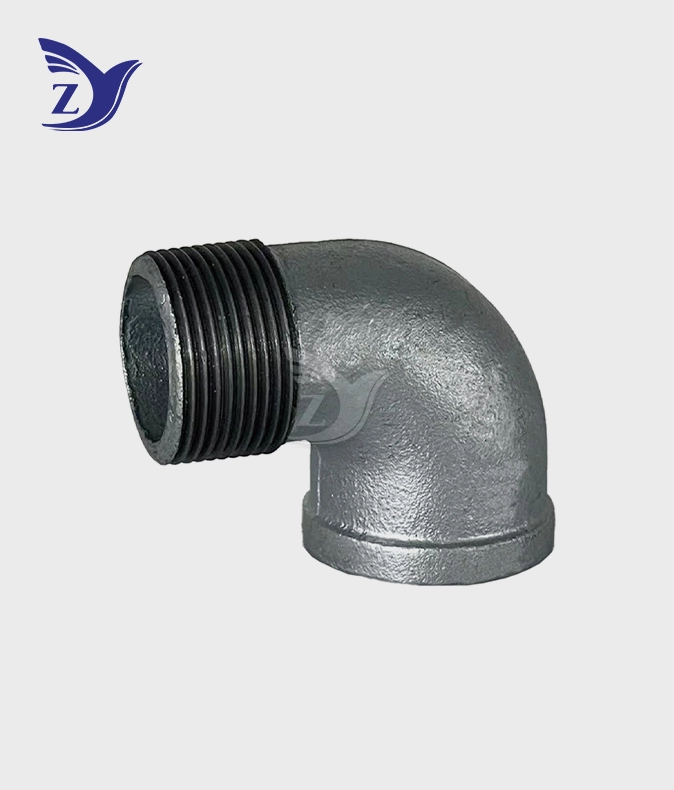
NPT Square Face Galvanized 90° Male Female Threaded Elbow Pipe Fittings
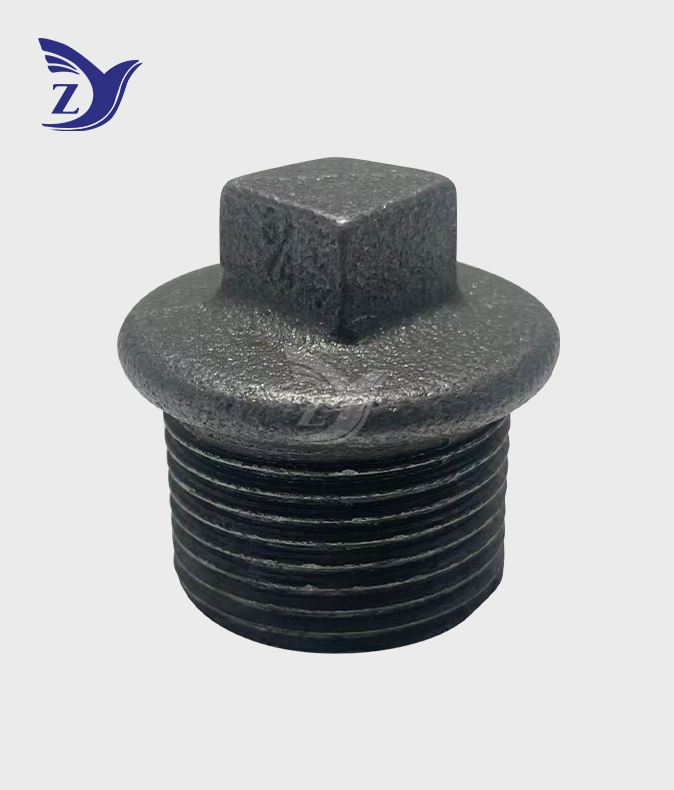
NPT Black Flanged Plug Pipe Fittings
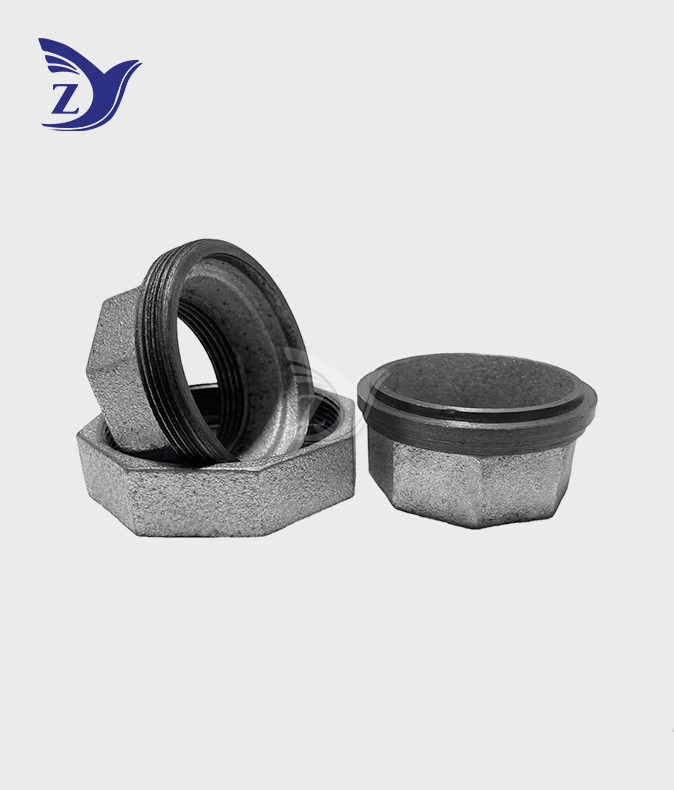
NPT Galvanized Union 330 Pipe Fittings
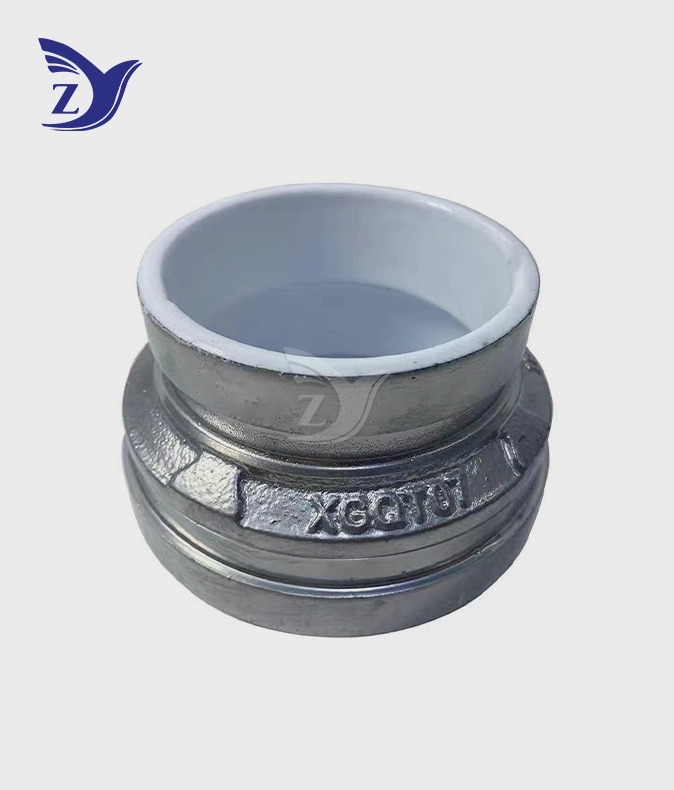
Water Grooved Reducer
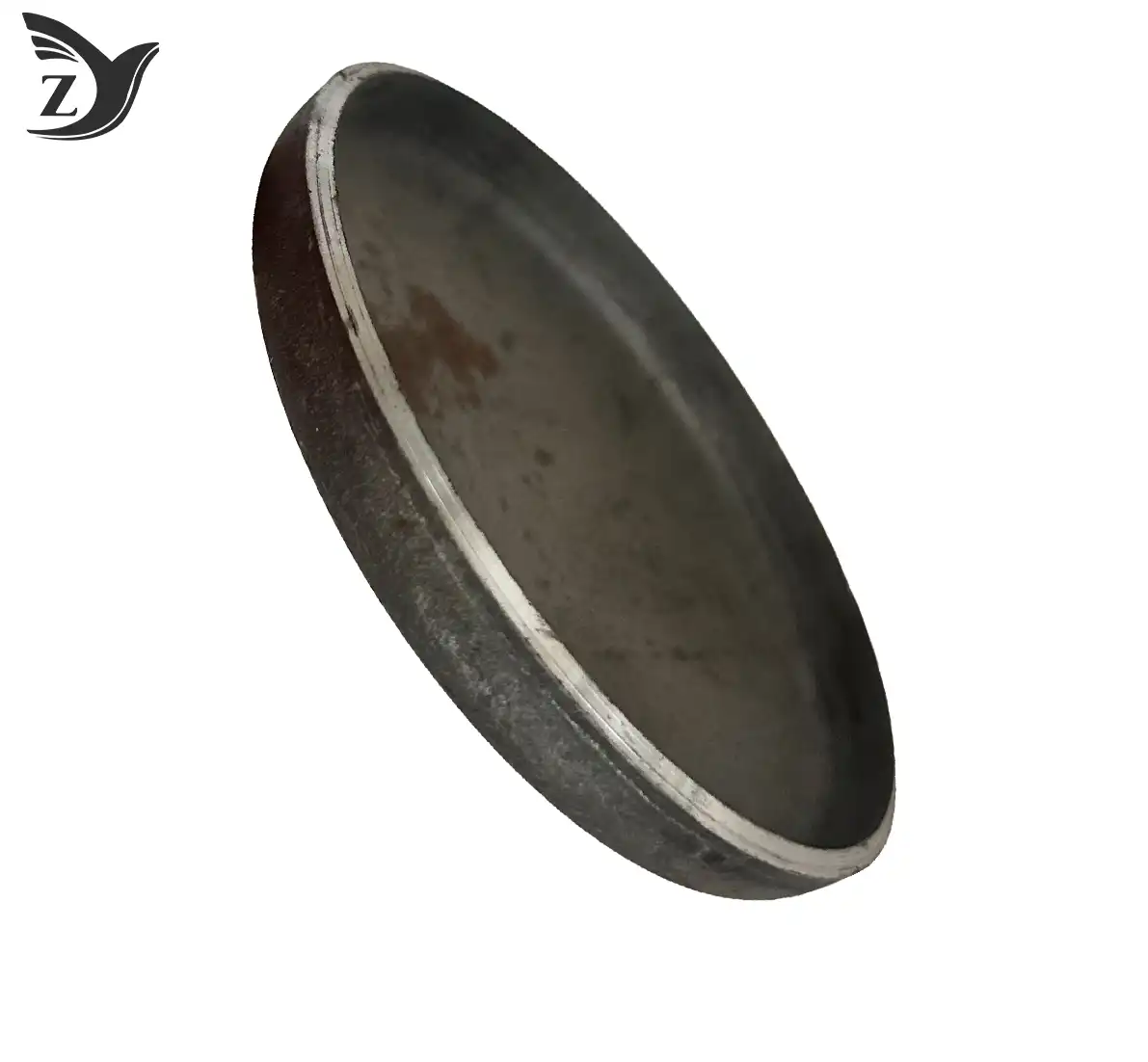
Carbon Steel Welded Cap Pipe Fitting
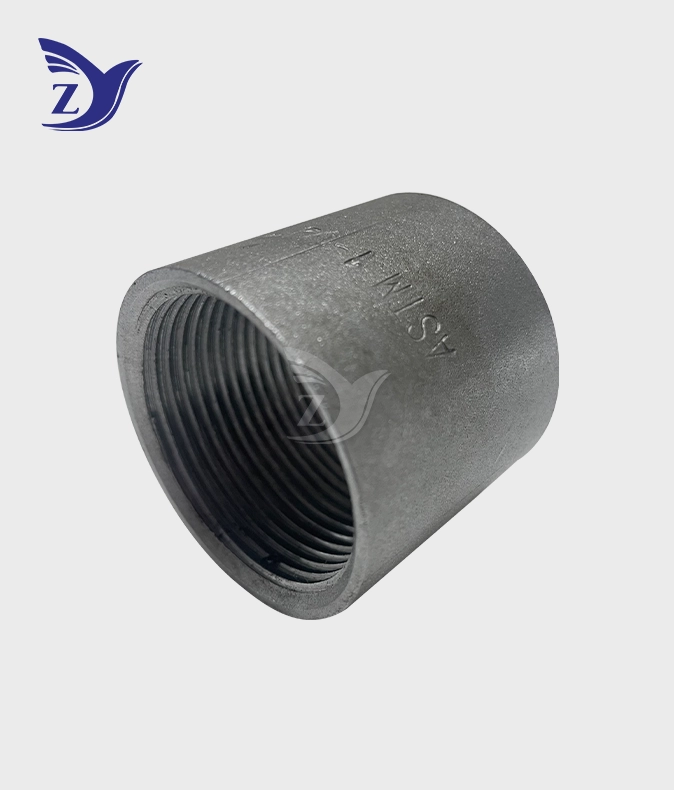
Carbon Steel Full Threaded Coupling Fittings Sand Blasted
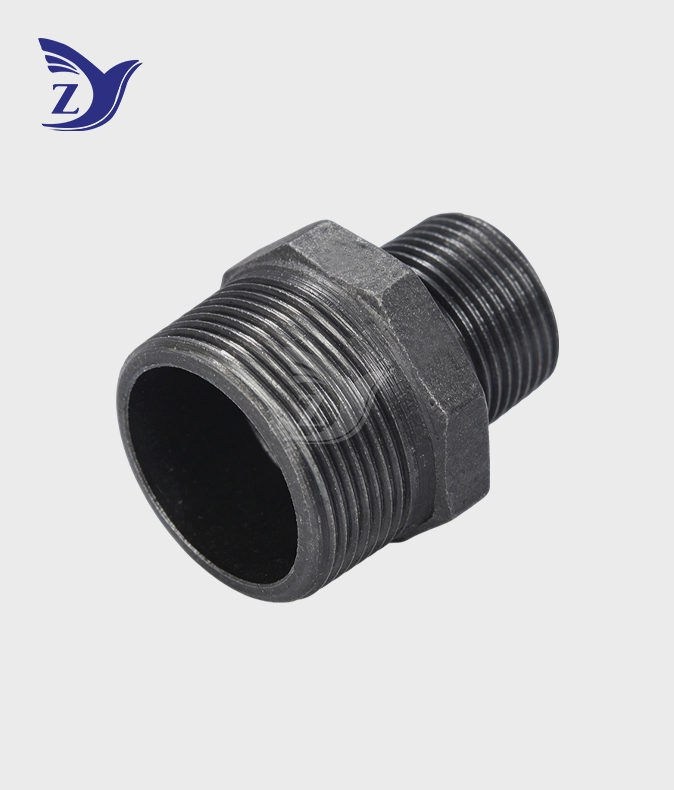
NPT Reducing Male Black Pipe Fitting
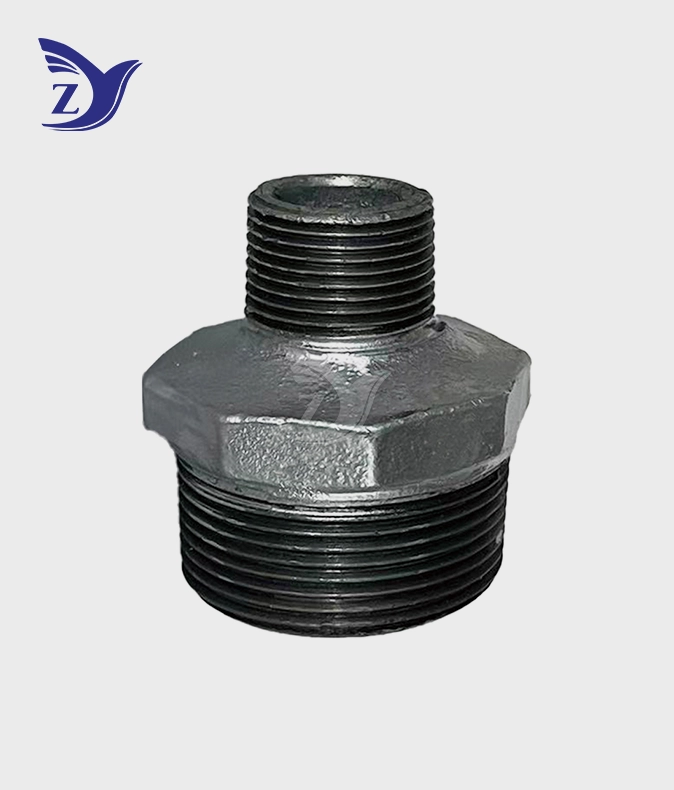
NPT Galvanized Reducing Male Nipple Pipe Fittings