
May 18, 2026
When to use coupling vs union?
In pipe systems, the choice between couplings and unions is mostly based on how often upkeep needs to be done and how easy it is to take the system apart. Couplings make fixed or semi-permanent links that are great for long-term installations where getting to the connections isn't important. Unions, especially black male-female union 331 pipe fittings, have detachable joints that make it easy to break lines without cutting them. This is important for systems that need to be inspected, serviced, or replaced regularly. Unions give you the freedom you need if your pipeline needs regular repair or is connected to valves, meters, or pumps that need to be taken out every so often. In contrast, connections work best in set installations where saving money and making the installation process easier are more important than being able to access them in the future.

Couplings and Unions: Definitions and Core Differences
Pipeline fittings are what hold industrial fluid and gas systems together, but couplings and unions are two of the most important parts that people often get mixed up. Both join pieces of pipe together, but their design ideas and how they work are very different.
What Defines a Coupling?
Couplings are simple links that join the ends of two pipes permanently or partially. They are usually made as single-piece or two-piece threaded covers, and both pipes must be put into the fitting at the same time. During installation, at least one piece of pipe has to be rotated, which can't be done when working with fixed tools or in small spaces. When reliability is more important than the need to take parts apart later, like in underground water mains or long horizontal runs in HVAC systems, malleable iron couplings are the best choice. Because they are simpler, they use less material and have fewer places where they could leak than joints with more than one part.
How Unions Differ Structurally
Unions are smart three-piece structures that solve the spinning problem. This design is shown by the black male-female union 331 pipe fittings version. One end has external male threads and the other end has internal female threads. They are joined by a locking nut in the middle. This design lets engineers tighten the union nut without turning either pipe that is attached to it. This is very useful when working near pumps, boilers, or valve systems. The "331" number generally refers to a certain seat geometry, which is usually a flat or conical surface that has been carefully machined to make a solid metal-to-metal seal. These fittings are made from malleable iron that meets ASTM A197 standards. They can handle pressures of up to 300 psi in water, oil, and gas uses and keep their structural integrity through thermal cycles.
Maintenance Accessibility as the Deciding Factor
Serviceability is at the heart of the operating difference. To remove couplings, pipes have to be cut, which causes downtime, waste, and labor costs. Unions let you separate pipes quickly and easily with standard tools, while keeping the pipes' integrity for re-assembly. Fire safety systems, city gas networks, and industrial process lines often use unions in key places, like near equipment flanges, before filter housings, or before control valves, where easy upkeep explains the slightly higher cost compared to couplings.
When to Use Coupling vs Union?
Industrial buying teams have to make this choice over and over again for different projects. If they make the wrong choice, it affects the efficiency of operations for years to come. Knowing the complex reasons behind this choice helps keep budgets and system stability safe.
Operational Conditions and Pressure Factors
Pressure and temperature patterns in the system have a big impact on the choice of fitting. Couplings work very well in high-pressure situations because they have minimal parts and constant thread engagement. This is especially true in steam lines that are running above 150°F. The black male-female union 331 pipe fittings, on the other hand, have perfectly machined seating areas that keep their Class 150 ratings (300 psi water, oil, and gas) while giving you the option to take them apart. The two-threaded removable joint design spreads stress evenly, which stops thread galling that happens when connections are put together over and over again. Gas distribution networks are a great example of this balance: main trunk lines use couplings to save money, while meter connections and appliance feeds use unions to make it easy to switch out equipment without affecting service to nearby customers.
Spatial Constraints and Installation Logistics
The physical area has a big impact on the choice of fitting. Underground tunnels, roof chases, and mechanical rooms with a lot of equipment often don't have enough place for pipes to turn. When workers try to thread a coupling in these kinds of places, they get frustrated and run the risk of cross-threading or incomplete contact. With unions, this problem is solved: the male and female ends thread onto their corresponding lines in a wide area before being put together for good in a small space. When fixing up old infrastructure, like when lines are still set in concrete or between structural members, municipal water offices really like this feature.
Cost-Efficiency Over the Asset Lifecycle
The price alone doesn't tell the whole story. A normal malleable iron coupling is 30–40% cheaper than a similar union, which makes it a good choice for big jobs with a lot of joints. Lifecycle study, on the other hand, shows a different economy. In a chemical processing plant where pumps need to be serviced every six months, unions at the links allow for 30-minute disconnections by two people instead of four-person, half-day coupling repairs that require cutting, threading, and pressure testing. In 20 years, the labor savings will be much greater than the starting price of materials. Plumbing workers and suppliers are becoming more aware of this total cost of ownership view, and they are guiding clients toward strategic union placement even in systems that use couplings a lot.
Procurement Tips for Black Male-Female Union 331 Pipe Fittings
Sourcing choices have an effect on the results of a project long after the purchase orders are closed. Strategic buying keeps you safe from quality problems, late deliveries, and problems with compatibility that can throw off building plans and cause costs to rise.
Supplier Evaluation Criteria
Verification of certification should be at the top of every buyer's list. Real companies use ISO 9001 quality management systems and give mill test records that show what the materials are made of and the results of pressure tests. Certifications like UL and FM approval for fire safety uses or CE marks for sale to Europe show that the product has been checked by a third party. The production ability of the supplier is also important. Facilities that can produce 30,000 tons per year can keep costs low and efficiency high in a way that smaller operations can't, which means that prices are fair and lead times are reliable. Buyer examples from related industries can tell you a lot about how well something will work in real life. For example, do the parts come properly packaged? Does threading always meet the requirements? If there are problems with the goods, how does the company handle them?
Custom Orders and Volume Purchasing
OEM/ODM capabilities that can change specs to fit specific needs are helpful for big jobs. Custom seat layouts, non-standard thread combinations, or coatings that aren't found on other parts can be used for niche uses without having to make design compromises. Companies that offer these services show that they have a lot of tech knowledge and can make a lot of different things. When you buy in bulk (500 units or more), you can save a lot of money. You can get deals of 15 to 20 percent, and the batches will be the same, which you can't be sure of with mixed-lot sales. Payment terms and product consignment programs help make the most of working capital even more, letting workers match their buying costs to their project's cash flows. Using black male-female union 331 pipe fittings in bulk is a strategic advantage.
Conclusion
The coupling versus union decision ultimately hinges on balancing immediate costs against operational realities. Couplings deliver economical permanent connections where accessibility isn't paramount, while unions provide essential serviceability in maintenance-intensive environments. The black male-female union 331 pipe fittings specifically answer industrial requirements for robust, reusable connections in water, gas, and oil systems, combining material strength with practical disassembly features. Strategic placement—unions at equipment connections and service points, couplings for fixed runs—optimizes both budget and long-term functionality, supporting reliable infrastructure that serves facilities for decades.
FAQ
Can black male-female union 331 pipe fittings be used in natural gas pipelines?
Of course. The black male-female union 331 pipe fittings and malleable iron construction make these fittings ideal for natural gas and LPG distribution. The non-galvanized surface prevents zinc flaking that contaminates gas regulators, while NPT/BSPT tapered threads create gas-tight seals meeting safety code requirements. Always verify local code compliance and pressure ratings for your specific application.
How do I ensure compatibility with existing pipework?
Check thread standards carefully—NPT (common in North America) and BSPT (British/European markets) are not interchangeable despite similar appearance. Measure nominal pipe size accurately, and verify that seat type matches your system requirements. Reputable suppliers provide dimensional drawings and compatibility charts. When replacing existing fittings, bringing a sample to your distributor prevents costly mismatches.
What maintenance extends the lifespan of these unions?
Periodic inspection for corrosion and thread condition prevents premature failures. Apply appropriate thread sealant (pipe dope for oil/water, Teflon tape for gas per code) during reassembly, avoiding over-tightening that damages seats. In corrosive environments, coating unions with approved paint or wrapping systems protects the black iron substrate. Properly maintained unions routinely exceed 20-year service lives in industrial settings.
Partner with Zhiyuan Malleable Steel for Reliable Pipeline Solutions
Zhiyuan Malleable Steel brings over 18 years of manufacturing expertise to industrial piping challenges, producing high-strength, corrosion-resistant 331 unions and comprehensive fitting lines from our 50,000-square-meter facility in Shanxi Province. Our 30,000-ton annual capacity ensures consistent availability for projects of any scale, while ISO 9001, CE, UL, and FM certifications validate quality across international markets. As a trusted black male-female union 331 pipe fittings supplier, we offer OEM/ODM customization, bulk purchasing advantages, and replacement guarantees that protect your procurement investment. Our technical team stands ready to assist with specification selection, compatibility verification, and custom solutions tailored to your system requirements. Contact us at q1236800000@gmail.com or visit zymalleablepipefitting.com to explore our complete product range and discuss how our industrial-grade 331 black malleable fittings can enhance your project's reliability and long-term value.
References
- ASTM International. "ASTM A197 - Standard Specification for Cupola Malleable Iron," Annual Book of ASTM Standards, Volume 01.02, West Conshohocken, PA, 2021.
- American Society of Mechanical Engineers. "ASME B1.20.1 - Pipe Threads, General Purpose (Inch)," ASME Standards, New York, NY, 2020.
- International Organization for Standardization. "ISO 7-1:1994 - Pipe Threads Where Pressure-Tight Joints Are Made on the Threads," ISO Catalogue, Geneva, Switzerland, 1994.
- American Water Works Association. "AWWA Manual M11: Steel Pipe - A Guide for Design and Installation," Fifth Edition, Denver, CO, 2017.
- National Fire Protection Association. "NFPA 54: National Fuel Gas Code," 2021 Edition, Quincy, MA, 2021.
- Plumbing-Heating-Cooling Contractors Association. "PHCC National Standard Plumbing Code," Eighth Edition, Falls Church, VA, 2019.
Online Message
YOU MAY LIKE
High quality furniture manufacturer
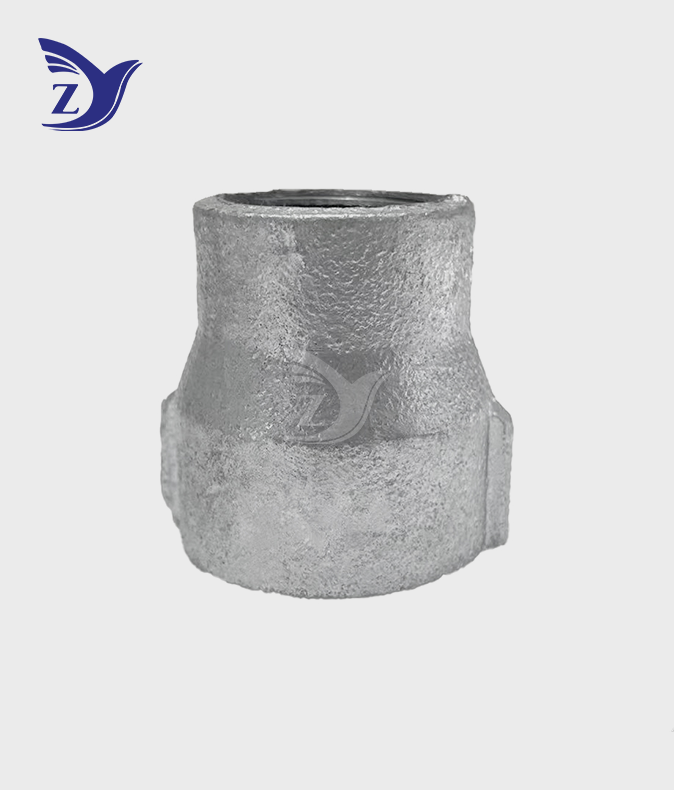
No Hub Hot Dip Galvanized Reducing Coupling Pipe Fitting
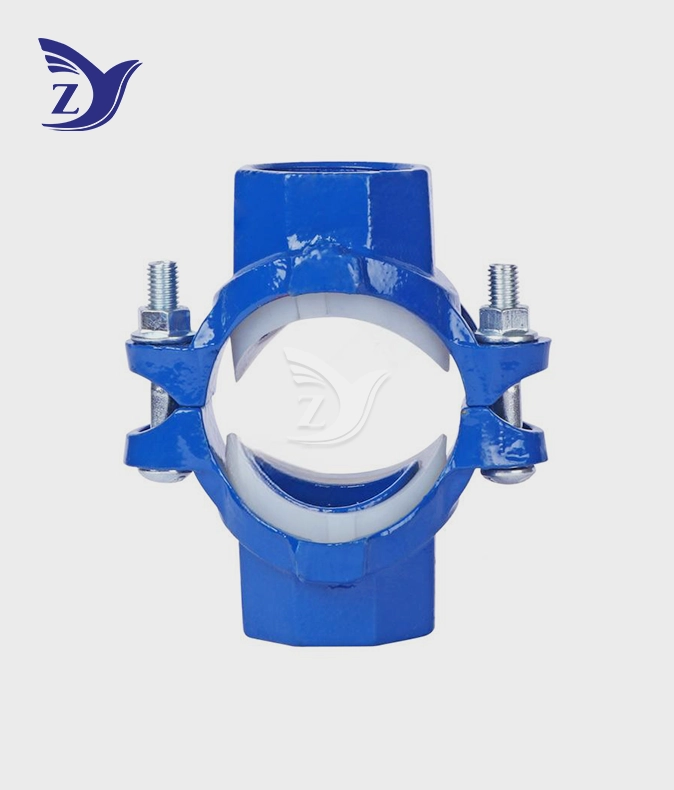
Water Supply Threaded Mechanical Cross Pipe Fitting
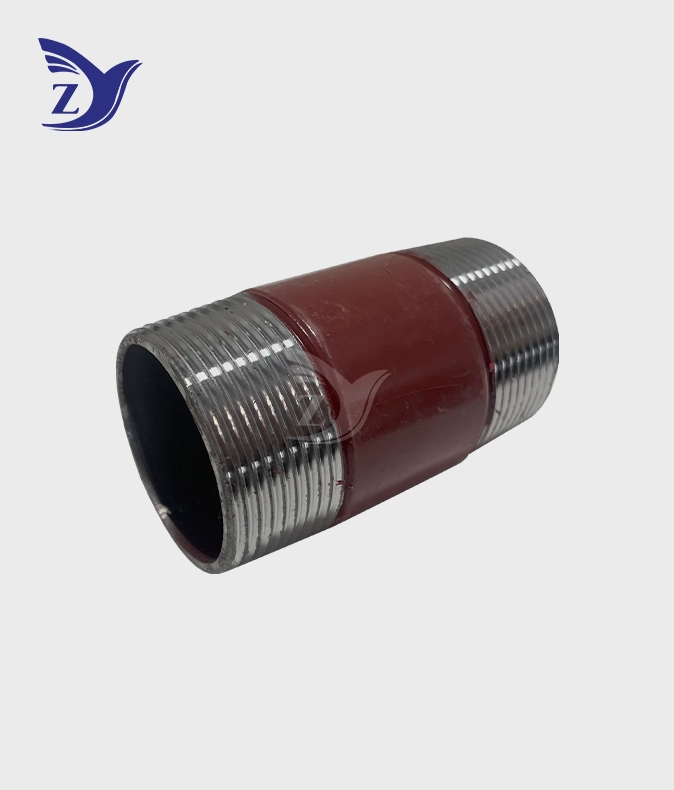
Carbon Steel Pipe Male Threaded Fittings Red Coated
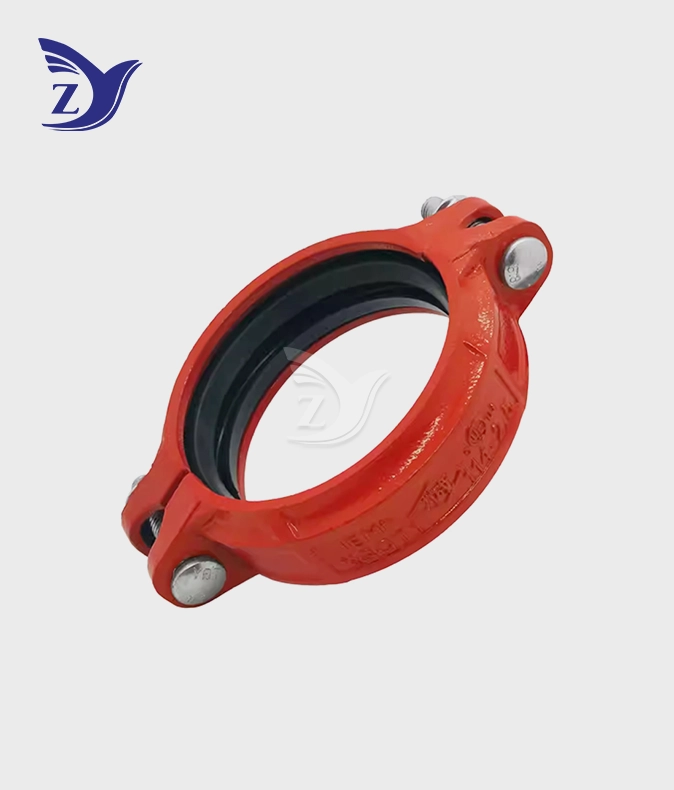
Fire Grooved Clamp
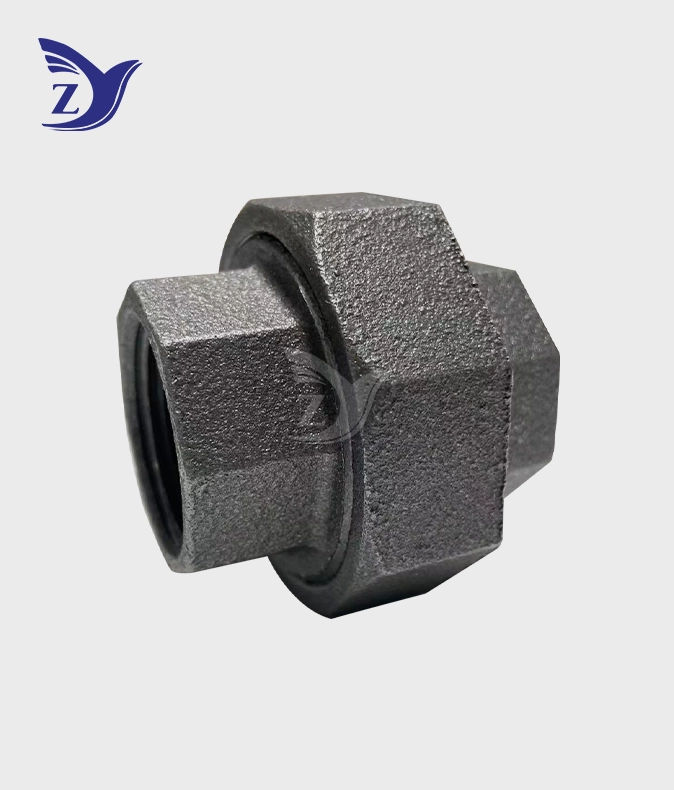
NPT Black Union 340 Pipe Fittings
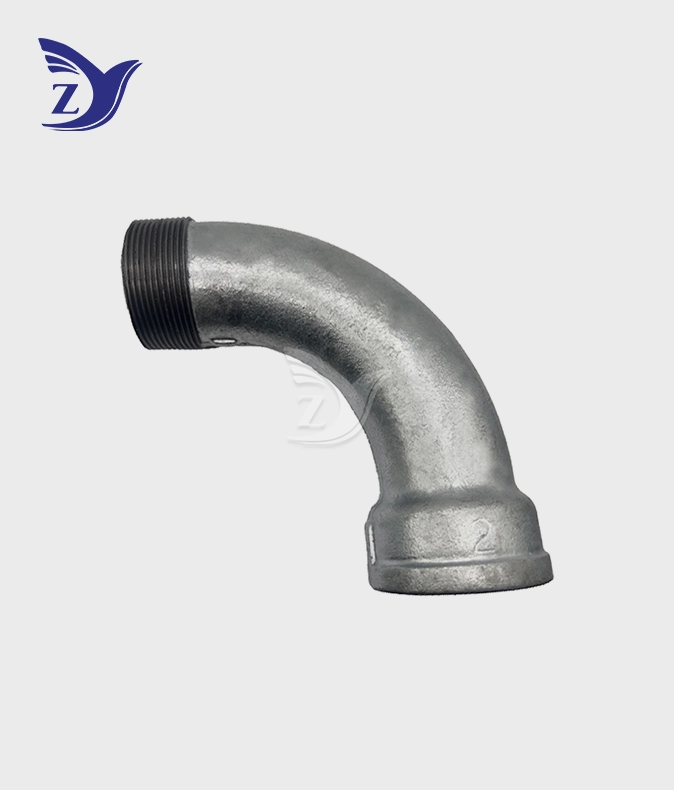
BSPT Galvanized Male Female 90° Long Radius Elbow Pipe Fittings
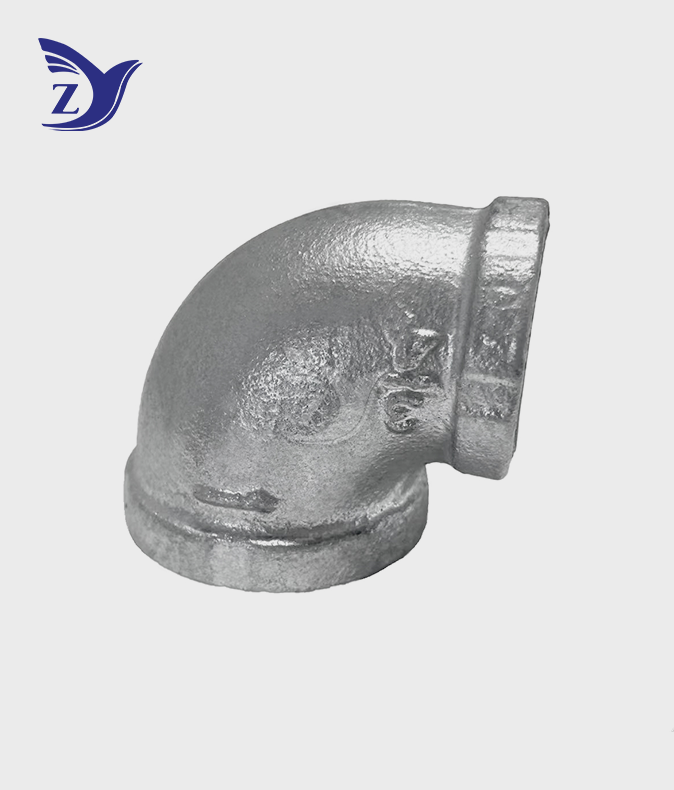
Galvanized NPT 90° Reducing Elbow
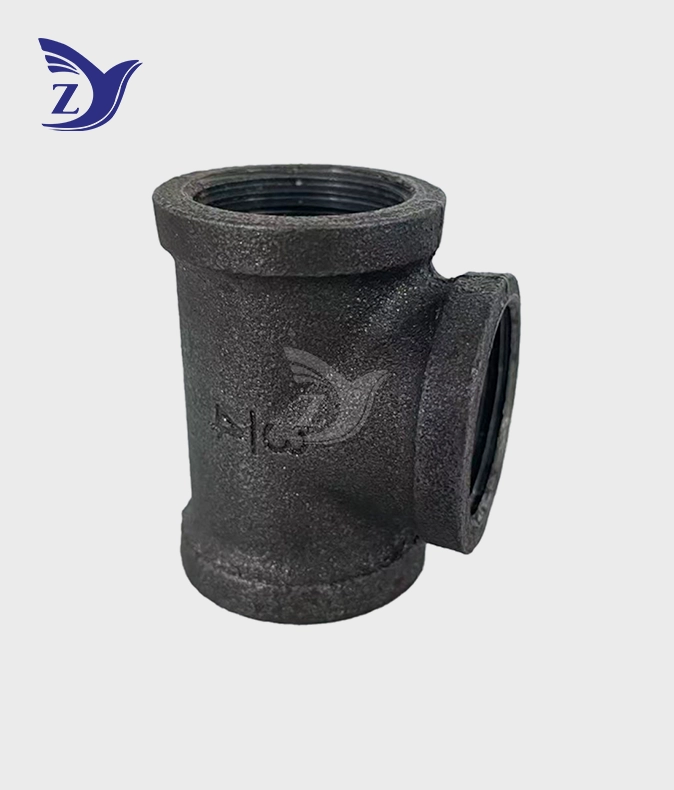
NPT Black Square Face Straight Tee Pipe Fittings