
Jul 8, 2026
What standard does 340 threaded malleable iron union follow?
The 340 threaded malleable iron union meets strict industry standards that make sure it works with all pipe systems around the world. NPT galvanized union 340 pipe fittings are made to meet the exact requirements of ANSI/ASME B1.20.1 for National Pipe Taper threading and ASTM A197 for malleable iron material. The number "340" refers to the iron-to-iron conical seat form, which makes a seal between metals without the need for covers. Hot-dip galvanization meets ASTM A153 standards and gives a protective zinc covering that is about 86 microns thick. This makes it more resistant to rust in harsh industrial settings.
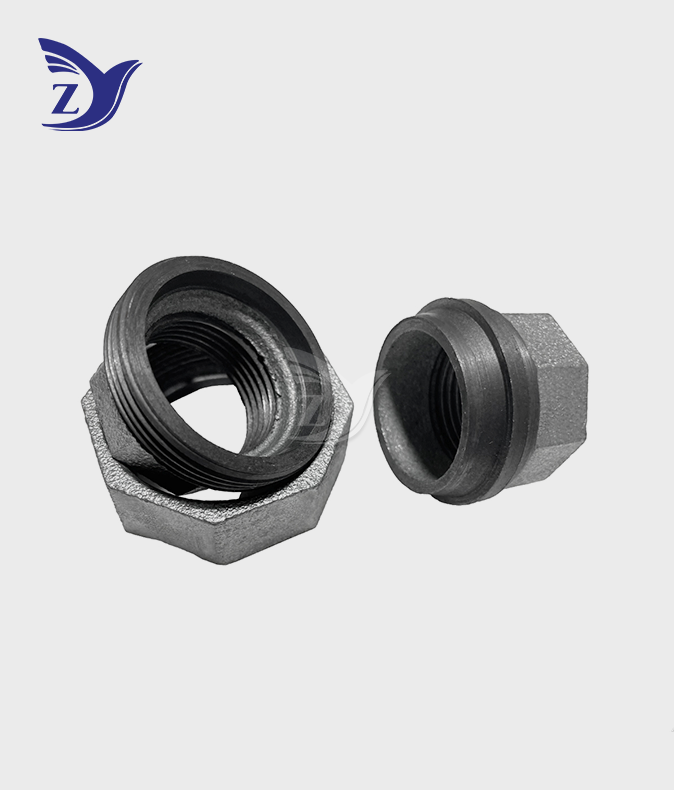
Standards Behind 340 Threaded Malleable Iron Unions
When talking about threaded malleable iron unions in professional pipe settings, it is very important to know the rules that apply. These pipe links that can be taken apart are the backbone of systems that need to be serviced on a regular basis without having to be completely taken apart.
Material Composition and Core Standards
Black heart malleable iron is the first material used in NPT galvanized union 340 pipe fittings. This material meets the requirements of ASTM A197. This standard makes sure that the iron is more flexible and resistant to pressure than regular gray cast iron. As part of the production process, white cast iron is heated to controlled temperatures to turn brittle carbides into nodular graphite groups that give the material its toughness. This change is what makes it possible for these fittings to survive quick changes in pressure and mechanical stress without breaking.
The galvanized finish that is put on using hot-dip methods meets the standards of ASTM A153. It's not just for looks; the zinc layer offers cathodic protection, which means it gives up its own life to keep the iron below it from oxidizing. Our factory in Zhiyuan Malleable Steel uses electric heating environmental protection galvanizing ovens that keep exact temperature controls that make sure the coating is the same on all fitting surfaces.
Threading Standards and Global Compatibility
The ANSI/ASME B1.20.1 sets the rules for the NPT threading method that is used on these joints. This standard calls for a 60-degree thread angle with smoothed crests and roots. This makes an interference fit that gets tighter as the fitting is put on. If you measure the circumference and see a taper rate of 1 in 16, that means that the thread deforms instead of the gasket compressing. Because of this mechanical benefit, NPT connections that are put correctly can stay solid even when temperatures change.
Precision ring and plug gauges set to B1.20.1 standards are used for thread gauging during quality control. At our factory, which has 156 sets of processing equipment, every batch is checked to make sure there are no cross-threading problems, which happen with parts that aren't made well. To keep the dimensions accurate, the threads are usually cut after galvanization or the zinc coating is centrifugally controlled. This is one of the things that sets professional-grade fittings apart from cheaper ones.
Why Standard Compliance Matters for Procurement
When parts fail, procurement workers who work on fire protection systems, city water projects, or HVAC setups are held responsible in a big way. Standard-compliant parts have a number of real benefits. Accountability is built into the whole supply chain through documentation tracks. If a part has the ASTM A197 certification, it means that the material's tensile strength, stiffness, and microstructure were tested and approved before it was put into production. This makes it possible to track things down, which is very helpful during project audits or insurance probes after system breakdowns.
Standardization is important for international trade. A contractor in Texas can be sure that NPT threaded unions will work because sources on different countries make them to the same standards. This interchangeability makes inventory simpler and lets approved sellers bid against each other. With ISO 9001, CE, UL, and FM certifications, companies like Zhiyuan Malleable Steel show that they are dedicated to meeting the different legal needs of different areas.
Specifications and Performance of NPT Galvanized Union 340 Pipe Fittings
Technical specs tell you if a fitting will work successfully in real-world situations. The design of the 340 union includes features that deal with problems that come up in real life when it comes to industrial plumbing.
Thread Dimensions and Size Ranges
The NPT galvanized union 340 pipe fittings must meet exact size standards. The most common sizes are 1/8 inch to 6 inches, and they can be used for everything from instrument tubes to main distribution lines. The thread pitch changes based on the size. Fittings that are smaller have 27 threads per inch, which is 1/8" to 1/2". Fittings that are bigger have 11.5 or 8 threads per inch. The relative strength stays the same across the size range thanks to this graded pitch.
When the tailpiece meets the body, the conical seat angle in 340-style unions makes a wedge-like effect. In modern factories, optical scanning tools can confirm this angle to within a few hundredths of a degree. When the male and female cylindrical sides are matched correctly, they make a pressure-activated seal that tightens instead of loosening when system pressure is applied.
Galvanized Coating Benefits
The rust resistance of bendable iron parts changes when they are hot-dip galvanized. Uncoated iron that can be shaped quickly rusts when it comes in contact with water, especially in places that are outside or underground. The zinc layer is both a defense and a sacrifice anode. Even if the iron is scratched or broken during installation, the zinc around it will dissolve first, protecting the iron through electrochemical action.
Galvanized fittings last three to five times longer than painted or bare ones in tests that simulate underground water service that are buried in the ground. The service life is directly related to the coating thickness, which is usually more than 86 microns when tested with magnetic gauges. In harsh places like chemical processing plants or sites near the coast, where airborne pollutants speed up rusting, thicker coats last longer.
Pressure and Temperature Ratings
Most 340 unions on the market are class 150, which can handle 300 PSI of working pressure at normal temperatures for water, oil, and gas. This rating is in line with ASME B16.39 standards for dimensions and works for most building service uses, such as fire sprinkler systems, which usually work with pressures between 7 and 150 PSI, with surge limits.
Temperature ranges from below freezing to about 366°F for uses involving pressurized steam. In this range, the malleable iron keeps its structural integrity, but sealing materials (when used in different union designs) usually put realistic upper limits on what can be done. This problem is solved by the iron-to-iron metal seat in 340 designs. This makes these fittings ideal for connecting boilers and steam return lines, where rubber seals would wear out quickly.
These scores are backed up by tests of the material's power. ASTM A197 says that the tensile strength of pliable iron must be at least 50,000 PSI with 10% expansion. This mix of strength and flexibility keeps the shape stable during heat expansion cycles and stops brittle fractures caused by sudden changes in pressure.
Procurement and Supplier Insights for NPT Galvanized Union 340 Pipe Fittings
Strategic buying choices affect how much a project costs, how well it stays on schedule, and how reliable the system is in the long run.
Supplier Evaluation Criteria
Documentation for quality assurance shows that production control is in place. Systematic quality management is shown by ISO 9001 approval, but success isn't guaranteed by certification alone. Ask for test results on the materials that show they meet ASTM A197 standards for base iron and ASTM A153 standards for galvanizing. Suppliers with a good reputation, like Zhiyuan Malleable Steel, provide batch-specific paperwork that links parts to production times and material lots.
Certification files show how well you follow the rules and how big of a market you reach. UL and FM labels are important for fire safety uses where the governing body needs approved parts. CE stamp lets goods be sold across Europe. Our site keeps these certifications up to date with regular checks by a third party, which makes sure that all production runs are in line with the rules.
An evaluation of a manufacturing potential looks at things like production capacity, the level of complexity of the equipment, and the quality control infrastructure. Facilities with new electric ovens, controlled-atmosphere annealing kilns, and a wide range of testing tools make more uniform products than those that use old technology. The fact that Zhiyuan Malleable Steel can make 30,000 tons of steel a year with the help of 8 medium-frequency electric furnaces and 2 natural gas heating kilns shows how big and skilled the company is.
Bulk Ordering Considerations
Costs and lead times are different for each order. Standard configurations from in-stock items ship within days, but special specs that need tooling changes make delivery times weeks longer. Our building keeps a large inventory, which means that standard goods can be delivered within two hours. This is a big help when a project needs supplies quickly.
Minimum order numbers show how much it costs to make something. For custom welding or drilling, you need to order in large enough quantities to cover the setup costs. Standard items are usually shipped in smaller amounts, but buying more will get you a deal. Distributors and wholesalers gain from full-container orders because they save them money on shipping costs per unit.
Global supply chains add factors that suppliers can't control. Shipping delays, clearing customs, and the need for more paperwork all add to the time it takes to buy things internationally. When domestic providers serve local markets, delivery is often faster and more reliable. When projects have tight deadlines, they have to weigh the cost saves of buying from overseas suppliers against the reliable benefits of buying from local suppliers with shorter supply chains.
Conclusion
The NPT galvanized union 340 pipe fitting is an important part of industrial piping systems. It is made with strict respect to ASTM A197 material standards and ANSI/ASME B1.20.1 threading requirements. Its iron-to-iron conical seat shape and hot-dip galvanization according to ASTM A153 make it safe for use in fire protection, public water, HVAC, and industrial settings. When procurement workers know about these standards, they can choose the right fittings that meet both performance and cost needs. Using the right installation methods and upkeep schedules will make the service last longer, and choosing the right provider will ensure quality, compliance, and project success. This article gives you the technical details and comparison benefits you need to make smart choices about complicated piping projects.
FAQ
What distinguishes Figure 340 from Figure 342 union designs?
Figure 340 unions have iron-to-iron cylindrical seats that make metal-to-metal seals that are great for oil, gas, and other utility uses. The precision-ground seat doesn't need a gasket, which lowers the cost of upkeep that comes with replacing a worn-out gasket. Figure 342 shows unions with brass-to-iron seats. The softer brass can better adapt to uneven surfaces, which is helpful in water systems where galvanic worries between mating faces or easier closing make the brass insert a good choice.
Can these fittings handle steam service conditions?
For Class 150-rated fittings, malleable iron unions are often used in steam uses up to 150 PSI full steam. The 340 designs' circular metal seat works better than rubber-gasket unions, which break down when heated to steam temperatures. For each installation, always check the pressure and temperature values against ASME B16.3 standards, since rates change based on size and wall thickness. Because the material is thermally stable and doesn't have any biological gaskets, unions that are properly rated can be used for boiler connections and wastewater return lines.
How does galvanization affect thread compatibility?
Good makers either machine the threads after they have been galvanized or keep an eye on the coating thickness to make sure it stays within NPT gauge limits. Zhiyuan Malleable Steel uses spinning methods to get rid of extra zinc from threads, which makes sure that the dimensions are correct. Poor goods with fully coated threads might be too far out of range, stopping them from engaging properly. Check the thread control methods of potential providers and ask for gauge verification paperwork to make sure their products will work with standard NPT connections in your entire pipe system.
Why Choose Zhiyuan Malleable Steel for Your NPT Galvanized Union 340 Pipe Fittings
Every threaded union that Zhiyuan Malleable Steel makes is based on our 26 years of experience in casting research and production. Eight medium-frequency electric furnaces and 156 processing machines are housed in our 50,000-square-meter building. It can produce 30,000 tons of goods each year and has more than 1,000 product specs. NPT galvanized union 340 pipe fittings provider skills meet global standards because we keep our ISO 9001, CE, UL, and FM certifications up to date. We have a large collection of standard goods that can be shipped within two hours. If you have a specific need, we can also meet that need through our ODM/OEM services. Get in touch with us at q1236800000@gmail.com to talk about your project details and see for yourself why Zhiyuan Malleable Steel is a trusted manufacturer for fire protection, city engineering, and industry uses.
References
- American Society of Mechanical Engineers. (2020). ASME B1.20.1: Pipe Threads, General Purpose (Inch). New York: ASME International.
- ASTM International. (2019). ASTM A197: Standard Specification for Cupola Malleable Iron. West Conshohocken: ASTM International.
- ASTM International. (2021). ASTM A153: Standard Specification for Zinc Coating (Hot-Dip) on Iron and Steel Hardware. West Conshohocken: ASTM International.
- American Society of Mechanical Engineers. (2018). ASME B16.39: Malleable Iron Threaded Pipe Unions Classes 150, 250, and 300. New York: ASME International.
- Copper Development Association. (2017). Galvanized Pipe Fittings: Material Performance and Application Guidelines. McLean: Copper Development Association Inc.
- National Fire Protection Association. (2019). NFPA 13: Standard for the Installation of Sprinkler Systems - Pipe and Fittings Requirements. Quincy: National Fire Protection Association.
Online Message