
Apr 23, 2026
What size round face galvanized round edge reducing coupling pipe fittings?
The popular configurations for round face galvanized round edge reducing coupling pipe fittings are 1" x 3/4", 1-1/4" x 1", and 2" x 1-1/2". These threaded, malleable iron fittings are suitable for use in industrial, gas, and water pipelines with diameter changes. For optimal flow management and system compatibility in a wide range of applications, the sizes are presented according to typical pipe schedules, with the bigger dimension appearing before the smaller one.
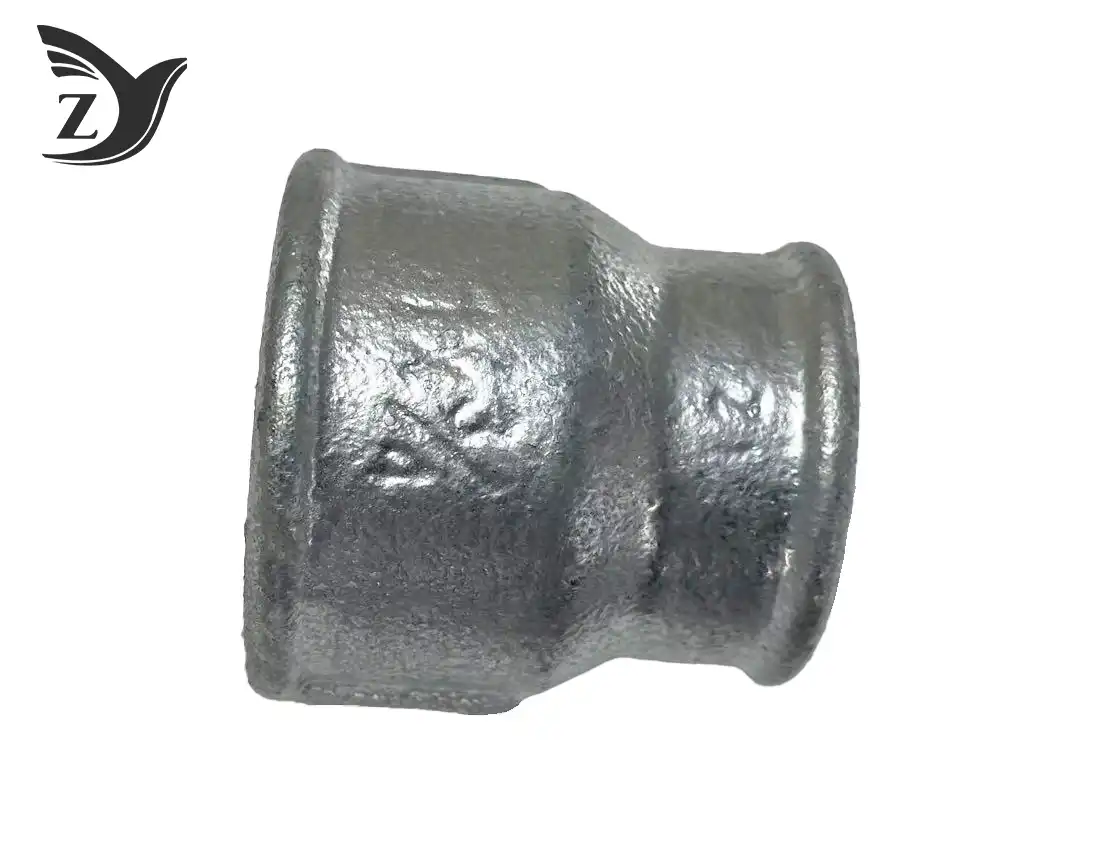
Round Face Galvanized Round Edge Reducing Couplings
One complex kind of pipe fitting is the round face galvanized round edge reduction coupling, which is designed to join pipes of various sizes in a way that keeps the system intact. The distinctive round-edge reinforcing design of these specialist components gives them more structural strength than the more conventional square-edge fittings.
The construction follows the steps of hot-dip galvanization according to ASTM A153 standards and high-grade malleable iron casting according to ASTM A197 standards. A zinc coating thicker than 70 microns is usually produced by this method, which provides outstanding corrosion protection even in harsh settings. Class 150 pressure ratings at ambient temperatures are no match for the radial strength that these fittings' round edge profiles provide to the female threads.
Material Composition and Manufacturing Standards
With its 6% elongation capability and minimum tensile strength of 300 MPa, malleable iron has clear benefits over brittle cast iron. since of their unique metallurgical makeup, these fittings are perfect for use in dynamic pipeline systems since they can withstand vibration and stress without breaking. Ensuring dimensional accuracy and thread integrity is achieved throughout the production process using procedures such as galvanization, machining, annealing, and precision casting.
Hydrostatic pressure testing, thread measuring using calibrated ring gauges, and study of galvanization layers are all part of the quality control processes. These exacting requirements provide dependable operation in harsh industrial settings for an extended period of time without leaks.
Applications Across Industrial Sectors
In fire prevention systems, HVAC installations, municipal water networks, and petrochemical plants, round face galvanized round edge reducing coupling pipe fittings play crucial roles. Because of their adaptability, they are crucial parts for businesses in the construction, plumbing, and system integration industries that deal with pipeline connections. These parts can withstand a wide range of media, including water, oil, and gas.
How to Measure and Determine the Correct Size of Round Face Reducing Couplings?
The selection of suitable round face galvanized round edge reduction coupling pipe fittings for your particular application relies on precise measuring procedures. Not only do diameters play a role in size, but thread specs, wall thickness, and system compatibility have to be taken into account as well.
Measurement Methodology and Tools
Accurate caliper measurements of the inside and outside diameters of pipes are the foundation of any professional measurement. While readings of the outside diameter are useful for checking the pipe schedule and wall thickness, measurements of the inside diameter establish the nominal pipe size. Be sure to factor in the possibility of corrosion or scale accumulation when taking measurements of existing pipes.
Careful inspection of the thread's pitch and angle is necessary for thread identification. BSPT threads have a 55-degree Whitworth angle with a 1:16 taper ratio, in contrast to NPT threads that have a 60-degree flank angle with a 3/4 inch per foot taper. The integrity of the seal and the requirements for installation are directly affected by these criteria.
Size Chart Interpretation and Compatibility
For reducing couplings, the bigger size is usually listed before the lower size on manufacturer size charts. Many common combinations are as follows: 1" x 3/4", 1-1/4" x 1", 1-1/2" x 1", 2" x 1-1/2", 2-1/2" x 2", and 3" x 2". Ordering mistakes and improper system integration may be avoided with an understanding of these identifiers.
When combining pipe materials or connecting pipes from various manufacturers, tolerance ranges take on added significance. While small differences are acceptable within standard tolerances and do not compromise seal integrity, large variances need thorough inspection to avoid mechanical stress or leaking.
Comparison and Selection Criteria for Different Galvanized Pipe Fittings
while making a final decision, it's important to consider the installation needs and performance expectations of the user while assessing different coupling schemes. In high-pressure situations where thread reinforcing is crucial, round edge designs provide clear benefits over beveled and square edge alternatives.
Structural Design Comparisons
In contrast to couplings with flat bands, those with round edges have a semicircular reinforcing bead, which increases the hoop strength. While keeping the pipes linked in a concentricity, this design eliminates thread splitting during high-torque installations. Reduced turbulence and pressure decreases at connecting sites are additional benefits of the smooth transition.
Although they are less expensive, square edge fittings do not provide the structural support that is required for high-stress applications. Although they are an improvement over straight edges, beveled edges still can't compete with round ones when it comes to overall strength. Systems subjected to pressure spikes or temperature cycling find these distinctions especially relevant.
Material Performance Analysis
For a lower price than stainless steel options, hot-dipped galvanized malleable iron offers better corrosion resistance than black iron fittings. In the event of slight coating damage, the base metal is protected by the zinc coating, which functions as a sacrificial anode. Having this self-healing feature greatly increases the service life in areas that are prone to dampness.
Although they are resistant to chemicals, plastic fittings aren't strong enough or can't withstand high temperatures to be used in industrial settings. Although galvanized fittings work just well in most water and gas applications, the high cost of stainless steel—which offers superior corrosion resistance—may not be justified.
Installation Best Practices for Round Face Galvanized Round Edge Reducing Couplings
If you want your round face galvanized round edge reducing coupling pipe fittings to last as long as possible and work as intended, you must install them correctly. To produce connections that are both dependable and leak-free, the installation procedure demands meticulous attention to alignment, preparation, and tightening methods.
Pre-Installation Preparation
First things first when getting a surface ready: use wire brushes to scrub the pipe threads clear of scale, dirt, and old thread compound. To ensure the integrity of the seal, check the threads for any damage, cross-threading, or excessive wear. Check for any casting flaws, broken threads, or coating anomalies that might compromise the coupling's performance.
The recommended method for applying thread compound is to refer to the manufacturer's instructions. Typically, pipe dope or PTFE tape rated for the appropriate service conditions is used for this purpose. To ensure appropriate engagement, apply compound solely to male threads and refrain from contaminating female threads.
Step-by-Step Installation Procedure
Starting with the bigger pipe, thread the coupling onto it by hand until it's finger-tight. Be careful not to cross-thread the threads; this will ensure good engagement. To finish the connection, use the right pipe wrenches and apply regulated tension to get the appropriate number of threads engaged, being careful not to over-tighten and break the pipe or coupler.
The correct orientation and support of linked pipes are guaranteed via alignment checking. Early failure or leaking might result from stress concentrations caused by misalignment. To avoid bending moments or vibration stressing the connection, make sure both pipes are properly supported.
Post-Installation Testing and Verification
By following protocols tailored to the specific system type and operating circumstances, pressure testing verifies the integrity of the installation. Applying pressure gradually helps find little leaks before they cause big issues. During the first operation, it is important to visually verify all connections to identify any possible difficulties that may need rapid care.
Future maintenance tasks may benefit greatly from documentation of installation data, such as torque values, test pressures, and any abnormalities that were found. Proactive maintenance procedures that increase system life and dependability are made possible by this record-keeping.
Procurement Guide: Where and How to Buy Round Face Galvanized Round Edge Reducing Couplings
When it comes to round face galvanized round edge reducing coupling pipe fittings , choosing reliable suppliers is a crucial choice that affects product quality, delivery dependability, and the success of the project in the long run. To maximize value and minimize risk, the procurement process considers more than just initial cost.
Supplier Evaluation Criteria
The evaluation of suppliers is based upon manufacturer certification. Make that it complies with ASTM A197 standards for materials, has the right pressure ratings, and is certified by the ISO 9001 quality management system. Product conformance and performance capacity may be further assured with third-party testing certificates from reputable labs.
Suppliers can satisfy project schedules and volume requirements with the help of production capacity assessment. See how the production machinery, quality assurance processes, and stock control mechanisms are doing. Delivery risks are mitigated and project timing needs are met when suppliers have sufficient capacity and well-established quality processes.
Ordering Considerations and Logistics
Order size, delivery requirements, and customization demands all have a role in determining the final price, which is why pricing structures differ greatly across providers. To minimize excessive carrying costs or obsolescence hazards, rigorous inventory planning is required when buying in bulk, even if it typically results in large savings.
Applications that are mission-critical to a project make lead time management a top priority. Although special configurations might take several weeks to delivery, standard goods usually arrive within a few days. To minimize inventory expenditure and avoid expensive delays, coordinate ordering plans with installation timetables.
Customization and Special Requirements
Custom sizes, exotic materials, or unique threading configurations are often needed in industrial applications, but they are not always accessible in typical product lines. Depending on the needs of each project, suppliers with ODM/OEM skills may either tweak existing designs or come up with whole new solutions.
Because of tooling and setup expenses, the minimum order numbers for bespoke items are often higher than the requirements for conventional products. Think long and hard on the economics of a bespoke product, including in both the upfront expenditures and any future needs that could warrant bigger purchases.
Conclusion
For dimension transition needs in a variety of industrial applications, round face galvanized round edge reducing coupling pipe fittings provide dependable solutions. Performance and durability are maximized with correct size, material choice, and installation methods. Purchasing top-notch galvanized fittings is a wise investment since they last longer, need less maintenance, and enhance the dependability of your system. Procurement experts may aid in project success and operational excellence by making educated selections based on knowledge of measuring methodologies, criteria for evaluating suppliers, and best practices for installation.
Partner with Zhiyuan Malleable Steel for Premium Round Face Galvanized Round Edge Reducing Coupling Pipe Fittings
Zhiyuan Malleable Steel combines 26 years of casting expertise with state-of-the-art manufacturing capabilities to deliver superior round face galvanized round edge reducing coupling pipe fittings that meet the most demanding industrial requirements. Our ISO 9001 certified facility produces over 30,000 tons annually, ensuring reliable supply for projects of any scale. With comprehensive certifications including CE, UL, and FM approvals, our precision-threaded malleable iron fittings provide the quality assurance your projects demand. Contact our technical specialists at q1236800000@gmail.com to discuss your specific requirements and receive detailed quotations for our complete range of industrial-grade reducing pipe joiners and corrosion-proof diameter converters.
FAQ
What sizes are available for round face galvanized reducing couplings?
Standard sizes range from 1/8 inch to 4 inches, with common reducing configurations including 1" x 3/4", 1-1/4" x 1", 1-1/2" x 1", 2" x 1-1/2", 2-1/2" x 2", and 3" x 2". Custom sizes can be manufactured for specific applications requiring non-standard dimensions.
How do I determine the correct thread type for my application?
NPT (National Pipe Taper) threads are standard in North America, while BSPT (British Standard Pipe Taper) threads are common in international applications. Thread identification involves measuring pitch diameter and angle - NPT uses 60-degree threads while BSPT uses 55-degree Whitworth threads.
What pressure ratings do these fittings support?
Round face galvanized round edge reducing coupling pipe fittings typically support Class 150 ratings, equivalent to 300 psi for water, oil, and gas applications at ambient temperatures. Higher pressure applications may require special designs or materials.
Can these fittings be used in corrosive environments?
Hot-dip galvanization provides excellent corrosion protection for most water and atmospheric exposure conditions. The zinc coating acts as a sacrificial anode, protecting the base metal even when minor coating damage occurs. Extremely corrosive environments may require stainless steel alternatives.
References
1. American Society of Mechanical Engineers. "ASME B16.3 - Malleable Iron Threaded Fittings: Classes 150 and 300." ASME International Standards Committee, 2021.
2. ASTM International. "ASTM A197 - Standard Specification for Cupola Malleable Iron." Annual Book of ASTM Standards, West Conshohocken, PA, 2020.
3. ASTM International. "ASTM A153 - Standard Specification for Zinc Coating (Hot-Dip) on Iron and Steel Hardware." Materials & Applications Series, 2019.
4. British Standards Institution. "BS EN 10242 - Threaded Pipe Fittings in Malleable Cast Iron." BSI Standards Publication, London, 2021.
5. National Institute of Standards and Technology. "Pipe Thread Standards and Specifications for Industrial Applications." NIST Technical Publication Series, 2020.
6. International Organization for Standardization. "ISO 9001:2015 - Quality Management Systems Requirements for Manufacturing Industries." ISO Standards Catalogue, Geneva, 2022.
Online Message
YOU MAY LIKE
High quality furniture manufacturer
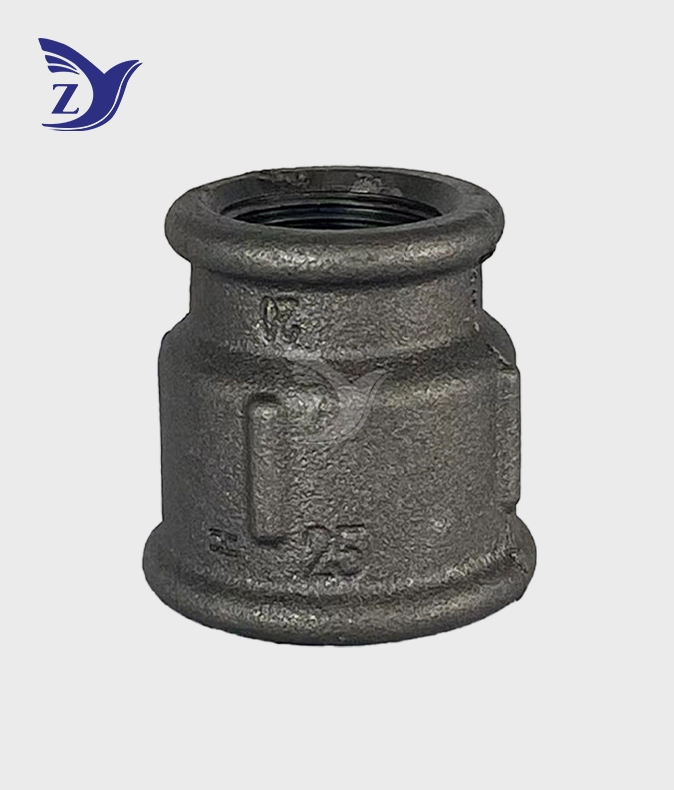
NPT Black Round Face Reducing Coupling Pipe Fittings
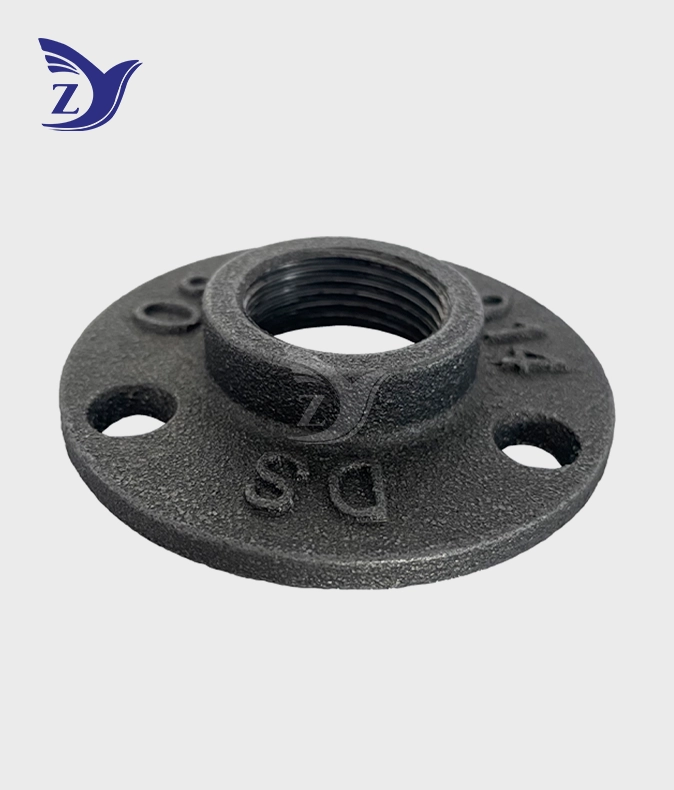
NPT Black Flange Pipe Fittings
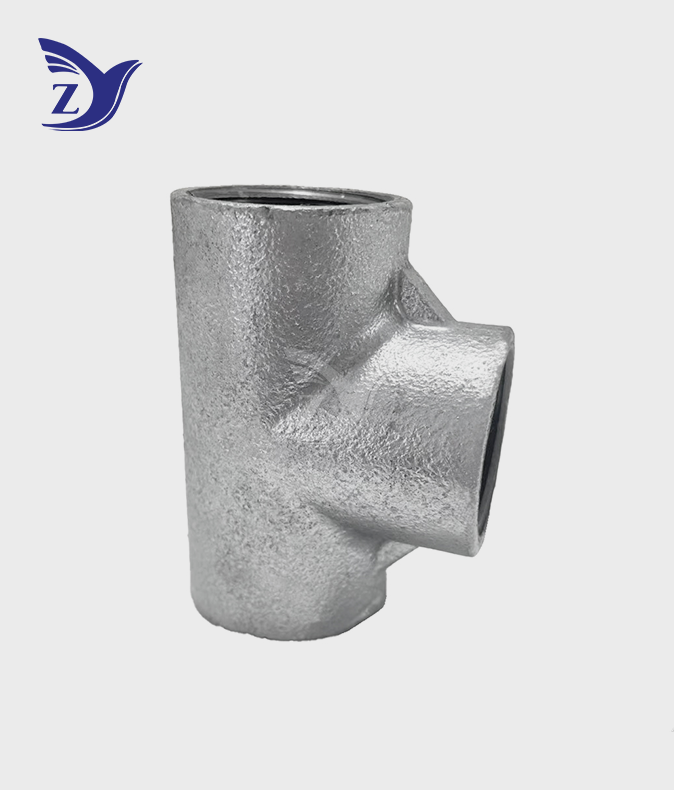
No Hub Hot Dip Galvanized Straight Tee Pipe Fitting
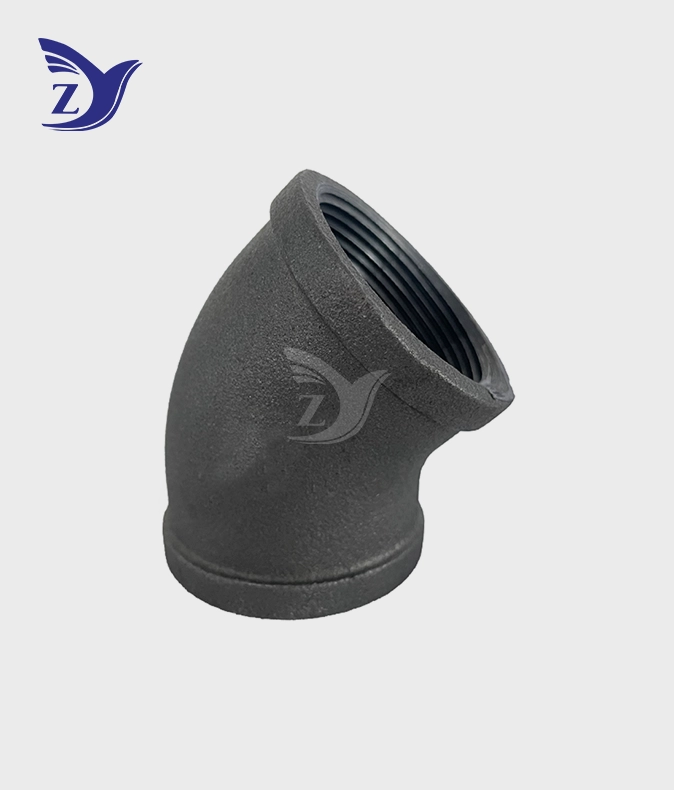
BSPT Black Square Face 45° Elbow Pipe Fittings
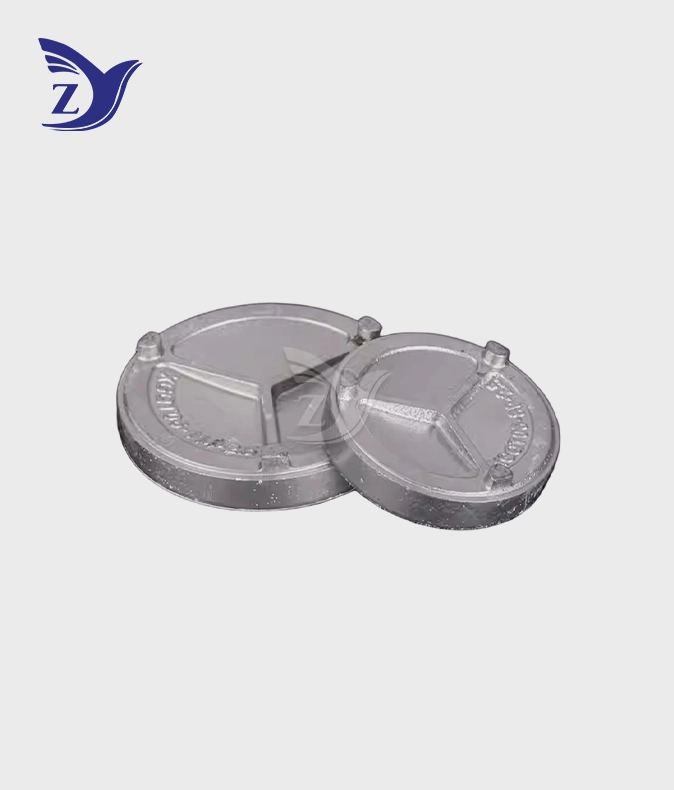
Water Grooved Blind Flange
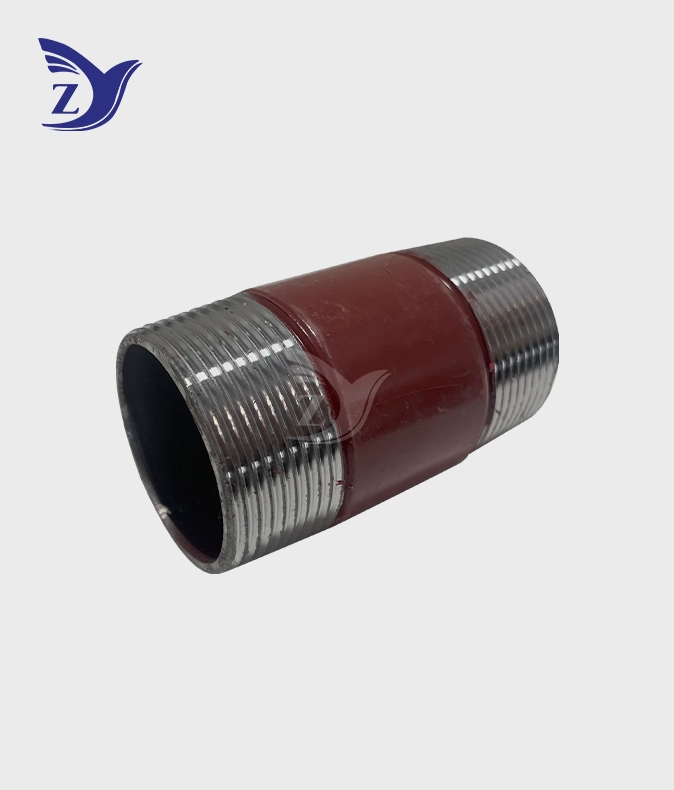
Carbon Steel Pipe Male Threaded Fittings Red Coated
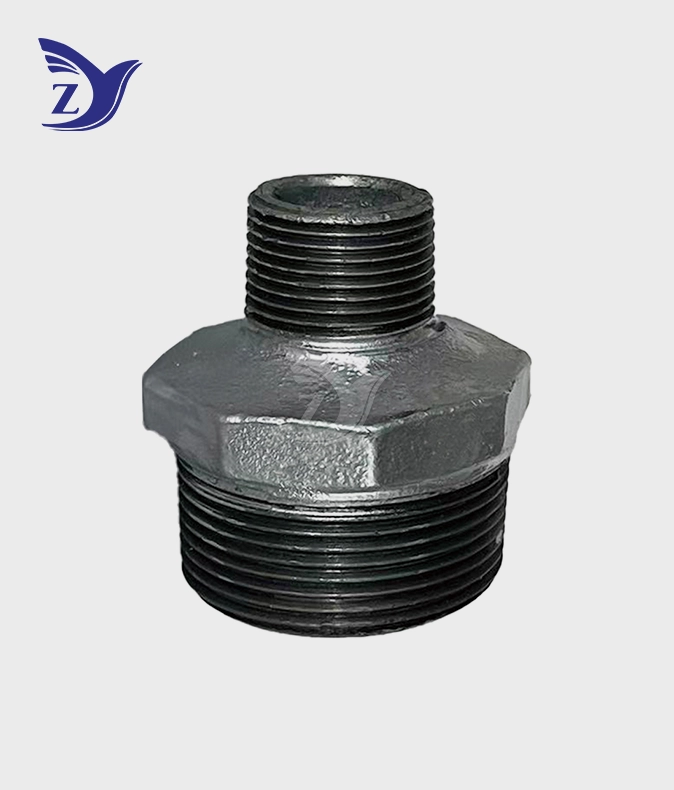
NPT Galvanized Reducing Male Nipple Pipe Fittings
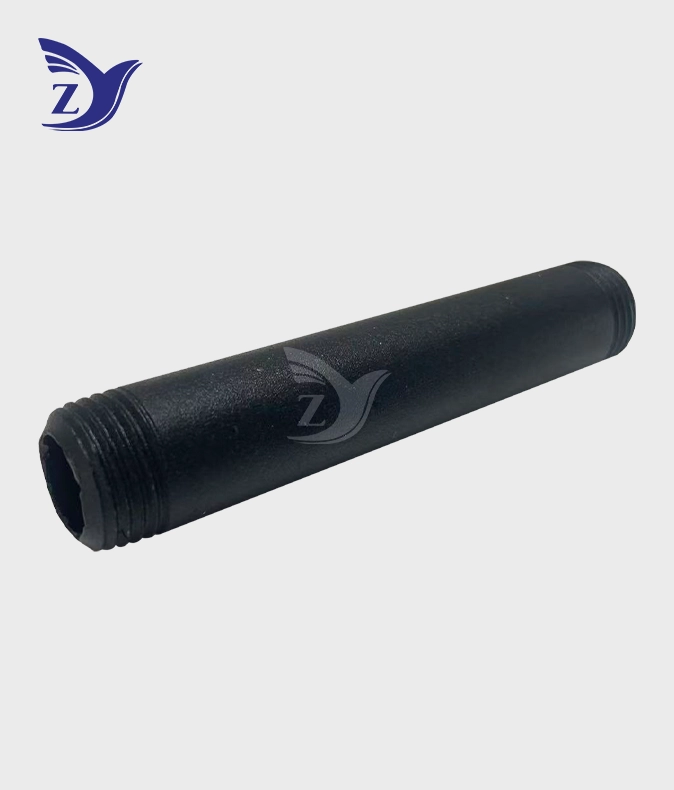
Carbon Steel Pipe Male Threaded Fittings Black Oxide Treated