
Jul 7, 2026
What’s the working pressure of galvanized 340 pipe union?
It's not just nice to know about pressure levels when choosing pipeline parts for industrial systems; it's mission-critical. At room temperature, NPT galvanized union 340 pipe fittings can handle working pressures of 150 psi to 300 psi, though this depends on the size and manufacturing standards. With their precise iron-to-iron cylindrical seats, these threaded unions work well in water, gas, and oil uses where system integrity can't be compromised. The hot-dipped galvanized finish makes these fittings more resistant to corrosion and increases their structural life. This makes them a good choice for North American fire protection systems, city pipes, and industrial process lines.
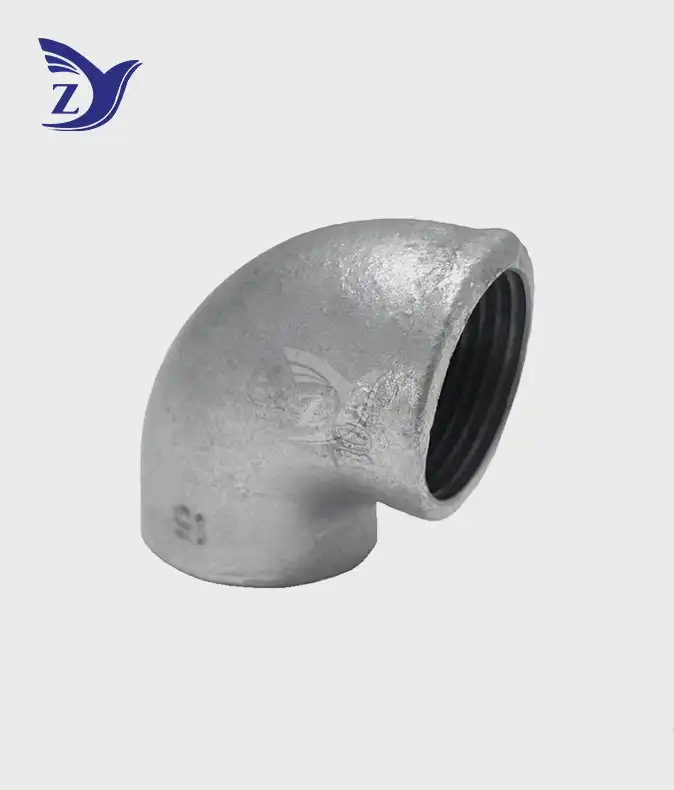
Working Pressure of Galvanized 340 Pipe Union
What Working Pressure Actually Means in Pipeline Systems
Working pressure is the highest constant pressure that a pipe fitting can safely handle while it is being used normally. Working pressure, on the other hand, includes safety limits to account for pressure spikes, temperature changes, and material aging. Burst pressure, on the other hand, shows the point of catastrophic failure. This standard has a direct effect on system design, safety compliance, and long-term running costs for procurement officers and project engineers.
NPT galvanized union 340 pipe fittings made from black heart malleable iron that meets ASTM A197 standards are more flexible than grey cast iron options. Because of this choice of material, the fastener can handle mechanical stress and small hits without cracking, so it can stay in place under pressure even in tough conditions. The number 340 refers to the iron-to-iron cylindrical seat design, which makes a seal between metals without the need for gaskets or screws.
Industry Standards Governing Pressure Ratings
North American malleable iron valves meet the size requirements set by ASME B16.3 and the material requirements set by ASTM A197. Class 150 and Class 300 grades are set by these standards. Class 150 fittings are usually rated for 300 psi WOG (water-oil-gas) service at temperatures up to 150°F. When used in higher temperatures, derating is needed. For example, at 366°F, the same Class 150 fitting may only be able to handle 150 psi.
The ISO 49 and EN 10242 standards are used in European markets. These standards provide similar but not exact requirements. Buyers from other countries should make sure that the thread types, pressure rates, and testing methods meet the standards in their own countries. If something has CE certification, it means it meets European safety standards. If it has FM approval, it means it can be used for fire protection, which is very important for people who install sprinkler systems.
How NPT Threading Enhances Pressure Resistance
National Pipe Taper (NPT) threads have curved crests and roots at a 60-degree angle. This makes an interference fit that gets tighter as parts are put together. This taper shape makes the thread contact length shrink, creating a mechanical seal that stops leaks caused by pressure. The threads on the NPT galvanized union 340 pipe fittings must be precisely machined to meet ASME B1.20.1 standards. This is confirmed during quality control by checking them with a ring and a plug gauge.
As per ASTM A153 guidelines, the galvanization method adds a protective zinc layer that is about 86 microns thick. This layer acts as cathodic protection, giving up its own protection to keep the iron below from rusting. The order in which things are made is important. For example, threads that are cut after galvanization make sure that the dimensions are correct, and post-coating centrifugal spinning gets rid of any extra zinc that might get in the way of thread contact. These production details have a direct effect on both the ability to hold pressure and the dependability of the work.
Technical Specifications and Dimensions of NPT Galvanized Union 340
Material Composition and Pressure Performance
A special melting process turns brittle white iron into a matrix that can be bent and used with threaded fittings. This process is done on black heart malleable iron. This material has a tensile strength of more than 50,000 psi and is still flexible enough to allow for thread movement during assembly. The process of malleabilizing, which is done in controlled-atmosphere ovens at temperatures around 1650°F for long periods of time, changes carbon particles into nodular graphite, which makes the cast iron less brittle.
When it comes to rust protection, brass unions are better in some water chemistry situations. However, malleable iron unions have higher pressure ratings and cost less. Stainless steel unions are better at both resisting corrosion and holding pressure, but they are very expensive, so they can only be used in certain chemical processes or naval settings. The NPT galvanized union 340 pipe fittings are a good compromise for general industrial use, and systems that are well taken care of will last for decades.
Standard Dimensions and Pressure Capacity Relationships
The standard pipe sizes for NPT galvanized union 340 pipe fittings range from 1/8" to 4", and each size has a different pressure number based on the wall thickness and seat area. At room temperature, a 1" Class 150 union can handle 300 psi. A 2-1/2" fitting of the same class can handle the same pressures even though it is made of material that is relatively thicker. For bigger fits, there are more things to think about besides just pressure capacity. Flow speed, turbulence, and connection torque needs all affect system design choices.
The conical seat shape in Figure 340 unions focuses the sealing force on a small contact band. This creates a high unit pressure that keeps the leak-proof performance even when the dimensions change slightly due to temperature cycles. Accuracy in the seat position is very important; differences of just one degree can lead to leakage routes or stress concentrations. Optical inspection equipment checks these important angles as part of the quality control process for manufacturing.
Selecting Proper Sizes for Optimal Pressure Handling
Undersizing fittings to save money causes a lot of problems. Too fast of a flow rate wears down internal surfaces, low pressure raises the cost of pumps, and turbulence makes noise and vibrations. In contrast, oversizing wastes materials and makes placement harder in places with limited room. The best way for engineers to do things is to match the union size to the standard pipe diameter, taking into account both the flow rate and the pressure needs.
Fittings rated above steady-state pressure levels are better for places where there are pressure jumps, like pump discharge lines or systems with quick-closing valves. A 20–30% pressure cushion lets water hammer events happen without getting too close to the point of failure. System designers should talk to fitting makers about specific application conditions, especially in places where temperatures change a lot or where corrosion is a problem.
Procurement Guide: Buying NPT Galvanized Union 340 Fittings for Industrial Use
Evaluating Supplier Credentials and Capabilities
Documentation for certification is the basis for evaluating suppliers. ISO 9001 quality control systems mean that production methods are standardized and can be tracked. UL licenses for fire safety parts, FM approvals for sprinkler systems, and CE markings for European markets all show that the product has passed tests and is accepted by regulators. For copies of current certificates, ask the organizations that issued them to confirm that they are still valid.
Being able to OEM and ODM is important for projects that need custom sizes, finishes, or private labels. Manufacturers who offer design help and sample development add value beyond just selling goods. Delivery reliability is based on production capacity. Suppliers with a yearly capacity of 30,000 tons or more can handle big orders without affecting the supply of standard products. When you can, visit the sites to get a sense of how well they handle goods, how sophisticated their equipment is, and how rigorous their quality control is.
Cost Optimization Strategies for Bulk Purchasing
Volume prices are good for buying in bulk, but you need to be careful with your product to keep it from going out of date. By looking at how people have used things in the past, you can find chances to make annual supply deals with staged deliveries. When importers agree to full shipment amounts, container-load price cuts unit costs by a large amount. Combining standard sizes that move quickly with specialty items that move more slowly makes the best use of containers.
Managing leads on time keeps projects on schedule and stops unexpected fees for speeding things up. Standard galvanized joints can be shipped within days from stock at a wholesaler. Custom specs, on the other hand, may take 8 to 12 weeks, which includes production and shipping. Cost efficiency is maintained by planning procurement schedules around the facts of manufacturing rather than hope for short deadlines. Building ties with manufacturers who can produce quickly in a situation is a good way to be ready for sudden needs.
Customization Options and Global Logistics Considerations
For specific uses, non-standard pressure values, special threading, or different finishes can be used. Technical teamwork during the creation of specifications keeps expensive changes from happening and makes sure that the product can be made. For custom production, the smallest order quantity is usually a container load, but some makers will work with smaller amounts for an extra fee.
There is more to international shipping than just the cost of freight. Total landing cost is affected by import taxes, paperwork needs, and meeting the standards of the target country. Working with providers who know how to handle exports cuts down on processing delays. Choosing the right Incoterms balances risk and cost. FOB pricing gives buyers lower quotes but makes them handle the operations, while DDP shipping makes things easier for them but costs more.
Conclusion
Setting the right working pressure for NPT galvanized union 340 pipe fittings protects both the health of the system and the budget for running it. NPT galvanized union 340 pipe fittings work reliably at 150 to 300 psi because they are carefully made, the right materials are used, and the galvanizing process is carefully controlled. Figuring out the technical differences between iron-seated designs in Figure 340 and other options helps buyers make decisions that are best for the project, not just the cheapest one at first. Best practices for installation and preventative upkeep make the service life much longer than the bare requirements, which results in a lower total cost of ownership. There are many choices in the industrial fitting market, but the key to a successful installation is making sure that the pressure levels, thread standards, and environmental protection are all right for the real working conditions.
FAQs
What is the maximum working pressure for galvanized 340 unions?
Class 150 fittings can usually handle 300 psi at room temperature for use with gas, oil, and water. As the temperature rises, pressure levels go down. For example, at 366°F, the highest working pressure drops to about 150 psi. Class 300 fittings can handle more pressure when the design of the system needs more room for error. Always check with the maker about exact ratings, as they can change based on size and output standards.
Can 340 unions withstand high-temperature steam applications?
It is usual for NPT galvanized union 340 pipe fittings to work with full steam up to 366°F at low pressures and within the temperature and pressure ranges that they are rated for. The iron-to-iron cylindrical seat seals better through temperature cycles than elastomeric gaskets, which break down when they are exposed to steam. Check that the system conditions are within the ASME B16.3 rating charts and think about how temperature expansion might affect the alignment of the pipes.
How do I ensure leak-proof NPT connections during installation?
Controlled torque application is the key to getting the right thread contact depth. Depending on the service conditions, use the right thread sealer, such as PTFE tape or pipe dope. Make sure the first two threads are clean. For large-diameter valves, use torque wrenches that have been measured, and make sure the engagement is hand-tight before tightening the wrench. After fitting, pressure testing makes sure the seal is still good before the system is turned on.
Does galvanization affect thread dimensions and fitting compatibility?
To account for the thickness of the zinc layer, good makers either machine the threads after galvanizing or make them too small before galvanizing. This makes sure that the end sizes are within the ranges allowed by ASME B1.20.1. Use quality documents to make sure that sellers follow the right steps for making things. During production, pneumatic airtightness testing and thread gauge checking stop measurement problems that lead to installation problems or leaks.
Partner with Zhiyuan Malleable Steel for Reliable Industrial Pipe Solutions
When you upgrade your pipeline systems with certified NPT galvanized union 340 pipe fittings from a reputable maker, you get rid of the doubt that hurts the success of the project. Every fitting Zhiyuan Malleable Steel makes is backed by our ISO 9001, CE, UL, and FM certifications, which show that we meet the toughest international standards. We have been casting and making fittings with precision for over 26 years. Our yearly production capacity of 30,000 tons makes sure that both standard specifications and OEM solutions that are tailored to your unique pressure needs and working conditions are always available.
As a seller of NPT galvanized union 340 pipe fittings with strict quality control measures that include pneumatic airtightness testing, thread measuring, and galvanization thickness verification, we can guarantee that the fittings will work reliably from the time they are installed until they are retired. Our Taigu plant keeps a lot of stock on hand so that orders can be filled quickly. Standard items are shipped within two hours, and full container loads are sent out to meet your project deadlines. Our expert team can help you with application support and paperwork to make buying and installing parts easier, whether you're looking for parts for fire protection systems, city infrastructure, or industrial process lines.
Please email our team at q1236800000@gmail.com to talk about your unique pressure needs, volume needs, and delivery dates. We look forward to the chance to show you how Zhiyuan Malleable Steel's high-quality making, quick service, and low prices can help your business reach its goals.
References
- American Society of Mechanical Engineers. (2021). ASME B16.3: Malleable Iron Threaded Fittings - Classes 150 and 300. New York: ASME Press.
- ASTM International. (2020). ASTM A197: Standard Specification for Cupola Malleable Iron. West Coshohocken: ASTM International Standards.
- ASTM International. (2019). ASTM A153: Standard Specification for Zinc Coating (Hot-Dip) on Iron and Steel Hardware. West Coshohocken: ASTM International Standards.
- American Society of Mechanical Engineers. (2018). ASME B1.20.1: Pipe Threads, General Purpose (Inch). New York: ASME Press.
- Nayyar, M.L. (2019). Piping Handbook: Eighth Edition. New York: McGraw-Hill Education.
- McAllister, E.W. (2020). Pipeline Rules of Thumb Handbook: A Manual of Quick, Accurate Solutions to Everyday Pipeline Engineering Problems. Houston: Gulf Professional Publishing.
Online Message