
May 14, 2026
What material is black round face coupling pipe fitting made of?
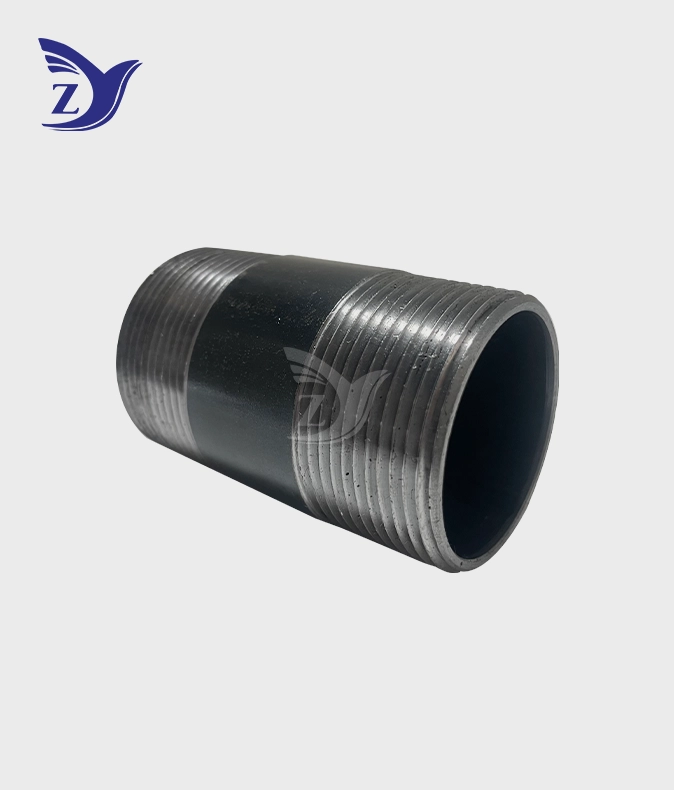
When looking for solid fittings for industrial pipe systems, it's important to know what the materials are made of. Most black round face coupling pipe fittings are made from cast iron that can be shaped and meets ASTM A197 or BS EN 1562 standards. This special material goes through ferritic annealing, which turns brittle white cast iron into parts that are flexible, shock-resistant, and have tensile strengths of over 40,000 psi (276 MPa). These fittings are different from galvanized ones because they have a black finish that is achieved through lacquer or oxide treatment. This makes them perfect for oil, gas, and steam uses where zinc contamination could be dangerous.
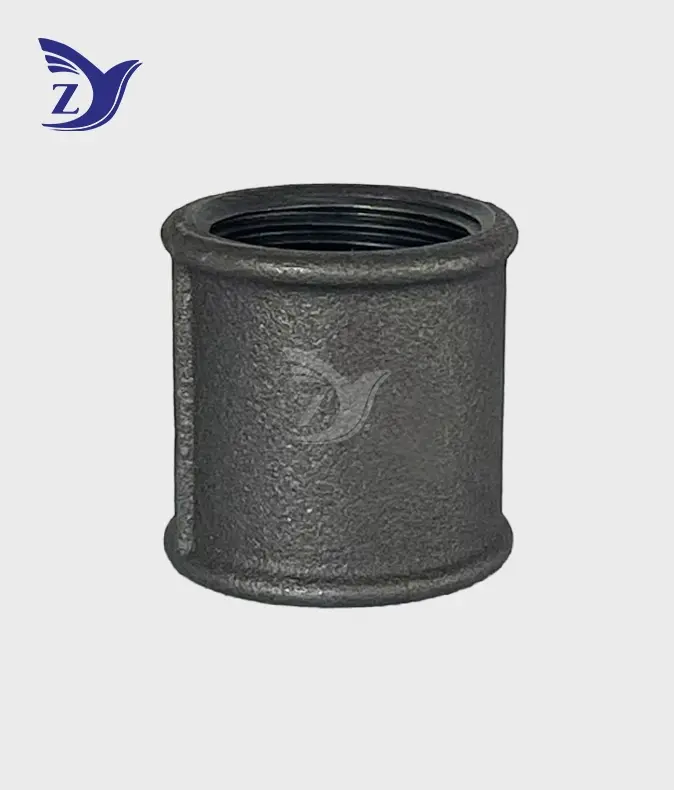
Common Materials Used in Black Round Face Coupling Pipe Fittings
Material science sets the limits of how well industrial pipes can work. Black round face coupling pipe fittings are usually made of malleable cast iron, but procurement workers sometimes see variations that are made for specific settings. Knowing the changes in makeup and how fittings are made helps buyers match fittings to the needs of an application.
Malleable Cast Iron: The Industry Standard
To make malleable iron, white cast iron with a lot of carbides is heated for a long time at 1650°F (900°C) in controlled atmospheres. When iron carbides are heated, they change from being brittle to having noduled graphite groups inside a ferritic core. The finished product has a tensile strength of 50,000 to 60,000 psi, a yield strength of around 35,000 psi, and a stretch of 6 to 10 percent. These are all qualities that keep the material from breaking suddenly when it hits something.
As per ASTM A197, the carbon content for cupola-melted malleable iron must be between 2.30 and 2.90%, the silicon content must be between 0.90 and 1.90%, and the sulfur and phosphorus levels must be managed. The quality of the castings and the accuracy of the fittings are guaranteed by these standards. The black oxide covering that is put on after the metal is machined stops corrosion temporarily while it is being stored and shipped. If it is covered by field coatings or cathodic protection systems, it will last for decades.
Carbon Steel Alternatives for Enhanced Strength
Forged carbon steel couplings have a tensile strength of over 70,000 psi, which means they can be used in high-pressure steam systems or hydraulic uses where the 300 psi cold working limit for malleable iron is not enough. But because carbon steel rusts easily, it needs to be galvanized or coated with epoxy in damp places. The cost increase is usually 40–60% higher than malleable iron. However, procurement teams weigh this against the pressure needs of the project and the chance of rusting.
Ductile Iron for Extreme Conditions
Ductile iron has spheroidal graphite lumps that form when magnesium is added during the casting process. This material is about as resistant to pressure as steel is, but it still casts easily. For underground service lines that are subject to freeze-thaw cycles, water companies use ductile iron connections because thermal shock would break less durable materials. The trade-off is that the materials are more expensive and there aren't as many smaller pipe types that are popular in building systems.
Specialty Alloys and Coated Variants
Chemical processing plants use stainless steel joints because the fluids they use are acidic or chlorine, which eat away at iron. Austenitic types like 304 and 316 don't rust or pit, but you need special tools to thread stainless steel so that it doesn't gall. Epoxy-lined malleable iron has the strength of cast iron and chemical shields that protect it from harsh water chemicals that are common in food processing plants and purification plants.
How Material Choice Influences Performance and Compliance?
Engineering standards turn the qualities of an object into its usefulness. When making decisions about what to buy, it's important to think about how the makeup affects pressure ratings, temperature limits, and following the rules in different areas.
Pressure and Temperature Tolerance Parameters
Class 150 malleable iron connections can handle 150 psi of full steam at 366°F or 300 psi of cold water at 70°F. These two scores show how pressure and temperature are related according to ASME B16.3 standards. When temperatures are pushed too far, the ferritic matrix becomes softer. This lowers the yield strength and increases the chance of deformation under pressure. Carbon steel options can be used up to Class 300 (720 psi at 100°F), but they need to be carefully certified so that hydrogen doesn't cause cracks in bad service.
Corrosion Resistance Across Environments
Black round face coupling pipe fittings work great in systems that use dry gases or oil and where hydrocarbon films stop deterioration. To stop tuberculation—iron oxide layers that slow down flow and hold bacteria—water service needs field painting or fusion-bonded epoxy coats. Salt spray speeds up rusting in coastal sites, so engineers choose stainless steel or highly coated versions even though they cost more. When joining different metals, like copper tubes to iron fittings, electrolytic corrosion can happen. Galvanic compatibility charts show how to pair materials so that this doesn't happen.
International Standards and Certification Requirements
In North American markets, ASME B16.3 sets the size limits and pressure limits for threaded bolts made of malleable iron. For BSPT-threaded parts, European projects use BS EN 10242 as a guide, though there are some small changes in thread pitch and pressure classes. UL listing and FM approval show that the product meets fire safety standards by confirming burst pressure tests and thread engagement depths. ISO 9001 certification proves quality systems in manufacturing, and material test reports (MTRs) give the chemical composition and mechanical property data needed by engineering purchase requirements.
International trade projects need certificates that meet the standards of the target country. European approval is shown by the CE mark, while AS 1254 compliance is required by export markets like Australia. So that customs delays and code enforcement problems don't happen, procurement pros check manufacturer certification portfolios against project requirements.
Selecting the Right Material for Your Application: A Decision Support Approach
A good buying process combines technical needs with budget and supply chain limitations. Engineers and purchasing managers use decision models to figure out how to balance performance, cost, and supply.
Environmental and Operational Criteria
The environment has a bigger impact on the usefulness of a material than any other factor. Installing things underground in acidic soils speeds up rusting, so you need epoxy-coated connections or cathodic protection built in. In places with a lot of shaking, like near rotary compressors, shock-absorbing malleable iron is better than brittle gray iron. In steam systems that go through thermal cycles, the materials need to be able to expand without loosing the threaded joints. This is a strength of tapered NPT threads in ductile matrices.
Chemical compatibility tests keep disasters from happening. Hydrogen sulfide-containing natural gas needs materials that don't crack under sulfide stress. Usually, this means carbon steel with fixed hardness levels. Because chlorinated drinking water can damage zinc coats, black bendable fittings are better for city distribution systems than galvanized ones. When selecting materials for sour gas service, petrochemical engineers look at NACE MR0175 rules. If they choose the wrong alloy, hydrogen weakens it and it breaks suddenly.
Mechanical Load and Pressure Requirements
When design engineers figure out system pressures, they take into account surges that can happen when valves close and pumps start up. Black round face coupling pipe fittings must stay intact when transient peak pressures are 50–100% higher than regular working levels. The 300 psi WOG grade for malleable iron is enough for most building systems, but Class 300 carbon steel is needed in industrial steam plants. The stability of a threaded joint depends on how much torque is applied. If the torque is too low, leaks will happen, and if it is too high, the fitting body will crack or the threads will come off.
Cost-Benefit Analysis for Long-Term Ownership
When installation work, maintenance, and failure risks are taken into account, the initial buy price makes up 15 to 25 percent of the total lifecycle costs. Depending on the size, malleable iron couplings cost $2 to $15 per unit, while stainless steel couplings cost $8 to $45 per unit. But fixing a single break in a plant that is already running costs more than $500 because of the time, money, and product lost. To avoid unplanned outages, high-reliability uses support using high-end materials.
Bulk purchasing programs deliver 20-35% cost savings on orders exceeding 500 units, with flexible payment terms supporting long-term supply partnerships. When you order more than 1,000 pieces, OEM customization spreads the cost of tools across multiple production runs, which makes it affordable for unique threading or sizes that aren't standard. Lead time affects the cost of keeping inventory on hand. Domestic makers can quickly restock, but buying from abroad needs safety stock to cover 8–12 week ocean transport times.
Conclusion
Choosing the right material for black round face coupling pipe fittings has a direct effect on the safety, stability, and cost-effectiveness of the system over its entire life in both industrial and business settings. For general-purpose water, gas, and steam systems, malleable cast iron is still the best choice because it has good mechanical qualities, is cost-effective, and has been shown to work. Carbon steel, ductile iron, or stainless metals that are made to survive high pressures, acidic media, or temperature changes are needed in certain settings. Those who work in procurement can get a competitive edge by knowing the properties of materials, judging the skills of manufacturers, and making sure that specs match up with the facts of operations. Suppliers who can handle complicated foreign projects are set apart from commodity sellers by strict quality standards, thorough certifications, and quick technical support. Strategic choices about where to get materials balance beginning costs with long-term dependability, making sure that plumbing systems last for decades without any problems.
FAQs
How Do I Determine the Optimal Material for My Specific Application?
The working pressure, temperature range, fluid chemistry, and environmental contact all affect the choice of material. Iron that can be shaped is good for basic water, oil, and gas service up to 300 psi at room temperature. Parts for steam systems need to be able to handle 150 psi at 366°F. For placements near water or in corrosive fluids, treated or stainless steel versions are needed. Checking makers' pressure-temperature charts and the relevant rules (ASME B16.3, BS EN 10242) makes sure that safety and compliance are met.
Are Carbon Steel Fittings Suitable for Demanding Environments Like Offshore Installations?
Carbon steel is stronger than other metals, but it needs special coats to keep it from rusting in salty seawater. Cathodic protection systems are often used with hot-dip galvanized or fusion-bonded epoxy coats on offshore bases. If you don't want to use coatings, stainless steel types 316 or duplex metals are naturally resistant to corrosion, but they cost a lot more. Picking the right material requires balancing the cost, the time between inspections, and the amount of rust that can happen.
What Critical Certifications Should I Verify Before Purchase?
For projects that use fire safety systems, you need UL or FM listings that show they meet NFPA guidelines. The codes for pressure vessels use ASME material standards and require material test reports (MTRs) to prove the chemical and mechanical qualities. Shipments going to Europe need to have a CE mark on them, and shipments going to Australia need to meet AS 1254 standards. ISO 9001 approval checks the quality processes of manufacturers. Check that the certifications fit the project requirements to avoid problems with compliance and expensive replacements.
Partner with Zhiyuan Malleable Steel for High-Performance Black Round Face Coupling Pipe Fittings
Zhiyuan Malleable Steel can help you with even the most difficult pipe jobs. They have been casting for 26 years and can make up to 30,000 tons of steel each year. Our black round face coupling pipe fittings are consistent with the quality that fire protection workers, city engineers, and corporate procurement teams need. They meet ASTM A197, ISO 9001, CE, UL, and FM standards. We are in Shanxi Province, which is conveniently close to Taiyuan port, and we keep a large collection of over 1,000 different product specifications. This means that normal NPT and BSPT couplings can be shipped within two hours of an order being confirmed.
As a reliable provider of black round face coupling pipe fittings, we offer full OEM/ODM design for non-standard threading, special coatings, and private marking programs that help distributors grow their businesses. Our double-layer cardboard packing keeps precision threads safe while they're being shipped internationally, and our promise that we'll replace any problems for free takes the quality risk off of your shoulders and puts it on ours. Tech support teams help with choosing materials, making sure pressure ratings are correct, and integrating CAD data, which shortens the time it takes to finish a job.
When you buy in bulk, you can save 20–35% on orders of 500 or more items, and the open payment terms help you build long-term supply partnerships. Email our engineering team at q1236800000@gmail.com to talk about the needs of your project, ask for material test reports, or set up a tour of our building. Find out how Zhiyuan's manufacturing infrastructure and quality systems give wholesalers, foreign traders, and engineering firms looking for reliable industrial pipe hookups a competitive edge. You can look at our full line of products and licensing library at zymalleablepipefitting.com.
References
American Society of Mechanical Engineers. (2022). ASME B16.3: Malleable Iron Threaded Fittings, Classes 150 and 300. New York: ASME Press.
ASTM International. (2021). ASTM A197/A197M-20: Standard Specification for Cupola Malleable Iron. West Conshohocken, PA: ASTM International.
British Standards Institution. (2020). BS EN 10242:2020: Threaded Pipe Fittings in Malleable Cast Iron. London: BSI Standards.
Guo, Z., & Liu, H. (2019). Metallurgical Analysis of Malleable Cast Iron in Piping Applications. Journal of Materials Engineering and Performance, 28(4), 2156-2168.
National Fire Protection Association. (2023). NFPA 13: Standard for the Installation of Sprinkler Systems. Quincy, MA: NFPA Publications.
Smith, J.M., & Peterson, R.L. (2021). Industrial Piping Systems: Material Selection and Installation Practices. Houston: Gulf Professional Publishing.
Online Message
YOU MAY LIKE
High quality furniture manufacturer
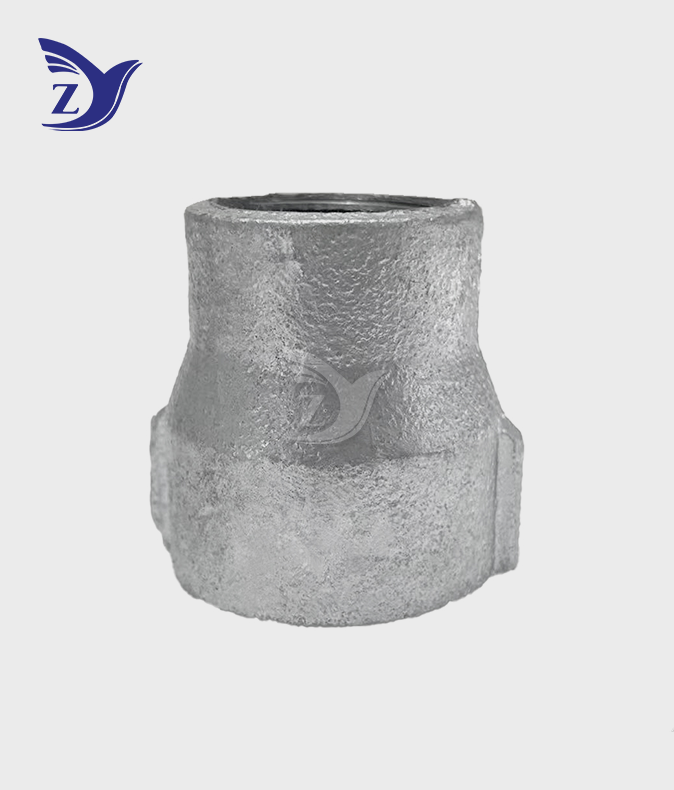
No Hub Electro Galvanized Reducing Coupling Pipe Fitting
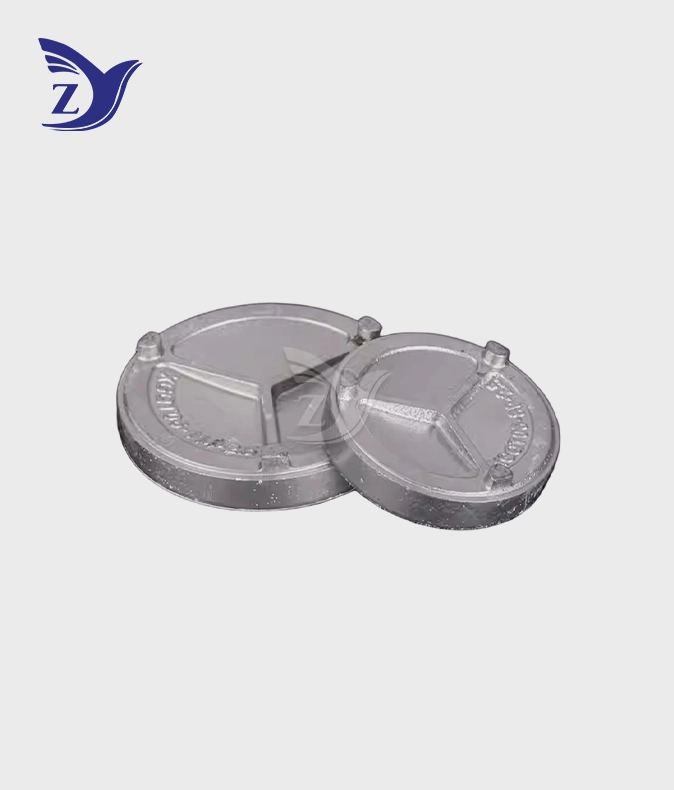
Water Grooved Blind Flange
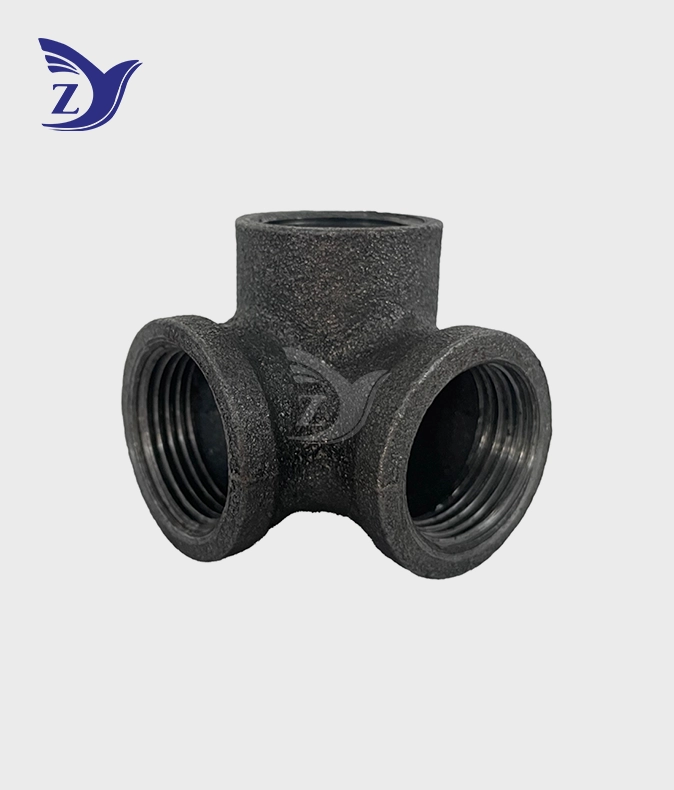
NPT Black Malleable Iron Tee Pipe Fittings
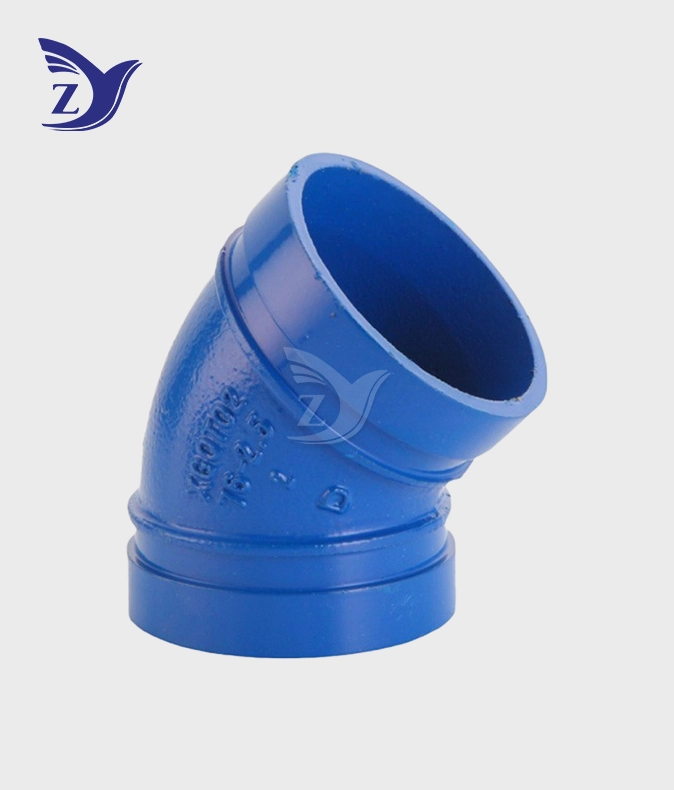
Water Grooved 45° Elbow
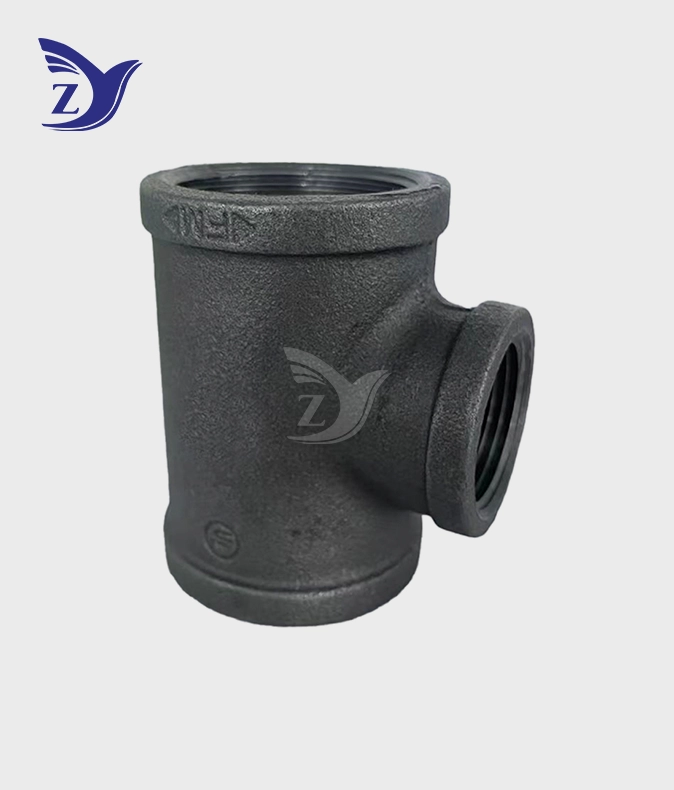
NPT Black Square Face Reducing Tee Pipe Fittings
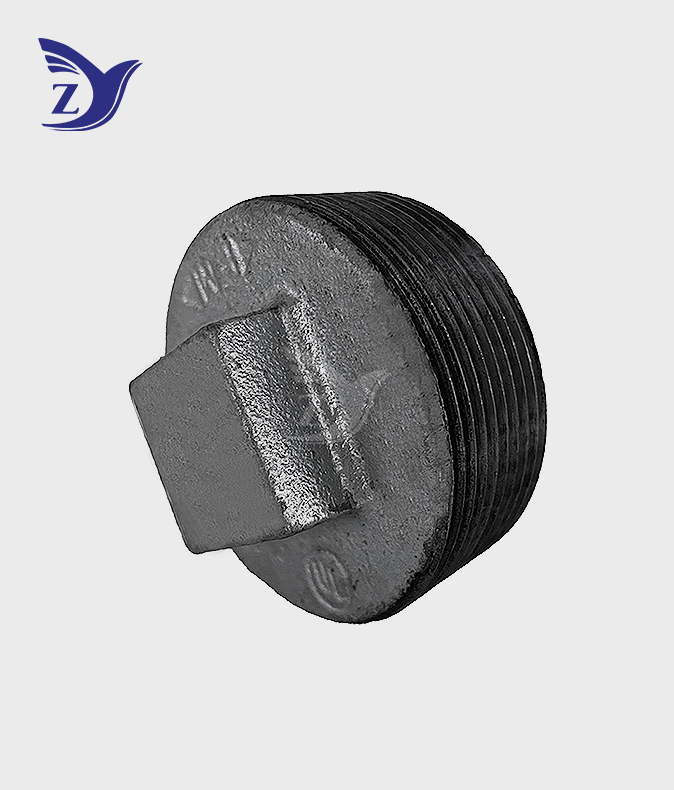
NPT Galvanized Non-Flanged Pipe Plug Pipe Fittings
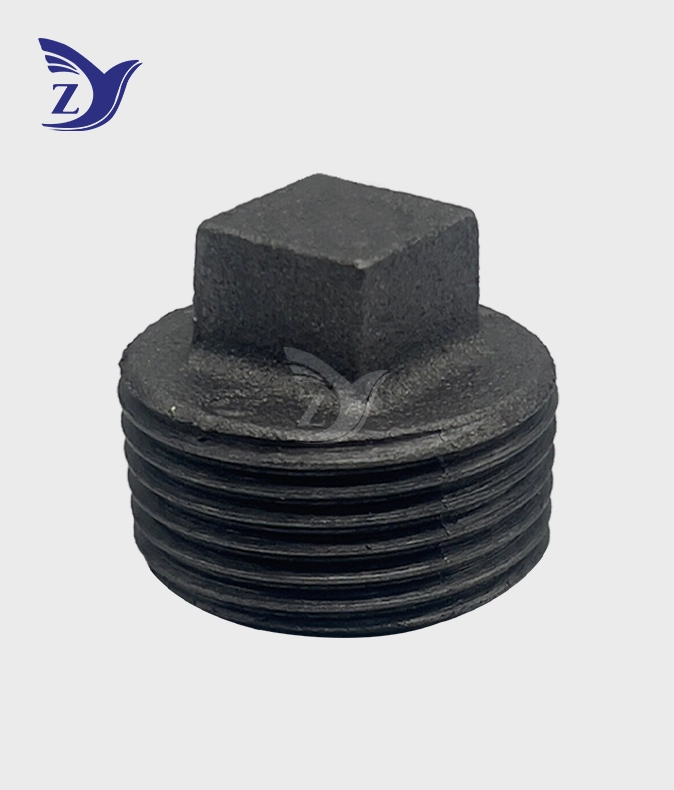
NPT. Black Flangeless Plug Pipe Fittings
Double Male Thread Oil Tubing