
Apr 16, 2026
What material are square face galvanized square edge reducing coupling pipe fittings made of?
The main material used to make square face galvanized square edge reducing coupling pipe fittings is pliable cast iron. White cast iron that is hard is treated with annealing to make it more flexible. The base metal is then covered by hot-dip galvanization, which attaches a zinc layer (about 70 microns thick) mechanically to the iron base. The square edge design refers to the flat reinforcement band that goes around the ends of the sockets. This makes the structure stronger and gives better grip surfaces during high-torque installation, especially when combining pipes with different sizes in systems for water, gas, and industrial fluids.
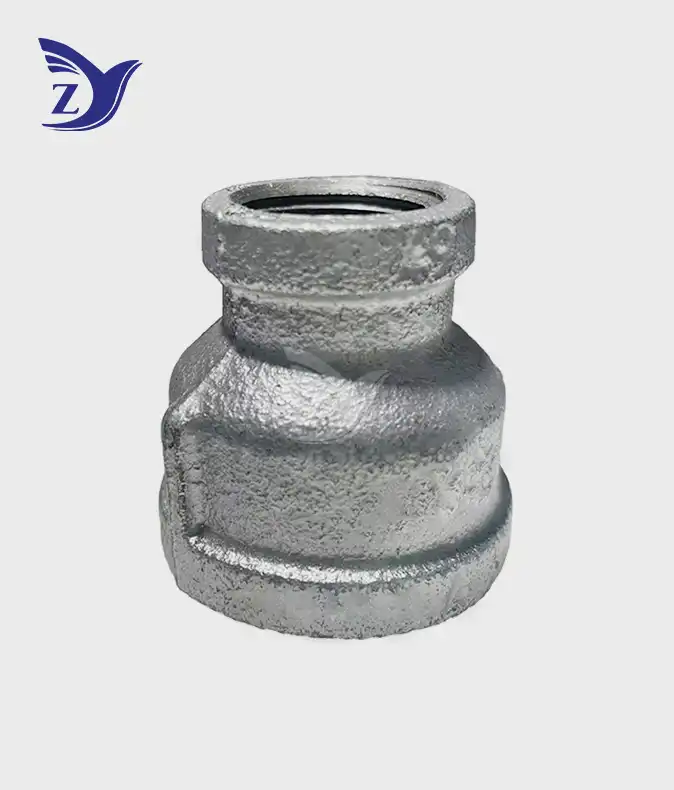
Materials Used in Square Face Galvanized Square Edge Reducing Couplings
The Foundation: Malleable Cast Iron
When we talk about solid square face galvanized square edge reducing coupling pipe fittings, the choice of material is the most important thing. Cast iron that can be shaped is used as the main material for these reducing joints because it is both strong and flexible. Gray cast iron is usually very rigid, but pliable iron goes through a special process called annealing. During the production process, white cast iron is heated to about 900°C and kept there for a long time. This lets the carbon rearrange itself into nodular graphite structures. This change makes a substance that can handle vibrations and mechanical shocks without breaking. This is very important in pipes and industrial settings where pressure changes and temperature changes happen often.
Carbon content is usually between 2.2% and 2.9%, silicon content is between 0.9% and 1.9%, and manganese, sulfur, and phosphorus levels are kept in check. According to ISO 5922 and EN 1562 standards, this exact mixture makes sure that the fitting has a tensile strength of between 350 and 400 MPa. When these compositional ratios are strictly controlled during production, fittings are made that always meet international pressure standards and often go above and beyond Class 150 specs, which are good for pressures up to 300 psi at room temperature.
Hot-Dip Galvanization Process
These parts are different from others that are bare or painted because they have a protective zinc covering that is put on through hot-dip galvanization. Once the cutting and connecting are done, the surface of each coupling is prepared by chemical cleaning to get rid of mill scale, grease, and other contaminants. After the parts are cleaned, they are put into melted zinc that is kept at a temperature of 440°C to 460°C. By immersing the metal in water, iron and zinc atoms mix and make multiple layers of mixture that don't flake or peel even when put under mechanical stress.
The zinc layer that forms usually weighs more than 500 grams per square meter, which is equal to about 70 microns of protection. This thickness protects against rusting by sacrificing itself, so when moisture and air reach it, the zinc rusts faster than the iron below. Independent tests have shown that parts that are properly galvanized and are exposed to mild weather can keep their structural integrity for at least 50 years before they need to be replaced. The process follows ASTM A153 rules in North America and ISO 1461 rules around the world. This gives hiring workers clear standards to check the quality of the work.
Steel Grade Selection and Zinc Thickness Standards
To pick the right steel type, you have to balance the mechanical features with the needs of the surroundings. For threaded reducing joints, the industry standard for malleable iron is W400-05 or W350-04. The numbers in the names show the required tensile strength and elongation rates. Higher zinc coating masses—up to 610 g/m² for tough marine or industrial chemical exposures—are better for projects that will be in corrosive settings. To make sure that the fittings meet the standards, buyers should ask for mill certificates that list the composition of the base material and measures of the galvanization thickness taken at several places on each one.
Material Comparison: Galvanized Steel vs. Alternatives
Buying teams can make better decisions when they know how galvanized malleable iron stacks up against other materials:
Stainless Steel Fittings offer superior corrosion resistance in highly acidic or alkaline settings, as they don't rust as easily, which makes them perfect for chemical processes. However, stainless steel usually costs three to five times more than coated iron, and it needs special fitting tools to keep the threads from galling. The material is less flexible than pliable iron, which makes it more likely to crack when pressure changes quickly.
PVC and Plastic Couplings provide excellent chemical protection and eliminate corrosion concerns entirely. But these materials can't handle the high temperatures or pressures needed for fire safety networks, steam systems, or industrial processes that use high temperatures. Plastic fittings break down when exposed to UV light, and their highest working pressure is usually less than 150 psi, which means they can't be used in tough setups.
Brass and Bronze Fittings deliver good corrosion resistance and aesthetic appeal, which is why they are popular in pipes that can be seen. Because it costs more than galvanized iron (often two to three times more), and has less tensile strength, brass is not as good for big commercial and manufacturing jobs where cost-effectiveness is important.
Square face galvanized square edge reducing coupling pipe fitting occupies the optimal position for most fire safety, city water, HVAC, and commercial piping jobs. It has the mechanical strength needed for high-pressure uses, the rust resistance needed for long life, and the low cost that lets you specify big amounts without going over budget.
How Galvanization Protects Against Corrosion
Galvanized coatings protect against damage in two ways: they act as a shield and offer sacrifice as security. The zinc layer literally separates iron from things in the world that can break it down. Zinc is anodic compared to iron because of where it is in the galvanic series. When water gets into the base metal, zinc oxidizes more quickly than iron, which protects the iron substrate. Even small scratches or open spots are protected by this electrochemical barrier, because the zinc keeps giving up its life to stop iron rust.
Under the pure zinc layer on top, hot-dip galvanizing makes a number of layers of zinc-iron mixture. The eta, zeta, and delta stages of this alloy each add their own special qualities to the total performance. The harder metal layers protect against wear and tear during handling and installation, and the thinner zinc layer on the outside keeps the square face galvanized square edge reducing coupling pipe fittings from cracking when they are heated up or put under mechanical stress. This multi-layer structure is what makes hot-dip galvanized fittings much better than electroplated or cold-galvanized ones, which don't have the connected metal layers.
Manufacturing Process and Quality Control of Square Face Galvanized Reducing Couplings
Raw Material Preparation and Casting
The first step in making something is carefully choosing the raw materials. Foundries mix pig iron, steel scrap, and ferroalloys in very specific amounts to make pliable iron with the right chemical makeup. Medium-frequency induction furnaces melt these materials at temperatures above 1500°C. Before casting, metallurgists can change the makeup by analyzing them with spectroscopy. Molten metal is put into sand molds or fixed molds that have been shaped to make the basic shape of the square face galvanized square edge reducing coupling pipe fittings, which includes the socket holes and the body that connects them.
The weak white iron structure goes through annealing change after casting solidifies. By controlling the temperature and atmosphere, furnaces heat castings to around 900°C for 24 to 60 hours, based on the thickness of the part. This long heat process lets carbon atoms move around and make graphite nodules, which changes the hard material into ductile iron that can be shaped. The rates of cooling are carefully managed to stop retransformation or stress buildup that could damage the mechanical qualities.
Machining and Threading Operations
Once the annealing process is done, the rough casts move on to the finishing steps. Computer-controlled lathes face the square edge supports to exact flatness standards, which makes sure that the wrenches fit properly during assembly. The female threads inside each socket hole are made by thread cutting or rolling, and exact tolerances are kept to make sure they fit properly with male pipe threads. Thread depth, pitch, and angle must all be exactly as specified—differences of as little as a few thousandths of an inch can lead to leaks or make assembly difficult.
To make sure that every fitting is correct, good makers use thread gauges or random sampling plans that combine the level of accuracy with the speed of production. Go/no-go gauges quickly find threads that don't meet specifications before the connections are galvanized. This early check keeps it from being expensive to find tightening problems after the zinc coating has been put on, since the fitting can't be fixed until the coating is completely removed.
Aligning Material Selection with Operational Requirements
To do good procurement, you must first have a good idea of what the program needs. System pressure and temperature set the basic needs for the material. For example, normal galvanized malleable iron couplings can handle temperatures below 200°F and pressures up to 300 psi, which is enough for most business and industrial uses. When temperatures or pressures are higher, you may need better materials or parts that are made to handle harsh circumstances. Corrosion protection depends on the environment. For example, normal galvanization is enough for climate-controlled installations inside, but stronger zinc coatings or other extra safety steps may be needed for outdoor or corrosive environments.
The specifications for threads must fit the rules for the system. Most projects in North America use NPT threads, but installs in other countries may need to be compatible with BSPT threads. The reducing ratio, which is the difference in size between the two socket openings, should be checked against the pipe plans to make sure that the fittings that were bought meet the needs of the field. Some common lowering combinations are 1-inch to 3/4-inch, 1-1/4-inch to 1-inch, and 2-inch to 1-1/2-inch. However, makers can make almost any size combination needed for specific tasks.
Essential Supplier Qualification Questions
Professionals in procurement should ask specific questions that show what the company can do and how reliable they are:
- What licenses does your factory have? Could you send me a copy of your most recent ISO 9001 certificate?
- Can you give me mill test results that list the chemical makeup and mechanical features of each batch of your product?
- What is your normal thickness for galvanization, and can you give me data of the coating weight from recent batches of production?
- How long do you usually need to make something when it comes in normal sizes versus special sizes, and how do you let people know if delivery dates change?
- What testing methods do you use, and can you send me some sample test reports with results from hydraulic pressure testing and measurement verification?
- Do you offer expert support to help customers choose the right parts for odd jobs?
Evaluating Manufacturers and Certifications
Shanxi Taigu Zhiyuan Malleable Steel Co., Ltd. is a good example of a maker because it has been researching castings and making pipe fittings for 26 years. With a production capacity of 30,000 tons per year and more than 1,000 product specs, the company has the size and variety to support big projects. Along with CE, UL, and FM standards, ISO 9001 quality system compliance is what is needed to get fire safety and building systems projects approved by the government.
Manufacturing facilities should demonstrate investment in modern equipment—Zhiyuan has 156 pieces of machining equipment, eight sets of medium-frequency electric furnaces, two natural gas annealing kilns, and environmental protection galvanizing furnaces. This shows that the city is technologically advanced and can maintain quality. There are 500 workers, and 38 of them are technical professionals. This shows the level of knowledge needed to keep quality control up to date and answer technical questions. Geographic benefits, like being close to airports and important transportation routes, can affect how reliable delivery is, especially for projects that need to be done quickly.
Conclusion
In conclusion, the performance and life of square face galvanized square edge reducing coupling pipe fittings depend on the materials they are made of. For stable operation under pressure, malleable cast iron has the mechanical strength and ductility needed. Hot-dip galvanization protects against rust, which increases service life in a wide range of environmental conditions. When buying experts know about the manufacturing processes, quality control measures, and material trade-offs, they can choose fittings that are both cost-effective and reliable in the long run. The square face design makes installation faster by making it easier to hold a wrench. This makes these couplings perfect for big business and industrial projects where labor costs have a big effect on the overall cost of the project.
Partner with Zhiyuan Malleable Steel for Reliable Pipe Fitting Solutions
Since 2006, Zhiyuan Malleable Steel has been sending certified, industrial-grade pipe fittings to fire protection companies, local engineering firms, and industrial plant managers all over the world. Our square face galvanized square edge reducing coupling pipe fittings are certified by ISO 9001, CE, UL, and FM, so you can be sure they are of high quality. We have the ability to produce 30,000 tons of goods every year and keep over 1,000 specs in stock. For bulk sales, we can deliver standard products in two hours and can make changes to meet unique needs. Our expert team is happy to help you with your specifications for free, making sure you choose the best materials for your working setting. You can email our knowledgeable sales staff at q1236800000@gmail.com to talk about your project needs and get reasonable quotes from a reputable provider of malleable steel pipe fittings that is dedicated to quality, dependability, and quick response.
FAQs
What is the main difference between galvanized steel and stainless steel materials for pipe fittings?
Galvanized malleable iron fittings are made of carbon-rich iron that is covered by a thin layer of zinc. They are very strong and don't rust, and they don't cost a lot of money. Stainless steel fittings are much more expensive than other types because they contain chromium, which forms a passive oxide layer that makes them much more resistant to corrosion in tough chemical conditions. Most water, gas, and HVAC uses can use galvanized materials. Stainless steel, on the other hand, is only needed in highly corrosive environments or where contamination worries need non-reactive materials.
How does galvanization extend the lifespan of pipe fittings?
The zinc layer that is put on during hot-dip galvanization saves the iron underneath in two ways: by blocking it and by giving up its life. Zinc literally separates iron from oxygen and water, and it also corrodes more quickly when the base metal is visible. This electrochemical protection can make fittings last up to 50 years or more in mild settings, so you don't have to pay for painting or coating replacements as often.
Can I order custom-sized reducing couplings for specialized project requirements?
Manufacturers who can do engineering and pattern-making can make reducing couplings in non-standard size pairs and to different specs. Most of the time, custom orders need at least 500 to 1,000 pieces, and the lead time is several weeks longer than for regular goods. When working on big projects, custom fits save money because they get rid of the need for multiple connections and make installation easier.
References
- American Society for Testing and Materials. (2019). ASTM A197: Standard Specification for Cupola Malleable Iron. West Conshohocken, PA: ASTM International.
- British Standards Institution. (2018). EN 10242: Threaded Pipe Fittings in Malleable Cast Iron. London: BSI Standards Publication.
- International Organization for Standardization. (2020). ISO 5922: Malleable Cast Iron - Specification. Geneva: ISO Technical Committee.
- National Fire Protection Association. (2021). NFPA 13: Standard for the Installation of Sprinkler Systems, Chapter 6 - System Components. Quincy, MA: NFPA Publications.
- Porter, Frank C. (2016). Corrosion Resistance of Zinc and Zinc Alloys. New York: Marcel Dekker Press.
- Zhang, Minggao. (2017). Metallurgy and Heat Treatment of Malleable Cast Iron Pipe Fittings. Beijing: Metallurgical Industry Press.
Online Message
YOU MAY LIKE
High quality furniture manufacturer
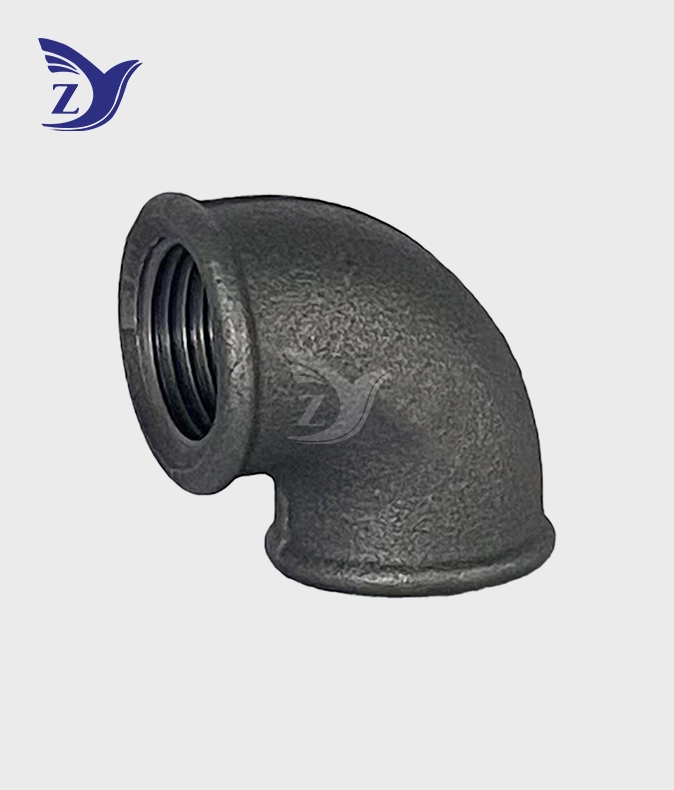
NPT Black Round Face 90° Elbow Pipe Fittings
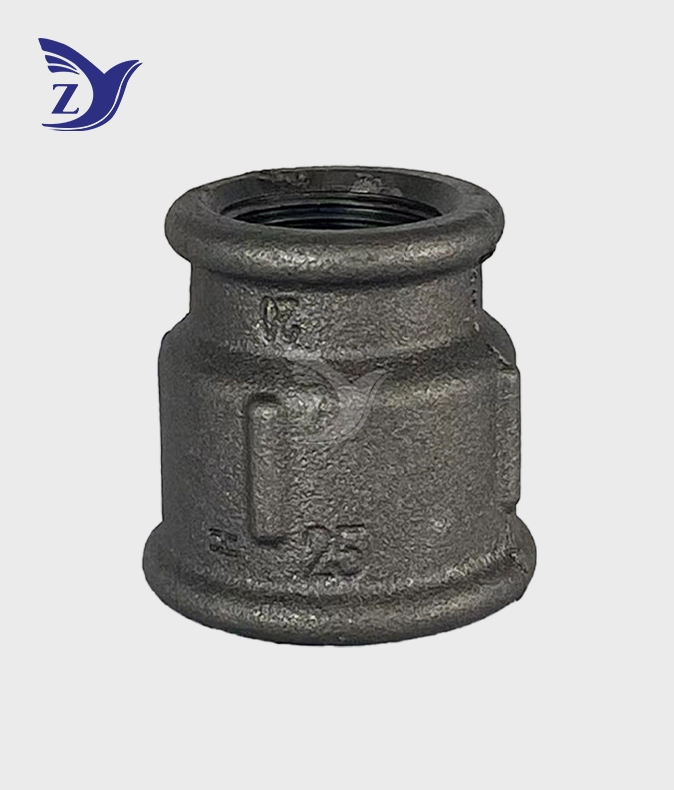
NPT Black Round Face Reducing Coupling Pipe Fittings
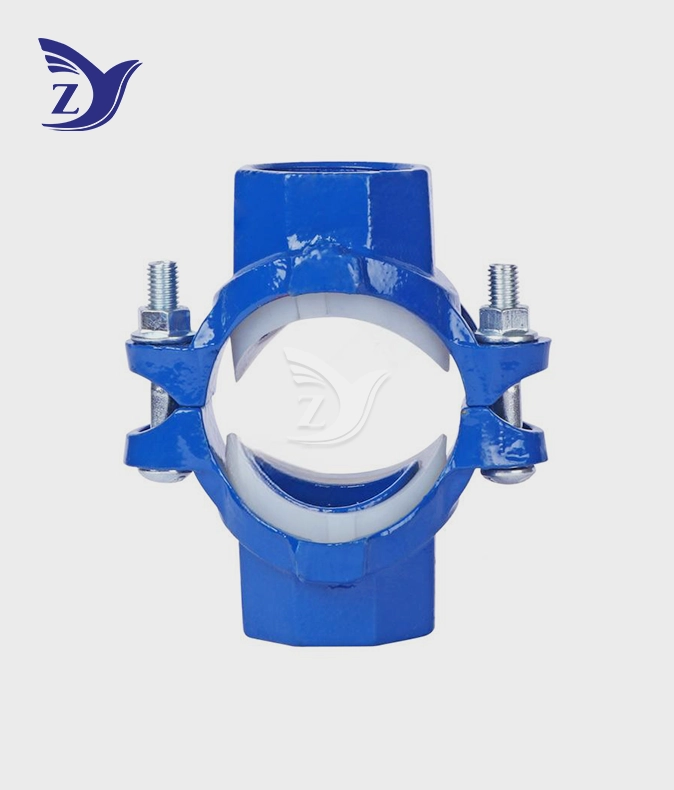
Water Supply Threaded Mechanical Cross Pipe Fitting
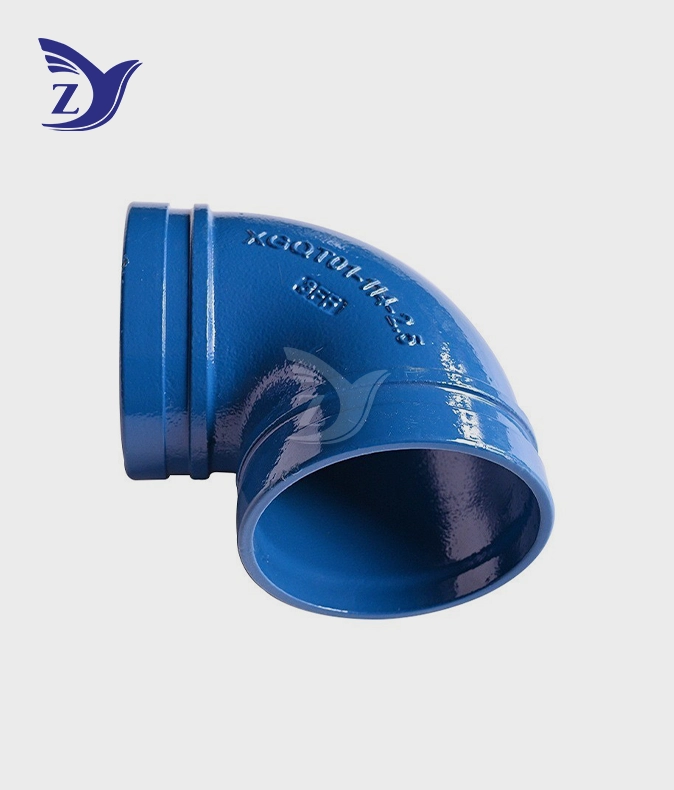
Water Grooved 90° Elbow
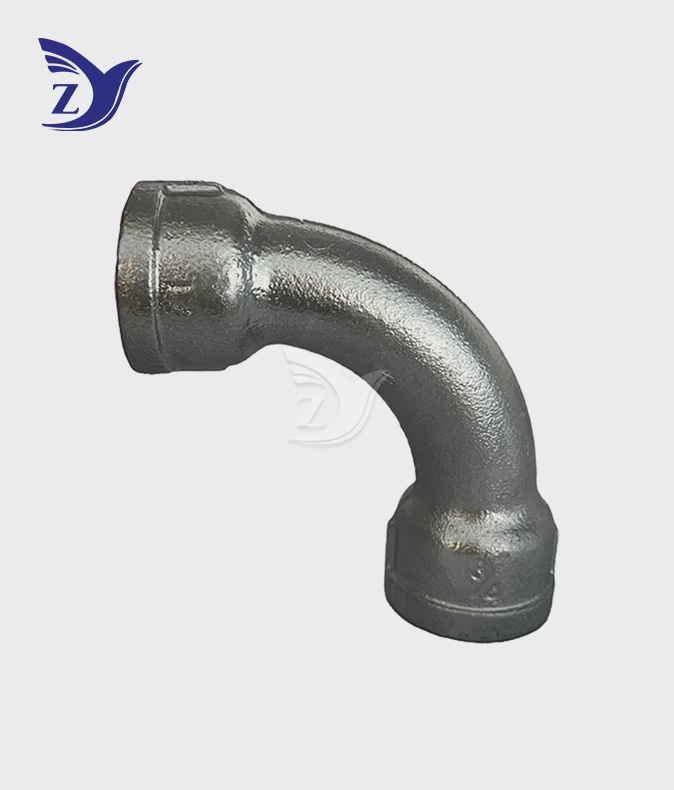
NPT Galvanized Female-Female 90° Long Radius Elbow Pipe Fittings
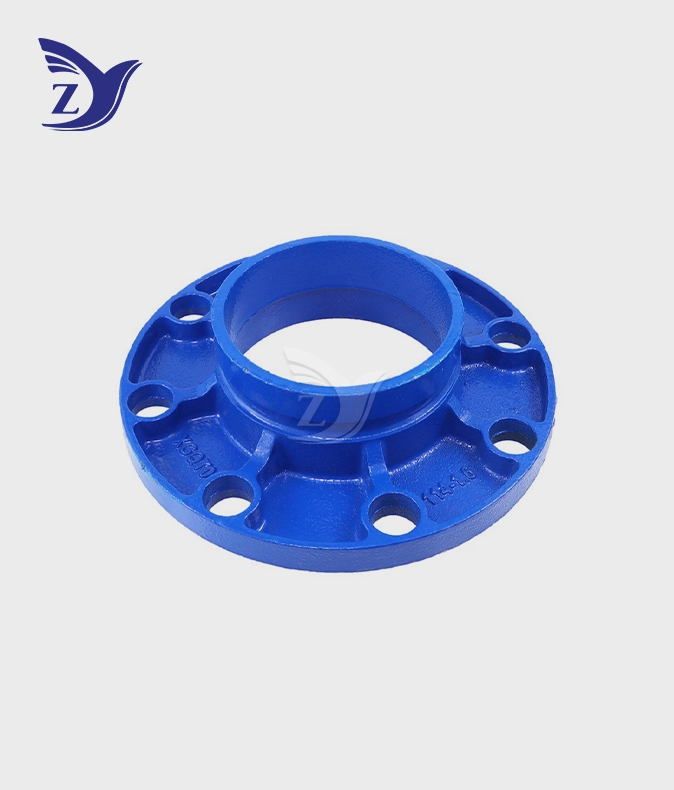
Water Grooved Flange
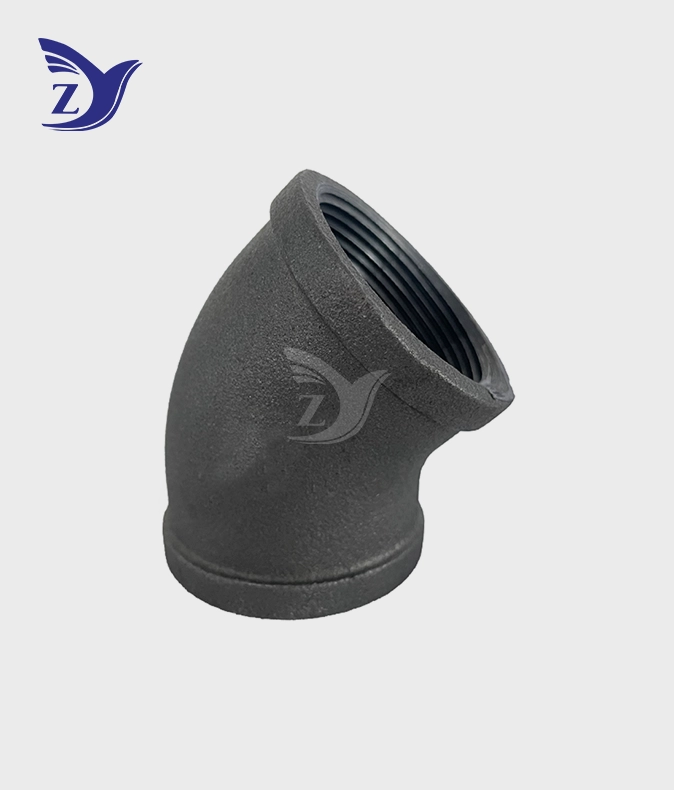
BSPT Black Square Face 45° Elbow Pipe Fittings
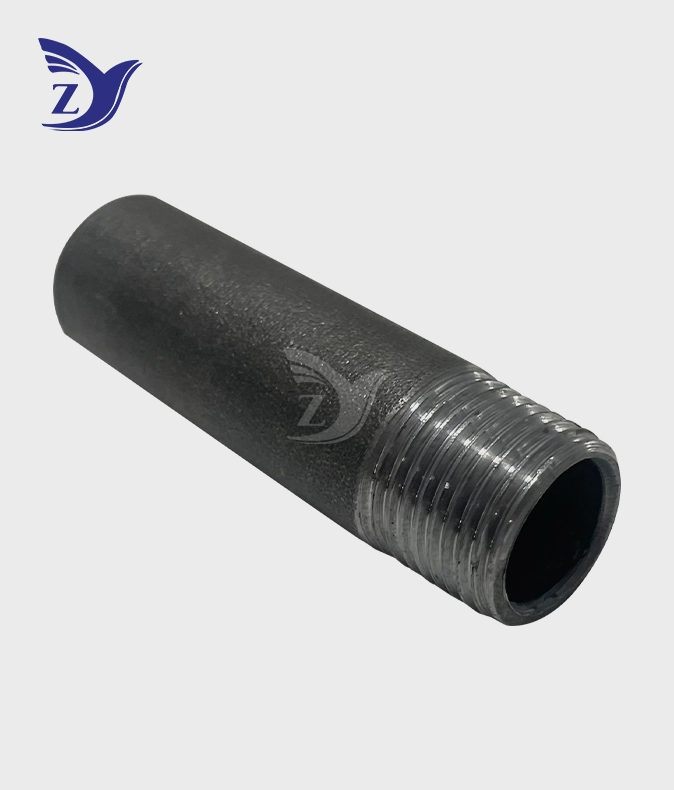
Carbon Steel Pipe Male Threaded Fittings Sand Blasted