
May 13, 2026
What is the standard for pipe coupling?
When choosing pipe couplings for important business uses, it's very important to know the rules that guide them. Pipe connection standards spell out the types of materials that can be used, the ranges of sizes that can be accepted, the threading requirements, and the performance levels that must be met for fire protection, water supply, HVAC, and gas distribution systems to work safely and reliably. Products like black square face coupling pipe fittings need to meet standards like ASTM A197 for the makeup of malleable iron, ISO 7-1 or ANSI/ASME B1.20.1 for the accuracy of the threads, and BS EN 10242 for the regularity of the sizes. These guidelines make sure that products from different companies work together, lower the number of installations that go wrong, and help with compliance in a wide range of projects, from city infrastructure to industrial plants.
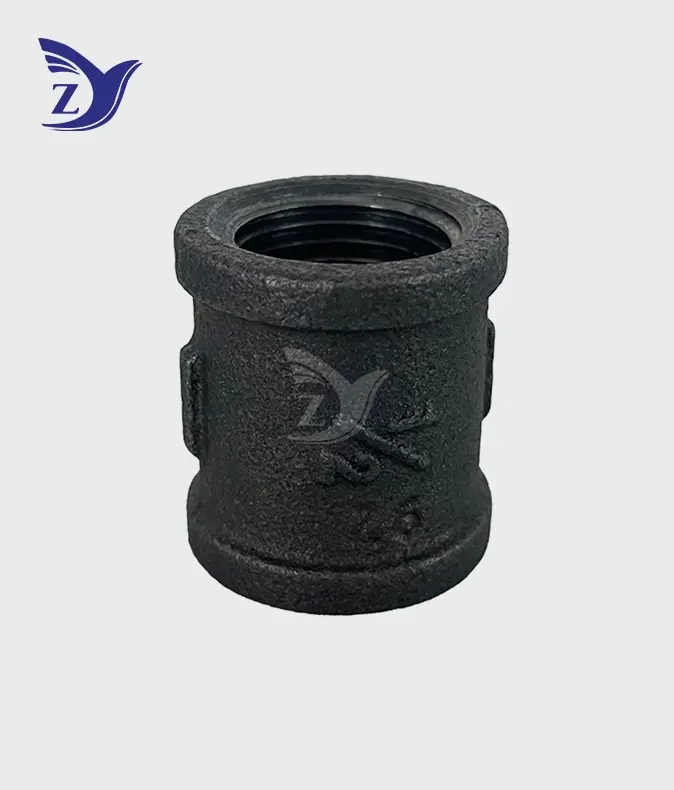
Understanding Pipe Coupling Standards
There are standards for pipe couplings that make sure the design, production, and testing methods are all the same across global supply chains. This makes sure that every fitting works the same way under certain situations.
What Are Pipe Coupling Standards?
International and national standards groups put out pipe coupling standards, which are detailed papers that list the requirements for materials, sizes, threads, pressure ratings, and testing methods. They are the standard for making sure that industrial plumbing systems are of good quality and can work with other systems. If these models weren't there, engineers and workers would have to deal with failures that were hard to predict, expensive rework, and safety risks.
Key International Standards Governing Pipe Couplings
Several reputable groups around the world set the standards for pipe couplings. The International Organization for Standardization (ISO) sets rules that are followed all over the world. One such rule is ISO 49, which is for malleable cast iron parts with threaded links. ASTM International puts out material guidelines like ASTM A197, which describes the chemical make-up and mechanical features of iron that can be shaped. The ANSI/ASME B16.3 and B16.39 standards define the thread sizes and limits for threaded parts sold in North America. Fittings sold in the EU must follow European standards like BS EN 10242 and DIN 2950, which stress the need for accurate measurements and surface cleaning. Knowing the standards that apply to your market and use makes sure that the decisions you make about purchases are in line with what the law requires and what your business needs.
Standards Specific to Black Square Face Coupling Pipe Fittings
Precision-threaded industrial joints with a reinforced, flat-banded shape at the coupling face make black square face coupling pipe fittings stand out. This square support doesn't bend when high-torque installation is done, and it gives you a better wrench grip than round-face options. The black finish, which is usually made with a bituminous coating or a black oxide treatment, works well in oil, gas, and steam systems where galvanization could cause zinc flaking. These fittings must meet certain standards, such as ASTM A197 for tensile strength (minimum 300 MPa) and elongation (minimum 6%) of malleable iron, ISO 7-1 or BS 21 for BSPT thread profiles (55-degree Whitworth angle, 1:16 taper), and ANSI/ASME B1.20.1 for NPT threads. Following these rules will make sure that parts can be swapped out for different sizes, that joints don't leak, and that they can handle changing temperatures in tough conditions.
Material and Specifications of Black Square Face Coupling Pipe Fittings
Common Materials and Their Properties
Most black square face coupling pipe fittings are made from iron that can be shaped and meets ASTM A197 or ISO 5922 standards. An annealing process turns brittle white cast iron into a flexible, shock-resistant material with lumpy graphite structures in iron that can be shaped. This material is great for combining water, gas, and industrial pipelines because it is easy to machine, weld, and resists pressure. It usually has between 2.4% and 2.9% carbon and 1.2% to 1.7% silicon, which makes it malleable without losing its power. Some companies make stainless steel (ASTM A351 CF8M) or galvanized versions for places that are acidic or hot, but these don't have the black finish that is chosen for oil and gas uses. Carbon steel connectors are less common but have higher tensile strength but need more defense against corrosion.
The bituminous or black oxide coating that is put on these valves does two things: it protects against basic oxidation during storage and shipping, and it can also be used with petroleum-based fluids to protect against internal corrosion. This layer keeps the zinc from breaking off of galvanized fittings, which can block fuel and steam injectors, valves, and sensitive instruments.
Size Ranges and Dimensional Tolerances
Black square face coupling pipe fittings come in standard pipe sizes from 1/8 inch to 6 inches, which is large enough to cover most industrial and business pipe needs. Standards like ISO 49 and ANSI/ASME B16.3 set tight limits on the sizes of each item. These limits control the inner diameter, outer diameter, thread pitch, and total length. To make sure that fittings from different makers fit and close properly, thread tolerance classes (usually Class A or 1A/2A for NPT and Class A for BSPT) are used. The square face reinforcement makes the wall 15–25% thicker than with a normal round face connection because it adds material thickness at stress points. This geometric accuracy stops threads from stripping, lowers the range of fitting force, and makes sure that the sealing works the same way every time a batch is made.
Pressure Ratings and Temperature Capacities
Standard black square face coupling pipe fittings are rated for Class 150 work, which means they can handle 300 psi of water, oil, or gas (WOG) at room temperature or 150 psi of full steam at 366°F (186°C). These scores are in line with most city rules for fire safety, HVAC, and water supply. Heavy-duty versions can get Class 300 ratings for use in high-pressure industrial settings. Temperature ranges from -20°F to 400°F (-29°C to 204°C), which makes them good for heating systems, steam distribution, and some industrial processes. With tensile strengths between 300 and 350 MPa and stretch rates above 6%, these fittings can handle vibrations, temperature changes, and installation pressures without breaking.
Quality Certifications and Compliance
Reputable makers give certificates that show they follow international quality standards. Getting ISO 9001 approval proves that quality management is used throughout the whole production process. If something has a CE mark on it, it means that it meets European standards for health, safety, and the environment. In North America, UL and FM approvals are very important for fire safety because they make sure that parts meet strict performance and traceability standards. Fittings that will be used in oil and gas research or processing may need API certifications. These certifications give buying teams written proof that the goods will work as expected and meet the needs of the project.
Procurement and Supplier Selection Guide for Black Square Face Couplings
Evaluating Supplier Certifications and Standards Compliance
Prioritize providers who have ISO 9001 approval, which shows that they have a method for controlling quality throughout the whole production process. Ask for test records that show the product meets ASTM A197, ISO 7-1, and any other area standards that apply. Make sure that the sellers you're considering have the right UL, FM, or CE certifications for your market and purpose. Traceability paperwork, like batch numbers, heat treatment records, and reports on the make-up of materials, helps with quality checks and project compliance. There are big risks in the supply chain when suppliers can't or won't give these papers.
Bulk Purchasing vs. Custom Manufacturing
Standard black square face coupling pipe fittings work well for most water, gas, and HVAC jobs. They save money through economies of scale and are easy to get. When you buy in bulk from stocks that are already stocked, lead times are cut down to days or weeks, which is very important for tight building plans. For non-standard sizes, special materials, unique pressure grades, or OEM marking needs, custom manufacturing is needed. Custom orders take longer to process (usually 6 to 12 weeks), cost more per unit, and require a minimum order quantity. However, they provide solutions that are specifically designed for specific uses. To find the best way to buy something, you should look at the project's deadlines, price limits, and technical needs.
Pricing Factors and Value-Driven Decision Making
Black square face coupling pipe fittings prices change depending on the type of material used (iron and alloy prices change), the number of units ordered (larger orders lower unit costs), the surface treatment (black finishes usually cost less than galvanizing), certifications (UL and FM approvals add testing costs), and the location of the supplier (freight and duties change landed costs). Value-driven buying looks at the total cost of ownership, not just the unit price. For example, high-quality fittings lower the need for installation redos, cut down on leak-related downtime, and increase service life. Finding the best balance between up-front costs and long-term dependability improves both the economy and operating performance of a project.
Conclusion
When procurement workers, engineers, and building managers know about pipe coupling standards, they can make choices that balance cost, performance, and safety. International standards like ASTM A197, ISO 7-1, and ANSI/ASME B1.20.1 make sure that black square face coupling pipe fittings work reliably in fire protection, city water, HVAC, and industrial piping uses. Their precise threading, square support shape, and black finish make them good for high-torque installations in places that shake a lot, as well as oil or gas systems. When comparing coupling types, installing them correctly, and choosing approved suppliers, you can be sure that the job will be successful and that the system will work well for a long time.
Contact Zhiyuan Malleable Steel for Premium Black Square Face Coupling Pipe Fittings
Since 2006, Zhiyuan Malleable Steel has been making high-performance black square face coupling pipe fittings. They do this by mixing decades of casting experience with strict quality control that meets ISO 9001, CE, UL, and FM standards. Our 30,000-ton yearly production capacity and more than 1,000 product specifications help fire protection system integrators, local planning firms, and industry companies around the world with their big projects. We are a reliable seller of black square face coupling pipe fittings, and we offer ODM/OEM customization, double-layer safe packing, and promises for replacing broken products. We have a lot of standard items in stock and can ship them within two hours. For special orders, we can use our in-house research and development and precision machining skills. Contact us today at q1236800000@gmail.com to talk about your project needs and find out how our knowledge of malleable iron can help make your pipeline systems more reliable and in line with regulations.
FAQ
What thread standards do black square face couplings support?
Black square face coupling pipe fittings can fit both NPT (National Pipe Taper) threads according to ANSI/ASME B1.20.1, which have a 60-degree thread angle and a 1:16 taper, and BSPT (British Standard Pipe Taper) threads according to ISO 7-1, which have a 55-degree Whitworth profile and the same 1:16 taper. Check that the threads will work with the ones you already have before you order to make sure they close properly and can be used with other pipe systems.
Can black square face couplings be used in potable water systems?
For water uses, malleable iron black square face coupling pipe fittings meet mechanical and dimensional standards. However, in some places, their black oxide or bituminous finish might not meet drinking water rules. Talk to the health and safety authorities in your area and think about using zinc or epoxy-coated pipes for distributing drinkable water to make sure you follow all the rules.
How do I determine the correct torque for installation?
Specifications for torque depend on the material, thread standard, and size of the pipe. As a general rule, 20 to 30 ft-lbs for 1/2-inch black square face coupling pipe fittings and 80 to 120 ft-lbs for 2-inch sizes. To keep threads from breaking or fittings from cracking, always use the manufacturer's torque charts, apply thread sealant properly, and don't tighten too much.
References
- ASTM International. (2020). ASTM A197: Standard Specification for Cupola Malleable Iron. West Conshohocken, PA: ASTM International.
- International Organization for Standardization. (2018). ISO 7-1: Pipe threads where pressure-tight joints are made on the threads – Part 1: Dimensions, tolerances and designation. Geneva: ISO.
- American Society of Mechanical Engineers. (2019). ASME B1.20.1: Pipe Threads, General Purpose (Inch). New York, NY: ASME.
- British Standards Institution. (2017). BS EN 10242: Threaded pipe fittings in malleable cast iron. London: BSI Standards Publication.
- Underwriters Laboratories. (2021). UL 860: Standard for Safety Polymeric Materials – Industrial Laminates, Filament Wound Tubing, Vulcanized Fibre, and Materials Used in Printed-Wiring Boards. Northbrook, IL: UL LLC.
- Factory Mutual Research Corporation. (2019). FM Approvals 1680: Standard for Couplings Used in Fire Protection Service. Johnston, RI: FM Approvals.
Online Message
YOU MAY LIKE
High quality furniture manufacturer
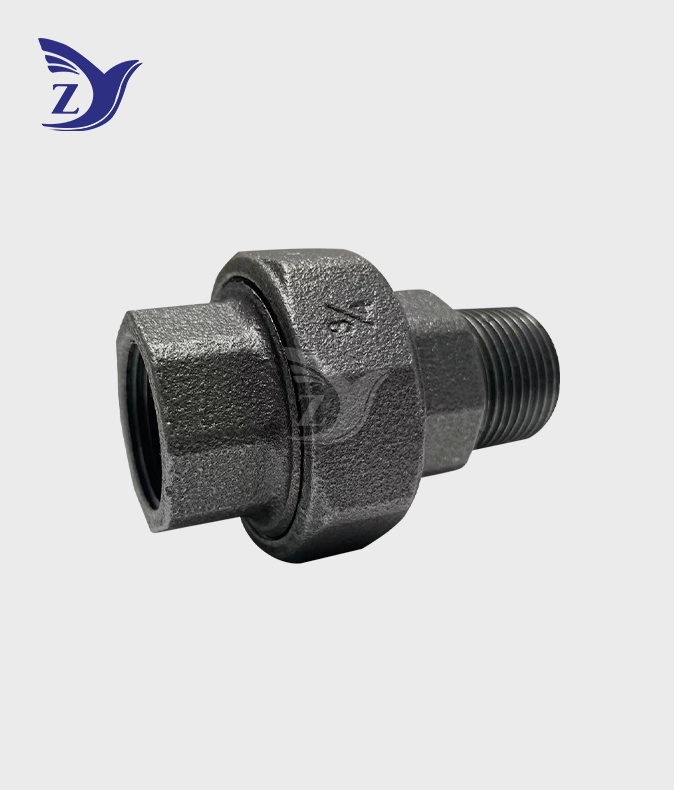
NPT Black Male-Female Union 341 Pipe Fittings
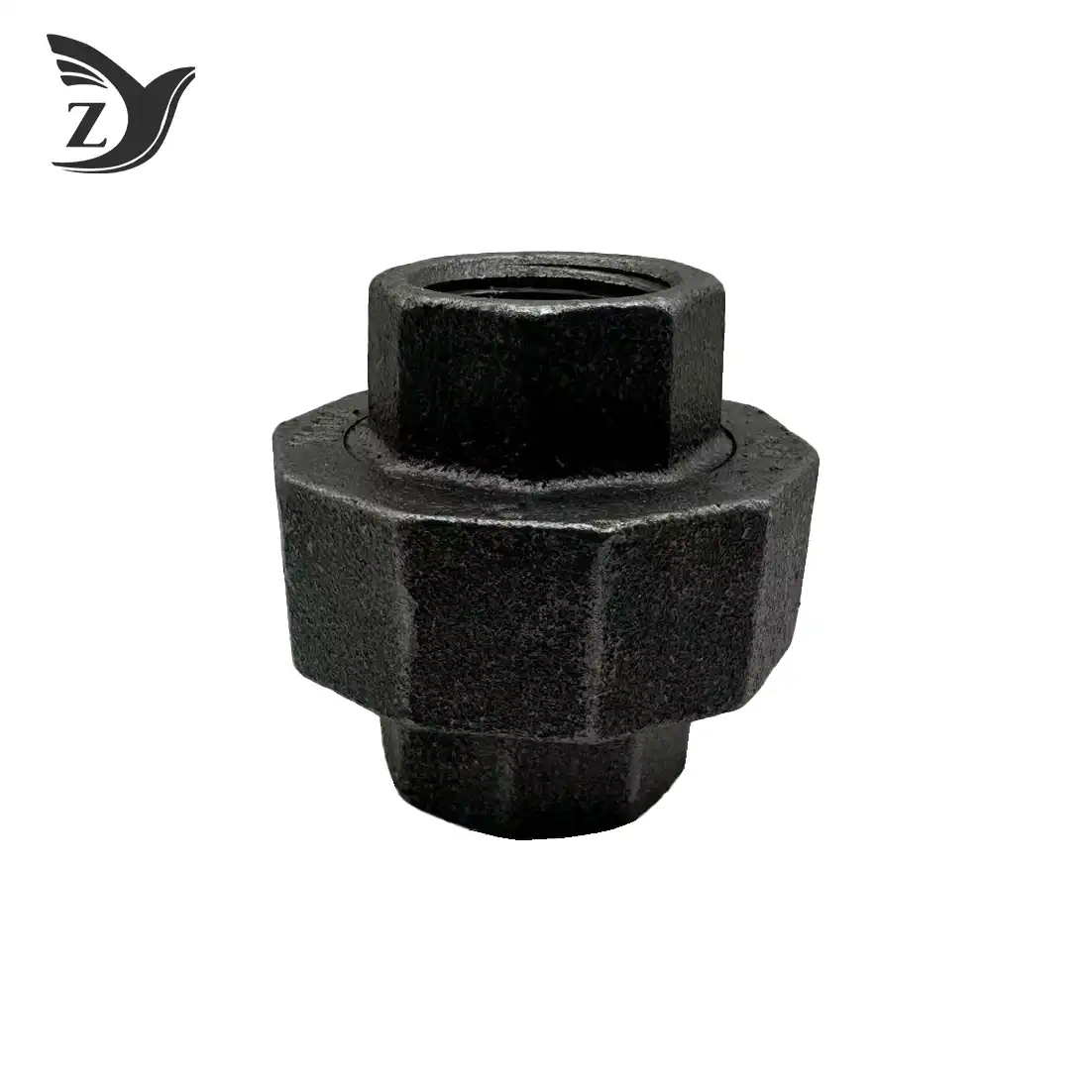
NPT Black Union Class 300 Pipe Fittings
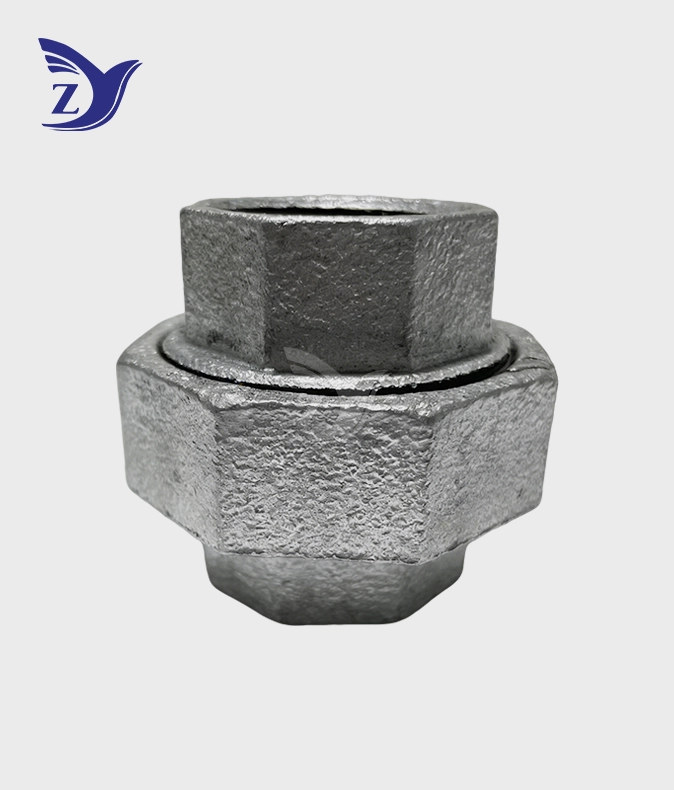
NPT Galvanized Union 342 Pipe Fittings
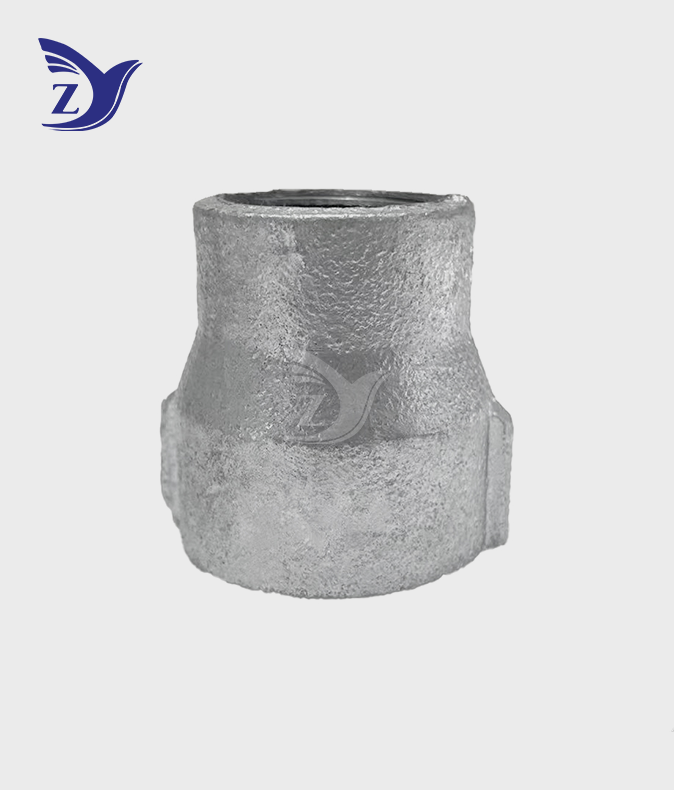
No Hub Hot Dip Galvanized Reducing Coupling Pipe Fitting
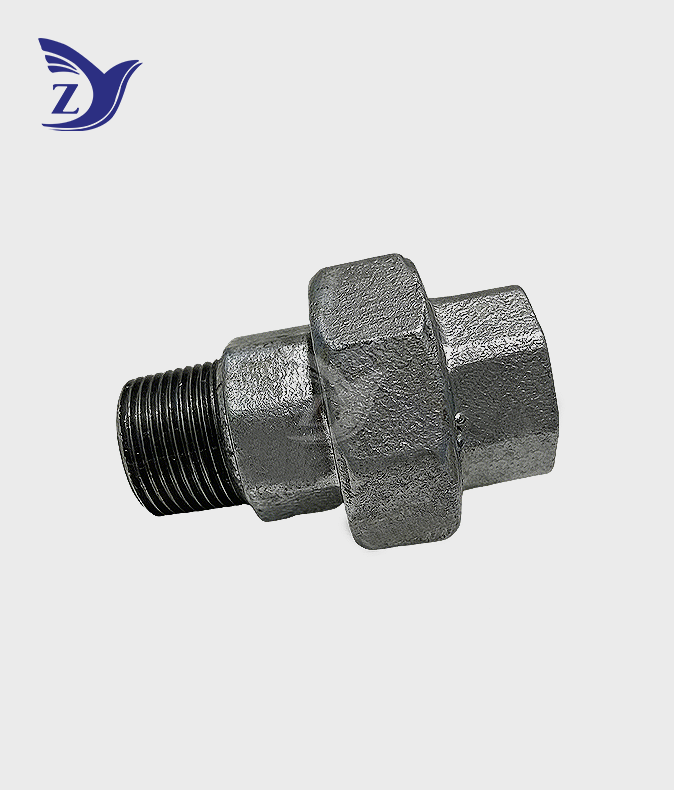
NPT Galvanized Male Female Threaded Union 343 Pipe Fittings
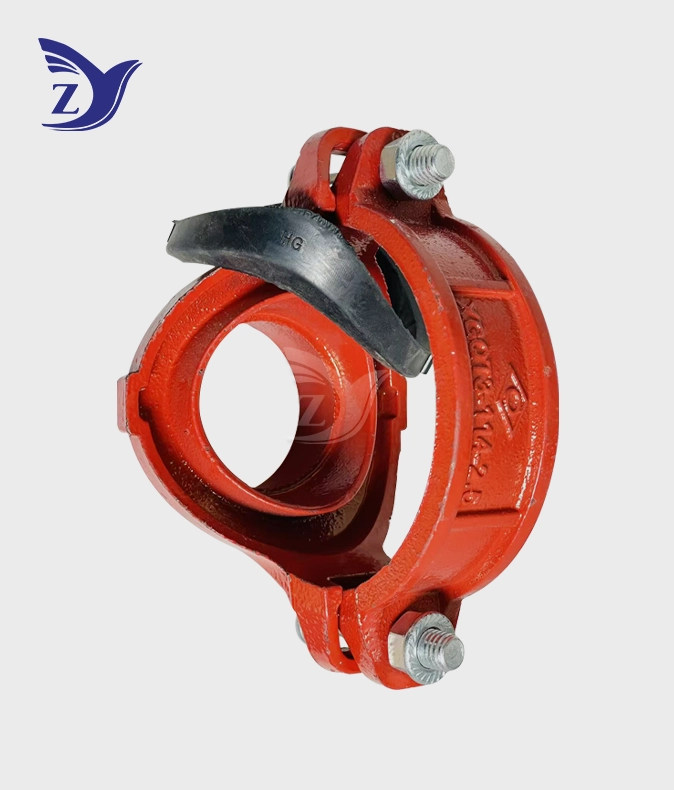
Fire Grooved Mechanical Tee
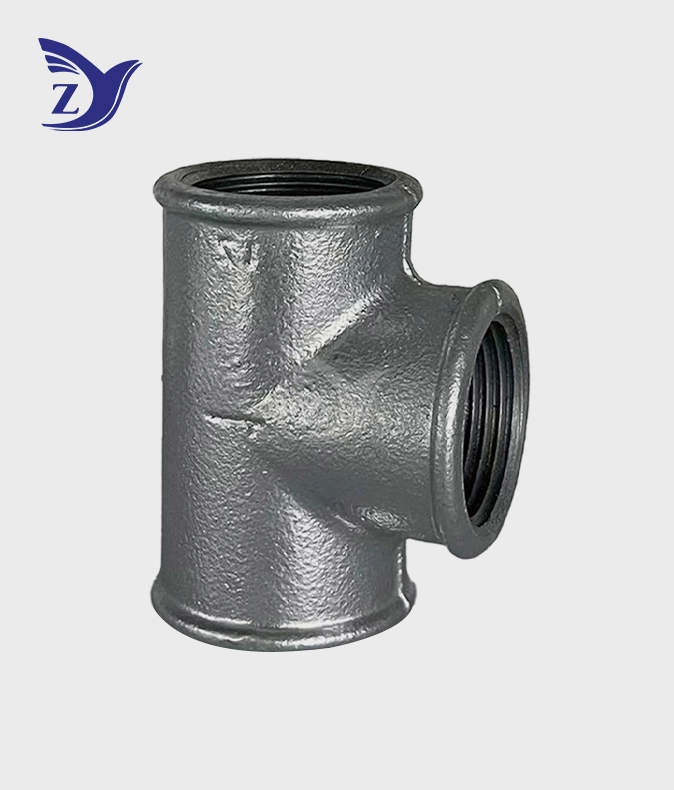
NPT Round Face Galvanized Round Edge Straight Tee Pipe Fittings
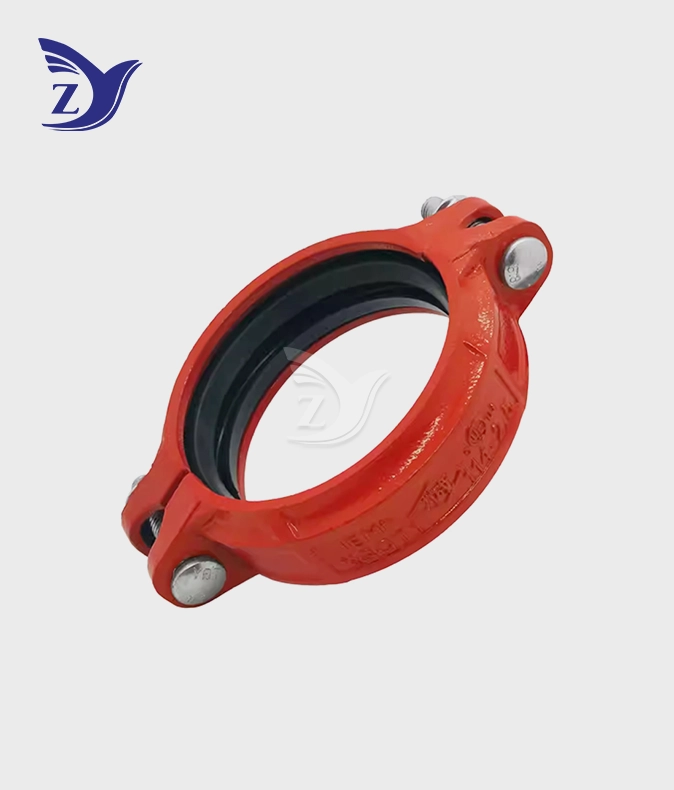
Fire Grooved Clamp