
May 13, 2026
What is the pressure rating of black square face coupling pipe fittings?
According to ASTM A197 guidelines, black square face coupling pipe fittings can handle pressures between 150 PSI and 300 PSI for normal malleable iron configurations. Several things affect the real working pressure. These include the type of material, the thickness of the wall, the thread standard (NPT or BSPT), and the temperature at which the system is being used. High-quality square face couplings made under ISO 9001 quality standards can safely handle Class 150 service conditions, which means 300 PSI of water, oil, and gas (WOG) at room temperature. When choosing fittings for fire protection systems, city water supplies, or industrial process pipelines where safety and compliance must not be compromised, it is important to understand these grades.
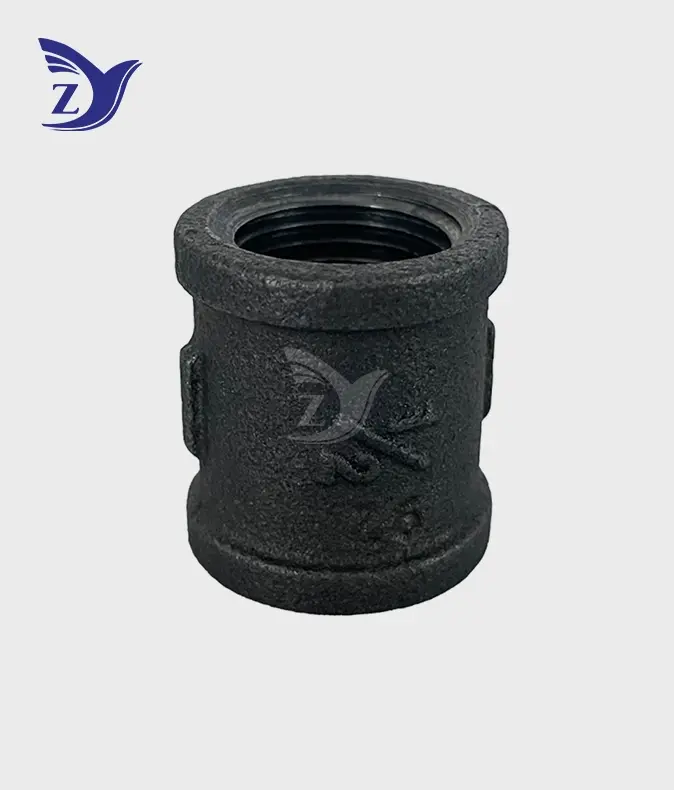
What Determines the Pressure Rating of Black Square Face Coupling Pipe Fittings?
Pressure ratings aren't just random numbers that are printed on books; they're the result of years of studying materials, making sure that products are made perfectly, and testing them thoroughly. As I've looked over pressure test data from many sources over the years, I've learned that knowing these factors helps procurement teams avoid mistakes that cost a lot of money.
Material Properties and Metallurgical Factors
Tensile strength is the best way to figure out how much pressure an object can hold. High-quality iron parts that can be shaped (KTH300-06 or KTH330-08 grades) have a tensile strength of 300 to 330 MPa and a hardness of less than 150 HB. During casting, the amounts of carbon (2.4–2.9%) and silicon (1.2–1.7%) are carefully monitored to make sure that the metal can be shaped without losing its strength. Chemical makeup analysis shows that properly annealed, malleable iron can handle quick changes in pressure better than grey cast iron options. This is why black square face coupling pipe fittings work so well in systems that have to deal with water hammer or cycle pressure changes. Temperature resistance is also important. For example, pliable iron keeps its shape up to about 300°F (150°C), but after that, the features of the material start to break down.
Wall Thickness and Dimensional Accuracy
The resistance to burst pressure is directly related to the thickness of the walls at the coupler body and the strengthened square face section. Standard Class 150 joints have minimum wall thicknesses that protect against burst failure at rated pressures by a factor of four. During production, accuracy in the dimensions becomes very important. Differences in thread depth, taper uniformity, or face squareness can cause stress concentrations that lower the effective pressure ratings. To keep tolerances within ±0.05mm, quality makers use CNC machines and automatic thread-cutting tools to make sure that every fitting meets the design requirements. It's because of this level of accuracy that premium-grade parts cost more but work better in tough situations.
Compliance with Industry Standards
Pressure scores can be trusted when people follow the rules that have already been set. In the United States, ASME B16.3 sets the size and material standards for threaded fittings made of malleable iron, and in Europe, BS EN 10242 controls the markets. These standards spell out how to test things, such as using hydraulic pressure at 1.5 times the working pressure for certain amounts of time. Fittings that pass ISO 9001 quality management system tests show that they were made using consistent methods, which means that they will work as expected in the field. Third-party approvals from groups like UL (Underwriters Laboratories) and FM (Factory Mutual) give extra proof that fits meet the needs of fire protection systems where pressure reliability meets life safety.
Pressure Rating Ranges and Standards for Black Square Face Coupling Pipe Fittings
In order to understand pressure groups, you need to know how industry standards are translated into limits that can be used in real life. Working with fire protection companies and city engineers has taught me that the right way to understand ratings can stop both over-specification (which wastes money) and under-specification (which increases the risk of failure).
Standard Pressure Classifications Explained
The most typical pressure grade for black square face coupling pipe fittings is Class 150, which means 300 PSI service pressure for oil, gas, and water at room temperature. As the working temperature goes up, the pressure that is allowed goes down. For example, Class 150 fittings can handle 150 PSI at 366°F full steam conditions. This link between temperature and pressure follows the material's yield strength curve, which takes into account the fact that metals become weaker at higher temps. Class 300 fittings can handle 600 PSI at normal conditions and are needed for some heavy-duty tasks. However, you'll usually find these in petrochemical or power production facilities instead of regular business buildings. By knowing these categories, procurement pros can better match fitting requirements to real system operating conditions, rather than just asking for "high-pressure" parts without a good reason.
Testing Protocols That Validate Ratings
Verification of pressure ratings is based on hydrostatic tests. Manufacturers put test batches of samples under water pressure that is 1.5 times the normal working pressure. This test pressure is kept up for at least the amount of time required by standards. The final failure point is found through burst testing. For good malleable iron joints, this point is usually at 4-5 times the working pressure. Fatigue testing checks how well something works when it is loaded and unloaded repeatedly, mimicking years of use under stress in a shorter amount of time. Test certificates with the real test pressures, length, and pass/fail scores should be part of good paperwork. When I'm considering suppliers, I always ask to see test reports instead of taking catalog scores at face value. This extra step of checking has kept specification mistakes from happening on a number of large projects.
How to Read Technical Catalogs and Certifications
Technical brochures from reliable manufacturers list pressure values along with specifics like the type of media, the temperature range, and the standards that apply. There should be clear comments like "300 PSI WOG at 150°F per ASME B16.3" instead of unclear ones. Certification marks show that something has been checked by a third party. For example, UL lists show that the fire protection is appropriate, and FM approval shows that it works well in real fire situations. The CE mark shows that a product meets European standards, which is important for exporting. When looking over source paperwork, make sure that certification numbers can be linked to the groups that issued them and that the certifications are still valid. There are still problems with fake certifications in the business, so checking certification numbers against government records adds another level of security.
Conclusion
Pressure rates for black square face coupling pipe fittings are where material science, precise manufacturing, and strict testing standards meet. Most business and industrial uses class 150 fittings that can handle 300 PSI at room temperature. Knowing how temperature, installation quality, and material qualities affect real capacity is important for making sure that the right specifications are used. The square face strengthening design has clear benefits in situations with a lot of power and systems that tend to vibrate, which justifies the small extra cost for important uses. To be successful at procurement, you need to check certifications, know the standards that apply, and work with makers who can show consistent quality through third-party testing and strong guarantee support.
FAQs
Can black square face couplings be used in fire protection systems?
Of course. These black square face coupling pipe fittings meet the needs of fire safety systems when they are made to ASTM A197 standards and have UL or FM approvals. It is safe to say that the 300 PSI WOG number is well above the normal working pressures for fire sprinkler systems, which are between 150 and 175 PSI. The square face form is resistant to installation stress, which makes it great for fire defense uses where system integrity is very important. Don't assume that all bendable iron parts are fire-safe; always check that the product descriptions include fire safety approvals.
How do I verify the pressure rating before purchasing?
Ask for technical data sheets that show pressure rates along with the conditions that go with them (like temperature and type of media) and any standards that need to be met. Ask for copies of test results from a third party that show hydraulic testing at 1.5 times the working pressure. Check license numbers against the records of the organizations that issued them. Reputable sellers are happy to give you this information; if they don't want to share the technical proof, you should be worried about the authenticity of the product.
What causes premature failure in properly rated fittings?
Most mistakes in the field are caused by bad fitting. Threads that are contaminated, don't have enough thread sealer, or are torqued incorrectly can all make the closing less effective, no matter how well the fitting is made in general. Mechanical stress failures are caused by water hammer and pressure spikes that are higher than the stated capacity. Over time, contact with corrosive media change the qualities of materials. Temperature changes that are higher than the rating limits speed up the breakdown. These types of failure can be lessened by proper installation training and regular upkeep checks.
Partner with Zhiyuan Malleable Steel for Reliable Black Square Face Coupling Solutions
Every black square face coupling pipe fittings that Zhiyuan Malleable Steel makes at our 50,000-square-meter factory in Shanxi Province comes from 26 years of experience in casting. Our production methods are ISO 9001-certified, which means that every NPT and BSPT threaded fitting meets ASTM A197 standards. This means that your important systems will get the 300 PSI Class 150 performance they need. With a yearly capacity of more than 30,000 tons and more than 1,000 product specs in stock, we can meet the fast delivery needs of projects; standard goods are shipped within two hours of an order being confirmed. Our CE, UL, and FM certifications prove that our pressure products work in markets around the world, and our promise to replace any faulty products protects your purchase investment. Our ODM/OEM customization options and engineering support team make sure that the fitting specifications exactly match your application needs, whether you're a fire protection system integrator looking for UL-listed parts, a municipal contractor looking for supplies for water supply projects, or a distributor working with industrial clients. Get in touch with our expert team at q1236800000@gmail.com to talk about your black square face coupling pipe fittings supply needs and find out how Zhiyuan's large-scale production, quality certifications, and quick service can help your project success.
References
- American Society of Mechanical Engineers. (2020). ASME B16.3: Malleable Iron Threaded Fittings - Classes 150 and 300. New York: ASME Press.
- ASTM International. (2019). ASTM A197: Standard Specification for Cupola Malleable Iron. West Conshohocken: ASTM International Standards.
- British Standards Institution. (2018). BS EN 10242: Threaded Pipe Fittings in Malleable Cast Iron. London: BSI Standards Publication.
- International Organization for Standardization. (2021). ISO 7-1: Pipe Threads Where Pressure-Tight Joints Are Made on the Threads - Part 1: Dimensions, Tolerances and Designation. Geneva: ISO Central Secretariat.
- National Fire Protection Association. (2022). NFPA 13: Standard for the Installation of Sprinkler Systems. Quincy: NFPA Publications.
- Underwriters Laboratories. (2021). UL 197: Standard for Commercial Industrial Gas and Oil-Fired Low-Pressure Heating Equipment. Northbrook: UL Standards Technical Panel.
Online Message
YOU MAY LIKE
High quality furniture manufacturer
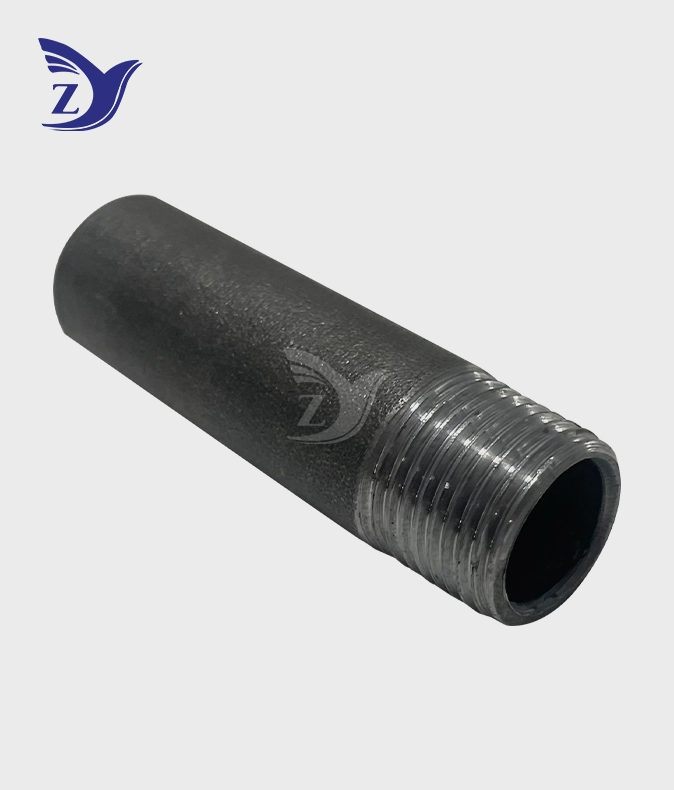
Carbon Steel Pipe Male Threaded Fittings Sand Blasted
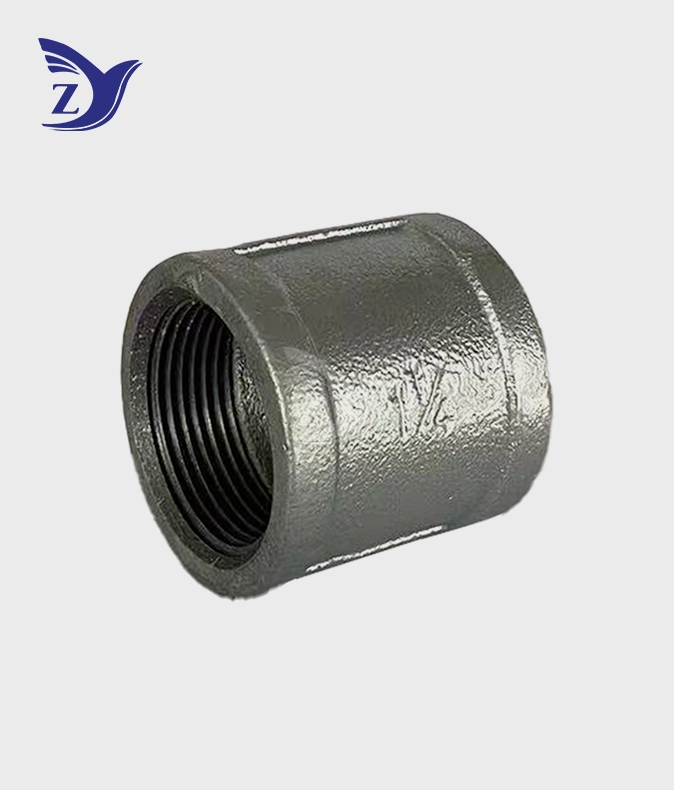
BSPT Square Face Galvanized Square Edge Coupling Pipe Fittings
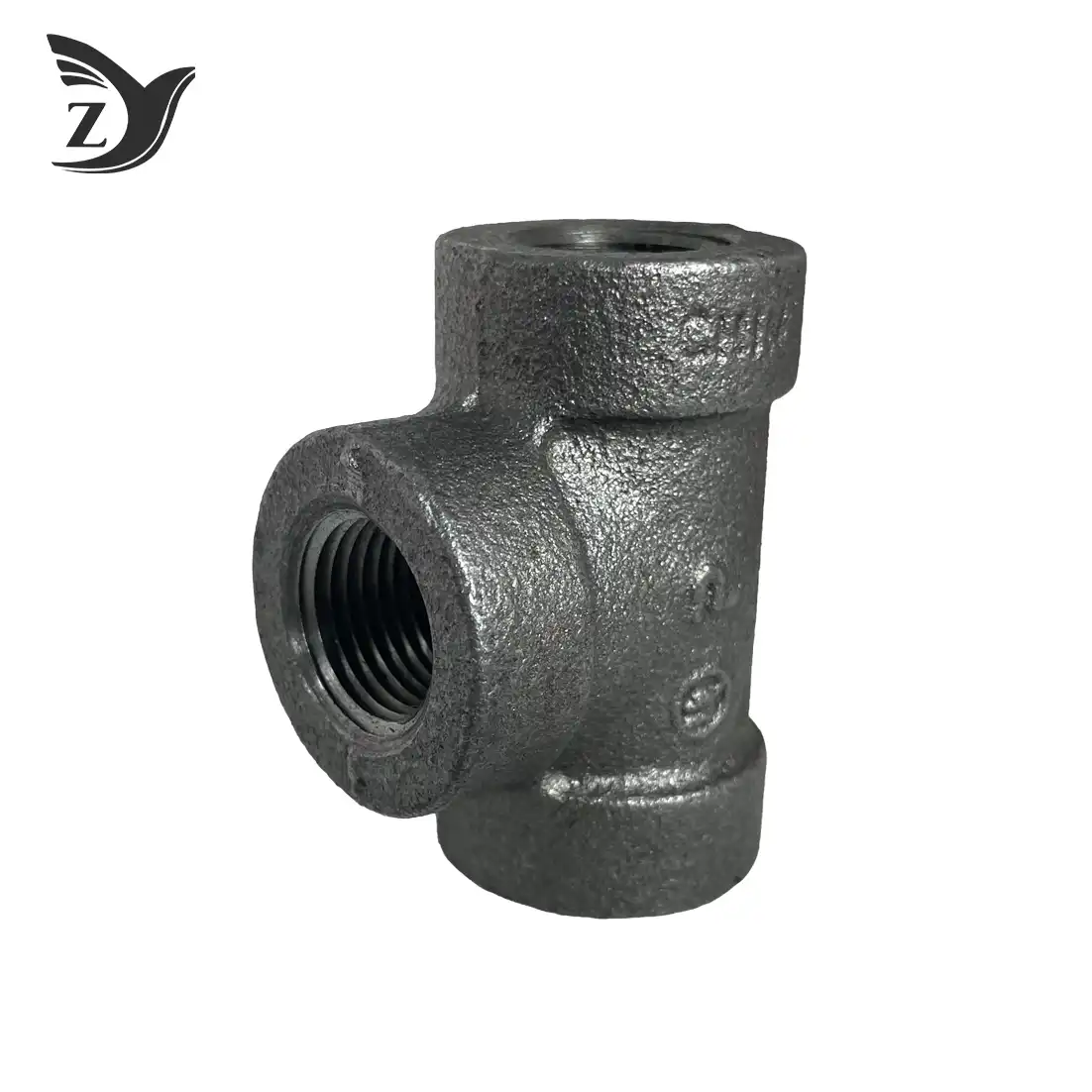
Black 300# Malleable Cast Iron Tee Pipe Fitting
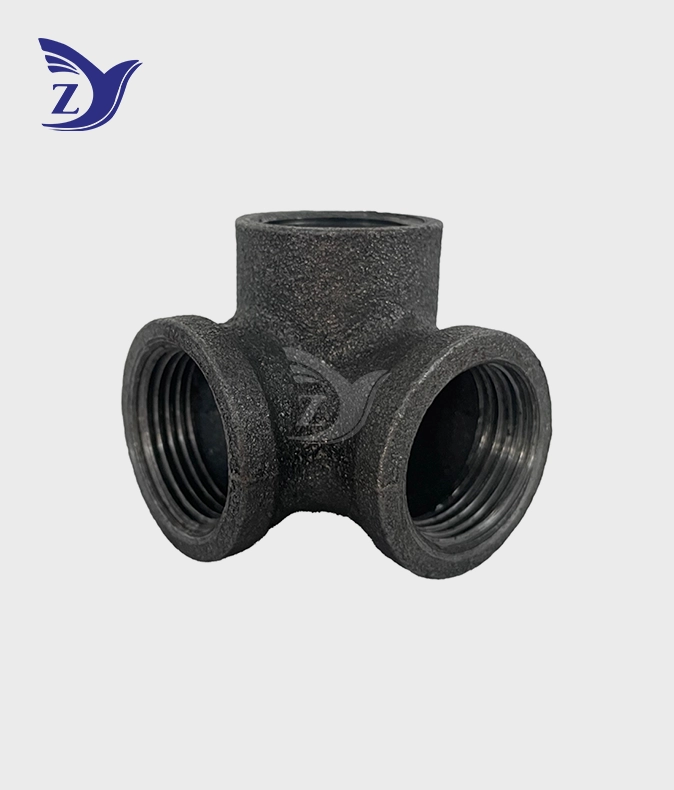
NPT Black Malleable Iron Tee Pipe Fittings
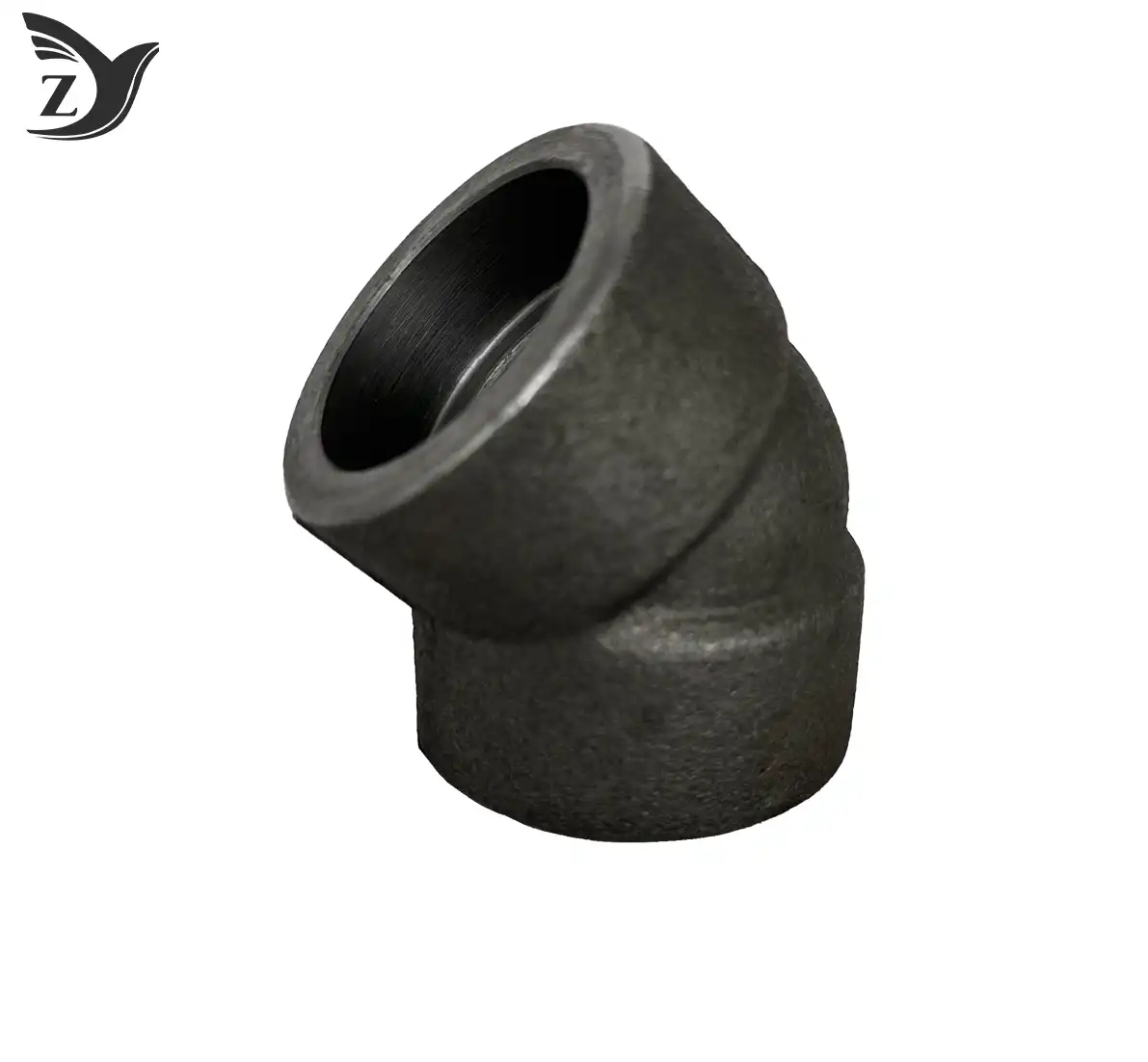
Forged Carbon Steel Socket Weld 45 Degree Elbow High Pressure Pipe Fitting
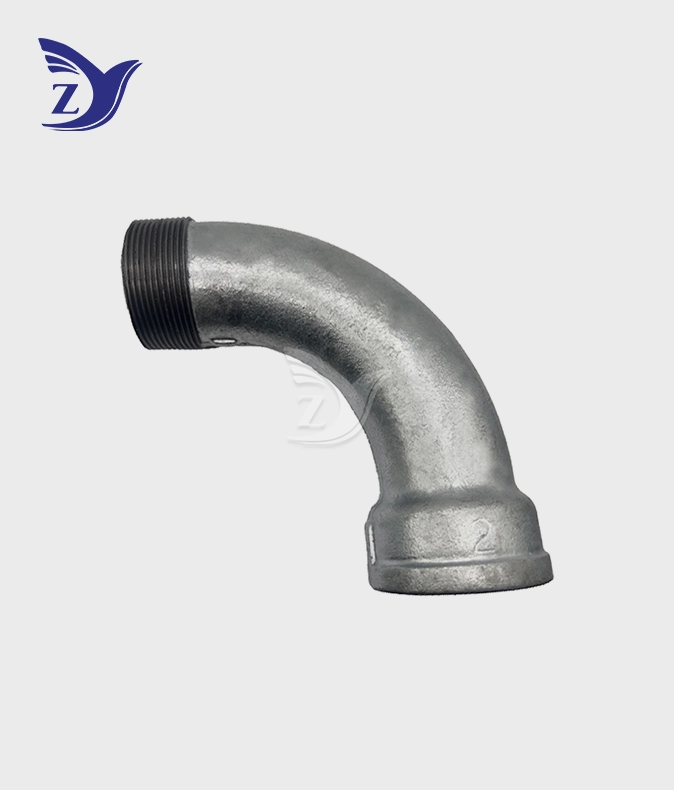
BSPT Galvanized Male Female 90° Long Radius Elbow Pipe Fittings
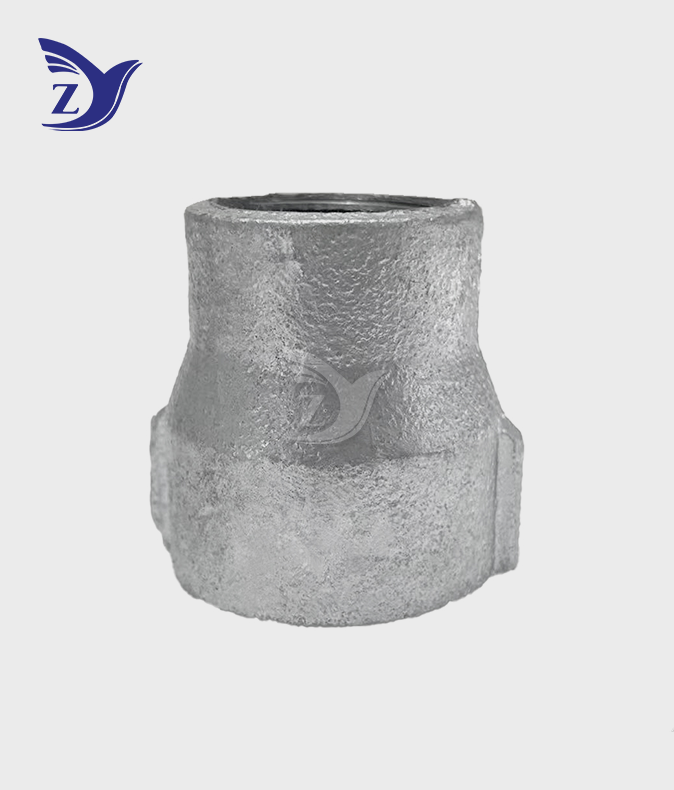
No Hub Electro Galvanized Reducing Coupling Pipe Fitting
NPT Galvanized Union 342 Pipe Fittings