
Apr 1, 2026
What is the maximum length for a nipple fitting?
Nipple fittings may be as long as 12 inches in length, however this can vary greatly depending on thread standards, pipe diameter, and the exact needs of the application. Because these components must maintain their structural integrity while accommodating multiple pipe diameters, the length limits are especially critical for galvanized reducing male nipple pipe fittings. For longer nipples, thicker wall sections are required to avoid thread engagement problems and provide adequate sealing performance in high-pressure applications, according to ASME and ASTM industry requirements.
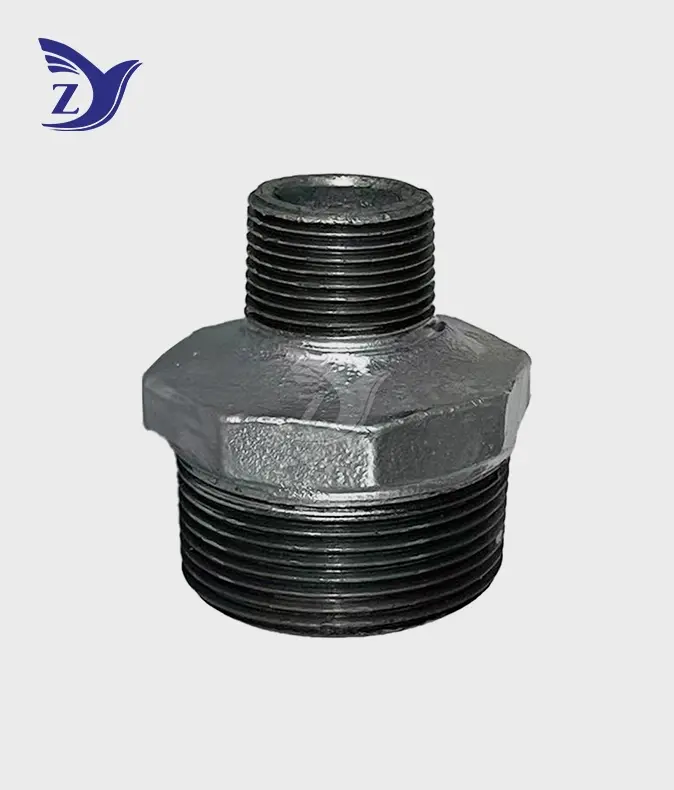
Understanding Nipple Fittings and Maximum Length Constraints
For industrial plumbing systems, nipple fittings are a must-have component for connecting pipes, valves, and other parts. There are many different designs for these threaded fittings; one of the most useful is the reducing male nipple, which allows you to connect pipes of varying sizes without compromising the system pressure.
Industry Standards Governing Nipple Fitting Dimensions
Specific dimensions and maximum lengths for galvanized reducing male nipple pipe fittings are established by the American Society of Mechanical Engineers (ASME) B16.11 and ASTM A733 standards. While preserving safety requirements for different pressure classes, these laws make guarantee that different manufacturers are compatible with each other. Typically, a minimum of 3.5 to 4 full threads are required for good sealing, and the requirements state that nipple lengths must be sufficient to allow this.
In addition to these US standards, there are International Organization for Standardization (ISO) recommendations that cover steel pipe fittings used in the gas and petroleum sectors (specifically, ISO 4144). Excessive length may affect fitting integrity and contribute to possible failure areas in essential applications, which is recognized by these standards.
Material Properties Affecting Maximum Length
Pipelines carrying water or gas are best constructed from hot-dipped galvanized steel due to its high resistance to corrosion. In comparison to black iron alternatives, galvanizing greatly increases service life by coating the material with a protective zinc layer. Because longer fittings are subject to more environmental conditions that might weaken their structural integrity, this increased endurance becomes critical when thinking about maximum nipple lengths.
The load-bearing capacity under different stress situations is determined by the mechanical strength of malleable iron, which is often utilized in nipple fitting construction. To avoid cracking or thread damage, it is important to carefully analyze the material parameters while installing and operating longer fittings, since they undergo larger moment forces.
Application-Specific Length Requirements
Limitations on nipple fitting lengths are specific to certain industrial uses. No fire safety system is complete without fittings that can withstand high and low temperatures without compromising structural integrity or delivering consistent flow characteristics. Due to space constraints in mechanical rooms and the building's infrastructure, HVAC systems sometimes need certain length configurations.
Galvanized fittings are ideal for use in municipal water systems because of their resistance to corrosion and their dependability over time. In order to keep fittings in good working order for the duration of their operating lives, these systems' maximum length considerations strike a compromise between flow efficiency and maintenance accessibility.
Technical Insights on Galvanized Reducing Male Nipple Pipe Fittings
Combining the adaptability of diameter-reducing connections with the long-lasting protection of hot-dipped galvanizing, galvanized reducing male nipple pipe fittings are an elegant answer to the problems that arise in industrial pipes. Reliable sealing performance across different pressure ranges is ensured by the precision-engineered components' NPT or BSPT threading.
Construction and Manufacturing Excellence
Precision machining is used to obtain thread requirements in high-quality malleable iron or carbon steel base materials. This is the first step in the production process. In order to keep the structure intact throughout the fitting length and guarantee smooth flow characteristics, the decreasing arrangement requires meticulous attention to wall thickness transitions.
Because it forms a metallurgical link between the zinc coating and the base metal, hot-dip galvanizing offers better corrosion protection than electroplating. This method usually results in coating thicknesses higher than 70 microns, which means it can withstand harsh environments for a longer period of time. Additionally, small surface imperfections are filled during galvanizing, resulting in a smoother internal surface and better flow properties.
Standard Sizes and Length Configurations
Examples of common decreasing nipple layouts are 1-inch to 3/4-inch or 2-inch to 1.5-inch pipe size transitions, among others. Most commercial and residential uses demand for lengths between 2 and 6 inches, although some industrial uses may need lengths as long as 12 inches to meet exacting specifications.
To achieve the desired result of thread engagement at both ends and sufficient wall thickness in the transition zone, precise machining is required for the decreasing taper design. Because the longer fittings must account for thermal expansion and contraction without sacrificing thread integrity, this engineering task becomes more complicated as the fittings get longer.
Installation Best Practices and Performance Optimization
The performance and lifetime of the fitting are greatly affected by the installation methods used. For galvanized fittings, it is advised to use PTFE tape or anaerobic chemicals as thread sealants. Longer nipples are subject to higher torque forces during installation, therefore it's necessary to be careful not to overtighten the nuts and bolts. This might cause thread damage or cracks in the fitting body.
The standard recommendation from expert installers is to hand-tighten the bolts and then turn them a further 1.5 to 2 turns using a wrench. In applications that are susceptible to vibration or heat cycling, longer fittings may need extra support to avoid stress concentration at thread connections.
Comparison and Decision-Making: Choosing the Right Nipple Fitting Length and Type
When choosing the right length of nipple fitting, it's important to keep in mind things like flow requirements, installation limits, and maintenance needs in the long run. While longer variants provide for more flexibility in resolving issues with pipe layout, shorter fittings often offer superior structural integrity and simpler installation.
Material Comparison and Performance Analysis
When compared to black iron, galvanized steel fittings have better corrosion resistance, and they're cheaper than stainless steel ones, too. The zinc coating offers cathodic protection, which greatly increases the service life in areas with a lot of moisture. Compared to galvanized steel choices, brass fittings have lower pressure ratings and greater material prices, but they provide good corrosion protection.
While stainless steel is indestructible against corrosion, its high price tag makes it unfeasible for use in many commercial settings. Galvanized malleable iron is a good alternative to brass fittings in situations where greater wall thicknesses are required due to pressure since its strength qualities are stronger.
Flow Characteristics and Pressure Considerations
The venturi effect, caused by the decreasing arrangement of these fittings, might affect the pressure characteristics and flow rates of the system. When it comes to applications that need a high level of flow efficiency, longer decreasing nipples are the way to go since they reduce pressure drop better than shorter, more abrupt transitions.
The greater pressure head loss at locations of diameter decrease must be taken into consideration in engineering calculations. In high-velocity applications, turbulence may cause erosion or cavitation, thus it's important to choose the right length to improve flow characteristics and minimize it.
Procurement Strategies and Cost Optimization
Bulk purchase of standard lengths sometimes delivers considerable cost benefits for distributors and large-scale builders. Custom lengths normally fetch a premium price because to the particular manufacturing requirements, while galvanized reducing male nipple pipe fittings made to standard standards usually give the greatest value.
Standard lengths are usually available from stock, but special orders may take several weeks to produce, which is a major difference in lead times. When planning a project's timeline or handling an emergency replacement, this issue of timeliness becomes critical.
Procurement and Supplier Guide for Galvanized Reducing Male Nipple Pipe Fittings
Careful assessment of production capacities, quality certifications, and delivery performance is necessary when selecting dependable suppliers for galvanized reducing male nipple pipe fittings. Having a supplier that can consistently provide high-quality products in bulk is crucial for distributors and big contractors who rely on constant performance.
Quality Certifications and Standards Compliance
An ISO 9001 quality management system, an ASTM material specification, and, if relevant, a pressure vessel code certification are all things that respectable manufacturers have on file. With these seals of approval, customers know their fittings will always meet or exceed performance standards.
As part of the project documentation requirements, material test certificates are provided to establish the chemical composition, mechanical qualities, and coating thickness. These certifications provide verifiable quality records. In situations where strict adherence to industry standards or construction requirements is required, this paperwork becomes invaluable.
Customization Capabilities and OEM Services
Standard catalog products cannot satisfy many industrial applications that need non-standard length configurations or customized thread combinations. Oftentimes, suppliers that have their own in-house machining skills may provide bespoke solutions that are just as high-quality as their typical offerings.
The ability to support distributor branding objectives via private labeling and bespoke packaging is made possible through OEM connections. Distributors are able to provide their clients more value-added advice on fitting selection and application needs thanks to the technical support services that are a common component of these relationships.
Delivery Performance and Inventory Management
Reputable vendors always have enough stock on hand for common configurations and provide fair lead times for special requests. In this way, both scheduled maintenance and construction timelines may be accommodated, and immediate replacement demands can be satisfied.
Delivery prices and transit durations are impacted by geographic distribution networks. This is especially crucial to keep in mind for bulk purchases, since freight accounts for a major amount of overall procurement expenses. By reducing transportation costs and shortening delivery times, suppliers with regional distribution capabilities can provide competitive benefits.
Conclusion
Finding the sweet spot between technological limitations and use-case demands is essential for comprehending maximum nipple fitting lengths. Optimal length selection is dependent on pressure ratings, installation limitations, and performance needs; nevertheless, conventional fittings usually vary from 2 to 12 inches. In industrial settings, galvanized reducing male nipple pipe fittings are an excellent choice due to their long lifespan, resistance to corrosion, and adaptability to a wide range of pipe diameters. These components are essential assets for varied pipe applications because they provide optimum performance throughout the fitting's operating lifetime if properly installed and maintained.
Partner with Zhiyuan Malleable Steel for Premium Galvanized Reducing Male Nipple Pipe Fittings
Zhiyuan Malleable Steel brings over 26 years of casting expertise and manufacturing excellence to every galvanized reducing male nipple pipe fittings order. Our ISO 9001 certified facility produces over 1,000 product specifications with 30,000-ton annual capacity, ensuring consistent quality and reliable delivery for your projects. We offer comprehensive OEM/ODM services, complete certifications including CE, UL, and FM approvals, plus rapid delivery within two hours for standard products from our extensive inventory. Contact our technical team at q1236800000@gmail.com to discuss your specific requirements and discover why leading contractors choose Zhiyuan as their preferred galvanized reducing male nipple pipe fittings manufacturer.
FAQ
What determines the maximum safe length for reducing nipple fittings?
Maximum safe length depends on thread engagement requirements, wall thickness specifications, and pressure ratings. Industry standards typically limit lengths to prevent thread disengagement while maintaining structural integrity under operating pressures.
Can galvanized reducing nipples connect NPT and BSPT threaded components?
NPT and BSPT threads have different angles and pitch specifications, making direct connection inadvisable. Specialized adapter fittings should be used to connect these different thread standards safely and reliably.
How does nipple length affect system pressure drop?
Longer reducing nipples generally create smoother flow transitions, reducing turbulence and pressure drop compared to shorter, more abrupt diameter changes. However, increased length also adds friction losses that must be considered in system calculations.
What maintenance practices extend galvanized nipple fitting life?
Regular visual inspections, proper sealant selection, and avoiding over-tightening during installation significantly extend fitting life. Monitoring for coating damage and addressing minor corrosion early prevents more serious deterioration.
Are there special considerations for high-temperature applications?
Galvanized coatings remain stable up to approximately 200°C, with thermal expansion differences between fitting and connected piping requiring consideration in longer nipples. Proper support and allowance for thermal movement prevent stress-related failures.
References
1. American Society of Mechanical Engineers. "ASME B16.11 - Forged Fittings, Socket-Welding and Threaded." ASME International Standards, 2018.
2. ASTM International. "ASTM A733 - Standard Specification for Welded and Seamless Carbon Steel and Austenitic Stainless Steel Pipe Nipples." Annual Book of ASTM Standards, 2019.
3. International Organization for Standardization. "ISO 4144 - Steel pipes and fittings - Internal coating with cement mortar." ISO Technical Standards, 2017.
4. British Standards Institution. "BS EN 10242 - Threaded pipe fittings in malleable cast iron." BSI Standards Publication, 2020.
5. National Institute of Standards and Technology. "Handbook 44 - Specifications, Tolerances, and Other Technical Requirements for Weighing and Measuring Devices." NIST Publications, 2021.
6. American Water Works Association. "AWWA C110/A21.10 - Ductile-Iron and Gray-Iron Fittings for Water." AWWA Standards, 2018.
Online Message
YOU MAY LIKE
High quality furniture manufacturer
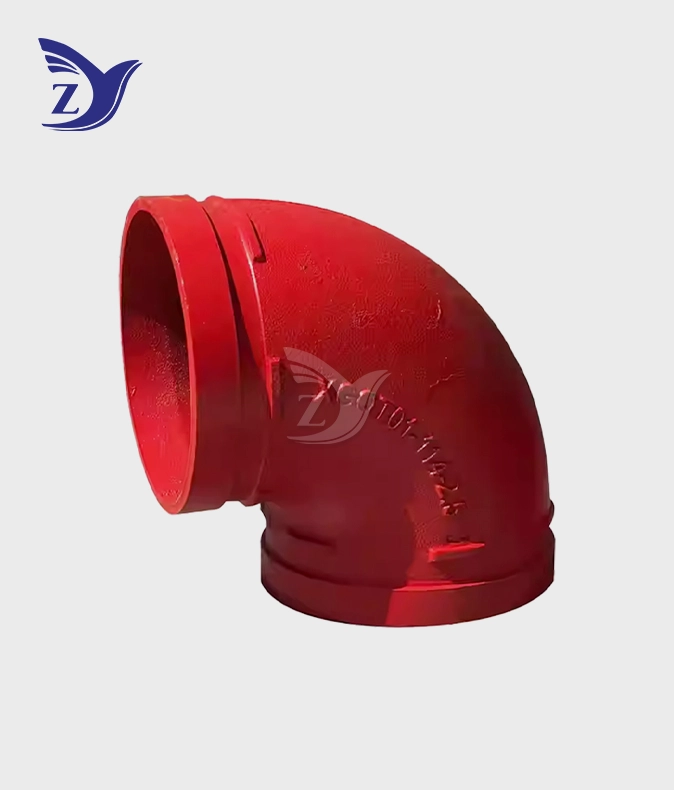
Fire Grooved 90° Elbow
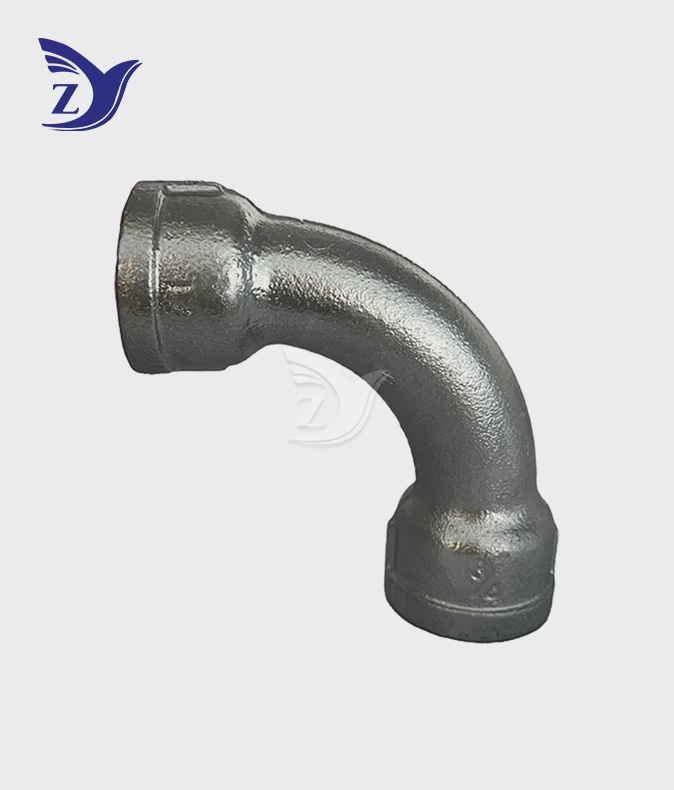
NPT Galvanized Female-Female 90° Long Radius Elbow Pipe Fittings
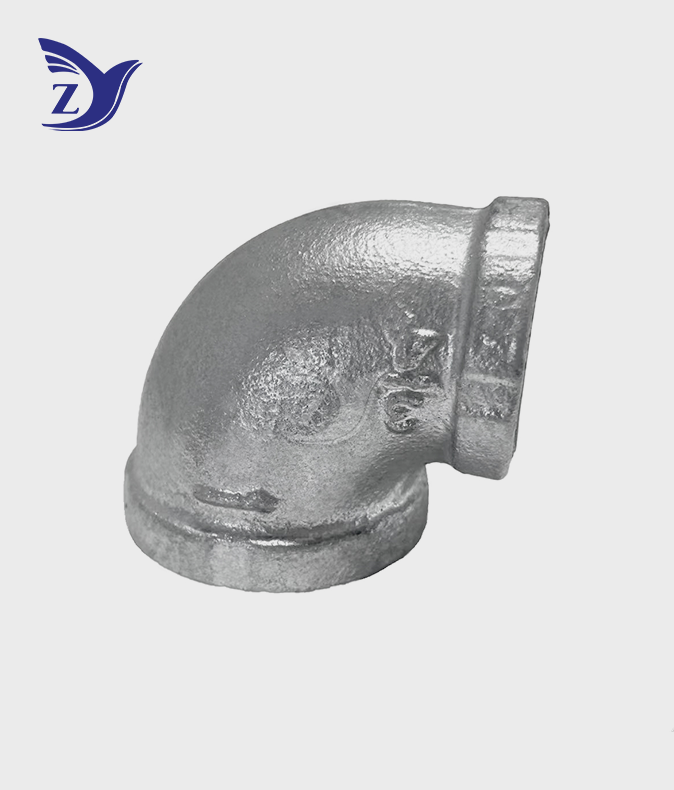
Galvanized NPT 90° Reducing Elbow
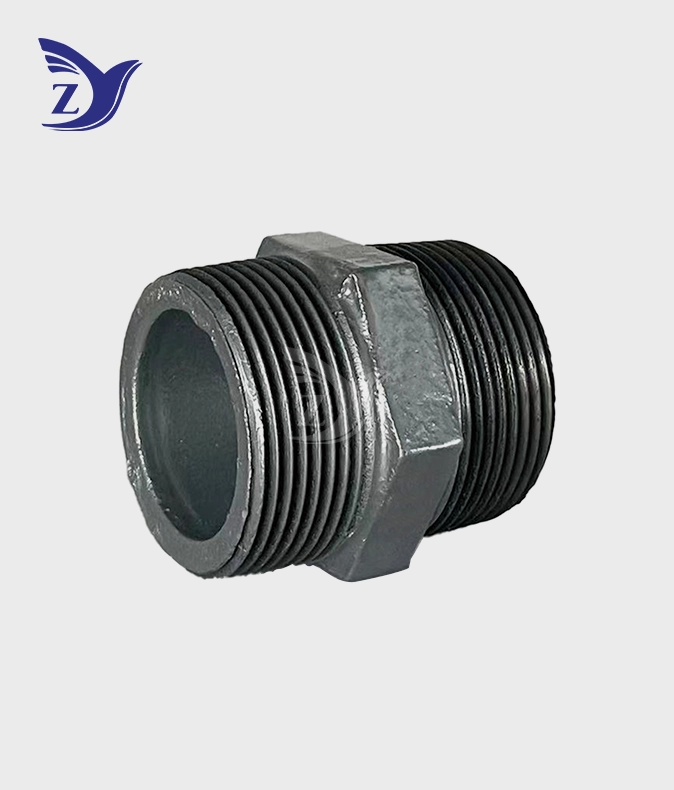
NPT Galvanized Male Nipple Pipe Fittings
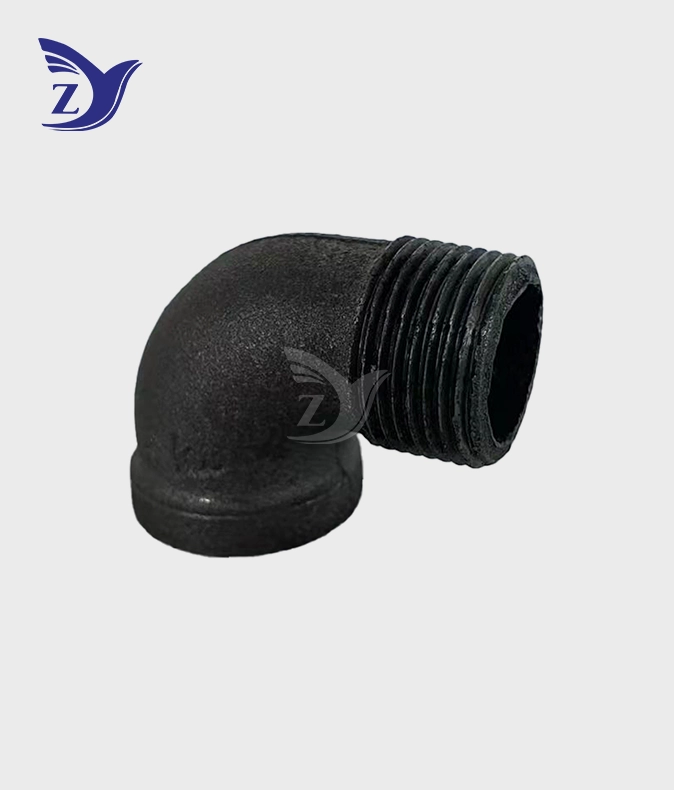
NPT Black Square Face Male-Female 90° Elbow Pipe Fittings
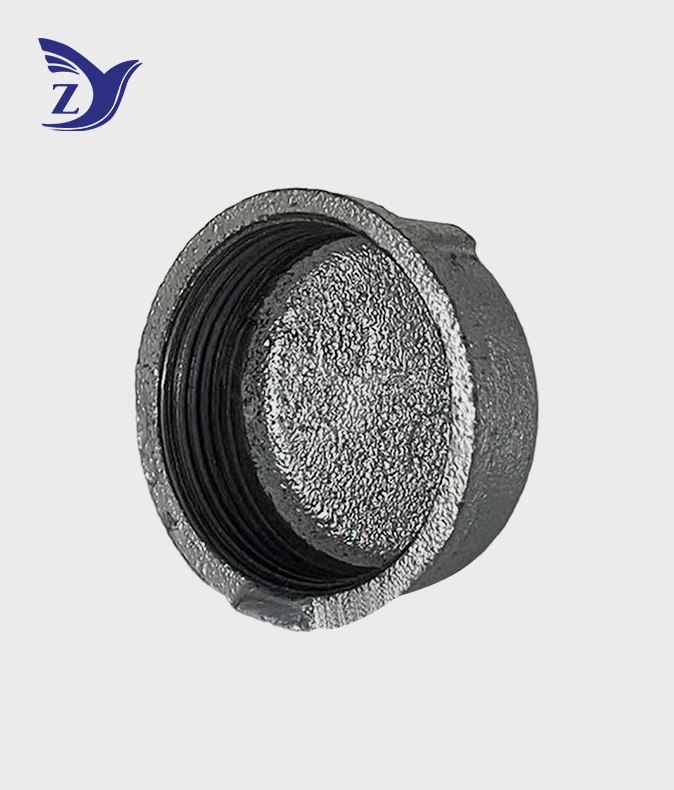
NPT Galvanized Pipe Cap Pipe Fittings
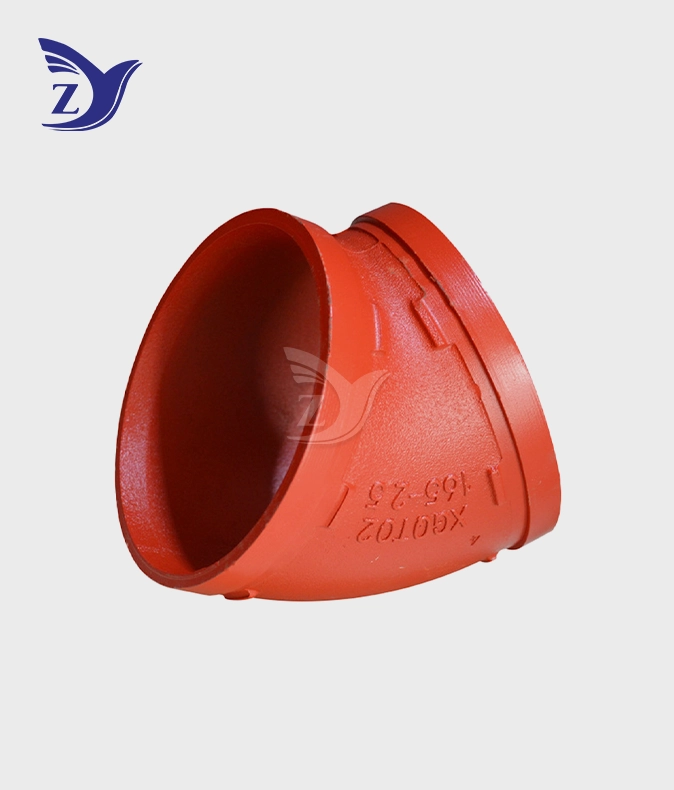
Fire Grooved 45° Elbow
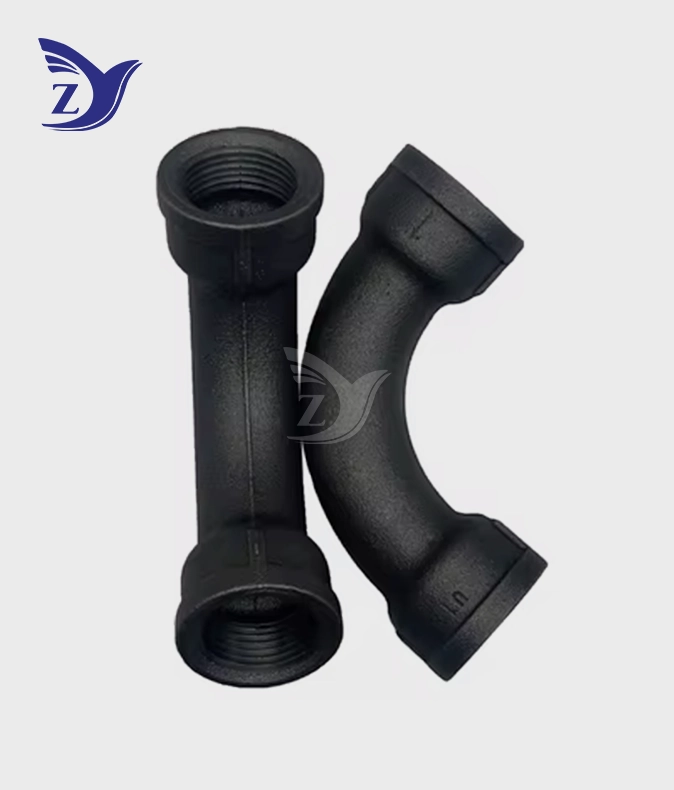
BSPT Black FxF 90° Long Bend Malleable Iron Pipe FittingsFittings