
May 26, 2026
What is the formula for a 45 degree elbow?
Understanding the geometry of directional fittings is important for keeping flow rates high and structures strong when building or updating pipe systems. To find out how long a 45-degree elbow fitting is, use this formula: Center-to-Face Distance = Pipe Radius × tan(22.5°) + Face Width, where 22.5° is half of the elbow angle. This math makes sure that the pipes are lined up correctly when they are being installed, especially when using precision-threaded parts like square face galvanized 45° square edge elbow pipe fittings. These iron fittings can be shaped and have square-edge banding that is strengthened at the threaded ends. This gives them better torque resistance and leak-proof sealing in tough industrial settings. If engineers and procurement experts learn this method, they can make the best use of space while keeping the hydraulic performance of systems like water supply, HVAC, and fire protection.
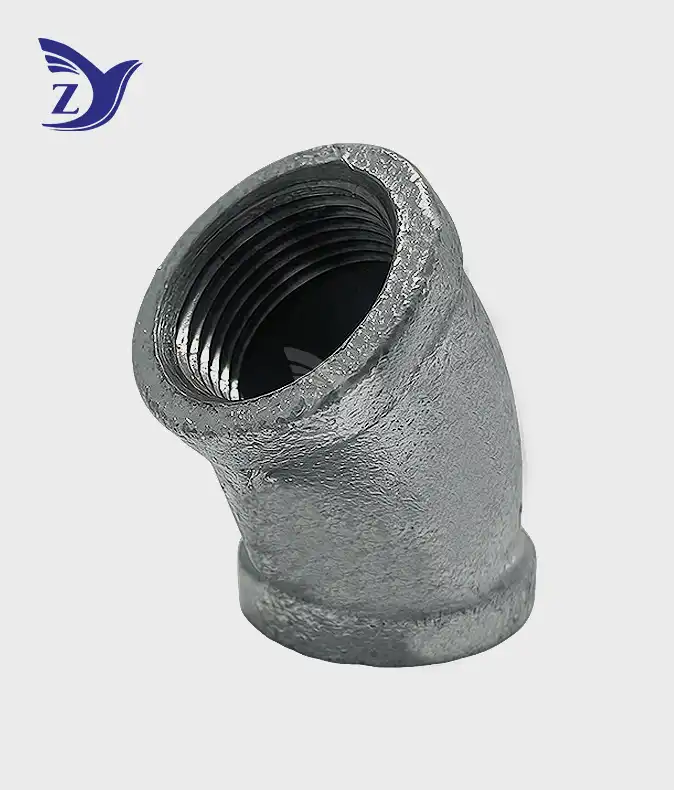
The Formula and Dimensional Calculations for a 45 Degree Elbow
Accurate measurement planning keeps field changes from being too expensive and makes sure that fixed equipment points are properly aligned. During the planning phase, engineers use standard methods to figure out how much space elbow fittings need.
Geometric Principles Behind the 45 Degree Formula
The axis of a 45-degree elbow forms an arc whose radius is set by the standard size of the fitting. You need to know both the arc radius and the thread contact depth in order to find the straight-line distance from the center point of the elbow to the face of either threaded hole. The basic formula for trigonometry is: Offset Distance = Radius × tan(Angle/2).
If you have an elbow that is 45 degrees, half of that angle is 22.5 degrees. The tangent of 22.5° is close to 0.4142. To find the distance between the entrance and exit centerlines, multiply this number by the fitting's centerline radius. The total length of the square face galvanized 45° square edge elbow pipe fittings along each leg can be found by adding the face-to-center measurement, which is made up of the thread depth and the square edge banding width.
This calculation is very important when pipes need to go around structural beams or connect pieces of equipment that have set inlet places. When buying fittings for prefabricated modular systems, procurement teams use these measurements to make sure they get the right number of pieces and the right size. This way, workers don't have to guess and lose material by using the wrong fittings.
Critical Dimensions Defined by ASME B16.3 Standards
Industry guidelines clear up any confusion about fitting measurements, making sure that products can be used anywhere in the world. In pressure pipe systems, ASME B16.3 sets the rules for malleable iron threaded fittings. It says how long the center-to-face lengths should be, how deep the threads should join, and how thick the walls must be at their thinnest points for each pressure class.
The center-to-face measurement tells you how far the fitting's geometric center is from the threaded connection face's outer edge. This measurement has a direct effect on how long of a pipe needs to be placed between two fixed places. These numbers come from standard measurement charts in ASME B16.3 for nominal pipe sizes from 1/8 inch to 6 inches. These standards should be included in procurement specs to make sure that seller quotes show the same sizes.
There is a straight link between wall thickness and pressure numbers. Fittings in Class 150 that can handle 300 psi working pressure have bigger walls than parts in Class 125 that can handle 200 psi. The square edge strengthening adds material to the most stressed areas, like the threaded joints, without making the whole fitting body heavier than it needs to be. This targeted reinforcement improves the strength-to-weight ratio, which is important to think about when pipe systems need to be braced for earthquakes or have estimates for structural support done.
Application of Galvanized 45° Square Edge Elbow Fittings
The benefits of square face galvanized 45° square edge elbow pipe fittings are maximized when they are installed correctly. Common mistakes that weaken joints are avoided.
Threading Best Practices for Galvanized Components
When putting the parts together, extra care needs to be taken with the galvanized finish so that damage doesn't happen that could lead to rust. Thread sealants do two things: they lubricate threads during makeup to keep them from galling, and they fill in tiny holes to make sure seals don't leak. Paste-type thread sealants that have zinc bits in them work well with galvanized fittings and protect the joint from rust.
Sealant should be put on the threads of the male pipe instead of the threads of the female fitting. By doing this, the sealant doesn't get pushed into the pipe, where it could get dirty and affect the whole system. Leave the first thread bare so that it can engage properly after two or three wraps. Tighten the link by hand until there is strong resistance. Then, use a pipe wrench to add another 1.5 to 2.5 turns. If you tighten the joint too much, it can crack, and if you tighten it too little, there are holes that let pressure through.
It's easier to use the wrench when the edge is straight. Lay the jaws of the wrench flat on the strengthened bands to spread the force of the grip over the largest area. When wrenches slip on smooth surfaces, they leave tooth marks and damage the finish. This method stops those problems from happening. Long-term rust resistance is maintained by keeping the coating intact at joints, where threaded links leave cracks that can let water build up.
Industry-Specific Application Scenarios
Fire prevention devices are difficult to use, and the safety of people depends on the reliability of their parts. At a 45-degree angle, sprinkler branch lines can go around structural parts while keeping the hydraulic balance across multiple outputs. Our fire protection engineering customers have told us that the smaller pressure drop through 45-degree fittings compared to multiple 90-degree bends helps make the most of the area that a single riser can cover.
Square face galvanized 45° square edge elbow pipe fittingss like these are used a lot in industrial HVAC systems to distribute cold water and connect condensers. Galvanized coats are useful in mechanical rooms where humidity makes rusting happen faster because they don't rust. The threaded links make it possible to take the equipment apart for repair without cutting the pipe. This cuts down on the time it takes to replace pumps or valves.
The pressure grade and mechanical strength of malleable iron construction make it useful for industrial processes that use gases that don't corrode. In factories that make things, systems that distribute compressed air send pipes through crowded equipment areas. The 45-degree slope makes this possible. The anti-rust features make sure that internal rusting doesn't spread rust particles to air tools or product surfaces.
Municipal water distribution networks increasingly specify galvanized malleable iron fittings for meter vault pipes and service laterals that connect mains to buildings. The durability in soil environments containing moisture and dissolved minerals justifies the material selection for permanent underground installations. Fittings that are fitted correctly in these situations have been shown to last more than 50 years before they need to be replaced.
Comparing Galvanized 45° Square Edge Elbows with Alternatives
For every pipe job, there are different material and design options, and each has its own benefits based on the needs of the project. Comparing square face galvanized 45° square edge elbow pipe fittings objectively helps people who work in buying find the best value across a number of performance factors.
Galvanized vs. Stainless Steel Fittings
Fittings made of stainless steel are better at resisting rust in harsh chemical conditions and high temperatures. Type 316 steel can handle chlorides, acids, and caustic solutions that would quickly damage galvanized coats. But this performance comes at a much higher cost—for the same sizes, the price is often three to five times that of galvanized malleable iron.
Because of the higher cost, stainless steel isn't usually a good choice for normal water, HVAC, and fire protection uses where galvanized fittings are enough to prevent corrosion. For projects that want to stay within their budget, choosing galvanized parts for general-purpose use and stainless steel for specific chemical contact points is a good idea. This selective method makes the best use of capital expenditures without putting the stability of the system at risk.
Different materials also have different installation issues. Because stainless steel has a lower coefficient of friction, it is important to carefully control the pressure when threading to avoid galling, which is a type of sticky wear that hurts threads. Galvanized fittings are easier to install, so you don't need to be an expert to do it right. This also makes mistakes less likely to happen in the field.
Square Edge vs. Round Edge Performance Differences
There are real benefits in fitting and longevity with the square edge reinforcement design over standard round edge profiles. Field tests have shown that square edge fittings can handle about 15 to 20 percent more pulling force before they deform than round edge fittings with the same wall thickness. Because it's stronger, workers can get the threads to connect properly without damaging the fitting.
Square face galvanized 45° square edge elbow pipe fittings save time during installation by keeping tools from slipping on their flat wrench-bearing sides. When contractors work on big jobs with a lot of threaded connections, they say they save a lot of time because they don't have to move wrenches around or change fittings that get broken during assembly. Over the course of large building projects, these small time savings add up and have an effect on how well the total plan is met.
From a hydraulic point of view, both systems work the same because the internal flow paths are the same. The shape of the external support doesn't change how the fluid moves inside the fitting. It makes a difference in performance during installation and over the life of the product because the square edge design can handle mechanical pressures better at threaded joints.
Angle Selection Considerations for System Optimization
Choosing between 45-degree and 90-degree bends changes how well the system works and how hard it is to install. 45-degree fits have a softer deflection angle, which lowers turbulence and the pressure drop that comes with it. Hydraulic studies show that a single 90-degree elbow causes more friction loss than two 45-degree elbows set up to make a 90-degree change in direction. This trait helps systems where the pressure gap is small.
Because of limited space, square face galvanized 45° square edge elbow pipe fittings are sometimes necessary, even though they are not as good for hydraulics. In equipment rooms that aren't very big or upgrade situations with set connection points, the extra length that 45-degree fittings need might not be possible. By looking at the three-dimensional route path during the planning process, you can find places to use 45-degree fittings when room allows and 90-degree components when you have to work within certain geometric limits.
Mitered fittings, which are made by cutting straight pipe at an angle, let you make special angles, but they don't have the thicker walls of molded elbows. Because mitered joints aren't as strong, they can't be used in low-pressure drainage systems. For long-term dependability, pressure pipe uses need standard molded joints that keep their shape.
Conclusion
Engineers and procurement workers can make better pipe systems that balance performance, durability, and cost if they know the geometric formula and size requirements for 45-degree elbows. When compared to regular round edge profiles, the square edge reinforcement design makes fitting faster and better maintains joint integrity over time. The galvanized, malleable iron design prevents corrosion, so it can be used for decades in a wide range of situations, from fire defense to industrial process pipes. The project will be successful if the strategic provider is chosen based on their verified certifications, production capacity, and shipping dependability. In our 26 years of manufacturing experience, we've seen that clear material specs and quality-focused buying habits keep systems from breaking down and needing to be replaced too soon, which costs a lot and lowers their reliability over time.
FAQs
How do you figure out how long a 45-degree arm is?
The formula to find the center-to-face distance is Radius × tan(22.5°) + Face Width. This number tells you how far the fitting's middle bends. A tangent of 22.5 degrees is equal to about 0.4142. Multiply this number by the radius of the fitting, and then add the distance from the center point to the threaded face. These values come from ASME B16.3 dimensional standards for normal malleable iron fittings, so you don't have to do any math to figure out usual sizes.
Which is better: coated or bare iron parts that can be shaped?
Galvanizing greatly increases the useful life of things that are subject to moisture. The zinc covering acts as a shield and stops cathodic corrosion, which stops rust from forming. According to ASTM B117 salt spray standards, galvanized parts last 10 to 20 times longer than bare iron in the same conditions before they start to rust. This long-lasting quality makes the slightly higher cost worthwhile, especially for setups that need to be replaced but would cost a lot to dig up or take time away from the system.
In current systems, can square-edge elbows be used instead of round-edge fittings?
Yes, because they both use standard NPT or BSPT threading, square edge and round edge valves can be used in place of each other. The shape of the outside reinforcement is different, but the internal passageways and thread specs are the same. The square edge shape makes it easier to use a wrench and resists torque better during fitting. When replacing square edge fittings during repairs or additions, there is no need to make any changes to the current pipes.
Partner with Zhiyuan Malleable Steel for Certified Square Face Galvanized Fittings
At our 50,000-square-meter factory in Shanxi Province, Zhiyuan Malleable Steel makes galvanized 45° square edge elbow pipe fittings that are reliable. These fittings are made using ISO 9001 quality methods. Our 156 manufacturing equipment units can produce 30,000 tons of goods every year, so we can always meet the needs of projects of any size. Standard store items are shipped within hours of an order being confirmed. To make sure that each fitting meets the requirements of ASTM A197 material standards and ASTM A153 galvanizing standards, it is thread-gauged, hydrostatically tested, and its coating thickness is checked. Our dedicated OEM/ODM engineering team can help with customization needs for thread setups that aren't standard or for sizes that aren't standard. As a straight square face galvanized 45° square edge elbow pipe fittings supplier, we don't have to pay markups to distributors. We also keep our CE, UL, and FM certifications, which meet North American standards. Email our technical team at q1236800000@gmail.com to talk about the details of your project and get full quotes with approved material proof. You can look through our full catalog of malleable iron pipe fittings, grooved couplings, and custom casting options at zymalleablepipefitting.com. We put quality first and offer a guarantee for replacing any faulty products.
References
- American Society of Mechanical Engineers (2022). ASME B16.3: Malleable Iron Threaded Fittings, Classes 150 and 300. ASME Standards Collection.
- ASTM International (2021). ASTM A197/A197M: Standard Specification for Cupola Malleable Iron. Annual Book of ASTM Standards, Volume 01.02.
- ASTM International (2020). ASTM A153/A153M: Standard Specification for Zinc Coating (Hot-Dip) on Iron and Steel Hardware. Annual Book of ASTM Standards, Volume 01.06.
- National Fire Protection Association (2022). NFPA 13: Standard for the Installation of Sprinkler Systems. NFPA Codes and Standards.
- Hydraulic Institute (2021). Pipe Friction Manual. Hydraulic Institute Engineering Data Books, 5th Edition.
- American Water Works Association (2019). Steel Pipe: A Guide for Design and Installation, Manual M11. AWWA Manuals Series, 5th Edition.
Online Message
YOU MAY LIKE
High quality furniture manufacturer
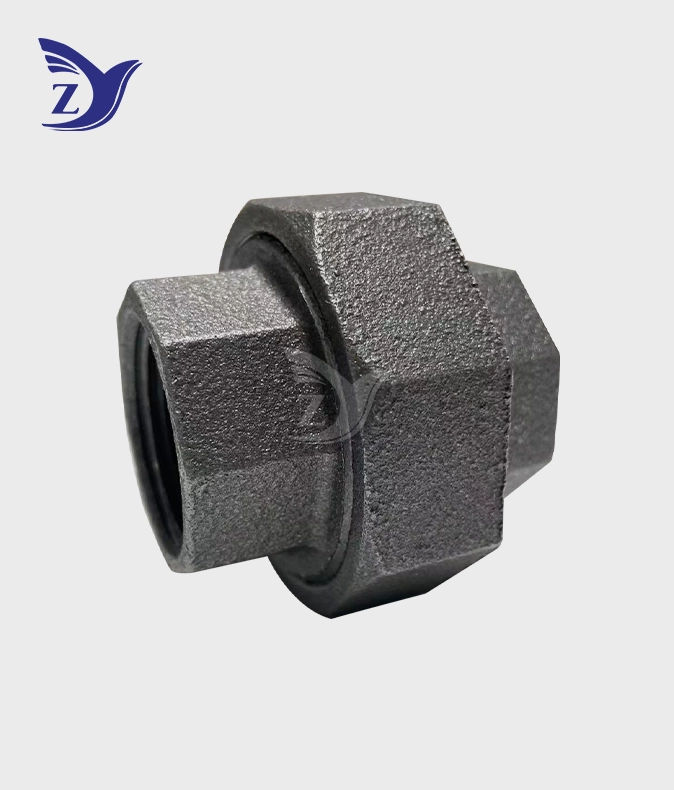
NPT Black Union 340 Pipe Fittings
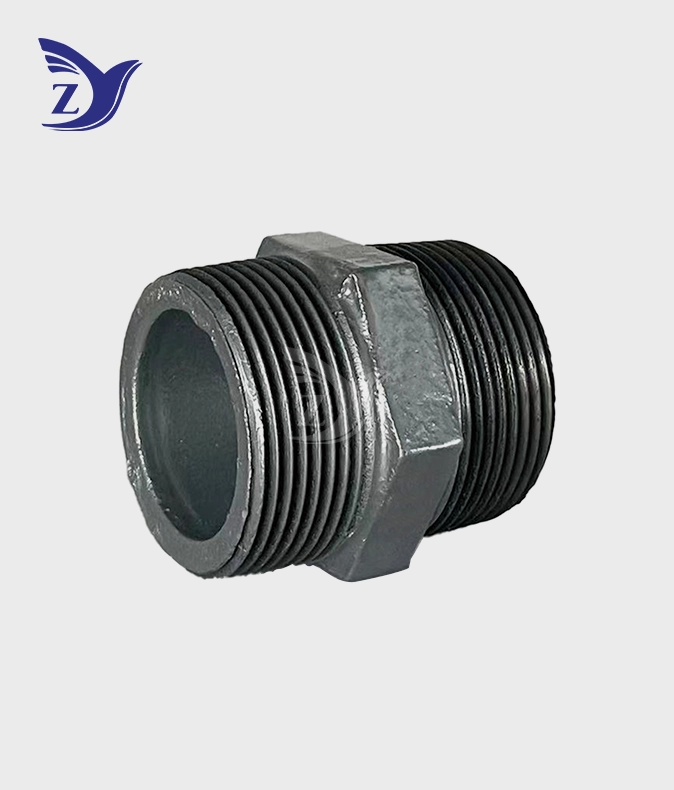
NPT Galvanized Male Nipple Pipe Fittings
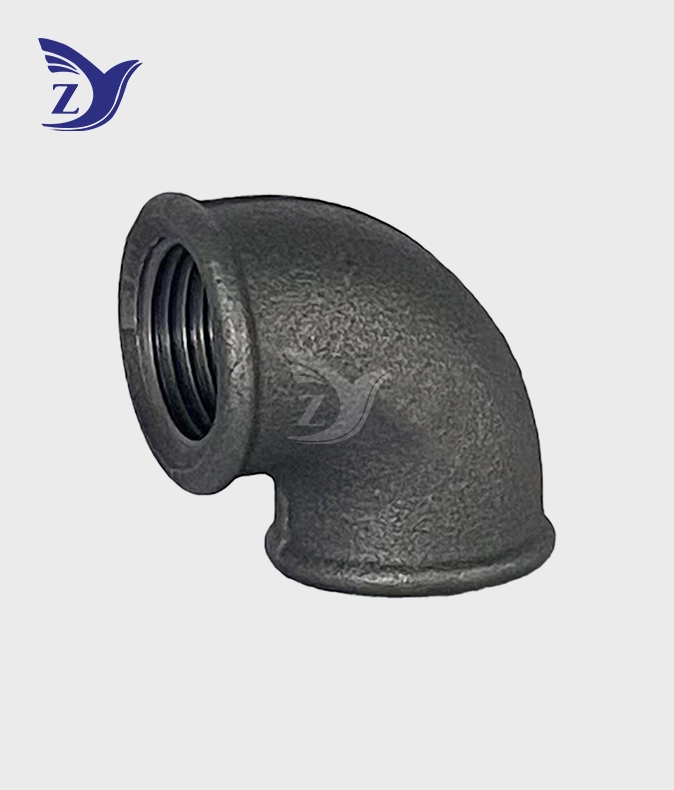
NPT Black Round Face 90° Elbow Pipe Fittings
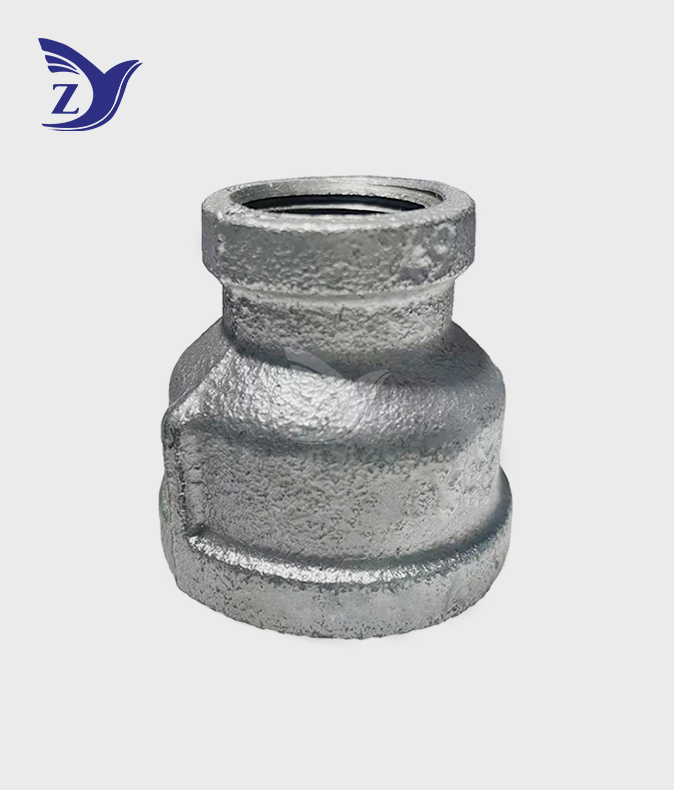
BSPT Square Face Galvanized Square Edge Reducing Coupling Pipe Fittings
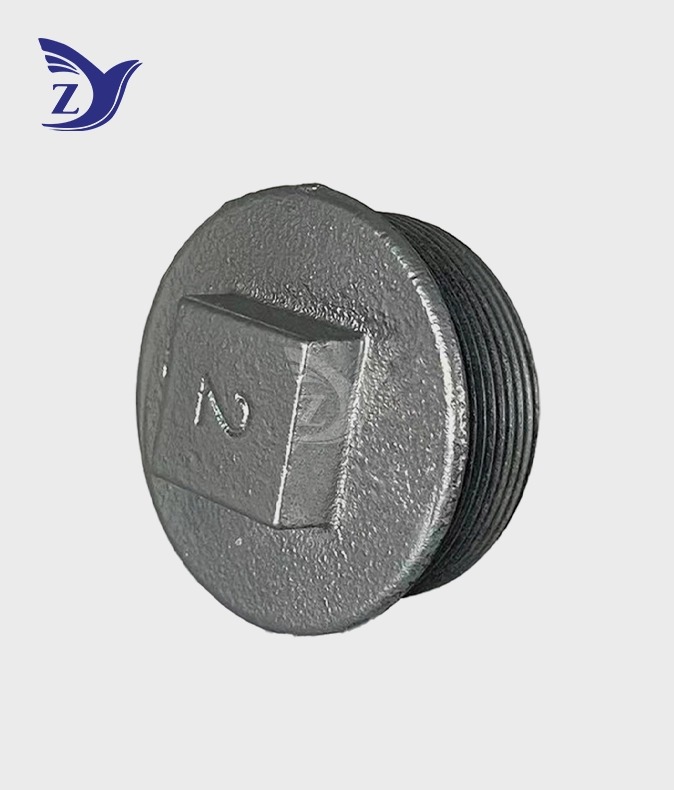
NPT Galvanized Flanged Pipe Plug Pipe Fittings
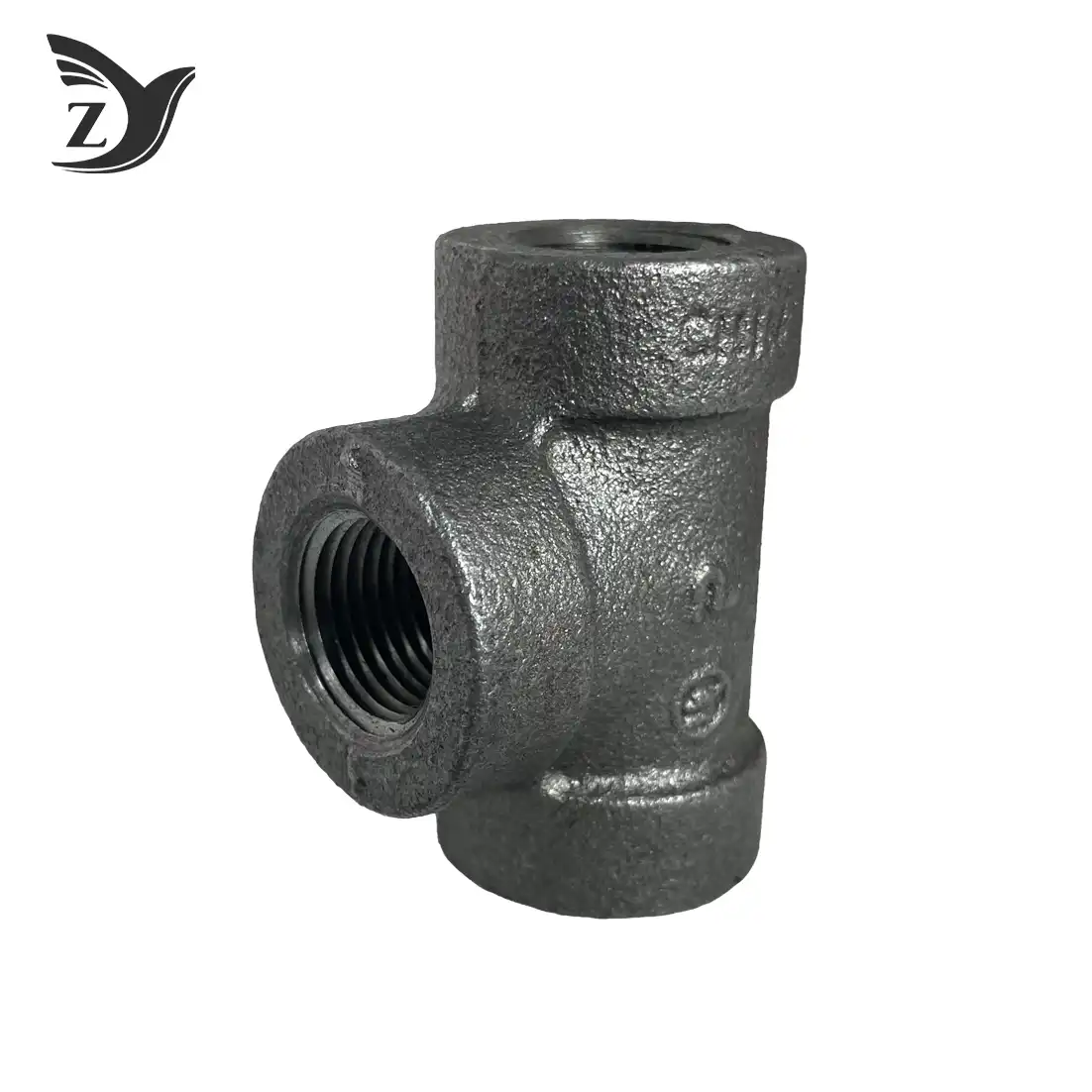
Black 300# Malleable Cast Iron Tee Pipe Fitting
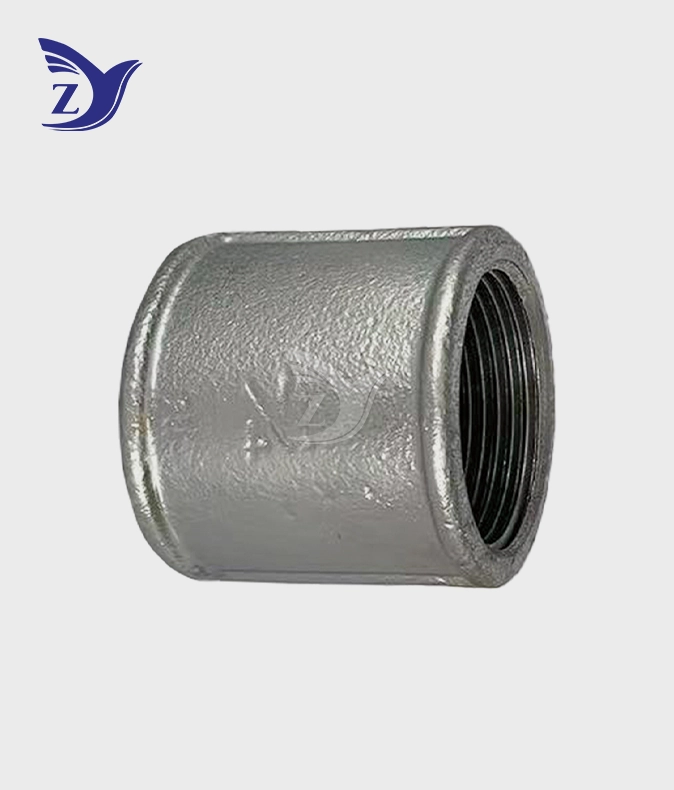
NPT Round Face Galvanized Round Edge Coupling Pipe Fittings
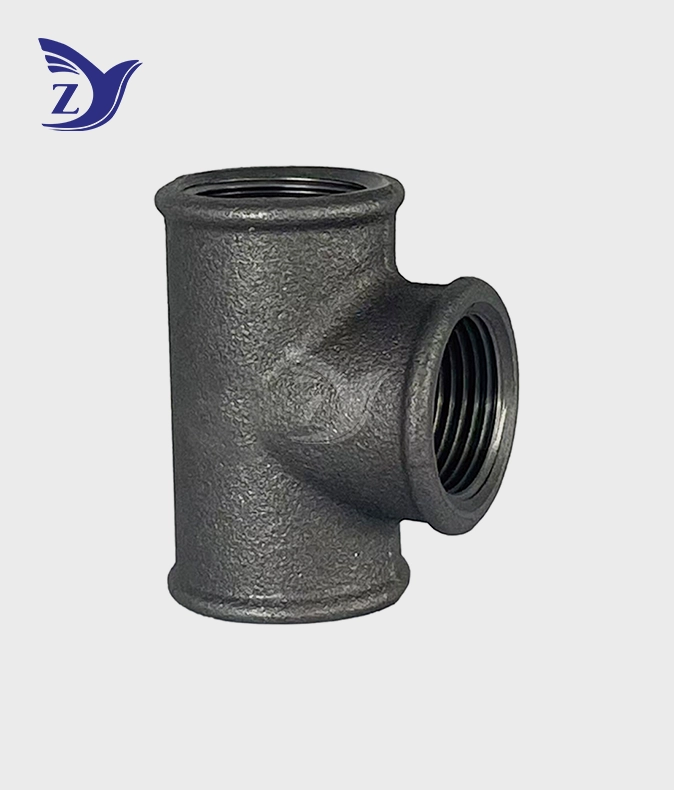
NPT Black Round Face Straight Tee Pipe Fittings