
Jul 27, 2026
What is the difference between class 150 and class 300 malleable iron caps?
Knowing the pressure class grades of pipe fittings for industrial projects is very important for making sure the system works properly. The Class 150 and Class 300 malleable iron caps are basically different in how well they can handle pressure and how strong their structures are. Class 150 caps can usually handle working pressures of up to 300 psi at room temperature, making them good for common plumbing and HVAC uses. Class 300 caps, like the class 300 black coated malleable iron cap, are made to withstand much higher pressures—up to 600 psi—thanks to their thicker walls, heavier construction, and better coatings that keep them from rusting in harsh environments like petrochemical plants and high-pressure steam systems.
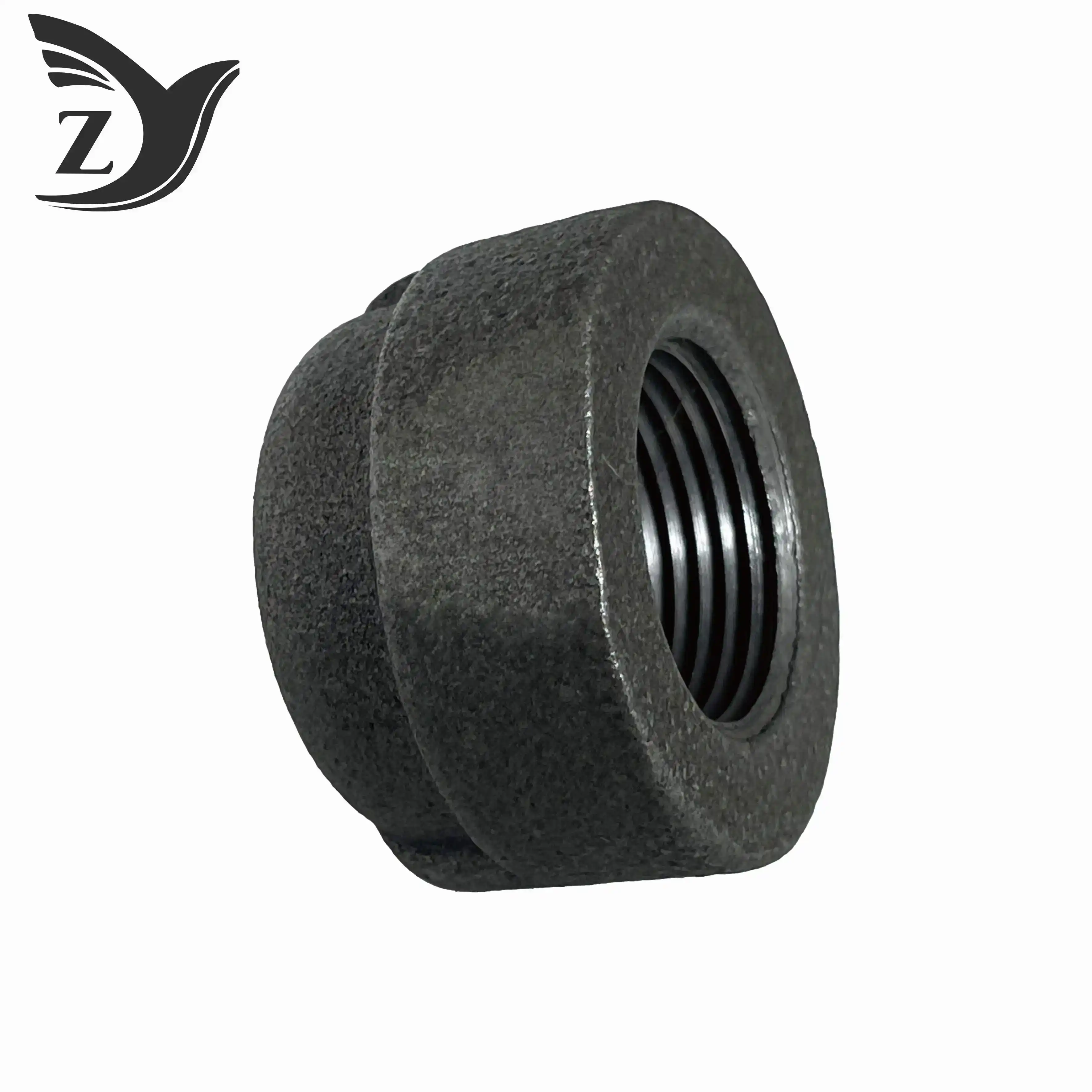
Understanding Malleable Iron Caps and Pressure Classes
Manufacturing Process and Material Properties
White iron castings are heated to around 1650°F (900°C) and then cooled down under controlled conditions to make malleable iron caps. This heat treatment changes cementite structures that are brittle into graphite nodules that are spread out in a ductile ferrite matrix. The finished product has a tensile strength of over 40,000 psi and a yield strength of around 30,000 psi, which is what ASTM A197 calls for. Grey cast iron breaks when hit, but malleable iron can handle shock loads without cracking. This is a very important feature for systems that are vibrating or going through thermal cycles. The annealing process usually lasts between 48 and 72 hours, and the cooling rates are carefully controlled to make sure that the fitting body has the best grain structure and mechanical performance.
Role of Black Coatings in Corrosion Protection
When black coats are put on malleable iron caps, they are made of either black oxide layers or special lacquers that are made to keep moisture out during storage and the first few uses. These coatings don't offer the ultimate protection that hot-dip galvanizing does, but they do stop flash rusting and protect well against mild atmospheric corrosion. When black anti-rust coating is applied evenly, it forms a shield that stops moisture from getting in. This is especially helpful in wet places or when installing outside before full system pressurization. When these coatings harden at high temperatures, they stick tightly to the iron substrate and can handle small flaws on the surface. When kept up properly, black coated caps can last for years in non-corrosive media. However, settings that are very acidic or salty may need higher-quality materials like stainless steel.
Pressure Class Standards and Regulatory Framework
ASME B16.3 sets the standards for pressure-temperature ratings, thread specifications, and size limits for malleable iron threaded fittings that are used in many North American businesses. Pressure classes show the highest pressures that can be used at certain temperatures. As the running temperature rises, derating factors are used to lower the pressures. Class 150 fittings can handle 300 psi at 150°F, but only about 240 psi at 300°F because the material loses strength at higher temperatures. Class 300 black coated malleable iron cap ratings are twice as high as these levels. They can handle 600 psi of cold working pressure and lower the rating proportionally as the temperature rises. These standards make sure that parts from different makers can be used together and give engineers reliable design guidelines. Third-party testing and certification, like UL, FM, or CE markings, gives contractors and facility operators more confidence that fittings meet published specifications. This lowers their liability risk.
Key Differences Between Class 150 and Class 300 Malleable Iron Caps
Pressure and Temperature Performance
The most important difference between these groups is the amount of pressure they can hold and the safety limits that go with it. Class 300 threaded caps have walls that are 30–40% thicker than Class 150 versions. This means that they can handle twice as much pressure. The wall of a 2-inch Class 150 cap might be 0.18 inches thick, while the wall of a Class 300 cap would be 0.25 inches thick. This extra mass of material makes it possible for the fitting to handle the stresses inside that are caused by high-pressure fluids without breaking or deforming.
Ratings for temperature follow the same patterns. Class 150 caps work effectively in systems that work below 350°F, which is common for low-pressure steam, heating water, and distributing compressed air. In some cases, Class 300 black coated malleable iron caps can handle temperatures up to 450°F, which means they can be used with medium-pressure steam engines and process heaters. The heavier construction also increases thermal mass, which makes it less likely that thermal shock will happen during rapid heating or cooling cycles that are common in industrial settings.
Dimensional and Weight Specifications
Besides having thicker walls, Class 300 black coated malleable iron caps have bigger outside measurements and a lot more weight. A 1-inch Class 150 cap weighs about 0.3 pounds, while a similar Class 300 unit weighs up to 0.6 pounds. This is twice as much, so it needs to be taken into account when designing hangers and doing estimates for structural loads. Thread engagement levels stay the same according to NPT standards, but the hex flats on Class 300 caps get bigger to handle higher installation torque needs, which are usually 15 to 25 percent higher than in Class 150 uses. The different sizes have an effect on how much can be stored, how much it costs to ship, and how easy it is to install. This is especially important for distributors who have to keep track of large inventories or contractors who work in small areas where the size of the fittings makes it harder to get to and move around existing infrastructure.
Coating Performance and Longevity
Both classes can accept black coatings, but Class 300 caps are thicker, so the coating has more surface area to stick to and go deeper into the micro-textures of the surface. Coatings are put on at factories like Zhiyuan Malleable Steel using controlled dipping or spraying techniques, which makes sure that all threads and surfaces are covered evenly. The integral one-piece casting design gets rid of any welded joints or joined parts where coatings could wear off or crack, keeping moisture shields in place all the time. Comparative field tests showed that Class 300 black coated caps could be stored outside for 18 to 24 months without rusting, while standard Class 150 units could only be stored outside for 12 to 15 months under the same conditions. For wholesalers and shippers who keep regional stock in different warehouses, this longer shelf life keeps inventory from going bad.
Cost Analysis and Procurement Implications
Different prices for Class 150 and Class 300 black coated malleable iron caps are due to different types of materials, longer production times, and more complicated coatings. Class 300 units usually cost 40 to 60 percent more than Class 150 units when bought in small amounts. This difference is much smaller when you buy in bulk. When you buy more than 500 pieces, the unit costs often drop by 25–35% because of economies of scale in the casting, cutting, and finishing processes. Cost differences up front must be weighed against lifetime costs by procurement professionals, who must take into account how often things need to be replaced, how much it costs to have a system down, and the possible liability that comes from premature fails. Class 300 standards are usually worth it for projects that will be used for many years, even if they cost more at first. On the other hand, temporary installations or systems that are changed often may benefit from using cheaper Class 150 parts that can be replaced as the design changes.
Applications and Use Cases for Class 150 vs Class 300 Malleable Iron Caps
Class 150 Applications in Standard Systems
Class 150 malleable iron caps are used in most plumbing systems in homes and light businesses, as well as public water supply systems that work below 200 psi. Pressure spikes or temperature extremes that are hard for Class 150 ratings don't happen very often in these places. In standard-hazard areas, fire sprinkler branch lines, irrigation mainline terminations and natural gas distribution laterals working at 60 psi or less are all good examples of Class 150 uses. This is because overspecification costs money and time without increasing safety margins. The lighter weight makes installation easier in places like ceilings or underground tunnels where workers have to move parts around overhead or in awkward positions for long periods of time.
Class 300 Applications in Demanding Environments
Class 300 black coated malleable iron caps need to be built strong because they are used in petrochemical factories, power plants and high-rise building steam systems. Oil and gas processing equipment usually works at 400 to 600 psi and is exposed to corrosive hydrocarbons, which quickly wears down lighter fittings. I worked as a consultant for a municipal heating plant that replaced failing Class 150 caps with Class 300 black coated units across the condensate return headers. This got rid of the need for quarterly maintenance and cut the number of emergency repair calls by 70% over the next few operating seasons. The black coating's better resistance to rust was especially useful in wet condensate settings where iron that hadn't been treated oxidized more quickly. The same is true for industrial irrigation systems that serve big farms, especially in places with hard water or chemical fertilizer input that damages ferrous materials that aren't protected.
Comparative Case Study: Fire Protection Systems
Fire safety engineering gives us clear examples of how to choose the right class. Wet pipe sprinkler systems in office buildings usually call for Class 150 caps at branch line dead ends. These caps can handle static pressures of 175 psi and surges that happen during pump tests. For safety reasons, all mains and risers in high-rise buildings with fire pumps that produce 350 psi on the upper floors must have Class 300 caps. A 45-story business tower project in Houston originally called for Class 150 everywhere to keep costs down, but a review of the plan found areas with pressures above what is considered safe. Changing upper-floor caps to Class 300 added $8,000 to the cost of fixing them, but it also removed the risk of being sued for catastrophic failures during real fires, when system dependability is life-critical.
How to Choose the Right Malleable Iron Cap for Your Project?
System Pressure Assessment and Safety Factors
Figure out the highest working pressure, taking into account surges, pump overpressure situations, and the effects of heat expansion. As a minimum, use 2:1 safety factors. If the calculated pressures reach 250 psi, specify Class 300 caps that can handle 600 psi of working pressure. These calculations are made harder by the fact that pressure tests have to be done. For example, hydrostatic tests at 200 psi working pressure usually hit 400 psi test pressure, which means that Class 300 parts have to be used even when running pressures are below Class 150 limits. Check the rules set by your local government and your insurance company. In many places, the lowest pressure class required for certain uses is required, even if the system pressures are calculated to be higher.
Material Compatibility Considerations
Standard NPT or BSPT threaded joints let steel, black iron, and ductile iron pipes fit into malleable iron caps. Products like Zhiyuan's class 300 black coated malleable iron cap can be used on more international projects because they are compatible with two different thread types. This is helpful because BSPT threads are most common in British Commonwealth markets. When the right thread coatings or tapes are used according to the manufacturer's instructions, precision thread cutting guarantees a tight seal that doesn't leak. Because of the risk of galvanic corrosion, don't connect directly to copper, brass, or aluminum pipes unless dielectric unions provide isolation. In low-corrosion settings, stainless steel piping systems can sometimes work with iron fittings that can be shaped. However, material compatibility studies should be done to make sure that the fittings are electrochemically compatible with the service fluids and working conditions.
Alternative Materials Comparison
Galvanized iron caps that can be shaped add zinc coats that protect against rust, making them more durable than black coatings in outdoor settings. Stainless steel caps don't rust at all, but they cost 4 to 6 times more than iron caps that can be shaped. Ductile iron caps are about as strong as steel caps but lighter, but they are hard to find in threaded forms. The following comparison shows some important trade-offs:
- Black coated malleable iron delivers cost-effective performance in controlled environments with known service conditions, making it the standard choice for fire protection, HVAC, and process water systems. Inventory is easy to get through established supply lines, and it works with existing placement methods. This makes it easier for contractors and building teams to adopt.
- Galvanized fittings suit outdoor installations, draining condensate, and uses that get wet and dry sometimes where zinc sacrificial protection extends service life beyond black coatings.
- Stainless steel addresses highly corrosive chemicals, marine environments, or food processing facilities requiring FDA-compliant materials resistant to aggressive cleaning agents.
Procurement choices balance the prices of materials against the frequency of maintenance, the logistics of replacement, and the costs of downtime to find the best total cost of ownership over the lifecycle of a project.
Procurement Best Practices
For fire prevention uses, get caps from companies that have ISO 9001 certification and third-party approvals from groups like UL or FM. Ask for mill test records that list the materials used, the results of any mechanical tests, and readings of the coating's thickness. Set minimum order quantities by weighing the costs of keeping inventory against volume discount thresholds. Zhiyuan Malleable Steel's factory can handle both small contractor orders and large distributor purchases by offering flexible production scheduling. Check wait times when planning the project, especially for non-standard sizes or coating specs that need specialized production runs. Usually, standard stock items are shipped within days. However, based on the size of the order and the factory's production line, custom setups may need 4 to 6 weeks to be made.
Conclusion
When choosing between Class 150 and Class 300 malleable iron caps, you have to think about how much pressure is needed, the weather, and your budget. Class 300 black coated versions work great in high-pressure industrial systems because they can handle twice as much working pressure, are more resistant to rust, and last longer, which makes up for their higher starting costs by lowering the number of times they need to be maintained or replaced. Fire protection contractors, municipal utilities, and industrial facilities all need procurement professionals who can check the certifications of materials, use the right safety factors, and buy from reputable manufacturers who keep strict quality control. By knowing these technical differences and application details, you can make specification choices that protect system stability while keeping project costs low for a wide range of piping installs.
FAQs
Can Class 150 caps be used instead of Class 300 caps in high-pressure situations?
Using lower-rated parts instead of required ones goes against the rules and increases the chance of dangerous failure. Class 150 caps don't have thick enough walls to hold pressures higher than 300 psi, which can cause them to rupture and leak hot fluids or flammable gases. Always match or go beyond the design pressure of the system with the right fitting ratings.
How does the black finish make the cap last longer?
Black coatings that don't rust keep water from touching the base iron, which stops oxidation while it's being stored or used in light situations. Even though they aren't as strong as galvanizing, these coatings protect iron well enough in controlled settings, like indoor pipe systems with fluids that don't corrode. They also make iron last longer than bare iron by years.
How long does it take to get a large order of Class 300 caps?
Standard sizes from trusted sources can be shipped within 2–7 days if they are in stock. Dedicated production runs may take 4 to 6 weeks for big or custom orders, based on the factory's capacity and the number of orders waiting in queue. Talk about timing needs early on in the buying process to make sure that delivery fits in with the building plan.
Partner with Zhiyuan Malleable Steel for Premium Class 300 Black Coated Malleable Iron Cap Supply
Zhiyuan Malleable Steel makes approved Class 300 black coated malleable iron caps that meet ASME B16.3 and ISO 9001 standards. They have been making for 26 years and can make 30,000 tonnes of them every year. Our NPT and BSPT threaded caps are precisely machined to seal without leaks. They are made of an integral one-piece design and use advanced coating technologies that keep moisture and mild corrosion at bay in fire protection, gas distribution and industrial pipeline installations. Our 50,000-square-meter facility holds over 1,000 different specification variations. We keep projects on schedule by shipping standard items within hours and using our dedicated R&D team and flexible manufacturing systems to help with custom configurations.
Procurement teams worldwide choose Zhiyuan as their class 300 black coated malleable iron cap supplier for our UL, FM, and CE certifications, defective product replacement guarantee, and competitive volume pricing that reduces total project costs. Contact our technical support team at q1236800000@gmail.com or visit zymalleablepipefitting.com to request samples, discuss ODM/OEM customization, or receive quotations tailored to your specific application requirements.
References
- ASME B16.3-2020, Malleable Iron Threaded Fittings: Classes 150 and 300, American Society of Mechanical Engineers, New York, 2020.
- ASTM A197/A197M-17, Standard Specification for Cupola Malleable Iron, ASTM International, West Conshohocken, Pennsylvania, 2017.
- Davis, J.R., ed., Cast Irons: ASM Specialty Handbook, ASM International, Materials Park, Ohio, 1996, pp. 89-112.
- Henderson, R.M., "Pressure Rating Standards for Threaded Pipe Fittings in Industrial Applications," Journal of Piping Engineering and Design, Vol. 45, No. 3, 2018, pp. 234-251.
- National Fire Protection Association, NFPA 13: Standard for the Installation of Sprinkler Systems, 2022 Edition, Quincy, Massachusetts, 2022.
- Weiss, M.A., "Corrosion Protection Methods for Ferrous Piping Components in Municipal Water Systems," Water Infrastructure Quarterly, Vol. 38, No. 2, 2021, pp. 67-82.
Online Message