
Jun 2, 2026
What is the difference between a 45 elbow and a 45 street elbow?
When planning industrial pipe systems, picking the right fitting can mean the difference between an easy installation and one that needs a lot of work that costs a lot of money. At both ends of a 45° elbow are female threaded connections, which let two male-threaded lines link with a small change in direction. A 45° street elbow, on the other hand, has one end with a male thread and one end with a female thread. This lets a female fitting connect directly to another pipe without needing an extra joint. Our square face galvanized 45° square edge elbow pipe fittings have reinforced square-edge banding at the threaded outlets. This gives them better structural integrity and reliable torque resistance during installation, which are important qualities for fire protection systems, public water distribution, and industrial process piping.
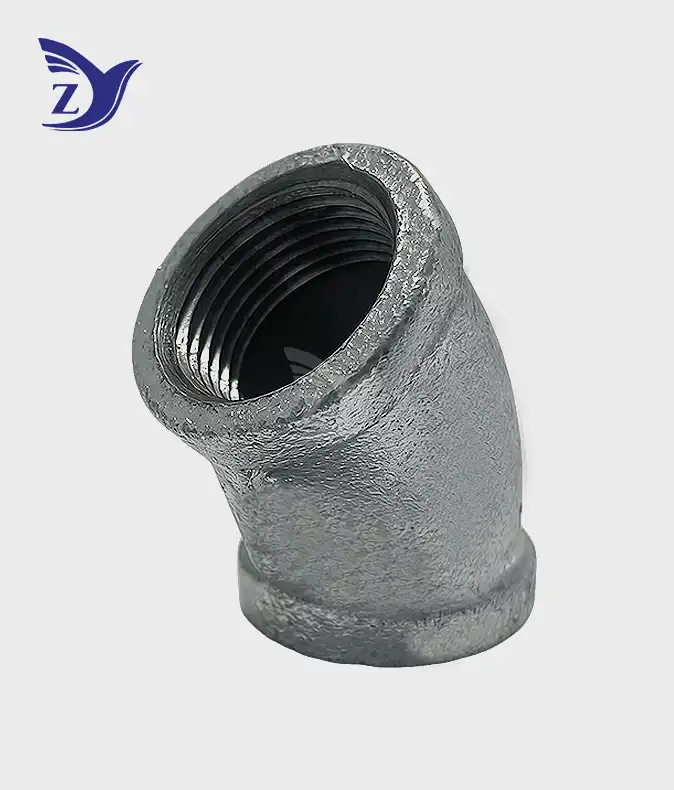
45° Elbow and 45° Street Elbow Pipe Fittings
To make a good buying plan, you need to know about the structural and functional features of elbow fittings. Street elbows and 45° standard elbows are both very important for rerouting fluid flow with little disturbance, but their connection styles require very different installation methods and system compatibility.
Basic Structure and Material Composition
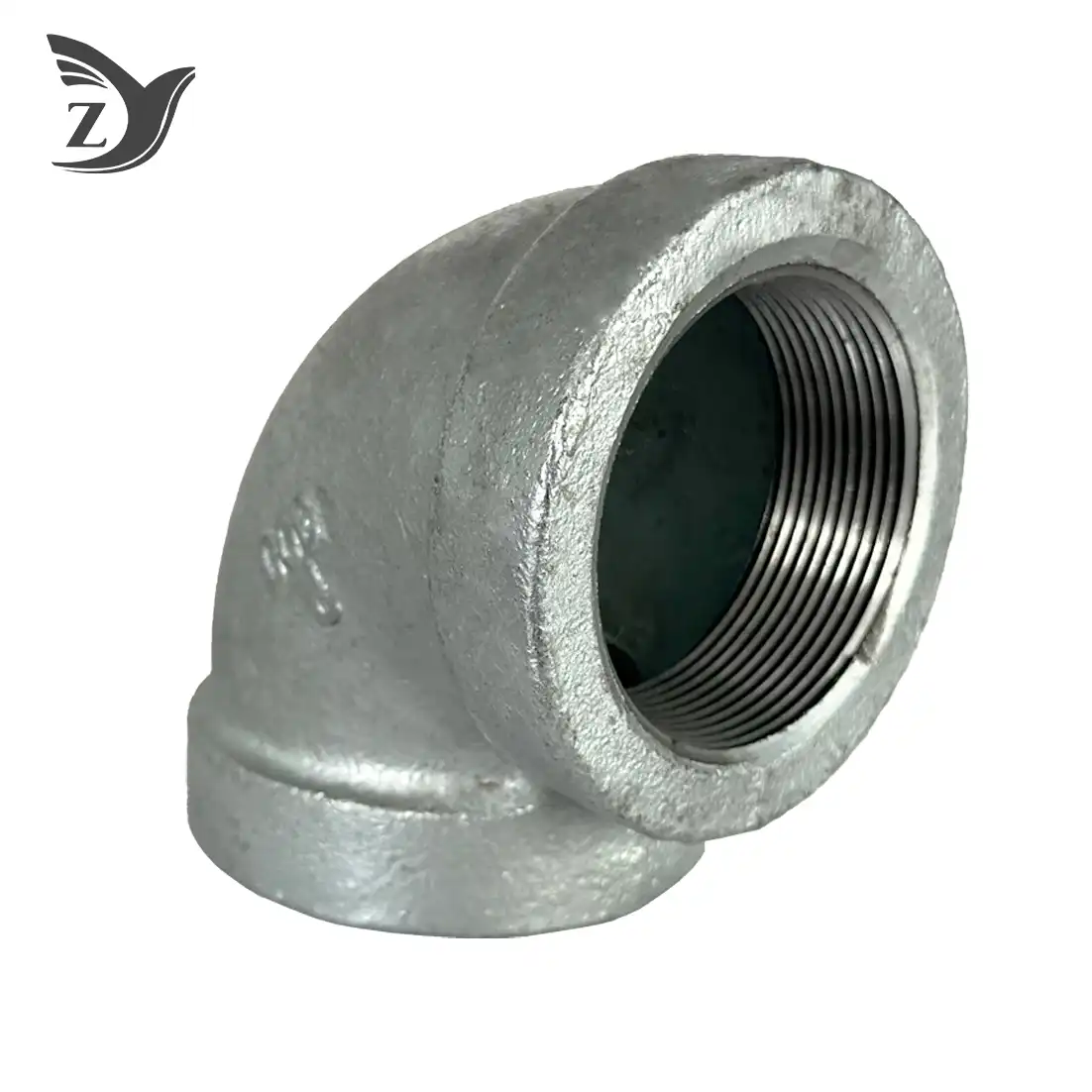
Standard square face galvanized 45° square edge elbow pipe fittings are made from ASTM A197 malleable iron, which was chosen because it is very flexible and doesn't break easily. The casting process makes an internal hole that is smooth. This cuts down on friction loss and keeps the structure strong even when pressure loads change over time. Following ASTM A153 guidelines, our hot-dip galvanized coating adds a minimum 85-micron zinc layer, offering two types of protection: barrier separation and cathodic sacrifice. This method of galvanization greatly increases the useful life of metal parts that are often found in wet places like fire sprinkler systems and outdoor gas distribution networks.
The strengthened banding around the threaded joints is what makes our square-edge design unique. The flat rectangular shape, unlike rounded beads, spreads wrenching forces over a larger surface area. This stops stress accumulation in one area that would otherwise cause cracking during high-torque installation. This technical feature is especially helpful when installers have to work with pipe wrenches that are too big for the job or when threading is done in cold weather that makes the material more brittle.
Role in Fluid Direction Changes
The 45-degree angle is the best compromise between hydraulic function and space economy. This softer slope lowers pressure drop by about 30 to 40 percent compared to 90-degree fits. It also keeps flow separation to a minimum, which prevents turbulence and erosion. When we plan the layout of pipes for HVAC systems or process water lines, we make sure that 45° turns are specified whenever space allows. This saves energy because less pumping is needed.
Street elbows give you more options because they get rid of the need for close nipples in small spaces. Installers can use the male-female threading pattern to make tight connections between valves and pipeline branches or to get around structural obstacles with little room to spare. Without it, they would have to use more parts and leak points to make the connections.
Importance in B2B Procurement Decisions
When engineers and buyers look at square face galvanized 45° square edge elbow pipe fitting specs, they need to know that threading designs, edge reinforcement, and coating quality all have a direct effect on the total cost of ownership. A cheaper fitting with poor galvanization or weak edge banding might save you 15% at first, but it will cost you ten times as much in warranty claims, emergency repairs, and system downtime. Our work with fire protection contractors and municipal planning firms has shown us over and over that choosing materials based on their performance needs for a particular job always works better than buying things based on price.
Key Differences Between 45° Elbow and 45° Street Elbow
Connection Configuration and Threading Standards
At both ends of the normal 45° elbow, female NPT (National Pipe Taper) or BSPT (British Standard Pipe Taper) threads have been cut to exact measurements. As required by ASME B1.20.1, NPT threads have a 60° thread angle and a 1°47' taper. This creates an interference fit that, when tightened correctly, makes a pressure-tight metal-to-metal seal. Installing this female-female configuration needs pipes or nipples with male threads. It works best for straight pipeline runs where the direction of flow changes between fixed connection spots.
One male-threaded end is carved directly into the fitting body of a street elbow. This lets it join directly to female-threaded parts without the need for intermediate nipples. This design is very helpful for putting together complicated manifolds, connecting risers to horizontal mains, or placing branch connections in retrofit situations where there isn't enough room for the usual fitting arrangements. The male end usually sticks out 15-20 mm past the elbow body, which allows enough thread contact while keeping the total size small.
Installation Complexity and Compatibility Considerations
When putting in standard elbows in a pipeline, both pipes that connect to them need to be carefully lined up so that the threads meet properly without crossing. Installers must cut pipes to exact lengths and check the quality of the threads before putting them together. If the pipes aren't lined up correctly, stress is distributed unevenly, which weakens the seal and speeds up wear. One big benefit of the symmetric female-female design is that either end can link to the supply or discharge side. This gives you options when making changes in the field.
When designing street elbows, it's important to be more exact because the male-female orientation needs to fit the flow direction and connection sequence that is wanted. However, this limitation can lead to faster installation if plans are planned correctly, since the fitting gets rid of one threaded joint and lowers the number of parts that workers need to handle. When engineers define street bends correctly during the planning stage, we've seen installation times drop by 20 to 25 percent on big projects.
When workers apply the large torque needed for gas-tight seals, the square-edge reinforcement on square face galvanized 45° square edge elbow pipe fittings becomes even more important. As a general rule, threaded connections should be tightened to a certain torque value—usually 50 to 70 foot-pounds for 1-inch fittings—that would bend or break weaker fittings that don't have the right edge support. Our square-edge design spreads these forces out evenly, stopping the tiny cracks that turn into failure points when exposed to temperature changes or vibrations.
Performance Differences in Fluid Dynamics
Both kinds of fittings have the same internal hole diameter and 45° deflection angle, which means that when flow conditions are the same, their hydraulic performance is pretty much the same. The biggest difference in efficiency is seen in how reliable the system is and how much maintenance it needs. Standard elbows have two threaded connections, which means there are two possible leak lines. Street elbows, on the other hand, have one threaded joint and one directly merged connection, which should make that junction 50% less likely to leak.
Corrosion protection rests more on the quality of the finish than on how the fittings are set up. Our hot-dip galvanization process immerses each fitting fully in molten zinc. This covers all areas evenly, even the thread roots and internal bores that are common places for corrosion to start. This all-around defense is necessary for outdoor fire safety systems that are affected by weather changes and for underground gas lines that can be damaged by chemicals and water in the ground.
Choosing the Right Elbow for Your Project: Factors to Consider
To make a good fitting choice, you need to look at the application needs, the surroundings, and the supply chain all at the same time.
Engineering Applications Across Industries
When installing sprinkler systems in business buildings, fire protection workers have to follow strict rules for maintaining pressure and inspecting the systems. For these uses, you need fittings with recorded pressure ratings—for normal industrial installations, this is usually Class 150 (300 psi WOG)—and certifications from reputable organizations. Our bendable iron elbows, which are made to ASME B16.3 size standards and checked using hydrostatic pressure procedures, always meet these requirements.
Municipal water distribution projects need fittings that can keep their structural integrity for decades, even when the temperature and chemicals of the water change and when they may be hit by tools during upkeep. Because malleable iron is flexible, it doesn't break as easily as gray iron castings can, and our precision threading makes sure that connections don't leak, which lowers the risk of water loss and contamination.
In petroleum plants or power plants, industrial process piping has to work in harsh conditions like high temperatures, chemical exposure, and vibrations from pumps and other moving equipment. When you specify square face galvanized 45° square edge elbow pipe fittings, you get the mechanical strength and corrosion protection that these settings need without spending as much as with stainless steel options.
Material Benefits and Standards Compliance
When it comes to mechanical qualities, corrosion protection, and value for money, galvanized malleable iron is hard to beat. We use a process called "black heart annealing" to turn flimsy white iron casts into ductile parts that can handle shock loads without breaking. This feature becomes very important when water hammer causes pressure spikes or when pipes are affected by earthquakes.
Our galvanized goods are about 40–50% less expensive than stainless steel fittings, but they offer the same or better corrosion protection in most water, gas, and air distribution uses. Stainless steel is only needed in chemical service that is very corrosive or in food-grade clean uses that can't have zinc finish. Although plastic fittings are cheaper, they are not strong enough or resistant to high temperatures to be used in high-pressure systems or where hot water is present above 60°C.
Our factory is ISO 9001 certified and follows strict quality control procedures such as checking all thread gauges, using coordinate measure machines to check sizes, and using statistical process control to keep an eye on the thickness of the galvanization. These steps make sure that every fitting that leaves our building meets or beats the written standards.
FAQ
Can a 45° street elbow replace a standard 45° elbow in existing systems?
What you can use instead depends on how the threads are oriented and how you need to connect the two ends of the fitting. A street elbow lets you join directly if your current plan has a male-threaded pipe at one connection point and a female-threaded part at the other. Standard elbows are still needed when both joining places need male pipes. Before ordering substitutes, always make sure that the threads are compatible (NPT vs. BSPT), because mixing thread standards makes seals that aren't stable and can leak.
What certifications should I verify when purchasing galvanized fittings?
Material verification should show that the makeup meets ASTM A197 for malleable iron. Verification of dimensions against ASME B16.3 standards makes sure that the thread form and fitting shape are correct. According to ASTM A153 or ISO 1461, proof of a covering thickness greater than 85 microns is needed for galvanization quality. For fire safety uses, look for lists of UL or FM clearance. Our factory keeps these certificates up to date and can give you mill test results if you need to check the quality.
How do I prevent corrosion in outdoor installations?
Comprehensive methods for protecting against rust are good for outdoor pipe systems. If you can, choose hot-dip galvanized parts over electroplated ones because the stronger coating will last longer. Galvanic corrosion cells form when different metals like copper or brass come into touch with galvanized steel. To avoid this, use dielectric unions at the points where the metals meet. Make sure there is good drainage so that water doesn't build up. In seaside areas or industrial areas where chemicals are in the air, you might want to add an extra layer with weather-resistant paint systems.
Partner with Zhiyuan Malleable Steel for Your Industrial Piping Solutions
Choosing a dependable source for square face galvanized 45° square edge elbow pipe fittings affects not only the costs of the job at hand, but also how well the system works in the long run and how much upkeep it needs. Every fix that Zhiyuan Malleable Steel makes is based on our 18 years of experience in making specialty goods. We can handle projects of any size thanks to our 30,000-ton annual production capacity and the consistent quality that comes from using standard procedures and thorough testing methods. We make full NPT and BSPT threaded fitting lines that meet international standards. Our dedication to quality is shown by our ISO 9001, UL, FM, and CE certifications. Our engineering team provides technical help throughout the whole procurement process, from checking the specifications to giving you advice on how to install the parts. This makes sure that you get the exact parts you need for your purpose. You can email our sales team at q1236800000@gmail.com to get complete technical datasheets and samples, or you can visit zymalleablepipefitting.com to see all of our products. As a leading manufacturer, we offer low bulk prices, flexible minimum order amounts, and reliable delivery plans that help you keep your projects on track.
Conclusion
Standard 45° elbows and street elbows are different in the screw setup they have (female-female vs. male-female), which affects how they are installed and how well they work with other systems. Both types of fittings work just as well for hydraulics as long as they are made to the right standards. However, the square-edge strengthening on high-quality zinc fittings gives them the mechanical strength they need for long-lasting use. To choose the right elbow configurations, you need to carefully look at the needs of the application, the surroundings, the qualities of the material, and the supplier's abilities. Buying things based on detailed technical specs instead of just price always leads to a lower total cost of ownership because they need less upkeep, break down less often, and last longer. When engineers and builders work with seasoned makers who uphold strict quality standards and offer thorough technical support, they can be sure that the fittings they choose will work reliably for the entire design life of the piping system.
References
- American Society of Mechanical Engineers. (2021). ASME B16.3: Malleable Iron Threaded Fittings - Classes 150 and 300. New York: ASME Press.
- ASTM International. (2020). ASTM A197: Standard Specification for Cupola Malleable Iron. West Conshohocken, PA: ASTM International.
- ASTM International. (2019). ASTM A153: Standard Specification for Zinc Coating (Hot-Dip) on Iron and Steel Hardware. West Conshohocken, PA: ASTM International.
- Hydraulic Institute. (2018). Pump System Design and Selection: Optimizing Piping System Efficiency. Parsippany, NJ: Hydraulic Institute.
- National Fire Protection Association. (2022). NFPA 13: Standard for the Installation of Sprinkler Systems. Quincy, MA: NFPA Press.
- Warrington, J. K. (2017). Piping Materials Selection and Corrosion Control for Industrial Applications. Houston: Gulf Professional Publishing.
Online Message
YOU MAY LIKE
High quality furniture manufacturer
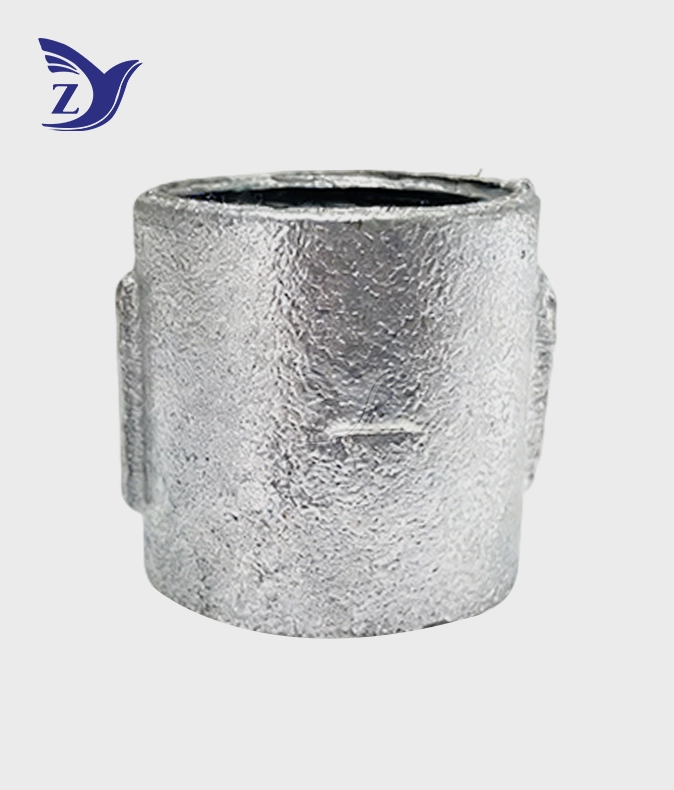
No Hub Electro Galvanized Coupling Pipe Fitting
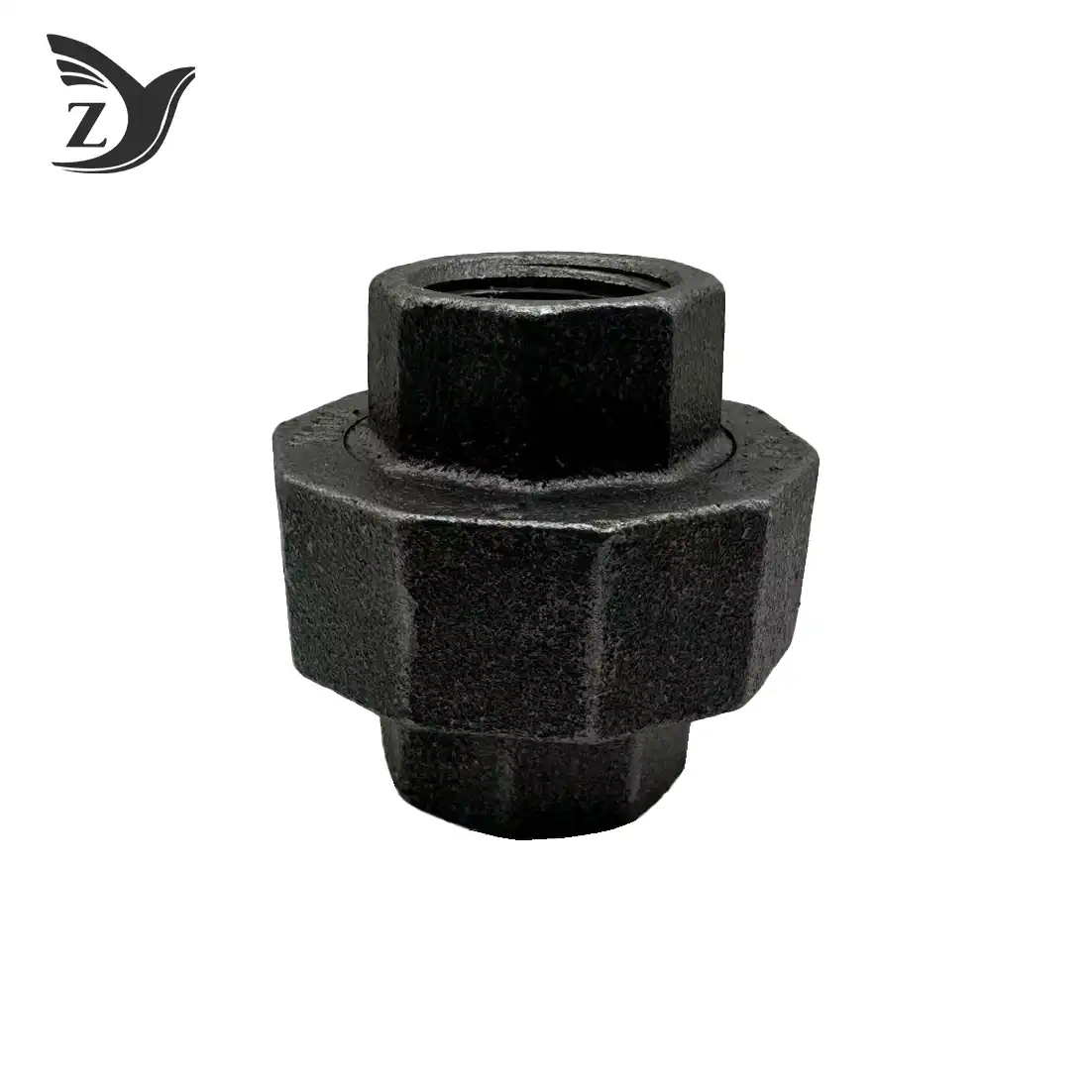
NPT Black Union Class 300 Pipe Fittings
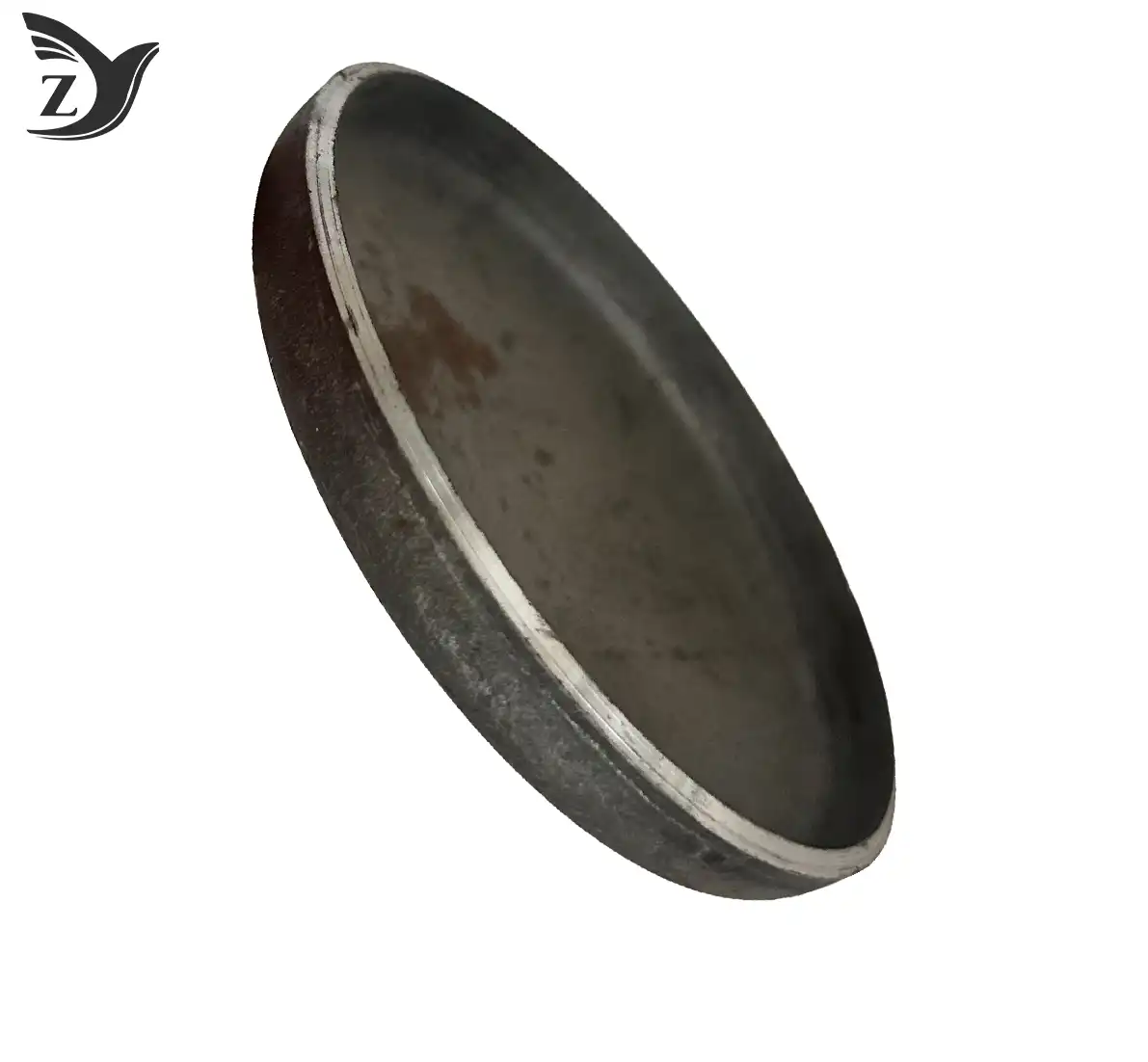
Carbon Steel Welded Cap Pipe Fitting
Class 300 Galvanized 90 Degree Malleable Iron Elbow
No Hub Electro Galvanized Reducing Coupling Pipe Fitting
BSPT Black Male Nipple Pipe Fittings
NPT Galvanized Bushing Pipe Fittings
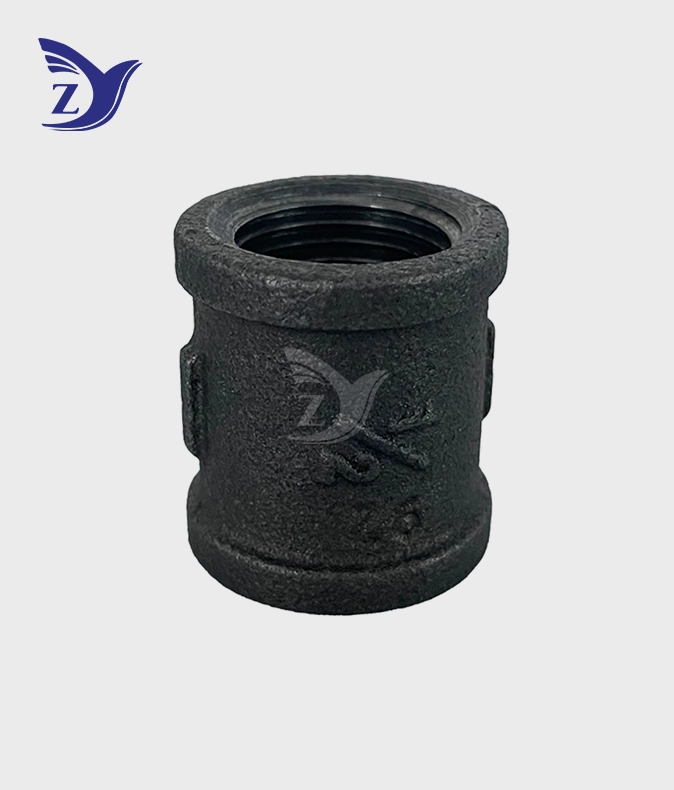
NPT Black Square Face Coupling Pipe Fittings