
Apr 9, 2026
What is coupling pipe fitting?
Coupling pipe fittings are essential in plumbing systems because they allow for the safe and leak-proof joining of two pipes of the same diameter in a straight form. There are a variety of shapes these essential components may take, but one of the most dependable choices for industrial uses is round face galvanized round edge coupling pipe fittings. For good sealing under pressure and structural integrity across the pipeline network, modern coupling fittings use threaded connections, usually NPT or BSPT standards.

Understanding Coupling Pipe Fittings and Their Specifications
To ensure that the pressure and flow characteristics of a system are preserved during connections between pipe segments, coupling pipe fittings have become an essential component of contemporary pipe infrastructure. To achieve peak performance in a wide range of contexts, the engineering team behind these parts paid special attention to threading accuracy, surface treatment, and material choice.
Material Composition and Manufacturing Standards
The extraordinary ductility and shock resilience offered by blackheart malleable iron makes it an ideal material for high-quality round face galvanized round edge coupling pipe fittings, as opposed to more conventional cast iron options. Important for industrial safety, this material choice resists brittle cracking in the face of pressure surges. The mechanical qualities, such as a tensile strength higher than 300 MPa and an elongation rate ranging from 6 to 10 percent, are guaranteed by the malleable iron's usual conformance to ASTM A197 criteria.
A zinc coating, usually thicker than 70 microns, is created by metallurgically bonding the metal during the hot-dip galvanization process. This coating is more successful in protecting against corrosion than cold galvanizing or electroplating, which means it can withstand harsher environments for longer.
Threading Systems and Dimensional Standards
The threading systems used by modern coupling fittings are BSPT (British Standard Pipe Thread) and NPT (National Pipe Taper). While BSPT threads have a 55-degree Whitworth angle and the same taper requirements as NPT threads, the flank angle of NPT threads is 60 degrees and the taper ratio is 1:16 according to ASME B1.20.1 regulations. In most cases, further sealing compounds are not needed since this threading shape forms mechanical seals via interference fit.
Beaded reinforcement, which is characterized by a round edge design, greatly increases the radial strength of female threads. Because to this structural improvement, fittings can endure Class 150 pressure ratings (300 psi at room temperature) without deforming the threads when installing them with a lot of tension.
Benefits and Typical Applications of Galvanized Coupling Pipe Fittings
Because of its low price, high mechanical strength, and resistance to corrosion, round face galvanized round edge coupling pipe fittings are an excellent bargain. Procurement teams may make better judgments for different industrial uses if they are aware of these benefits.
Corrosion Protection and Longevity
Galvanization prevents the oxidation of the iron substrate by forming a protective zinc sacrificial layer. The structural integrity of the fitting is preserved when exposed to wet or corrosive conditions since zinc corrodes preferentially. This cathodic protection method greatly increases the service life compared to uncoated alternatives, especially in outdoor installations or humid industrial settings.
Galvanized fittings, when installed correctly, have a service life more than 50 years in mild environments and need less maintenance than painted or bare metal equivalents. The reduced lifespan costs for industrial buildings are a direct result of their endurance.
Industrial Applications and Performance Characteristics
Their dependable performance and sturdy construction make round face galvanized round edge coupling pipe fittings ideal for a wide range of industrial applications. The reliability of fire prevention systems in times of crisis is ensured by their resistance to corrosion and ability to handle pressure. Because of its resistance to soil corrosion and compliance with potable water applications, these fittings are used by municipal water systems.
Galvanized couplings are used in process pipes in petrochemical plants because they are chemically compatible and have pressure ratings that exceed operational requirements. A key component in preserving system integrity, the smooth round face shape makes pipe insertion easy and reduces the hazards of cross-threading during installation.
Thermostatically stable malleable iron structure is ideal for HVAC applications because it can withstand thermal expansion cycles without cracking at the joints. Internal corrosion might reduce system efficiency or water quality; the galvanized surface treatment avoids this.
How to Install Round Edge Coupling Pipe Fittings?
The performance and service life of round face galvanized round edge coupling pipe fittings are maximized, along with system safety and dependability, when the correct installation practices are followed. Avoiding typical installation mistakes that could cause failure too soon or safety issues requires sticking to established protocols.
Preparation and Assembly Procedures
Making sure the pipe ends are clean, accurately cut, and free of surface imperfections or burrs is the first step in pipe preparation. By inspecting the threads, one can make sure that the engagement length is correct and that there are no damaged crests that might affect the sealing. Before threading operations can begin, the pipe ends should be cleaned and deburred to eliminate cutting fluids and debris.
Pay close attention to the thread engagement depth and torque parameters while threading. Inadequate tightening may lead to leakage under pressure, while excessive tightening might harm galvanized coatings or induce thread galling. The normal procedure in this field is to turn the threads by hand until they become resistant, and then to tighten the wrench to the torque values specified for the thread size.
Quality Control and Maintenance Considerations
Visually checking for coating damage surrounding threaded parts and ensuring adequate thread engagement are part of the post-installation inspection. Prior to system commissioning, pressure testing ensures that all joints are solid and free of defects by exposing them to a controlled environment under controlled conditions.
As part of routine maintenance, look for apparent evidence of mechanical damage or coating degradation on fittings. It is possible to do preventative maintenance before structural damage occurs by identifying corrosion start locations early on. In order to keep systems operationally reliable, replacement scheduling should take environmental exposure levels and system criticality into account.
Comparison and Decision-Making for Procurement
Knowing the cost implications and performance characteristics of various design variants and material possibilities is crucial when choosing the best coupling fittings. Procurement teams may use this research to better match product specs with project needs and financial limitations.
Design Variations and Performance Impact
When it comes to installation and function, galvanized couplings with round faces are different from those with square faces. Particularly useful in field installation settings without access to precise equipment, round face designs allow for easier pipe insertion with less chance of cross-threading. When subjected to internal pressure stresses, the curved shape distributes the stress more evenly.
When installed properly, square face couplings may transmit somewhat more torque than round face couplings, but they need more exact alignment to avoid thread damage. Rather than based on basic performance differences, the decision between these solutions is generally dictated by technician skill levels and installation environment limits.
Material Selection and Cost-Benefit Analysis
Depending on the needs of the application, galvanized malleable iron couplings and stainless steel couplings provide distinct advantages. For most industrial applications, round face galvanized round edge coupling pipe fittings are the most cost-effective, especially in areas with mild corrosive exposure. In non-critical applications, the initial cost benefit of galvanized choices is usually more significant than the superior corrosion resistance of stainless steel.
When galvanized coatings aren't an option, such as in very acidic conditions or for food-grade uses, stainless steel becomes the more cost-effective choice. Expectations of a longer service life and less maintenance need to be weighed against the much higher material prices.
Procurement and Supply Chain Insights for Galvanized Coupling Pipe Fittings
Having a grasp of the market dynamics, supplier capabilities, and quality assurance needs is crucial for developing effective procurement strategies for galvanized coupling fittings. Both the budget and the timeline for a project may be drastically affected by strategic sourcing methods.
Supplier Evaluation and Quality Verification
A supplier's ability to provide products certified by organizations like UL, FM, or CE is evidence that they adhere to essential production standards like ISO 9001. Production capacity, inventory levels, and the flexibility to customize to suit project-specific needs should all be included in a manufacturing capability evaluation.
Material certifications, dimensional correctness, and coating thickness measurements are all aspects that quality verification systems need to cover. A thorough test certificate attesting to conformity with relevant standards and requirements is a hallmark of a reliable provider. For mission-critical applications where failure might have serious repercussions, third-party inspection services can verify product quality.
Market Trends and Procurement Strategies
At this time, it is more advantageous to purchase in bulk so that you may take advantage of economies of scale and yet have enough inventory on hand to keep your project running smoothly. In order to satisfy the unique needs of each project while keeping procurement costs down, several manufacturers provide customized services and bulk savings on round face galvanized round edge coupling pipe fittings.
Acquiring knowledge of supplier production schedules and seasonal demand trends is essential for lead time management. To achieve both affordable and flexible delivery, it is helpful to prepare ahead and enter into framework agreements. Critical applications should have emergency procurement capabilities set up if the costs of downtime are higher than the premium prices for accelerated delivery.
Conclusion
When it comes to connecting pipelines in a variety of industrial settings, coupling pipe fittings are a crucial part of the infrastructure. With its galvanized corrosion protection, precise threading, and malleable iron structure, this product offers great value due to its long service life and low maintenance needs. When compared to premium alternatives, round face galvanized round edge coupling pipe fittings are more cost-effective and provide excellent performance qualities for most industrial situations. These components serve vital infrastructure needs across several industries, therefore it's important to choose, install, and maintain them properly to guarantee they work reliably over their entire operating lifespan.
Partner with Zhiyuan Malleable Steel for Premium Coupling Solutions
Zhiyuan Malleable Steel stands as your trusted round face galvanized round edge coupling pipe fittings supplier with over 18 years of specialized manufacturing experience and 30,000-ton annual production capacity. Our ISO 9001 certified facility produces precision-engineered couplings that meet international standards including UL, FM, and CE certifications. We offer comprehensive ODM/OEM customization services, maintain substantial inventory levels for rapid delivery, and provide replacement guarantees for defective products. Our experienced engineering team ensures optimal product selection for your specific applications, whether fire protection systems, municipal infrastructure, or industrial process piping. Contact q1236800000@gmail.com today to discuss your coupling requirements and discover how our quality-focused approach and competitive pricing can enhance your project success while reducing total cost of ownership.
FAQ
What makes galvanized coupling fittings suitable for outdoor applications?
The hot-dip galvanization process creates a protective zinc coating that acts as a sacrificial barrier against corrosion. This coating provides cathodic protection to the underlying malleable iron, preventing rust formation even when exposed to moisture, temperature fluctuations, and UV radiation typical of outdoor environments.
Are galvanized couplings compatible with stainless steel piping systems?
Galvanized malleable iron couplings can be used with stainless steel pipes, though galvanic corrosion considerations may apply in certain environments. The compatibility depends on the specific stainless steel grade and environmental conditions. Dielectric unions may be recommended in highly corrosive environments to prevent electrochemical reactions.
What is the expected service life of round face galvanized round edge coupling pipe fittings in industrial applications?
Properly installed galvanized couplings typically achieve service lives of 25-50 years in moderate industrial environments. Factors affecting longevity include environmental corrosivity, system pressure cycles, and maintenance practices. Regular inspection and preventive maintenance can extend service life beyond initial expectations.
How do NPT and BSPT threading systems differ in coupling applications?
NPT threads feature a 60-degree flank angle with 1:16 taper, while BSPT uses a 55-degree Whitworth angle with the same taper ratio. Both create mechanical seals through thread interference, but NPT is standard in North America while BSPT is common in international markets. The choice depends on regional standards and system compatibility requirements.
What pressure ratings can galvanized coupling fittings handle?
Standard round face galvanized round edge coupling pipe fittings typically handle Class 150 pressure ratings (300 psi at ambient temperature). Higher pressure ratings may be available through specialized designs or material upgrades, depending on specific application requirements and safety factors.
References
1. American Society of Mechanical Engineers. "ASME B1.20.1 - Pipe Threads, General Purpose." New York: ASME Press, 2019.
2. ASTM International. "ASTM A197 - Standard Specification for Cupola Malleable Iron." West Conshohocken: ASTM International, 2020.
3. British Standards Institution. "ISO 7-1 Pipe Threads Where Pressure-Tight Joints are Made on the Threads." London: BSI Standards Limited, 2018.
4. National Fire Protection Association. "NFPA 13 - Standard for the Installation of Sprinkler Systems." Quincy: NFPA Publications, 2021.
5. International Organization for Standardization. "ISO 5922 Malleable Cast Iron." Geneva: ISO Publications, 2017.
6. Zinc Coating Research Institute. "Galvanized Steel in Fire Protection Systems: Performance and Longevity Analysis." Industrial Corrosion Studies Quarterly, Volume 45, 2022.
Online Message
YOU MAY LIKE
High quality furniture manufacturer
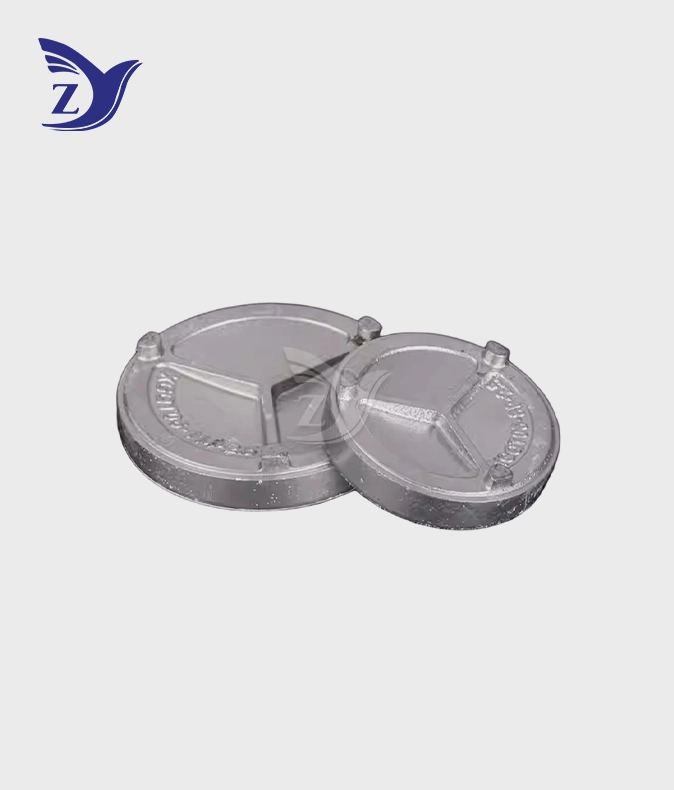
Water Grooved Blind Flange
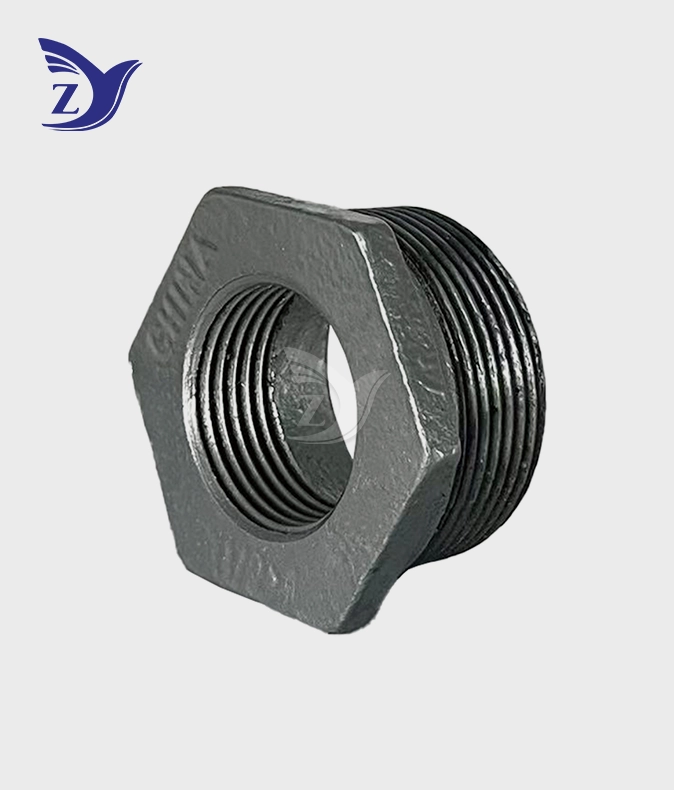
NPT Galvanized Bushing Pipe Fittings
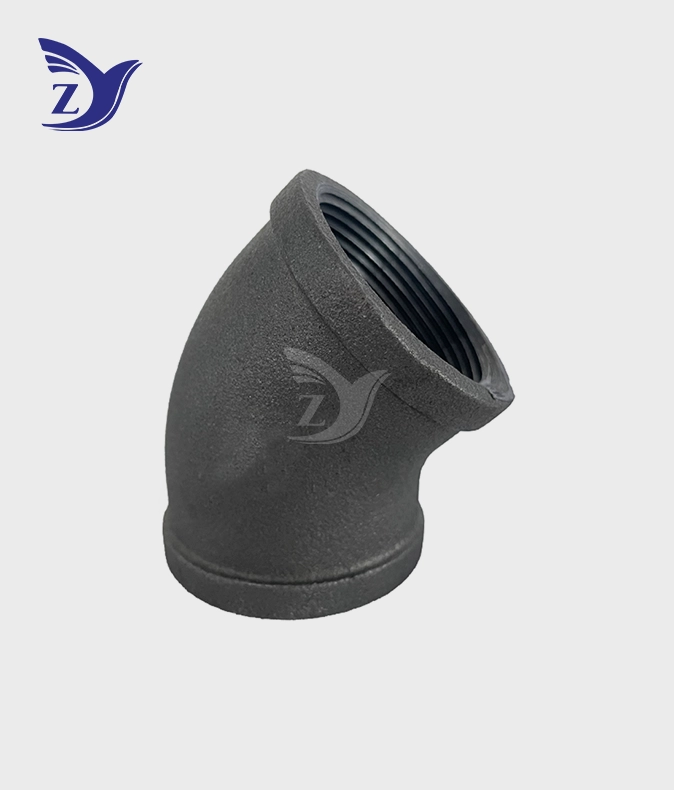
BSPT Black Square Face 45° Elbow Pipe Fittings
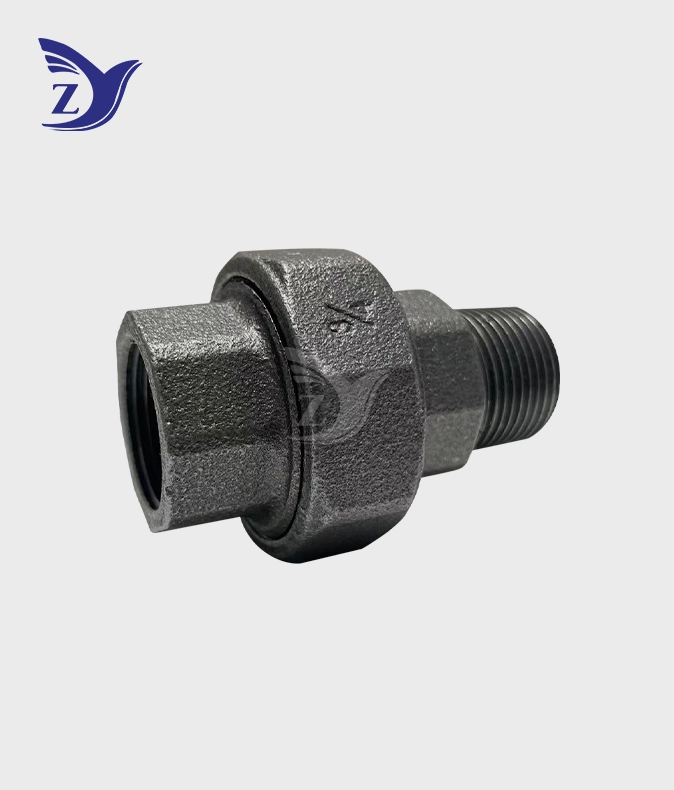
NPT Black Male-Female Union 343 Pipe Fittings
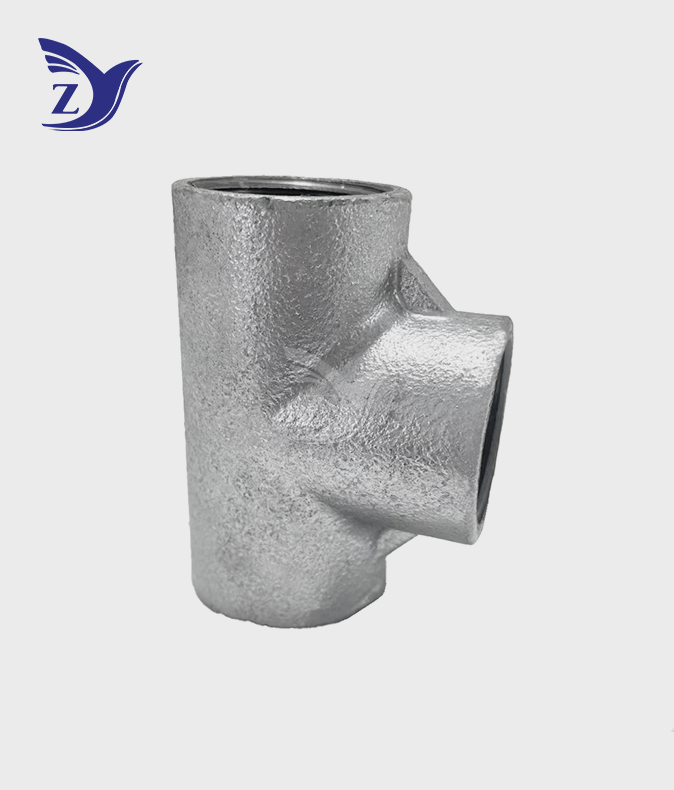
No Hub Electro Galvanized Straight Tee Pipe Fitting
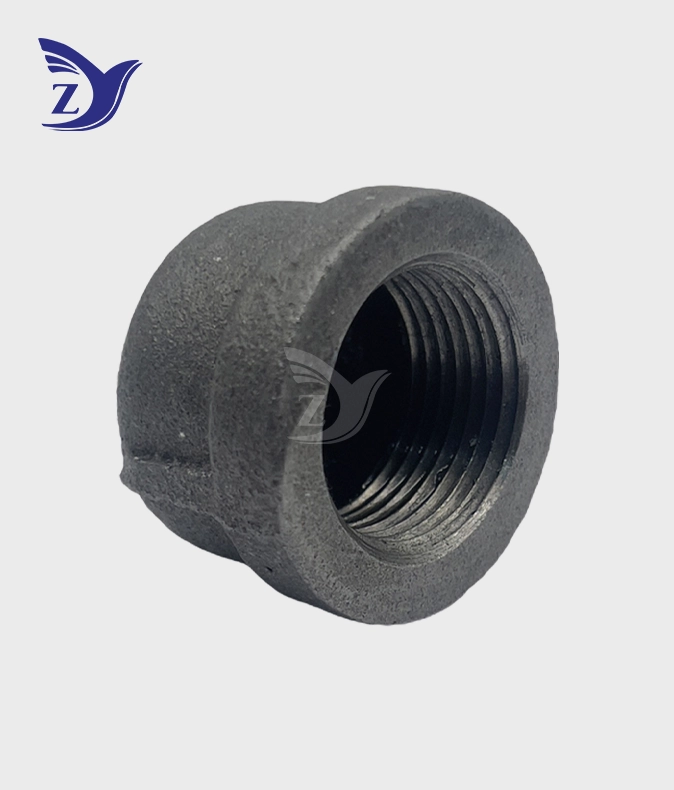
NPT Black Cap Pipe Fittings
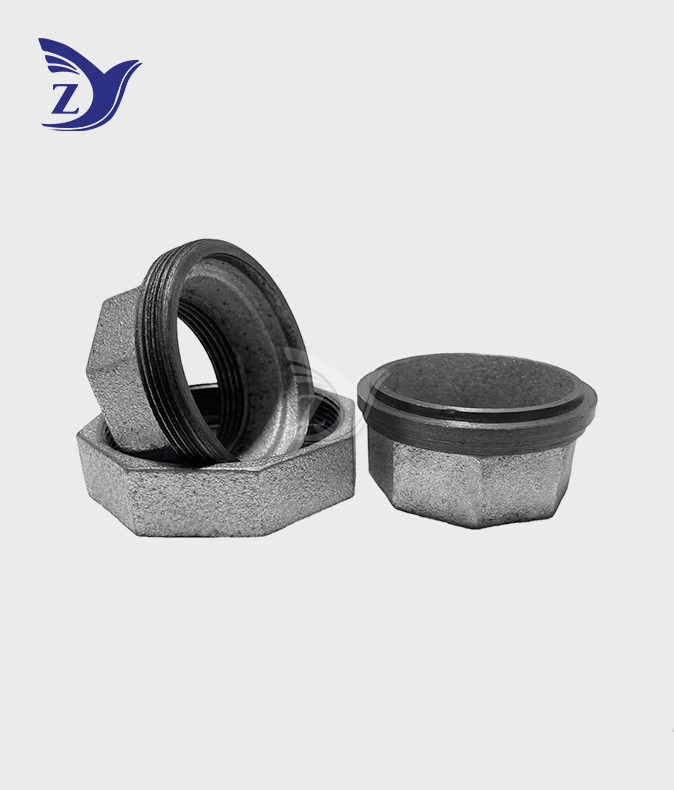
NPT Galvanized Union 330 Pipe Fittings
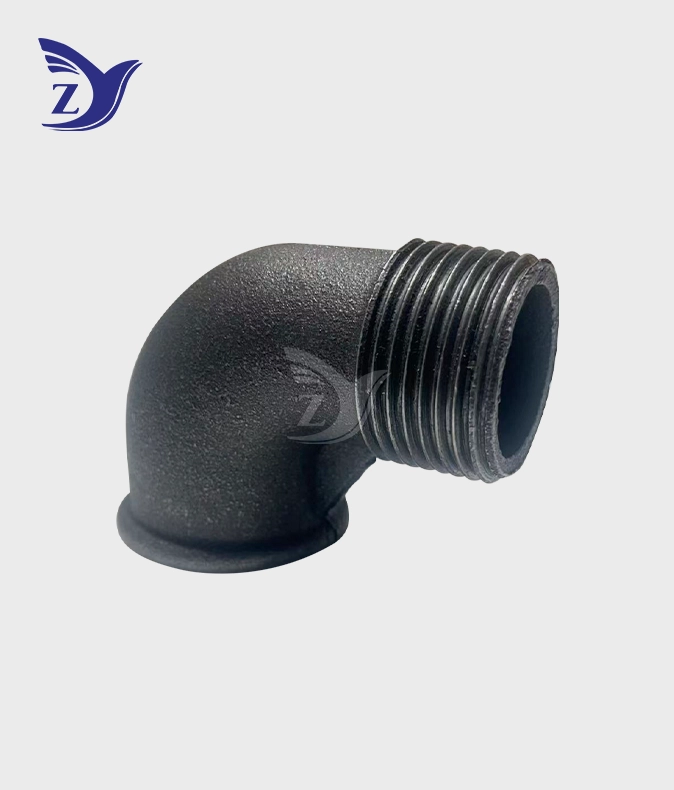
NPT Black Round Face Male-Female 90° Elbow Pipe Fittings