
Jul 23, 2026
What is class 300 black coated malleable iron cap?
A class 300 black coated malleable iron cap is a special pipe ending part made from cast iron that can be shaped and has a black coating to protect it. It meets the 300 LB (about 2.07 MPa) pressure level set by ASME B16.3 and ANSI standards and seals the end of threaded lines in high-pressure systems. While it is being stored and shipped, the black coating protects against corrosion, and the malleable iron construction makes it stronger than standard cast iron options.
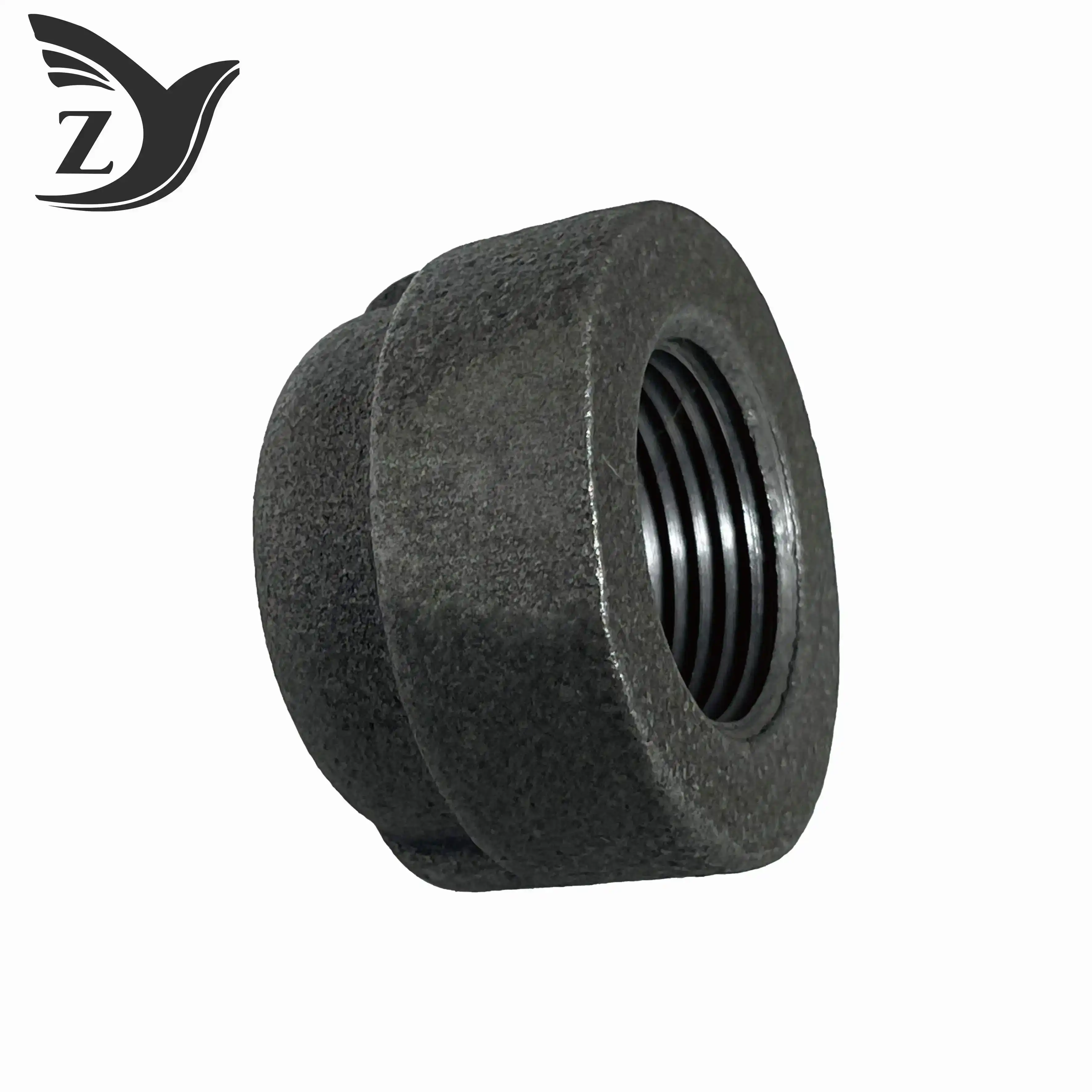
Introduction to Class 300 Black Coated Malleable Iron Cap
Pipeline systems in many different types of industries need solid end parts that are strong, don't rust, and don't cost too much. These needs are met by class 300 black coated malleable iron caps, which use both material science and protection finishes.
Understanding the Class 300 Pressure Rating
The name "Class 300" refers to a system for rating pressure and temperature that is based on ASME B16.3 standards. This number means that the part can handle working pressures of up to 300 pounds per square inch (PSI) at room temperature, which means it can be used in heavy-duty piping uses. These caps can handle about twice as much pressure as Class 150 fittings. This is very important in places like fire safety systems, gas distribution networks and industrial process lines where pressure surges happen often.
Material Composition and Manufacturing Excellence
A special heating process called annealing turns brittle white iron into a malleable iron that can be bent and can handle shocks. Precision casting takes place in medium-frequency electric furnaces at places like Shanxi Taigu Zhiyuan Malleable Steel Co., Ltd., and then the steel is cooled down in natural gas-fired kilns. This treatment gives the steel a minimum tensile strength of 40,000 PSI (275 MPa) and a minimum yield strength of 30,000 PSI (205 MPa). This is a lot better than grey iron alternatives that break when heated and cooled.
The Protective Role of Black Coating
The black finish on class 300 black coated malleable iron caps is either black lacquer or a controlled oxide layer that is spread out evenly on all sides. This coating does important jobs during the supply chain phase, but it doesn't protect as well over time as hot-dip galvanisation. It stops flash rusting while being stored in a building, keeps threads clean, and provides mild corrosion protection in indoor or low-moisture settings. Normal handling and installation procedures don't affect the coating's integrity, so the quality of the product stays the same from the factory to the final installation.
Key Specifications and Types of Black Coated Malleable Iron Caps
In order to choose the right cap, you need to know the exact specs that affect how well it works with your system.
Thread Types and Dimensional Standards
These days, class 300 black coated malleable iron caps made of pliable iron can fit two main fitting standards. As required by ASME B1.20.1, National Pipe Taper (NPT) threads have a 60-degree thread angle and a 3/4-inch-per-foot taper. This makes interference fits that get tighter as they are installed. British Standard Pipe Taper (BSPT) threads have a similar way of closing, but their pitch ratios are a little different. Dual-threaded caps can be used on international projects without having to keep separate stocks. Nominal pipe sizes usually run from 1/8 inch to 6 inches, and wall thickness and weight change in proportion to keep pressure values constant.
Coating Variations and Performance Characteristics
When buying teams look at different coating choices, they have to compare the short-term cost to the long-term value. The least expensive option is the black-coated form, which provides basic rust protection that is good for climate-controlled settings and short-term exposure. With hot-dip galvanised caps, a zinc layer adds cathodic protection that makes the caps last five to ten years longer in outdoor or high-humidity settings. Uncoated malleable iron caps are good for situations where they will be painted right away or where special coats will be put on-site. The black coating is evenly applied across the threads, which keeps the sealing surfaces clean and exact. This keeps the tight, leak-free seal that pressure-rated systems need.
Manufacturing Quality Indicators
Integral one-piece casting is what sets high-end caps apart from cheaper ones. With this way of making things, there are no weld seams or mechanical joints, which can cause stress concentration points that are likely to crack when the temperature rises. When threads are machined with accuracy to within 0.005 inches, they are sure to connect properly with male pipe threads. This lowers the risk of cross-threading and partial sealing. At ISO 9001-certified facilities, quality control measures include checking the dimensions, applying pressure, and looking for holes or other surface flaws that could weaken the structure.
When engineers understand these specs, they can precisely match parts to the needs of the system, avoiding mistakes that cost a lot of money and cause leaks, failures, or not following the rules set by regulators.
Applications and Benefits of Class 300 Black Coated Malleable Iron Cap
These class 300 black coated malleable iron caps are used in many fields where reliable pipe termination is important for safety and efficiency.
Fire Protection System Integration
Class 300 parts are needed for fire hydrant networks to handle the pressure spikes that fire pumps cause when they are activated in an emergency. Branch lines, test headers and potential expansion points are terminated by black-coated, malleable iron caps in commercial buildings, factories and high-rise apartment buildings. Water hammer effects happen when valves close quickly during tests or real fires. The high structural strength and anti-crack features stop these effects. System integrators like how stable the performance is in a wide range of temperatures, from almost freezing in rooms that aren't warm to high temperatures near heaters or industrial processes.
Gas Distribution and HVAC Systems
Compressed air, natural gas, and propane systems need parts that don't let out fugitive emissions and can handle vibrations from compressors and pressure regulators. The malleability of iron absorbs shocks that would break more brittle materials, and the curved NPT threads make metal-to-metal seals that can be strengthened with the right thread sealer. Municipal gas utilities and industrial plant operators like these caps because they last a long time. In well-kept systems, they can last more than twenty years. During installation delays, the black coating keeps wetness out. This is especially important for phased building projects where pipe systems may be left out in the open for weeks before they are turned on.
Industrial Process Piping
These caps are used in process control systems, cooling water circuits, and waste stream management at petrochemical plants, power plants, and water treatment plants. The 300 LB pressure rating works in conditions close to the maximum design pressures and doesn't need expensive stainless steel or rare alloys. Distributors with large stockpiles make it easy for maintenance teams to quickly get new parts, which cuts down on downtime during repairs. Because they are cheaper than specialised fittings, malleable iron caps are the best choice for big systems that need hundreds or thousands of termination points.
These examples show how picking the right parts has a direct effect on how reliable a system is, how safe it is, and how much it costs to own the whole thing. If procurement managers know about the specific needs of an application, they can make sure that specifications are optimised to get the best performance and value.
How to Choose and Compare Black Coated Malleable Iron Caps for Procurement?
When making strategic purchasing choices, you need to look at more than just the original unit price.
Essential Procurement Criteria
When you compare two things, you start with their mechanical specs. Check that the pressure ratings are the same as or higher than the system's design pressures by the right amount, usually 1.5 to 2 times normal operating conditions. Make sure that the approvals for the materials show that they meet ASTM A197 for malleable iron or other foreign standards that are similar. Thread compatibility must be exact with the pipe specs that are already in place. Using NPT and BSPT parts together in the same system creates leak paths and voids guarantees.
Comparing Material Alternatives
Stainless steel caps don't rust, but they usually cost three to five times more than class 300 black coated malleable iron caps. This extra cost makes sense for places that are very acidic or for food-grade uses where the risk of contamination is greater than the cost. Brass caps don't rust and aren't too expensive, but they can't handle as much pressure or be as strong mechanically as Class 300 malleable iron caps, so they can only be used in plumbing applications with less pressure.
Chemicals can't damage PVC and other plastic caps, but they can't handle the high temperatures, pressures, or mechanical loads that are common in industrial systems. When choosing materials, you need to think about things like thermal expansion coefficients, fire safety rules, and government approvals that are specific to the job.
Supply Chain Considerations
Lead times are very different for standard catalogue items and custom configurations. Well-known companies like Zhiyuan Malleable Steel keep a lot of stock on hand, so they can send common sizes within days. For non-standard sizes, it may take four to eight weeks for casting, cutting, and quality control. Minimum order numbers have a big effect on per-unit costs. When you buy 1,000 units or more, you can usually get volume savings of 15% to 30% off of small-lot prices.
Supplier dependability includes consistent product, correct documentation, and quick expert assistance. To make sure the product meets the requirements, ask for material test reports, pressure test certifications, and dimensional inspection records. Check the manufacturing ability of your suppliers to make sure they can handle big projects without affecting delivery times. Companies that have more than one production line and redundant equipment reduce the chance of downtime caused by broken equipment or maintenance shutdowns.
Conclusion
Class 300 black coated malleable iron caps have been used successfully for many years to terminate high-pressure pipes in fire safety, gas transport, HVAC and industrial processes. Their mix of mechanical strength, pressure capacity, and resistance to corrosion makes them reliable at a price that is affordable. To make procurement go smoothly, you need to make sure that the specifications exactly match the needs of the application, look at the total lifecycle costs instead of just the initial price, and work with manufacturers or distributors who have a history of consistent quality and quick support. When purchasing teams know about the properties of materials, the benefits of coatings, and the effects of pressure ratings, they can make decisions that improve system safety, extend service life, and keep project budgets within their limits.
FAQs
What distinguishes black coated caps from galvanized versions?
What makes class 300 black coated malleable iron caps different from galvanised ones? Black covered caps have a lacquer or oxide layer that protects against rust temporarily while they are being stored and in dry places. Hot-dip zinc coating is applied to galvanised caps to create cathodic protection that actively stops rust formation, greatly extending service life in outdoor or humid installations. If you want to save money and use them inside, pick ones that are covered in black. For outside pipes, choose ones that are galvanised.
How does the black coating enhance corrosion resistance?
The coating makes a wall that keeps air and moisture from getting to the iron base. It doesn't last as long as galvanisation, but it stops flash rusting while it's being stored and shipped. When installed correctly in the right place, it keeps the integrity of the parts for the whole design life of the product.
What are typical lead times and minimum order quantities?
Standard sizes that are in stock usually ship within hours to days. It takes four to twelve weeks to make custom setups. Minimum numbers depend on the seller and the product design. Some stock items may not have minimums, but for custom orders, 500 to 1,000 units are usually needed to cover the costs of the tools and setup. Talk to makers directly to work out terms that fit your project's budget and schedule.
Partner with Zhiyuan Malleable Steel for Reliable Class 300 Black Coated Malleable Iron Cap Supply
When Zhiyuan Malleable Steel makes a class 300 black coated malleable iron cap, we use our 26 years of experience in casting to make it better. Our commitment to ISO 9001 quality control, 30,000-ton annual capacity, and full CE, UL, and FM certifications make sure that the parts you get meet the toughest international standards. Our technical team is here to help you from the quote stage all the way through delivery, whether you're a supplier looking for reliable OEM partnerships, a project engineer planning fire protection systems, or a distributor needing a steady supply of bulk items.
We keep a lot of regular sizes in stock so that we can meet your needs quickly—often within two hours for urgent needs. We have in-house research and development (R&D) and open production schedules that help custom setups. Our promise to replace broken products and clear communication keep your supply chain from getting messed up. You can email our team at q1236800000@gmail.com or visit zymalleablepipefitting.com to talk about your needs and get accurate quotes. Discover the difference in quality that comes from working with Shanxi Province's top producer of pliable steel.
References
- American Society of Mechanical Engineers. (2022). ASME B16.3: Malleable Iron Threaded Fittings - Classes 150 and 300. New York: ASME Press.
- ASTM International. (2021). ASTM A197: Standard Specification for Cupola Malleable Iron. West Conshohocken: ASTM International Standards.
- National Fire Protection Association. (2020). NFPA 13: Standard for the Installation of Sprinkler Systems. Quincy: NFPA Publications.
- Pipeline & Gas Journal Editorial Staff. (2023). Material Selection for High-Pressure Gas Distribution Systems. Houston: Oildom Publishing.
- American National Standards Institute. (2019). ANSI B1.20.1: Pipe Threads, General Purpose (Inch). Washington: ANSI Standards Development.
- International Organization for Standardization. (2021). ISO 49: Malleable Cast Iron Fittings Threaded to ISO 7-1. Geneva: ISO Central Secretariat.
Online Message