
Jun 11, 2026
What is BSP and NPT thread?
When I walk through industrial job sites, like those installing fire sprinklers or building a water system for a city, I often hear engineers and purchasing managers arguing about thread standards. Linepipe systems have had a lot of problems, delays, and even leaks because people don't know the difference between BSP and NPT threads. Understanding these two threading standards is more than just useful technical information; anyone who needs to describe parts like square face galvanized 90° male female threaded elbow pipe fittings needs to know them. BSP (British Standard Pipe) threads have a parallel shape and a side angle of 55 degrees. To stop leaks, sealing screws or O-rings are used. The NPT (National Pipe Thread) is the most common type of thread in North America. It has a curved shape and a 60-degree angle that makes a mechanical seal through thread interference. This basic difference has an impact on the whole construction process as well as the long-term dependability of systems used for water, gas, and HVAC.
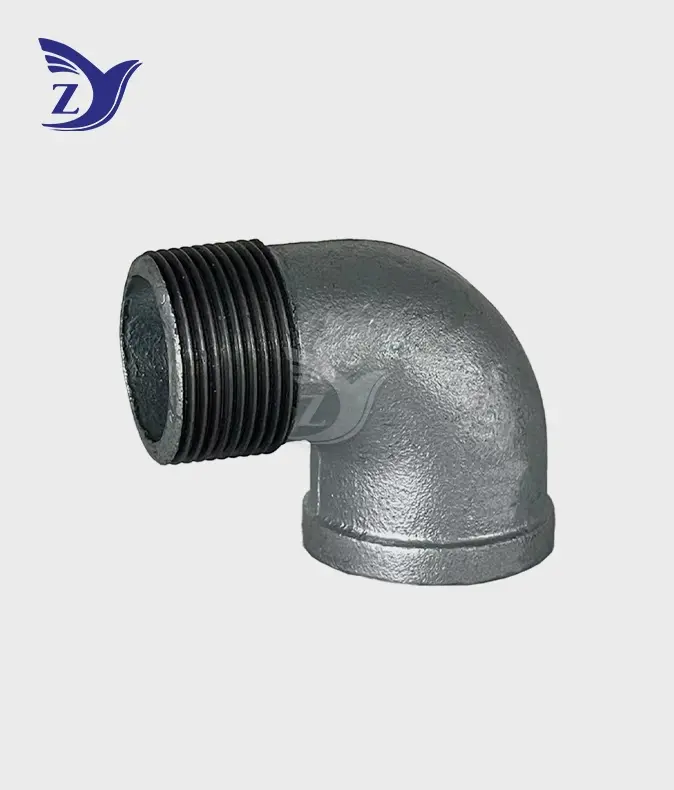
What Are BSP and NPT Threads?
When it comes to pipe connections, BSP and NPT are two different ways of thinking. BSP threads, which are defined by ISO 7/1, were first used in the UK and then spread to other Commonwealth countries, Europe, Asia, and Australia. The width of a parallel thread stays the same along its length, so it needs an extra closing element—usually a bonded washer or a rubber O-ring—pressed against a flat seat to make connections that don't leak.
The United States, Canada, and parts of Latin America use NPT threads, which are controlled by ANSI/ASME B1.20.1 guidelines. The tapered shape gets narrower at a rate of 1:16, which means that for every 16 units of length, the thread width gets smaller by one unit. The male and female threads get stuck together during assembly, making metal-to-metal contact that forms the bond. When you apply pressure, this interference fit gets tighter over time, so you don't need separate closing washers in most situations.
Thread Geometry and Sealing Mechanisms
The differences in geometry have real-world effects. The 55-degree Whitworth thread form of BSP and the 60-degree profile of NPT do not spread force the same way. When I look at a square face galvanized 90° male female threaded elbow pipe fittings made to BSP standards, the threads stay the same width. This means that I can control the assembly force without worrying about damaging the threads by tightening them too much. The square face design, which includes a reinforced bead at the connection point, gives tools a strong place to grab while also making the structure stronger when it's under pressure.
The tapered threads on NPT require a specific depth of contact. If it's too thin, the seal won't be full; if it's too deep, the fitting body could crack, especially if it's made of iron that is easy to shape. Because it closes itself, NPT is often used in gas situations where elastomeric seals might break down. However, it requires more skill from the operator and the right thread sealants, such as PTFE tape or pipe dope.
Regional Adoption and Industrial Standards
Location often determines which line to use. As a result of NFPA guidelines and UL/FM approvals, most fire protection engineering firms in the US use NPT threads for links to sprinkler systems, hydrants, and pumps. In the meantime, building projects in the Middle East, Africa, and Southeast Asia usually need BSP fittings to meet the local rules and infrastructure.
This regional split makes it harder to buy things from other countries. A plumbing supplier that sells to more than one market needs to keep both standards in stock. When foreign companies ship to different parts of the world, they need to carefully check the thread specs. They learned this the hard way, after having to pay a lot of money for returns and have projects delayed.
Comparing BSP and NPT Threads in Galvanized 90° Male Female Elbow Fittings
When I talk to the procurement square face galvanized 90° male female threaded elbow pipe fittings in charge of international projects, the compatibility question comes up all the time. The short answer is that BSP and NPT threads should never be directly mated because of the differences in thread angle, pitch, and taper, which make it impossible for them to engage properly. Forcing connections causes cross-threading, immediate leaks, and the possibility of system failure under pressure.
Performance Characteristics Under Pressure
The NPT tapered seal works great for high-pressure gas applications because the metal-to-metal interference makes a mechanical barrier that gets stronger under internal pressure—the expanding force actually helps seat the threads tighter. However, this benefit depends on perfect thread machining and the right sealant application. I've seen NPT joints fail catastrophically when installers don't prepare the threads or use the wrong torque.
Different types of pressure affect BSP parallel threads with elastomeric seals in different ways. The seal presses against the fitting face, creating a gasket effect. This design can handle slight misalignment and allows disassembly and reassembly without damaging the threads. However, sealing washers wear out over time, especially in high-temperature applications, so they need to be inspected and replaced on a regular basis.
Installation Complexity and Maintenance Considerations
For NPT installation, accuracy is more important because the depth of the thread engagement directly affects the integrity of the seal—too shallow and gaps appear, while too deep and the malleable iron body could crack. Installers need torque wrenches and experience to get the job done right, and the tapered threads wear out with each disassembly, so fitting replacement is eventually needed.
BSP makes installation easier because the parallel threads engage to a mechanical stop, so you don't have to guess about the depth. The separate sealing washer makes it easy to find leaks; if seepage happens, replacing the washer usually fixes the problem without having to take off the fitting. This serviceability benefit is useful for municipal pipeline maintenance where replacements are hard to get to.
Procurement Decision Factors
It's important to think about a lot of things when choosing the right thread standard. Regional infrastructure determines compatibility—adding BSP parts to an existing NPT system is a surefire way to mess things up. Regulatory requirements are also important—UL and FM certifications for fire protection systems specifically call for NPT threads, while CE-marked products usually use BSP.
The environment affects how long something lasts. For example, NPT's all-metal seal works best in outdoor installations that are exposed to extreme temperatures, while BSP's elastomeric washers work best in indoor climate-controlled systems. Another factor is the ability to maintain the product. NPT's precise requirements can be met by facilities with skilled technicians, while BSP's simpler maintenance is better for remote locations.
Procurement Guide: Sourcing Quality Galvanized 90° Male Female Threaded Elbow Fittings
Material certification is the first step in doing business with another company. Ask for mill test reports that list the iron's composition, mechanical properties, and galvanization specifications. ISO 9001 certification shows that quality management is systematic, but it doesn't guarantee that the product will work. Learn more about the manufacturing processes, inspection protocols, and testing procedures.
Critical Buying Criteria
- Thread precision: Thread precision is what sets high-quality manufacturers apart from mass-produced ones. Ask for dimensional inspection reports that compare thread pitch, angle, and taper measurements to certain tolerances. Reliable suppliers will provide Go/No-Go gauge certification, which says the threads are within acceptable limits. This paperwork is very important when parts need to work with systems from more than one source and small differences can cause assembly problems.
- Galvanization quality: Quality of galvanization directly affects service life. Check coating thickness using magnetic gauge readings or destructive testing reports. The Preece test, which is a copper sulfate dip that checks coating uniformity, shows uneven application, which could mean there are problems with process control. Thickness alone doesn't guarantee performance; adhesion is just as important. Hot-dip galvanizing creates an alloy layer that won't flake or peel, but electroplated coatings don't last.
- Pressure testing documentation: Pressure testing records show that the structure is solid, and every quality fitting goes through hydrostatic or pneumatic testing to find casting porosity and manufacturing flaws. I like it when suppliers test each component individually instead of sampling them all at once, because that way, defective units can't get past quality control.
Evaluating Supplier Credentials and Capabilities
Manufacturing capacity determines how reliable a fulfillment service is. For large projects, suppliers need to be able to meet deadlines without sacrificing quality. Shanxi Taigu Zhiyuan Malleable Steel, which was established in 2006 and is based in Taigu District, Jinzhong City, has established capacity with over 1,000 product specifications and 30,000 tons of production annually. Their four production processes—casting, annealing, galvanizing, and machining—show that quality is controlled at every stage through vertical integration.
Technical knowledge makes it possible to customize and solve problems. Square face galvanized 90° male female threaded elbow pipe fitting suppliers with experienced engineering teams can help you understand complicated specifications, suggest design improvements, and make non-standard parts when off-the-shelf items don't meet your needs. The fact that there are 38 professional technical staff members on hand shows that they have a lot of knowledge to handle difficult applications.
The total landed cost and delivery speed are affected by logistics infrastructure. Being close to transportation hubs cuts down on freight time and cost. The strategic location 40 kilometers from Taiyuan and 30 minutes from the airport allows for responsive shipping. A large inventory of standard products that can be delivered within two hours depending on stock availability supports just-in-time procurement strategies that keep warehousing costs low.
Optimization Strategies for Cost-Effective Procurement
Volume consolidation takes advantage of economies of scale. Instead of making many small orders throughout a project, coordinate needs to meet minimum order quantities (MOQ) that allow better price. Buying in bulk also lowers the cost of freight per unit and makes getting easier.
Long-term partnerships are good for both parties. Suppliers can predict production, keep an eye on inventory, and get better prices when customers buy from them regularly. Building relationships with approved vendors that make good products also makes future purchases easier by avoiding having to evaluate them over and over again.
Quality assurance agreements make sure that everyone knows what is expected of them. They do this by including clear language about things like material standards, tolerances for size and shape, testing requirements, and acceptance criteria. Including ways to replace defective parts, like Zhiyuan's service commitment, keeps money from being lost because of low-quality parts.
Conclusion
Learning about BSP and NPT thread standards helps you make smart choices about the parts of a pipeline system. The geometric differences between parallel BSP threads with separate seals and tapered NPT's interference fit have a direct effect on installation procedures, maintenance needs, and long-term reliability. Square face galvanized 90° male female threaded elbow pipe fittings are an example of how design details—reinforced bead structure, malleable iron strength, and protective zinc coating—address real-world installation problems while still meeting strict performance standards. Successful procurement balances technical requirements, supplier capabilities, and total cost of ownership. Whether you're specifying fire protection systems, municipal infrastructure, or industrial process piping, making sure that thread standards match application needs and working with quality manufacturers keeps the system intact over its lifetime.
FAQ
Can I connect BSP male threads to NPT female threads?
No, you shouldn't directly connect BSP and NPT threads because they don't engage properly because of their different angles (55° vs. 60°), pitches, and the fact that BSP threads are parallel and NPT threads are tapered. Trying to force these connections makes thread contact incomplete, which can lead to leaks and damage to the threads. If system integration needs to mix standards, use certified adapter fittings that are designed to bridge between BSP and NPT, but this makes things more complicated and could lead to failure points.
How do I identify whether a fitting uses BSP or NPT threads?
Several clues can be seen visually. For example, NPT threads taper along their length and get narrower near the end, while BSP threads keep their diameter the same. To be sure of the thread angle (60° for NPT and 55° for BSP), a gauge measurement is needed. Stamped markings can sometimes indicate standard, but not always. The most reliable method uses calibrated thread gauges (Go/No-Go gauges) that are specific to each standard to confirm that pitch and profile match specifications.
What causes galvanized threaded fittings to leak after installation?
Many things can cause leaks. For example, using the wrong PTFE tape or not enough thread sealant can leave gaps in NPT connections. Not enough tightening torque can stop the threads from engaging completely, and too much force can crack the malleable iron body. Cross-threading from misalignment hurts the thread profiles, and using worn or damaged threads can weaken the seal. For BSP fittings, most leaks are caused by damaged or missing sealing washers and not enough tightening to properly compress the elastomeric seal.
Partner with Zhiyuan Malleable Steel for Reliable Square Face Galvanized 90° Male Female Threaded Elbow Pipe Fittings
Zhiyuan Malleable Steel brings 18 years of specialized expertise in manufacturing high-quality square face galvanized 90° male female threaded elbow pipe fittings that meet international standards including ISO 9001, CE, UL, and FM certifications. As a leading threaded elbow pipe fittings supplier, we maintain 30,000 tons annual capacity with over 1,000 product specifications, ensuring you find precisely the thread standard—NPT or BSPT—your project demands. Our hot-dip galvanized malleable iron components deliver superior corrosion resistance with zinc coatings exceeding 70 microns, while our precision threading guarantees leak-proof connections in fire protection, municipal water, HVAC, and industrial applications. We offer ODM/OEM customization services backed by 38 professional technical personnel who solve complex specification challenges. Standard inventory ships within two hours, eliminating project delays. Contact our team at q1236800000@gmail.com or visit zymalleablepipefitting.com to discuss your requirements and receive technical specifications tailored to your pipeline system needs.
References
- American Society of Mechanical Engineers (2016). ASME B1.20.1: Pipe Threads, General Purpose (Inch). New York: ASME Standards Publishing.
- International Organization for Standardization (2018). ISO 7/1: Pipe Threads Where Pressure-Tight Joints Are Made on the Threads – Part 1: Dimensions, Tolerances and Designation. Geneva: ISO Publications.
- ASTM International (2020). ASTM A197: Standard Specification for Cupola Malleable Iron. West Conshohocken: ASTM Technical Publications.
- Smith, P.R. & Morton, T.J. (2019). Industrial Pipe Threading Systems: Engineering Design and Installation Practices. Houston: Pipeline Engineering Press.
- National Fire Protection Association (2021). NFPA 13: Standard for the Installation of Sprinkler Systems. Quincy: NFPA Publications.
- British Standards Institution (2017). BS 21: Specification for Pipe Threads for Tubes and Fittings Where Pressure-Tight Joints Are Made on the Threads (Metric Dimensions). London: BSI Standards Limited.
Online Message
YOU MAY LIKE
High quality furniture manufacturer
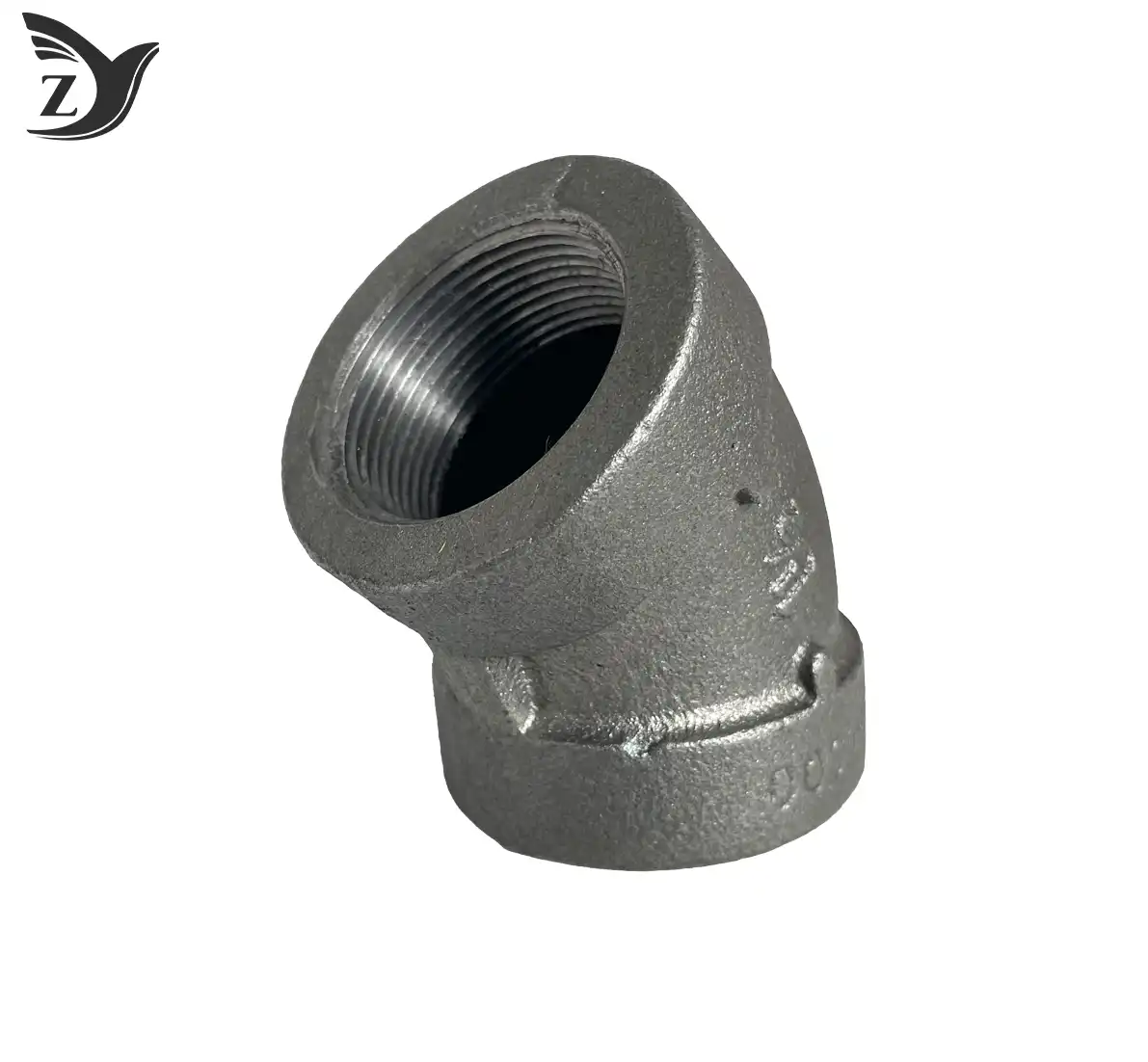
300LB Black Malleable Iron 45 Degree Threaded Elbow Pipe Fittings
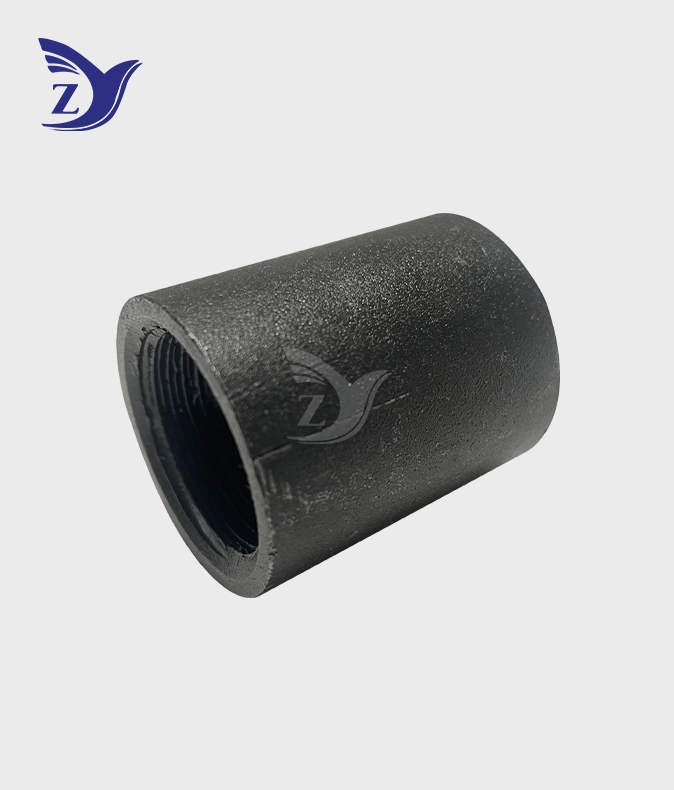
Carbon Steel Full Threaded Coupling Fittings Black Oxide Treated
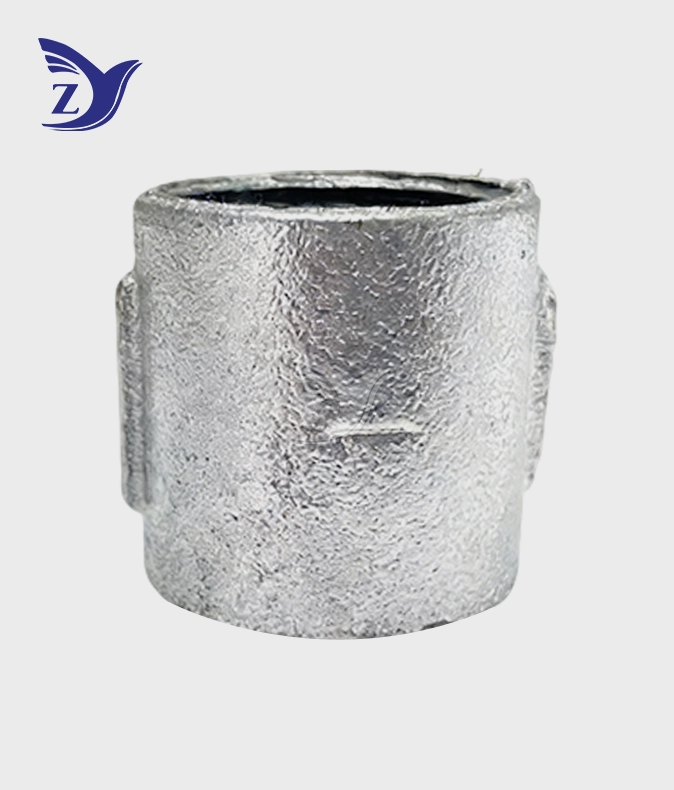
No Hub Hot Dip Galvanized Coupling Pipe Fitting
NPT Galvanized Male Nipple Pipe Fittings
BSPT Black Square Face 45° Elbow Pipe Fittings
Carbon Steel Pipe Male Threaded Fittings Red Coated
No Hub Electro Galvanized Coupling Pipe Fitting
Water Grooved Reducer