
May 22, 2026
What is a square elbow?
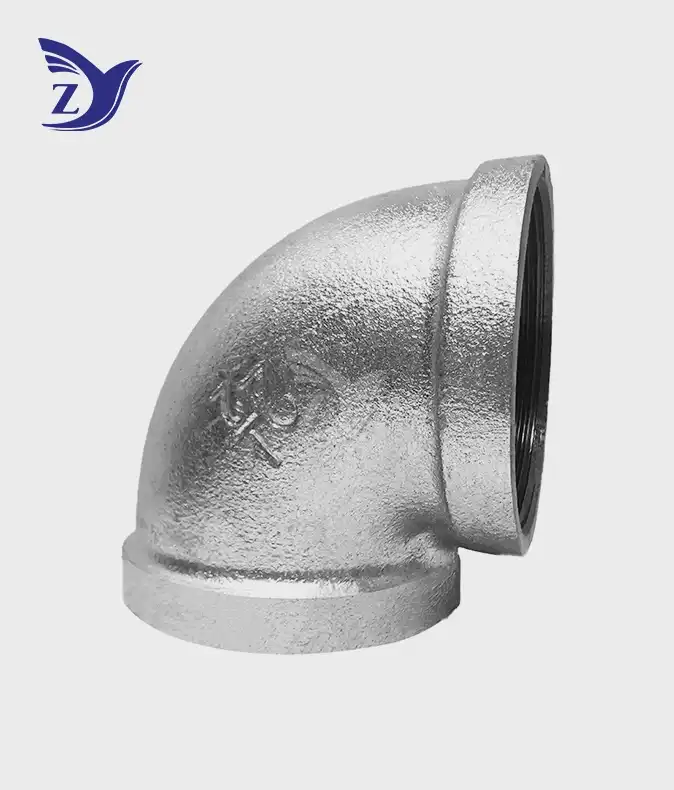
In the world of industrial plumbing, you'll come across different fittings that are meant to change the flow, connect systems, and keep the pressure stable. The square elbow is one of these that really stands out as a useful part. A square elbow, also called a square face galvanized 90° square edge elbow pipe fittings, is a bendable iron joint designed to change the direction of a pipe at a right angle. It has a strengthened, flat outer edge that is called a "square edge" or "banded" design. Unlike regular beaded elbows, this square edge makes the structure stronger, makes it easier to grip with a wrench during installation, and doesn't bend when high power is applied. The hot-dip galvanized finish adds a zinc layer that protects against rust. This makes the fittings perfect for use in industrial, water, and gas pipelines.
Understanding Square Elbow Pipe Fittings
Square elbows aren't just another item in the list of pipe fittings; they're a major step forward in design that was made to solve problems in harsh settings. These fittings are different from those with round edges because they have a square face and a flat, strengthened band at each connection point. This band does a few things: it makes the fitting's hoop stronger, lets techs use more force without breaking the casting, and gives pipe wrenches and other installation tools a stable place to rest.
Core Design Features and Material Composition
Black heart malleable iron that usually meets ASTM A197 or EN 1562 standards is at the heart of every good square elbow. This pick of material is on purpose. Because malleable iron is both strong and flexible, the fitting can handle changes in temperature, pressure, and mechanical shock without breaking. Through controlled heat treatment, the casting process turns flimsy white cast iron into a tough, shock-resistant core. This makes a fitting that can handle the stresses of industrial service.
Square face galvanized 90° square edge elbow pipe fittings have threads that are either NPT (National Pipe Taper) or BSPT (British Standard Pipe Taper) compatible. ANSI/ASME B1.20.1 rules say that NPT threads have a side angle of 60 degrees and a taper of 3/4 inch per foot. ISO 7-1 says that BSPT threads must have a 55-degree thread angle and a 1:16 taper ratio. Both types of threads make a metal-to-metal seal that gets tighter as the work goes on. This makes sure that the seal stays tight even when pressures change.
Galvanization and Corrosion Resistance
The galvanization process turns a normal elbow that can be bent into something that will last for a long time. When hot-dip galvanizing, the fitting is put into molten zinc that is about 450°C. This forms a metallurgical link between the zinc and the iron base. The layer that forms is usually more than 500g/m², which is about 70 microns thick, and it offers cathodic protection, which means that the zinc gives up its own protection to keep the iron below it from oxidizing. This layer of protection still works even if it gets scratched or worn down, because the zinc keeps covering any open areas. Industry research shows that properly galvanized parts can last 50 years or more in damp or outdoor settings, much longer than untreated options.
Pressure Ratings and Dimensional Standards
Square face galvanized 90° square edge elbow pipe fittings are usually rated as Class 150 fittings, which means they can handle up to 300 psi of pressure at normal temperatures (-20°F to 150°F) and 150 psi of pressure at high temperatures (up to 366°F with steam). These grades are good enough for city water systems, fire protection networks, HVAC installations, and some light industry uses. The square edge support makes the fitting stronger against internal pressure loads. This lowers the chance that it will burst in important systems.
Accuracy in measurements is very important. Each fitting is made to exact specifications, which means it works with standard pipe schedules and is easy to put together. This level of accuracy is important when setting up complicated pipe networks, as inaccuracy can cause leaks, joint stress, or systems that don't work well.
How to Choose the Right Square Edge Elbow Fitting for Your Project?
To choose the right square face galvanized 90° square edge elbow pipe fitting, you need to carefully look at the project details, government rules, and the supplier's skills. By making an informed choice at the start, you can avoid delays, expensive rework, and system problems.
Aligning Technical Parameters with Project Needs
First, you need to figure out what size, pressure grade, and thread type your pipe system needs. Sizes usually run from 1/4 inch to 6 inches, but supply varies by brand. Check the pressure and temperature that your system will be working in and make sure that the Class grade of the fitting matches these requirements. Based on area standards and current infrastructure, you can choose between NPT and BSPT threads. NPT is more common in North American markets, while BSPT is more common in Europe, Asia, and countries that used to be part of the Commonwealth.
When choosing materials, they should be exposed to the surroundings. Galvanized malleable iron works great in places that are damp, outdoors, or fairly salty. Talk to your provider about special treatments or other materials if your project will be done in highly acidic, alkaline, or chlorinated areas.
Compliance with International Standards
In businesses that are regulated, following well-known norms is not an option. In many areas, ISO 49 and BS EN 10242 set the size and performance requirements for parts made of malleable iron. ASTM A197 lists the qualities of materials for casts made of malleable iron, and ASTM A153 lists the requirements for hot-dip galvanizing. The thread sizes and limits for NPT and BSPT fittings are set by ANSI/ASME B1.20.1 and ISO 7-1, respectively.
Make sure that your seller gives you certifications and test results that prove they are following the rules. These papers are often needed to get permission for a job, get insurance, or do safety checks. Manufacturers with a good reputation keep notes of how each batch of parts was made, how it was heated, and the results of any inspections.
Supplier Reliability and Warranty Considerations
A square face galvanized 90° square edge elbow pipe fitting is only as solid as the company that made it. Potential suppliers should be judged on their production capacity, quality control methods, and past performance. Ask how much they make each year, how long it takes to get standard and special orders, and how much goods they keep on hand. Manufacturers with strong production skills can increase their output to meet the needs of big projects without lowering the quality of their products or delaying their deliveries.
The terms of a warranty show how confident a supplier is in their goods. Look for companies that offer replacement warranties for fittings that don't work right and quick expert help. Making guarantee policies clear will protect your investment and lower risk in mission-critical apps.
Customization and Bulk Purchasing Benefits
To connect to private systems, many industrial projects need non-standard parts, special coatings, or threading that isn't found anywhere else. Suppliers that do their own research and development (R&D) and machining can create and make parts that are exactly what you need. This freedom speeds up project timelines and gets rid of the need to make trade-offs on system design.
When you buy in bulk, you save a lot of money. Manufacturers often offer different prices based on the number of units you order, which lowers the cost per unit for big jobs. Putting all of your orders with one source makes handling easier, makes sure that all of your batches are the same, and builds long-lasting relationships that lead to better service and faster attention.
Procurement and Ordering Guide for Galvanized 90° Square Edge Elbow Pipe Fittings
Projects get high-quality fits on time and on budget when the buying process works well. B2B buyers need to be able to find their way around source landscapes, handle shipping, and check compliance paperwork.
Identifying Certified Dealers and Authorized Distributors
First, look into makers that have a good name in the pipe fitting business. If you want to find a company that meets the ISO 9001 quality management standards, you can be sure that they have a method for controlling production and making improvements all the time. When a manufacturer has extra approvals like CE, UL, and FM, you can be sure that their products are safe and work well.
Authorized dealers and regional wholesalers help makers reach more customers by keeping supplies in their own areas, delivering goods faster, and providing technical support. Check the qualifications of the distributor to make sure they only buy real goods from approved makers. Fake or poor quality fittings can put people in danger, cause systems to fail, cause legal problems, and cause projects to be delayed.
Navigating Bulk Ordering Discounts and Delivery Schedules
When you place a bigger order, the price per unit goes down because of volume pricing. Talk to providers about the full needs of your project to get tiered prices. For long-term partners, many makers also offer open payment terms, longer credit terms, and consignment inventory arrangements.
Delivery times must match up with building times. Check to see what the lead times are for normal things versus custom or non-stock fittings. Standard parts can usually be sent out within days by manufacturers with large inventories and good transportation networks. Custom orders, on the other hand, may take a few weeks. Add extra time to your buying plan in case there are delays that you didn't expect.
Factory Audits and Product Certifications
Auditing factories gives you a straight look at the quality and capacity of the production process. Site trips let you see how things are made, how they are checked for quality, and how technically skilled the maker is. This extra work is especially important for big or important projects where the dependability of each part is very important.
Ask for full product paperwork, like certifications for the materials, records on dimensional tests, pressure test results, and readings of the galvanization thickness. Manufacturers with a good reputation keep detailed records and are happy to share them with buyers to build trust.
Sample Testing and Risk Mitigation
Before committing to big orders, ask for free fittings so that you can try and evaluate them on your own. Check the dimensions, test the thread size, test the pressure, and check the rust resistance. Outside labs can do neutral tests to make sure that fits meet the requirements that were given.
Sample testing lowers the risks of buying by showing possible quality problems before they affect the project. It also sets performance standards that can be used to judge future supplies.
Conclusion
Square elbows, especially square face galvanized 90° square edge elbow pipe fittings, are a tried-and-true way to build reliable, long-lasting, and easy-to-install pipe systems in businesses, cities, and factories. Because they are made to last, have a galvanized finish that doesn't rust, and meet foreign standards, they are essential parts for many different uses. Procurement experts and project managers can make systems work better and last longer while keeping costs low by knowing the technical qualities, comparing design options, choosing the right seller, and installing and maintaining them correctly.
FAQs
What are the main advantages of galvanized square edge fittings compared to black steel?
The protective zinc covering on galvanized fittings makes them much more resistant to rust, which greatly increases their useful life in damp or outdoor settings. Even though black steel fittings are cheaper at first, they rust quickly without protective coats, which means they break down earlier and cost more over their lifetime. The galvanization method protects against cathodic damage, fixing small cuts on its own, and keeping its integrity even in tough situations.
How do I accurately measure the size of a square edge elbow fitting?
The sizes of fittings are based on the nominal pipe diameter they join to, not the fittings' outside measurements. Check the manufacturer's standard sheet or measure the inside width of the threaded port. Sizes like 1/2", 3/4", 1", 1-1/4", 1-1/2", 2" and bigger are common, but supply depends on what the seller sells.
Are square face galvanized elbows suitable for high-pressure applications?
Class 150 square edge elbows can handle up to 300 psi of pressure at room temperature and are good for most business, light industry, and public uses. Fittings that are Class 300 or bigger may be needed for higher pressure rates. Always compare the fitting's pressure class to the working conditions of your system and look at the engineering specs to make sure they work together.
Partner with Zhiyuan Malleable Steel for Reliable Square Face Galvanized 90° Square Edge Elbow Pipe Fittings
Zhiyuan Malleable Steel has been making high-quality square face galvanized 90° square edge elbow pipe fittings for over 18 years. These fittings are made to meet the strict needs of fire protection, building, municipal engineering, and industry uses. Our factory in Taigu can make up to 30,000 tons of products every year, and we have more than 1,000 different product specs, running from standard malleable iron fittings to custom OEM/ODM solutions. We make sure that every part we sell meets the standards set by ISO 9001, CE, UL, and FM. This guarantees that the quality and performance of our products will always be reliable.
We know that B2B buyers are under a lot of stress because they have to meet tight project deadlines, stick to tight budgets, and find providers they can trust. That's why we keep a lot of stock on hand: this way, we can send standard items within two hours and special orders on time as agreed upon. Our double-layer cardboard packaging keeps fittings safe while they're being shipped, and our replacement promise for broken goods takes away the risk of buying from us. Our team is ready to help you whether you need large amounts to distribute, custom fits for unique projects, or expert advice to help you choose the right product.
You can reach Zhiyuan Malleable Steel at q1236800000@gmail.com or visit zymalleablepipefitting.com to talk about your needs for square face galvanized 90° square edge elbow pipe fittings with a reliable maker and seller that is dedicated to making sure you are happy with every order.
References
- American Society for Testing and Materials. (2019). ASTM A197: Standard Specification for Cupola Malleable Iron. ASTM International.
- British Standards Institution. (2018). BS EN 10242: Threaded Pipe Fittings in Malleable Cast Iron. BSI Standards Publication.
- American National Standards Institute. (2020). ANSI/ASME B1.20.1: Pipe Threads, General Purpose (Inch). ASME Publications.
- International Organization for Standardization. (2017). ISO 7-1: Pipe Threads Where Pressure-Tight Joints are Made on the Threads – Part 1: Dimensions, Tolerances and Designation. ISO Standards Catalogue.
- American Society for Testing and Materials. (2016). ASTM A153: Standard Specification for Zinc Coating (Hot-Dip) on Iron and Steel Hardware. ASTM International.
- Piping Technology and Products. (2021). The Complete Guide to Malleable Iron Pipe Fittings: Materials, Applications, and Selection Criteria. Industrial Piping Solutions Press.
Online Message
YOU MAY LIKE
High quality furniture manufacturer
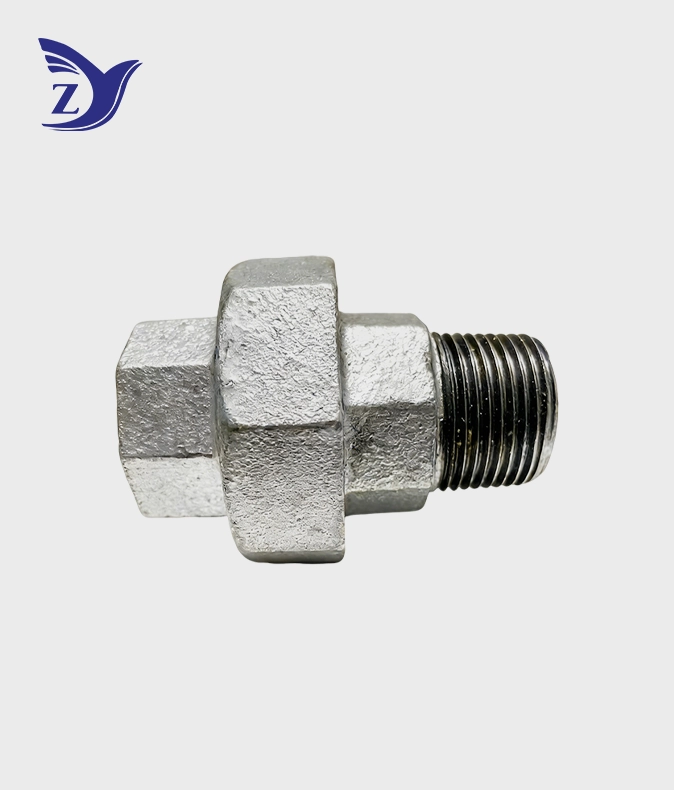
NPT Galvanized Male Female Threaded Union 341 Pipe Fittings
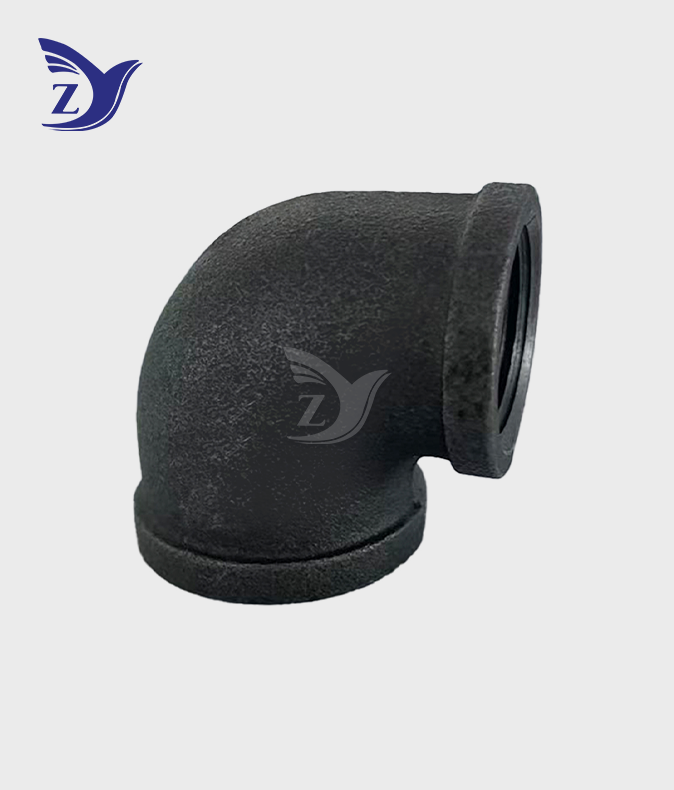
NPT Black Square Edge Reducing 90° Elbow
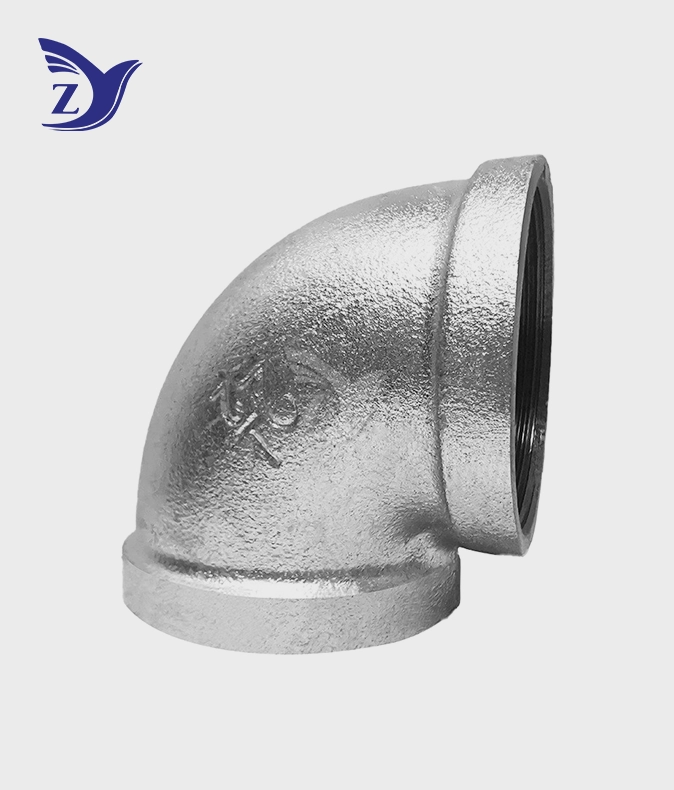
NPT Square Face Galvanized 90° Square Edge Elbow Pipe Fittings
NPT Black Cap Pipe Fittings
Fire Grooved 90° Elbow
Fire Grooved Reducing Tee
NPT Black Round Face Male-Female 90° Elbow Pipe Fittings
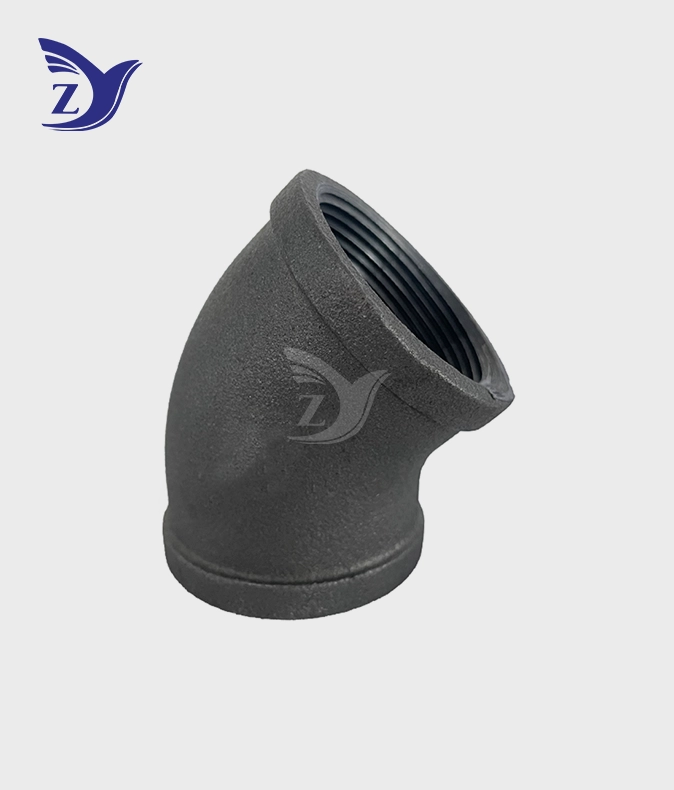
NPT Black Square Face 45° Elbow Pipe Fittings