
Jul 15, 2026
What is a grooved pipe fitting?
Grooved pipe fittings are mechanical systems that connect pipes quickly and firmly without having to weld or put them together. The ends of these fittings are rolled or cut with grooves that fit into housing parts and seals to make strong, pressure-resistant connections. Manufactured from ductile iron, stainless steel, or carbon steel, these components have changed the way pipes are installed in industrial, fire protection, and HVAC systems. They are more flexible, safer, and require less work than traditional joining techniques.
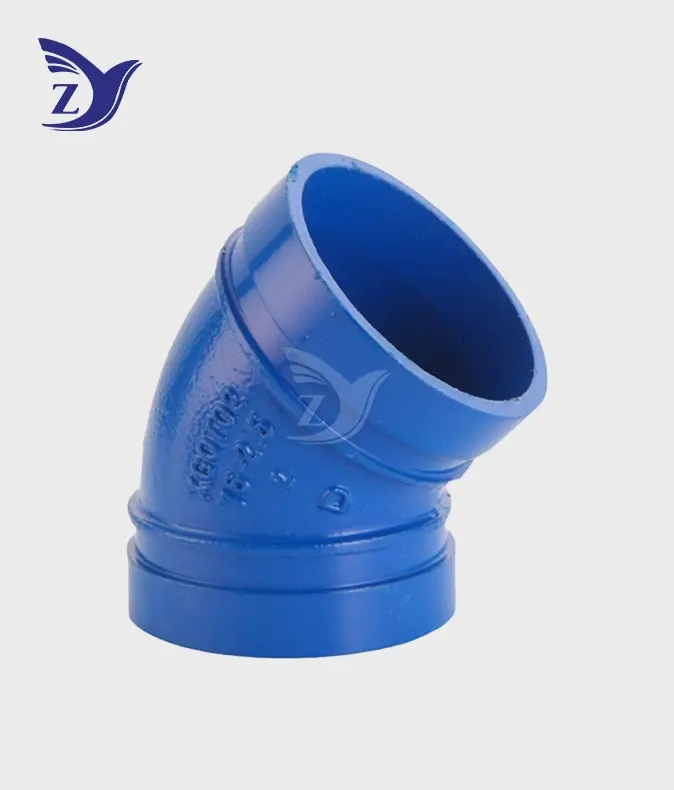
Understanding Grooved Pipe Fittings
How Grooved Coupling Systems Work?
What makes the grooved pipe fittings work is a simple but clever device. With special tools, workers roll holes onto the ends of the pipes. Next, they put a rubber seal around the joint. The frame, which is made up of two connected sections, goes around both ends of the pipe and presses down on the gasket to make a seal that won't leak. This design lets the pipe move and absorb vibrations while keeping the structure's stability when the pressure changes.
Material Specifications and Their Benefits
In different operating settings, different materials are used. For normal uses, ductile iron fittings are very strong and affordable, and they can handle pressures of up to 300 PSI in most setups. Chemical processing plants and sites near the coast use stainless steel because it doesn't rust. For general industrial use, carbon steel choices strike a good mix between durability and cost. To meet ISO 9001, UL, and FM approval standards, each material goes through strict quality tests. This makes sure that the products are reliable in all global markets.
Key Advantages for Procurement Decisions
When compared to soldered connections, these connections take about half as long to install, which saves a lot of time and money on big jobs. Because it's automatic, it doesn't need hot work permits or fire watches, which makes the job site safer—especially in crowded buildings or dangerous places. These joints are naturally flexible, so they can adapt to changes in temperature, shaking, and settling. This makes the associated equipment less stressed. Accessibility for maintenance is better because techs can take parts apart without having to cut or replace whole pipe runs.
Types and Applications of Grooved Pipe Fittings
Common Fitting Configurations
The product line includes a lot of different specific parts. With rigid couplings, links stay in place and the orientation of the pipes stays the same. Flexible joints can bend in any direction and move in a straight line. They are perfect for connecting pumps and places that shake a lot. At 45° or 90° angles, elbows change the flow, and tees and crosses let branches join. Reducers change the width of a pipe from one size to another, and caps seal off the ends of a line. Mechanical valves make it possible to add branches without having to shut down live systems, which is a very important trait for upgrading infrastructure.
Flexible vs. Rigid Fitting Applications
Flexible joints allow up to 4 degrees of rotation and a small amount of linear movement. They absorb forces that would damage hard pipe systems otherwise. These are very important near spinning machines like pumps and compressors, where vibrations from the machines can travel through pipes that are tied to them. Rigid joints work best for straight runs that need to stay in place, like long horizontal distribution mains or vertical rises in tall buildings. Choosing the right amounts of flexibility has a direct effect on how long a system lasts and how often it needs upkeep.
Industry-Specific Solutions
For example, fire defense systems are a major use where quick installation and following the rules are still very important. Grooved pipe fittings that are UL-listed and FM-approved meet the requirements of NFPA 13 for wet, dry, and pre-action sprinkler systems. When a building is being renovated, it's easy to make changes to HVAC systems. Water and wastewater treatment plants like that the parts don't rust and can be taken apart for easy cleaning. In order to work, mining and power production need strong links that can handle high temperatures and pressures and still work in remote areas.
Size Charts and Pressure Ratings
Standard sizes range from 1 inch to 48 inches in diameter, so they can be used in both home and business settings. It depends on the size and type of material. For example, ductile iron fittings with a smaller diameter can usually handle 300 PSI of working pressure, while fittings with a bigger diameter may only be rated for 150 PSI. Depending on the wall thickness, models made of stainless steel can often handle higher pressures. When engineers create a system, they have to compare the manufacturer's specs with the design parameters. They have to think about things like the type of fluid, the temperature ranges, and the surge pressure conditions.
Comparison with Other Pipe Fitting Methods
Grooved vs. Welded Connections
Permanent joints can only be made by qualified welders using expensive tools and taking a long time to install. Each weld needs to be inspected, which drives up the cost of quality control. Installing grooved pipe fittings with semi-skilled workers is three to five times faster, which cuts project timelines by a large amount. The costs of making changes are very different. Welded systems need to be cut and re-welded, but these connections can be taken apart and put back together in minutes. Studies in the industry show that these systems have a 30% lower total cost of ownership over the life of a building.
Grooved vs. Flanged Connections
Flanged joints make links that are strong, but they are very heavy and need to be carefully tightened. In crowded machinery rooms, it can be hard to meet installation area needs. These fittings are about 70% lighter than similar flanged systems. This makes them easier to handle and lowers the load on the structure. When placed correctly, sealing efficiency stays the same. When looking at costs, these systems are better for widths less than 10 inches. On the other hand, flanged connections may be cheaper for bigger setups with low quantities.
Grooved vs. Threaded and Clamp Fittings
Threaded connections work well for smaller diameter uses, but they require a lot of work to install and can come away when the system is shaken. Thread contact makes pipe walls weaker, which limits how much pressure they can hold. Clamp-style couplings are easy to put together, but they don't have the pressure values or code approvals that are needed for important systems. Because they are better at keeping air in, preventing vibrations, and following regulations, these mechanical joints are the best choice for engineered pipe systems that need to be safe and reliable for a long time.
Installation and Maintenance Guide
Step-by-Step Installation Process
To start, use the right saws or other cutting tools to cut the pipes into squares. Make sure the sides are clean and free of burrs. Make sure that the pipe's width and wall thickness match the requirements for the fitting. You can roll or cut grooves to exact measurements by following the manufacturer's instructions with portable or fixed shaping tools. Use accurate tools to check the depth and width; the wrong measurements can weaken the joint. Place the seal evenly around one end of the pipe to make sure it fits correctly. Line up the ends of both pipes, and then put the housing pieces on top of the joint. Install and tighten bolts in a star pattern to the torque values given by the maker, which are usually between 45 and 75 ft-lbs for bolts of different sizes.
Required Tools and Safety Protocols
Grooving machines, torque wrenches, alignment tools, and check scales are all important tools. Safety glasses, gloves, and steel-toed shoes are all examples of personal protective equipment. When grooved pipe fittings are used instead of welding, there are no fire risks or harmful fumes. However, workers must use the right lifting methods for bigger parts. When working in engine rooms or underground vaults, you need to follow confined space methods. After construction, pressure testing makes sure that the joints are solid before the system is turned on.
Routine Maintenance and Troubleshooting
Every three months, you should do a visual review to look for signs of gasket wear, housing rust, or loose bolts. If you see that the tension is dropping, you may need to re-torque the bolts, but joints that are properly fitted rarely need to be adjusted. Leaks usually mean that the system wasn't installed correctly the first time, not that it's broken. Check the groove measurements, the state of the gasket, and the bolt torque. As a preventative measure, gaskets should be replaced every 10 to 15 years. However, in non-corrosive settings, they usually last longer than 25 years. Keep track of performance trends and find the best inspection times by writing down all repair tasks.
Conclusion
When it comes to installation speed, lifetime costs, and operating freedom, grooved pipe fittings are clear winners. Knowing the different kinds of fittings, the specs for the materials, and the right way to install them helps procurement workers choose the best options for a wide range of situations. When compared to soldering, flanging, and fitting, it is clear that this method is better in terms of performance and cost. For procurement to go well, sellers must give a wide range of products, quality certifications that have been proven, reliable delivery, and helpful expert support. As the world's infrastructure needs grow, these components continue to gain market share because they work well in fire protection, HVAC, water distribution, and industrial plumbing systems.
Partner with a Trusted Grooved Pipe Fittings Manufacturer
Zhiyuan Malleable Steel is ready to help you with your pipe projects by providing approved, high-quality grooved pipe fittings. They have been making these components well for 26 years. We are a major provider to fire protection contractors, city engineers, distributors, and industrial sites all over the world. We offer detailed product specs, low prices for bulk orders, and reliable delivery times. Our ISO 9001, CE, UL, and FM certifications make sure that we follow the rules in all foreign markets, and our OEM/ODM services can be used to meet the specific needs of each project. You can email our engineering team at q1236800000@gmail.com or visit zymalleablepipefitting.com to talk about your needs, get technical information, or get custom quotes for your future projects. Feel the difference that good manufacturing, quick service, and knowledge of the business make for successful buying.
FAQ
What advantages do grooved connections offer over welded fittings?
Installing grooved pipe fittings is three to five times faster, and you don't need trained welders, hot work permits, or a lot of quality checks. Instead of cutting and rewelding, taking something apart for repair or changes only takes minutes. On similar projects, labor costs are usually cut by 30 to 40 percent, and liability and insurance costs go down because of better safety ratings.
Are grooved fittings suitable for high-pressure fire sprinkler systems?
Of course. These components that are UL-listed and FM-approved meet NFPA 13 standards for fire prevention uses and can handle higher pressures than most sprinkler systems need. Installing something correctly according to the manufacturer's instructions makes sure that it meets building codes and works well during fires. Many places make it clear that these methods are the same as or better than threaded or bonded ones.
How do I determine correct size and pressure ratings?
Match the fitting's width to the standard size of the pipe it's attached to, make sure the wall thicknesses are compatible, and make sure the pressure values are higher than the system's design pressure by a safe amount, usually 1.5x to 2x working pressure. Look at the detailed datasheets from the maker to find information about size, material, and how the product should be used. Getting engineering help from skilled suppliers can make it easier to meet strict standards.
References
1. American Water Works Association. Manual of Water Supply Practices M11: Steel Pipe—A Guide for Design and Installation. AWWA Publishing, 2017.
2. National Fire Protection Association. NFPA 13: Standard for the Installation of Sprinkler Systems. NFPA Publications, 2022 Edition.
3. Rahmeyer, William J. "Pressure Drop Performance of Grooved Pipe Fittings and their Equivalent Length." ASHRAE Transactions 115.2 (2009): 455-468.
4. Stewart, Harry L. Pipefitters Handbook. Industrial Press Inc., Revised Edition, 2016.
5. Underwriters Laboratories. UL 213: Standard for Rubber Gasketed Fittings for Fire Protection Service. UL Standards, 2018.
6. Zhang, Ming and Roberts, David. "Seismic Performance of Grooved Piping Systems in Critical Infrastructure." Journal of Pipeline Engineering 18.4 (2020): 287-302.
Online Message