
Apr 17, 2026
What is a BSPT Square Face Galvanized Square Edge Reducing Coupling?
When managing complex industrial piping networks, connecting pipes of different diameters while maintaining structural integrity and leak-proof performance becomes a critical challenge. BSPT square face galvanized square edge reducing coupling pipe fittings serve as the engineered solution to this exact problem. These specialized malleable iron components feature British Standard Pipe Taper (BSPT) threading—following the ISO 7-1 standard with a 55-degree thread angle—and are designed to join two pipes of unequal nominal bore sizes securely. The "square face" designation refers to the flat-surfaced reinforcing band around the socket ends, which provides superior grip surfaces during high-torque installations and prevents deformation under mechanical stress. Hot-dip galvanization adds a protective zinc coating that acts as a sacrificial barrier against corrosion, making these fittings ideal for water supply systems, fire protection networks, HVAC installations, and industrial process pipelines.
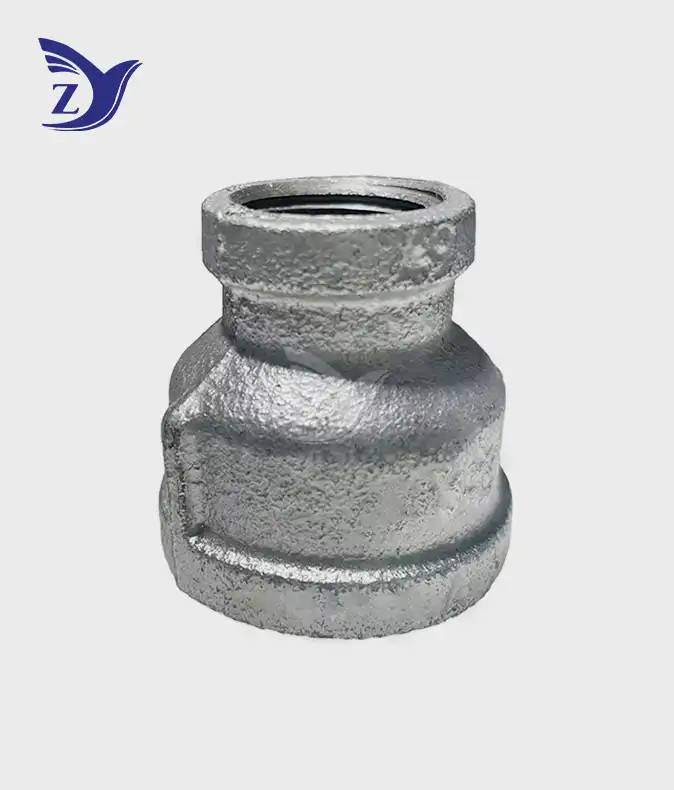
BSPT Square Face Galvanized Square Edge Reducing Couplings
Defining BSPT Threading Standards
How the British Standard Pipe Taper thread method seals is very different from how parallel thread designs do it. BSPT threads have a 1:16 taper ratio, which means that for every 16 units of thread length, the width gets smaller by one unit. This cone shape makes an interference fit, which means that as the fitting tightens, the male and female threads press together. This forms a metal-to-metal seal that doesn't need extra gaskets or O-rings for most low-pressure uses. According to ISO 7-1, the 55-degree Whitworth thread angle spreads tightening forces across the thread sides better than the 60-degree angles used in NPT systems. This makes thread stripping less likely to happen during installation.
Square Face and Square Edge Design Features
Square face galvanized square edge reducing coupling pipe fittings are different from regular beaded fittings because they have structural support. The square edge has an extra-thick material layer around the threaded areas that makes a flat, straight surface at each socket hole. This part of the design serves several engineering purposes: it makes the hoop stronger to resist internal pressure expansion, it gives pipe wrenches a stable surface to grip that keeps them from slipping during installation, and it adds thermal mass that helps systems that experience temperature changes get rid of heat. When procurement teams look at square edge vs. beveled edge choices, the flat surface design is better for situations where heavy tools need to be used or where parts need to be put in tight areas with the best torque transfer efficiency.
Material Composition and Galvanization Process
Blackheart malleable iron that meets ASTM A197 or ISO 5922 standards, which list material types like W400-05 or W350-04, is usually used to make these connections. The pliable iron has a ferritic core that makes it much more flexible than gray cast iron. This means that it doesn't break easily when pressure builds up quickly or when it is hit by something. During the galvanization process, the finished parts are submerged in liquid zinc at temperatures around 450°C. This forms a coating that is metallurgically attached to the metal. With this hot-dip method, zinc covering masses usually reach more than 500g/m², which is equal to a thickness of about 70 microns. The zinc layer protects against cathodic corrosion because it corrodes faster than the iron below it when it comes into contact with water. This makes the metal last a lot longer in places like chemical processing plants, buried pipes, and outdoor sites where corrosion from the air is a constant threat.
Dimensional Standards and Compatibility
BSPT-threaded lines must be paired with threads that are the right size to avoid leaks. The square face galvanized square edge reducing coupling pipe fittings have two socket holes with different internal widths. This lets you connect two pipes of different sizes, like a 2-inch pipe to a 1-inch pipe, inside the same fitting body. To make sure the closing works right, the thread contact depth, thread crest diameter, and root diameter must all match the dimensions listed in EN 10242. The lowering bore's coaxial orientation keeps the flow dynamics stable, cutting turbulence and pressure drops at the diameter transition point. Professionals in charge of buying things should make sure that the providers they work with provide dimensional proof that matches the exact pipe sizes that are needed. If they don't, non-standard errors could cause cross-threading, poor thread engagement, or seal failures during pressure testing.
Benefits and Common Applications of Galvanized Square Edge Reducing Couplings
Industrial Advantages and Performance Characteristics
When you combine galvanized protection with square face galvanized square edge reducing coupling pipe fittings construction, you get measured practical benefits that solve common field problems. Corrosion resistance makes fittings last 15–25 years longer in water distribution systems than black iron ones. This means that fittings don't need to be replaced as often and upkeep costs are lower. Because the square edge form is so strong, these fittings can handle pressure levels up to Class 150, which is about 300 psi at room temperature. This means they can be used in pump houses and fire protection systems where high pressure is needed. When you look at how much it costs to install, you can see that the better wrench grip surface cuts down on the time techs spend making connections, and the tapered thread design means that extra sealing compounds aren't needed in many situations.
Here are the main benefits these parts offer in harsh workplace settings:
- Extended Service Life: The zinc layer acts as a sacrifice, delaying the formation of rust even when small surface damage happens. This keeps the structure strong in damp places where condensation often forms on the outside of pipelines.
- Versatile Diameter Adaptation: Because it is made of a single piece, there is no need for multiple reducers and adapters. This makes it easier for wholesalers to keep track of their goods and lowers the number of places where systems could leak.
- Thermal Stability: Malleable iron keeps its shape at temperatures ranging from -20°C to 120°C. This keeps the threads from coming loose during thermal expansion cycles, which happen a lot in HVAC and process heating uses.
- Impact Resistance: The ductile metal can handle mechanical shocks from water hammer events without breaking. This is an important safety trait in fire control systems that experience sudden increases in pressure when they are activated.
These performance characteristics make the fittings very useful in situations where system reliability has a direct effect on safety compliance and operating consistency.
Sector-Specific Applications
Fire protection engineering firms use these fittings all the way through the branch lines of sprinkler systems. This is where reducing couplings go from larger distribution mains to smaller diameter feeds that serve individual spray heads. The galvanized finish meets the NFPA standards for corrosion protection, which means that the fittings will keep their structural integrity for decades of backup service. These couplings are used in municipal water supply projects for pump station discharge lines and pressure-reducing valve installations. The width changes make the flow speed better, and the zinc surface keeps scale from forming on mineral-rich water.
When combining condensate drain lines of different sizes in commercial HVAC systems, the ability to handle thermal growth is a big plus. The threaded link makes it possible to take the system apart for repair without having to cut the pipes, which cuts down on service time. In industrial petrochemical plants, these fittings are used in cooling circuits and process water lines. The hot-dip galvanization protects against splashes of mild acids and alkaline solutions that are common in plant environments, but special coatings can be ordered for direct chemical contact applications.
How to Choose and Install BSPT Square Face Galvanized Square Edge Reducing Couplings?
Selection Criteria for Procurement Professionals
To correctly match pipe size, you need to know the difference between nominal bore and real outer diameter measures. BSPT sizes are based on British customs, where a "1/2 inch" fitting refers to the theoretical flow diameter rather than the thread diameter. When buying parts for systems with G-series threads, procurement teams should compare seller specifications to ISO 228 parallel thread standards. This is because square face galvanized square edge reducing coupling pipe fittings and parallel threads are not compatible, even though they have similar diameter values. When figuring out a pressure rating, you have to look at both the working pressure and the possible surge pressure. For example, a system that usually runs at 100 psi might experience short-lived spikes to 200 psi when the pump starts up, so you'll need fittings that are rated for that higher value.
Other than normal malleable iron, temperature needs affect the choice of material. Systems that work constantly above 120°C might need special parts that have been heat-treated or different materials like forged steel. However, galvanized coatings start to break down above 200°C and can't be used for high-temperature steam uses. The chemical compatibility test should look at more than just the main fluid. It should also look at the cleaning agents and winterization additives that are used during upkeep.
Square Edge Versus Beveled Edge Considerations
Edge configuration is sometimes set by project specs based on the limitations of the installation setting. When maximum torque is needed, square edge couplings work great. For example, when installing large-diameter water lines for cities, the installation teams may need a lot of mechanical advantage because they use heavy pipe tools. The flat surface spreads the tightening force equally across the wrench jaws, which keeps the jaws from slipping, which can damage the threads. Alternatives with a beveled edge have a chamfered or rounded shift at the socket hole. This makes it easier to enter the pipe during alignment but gives the tool less surface area to grab.
When there isn't enough room for a wrench, square edge fittings let techs tighten properly with shorter wrench handles because the positive contact lowers the chance of rounding the fitting's outside edges. On the other hand, beveled designs can be chosen for pipes that have already been put together. This is because automatic threading equipment can use the chamfer's self-guiding qualities during mass production.
Conclusion
Square face galvanized square edge reducing coupling pipe fittings are important parts of industrial pipe systems that need reliable diameter changes and protection against rust. Procurement pros can make smart buying choices that balance beginning costs against long-term performance needs when they know about the threading physics, material qualities, and application fit of a product. The mechanical strength of malleable iron, the protective properties of hot-dip galvanization, and the structural benefits of square edge reinforcement all work together to solve problems that fire protection workers, city engineers, and industrial facility managers face in the real world. If you choose the right fittings based on their pressure ratings, temperature ranges, and compatibility needs, and then install them correctly, they will last for decades without leaking in a wide range of systems, from water transport networks to HVAC systems.
Partner with Zhiyuan Malleable Steel for Your Pipe Fitting Requirements
Zhiyuan Malleable Steel has been making specialized steel products for over 26 years and now supplies the world's pipe fitting market with square face galvanized square edge reducing coupling pipe fittings that meet strict international standards such as ISO 9001, CE, UL, and FM certifications. Our 30,000-ton annual production capacity across more than 1,000 product specs makes sure that we always have a full inventory, and standard things are shipped within two hours of receiving an order. Our 50,000-square-meter building keeps a lot of common-sized items in stock because we know that shipping times are important for keeping projects on schedule. Our engineering team creates unique OEM/ODM solutions for non-standard diameter combinations and unique uses. They also offer full technical help during the whole purchase process. If you need a reliable supplier of square face galvanized square edge reducing coupling pipe fittings with low prices, quality assurance, and quick service, email our team at q1236800000@gmail.com to talk about your project needs and get detailed quotes based on your volume needs.
FAQs
What distinguishes BSPT threads from NPT threads?
The Whitworth thread angle for BSPT threads is 55 degrees, which is in line with ISO 7-1 standards. The Whitworth thread angle for NPT threads is 60 degrees, which is in line with ASME B1.20.1. Because the angles and pitch requirements are different, these thread types can't be used together. Trying to mate BSPT and NPT parts together leads to thread contact that isn't complete and fails under pressure. Europe, Asia, and countries that used to be part of the British Commonwealth all use BSPT, but North America mostly uses NPT.
How long do galvanized couplings last in outdoor installations?
Service life depends on how it is exposed to the environment, but hot-dip galvanized fittings that are fitted correctly should last 20 to 30 years in moderate areas with regular rain. Coastal areas with salt air may shorten the lives to 12 to 18 years, while dry interior areas can make it last longer than 35 years. By checking the zinc coating's stability on a regular basis, you can change it before it starts to corrode.
Can these fittings connect to non-galvanized pipes?
BSPT galvanized couplings can join to black iron pipes, galvanized pipes, and even brass or bronze pipes with BSPT threads that are suitable. Galvanic corrosion can be stopped by using dielectric unions or thread seals with corrosion inhibitors when combining metals that are not the same. If you don't have dielectric separation, don't make straight galvanized-to-copper links in damp places, because electrochemical reactions will speed up the breakdown of the zinc coating.
References
- British Standards Institution. ISO 7-1: Pipe Threads Where Pressure-Tight Joints Are Made on the Threads – Part 1: Dimensions, Tolerances and Designation. London: BSI Standards Publication, 2018.
- American Society of Mechanical Engineers. ASME B16.3: Malleable Iron Threaded Fittings – Classes 150 and 300. New York: ASME Press, 2020.
- ASTM International. ASTM A197: Standard Specification for Cupola Malleable Iron. West Conshohocken: ASTM International, 2019.
- European Committee for Standardization. EN 10242: Threaded Pipe Fittings in Malleable Cast Iron. Brussels: CEN Publishing, 2017.
- National Fire Protection Association. NFPA 13: Standard for the Installation of Sprinkler Systems. Quincy: NFPA Publications, 2022.
- Zinc Development Association. Hot Dip Galvanizing for Corrosion Protection of Steel Products. Brussels: International Zinc Association Technical Report, 2021.
Online Message
YOU MAY LIKE
High quality furniture manufacturer
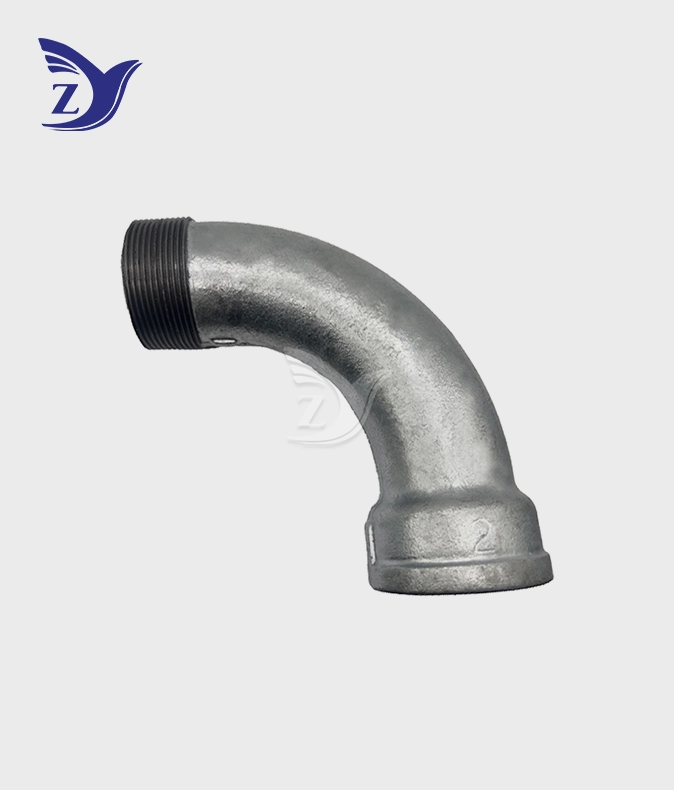
BSPT Galvanized Male Female 90° Long Radius Elbow Pipe Fittings
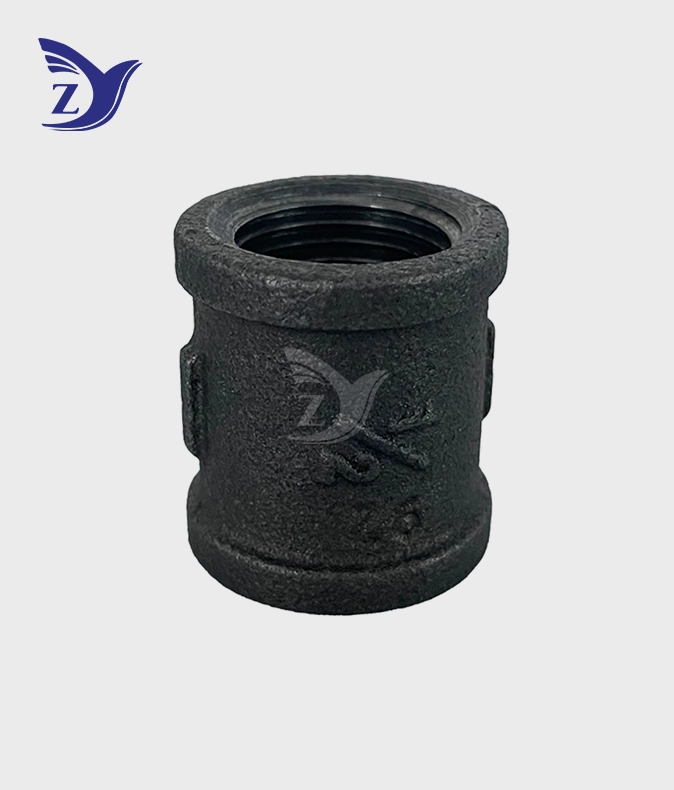
NPT Black Square Face Coupling Pipe Fittings
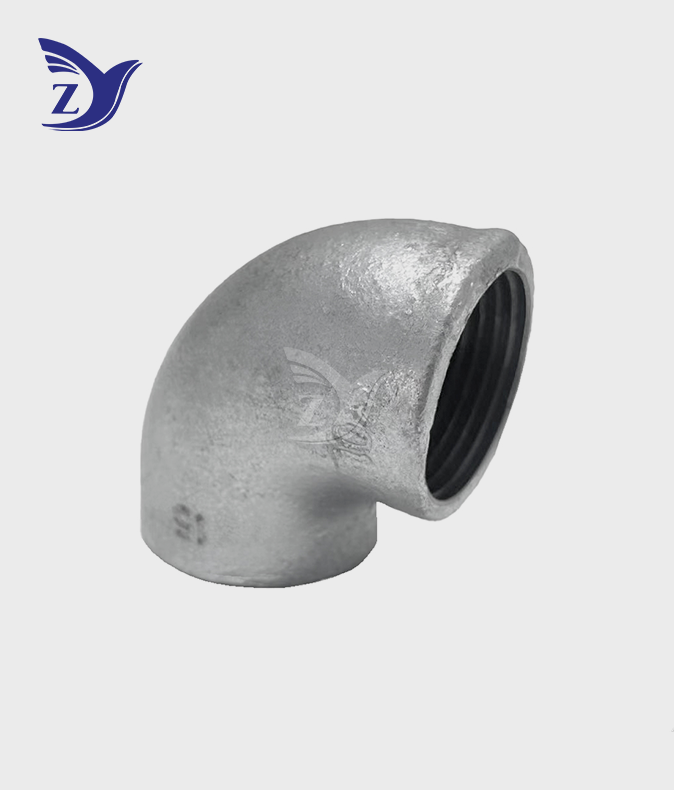
No Hub Hot Dip Galvanized 90° Elbow Pipe Fitting
Water Grooved Blind Flange
NPT Galvanized Reducing Male Nipple Pipe Fittings
BSPT Round Face Galvanized Round Edge Reducing Coupling Pipe Fittings
Carbon Steel Full Threaded Coupling Fittings Black Oxide Treated
NPT Black Square Face Reducing Tee Pipe Fittings