
Jun 1, 2026
What does "malleable iron" mean in black malleable iron bushings?
When looking for pipe fittings for fire safety systems, city water lines, or industrial gas distribution networks, you may have come across the term "black malleable iron bushing." But what does "malleable iron" really mean, and why is this difference in materials important for the durability and dependability of your project?
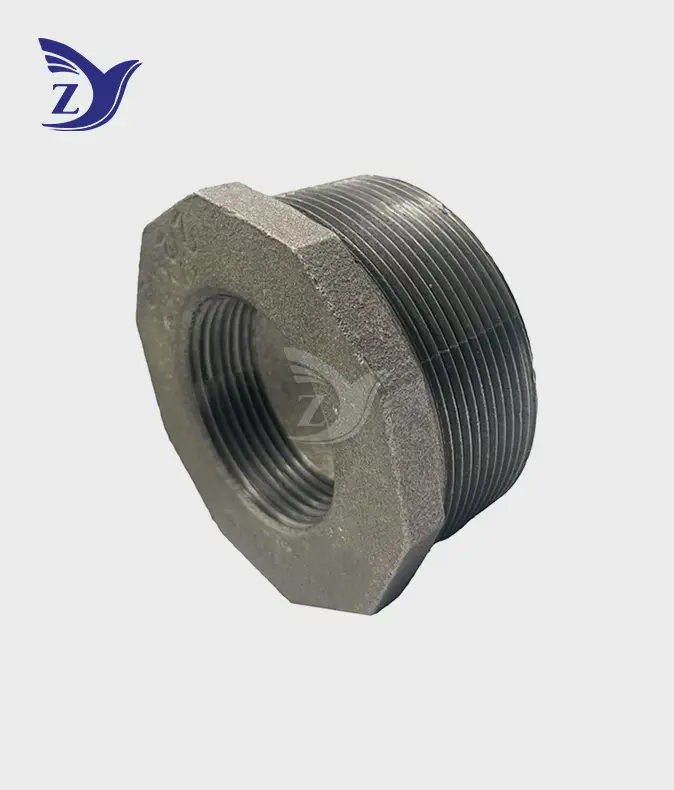
A black malleable iron bushing is a special threaded pipe fitting made from cast iron that has been tempered and then heated in a way that changes its properties. When white cast iron is being made, it is fired for long periods of time—sometimes more than 50 hours at controlled temperatures. This breaks down the iron carbides into small balls of temper carbon within a structure of ferrite or pearlite. This annealing process changes the microstructure of the material in a basic way. It turns iron that is hard to bend into a part that can bend and take shock loads without cracking. "Black" refers to the non-galvanized surface finish, which is usually covered by a thin layer of black lacquer or anti-rust oil. These bushings are perfect for use in steam, oil, and natural gas uses where galvanized zinc coats would damage or contaminate the medium. When purchasing professionals understand this change in the metal's structure, they can choose parts that improve performance in high-pressure and vibration-prone settings.
Malleable Iron in Black Malleable Iron Bushings
The Metallurgical Transformation Behind Malleable Iron
The word "malleable" refers to iron that can be bent under stress without breaking. This trait is achieved through careful heat treatment. Standard cast iron has flake graphite in it, which forms stress points inside the metal that make it break easily when hit. White cast iron, which has hard iron carbides (cementite) in it, is the first step in making malleable iron. When these carbides are heated for a long time at temperatures between 870°C and 950°C, they break down and reorganize as temper carbon clusters. This change in the microstructure, which is controlled by standards like ASTM A197, makes material with tensile strengths of more than 330 MPa and elongation rates of 8% or higher. These are mechanical qualities that can't be found in regular gray iron casts.
How Malleable Iron Differs from Cast and Ductile Iron
Gray cast iron is easy to work with and doesn't vibrate much, but the graphite flakes in it make weak spots. As a result of magnesium treatment during casting, ductile iron makes spheroidal graphite, which is very strong but costs more to make. Iron that can be shaped is a good middle ground. Its nodular temper carbon structure gives it impact strength like ductile iron while keeping the cost-effectiveness close to that of normal castings. The material can handle changes in temperature without losing its shape, which is very important in steam and heating uses where temperatures change more than 100°C every day.
Heat Treatment and Annealing Process
A two-stage heating operation is needed to make NPT/BSPT black malleable iron bushings. The first step, which is done in a controlled-atmosphere oven, starts the process of graphitization. Castings made of white cast iron are kept at high temperatures, and carbon monoxide-filled air keeps the surface from decarburizing. In the second stage, the temperature drops slowly, which lets the carbon atoms move around and make steady nodules. At Zhiyuan Malleable Steel, this process is done in high-tech HTL-1 type 100-ton natural gas energy-saving annealing kilns that keep the temperature even across the whole load, within ±5°C. This makes sure that the mechanical properties are the same for every batch of steel. This level of accuracy has a direct effect on the final bushings' thread integrity and pressure values.
Critical Performance Metrics for Industrial Applications
Professionals in procurement judge black malleable iron bushings based on performance data that can be measured. Some important measurements are yield strength (usually at least 200 MPa), which tells you how resistant the material is to permanent deformation under installation torque; Brinell hardness (110–156 HB), which tells you how resistant the material is to wear in dynamic sealing applications; and impact toughness, which tells you how the material will react to pressure surges or water hammer events. When properly placed with the right thread sealants, threads that meet ANSI/ASME B1.20.1 for NPT or ISO 7-1 for BSPT standards make sure that mechanical seals don't leak. Because of these qualities, malleable iron bushings are the best choice for lowering connections in fire sprinkler heads, gas meter installations, and city water distribution networks.
Applications and Benefits of Black Malleable Iron Bushings in Industry
In many different types of industries, where dependability and longevity are important for keeping operations going, black malleable iron bushings are essential. Their special mix of mechanical strength and heat stability makes them useful for problems that other materials can't fix cost-effectively.
Fire Protection and Sprinkler Systems
In business fire safety systems, black malleable iron bushings make it easier to reduce the diameter of the lines from the main distribution headers, which are usually 4 or 6 inches in diameter, to the branch connections that serve individual sprinkler heads, which are usually ½-inch or ¾-inch in diameter. The structure is made of malleable iron, which can handle the steady pressures that are common in wet-pipe systems (50–150 psi) and the shock loads that are created when the valve is quickly opened and closed. The black finish takes away any worries about the zinc layer wearing off in dry-pipe systems where nitrogen or compressed air stays in touch with the fitting surfaces for long periods of time. Fire protection companies like that the material meets UL and FM approval standards. Zhiyuan Malleable Steel makes sure of this by putting its products through strict third-party testing methods.
Industrial Steam and Heating Networks
A lot of different types of pipes have to work in tough conditions for district heating systems and industrial steam distribution networks. Changes in temperature between room temperature and 180°C cause stresses in the growth, and the formation of condensation increases the risk of rusting. In these conditions, malleable iron bushings work best because their texture can handle changes in temperature without getting microcracks, which happens with gray iron fittings. The black surface that isn't coated keeps zinc from breaking off, which could get into steam traps and block control valves. Municipal heating companies and industrial plant operators say that properly kept systems can last for more than 25 years. This means that the cost of ownership is much lower than when inferior materials need to be replaced often.
Petrochemical and Natural Gas Distribution
Because galvanized coats can be dirty, gas utility companies and industrial plants require fuel gas pipes to be made of black malleable iron. Pressure valves and flow measurement tools can be damaged by the zinc particles that leak out of galvanized joints. NPT/BSPT precision-threaded bushings made from malleable iron provide the tight closing needed for methane, propane, and natural gas service. They also stay the same size at temperatures ranging from -20°C to 150°C. Because the material is flexible, it also gives you extra safety in places where there are a lot of earthquakes, where ground movement can put horizontal loads on parts made of cast iron that would break them.
Cost Efficiency in Large-Scale Operations
Distributors of plumbing and tools know that when buying in bulk, malleable iron bushings are the best value. Individual units may be more expensive than plastic or brass alternatives, but the longer service life, lower upkeep needs, and lack of costs related to failure early on make the total cost of ownership estimates more beneficial. The material's flexibility is appreciated by wholesale buyers who work with building and city engineering firms; the same fitting can be used for potable water, natural gas, and compressed air, which makes managing inventory and keeping track of it easier.
Black Malleable Iron Bushings vs Alternative Materials: A Decision-Making Guide
To choose the best black malleable iron bushings, you have to weigh a number of performance factors against the needs of the job and your budget. This method for comparison helps buying managers make smart choices.
Material Performance Comparison
Because they don't rust and don't cause much friction, bronze bushings are perfect for naval settings and uses where they need to be put together and taken apart a lot. Bronze, on the other hand, is about three to four times more expensive per unit than pliable iron and has less tensile strength. Steel bushings are the strongest mechanically, but they need to be galvanized or coated to protect them from corrosion, which costs more and creates possible failure places for the coating. While plastic bushings are lighter and don't rust, they can't handle temperatures above 80°C or pressures above 150 psi, which means they can't be used with steam or industrial gas.
Malleable iron bushings balance these considerations effectively. In dry and sometimes wet settings, they don't rust, which is good enough for most HVAC, gas distribution, and fire protection uses. Working pressures of up to 300 psi (Class 300 fittings) and temperatures of up to 230°C can be handled by the material. The mechanical strength is higher than bronze, and the cost is still 60–70% less than bronze. This makes it a great choice for large-scale projects.
Procurement Considerations and Bulk Advantages
In B2B pipe fitting buying, minimum order numbers have a big effect on unit prices. When you buy more than 500 units of malleable iron bushings, the prices usually start to be competitive. You can get bigger savings when you buy 2,000 or 5,000 pieces. Lead times depend on the specification. Standard NPT sizes in common diameter combinations can be shipped from stock within 48 hours. On the other hand, BSPT setups or non-standard size combinations may need 15 to 20 days to be scheduled for production. Zhiyuan Malleable Steel keeps a deep store of more than 1,000 product specs. This lets them quickly meet both emergency replacement needs and planned project deadlines. The company can produce up to 30,000 tons of steel each year, so there is always enough to go around, even during busy building seasons.
Long-Term Value Analysis
If you only look at the original buy price of bushing materials, you miss important cost factors that come up over time. Because malleable iron doesn't get worn down by vibrations, leaks in pump discharge lines and compressor installations happen less often. Leaks cause emergency service calls, process delays, and possibly safety issues. The temperature stability of the material stops the changes in size that make threaded links loosen in systems that go through daily heating and cooling cycles. Facility managers say that when properly fitted, malleable iron bushings in business building HVAC systems usually last 30 years without needing to be retightened or replaced. This is in contrast to the 8–12 year replacement cycles seen with lower-quality materials.
Conclusion
When purchasing workers, engineers, and builders know what "malleable iron" means in the context of black malleable iron bushings, they can make specification decisions based on facts about the material rather than assumptions. The annealing process gives malleable iron its unique microstructure. This microstructure gives it performance benefits like resistance to impact, temperature stability, and pressure tolerance that are directly useful in fire protection, gas distribution, and industrial pipe systems. If you order and install these precision-threaded NPT/BSPT bushings correctly, they will last for decades and work well in tough situations. When you look at providers based on their manufacturing skills, quality standards, and technical support, you can be sure that material benefits lead to project success and reliable operations.
FAQs
What makes malleable iron superior to standard cast iron for bushings?
Specialized heating changes brittle carbides into ductile temper carbon lumps in malleable iron. This makes a material that stops cracks from spreading and absorbs impact loads. Typical cast iron has tiny bits of graphite in it that make weak spots that break easily when hit or vibrated. Because of this difference in microstructure, black malleable iron bushings can handle assembly torque, pressure spikes, and temperature cycling that would break regular cast iron parts.
Can black malleable iron bushings be used in corrosive environments?
The black finish protects against rust well enough for gas, steam, and sometimes wet environments. Galvanized or stainless steel options work better in settings that are constantly underwater or very corrosive, like saltwater service or chemical processing. The best service life is achieved by choosing the right application based on the type of media and the conditions of contact.
How do I choose between NPT and BSPT thread specifications?
In North America, most installs use NPT threads, which have a 60-degree thread pitch and a 1:16 taper. The British Standard Pipe Taper (BSPT) has a slope of 55 degrees and is mostly found on tools from Europe and Asia. When two parts that fit together properly, the thread types should match. If you mix NPT and BSPT thread types, the closing will not work right. Before you buy any equipment, make sure you check the specs, and if you need to integrate equipment that meets foreign standards, talk to an experienced supplier like Zhiyuan Malleable Steel.
Partner with Zhiyuan Malleable Steel for Reliable Black Malleable Iron Bushing Supply
Zhiyuan Malleable Steel has been making specialized steel products for 26 years and works with fire protection contractors, municipal planning firms, and industrial site managers in North America and around the world. Our NPT/BSPT black malleable iron bushings are carefully made to meet strict ASTM A197 standards and come with UL, FM, and CE certifications to meet the needs of even the most specific projects. We have the supply stability that keeps your projects on track with a 30,000-ton annual capacity, over 1,000 configurations of inventory, and standard goods that ship within 48 hours. Our ODM/OEM customization options meet specific needs, and our policy for replacing broken products eliminates the risk of buying something that might not work. Get in touch with our expert team at q1236800000@gmail.com to talk about your needs for black malleable iron bushing with a reputable maker and get quotes for your next project. You can look at our whole product line at zymalleablepipefitting.com and learn why top builders and wholesalers choose Zhiyuan Malleable Steel for reliable service and high quality products.
References
- Davis, J.R. (Editor). ASM Specialty Handbook: Cast Irons. ASM International, Materials Park, Ohio, 1996.
- American Society for Testing and Materials. ASTM A197: Standard Specification for Cupola Malleable Iron. ASTM International, West Conshohocken, Pennsylvania, 2020.
- Voigt, R.C. and Loper, C.R. "Microstructure and Properties of Malleable Cast Iron." AFS Transactions, Volume 92, American Foundry Society, 1984, pp. 117-132.
- National Fire Protection Association. NFPA 13: Standard for the Installation of Sprinkler Systems. NFPA, Quincy, Massachusetts, 2022 Edition.
- International Organization for Standardization. ISO 7-1: Pipe Threads Where Pressure-Tight Joints Are Made on the Threads. ISO, Geneva, Switzerland, 2018.
- Elliott, R. Cast Iron Technology. Butterworth-Heinemann, Oxford, United Kingdom, 1988.
Online Message
YOU MAY LIKE
High quality furniture manufacturer
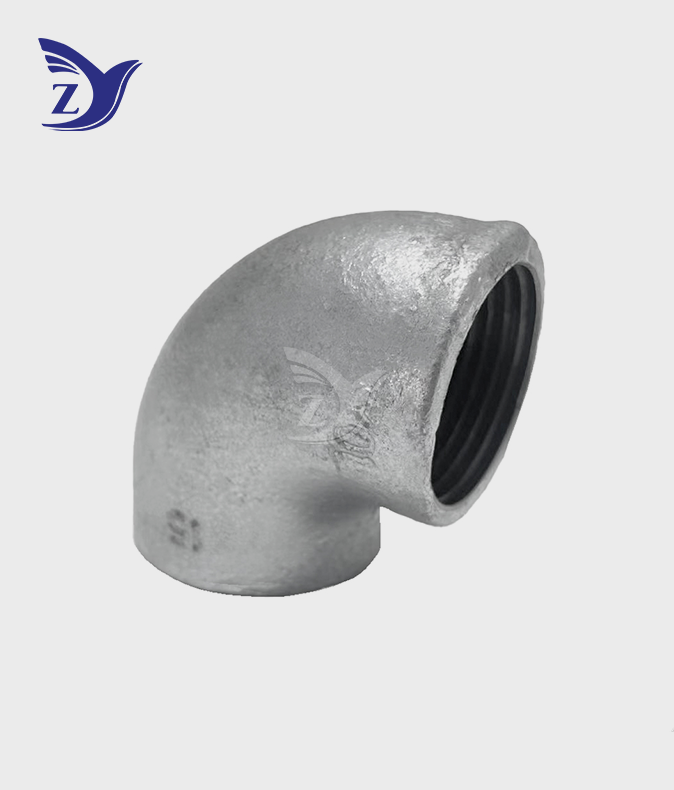
No Hub Electro Galvanized 90° Elbow Pipe Fitting
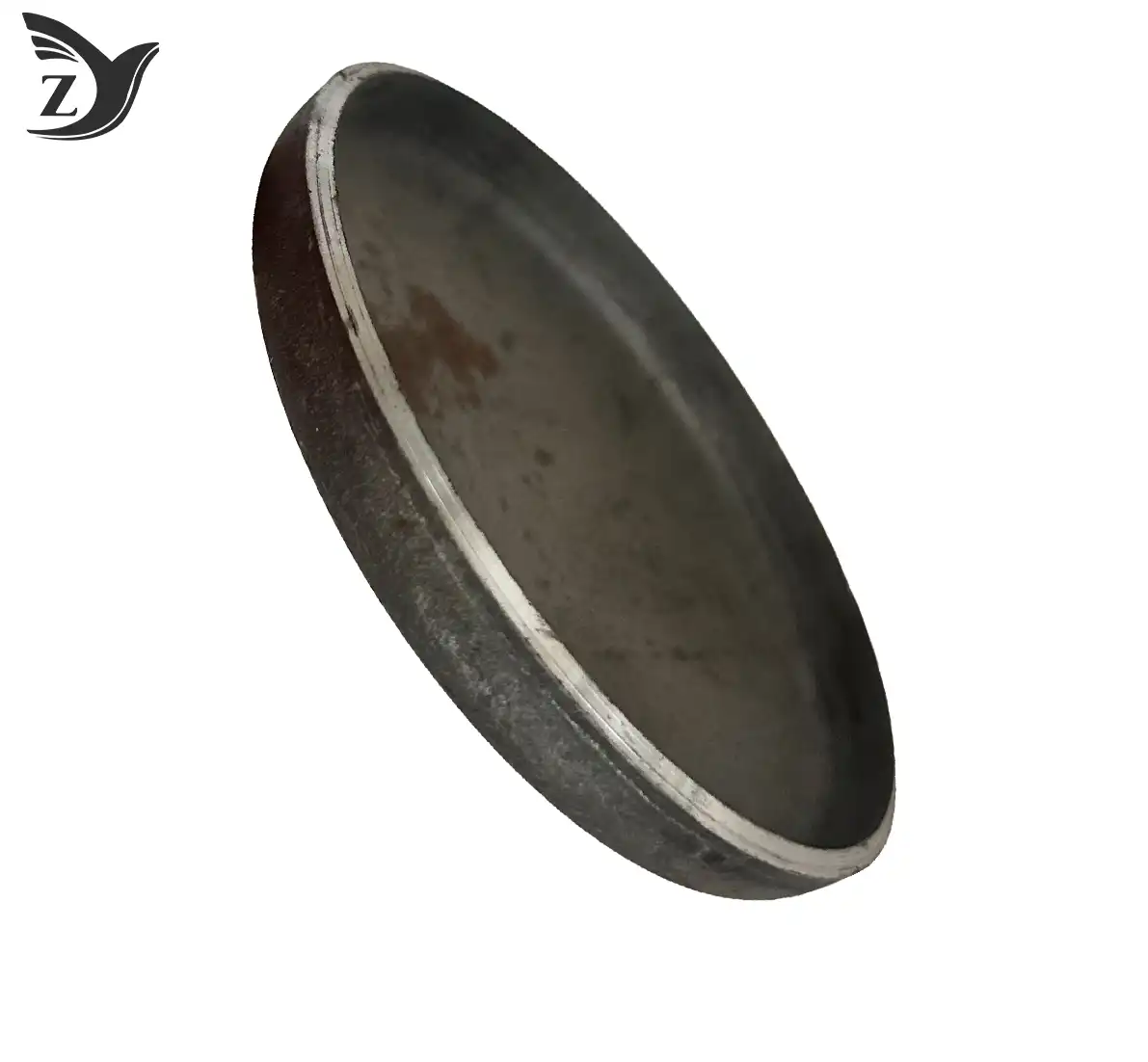
Carbon Steel Welded Cap Pipe Fitting
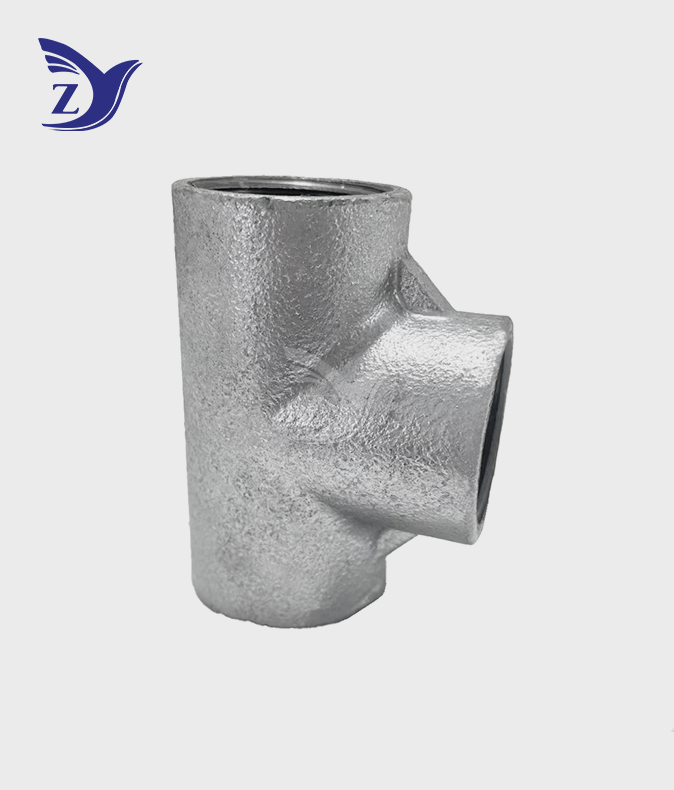
No Hub Electro Galvanized Straight Tee Pipe Fitting
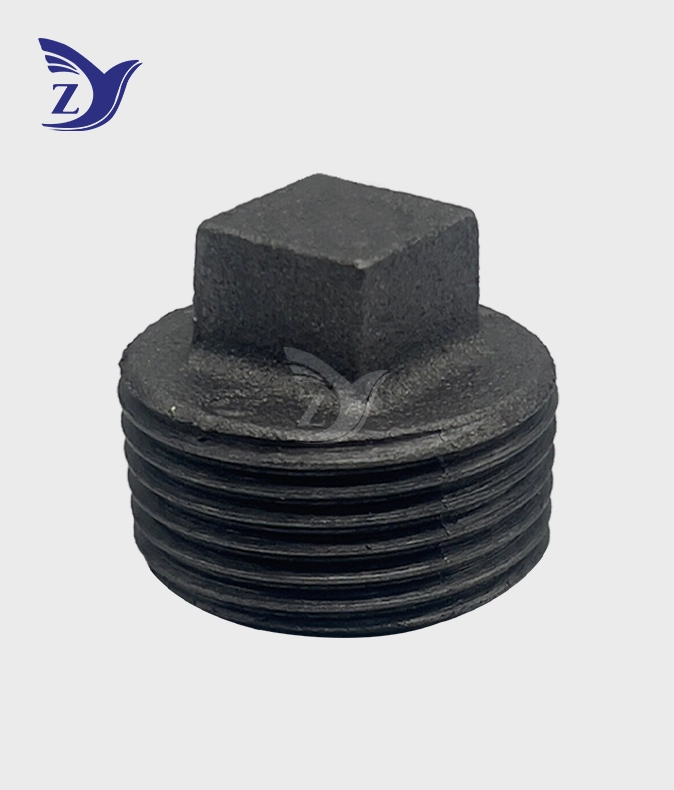
NPT. Black Flangeless Plug Pipe Fittings
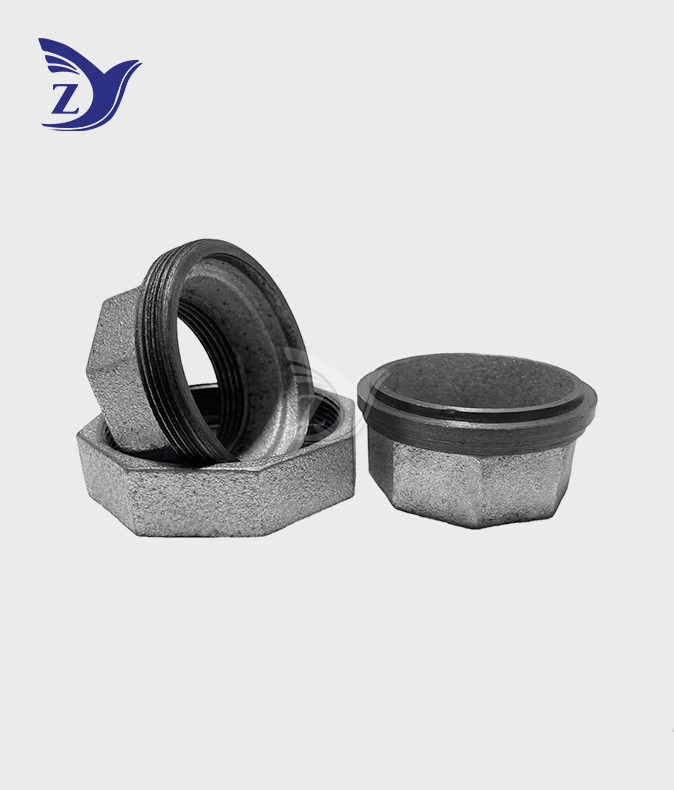
NPT Galvanized Union 330 Pipe Fittings
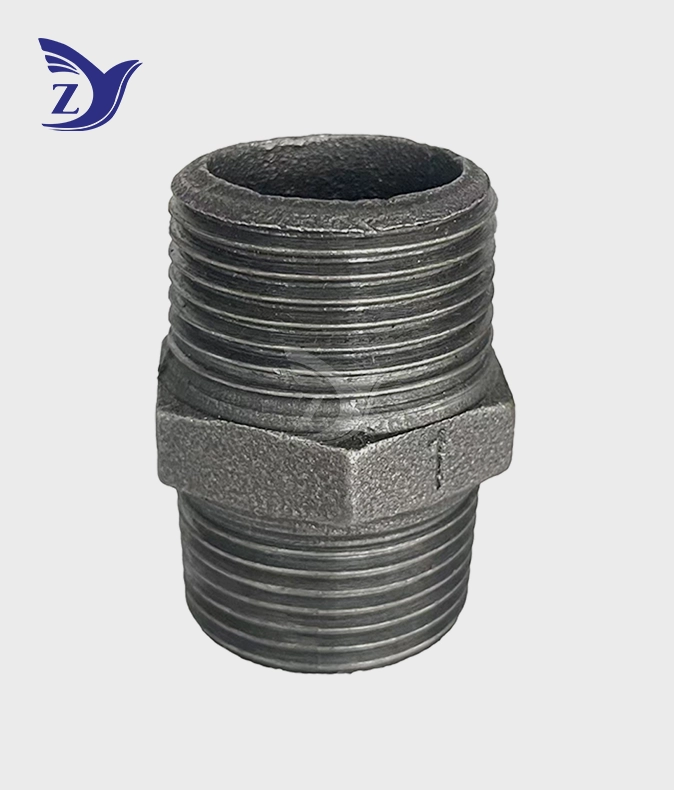
BSPT Black Male Nipple Pipe Fittings
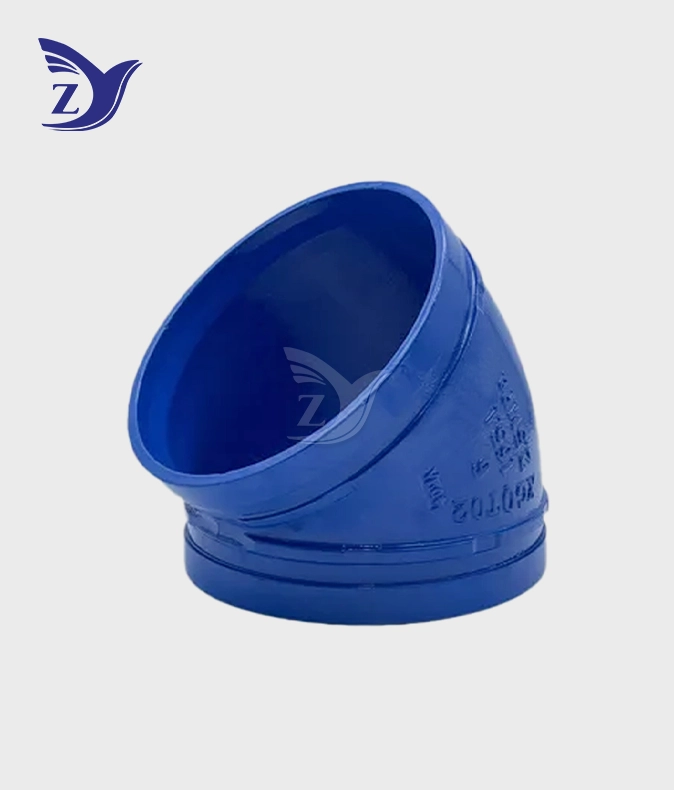
Water Grooved 22.5-degree grooved elbow
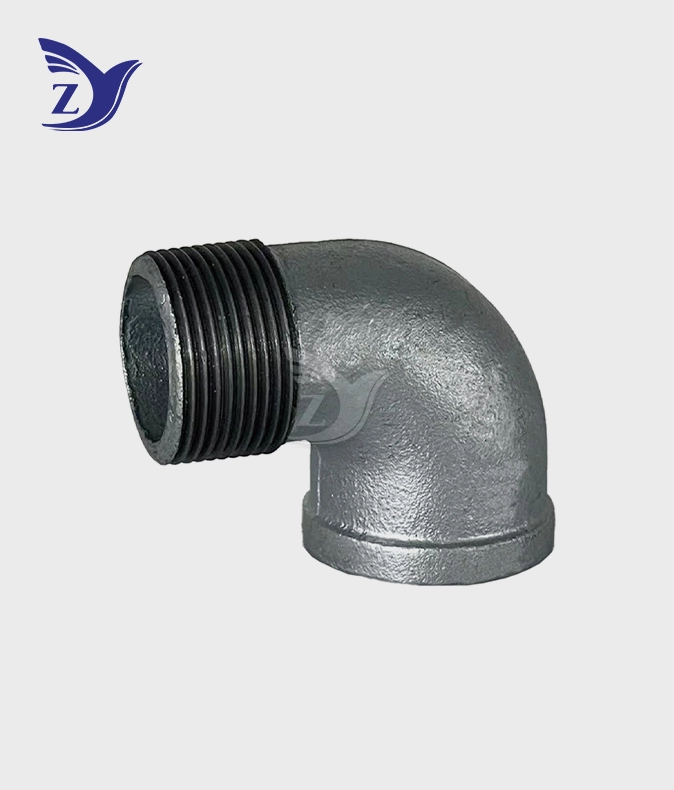
NPT Square Face Galvanized 90° Male Female Threaded Elbow Pipe Fittings