
Jul 9, 2026
What are the NPT sizes?
NPT (National Pipe Thread) numbers are based on a standard method that goes from 1/8" to 6" and beyond. The sizes refer to the nominal pipe diameter, not the exact measurement. These tapered threads make a mechanical seal through interference fit, which is important for making links in water, gas and industrial pipe systems that don't leak. Understanding the relationship between nominal size, actual outside diameter, and threads per inch is important when choosing parts like NPT galvanized male female 90° long radius elbow pipe fittings. This is especially important in fire protection, HVAC, and municipal applications where maintaining pressure integrity is very important.
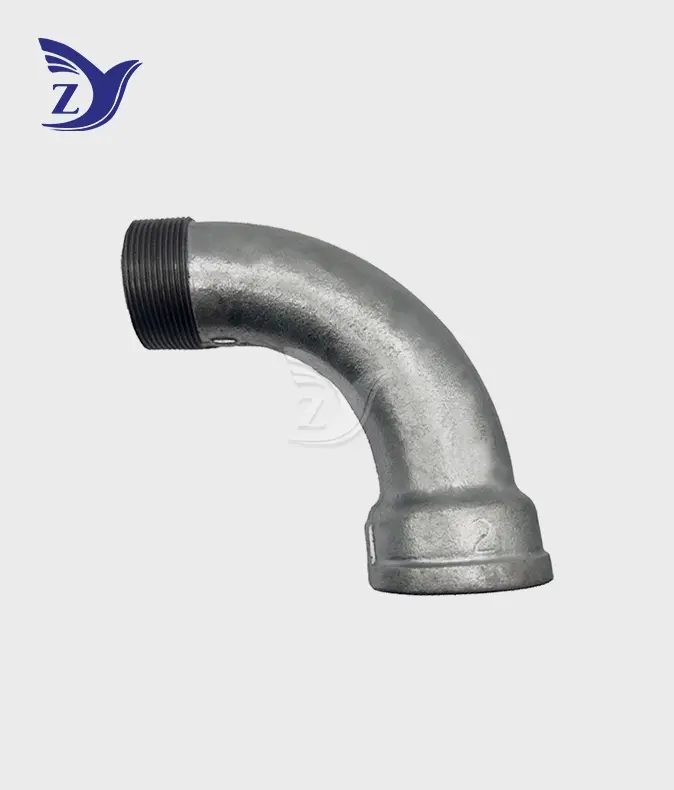
NPT Size's Importance in Pipe Fittings
At first, national pipe thread size may seem hard to understand, but once you do, you'll be able to buy and put things more accurately. The NPT standard, which is based on ANSI/ASME B1.20.1, says how threaded pipe joints can close well without extra gaskets in most situations.
The Difference Between Nominal and Actual Dimensions
Nominal pipe size is not the same as thread size. It refers to the pipe's inside diameter. At no point does a 1/2" NPT fitting measure exactly half an inch. A 1/2" NPT thread's outside width is about 0.840 inches, and there are 14 threads per inch. When matching fittings to lines or figuring out flow capacity, this difference is important. Installing things takes longer when teams order based on guesses instead of reading specification sheets.
Common NPT Size Standards Used Across Industries
What makes size choices different in different fields? Fire protection engineers usually work with 1/2" to 2" pipes, while city water systems may go up to 6" or bigger.
Fire Protection Systems: For fire safety systems, sprinkler branches usually use 1" and 1-1/4" NPT fittings to find a good balance between flow needs and material costs. For main distribution lines, the size can go up to 2" or even bigger, based on hydraulic estimates.
HVAC Applications: For HVAC uses, 3/4" threaded connections work best for condensate drain lines, while 1-1/2" to 3" threaded fittings connect chilled water pipes to equipment. The threaded contact makes yearly repair easier than welded joints.
Municipal Infrastructure: Standard 1/2", 3/4" and 1" NPT sizes are used for water meter installs and service line hookups to make sure that all valve makers' hardware and software can work with them.
Types and Specifications of NPT Galvanized Male Female 90° Long Radius Elbows
Threaded elbows with male and female ends make installation easier because you don't need separate nipples to connect equipment or change direction in small areas. This "street elbow" design cuts down on the number of parts and possible leak spots.
Male vs. Female Threaded Ends: Applications and Advantages
The male ends have threads on the outside that fit into female ports, and the female ends have threads on the inside that can accept male fittings. The male-female pair lets you connect two female ports or two male ports directly, without using any switches in between.
With this style, installation options become a lot more flexible. Female NPT ports are often built into pumps, valves, and instruments by the companies that make them. A male-female elbow fits straight into one port and has a male nipple or fitting on the other end. This setup saves room in crowded engine rooms where every inch is important for repair workers to get to.
Wall width is an important construction factor. Male threads take away material from the body of the fitting, and female threads add strength. When compared to normal patterns, square-faced designs add about 15 to 20 percent more mass to the bead area, which makes the connection point stronger and less likely to split when it's tightened.
Long Radius Design: Flow Efficiency and Pressure Drop Benefits
The centerline radius of an NPT galvanized male female 90° long radius elbow pipe fitting is 1.5 times the normal pipe diameter, while the centerline radius of a short radius elbow is only 1 time the nominal pipe diameter. This softer shape cuts down on turbulence when the fluid changes direction, which usually results in a 30–40% drop in pressure.
The benefits of hydraulics go beyond just being efficient. When it comes to steam condensate systems, the better flow path stops the damage that high-speed drops do to the inside of the fitting. We looked at failure reports from chemical processing plants where short radius fittings broke early because of erosion-corrosion, but five years later, long radius fittings in the same service conditions showed little wear.
Using the long radius shape is especially helpful for moving slurry. Abrasive particles keep moving through the bend instead of hitting the fitting wall. This keeps sediment from building up and slowing down flow over time. When long radius designs are chosen, repair intervals for agricultural irrigation systems that handle water that is heavy with soil are stretched.
Hot-Dip Galvanizing Process and Corrosion Protection Standards
During hot-dip galvanizing, the ductile iron casting is submerged in molten zinc at a temperature of around 840°F. This forms a strong link between the base metal and the protected coating. Unlike electroplating, which puts on a smaller, less lasting layer, this is very different.
ASTM A153 sets the standards for NPT galvanized male female 90° long radius elbow pipe fittings and says that the coating must be at least 70 microns thick (500 g/m²). The zinc acts as a sacrifice anode, corroding more quickly to protect the iron below, even if it damages the layer a little. Coastal sites and industrial environments with sulphur compounds speed up the rusting of bare steel, so galvanized protection is necessary to get the service life that was planned.
In addition to being useful during storage and travel, the zinc covering makes things safer. Fittings can be left outside for months without rusting, so you don't have to worry about your goods going bad. Petrochemical plants that keep repair supplies on hand like how long-lasting these are because they avoid the costs of throwing away emergency parts that have rusted out.
Material Standards: ASTM A197 Malleable Iron Properties
According to ASTM A197, black heart malleable iron has a tensile strength of more than 300 MPa and an extension strength of more than 6%. This mix of strength and flexibility keeps the material from breaking easily when it is heated and cooled or hit by a hard object.
The casting process starts with white iron that is heated to change the carbide structures into nodular graphite. The final product is easy to machine and cuts threads precisely while still being resistant to pressure. We've seen parts made of malleable iron escape accidental hammer hits during installation that would have broken cast iron ones.
For Class 150 pressure levels, the temperature range of performance is -20°F to 150°F, which covers most HVAC and plumbing needs. Speciality grades make the range bigger for use with steam or in cold climates where freeze-thaw cycles test the strength of the material.
Why Trust Zhiyuan Malleable Steel for Your NPT Galvanized Pipe Fitting Needs?
Since it was founded in 2006, Zhiyuan Malleable Steel has built a name for high-quality manufacturing by always focusing on quality control and working with customers. Our factory in Taigu District follows strict ISO 9001 rules to make sure that every part meets international standards before it leaves our 50,000-square-meter production campus.
Manufacturing Excellence and Quality Certifications
We have eight SN KGDX-35003T medium-frequency electric furnaces for exact alloy control and two Blue Sky HTL-1 natural gas annealing kilns for consistent heat treatment in our production equipment. This set of tools makes iron that can be shaped and has consistent tensile strength and elongation qualities. This gets rid of the weak spots that happen during inconsistent casting processes.
Quality control is done at several stages of production. ANSI B1.20.1 compliance is checked by thread gauging with standardised L1 and L2 tools, and the 90-degree angle is checked with optical comparators that are accurate to within 0.5°. The thickness of the galvanizing is tested magnetically to make sure it meets ASTM A153 standards. Random hydraulic sampling at 1.5 times working pressure checks the structure's strength. These processes found flaws that could have led to failures in the field. This kept our customers from having to make expensive warranty claims.
Our dedication to world quality standards is shown by our CE, UL, and FM certifications. Third-party inspectors check our processes on a regular basis. This gives us independent proof that the standards we follow lead to consistent product performance. We keep full test records that can be fully tracked for jobs that need material approval paperwork.
Proven Track Record with Global Distributors and OEM Partners
Our yearly capacity of 30,000 tonnes serves a wide range of businesses on five continents. Integrators of fire safety systems depend on our threaded elbows for sprinkler setups that have to meet strict Code requirements. Our fittings are used in water treatment plants and transportation networks by municipal engineering projects that need to last for decades.
The relationships go beyond just buying and selling things. As part of an OEM partnership, our technical team works with equipment makers to make sure that the designs of fittings are the best they can be for each purpose. Custom casting jobs for power fittings and other specialised industrial parts show that we can do more than just sell normal catalogue items.
When bidding against other companies, our delivery success sets us apart. Our stocking system keeps popular NPT sizes in stock, so standard goods can be shipped within two hours of an order being confirmed. This response keeps the project from being held up when conditions on the site call for instant replenishment.
Customer Support, Technical Consultation, and After-Sales Service
Technical help starts while the specifications are being made. Our engineering staff helps with figuring out the right size, choosing the right material, and coming up with rust protection plans that work in real-world situations. We've helped customers avoid both over-specification and under-specification, which can drive up costs and make products less reliable.
As part of after-sales service, there are rules for replacing defective items that protect customers from manufacturing flaws. Even though our quality processes make it less likely for this to happen, we keep extra supplies on hand in case there are problems in the field. When you send a problem to q1236800000@gmail.com, you can be sure that it will be dealt with right away, without having to wait in a customer service list.
We also teach workers how to install certain types of fittings when they don't know how to do it themselves. Using the right techniques for building stops leaks and early failures, which improves system performance and keeps our image safe. As the quality of installations gets better, these training programs cut down on the number of help calls that customers need to make over time.
Conclusion
Understanding the differences between nominal and real measurements, thread engagement standards, and pressure rating effects are some of the most important NPT galvanized male female 90° long radius elbow pipe fitting sizing basics that you need to know in order to buy a pipe system. Threaded elbow configurations with both male and female ends make installs easier and cut down on the number of parts and possible leak spots. The galvanized finish and long radius design solve the problems of rust resistance and flow efficiency in the real world, making the service life longer in harsh industrial settings. Material standards like ASTM A197 make sure that structures stay strong even when they are heated and cooled and put under a lot of pressure. Project schedules and system dependability are kept safe by strategically buying from certified makers with strong quality systems, full expert support, and reliable delivery performance. This article talks about thread standards, comparing materials, and the best ways to install them. These selection criteria help procurement teams make smart choices that balance performance needs with budget limits in a variety of settings, such as fire protection, HVAC, public works, and factories.
FAQs
What distinguishes NPT threads from BSP threads in practical applications?
NPT threads have a side angle of 60 degrees and taper that creates interference rings. BSP threads, on the other hand, have different pitch requirements and may be parallel (BSPP), which means they need gaskets. Putting the two standards together will lead to leaks and damaged threads. Projects that use foreign tools should check the thread standards before buying them so that they don't have to make expensive changes in the field.
How do I choose between long radius and short radius elbows for my system?
Long radius elbows keep surfaces from wearing away and lower pressure drop by 30 to 40 percent in high-speed situations like moving mud or steam condensate. Short radius fittings work well in setups with limited room where flow economy is not the most important factor. Compare the effect of the pressure drop on the available pump capacity to see if the benefits over a long distance are worth the extra cost.
Why specify galvanized fittings instead of stainless steel alternatives?
Galvanized malleable iron protects against rust well enough for most water, air, and steam systems, and it costs three to five times less than stainless steel. If you work in an acidic climate, are exposed to a lot of chloride, or want to avoid chemicals that react badly with zinc coats, choose stainless steel. Replacement labour costs in hard-to-reach places may also make stainless steel worth the higher starting cost.
Partner with Zhiyuan Malleable Steel for Superior NPT Galvanized Male Female 90° Long Radius Elbow Pipe Fittings
Zhiyuan Malleable Steel has been making pipe fittings for 18 years and focuses on customer service. Their approved pipe fittings meet the strict needs of fire protection, HVAC, and industrial systems. Our ISO 9001, CE, UL, and FM standards show that we make high-quality products, and our 30,000-ton annual capacity makes sure that projects of any size can get what they need. We offer OEM/ODM customization services for specs that aren't standard. These services are backed up by quick expert help and guarantees that any defects will be fixed. Email our team at q1236800000@gmail.com to talk about your NPT galvanized male female 90° long radius elbow pipe fittings needs, get standard samples, or look into bulk prices for your next project. As a reliable company that makes long radius elbow pipe fittings, we give your systems the quality, service, and dependability they need. You can look through our whole product line at zymalleablepipefitting.com.
References
- American Society of Mechanical Engineers (2018). ASME B1.20.1: Pipe Threads, General Purpose (Inch). New York: ASME Press.
- ASTM International (2020). ASTM A153/A153M-16a: Standard Specification for Zinc Coating (Hot-Dip) on Iron and Steel Hardware. West Conshohocken: ASTM International.
- ASTM International (2019). ASTM A197-15: Standard Specification for Cupola Malleable Iron. West Conshohocken: ASTM International.
- Nayyar, M.L. (2016). Piping Handbook, 8th Edition. New York: McGraw-Hill Education.
- Crane Co. Technical Paper No. 410 (2013). Flow of Fluids Through Valves, Fittings, and Pipe. Stamford: Crane Co.
- National Fire Protection Association (2019). NFPA 13: Standard for the Installation of Sprinkler Systems. Quincy: NFPA Publications.
Online Message