
May 12, 2026
What Are the Different Types of Tee Pipe Fittings?
When selecting piping systems, it's important to know about the different types of tee fittings to make sure the job goes well. Tee pipe fittings let fluid and gas transport networks branch out in three different ways. Black round face straight tee pipe fittings, which are made of malleable iron and have strengthened beaded holes, are among the most important types. Welded tees are used for fixed connections, threaded tees are used for flexible systems, reducing tees are used for size changes, and flanged tees are used for high-pressure situations. Material choice is an important part of system design because each design has to meet different fitting needs, pressure ratings, and threading standards like NPT or BSPT.
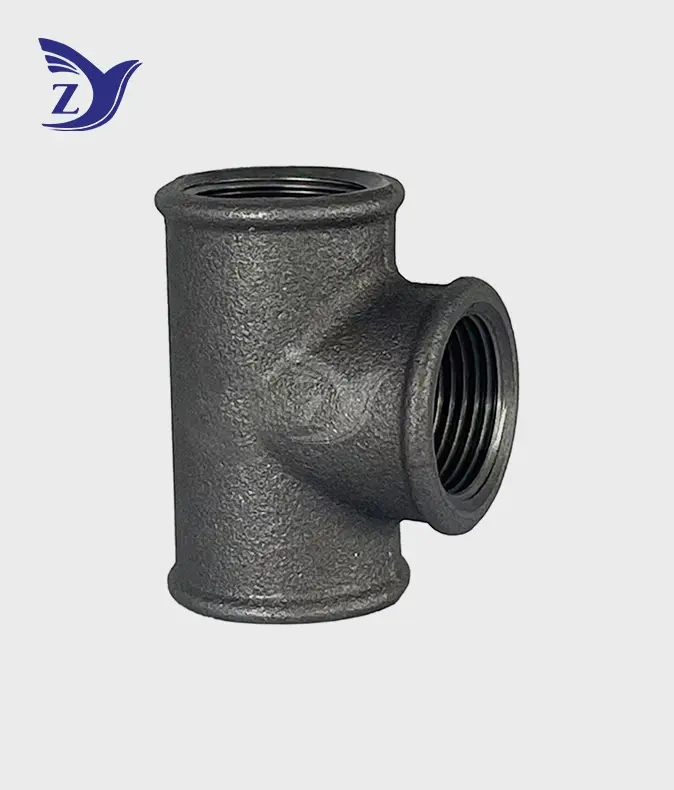
Tee Pipe Fittings: Types and Characteristics
Tee fittings are used to connect two or more pipes that are at right angles to each other. Different designs are used to meet the needs of different industries, such as fire protection, local water supply, HVAC systems, and petrochemical processes. To choose the right tee configuration, you need to look at the connection method, the surroundings, and the speed standards that match your business needs.
Threaded Tee Fittings and Their Applications
Threaded tees have curved threads that work like interference fits to make mechanical seals. ASME B1.20.1 rules say that NPT black round face straight tee pipe fittings (National Pipe Taper) threading has a 60-degree thread angle and a 3/4-inch-per-foot taper. This shape gets tighter over time during installation, making parts that won't leak without welding. With a 55-degree Whitworth shape and a 1:16 taper ratio, BSPT (British Standard Pipe Taper) threading meets the requirements of BS 21. This difference is very important when getting parts for foreign projects because thread compatibility has a direct effect on the quality of the seal. Threaded connections are great for maintenance tasks that require occasional removal. This makes them perfect for installing valves and connecting meters in public water systems.
Material Composition and Performance Characteristics
Because it can be bent more easily than gray cast iron, malleable iron is still the most common material for threaded tee joints. The minimum tensile strength required by ASTM A197 is 40,000 psi, and the material must also be able to stretch by 5%. This metal's structure lets it stretch under stress instead of breaking, which is very important in steam heating systems where the temperature changes often. The annealing process changes white cast iron into a ferritic matrix with temper carbon crystals. This makes the iron resistant to shock, which is important in industrial settings where vibrations are common. Alternatives to carbon steel have higher strength-to-weight ratios. Grades of stainless steel like 304 and 316 are used in chemical processes where acidic media are present. The black finish on bendable iron fittings is made up of black oxide or lacquer coats that stop flash rusting while they are being stored without adding zinc flaking risks that can be a problem in natural gas applications.
Pressure Ratings and Sizing Standards
Standard tee fittings can handle 300 psi of water, oil, and gas (WOG) at room temperature and 150 psi of saturated steam at 366°F. These numbers are called Class 150 pressure values. Not knowing these factors can lead to system breakdowns, which can be avoided by knowing them. ANSI B16.3 sets the measurements for malleable iron threaded fittings, so they can be used by different makers. DIN 2950 lists the parallels in Europe, and ISO 49 is about setting standards for the whole world. Nominal pipe size (NPS) rules are used to determine sizes, not real bore widths. For example, a 1-inch fitting can fit pipe with an internal diameter of about 1.049 inches. Teams in charge of buying things need to make sure that the pressure-temperature numbers match the worst possible conditions while still leaving enough room for error. This is especially important in systems that experience pressure spikes or water hammer effects.
Comparing Black Round Face Straight Tee Pipe Fittings with Other Types
Engineers can make system designs that are more durable, easier to install, and cost less over their lifetime by telling the difference between different types of tee fittings. The round face design has a reinforcement bead at the threaded holes that adds rotational mass and keeps the piece from breaking during high-torque installation. This structural improvement fixes the problem of hoop stress concentrations that lead to crashes at thread exits when pressure builds up inside the loop.
Connection Method Variations and Installation Considerations
Welded tees make lasting joints by fusion bonding, which gets rid of the leak paths that come with threaded connections. Socket weld tees work best for smaller diameter pipes in places with a lot of vibration, while butt weld setups are better for oil refineries and chemical plants with bigger lines. On the other hand, welding needs qualified welders, x-rays, and heat treatment steps that make installation more difficult. Modularity is improved by threaded tees, which allow systems to be rearranged without breaking pipe. This cuts down on downtime during facility changes. Fire safety systems can be set up quickly with grooved mechanical connections, but the starting costs of the parts are higher than with threaded options. In petroleum plants where regular inspections are required, flanged tees make it easier to connect to valves and other equipment.
Durability and Corrosion Resistance Analysis
Black round face straight tee pipe fittings have a black finish that acts as a passivation layer for fluids and gases that don't corrode. Galvanized coats can flake off in steam or hot water above 140°F, but black oxide stays strong at all temperatures. Galvanized tees protect outdoor structures and water delivery networks from electrolytic rust by using zinc as a substitute. The galvanization method, on the other hand, costs more and might need special care to keep the layer from getting damaged while threading. Stainless steel threaded tees are more expensive than other types, but they don't rust and can be used in pharmacy and food processing settings. When looking at lifetime costs, the 20–30 year service life of malleable iron in the right conditions is often more cost-effective than replacing materials that aren't made to last as long.
Strength and Leakage Risk Evaluation
The round face shape reduces a major failure mode: radial expansion at thread ends when pressure builds up inside the part. When standard flat-face fittings are heated and cooled many times, the fitting body can give way and tiny gaps can appear. The reinforcement bead makes the wall about 15-20% thicker at this point of high stress, which spreads the loads out more evenly. According to ASTM A197 guidelines, round face tees can handle 150% of their maximum working pressure without permanently changing shape. Using the right thread sealants and the right amount of fitting pressure (20 to 30 percent more than hand-tight for sizes up to 2 inches) lowers the risk of leakage. PTFE tape or anaerobic pipe dope makes sure the seal is good at first, and the curved thread shape keeps the stress even as the system settles down over time.
Applications and Use Cases of Black Round Face Straight Tee Pipe Fittings in Industry
Threaded tee fittings are essential in many industries because they are so flexible. Understanding the unique needs of an application helps you choose the right product.
Fire Protection and Safety Systems
Black round face straight tee pipe fittings are used to connect branch lines that feed individual heads in fire sprinkler networks. The round face design can handle water hammer that happens when the valve is opened quickly. UL-listed parts make sure that insurance companies and government agencies agree with them. Pre-action systems that protect museums and data centers use threaded tees in networks that supervise compressed air and check the integrity of valves. Class 150 tees handle 175 psi service pressure at the hose joints for standpipe systems in high-rise buildings. According to NFPA 13 standards, fittings must be tested under 200 psi of hydraulic pressure for two hours to make sure they are solid before the building is used.
Municipal Water Distribution Networks
For service line branches that connect to homes and businesses, potable water infrastructure uses bendable iron tees. Because they don't rust and are made to last 50 years, they are affordable options for underground installs. Maintenance is easier on threaded connections than on soldered joints, which need to be dug up and fixed with special tools. When installing a water meter, tees with flanged openings are used to connect the meter body. Precision-threaded tees in backflow preventer systems make sure that the valve is positioned correctly. Municipalities set the AWWA C800 standards for underground service uses. These standards include the required depth of cover and joint restraint methods that keep the joints from coming apart when the earth moves.
HVAC and Building Mechanical Systems
Heating systems use threaded tees at zone control valves and radiator links to send steam or hot water through networks. Being able to take links apart makes it easier to swap equipment without having to make a lot of changes to the pipes. In business buildings, chilled water systems use tees to branch the flow to air handling units and fan coil units. Larger HVAC systems may use brazed copper tees for refrigerant lines, but threaded malleable iron is still the standard for water-side pipes. For expansion tank connections, the tees need to be placed so that air doesn't get stuck, and the right placement is checked during installation. Proper design is driven by rules about saving energy. Fittings that are too big slow down fluid flow and lower pressure, which makes pumps use more energy than they need to.
Industrial Process Piping
In chemical plants, process fluids are moved through networks of pipes, and tees allow for sampling spots, instrument links, and process branch lines. When choosing materials, chemical stability and temperature range are taken into account. Tees are used in refineries' processes for collecting crude oil and distributing products. Tees are used in boiler feedwater systems, condensate return lines, and extra cold water networks in power plants. For clean-in-place systems, pharmaceutical companies need electropolished stainless steel tees that meet 3-A cleanliness standards. Food preparation plants only use materials that have been cleared by the FDA to handle ingredients and drinks. For each use, a full risk assessment is needed to find out about pressure spikes, temperature changes, and acidic conditions that could affect the fitting specifications.
Conclusion
Tee pipe fittings are important junction parts that affect the reliability and operating efficiency of a system directly. Black round-face straight tee pipe fittings are different because they are built stronger to handle installation loads and maintain pressure integrity. Knowing the differences between threaded, bonded, and flanged types makes it easier to match specifications to application needs. Composition of the material, threading standards, and pressure levels must all match operating factors to keep things from breaking down too soon. Following the rules set by ASTM, ISO, and industry-specific certificates guarantees consistent quality in production and performance. Instead of just looking at unit prices, strategic buying looks at what the provider can do, how they can deliver the goods, and how much it will cost over time. When you work with experienced makers, you can get access to technical knowledge and reliable supply lines that will help your project succeed as industrial systems get more complicated and demanding.
FAQs
What advantages do round face tees offer compared to standard threaded fittings?
The strengthening bead on round face designs makes the wall thicker where the threads exit by 15 to 20 percent. This stops the radial expansion that happens when pressure builds up inside the tube. This improvement to the structure lowers the chance of failure during high-torque installation and temperature cycles. Standard flat-face fits don't have this extra support, which makes them more likely to crack where stress builds up. The extra cost of the material is very small compared to the increase in reliability, especially in important systems like fire defense systems where failure would have very bad results.
How can buyers be sure of the quality and approval of the goods they buy?
For each output lot, you should ask for mill test results that show the chemical composition analysis and mechanical property testing. Check that the papers list relevant standards, such as ASTM A197 for flexible iron. Third-party approvals from UL, FM, or CE mark show that performance claims have been checked by a third party. Reliable providers provide tracking paperwork that connects fitted parts to specific batches of production. If you can, check in on provider facilities on a regular basis, making sure to follow quality control processes and test the calibration of equipment.
Are custom sizes and pressure ratings available?
By changing the casting designs and heat treatment methods, manufacturers who offer OEM/ODM services can make parts with non-standard measurements and higher pressure ratings. Because of the cost of the tools, the minimum order quantity for unique setups is usually between 500 and 1,000 pieces. For unique patterns, lead times can be up to 12 weeks. Give exact information about the link sizes, center-to-outlet distances, thread types, and how the device will be used. Working together as engineers makes sure that unique designs meet the needs of the structure and the limits of what can be made.
Partner with Zhiyuan Malleable Steel for Your Piping Component Needs
Zhiyuan Malleable Steel specializes in making threaded parts that are precisely machined and designed for tough industrial uses. Our round-edge equal tee valves are compatible with both NPT and BSPT. They are made of high-strength black malleable iron and have styles that don't rust. They work well in water, gas, and process piping systems. We can make more than 1,000 different types of products and 30,000 tons of them every year. We can meet both standard and unique needs for fire protection, city infrastructure, and industry projects. Our ISO 9001, CE, UL, and FM certifications show that we are dedicated to quality greatness. Our Taigu facility keeps a lot of stock, so normal sizes can be delivered in two hours. Our expert team can help with specifications and offer OEM/ODM development services. We are a reliable source for black round face straight tee pipe fittings, and we offer low prices on bulk orders, double-layer protective packing, and promises that we will repair any broken products. Contact our procurement specialists at q1236800000@gmail.com or visit zymalleablepipefitting.com to discuss your project requirements and request detailed product specifications.
References
- American Society of Mechanical Engineers (2020). ASME B1.20.1: Pipe Threads, General Purpose. New York: ASME Press.
- ASTM International (2019). ASTM A197: Standard Specification for Cupola Malleable Iron. West Conshohocken: ASTM International.
- British Standards Institution (2018). BS 21: Specification for Pipe Threads for Tubes and Fittings. London: BSI Standards.
- National Fire Protection Association (2021). NFPA 13: Standard for the Installation of Sprinkler Systems. Quincy: NFPA Publications.
- American Water Works Association (2017). AWWA C800: Underground Service Line Valves and Fittings. Denver: AWWA Publishing.
- International Organization for Standardization (2020). ISO 5922: Malleable Cast Iron. Geneva: ISO Publications.
Online Message
YOU MAY LIKE
High quality furniture manufacturer
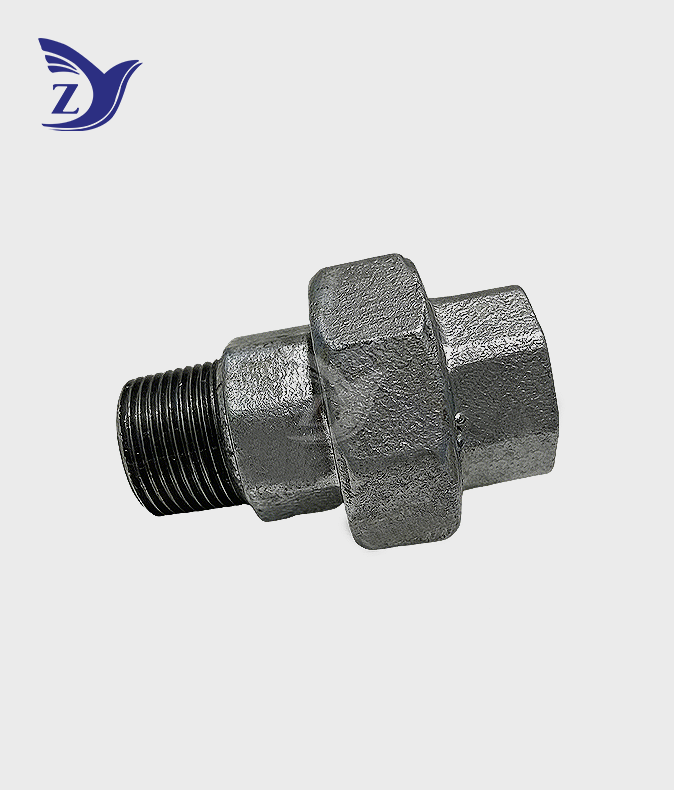
NPT Galvanized Male Female Threaded Union 343 Pipe Fittings
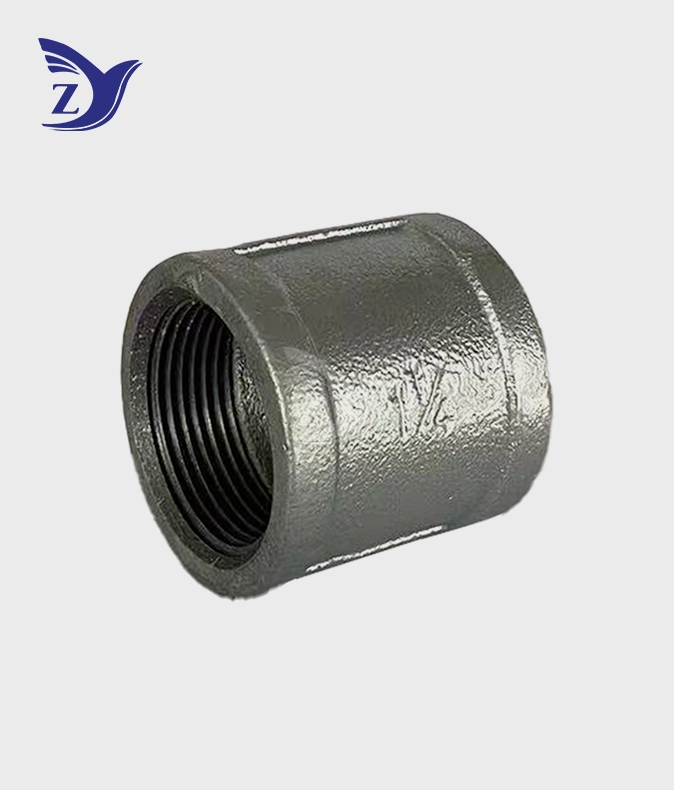
BSPT Square Face Galvanized Square Edge Coupling Pipe Fittings
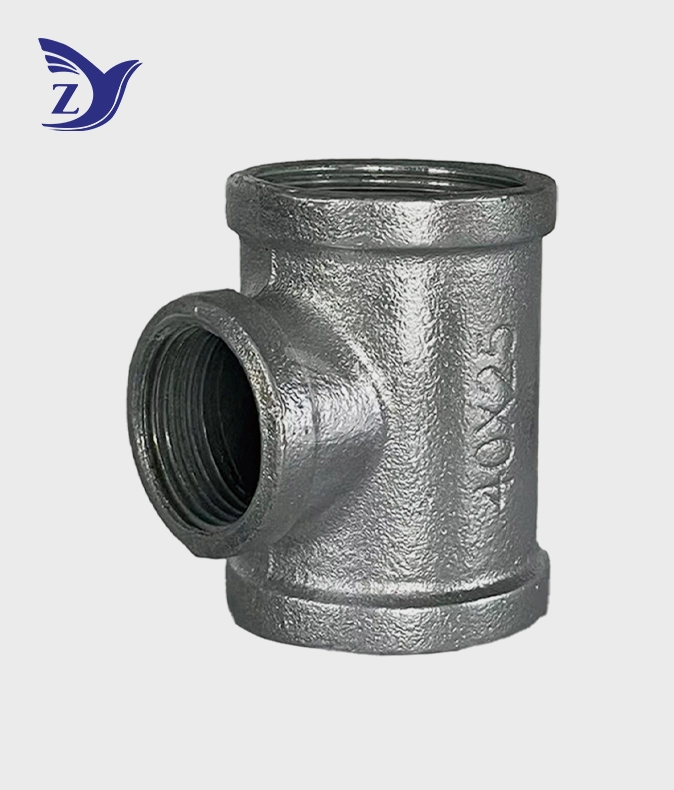
NPT Square Face Galvanized Square Edge Reducing Tee Pipe Fittings
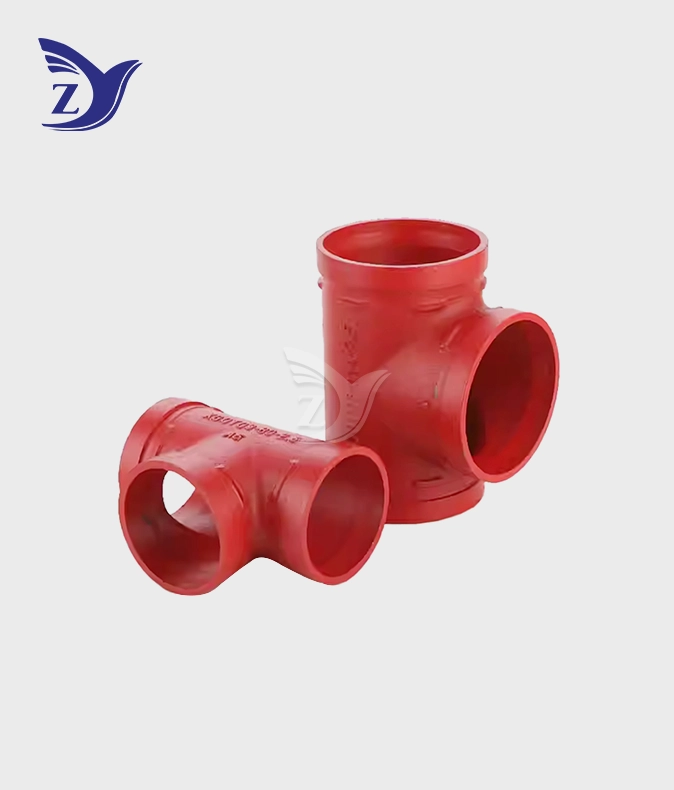
Fire Grooved Straight Tee
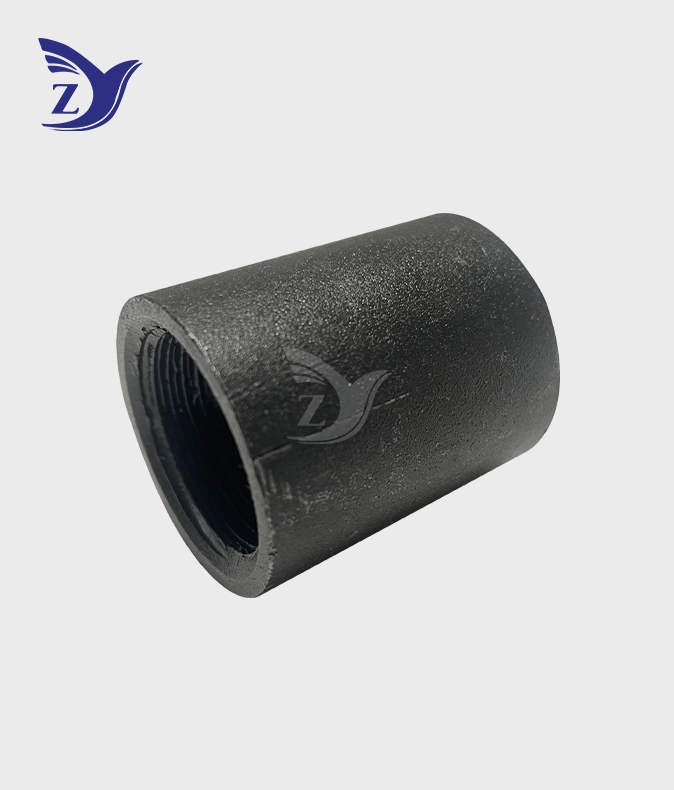
Carbon Steel Full Threaded Coupling Fittings Black Oxide Treated
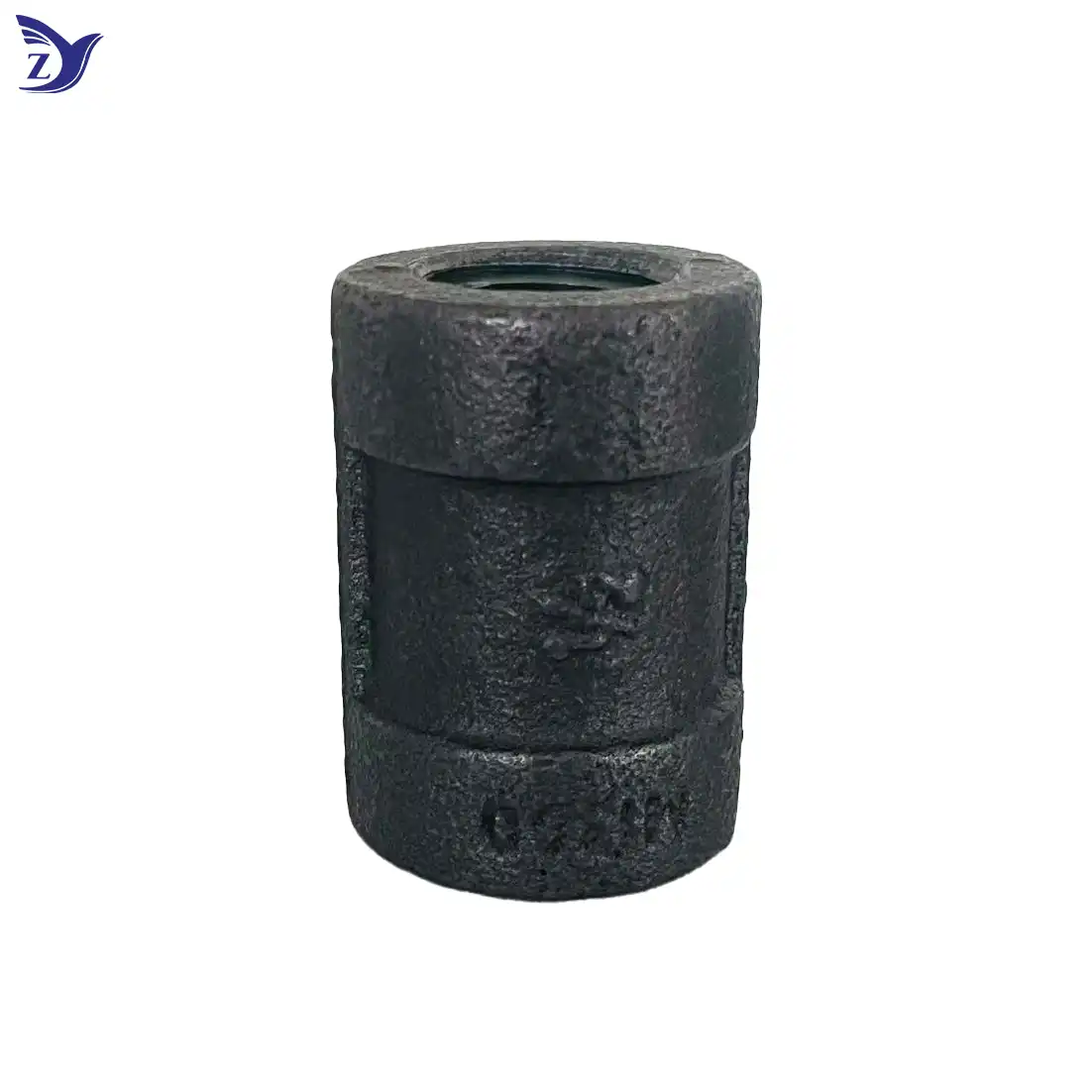
Black Malleable Iron Coupling Class 300
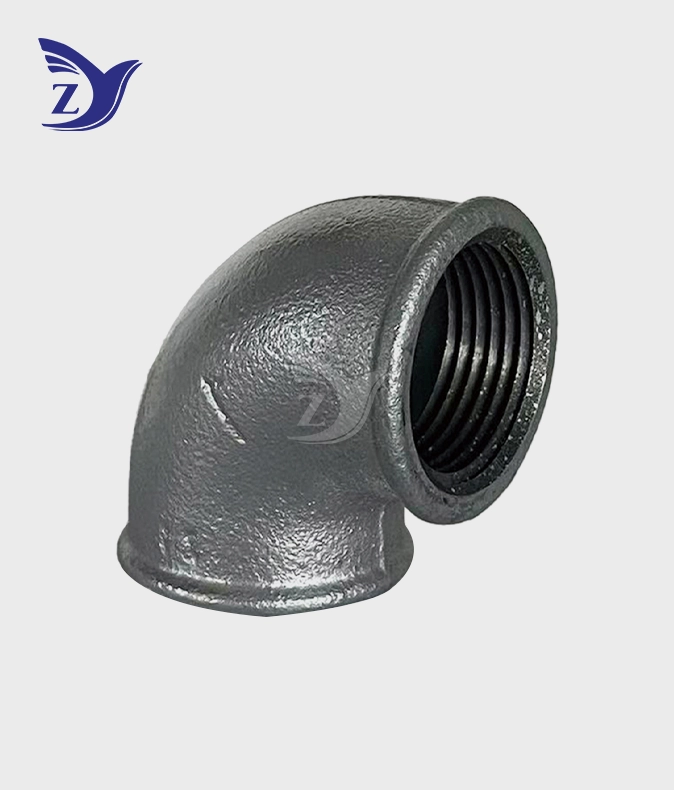
Hot-Dip Galvanized Round Edge BSPT 90° Elbow
NPT Galvanized Union 330 Pipe Fittings