
Apr 18, 2026
What are galvanized union 342 pipe fittings?
When maintaining or adding to industrial pipe systems, it's important to be able to quickly separate and reconnect pipe parts. In this case, galvanized union 342 pipe fittings are the right choice. These unique parts are made up of three separate pieces: a head piece with female threads, a tail piece with male threads, and a union nut that holds the whole thing together. The "342" number is unique because it has a brass-to-iron seat arrangement. A brass ring piece forms a non-corrosive seal against the bendable iron male end. This design stops galvanic rust and galling, so connections won't leak even after being put together and taken apart many times. The hot-dip galvanized coating adds an extra layer of protection, which is why these fittings are essential in industrial, water supply, and HVAC systems where resistance to rust and ease of upkeep are very important.
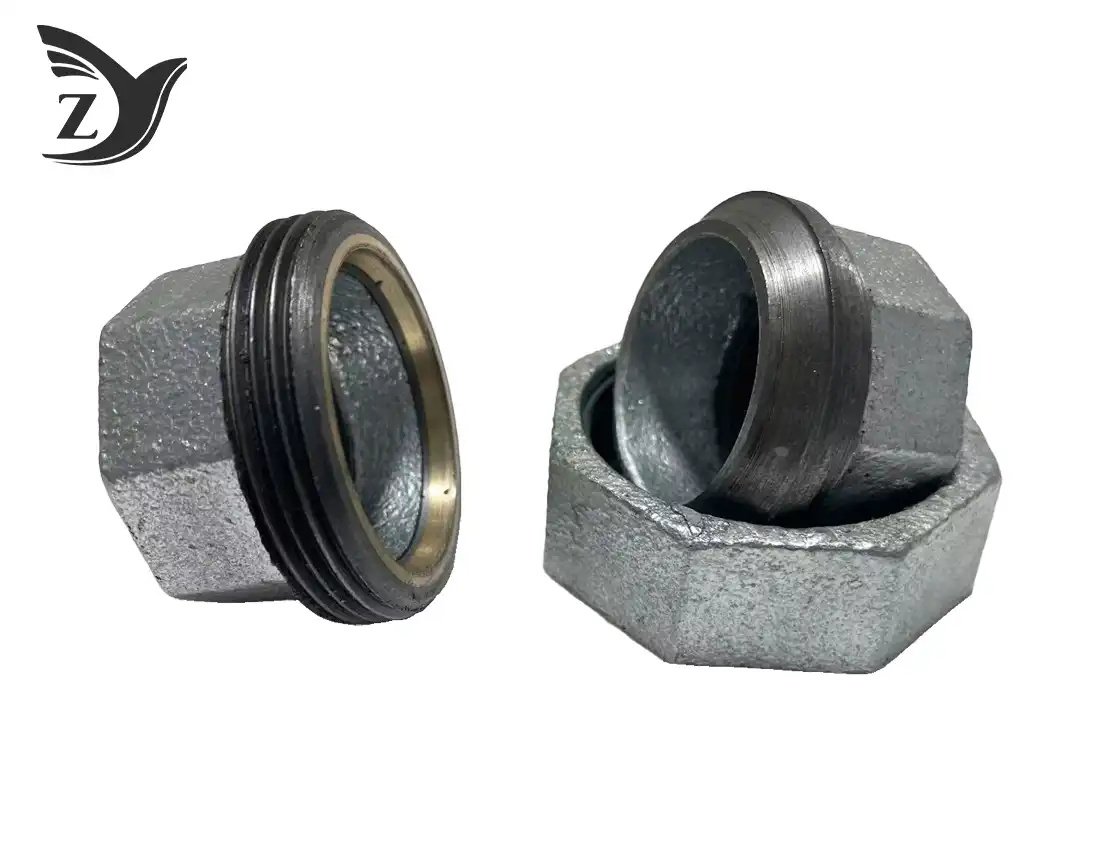
Understanding Galvanized Union 342 Pipe Fittings
What Makes the 342 Design Different
The galvanized union 342 pipe fittings designation refers to the internal sitting arrangement, which makes it different from regular 340 (iron-to-iron) unions. In the 342 model, a precision brass ring is built into the female end. This makes a different metal interface that prevents rust welding, which is a typical way for standard iron-to-iron unions to fail. This brass plug fits into the iron male end and has a conical or spherical contact surface. It keeps the seal tight even if the pipes move slightly due to temperature changes or misalignment.
The body is made of malleable iron, which was chosen because it is more flexible and resistant to shock than gray cast iron. This material meets ASTM A197 standards and has a tensile strength of 300 to 350 MPa and an expansion rate of 6 to 10%. This means that the fitting can handle mechanical force without breaking. An annealing process changes the brittle white iron into a tough, flexible matrix that can handle the vibrations, impacts, and pressure spikes that are common in industrial and city systems.
The Galvanization Process and Its Protective Role
With hot-dip galvanization, these fittings go from being useful parts to long-lasting system assets. Immersing the ductile iron body in molten zinc at around 450°C (842°F) is part of the process. This makes a metal link between the zinc coating and the iron base. This is more than just a surface treatment; the zinc mixes with the iron to make intermetallic layers that protect both the barrier and the anode.
ASTM A153 says that the covering mass must be at least 500 g/m², which usually means 610 g/m². This means that the coating must be more than 70 to 86 microns thick. This zinc layer has the ability to fix itself; when it gets scratched or broken, the zinc around it corrodes more quickly to protect the iron. Zinc weathering rates in air are usually between 1 and 2 microns per year, which is enough to protect most industrial settings for decades. Additionally, the galvanized surface makes a great base for extra protective coats in chemically harsh settings.
Thread Standards: NPT and BSPT Compatibility
The accuracy of the threads decides whether a union will close properly or become a leaky spot that won't go away. NPT (National Pipe Taper) threads have a 1°47' taper angle and 60-degree thread sides. They are defined by ASME B1.20.1. This design makes an interference fit, which means that the threads squeeze together during assembly, making a mechanical bond that is strengthened by thread sealer compounds. As you tighten the link, the taper makes sure that the threads gradually pinch together. This makes the joint pressure-tight without the need for gaskets.
According to ISO 7-1, BSPT (British Standard Pipe Taper) threads have a 1:16 taper ratio and a 55-degree Whitworth thread form with smooth roots and crests. BSPT threads are similar to NPT threads in how they work, but they cannot be easily swapped out. Trying to mate NPT and BSPT threads will result in wrong engagement and could cause failure. It is very important to know what thread standard your system needs before you buy it, because getting the wrong specification can cause installation delays and problems with how things work together on foreign tasks.
Benefits and Common Uses of Galvanized Union 342 Pipe Fittings
Durability That Translates to Lower Total Cost of Ownership
The price of pipe fittings is only a small part of how much they will cost over their whole life. galvanized union 342 pipe fittings work great in situations where the cost of repair is much higher than the initial investment. The mechanical strength of malleable iron and the anti-corrosion properties of zinc work together to make a fitting that usually lasts 25 to 40 years in water supply uses and 15 to 25 years in harsher industrial settings.
Thread seizure is a typical way for normal unions to fail, but the brass-to-iron seating design stops it. When iron-to-iron joints are exposed to water, oxidation slowly joins the mating sides. When people try to take things apart years later, they often damage the threads, which means they have to cut the pipe and replace the whole fitting. The 342's brass plug completely solves this issue—the different metals won't join, so the union will continue to work for as long as it's needed. This feature is especially helpful in systems that are hard to get to for repair or that need reliable disconnect places for when valves and equipment need to be replaced.
Pressure Capabilities and Safety Performance
Class 150 grades usually give galvanized malleable unions the OK to work at 300 psi in water, oil, and gas uses at temperatures ranging from -20°F to 150°F (-29°C to 66°C). These numbers aren't made up on the spot; they're based on hydrostatic tests done at pressures much higher than normal use, usually two to three times the rated pressure. To allow for thermal stress factors, the values are changed to 150 psi for work with saturated steam.
The design of the union nut includes structural reinforcement ribs that don't bend when pressure is applied. This makes sure that the right amount of compression force is sent to the areas that fit together. If you install these fittings properly and use the right thread sealant, they will keep working without leaks even in places with a lot of vibration, like pump discharge lines and machinery rooms. Being able to close reliably without gaskets or O-rings makes managing supplies easier and takes away the worry that gaskets will wear out or compress over time.
Industry Applications Across Diverse Sectors
Fire safety professionals use bendable unions at important isolation places in sprinkler systems. This lets them handle individual zone valves without having to shut down the whole system. The UL and FM approvals for the fittings make them perfect for life-safety uses where failure isn't just annoying; it's deadly. Municipal water offices put unions at the links between meters so that the meters can be changed without having to dig up the ground or interrupt service to nearby homes.
Galvanized unions are good for HVAC systems because they are thermally stable and can handle the processes of expansion and contraction that are normal in heating and cooling systems. The metal-to-metal seat keeps the seal in place even when the temperature changes, which would cause connections based on gaskets to leak or break. 342 unions are used in process water lines, compressed air distribution systems, and chemical transfer systems in factories. They are corrosion-resistant and easy to maintain, so they can work reliably 24 hours a day, seven days a week.
Comparing Materials: Why Galvanized Malleable Iron Often Wins
Compared to coated malleable iron, stainless steel unions are 300–500% more expensive but last longer and are less likely to rust, especially in environments that are very acidic or chloride-rich. Although they are more expensive, galvanized fittings are the best way to protect against rust in most water, gas, and HVAC uses. This makes them the smart choice for large-scale installs.
Because they don't contain lead and are naturally resistant to rust, brass unions are a great choice for systems that handle drinkable water. But brass isn't as strong mechanically as malleable iron. This means that it can't handle as much pressure and is more likely to break when it's being installed or serviced. PVC and CPVC unions work well for low-pressure cold water uses, but they can't handle the same temperature ranges or pressures as galvanized flexible joints. Even though black steel unions are cheap, they rust quickly when exposed to water, so they should only be used for dry gas service or where it is okay to change them often.
How to Choose the Right Galvanized Union 342 Pipe Fitting for Your Needs?
Matching Size and Pressure Requirements to System Demands
Instead of just matching current fitting sizes, the first step in proper sizing is to figure out what your system's real operating pressure and flow needs are. Too-big fits make material costs go up for no reason, and too-small parts cause pressure drops and velocity problems that cause wear and failure before their time. When it comes to business and light industrial uses, standard galvanized union 342 pipe fittings are most often ordered in the 1/2" to 2" size range, which goes from 1/4" to 6".
Environmental Factors That Influence Material Selection
Galvanized fittings are very helpful for outdoor installs or systems that are exposed to high humidity, but in some places, even hot-dip galvanization isn't enough to protect against damage. Coastal sites that are exposed to salt spray, wastewater treatment plants, and chemical processing plants may need extra safety measures, like epoxy coats on top of the galvanized surface or different materials, like stainless steel.
Certification Requirements and Compliance Standards
Certain certifications are often required for public works projects and businesses that are controlled. For fire safety purposes, UL and FM approvals are necessary because they prove that parts meet strict performance standards in a fire. In the US, potable water systems need to be certified by NSF/ANSI 61. This makes sure that materials don't leach contaminants into drinking water in amounts higher than what the EPA allows.
Supplier Evaluation: Beyond Price Per Unit
Most of the time, the lowest price doesn't mean the lowest overall cost. Reliable suppliers stand out by providing stable product quality, quick technical help, and clear information about wait times and inventory levels. A seller with 15% lower prices but three weeks of late deliveries can cost a lot more in project delays and extra fees than a slightly more expensive supplier who ships within 48 hours.
Conclusion
Galvanized union 342 pipe fittings are an improved answer to the ongoing problems of maintaining pipelines and making systems last longer. The brass-to-iron seat design gets rid of thread seizure issues that happen with regular unions, and hot-dip galvanization protects against rust for decades in a wide range of situations. These fittings work well in a wide range of situations, from fire sprinkler systems that need UL-certified parts to city water networks that need stable service under constant pressure.
For successful buying, you need to look at more than just the original unit cost. You also need to look at the total lifetime value, the stability of the provider, and their expert support skills. This guide gives B2B buyers the information they need to make smart choices about where to buy things, from understanding thread standards and pressure rates to finding their way around customization options and quality certifications. As the need for infrastructure grows and the need for efficient upkeep grows, working with manufacturers who combine metallurgical knowledge with quick service produces competitive benefits that go beyond individual projects.
Partner with Zhiyuan Malleable Steel for Reliable Pipe Fitting Solutions
For quality galvanized union 342 pipe fittings, you need more than just book specs. You need manufacturing know-how, strict quality control, and quick technical support. Zhiyuan Malleable Steel has been making parts out of steel for 26 years and has a lot of knowledge with casting and fixing pipes. Our yearly production capacity of 30,000 tons meets the needs of both large-scale projects and OEMs who want to make specific changes to more than 1,000 product specs.
We are a certified manufacturer that meets the standards of ISO 9001, CE, UL, and FM. We work with fire protection companies, city building projects, plumbing wholesalers, and manufacturing sites all over North America and Europe. Our bendable steel unions come with precision-threaded NPT and BSPT setups and hot-dip galvanization that goes beyond ASTM A153 standards. This means they will last for decades and years of reliable service. Standard goods can be shipped within two hours from our large collection, and our ODM/OEM services can handle special needs that need custom solutions.
Working directly with a trusted galvanized union 342 pipe fittings supplier eliminates procurement uncertainty. Contact our technical team at q1236800000@gmail.com to discuss your project requirements, request detailed specifications, or obtain volume pricing for your next installation. We stand behind every fitting with our defective product replacement guarantee, giving you confidence in both product quality and long-term partnership value.
FAQs
What pressure rating can I expect from galvanized union 342 fittings?
These standard galvanized union 342 pipe fittings have Class 150 ratings, which means they can handle 300 psi of working pressure in water, oil, and gas service at temperatures from -20°F to 150°F. 150 psi is the pressure at which full steam can be used. These ratings have safety factors built in because fittings are tested hydrostatically at pressures two to three times their working pressure ratings as part of the quality control process during production.
Are these fittings suitable for potable water systems?
Yes, galvanized union 342 fittings work great with drinkable water as long as they are made to NSF/ANSI 61 standards. These standards make sure that materials don't release contaminants into drinking water at levels above what the EPA allows. The hot-dip galvanizing process makes a stable zinc coating that acts as a barrier to protect, and current galvanized parts don't have any lead in them. When ordering parts for drinking water systems, you should always ask for proof that they are NSF certified.
How does the 342 design compare to stainless steel unions in corrosive environments?
Stainless steel doesn't rust as easily in environments that are very acidic or high in chlorides. This makes it the better choice for chemical processing or sites near the coast that will be exposed to salt spray. But for normal water, gas, and HVAC uses, properly galvanized bendable unions protect against rust well and cost 20–30% less than stainless steel, which makes them a better choice for most business and industry settings.
References
- American Society of Mechanical Engineers. (2017). ASME B16.39: Malleable Iron Threaded Pipe Unions Classes 150, 250, and 300. New York: ASME Press.
- ASTM International. (2019). ASTM A197: Standard Specification for Cupola Malleable Iron. West Conshohocken: ASTM International Standards.
- ASTM International. (2020). ASTM A153: Standard Specification for Zinc Coating (Hot-Dip) on Iron and Steel Hardware. West Conshohocken: ASTM International Standards.
- British Standards Institution. (2018). EN 10242: Threaded Pipe Fittings in Malleable Cast Iron. London: BSI Standards Publication.
- International Organization for Standardization. (2015). ISO 7-1: Pipe Threads Where Pressure-Tight Joints Are Made on the Threads - Part 1: Dimensions, Tolerances and Designation. Geneva: ISO Publishing.
- NSF International. (2021). NSF/ANSI 61: Drinking Water System Components - Health Effects. Ann Arbor: NSF International Standards.
Online Message
YOU MAY LIKE
High quality furniture manufacturer
NPT Round Face Galvanized Round Edge Straight Tee Pipe Fittings
Fire Grooved Clamp
NPT Black Union Class 300 Pipe Fittings
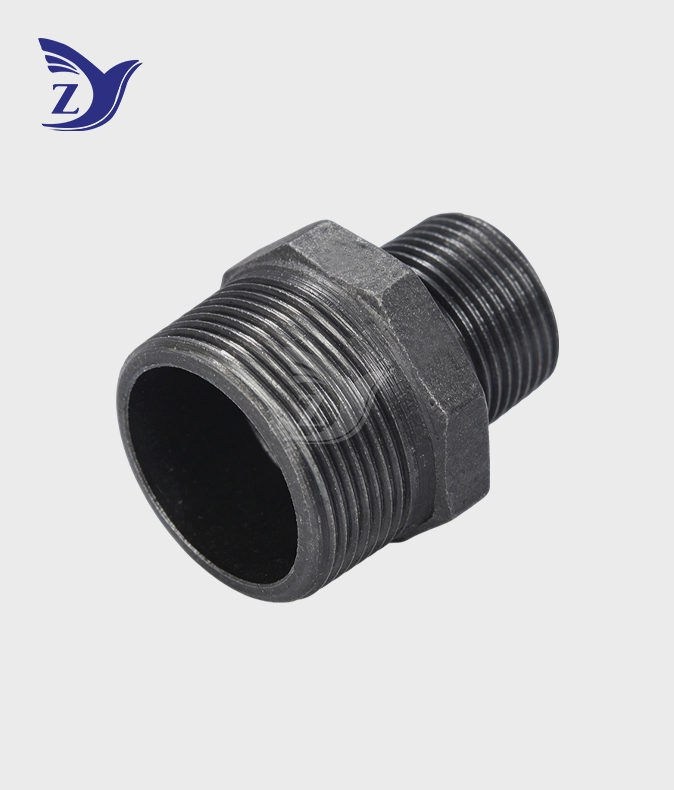
NPT Reducing Male Black Pipe Fitting
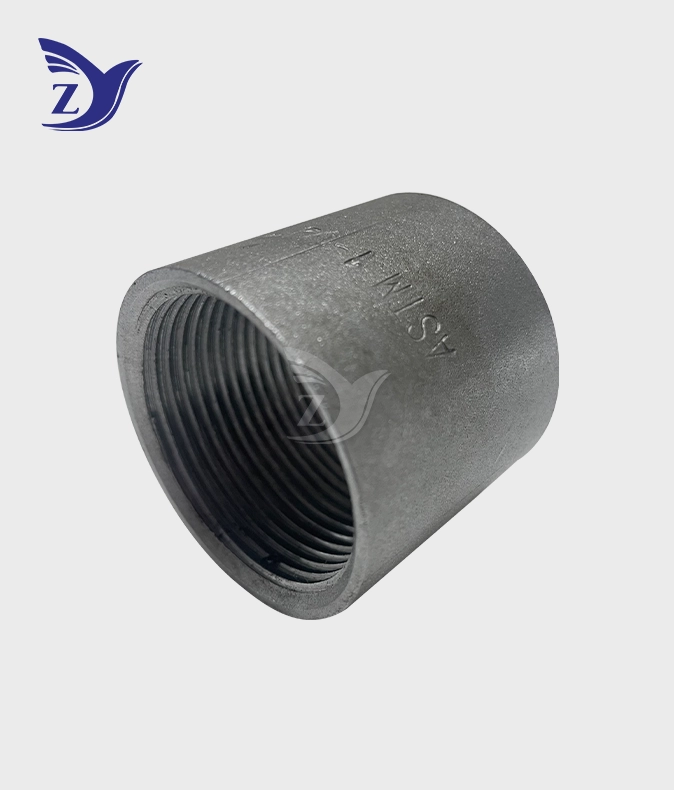
Carbon Steel Full Threaded Coupling Fittings Sand Blasted
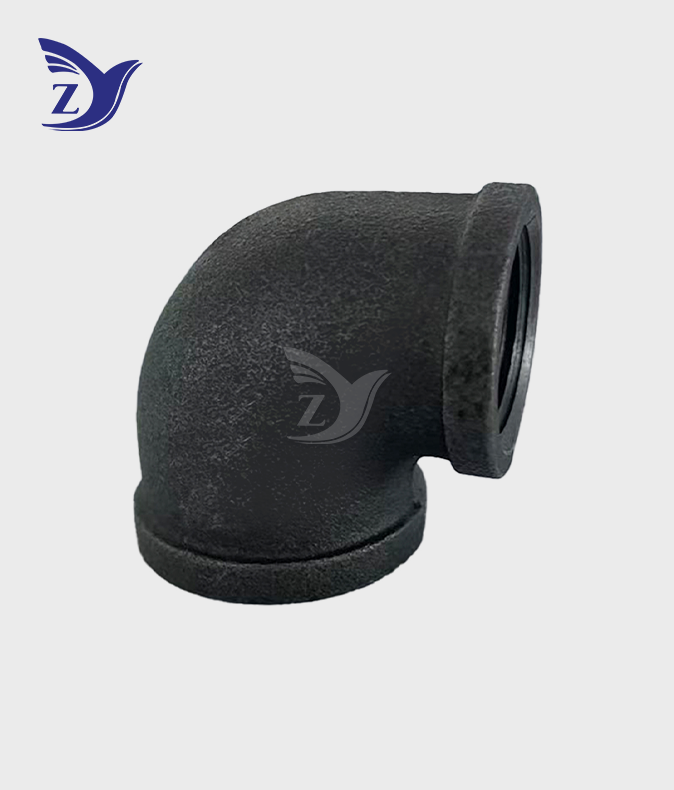
NPT Black Square Edge Reducing 90° Elbow
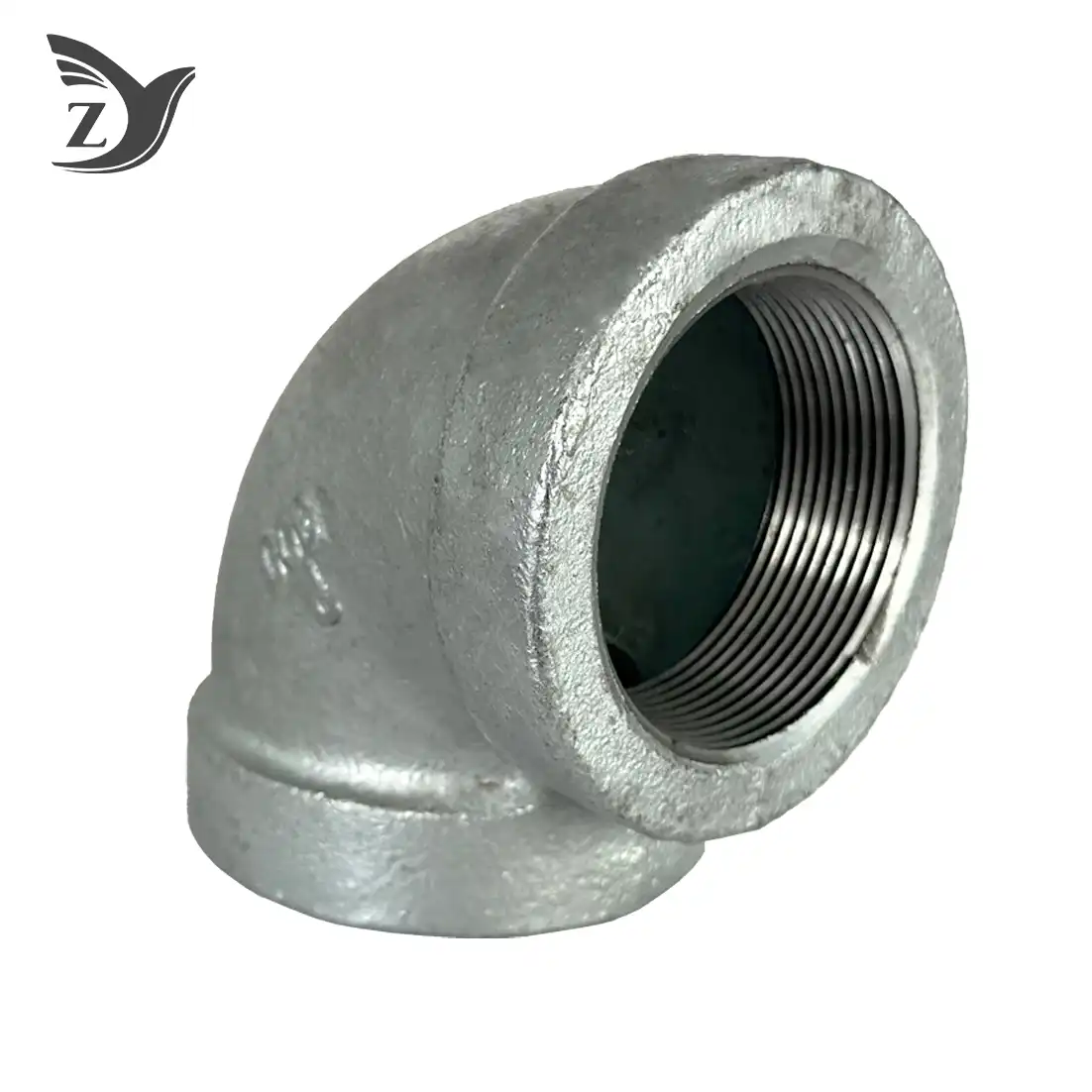
Class 300 Galvanized 90 Degree Malleable Iron Elbow
BSPT Galvanized Male Female 90° Long Radius Elbow Pipe Fittings