
Mar 27, 2026
What are galvanized male nipple pipe fittings?
Threaded connectors made of carbon steel or malleable iron with exterior (male) threads on both ends and coated with hot-dipped zinc are known as galvanized male nipple pipe fittings. Pipelines carrying water, gas, or HVAC systems rely on these industrial-grade components for their exceptional mechanical strength and resistance to corrosion. The precision-threaded design guarantees leak-proof connections in high-pressure applications, while the galvanization process inhibits rust development by creating a sacrificial barrier. These fittings link female connections in a variety of industrial settings; they are available in two configurations: NPT and BSPT.
Understanding Galvanized Male Nipple Pipe Fittings
Reliable connections that can endure hostile conditions without compromising structural integrity are essential for industrial pipe systems. A subset of threaded connections, male nipple fittings are ideal for efficiently connecting two female fittings or extending pipeline lengths.
Materials and Manufacturing Process
Precise material selection and manufacture provide the groundwork for high-quality galvanized male nipple pipe fittings. These parts usually use carbon steel with tensile strengths higher than 300 MPa, such as ASTM A53 or A106 Grade B. Applications needing flexibility under stress might benefit from the greater ductility offered by malleable iron alternatives.
Galvanization is dipping completed fittings into molten zinc at 840°F for a certain amount of time. The ASTM A153-required minimum thickness is 70–85 microns, and this hot-dip technique achieves it by metallurgical attaching the base metal to the zinc coating. This finish is ideal for industrial and maritime settings since it resists salt spray for more than 500 hours.
Thread Standards and Compatibility
The sealing performance and compatibility of a system are greatly affected by the thread shape. The interference fit that tightens when torque is applied is created by the 60-degree angle and 1:16 taper ratio of NPT threads. For many uses, this design removes the need for extra sealants, making installation easier.
The 55-degree Whitworth thread angle is used in BSPT setups, which are in accordance with ISO 7-1 and BS 21 standards. Particularly useful in high-vibration settings where regular gasket seals might fail, the tapered shape guarantees metal-to-metal sealing.
Size Ranges and Specifications
To meet the needs of a wide variety of pipelines, standard sizes are available in diameters ranging from 1/8 inch to 4 inches. Schedule 80 choices can manage high-pressure systems up to 3000 PSI at specified temperatures and diameters, while Schedule 40 versions are more suited to typical fluid transfer applications.
Comparing Galvanized Male Nipple Pipe Fittings with Alternatives
System performance, maintenance needs, and overall ownership cost are all significantly impacted by material choices. Procurement experts can better meet project requirements when they have a firm grasp of competitive advantages.
Corrosion Resistance Analysis
The sacrificial protection offered by galvanized male nipple pipe fittings makes them ideal for use in moderately corrosive situations. The underlying steel substrate is protected by the zinc coating, which corrodes preferentially. This process works wonders when exposed to air and when used in freshwater environments.
Alternatives made of stainless steel have much better chemical resistance, but they are far more expensive up front. Chemical processing plants often choose grade 316 stainless steel over galvanized alternatives because to its superior resistance to harsh chemicals and seawater exposure.
The antibacterial qualities and high corrosion resistance of brass fittings make them an ideal choice for systems that handle potable water. Some municipal installations may not be suitable because dezincification can happen in certain water chemistries.
Cost-Benefit Considerations
In most commercial applications, galvanized fittings provide the best return on investment, according to investment analyses. Although they last just as long as stainless steel alternatives and cost 40-60% less initially, they are more than suitable for use in most industrial settings.
Although black iron fittings are less expensive up front, they incur higher maintenance costs in the long run due to the need to paint or coat them to prevent corrosion. Industrial steam lines and high-pressure gas distribution need PVC alternatives, which are suitable for low-pressure applications but do not have the mechanical strength.
Environmental Suitability
Limitations on temperature have a major impact on the choice of materials. For most uses, galvanized steel is reliable up to 350°F; however, thread sealants, not the fitting itself, may be damaged by higher temperatures. When exposed to different circumstances and at different concentrations, chemical compatibility changes.
Installation and Maintenance Best Practices
Installing galvanized male nipple pipe fittings correctly increases their performance and the dependability of the system. Adherence to standard operating procedures guarantees conformity with safety requirements and averts typical failure scenarios.
Step-by-Step Installation Procedure
Before thread engagement can take place, the pipe ends must be thoroughly prepared for installation by deburring and cleaning. Pipe dope is used for gas applications and PTFE tape is used for water systems, so choose the thread sealant that is right for your system.
A hand-tight connection, plus more spins with the right wrenches, should be the result of thread engagement. Be careful not to overtighten, since this might lead to thread damage or the fitting failing. Torque standards for BSPT connections may vary somewhat from those for NPT threads, which normally need an extra two to four turns beyond hand-tight.
To avoid putting too much strain on the fitting connections, support nearby pipes as you install them. Particularly in systems vulnerable to vibration or thermal expansion, this procedure becomes crucial.
Maintenance and Inspection Guidelines
Scheduling inspections at regular intervals helps find problems before they cause system faults. Corrosion on the surface, thread integrity, and joint tightness should be the primary things examined visually. In contrast to red rust, which signifies coating failure necessitating repair, white zinc oxide production is indicative of typical weathering.
Under normal climatic conditions, galvanized coatings usually last between fifteen and twenty-five years. Service life may be reduced due to chemical exposure or exposure to marine conditions, which means that inspection intervals need to be more frequent.
Compliance and Standards
Several international requirements are met by high-quality galvanized male nipple pipe fittings, guaranteeing constant performance. Both the CE mark and ISO 9001 certification attest to the product's adherence to European standards for quality in manufacture. UL and FM certifications guarantee that fire safety systems are compatible with one another.
Procurement experts may rest certain that their products are reliable and in full compliance with regulations thanks to these certificates. To make project approval procedures easier, documentation supporting these criteria should be sent with bulk purchases.
Procurement Insights for Galvanized Male Nipple Pipe Fittings
Optimization of costs, assurance of quality, and dependability of the supply chain are three ways in which strategic sourcing choices affect the success of a project. Gaining a grasp of supplier capabilities and market trends is crucial for effective procurement.
Supplier Selection Criteria
All stages of manufacturing are subject to thorough quality control procedures that reputable manufacturers use. Seek for vendors who provide full documentation of product testing, certificates of materials used, and batch tracking. Timelines and volume needs should be in sync with manufacturing capabilities.
Shipping prices and delivery times are affected by geographical proximity, especially for large purchases. While domestic providers may be better at coordinating logistics and communication, overseas sources may be able to offer lower prices for bulk purchases.
Minimum Order Quantities and Logistics
Production efficiency and transportation economics dictate minimum order numbers for most firms. For most sizes and configurations, the standard minimum order quantity is between 500 and 2000 pieces. To get better price via volume reductions, it's best to plan ahead so that needs may be consolidated over numerous projects.
There has to be a balance between carrying expenses and stockout risks in inventory management systems. While just-in-time supply schedules are suitable for normal projects, safety stock maintenance may be necessary for critical applications.
Pricing Analysis and ROI Considerations
Factors such as production complexity, raw material prices, and competitive dynamics are reflected in market pricing. Even while galvanized fittings are 15-30% more expensive than their black iron counterparts, they last much longer and don't need coating, therefore it's well worth the extra money.
Maintenance needs, replacement intervals, and the monetary cost of system downtime should all be included into long-term value assessments. Although galvanized male nipple pipe fittings have a larger initial investment, they often have a better total cost of ownership.
Making the Right Choice for Your Industry Needs
Through distinct operational objectives and legal frameworks, industry-specific requirements dictate suitable selection. Optimal procurement choices that promote project success may be made by understanding these aspects.
Industry-Specific Applications
Fittings for fire prevention systems must be certified and able to reliably work in emergency situations. When internal corrosion prevention is paramount to the system's integrity, as it is in dry sprinkler systems, galvanized choices shine.
Galvanized fittings are ideal for chilled water systems and condensate lines because they are corrosion resistant and have good thermal stability. Rust, which may harm delicate machinery or decrease heat transfer efficiency, cannot get past the zinc covering.
These fittings are widely used in distribution networks by municipal water systems. The material selection process is driven by potability criteria and extended service life expectations. To minimize maintenance interventions and guarantee compliance with drinking water requirements, proper specification is essential.
Environmental Factors and Selection Criteria
Fitting performance may be impacted by temperature cycling in two ways: thermal expansion stresses and seal deterioration. Most commercial applications are well-suited to galvanized male nipple pipe fittings because they readily handle modest temperature changes.
Wall thickness and thread engagement parameters are affected by pressure requirements. Additional safety considerations or Schedule 80 setups may be required for high-pressure applications.
Coating compatibility and predicted service life may be better understood with the use of chemical exposure assessments. Galvanized coatings are resistant to most common contaminants, although certain conditions may call for other materials or extra precautions.
Future Trends and Innovations
As businesses strive to minimize their impact on the environment and maximize the efficiency of their product lifecycle, sustainability efforts are having a greater impact on the materials that are chosen. In comparison to throwaway options, galvanized steel's recyclability and long lifespan help achieve these goals.
Improvements in corrosion resistance and durability are being made possible by technological breakthroughs in coating procedures. Improved zinc alloy compositions and methods of application provide even more impressive performance in harsh conditions.
Conclusion
For commercial and industrial pipeline applications that need corrosion protection and dependable connections, galvanized male nipple pipe fittings are a tried and true option. They are perfect for water and gas distribution, heating, ventilation, and air conditioning systems, as well as fire prevention installations, due to their mechanical strength, chemical resistance, and affordability. In spite of harsh working circumstances, the hot-dipped galvanization technique preserves structural integrity and offers long-term protection against environmental damage. To achieve peak performance over the long haul, it's important to use the right materials, use the right installation methods, and keep up with regular maintenance. By comparing one material to another, you can make a well-informed purchasing choice that takes into account both the upfront cost and the entire cost of ownership.
Contact Zhiyuan Malleable Steel for Premium Galvanized Pipe Fittings
Zhiyuan Malleable Steel stands as your trusted

, delivering precision-engineered solutions for industrial and commercial applications worldwide. With 26 years of casting expertise and an annual production capacity of 30,000 tons, we provide comprehensive NPT/BSPT threaded connectors meeting international standards including ISO 9001, CE, UL, and FM certifications. Our hot-dipped galvanized malleable iron fittings offer superior corrosion resistance and mechanical strength for water, gas, and HVAC installations. Contact us at q1236800000@gmail.com for customized quotes, bulk orders, and expert consultation on your pipeline connection requirements.
FAQ
What pressure ratings do galvanized male nipple fittings support?
Galvanized male nipple pipe fittings typically handle pressures up to 2000-3000 PSI depending on diameter and wall thickness. Schedule 40 fittings suit standard commercial applications, while Schedule 80 variants accommodate higher pressure requirements in industrial systems.
How long do galvanized pipe fittings last in typical installations?
Service life varies based on environmental conditions, but properly installed galvanized fittings typically provide 15-25 years of reliable performance in standard atmospheric conditions. Marine environments or chemical exposure may reduce longevity, requiring more frequent inspection and potential replacement.
Are galvanized fittings suitable for potable water systems?
Yes, galvanized steel fittings meet safety requirements for potable water applications when properly manufactured and installed. The zinc coating provides corrosion protection without introducing harmful contaminants, making them acceptable for municipal water distribution systems.
What tools are required for proper installation?
Installation requires standard pipe wrenches sized appropriately for fitting dimensions, thread sealant suitable for the application (pipe dope or PTFE tape), and pipe preparation tools for deburring and cleaning. Torque specifications should follow manufacturer recommendations to prevent over-tightening.
Can NPT and BSPT fittings be used interchangeably?
No, NPT and BSPT threads have different angles and pitch specifications, making them incompatible. NPT uses 60-degree threads while BSPT employs 55-degree angles. Using mismatched threads can result in poor seals and potential system failure.
References
1. American Society for Testing and Materials. "Standard Specification for Zinc Coating (Hot-Dip) on Iron and Steel Hardware." ASTM International, 2019.
2. British Standards Institution. "Pipe Threads for Tubes and Fittings Where Pressure-Tight Joints are Made on the Threads." BS 21:2019.
3. International Organization for Standardization. "Pipe Threads Where Pressure-tight Joints are Made on the Threads - Part 1: Dimensions, Tolerances and Designation." ISO 7-1:2018.
4. National Institute of Standards and Technology. "Galvanic Corrosion Protection Methods in Industrial Piping Systems." Technical Publication Series, 2020.
5. American National Standards Institute. "Pipe Threads, General Purpose (Inch)." ANSI/ASME B1.20.1-2013.
6. Corrosion Engineers Association. "Lifecycle Assessment of Galvanized Steel Pipe Fittings in Industrial Applications." Annual Technical Review, 2021.
Online Message
YOU MAY LIKE
High quality furniture manufacturer
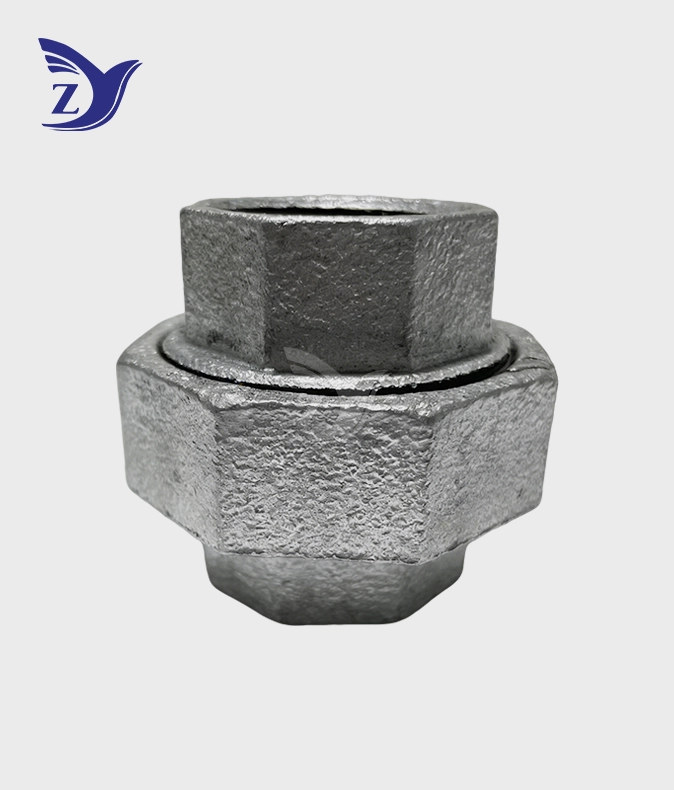
NPT Galvanized Union 342 Pipe Fittings
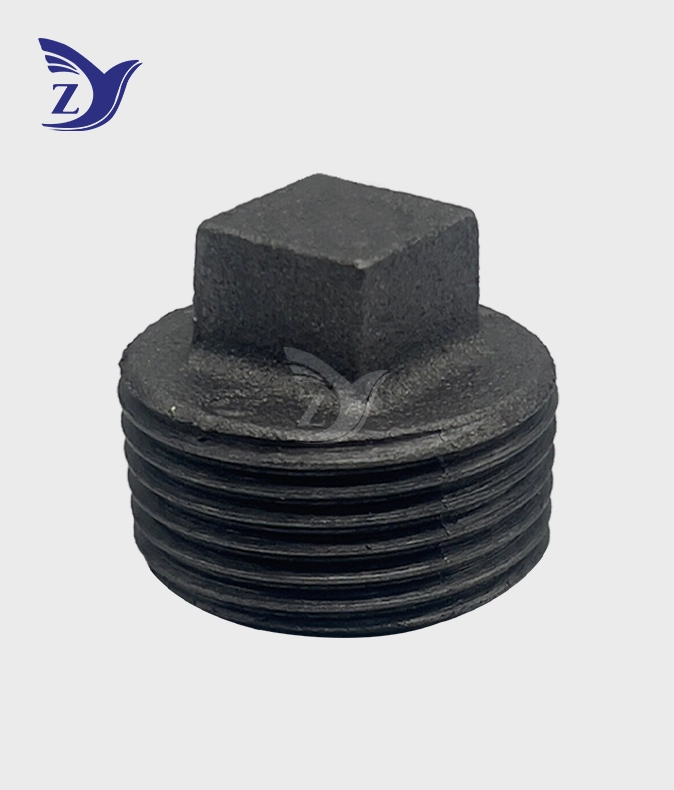
NPT. Black Flangeless Plug Pipe Fittings
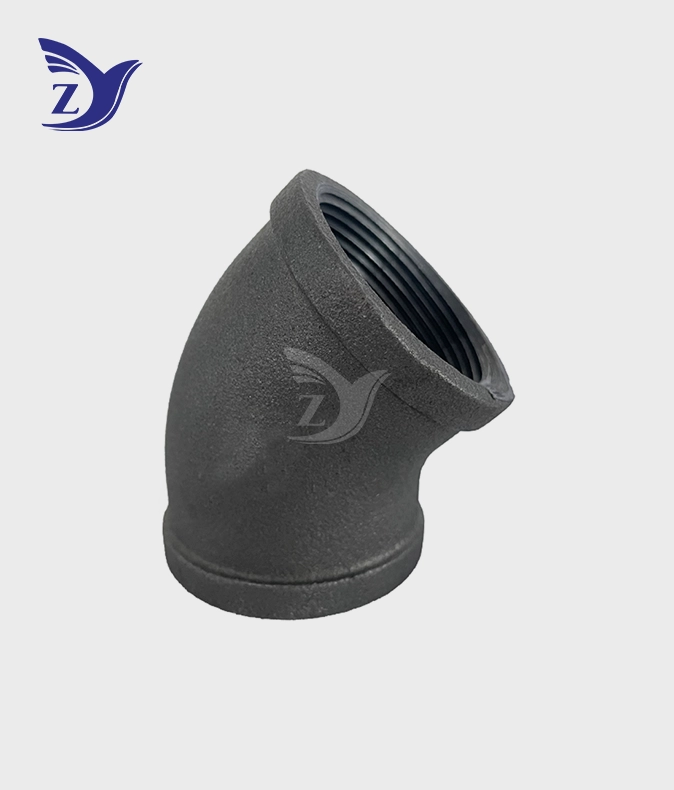
NPT Black Square Face 45° Elbow Pipe Fittings
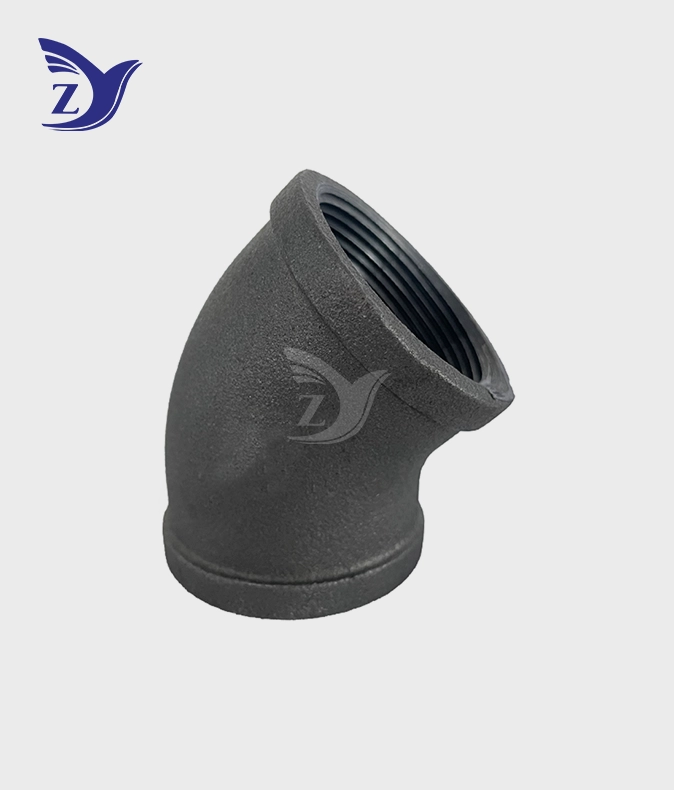
BSPT Black Square Face 45° Elbow Pipe Fittings
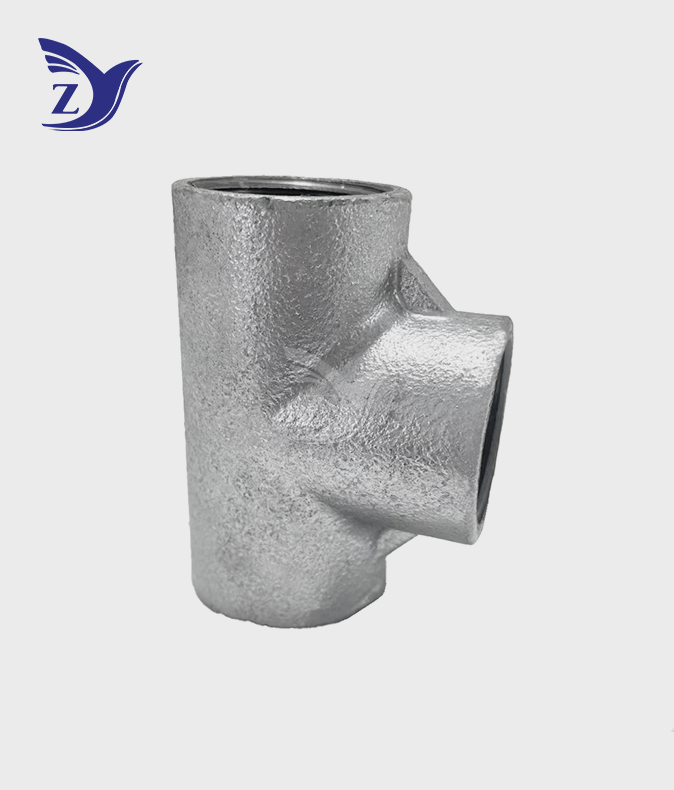
No Hub Electro Galvanized Straight Tee Pipe Fitting
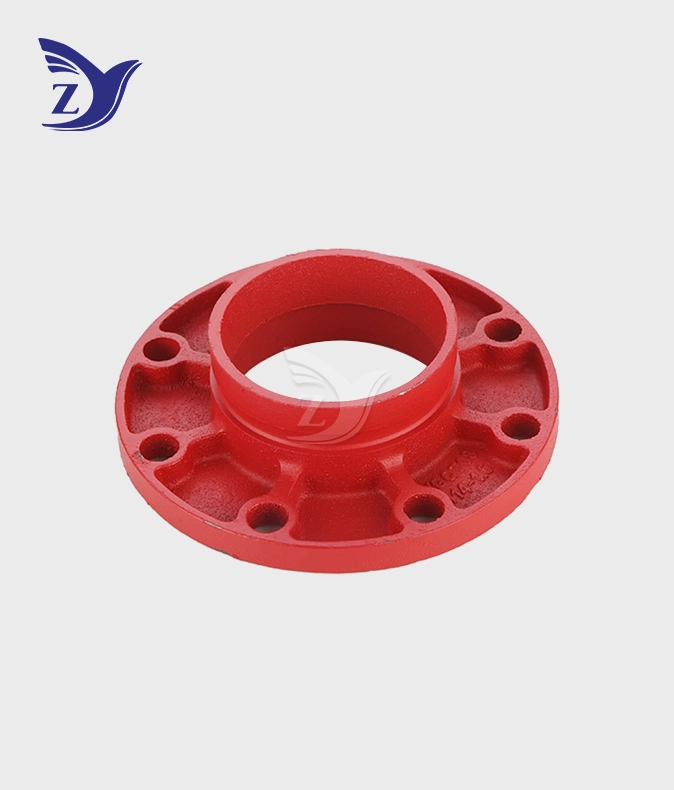
Fire Grooved Flange
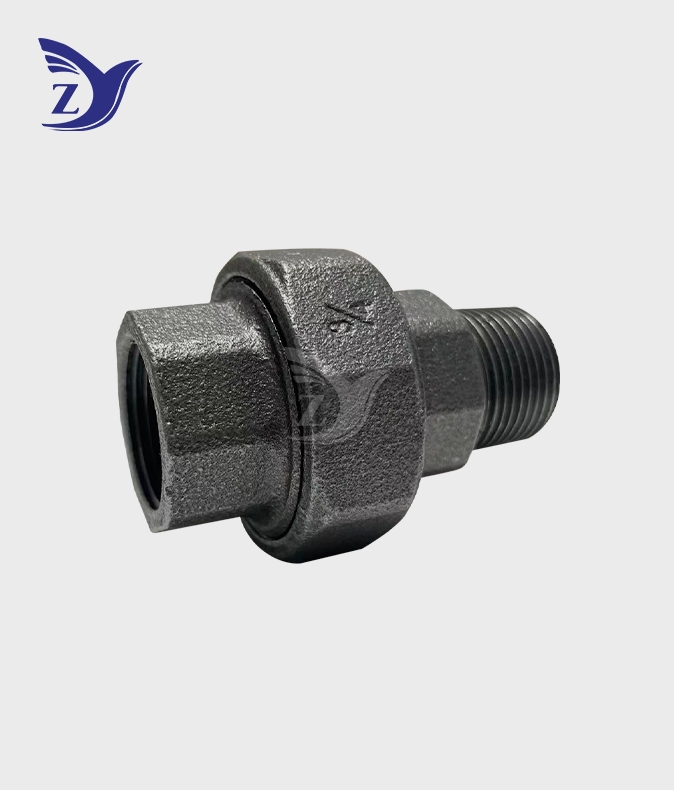
NPT Black Male-Female Union 331 Pipe Fittings
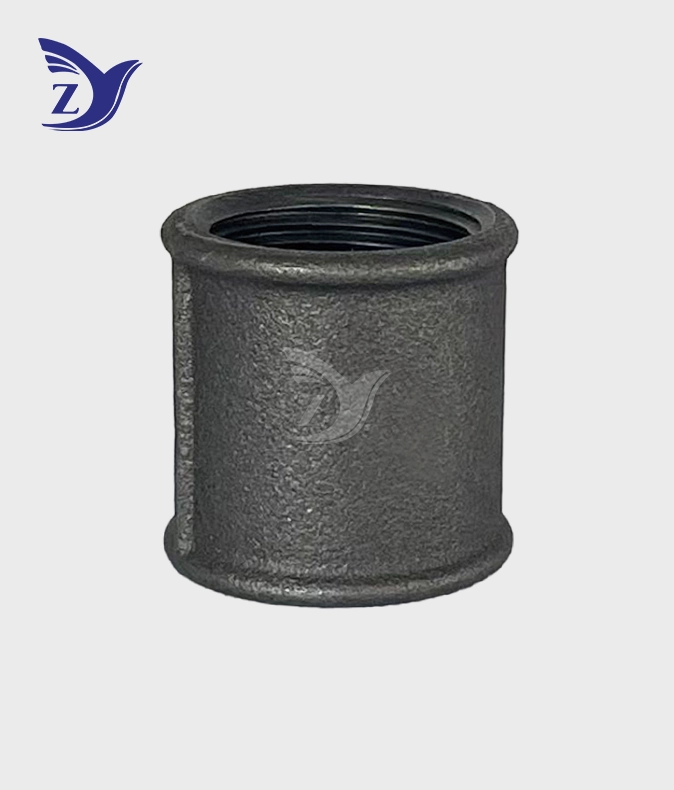
NPT Black Round Face Coupling Pipe Fittings