
May 9, 2026
Uses of square face galvanized 90 degree male female threaded elbows in plumbing
Modern plumbing systems need square face galvanized 90° male female threaded elbow pipe fittings to make sure that changes in direction are safe and that pipes of different shapes can be connected. Because these special fittings have one male NPT or BSPT thread on the outside and one female thread on the inside, you don't need any extra nipples in tight areas. The strengthened square face design, which can be identified by the flat-surfaced ring at the female hole, is more structurally sound than standard round-bead options. The malleable iron core is protected from rust by hot-dip galvanized coatings. This makes these dual-threaded connections perfect for industrial water systems, gas pipes, fire protection networks, and HVAC setups that need to be strong and not leak.
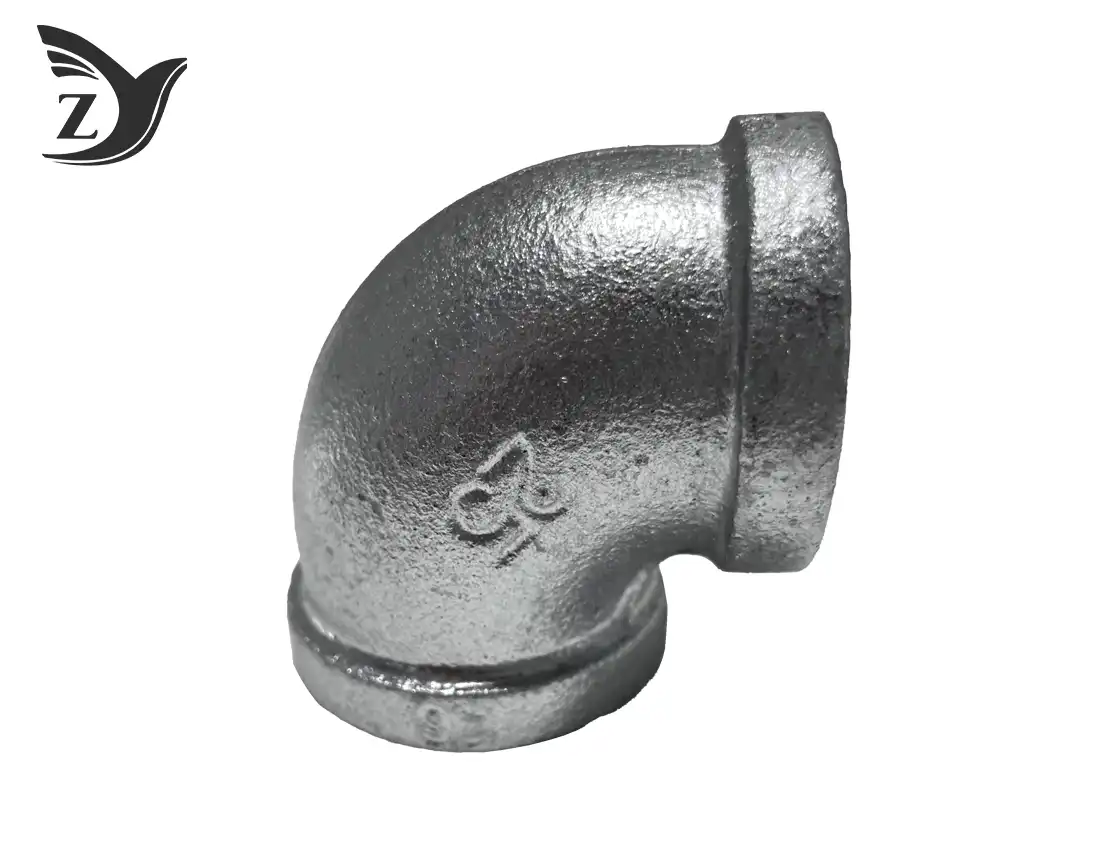
Practical Uses and Benefits in Plumbing Applications
Fire Protection and Sprinkler Systems
Fire control networks need to be completely reliable, because if the system fails in an emergency, it could be very bad. Male-female threaded elbows are very useful for retrofitting existing sprinkler systems where standard elbow-and-nipple combinations can't be used because of lack of room. The built-in gender change lets main headers connect directly to branch lines, which cuts down on the number of joints and possible leak points.
We've provided these fittings for a number of fire safety jobs where fitters had to work around structural beams and through ceiling voids with little space to spare. With the ability to turn 90 degrees and the ability to change gender, you can make tight links that would normally need to be made to order. The galvanized coating meets the fire code standards for corrosion protection in dry pipe systems. In these systems, steel parts that aren't protected from air flow and temperature changes tend to rust.
HVAC and Refrigeration Piping
The space-saving form of square face galvanized 90° male female threaded elbow pipe fittings is very helpful for HVAC (heating, ventilation, and air conditioning) systems. In small mechanical rooms, condensate drain lines, cold water distribution lines, and heating loops often need to change directions a lot. Using street elbows, which are another name for male-female fittings, makes pipe units smaller, which means there is more room for insulation, service access, and future system growth.
When temperature changes in HVAC systems, parts have to repeatedly expand and shrink. Because malleable iron is naturally flexible, it doesn't break into flimsy pieces like gray iron parts do in these situations. The material takes in stress by slightly deforming instead of cracking, so the seal stays intact even when the temperature changes with the seasons. Building engineers like how reliable it is because it cuts down on unplanned repair calls and water damage from links that don't work.
Industrial Process Piping and Petrochemical Applications
Square face galvanized 90° male female threaded elbow pipe fittings that can handle harsh conditions are needed in chemical processing plants, refineries, and factories. Galvanized fittings are great for moving raw water, process cooling systems, compressed air, and natural gas, but they're not good for chemicals that are very toxic. The precision-threaded joints make tight seals that stop fugitive pollution, which helps businesses stay in line with environmental laws.
The male-female design works especially well for pneumatic control systems. In small junction boxes, the air lines that feed control valves, motors, and gauges often need to be turned 90 degrees. The street elbow design lets you directly attach pressure regulators, gauges, and quick-disconnect connections to changes in direction. This makes instrumentation plans easier and cuts down on the number of parts needed in complex control networks.
Municipal Water Distribution and Plumbing Infrastructure
Threaded fittings are used by water utility companies to connect service lines, place meters, and put together hydrant systems. Hot-dipped galvanized parts are very strong and will last for many years in buried situations where repair costs include digging up and fixing up the street. Male-female elbows make building a meter vault easier by cutting down on the number of points between shutoffs on the street and customer connections.
Square face galvanized 90° male female threaded elbow pipe fittings are used a lot by residential and business plumbers for rough-in work, especially when adding gas lines for appliances. Most places have building rules that say gas lines must have threaded connections instead of soldered or compression fittings. This means that threaded joints are a must. The zinc coating adds an extra layer of safety by blocking outside rust that could weaken the gas line over the decades that buildings are used.
Key Performance Benefits Across Applications
After going over these different use cases, it's clear that there are a number of speed benefits. The dual-threaded design cuts down on assembly time by getting rid of unnecessary parts in the middle. This directly lowers the cost of work for big projects. Less joints means fewer places where water could leak, which makes the system more reliable and lowers the number of calls that workers get. The strong construction can handle the physical demands of installation and won't break if tools are dropped or hit by accident during the process.
Maintenance is easier to do because the square face makes it possible for a wrench to connect properly even after years of use. Technicians can take apart old links without having to cut and replace whole parts. This cuts down on the time and materials needed for repairs. Standardizing NPT and BSPT threading makes new parts easy to find. This keeps the supply chain from getting messed up by unique connection systems.
Choosing the Right Galvanized Male Female Threaded Elbow for Procurement
Material Certifications and Quality Standards
Material compliance should be checked before any procurement choices are made. Reliable makers give mill certificates that list the chemical make-up and mechanical qualities of the malleable iron they use. As a starting point, look for ASTM A197 approval that clearly states the tensile strength and elongation rates. If a company has ISO 9001 certification, it means that they use the same quality control methods throughout the whole production process.
Depending on the needs of the square face galvanized 90° male female threaded elbow pipe fitting, extra certificates can be useful. For fire prevention uses, UL and FM approvals are very important because many places won't accept parts that don't have these titles. The CE mark means that a product meets European standards and can be sold in EU countries. We keep all of the major certifications at our site because we know that project requirements often need certain approvals before parts can be put into designed systems.
Thread Compatibility and Size Selection
Matching thread types stops expensive problems with compatibility. NPT threading is usually required for projects in North America, while BSPT threading may be needed for projects in other countries. Mixing thread types leads to bad seals and possible system failures, so it's important to check the specs before buying a lot of them. Both ring and plug thread gauges can be used for entering checking to make sure that fittings are the right size before they are put into stock.
Choosing the right size relies on how much flow is needed and how much pressure drop there is. A 1/2-inch fitting might directly connect to your pipes, but joints that are too small limit flow, which makes the system work less well. Using flow charts and pressure drop tables during the planning phase keeps performance problems from happening after the installation. Our normal product line comes in sizes from 1/4 inch to 6 inches, and we can also make sizes to order for specific uses.
Galvanization Quality Assessment
Not all metal coats protect as well as others. Using magnetic induction tools to measure coating thickness gives you quality data that you can trust. Usually, specifications call for at least 500 g/m² of zinc covering, which is about 70 microns. Thicker coats last longer, but if they are put too much, they may make it hard for threads to fit. Careful process control is needed during galvanization to find the right mix between protecting against rust and allowing for small differences in size.
A visual check shows how regular the coating is and if there are any problems. A good galvanizing job doesn't have any bare spots, drips, or heavy zinc buildup in the threads. It looks smooth and the color is even. The Preece Test, which is a copper sulfate dip test, checks the stability of the layer by showing any holes or thin spots where the copper sulfate solution can reach the base metal. We test these things on random samples from every batch of production, and we keep quality records that customers can look at during source checks.
Addressing Common Challenges in Threaded Fitting Applications
Thread Misalignment and Cross-Threading Prevention
Cross-threading hurts both fitting threads and pipe threads, making joints that leak and need to be replaced. This problem usually happens when workers are in a hurry or are working in an awkward position that makes it hard to see what they're doing. This problem can be avoided by starting the threads by hand before using tools. This lets you feel that the threads are properly engaged before applying pressure. The square shape of the face helps because it gives you visual alignment points that make rotational errors stand out more.
Problems with fitting can also be caused by thread damage from shipping or storage. When you check the threads before you put them, you can find any that are bent or twisted, which could lead to cross-threading. We ship threads with individual plastic caps to keep them safe, and we pack fittings in two-layer cardboard boxes to keep them from getting damaged. This care with the packing lowers the number of rejections in the field and the time it takes to install.
Galvanization Quality Issues and Field Identification
Bad sparking causes a lot of trouble. If the covering isn't strong enough, it can rust too soon, especially in outdoor or high-humidity settings. Too much protection on the threads makes them fit tightly, which needs too much power or stops them from fully engaging. When coatings aren't spread out evenly, weak places form where rusting can happen faster. Learning how to spot good galvanizing helps buying teams turn down materials that aren't up to par before they go into projects.
Coatings that are of good quality look smooth and silvery-gray, and their surface roughness is mostly the same all over. Rough, dull surfaces with drips or runs that can be seen are a sign of a problem with the process control. If something looks bright and shiny, it might be electroplating instead of hot-dip galvanizing. This is an important difference to make because electroplated coats don't protect against rust as well. When specs call for hot-dip galvanizing, using electroplated alternatives shortens the life of the system and might be against the rules.
Leakage Troubleshooting and Prevention
There are several things that can cause threaded links to leak. Pipes don't properly close when they aren't fully screwed into fittings, which results in thread engagement that isn't sufficient. To make good seals, NPT threads need a minimum contact depth, which is usually between 5 and 7 turns. Callback rates drop by a large amount when workers are taught the right way to put things together.
Leak rates are affected by the type of thread glue used. People still like PTFE tape, but it needs to be used correctly. To keep it from bunching up, wrap it clockwise in the direction of thread spinning. Pipe dope is better at filling gaps, but it can come out during assembly, making installations messy. For gas uses, yellow PTFE tape that is approved for gas service seals well without the problems that come with liquid sealants squeezing out. Before putting systems into service, we suggest checking sealed joints at 1.5 times the working pressure.
FAQ
What distinguishes square face elbows from round face alternatives?
When compared to round face fittings, square face fittings have 15-20% more mass in the bead area because the female hole has a strengthened, flat-surfaced ring. This improvement to the structure makes it easier to use a wrench, spreads the stress of fitting more evenly, and makes the hoop stronger so it doesn't break when force is applied. Installation crews benefit because tools don't slip as much, and the fitting lasts longer when it's subjected to repeated changes in temperature and mechanical stress.
Can galvanized threaded elbows be used in outdoor applications?
Hot-dip galvanized finishes are great for outdoor projects because they protect the malleable iron underneath from rusting for decades if they are applied correctly. The layer thickness—usually between 70 and 100 microns to meet ASTM A153 standards—makes a barrier that corrodes faster than the base metal. In coastal areas where salt spray is common, the zinc layer may finally be worn away, but the service life is still much longer than that of steel that isn't covered or that isn't coated well enough.
How do I verify NPT versus BSPT thread compatibility?
Thread sizes are the best way to be sure. The taper rates and thread angles for NPT threads are set by ANSI/ASME B1.20.1, while the physical requirements for BSPT threads are different. When thread type isn't clearly marked, it's hard to tell what it is by looking at it, so measuring is necessary. The project specs should make it clear what thread standards are needed, and before taking deliveries, procurement teams should check that the manufacturer's paperwork shows compliance.
Partner with Zhiyuan Malleable Steel for Superior Threaded Fittings
Good square face galvanized 90° male female threaded elbow pipe fittings are what separate plumbing systems that work well from those that need expensive repairs and upkeep. Every part that Zhiyuan Malleable Steel makes is made with 26 years of casting experience, using high-quality Black Heart Malleable Iron, precise threading, and top-notch hot-dip galvanization. Our yearly production capacity of 30,000 tons provides a steady supply for projects of any size, and our ISO 9001, CE, UL, and FM certifications show that we are dedicated to meeting international quality standards.
As a top company that makes square face galvanized 90° male female threaded elbow pipe fittings, we can make any changes you want. This includes OEM/ODM services, non-standard sizes, and special finishes. Our expert team works with your engineers to come up with solutions that are perfect for the job, whether you need NPT threading for installations in North America or BSPT standards for markets around the world. Our two-hour delivery window for standard stocking items keeps your projects on track, and our policies for replacing broken products protect your investment.
Email our team at q1236800000@gmail.com to talk about your unique needs and get accurate quotes. You can look through our full product list at zymalleablepipefitting.com and find out how our top-notch manufacturing skills can help your next plumbing, fire safety, or industrial piping job.
Conclusion
Square face galvanized 90° male female threaded elbow pipe fittings are important parts of modern plumbing systems because they save room and protect against rust well. The two-threaded design gets rid of the need for intermediate parts in tight setups. This cuts down on the number of joints and possible leak points in a wide range of situations, from fire suppression to industrial process pipes. Long-term performance is based on material quality, thread precision, and galvanization integrity. This makes choosing a provider an important buying choice. When project teams know about these technical factors, like ASTM material standards and thread connection requirements, they can choose parts that will last for decades and meet performance and code requirements.
References
- American Society for Testing and Materials. "ASTM A197: Standard Specification for Cupola Malleable Iron." West Conshohocken: ASTM International, 2020.
- American Society of Mechanical Engineers. "ASME B1.20.1: Pipe Threads, General Purpose." New York: ASME Standards Committee, 2019.
- American Society for Testing and Materials. "ASTM A153: Standard Specification for Zinc Coating (Hot-Dip) on Iron and Steel Hardware." West Conshohocken: ASTM International, 2021.
- National Fire Protection Association. "NFPA 13: Standard for the Installation of Sprinkler Systems." Quincy: NFPA Publications, 2022.
- British Standards Institution. "BS 143 and BS 1256: Specification for Malleable Cast Iron and Cast Copper Alloy Threaded Pipe Fittings." London: BSI Standards, 2018.
- International Organization for Standardization. "ISO 49: Malleable Cast Iron Fittings Threaded to ISO 7-1." Geneva: ISO Technical Committee, 2020.
Online Message
YOU MAY LIKE
High quality furniture manufacturer
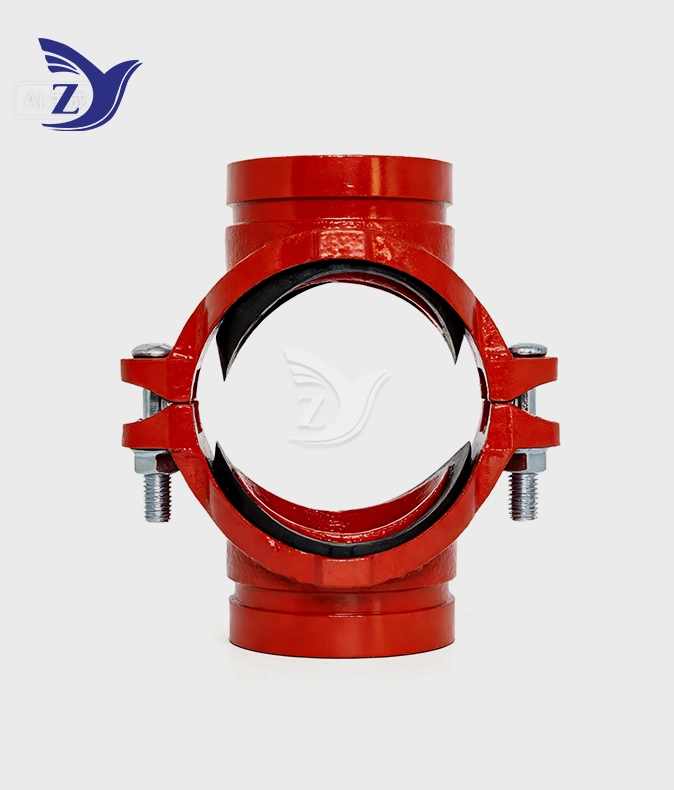
Threaded Mechanical Cross
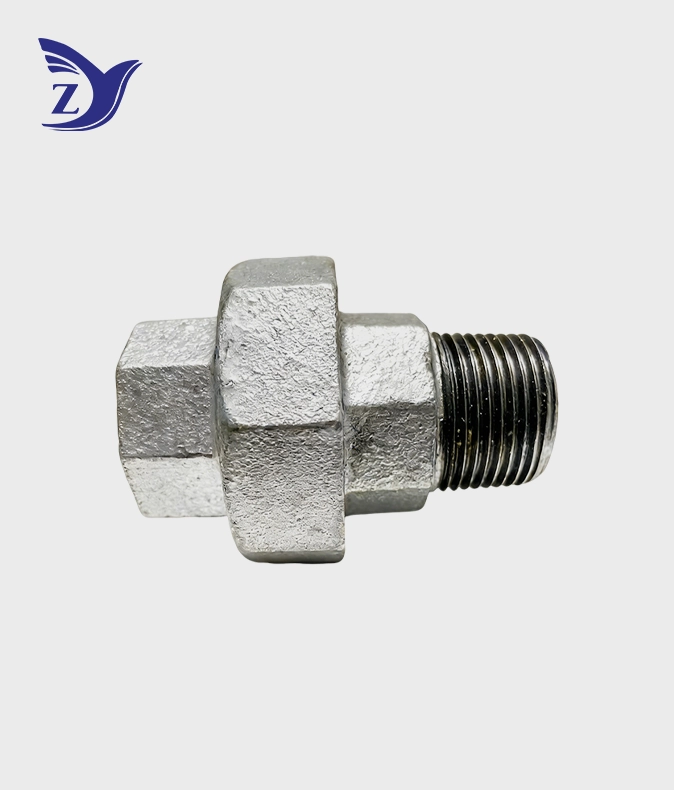
NPT Galvanized Male Female Threaded Union 341 Pipe Fittings
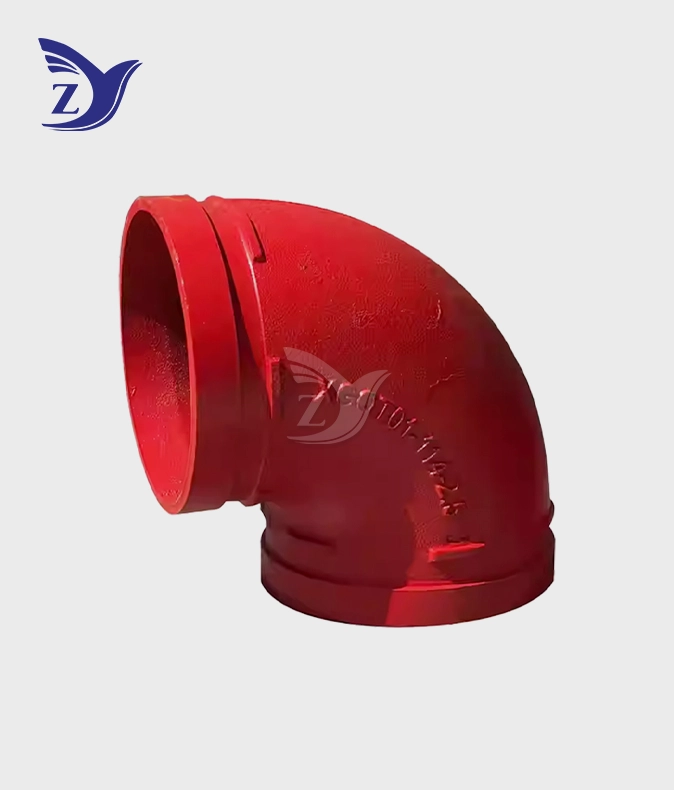
Fire Grooved 90° Elbow
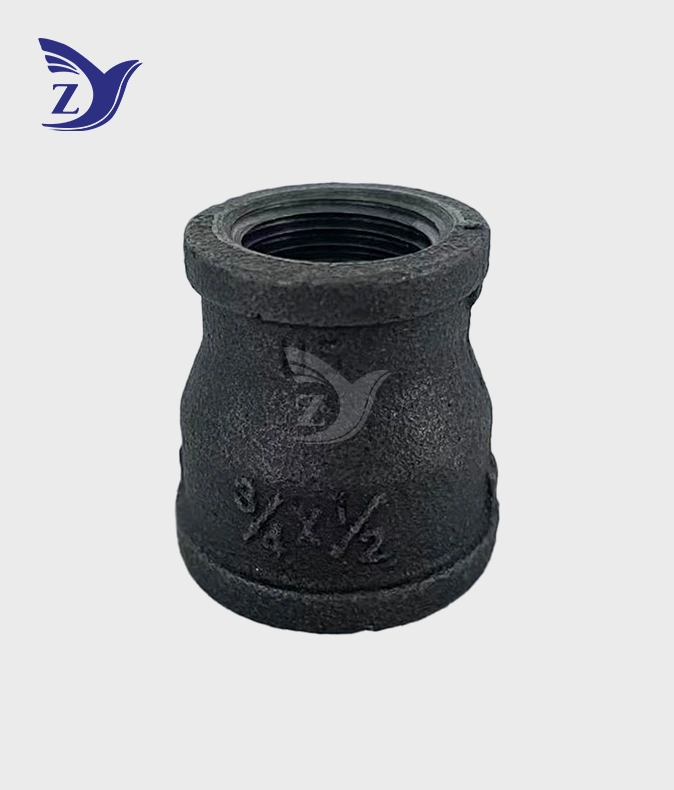
NPT Black Square Face Reducing Coupling Pipe Fittings
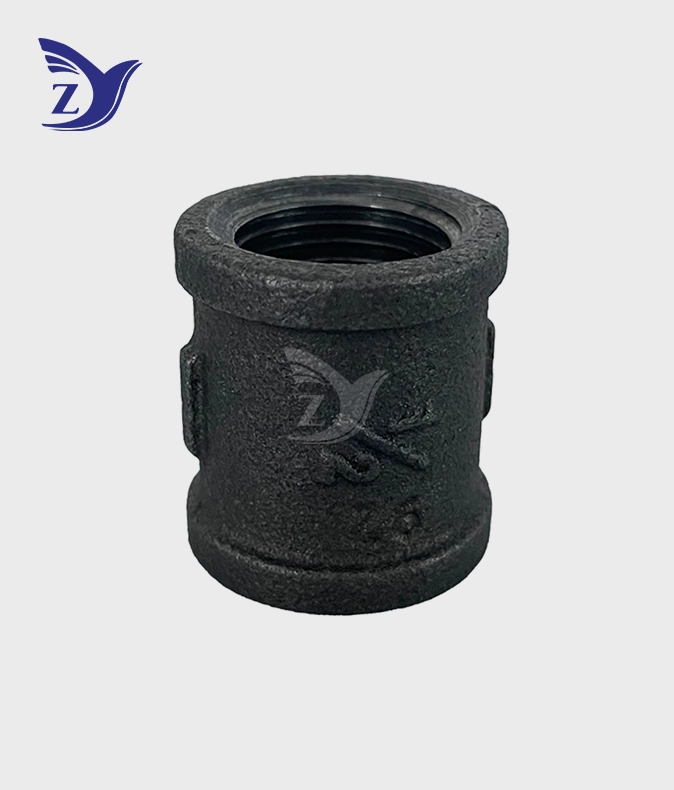
NPT Black Square Face Coupling Pipe Fittings
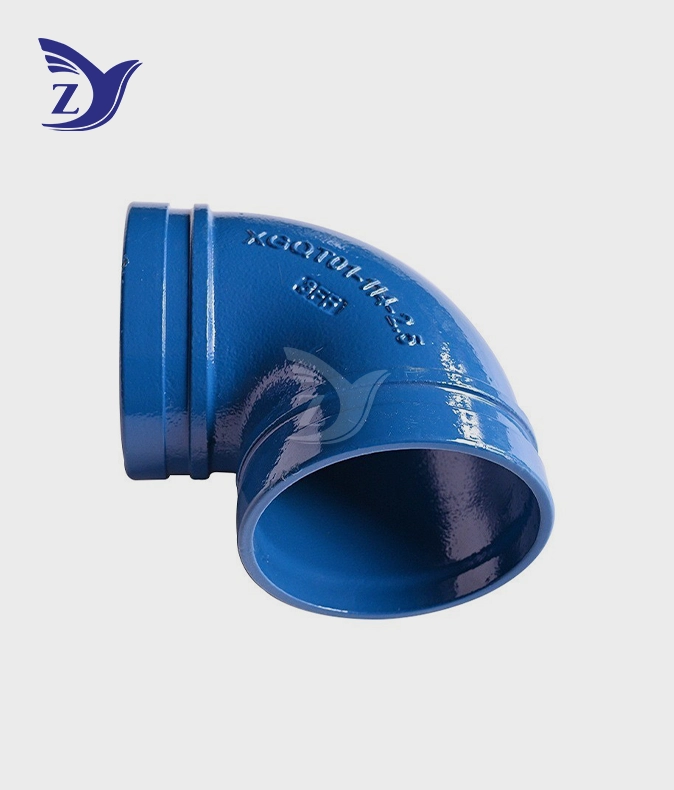
Water Grooved 90° Elbow
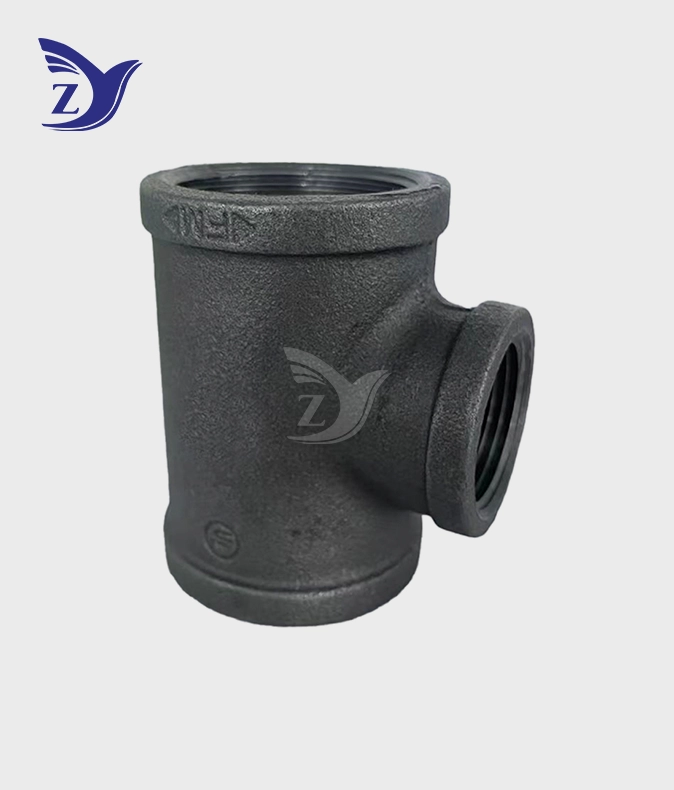
NPT Black Square Face Reducing Tee Pipe Fittings
Double Male Thread Oil Tubing