
Apr 17, 2026
Square Face VS Round Face Galvanized Reducing Coupling Pipe Fittings
When talking about buying reducing connections for industrial pipe systems, the choice between square face and round face forms comes up a lot of the time. Both configurations do the same basic job of switching between different pipe diameters while keeping the system intact, but because of changes in their structures, they work in different ways. square face galvanized square edge reducing coupling pipe fittings have reinforced, flat-surfaced edges that make them easier to grip with a wrench and give the structure more stiffness during installation. This makes them perfect for situations where high pressure assembly is needed. With their curved edges, round face options work best in places where flexibility and sound damping are important. When buying teams know about these differences, they can choose the right part for water systems, fire protection networks, and industrial process lines.
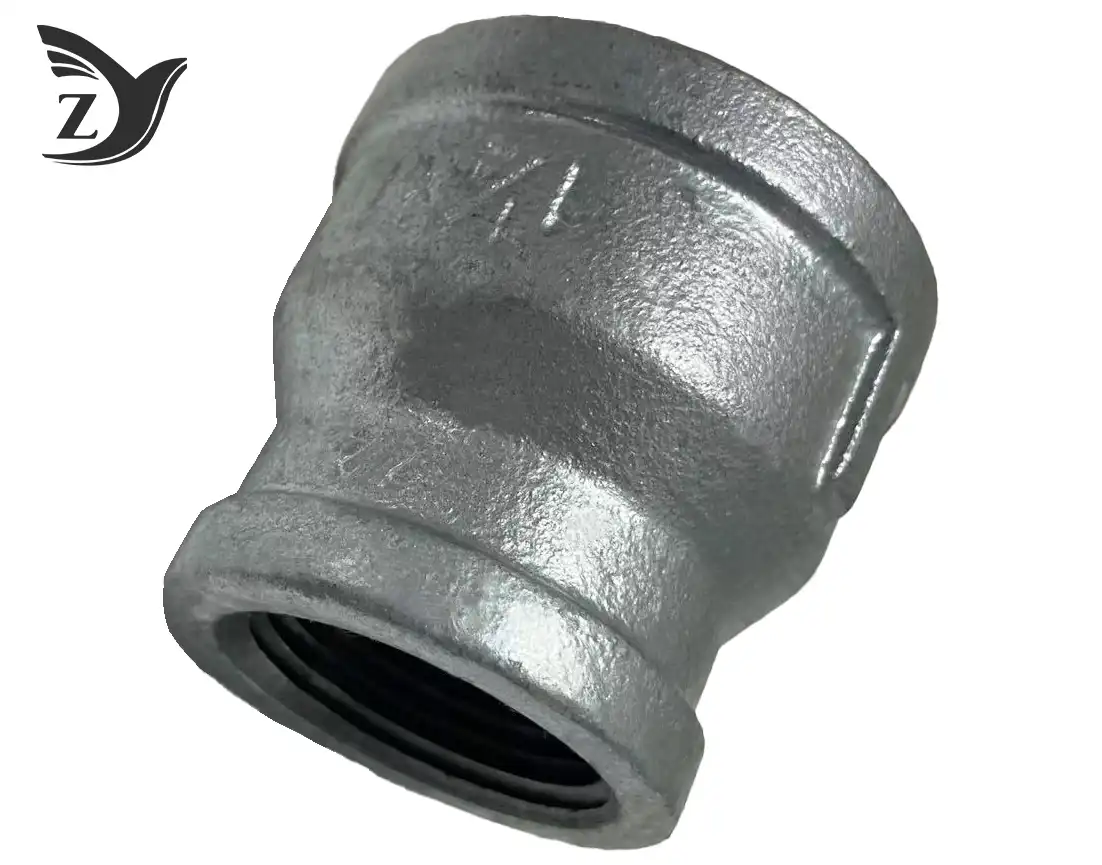
Square Face and Round Face Galvanized Reducing Couplings
Structural Design Fundamentals
The main difference between these two types of connection is how the edges are shaped and how they are reinforced. Square face reducing couplings have a flat, squared-off reinforcing band around each socket end. This makes the surface strong enough to handle the forces of fitting. This design came about because workers need to keep the socket from deforming when they use heavy-duty pipe wrenches with a lot of torque during assembly in tough field circumstances.
On the other hand, round face couplings have slightly curved edge shapes that spread mechanical stress more evenly across the fitting body. The rounded support can handle small misalignments during installation and is much more resistant to harm from impacts during transport and handling. Precision-threaded interiors in either NPT or BSPT setups are used in both designs. These threads make solid metal-to-metal seals through interference fit mechanics.
Material Composition and Galvanization
Both types of couplings are made from malleable iron that meets ASTM A197 or a similar standard. This gives them the flexibility and durability needed for industrial use. The base material goes through a special hardening process that changes the structure of the carbon, making it less rigid while keeping its mechanical strength. The parts can survive sudden changes in pressure and temperature without breaking because of this metallurgical treatment.
Hot-dip zinc coatings, which are usually more than 70 microns thick according to ASTM A153 standards, protect against rusting during the galvanization process. This layer of zinc that is mechanically attached works as a sacrifice anode, keeping the iron below safe even if the coating gets some small surface damage. The galvanized finish makes the product last a lot longer in outdoor settings, naval settings, and systems that deal with acidic fluids.
Application Context Differences
square face galvanized square edge reducing coupling pipe fittings are most common in situations where they need to be easy to maintain and tight to install. Fire protection professionals like these fittings for connecting sprinkler branches because the flat ends hold the wrench securely without slipping, which is very important when working in tight ceiling areas. For distribution network changes, municipal water departments choose square face designs because they are easier to check visually. Any movement or loosening over time is easy to see on the flat surfaces.
In industrial areas with a lot of shaking, like pump discharge lines and compressor stations, round face couplings are preferred. The design with bent edges better handles mechanical shock, lowering stress levels that could lead to wear cracks. For process pipes that are heated and cooled many times, petrochemical plants often choose round-faced versions because the shape can handle small changes in size without affecting the strength of the joint.
Technical Comparison: Dimensions, Performance, and Material Properties
Threading Standards and Seal Mechanics
BSPT threaded reducing couplings use the British Standard Pipe Taper design, which has a 55-degree thread angle and a 1:16 taper ratio. As the joint is put together, the thread angle gets smaller and smaller, making the contact tighter. Under system pressure, this self-sealing property becomes stronger, as the curved sides contract to form a leak-proof metal-to-metal seal. The square face version has a strengthened socket design that gives it about 15% more thread contact depth. This means that it is less likely to pull out in situations where there is vibration or water hammer.
NPT threaded setups follow ANSI/ASME B1.20.1 standards and have a 60-degree thread angle. They offer the same taper-seal benefits, but with different sizes to meet different regional standards. Pressure cycling studies show that NPT square face reducing couplings that are placed correctly can withstand 50,000 cycles at 300 psi working pressure, which is a lot more than what is usually needed for industrial service.
Dimensional Tolerances and System Compatibility
Precision machining makes sure that both types of couplings meet strict standards for size, which is important for thread contact. At the diameter change point, the lowering bore transition has concentric alignment within a range of 0.5 mm. This keeps turbulence and pressure loss to a minimum. Due to the flat reinforcement band, square face designs usually have sockets that are 2-3 mm higher overall. This is something to keep in mind when figuring out pipe run lengths in setups with limited room.
For normal setups, the size range goes from 1/8" to 6" nominal bore. Custom sizes can be made through OEM manufacturing partnerships. The reducing ratio, which is the difference between the sizes of the inlet and exit, changes how the flow behaves and how the pressure drop is calculated. According to engineering standards, a single connection should only reduce pipes by a maximum of two sizes in order to keep the flow speed reasonable and reduce the risk of cavitation.
Corrosion Resistance and Environmental Performance
When compared to electroplating or cold galvanizing, hot-dip galvanization's zinc layer is better at protecting against rust. Independent testing with salt spray following ASTM B117 guidelines shows that square face reducing joints that have been properly galvanized can withstand contact for 1,000 hours or more before turning red. This is the same as decades of service in normal weather conditions.
The environment has a big effect on how long zinc fittings last. Chloride exposure speeds up rusting in installations near the coast, and systems that handle acidic or alkaline fluids may see their zinc layer wear away. When buying parts for chemically active jobs, procurement teams should compare pH levels, chloride concentrations, and temperature factors to what the manufacturers say they should be. Even though they cost more at first, upgrading to stainless steel or special finishes may be worth it in some situations.
Installation and Maintenance Best Practices for Galvanized Reducing Couplings
Installation Procedures for Square Face Fittings
Before installing something correctly, the threads must be carefully checked and cleaned to get rid of any production oils, dirt, or protective coatings that might get in the way of the seal forming. Follow the instructions that come with the pipe thread sealer or PTFE tape. For curved threads, this is usually three to four wraps in the thread direction. Too much sealant can physically lock the joint or contaminate the system fluids, and not enough can cause leaks.
Because the face is square, you need to be careful about how you apply pressure. Place a heavy-duty pipe wrench on the flat reinforcement band so that it makes the most touch with the surface. Square face galvanized square edge reducing coupling pipe fitting will spread the forces out equally. To avoid cross-threading, slowly tighten the joint and check the line every quarter-turn. Refer to the torque specs in ISO 7-1 or ASME B31 that are right for your thread type and pipe size. If you over-tighten, the malleable iron can crack, and if you under-tighten, the seal isn't full.
Round Face Installation Considerations
Round face galvanized reducing couplings can handle a small amount of angle misalignment when they are being put together. This makes them more flexible for repair situations where the current pipes may not line up perfectly. This feature comes in handy when linking to older equipment or making changes in the field without having to re-fabricate a lot of pipes. The curved edge shape spreads the pressure of the wrench more evenly, which lowers the chance of surface damage that could lead to rust.
Installation teams should make sure that the lowering transition is oriented properly in relation to the flow direction. This is especially important in systems where the direction of flow is important for controlling pressure or making sure that the meters are accurate. Before final tightness, mark the direction of the coupling to make sure that the installation is the same at all connection places. Write down the torque values and the depth of thread contact during installation so that you have a starting point for future maintenance checks.
Preventive Maintenance Protocols
Setting up regular check times for zinc couplings increases their useful life and stops them from breaking down without warning. At least once a year, you should look at the zinc covering to see how it's doing, look for white rust products that mean the zinc is oxidizing, and look for any weeping or staining that means the seal is breaking down. Thermal imaging can find changes in temperature that aren't normal because of blocked flow or early leaks before they can be seen.
Vibration monitoring is especially helpful for round face joints used to connect mechanical equipment. Accelerometer readings create standard vibration patterns, and regular measurements show changes that could mean joints are becoming looser or mechanical problems are starting to show up. Using calibrated tools to check the torque of joints makes sure they stay tight. This is especially important for systems that go through thermal cycles or pressure changes that can loosen threaded connections over time.
Trusted Brands of Galvanized Reducing Couplings
Global Manufacturing Landscape
There are a number of well-known companies in the galvanized pipe fittings business that serve foreign markets and specialize in different areas. European manufacturers usually focus on BSPT threaded goods that meet ISO standards that are common in Commonwealth markets. North American manufacturers, on the other hand, tend to focus on NPT setups that meet ASME and ASTM standards. Asian industrial bases have grown a lot, making it easier for companies to compete on price while also raising quality standards and getting more certifications.
Since its founding in 2006, Shanxi Taigu Zhiyuan Malleable Steel has become a well-known seller by building a wide range of manufacturing skills, including casting, machining, and surface treatment. The site is in Shanxi Province's industrial area, which gives it easy access to raw materials and well-developed transportation networks that connect to major ports. The company's 50,000-square-meter production campus is committed to structured quality management, as shown by its ISO 9001 certification.
Certification Standards and Compliance
Quality certifications are very important for making sure that the producing method and the performance of the product are correct. For suppliers to get ISO 9001 certification, they must have written quality management systems and be subject to regular checks to make sure they are still following the rules. Product-specific approvals are more important. For example, UL and FM licenses for fire protection components show that parts meet strict safety and performance standards by being tested by a third party.
For important uses, shipments should come with material certificates that list the chemical make-up, mechanical qualities, and galvanization requirements. Mill test reports, dimensional inspection records, and measures of coating thickness help with quality control and tracking, which is an important part of meeting project paperwork standards. Reliable providers can test their products in a wide range of ways and are happy to provide approval paperwork to back up what they say about their products.
Production Capacity and Lead Time Management
When working on big projects, providers need to be able to meet large number needs within tight deadlines. Evaluations of production capacity should look at both the ideal maximum output and actual steady production rates, taking into account things like quality control, getting materials, and the availability of workers. Suppliers who have more than one production line and extra equipment show more freedom when it comes to meeting pressing needs or increasing production for big contracts.
Zhiyuan Malleable Steel has 156 cutting stations, eight 3-ton medium frequency electric furnaces, and two 100-ton natural gas annealing kilns in its collection of equipment. This gives the company a lot of flexibility in the different steps of the manufacturing process. This infrastructure allows both flexible custom manufacturing and high-volume standard production. Process control tools make sure that quality stays the same even when production volumes change. Strategic inventory management at the company lets them quickly meet common needs while still having enough supplies for unique project needs.
Conclusion
In the end, the choice between square face and round face zinc reducing couplings comes down to the needs of the product, the fitting conditions, and the expected long-term performance. These square face galvanized square edge reducing coupling pipe fittings are great for fire protection systems, city infrastructure, and uses that need a lot of upkeep because they have better wrench engagement, increased thread depth, and visual inspection benefits. Round-faced options are great for industrial process lines, mechanical equipment links, and repair situations because they can handle vibrations, impacts, and installation mistakes well. Both types work well when they are ordered and put in correctly, and galvanized coats make them last longer in a variety of environments. To get the best results, procurement professionals carefully look at things like pressure ratings, compatibility with the surroundings, and suppliers' abilities, keeping the total cost of ownership in mind instead of just the original purchase price.
Partner With Zhiyuan Malleable Steel for Your Reducing Coupling Requirements
If you need to buy square face galvanized square edge reducing coupling pipe fittings, Shanxi Taigu Zhiyuan Malleable Steel can help. They have a large collection, can deliver quickly, and have technical knowledge based on 26 years of manufacturing experience. With a yearly production capacity of 30,000 tons and more than 1,000 specs, we can meet both standard needs and custom setups that are specific to your project. Our quality control methods and product performance are backed up by ISO 9001 certification and CE, UL, and FM approvals. Our ideally placed plant in Shanxi can ship standard items within two hours. For non-standard fittings and custom casting projects, our ODM/OEM services can meet your specific needs. Our expert team can help you choose the best reducing coupling designs for placements in fire safety, public works, factories, and homes with air conditioning and heating systems. Email our salespeople at q1236800000@gmail.com to talk about bulk prices, technical details, and delivery times that work with your plan. As a reliable provider of square face galvanized square edge reducing coupling pipe fittings, we offer warranties for faulty products and full paperwork to meet your quality assurance needs.
FAQs
What advantages do square face reducing couplings offer over round face designs?
Square face designs have flat reinforcement areas that make it easier to hold the wrench during installation. This is especially helpful when working in tight places or with a lot of torque. The thicker socket wall usually gives the threads a deeper contact depth, which makes the joint less likely to pull out and lasts longer. When the faces are square, it's easier to check visually because any movement or loosening is easy to see because the flat surfaces change position.
How do I determine whether galvanized fittings suit my specific application?
There are three main things to think about: compatibility with fluid chemistry (pH levels between 6.5 and 8.5 work best), environmental exposure conditions (galvanization works best in airborne applications but may not last long in highly acidic or alkaline environments), and operating temperature ranges (standard galvanized fittings can handle temperatures up to 200°F without any problems). For help with uses that are on the edge, look at chemical compatibility charts and technical data from the maker.
Can round face and square face lowering connections be switched out in systems that are already in place?
Both types of couplings can fit the same thread standards and pipe sizes, but the overall height and edge shape may make installation more difficult in places with limited room. Check the available space before replacing, and make sure that the wrench access is still good for the new fitting arrangement. There are enough differences in performance traits that mass substitution without technical review runs the risk of missing out on the original specification's benefits for certain uses.
References
- American Society of Mechanical Engineers. "ASME B31.3 Process Piping: Materials and Specifications for Malleable Iron Fittings." New York: ASME Press, 2020.
- British Standards Institution. "BS EN 10242:1994 Threaded Pipe Fittings in Malleable Cast Iron." London: BSI Standards Publication, 2018.
- Galvanic Protection Association. "Hot-Dip Galvanizing for Corrosion Protection: Technical Manual for Industrial Applications." Birmingham: GPA Technical Committee, 2019.
- International Organization for Standardization. "ISO 7-1:1994 Pipe Threads Where Pressure-Tight Joints Are Made on the Threads: Part 1, Dimensions, Tolerances and Designation." Geneva: ISO Standards Catalogue, 2017.
- National Fire Protection Association. "NFPA 13: Standard for the Installation of Sprinkler Systems—Pipe and Fittings Requirements." Quincy: NFPA Publications, 2022.
- Society for Protective Coatings. "Zinc Coating Performance in Industrial Environments: Field Study Results and Service Life Prediction Models." Pittsburgh: SSPC Research Foundation, 2021.
Online Message
YOU MAY LIKE
High quality furniture manufacturer
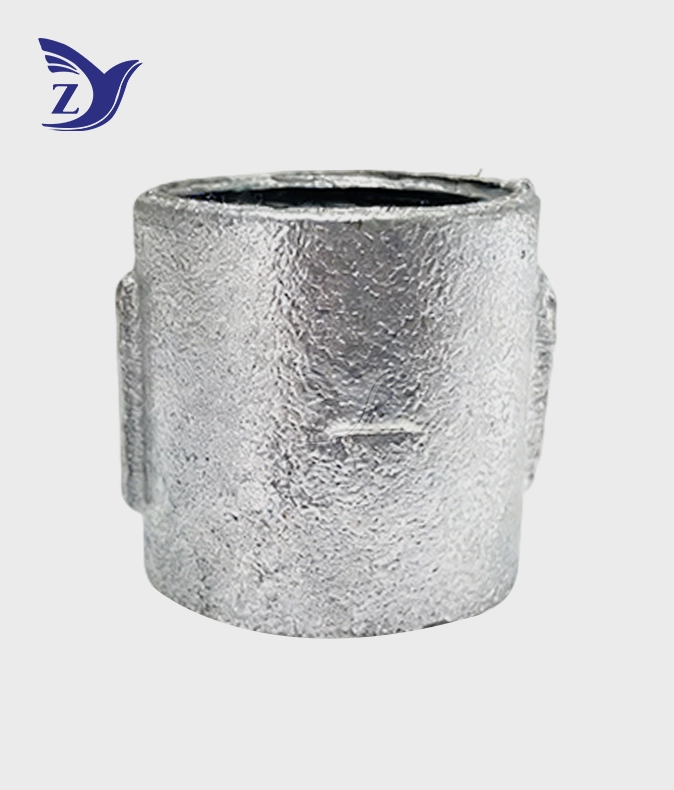
No Hub Electro Galvanized Coupling Pipe Fitting
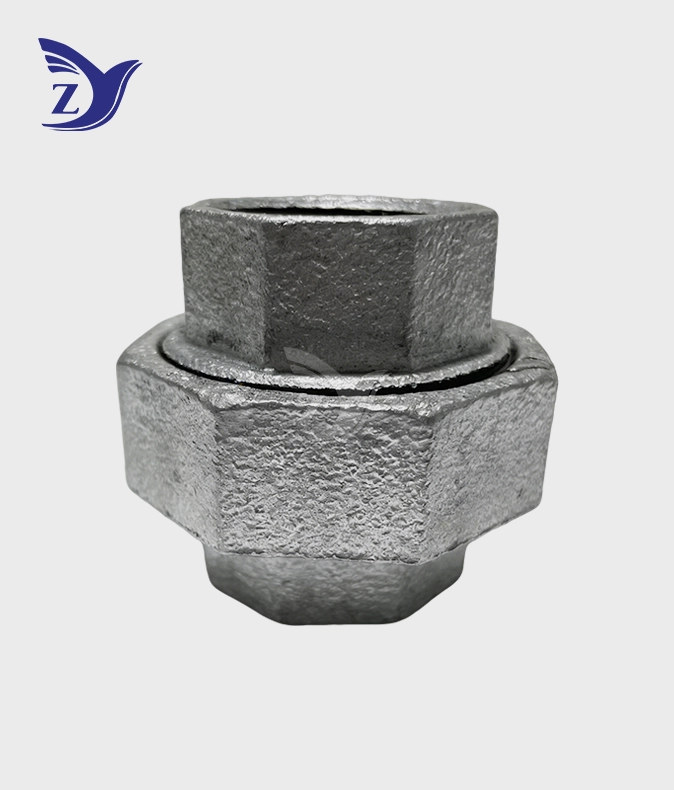
NPT Galvanized Union 342 Pipe Fittings
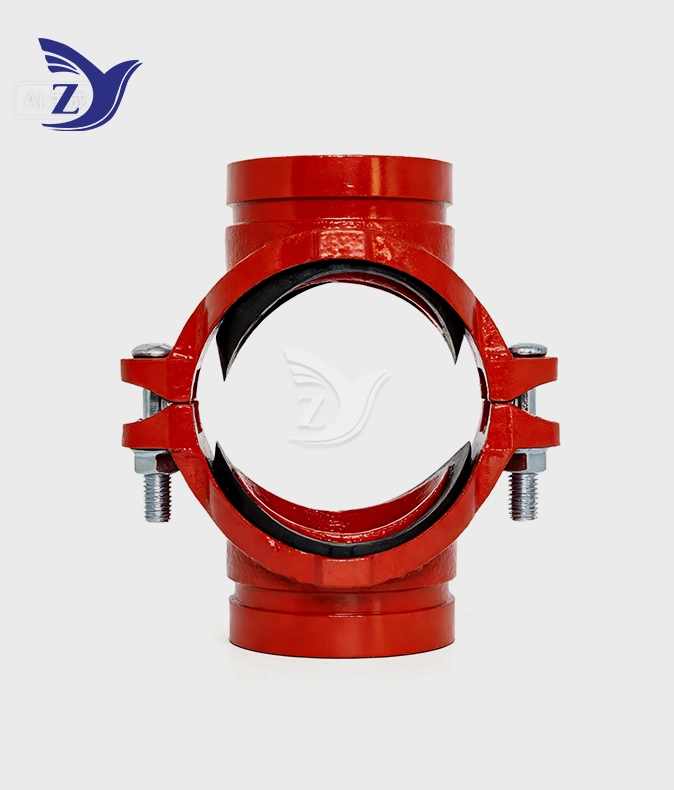
Threaded Mechanical Cross
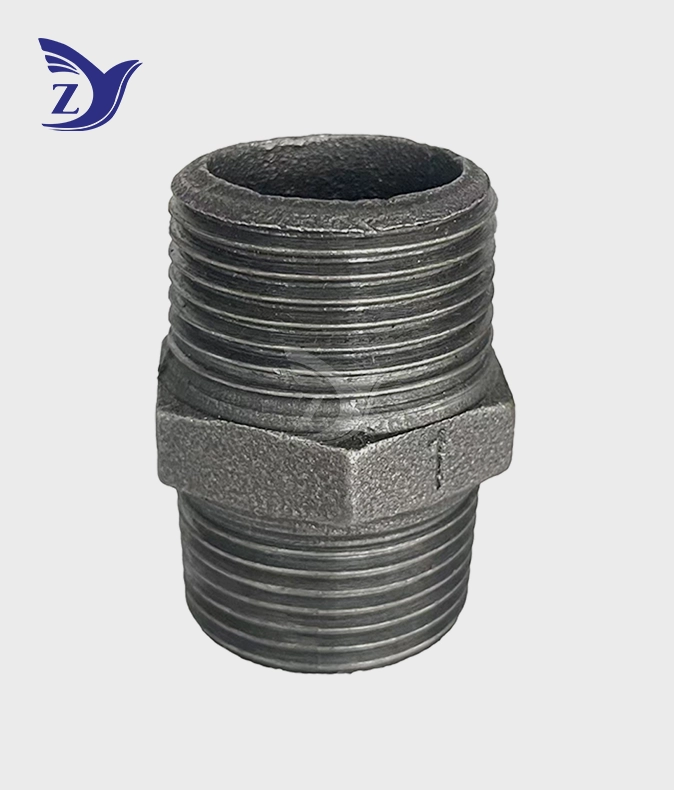
BSPT Black Male Nipple Pipe Fittings
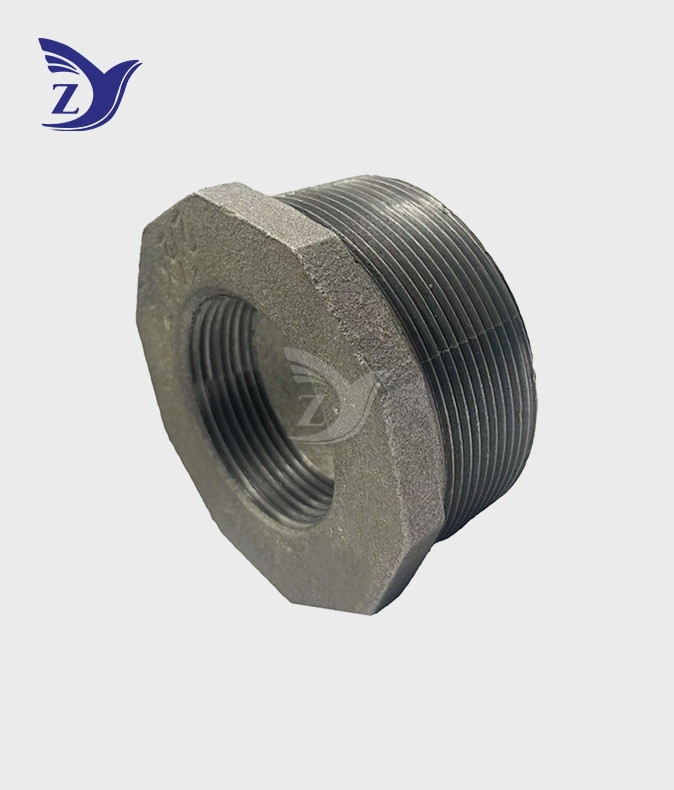
BSPT Black Malleable Iron Bushing
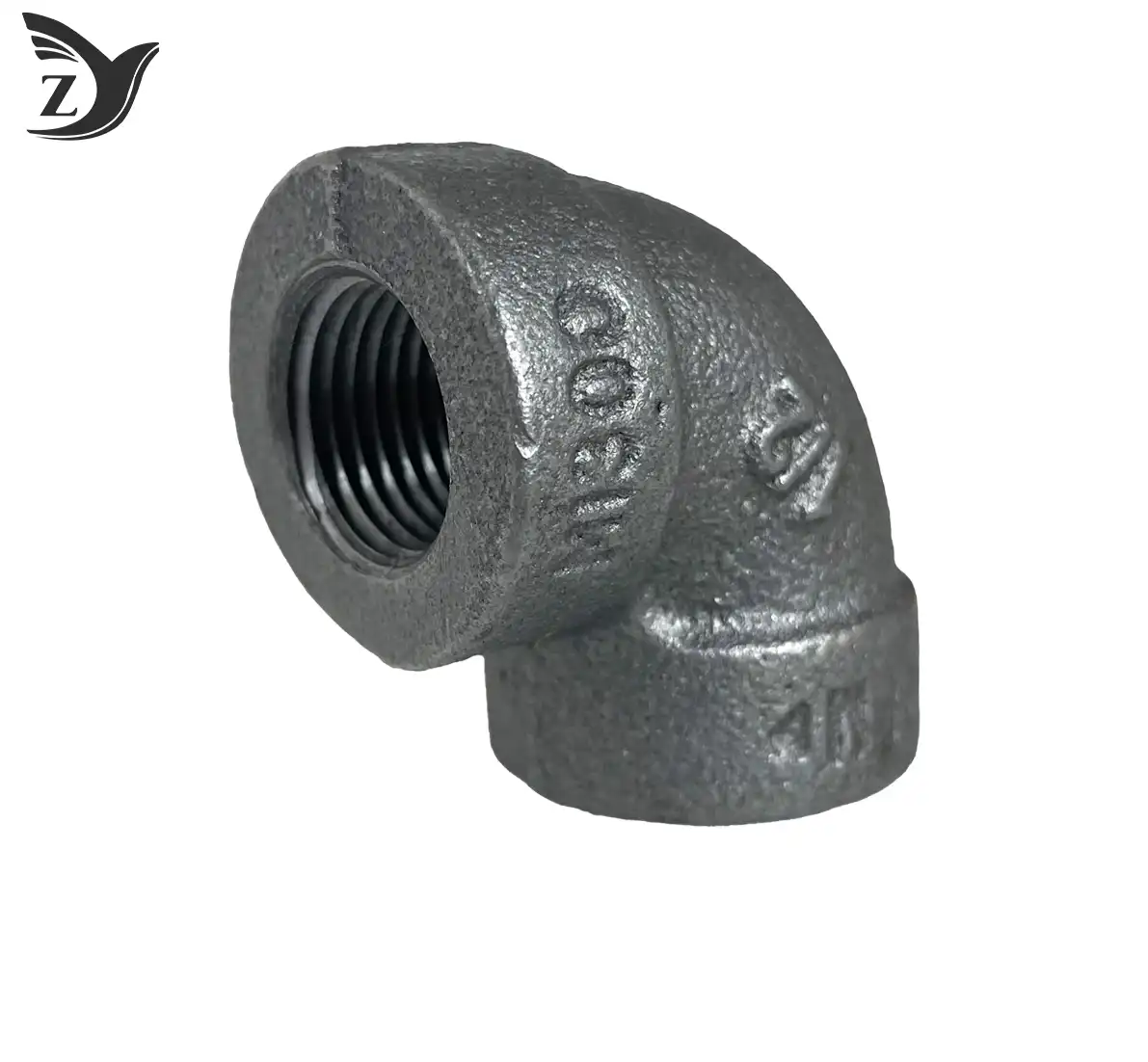
300LB Black Malleable Iron 90 Degree Elbow Pipe Fitting
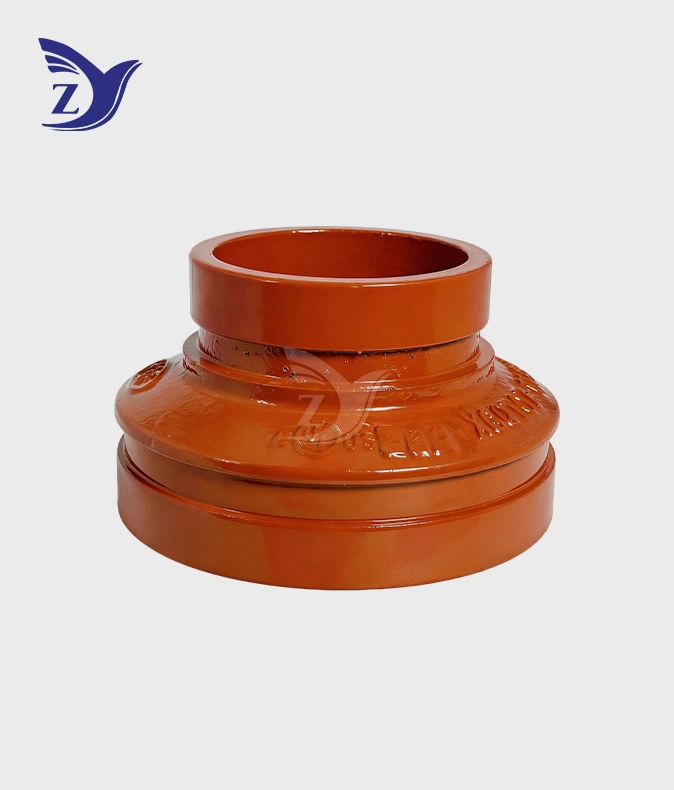
Fire Grooved Reducer
Hot-Dip Galvanized Round Edge BSPT 90° Elbow