
May 8, 2026
Square face vs round face galvanized 90° male female elbow pipe fittings
When working on industrial plumbing projects, picking between square face galvanized 90° male female threaded elbow pipe fittings and their round face peers can have a big effect on how quickly and properly the system is installed and how long it lasts. The main difference is in the structural reinforcement: square face designs have a flat-surfaced, strengthened banded ring at the female opening that increases the hoop's strength by about 15 to 20 percent. This makes them perfect for heavy-duty setups and high-torque situations. On the other hand, round face fittings have a thinner shape that works well for standard home and light business systems. Both types allow for 90-degree changes in flow direction and male-to-female connections, but they have very different mechanical performance, wrench-grip surfaces, and thread deformation resistance, which affects purchasing decisions in the fire protection, HVAC, municipal water, and industrial gas pipeline sectors.
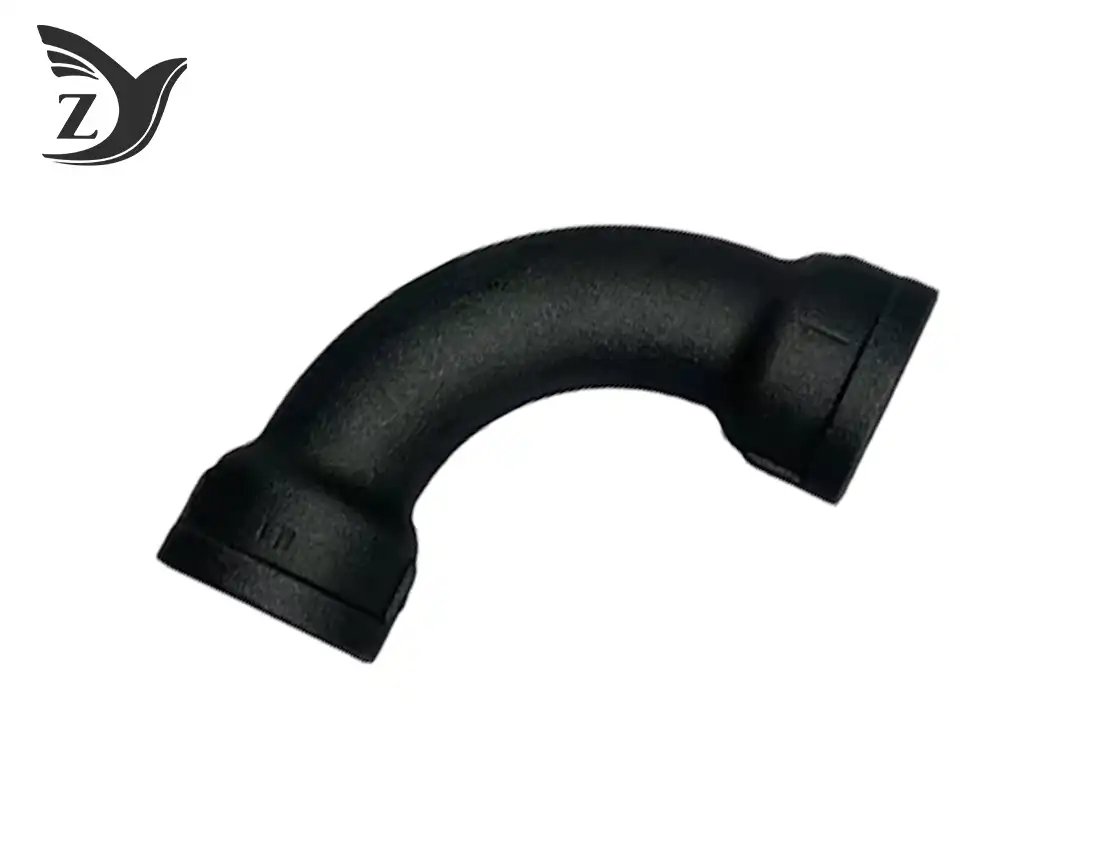
Understanding Galvanized 90° Male Female Elbow Pipe Fittings
square face galvanized 90° male female threaded elbow pipe fittings are important directional joints in many pipe systems because they let fluid or gas flow change direction by an exact 90° angle. These two-threaded parts get rid of the need for extra nipples or adapters in tight fitting areas. This makes assembly easier and lowers the risk of leaks. Their special design has external NPT or BSPT male threads on one end and internal female threads on the other end. This makes them a flexible connection option for tight retrofitting situations that are common in industrial facilities, machinery rooms, and ceiling gaps.
Function and System Integration
The male-female threaded system solves a major problem in pipe engineering, which is the lack of room. With traditional elbow fittings, you need two different nipples to bridge the connections, which takes up important installation space. These elbows let you connect directly to valves, gauges, or branch lines at right angles because they have both link genders built into a single casting. This feature is especially useful for fire control upgrades, where changing existing structures is hard, and for petrochemical plants, where reducing the number of connection points lowers the need for upkeep and raises the reliability of the system.
Square Face versus Round Face Design Fundamentals
The shape of the beads at the female hole is what makes square and round face configurations different from each other. Square face fittings have a strengthened flat band that gives the structure more support and gives pipe tools a better place to grip during installation. This banded design spreads pressure more evenly across the fitting body, which keeps stress from building up in one place, which can crack pliable iron. The round face versions have a standard rounded bead profile that works well for low-pressure uses while keeping the weight low. Both styles are hot-dip galvanized according to ASTM A153 standards, which makes sure that the zinc layer is thicker than 70 microns so that it stays resistant to corrosion.
Technical Comparison: Square Face vs Round Face Galvanized 90° Elbow Fittings
When engineering managers and procurement specialists know the technical differences between square face galvanized 90° male female threaded elbow pipe fittings and round face galvanized elbows, they can better match the part standards with the practical needs. The differences go beyond the shape of the surface and include how well the structure works, how it is installed, and how long it lasts over time.
Design Architecture and Structural Attributes
Square face fittings have a banded reinforcement ring that makes the vital female hole joint stronger around the edges. This extra mass—usually 15-20% more material at the connection point—makes it much less likely that the metal will break when using a high-torque wrench. The flat surface makes it easy for Stillson wrenches and pipe tongs to grip securely. This lowers the chance that the tools will slip, which could damage the threads or zinc coats. Round face designs keep the standard rolled bead shape but with less noticeable reinforcement. They are strong enough for water lines in homes and light business installations where torque needs to be kept modest.
Threading characteristics also distinguish these variants. Both meet standards for taper threads, but during quality control in production, square face fittings are often subject to stricter inspection methods for thread depth. The stronger bead structure supports more pre-load forces during assembly, making mechanical seals that are better able to handle pressure changes and vibrations in industrial settings. Leak-proof performance is directly related to thread contact depth. This is a very important factor for gas distribution and high-pressure steam uses.
Corrosion Resistance and Coating Performance
Hot-dip galvanization gives both types of fittings the same level of rust protection, but how well they work in real life depends on the conditions they are used in. During the galvanizing process, fluxed and cleaned castings are put into molten zinc pools that are about 450°C hot. This forms a strong link between the zinc and iron substrates. The coating is usually between 70 and 100 microns thick, which meets the minimum requirements of ASTM A153 for moldable iron parts. Zinc works as a sacrifice anode, corroding more quickly to protect the iron below, even if the layer gets scratched or worn down.
Square face fittings work great in chemically aggressive industrial settings because they are more structurally sound. The strengthened bead doesn't get damaged by handling or installation, and it keeps the layer continuous, which stops rust from starting too soon. Round-faced versions work great in normal city water and home plumbing situations where they don't come into contact with harmful substances. When installed outside or in a high-humidity area, both setups should be checked on a regular basis. This is especially important at the thread interfaces, where frequent thermal cycles can weaken the seal.
Pressure Handling and Durability Specifications
Galvanized malleable iron elbows usually meet Class 150 standards for pressure rates. They can handle working pressures of up to 300 psi at temperatures from -20°F to 150°F. Because they are stronger, square face fittings work better in industrial steam systems and compressed air networks where there is cycle loading and sudden changes in pressure. The stronger hoop stops rotational expansion, which can break threaded connections over time. This keeps the seal's integrity over longer service intervals.
When figuring out how durable something is, you have to look at things like installation stress, changes in working pressure, and exposure to the environment. When putting together big parts that need a lot of wrench force, square face designs are very helpful because they can handle more installation power without the threads deforming. In places where pressure changes often, like pump discharge lines and automatic valve systems, the reinforced structure doesn't crack from stress. Round face fittings work well in stable-pressure systems and don't need to be taken apart very often. They are also a cheap option for fixed installs.
Compatibility and Sizing Considerations
Galvanized elbows with square or round faces work perfectly with normal NPT or BSPT threaded pipe systems. They come in sizes from 1/8 inch to 6 inches. To get the right size, you need to accurately measure the outside width of the current pipe and use thread gauges to check the thread pitch. When it comes to setups in North America, NPT threads follow ANSI/ASME standards. In Europe and Asia, on the other hand, BSPT threads follow ISO standards. It can join to black steel pipe, stainless steel pipe, and other coated parts in systems with a mix of materials as long as the thread standards stay the same.
Dimensional variations need to be taken into account when buying things. To make sure that multi-fitting assemblies are properly aligned, reputable makers keep angularity standards within ±0.5 degrees. When bends aren't lined up right, they create stress clusters that can cause pipes further downstream to break or fittings to fail before they should. Accuracy in thread taper also affects seal performance; too much taper stops full contact, and not enough taper makes mechanical locking less reliable. As part of their quality control procedures, places like Zhiyuan Malleable Steel check all of their products' dimensions to make sure they are correct before they are shipped.
How to Choose Between Square Face and Round Face Galvanized Male Female Elbow Fittings?
To find the best square face galvanized 90° male female threaded elbow pipe fittings configuration, you need to carefully look at working features, environmental conditions, and cost factors. This choice has a direct effect on how well the system is installed, how long it lasts, and the total cost of ownership.
Environmental Conditions and Application Demands
Square face fittings are better for industrial settings with chemical fumes, saltwater spray, or high humidity levels because they last longer and protect the finish better. The stronger bead structure is better at protecting against damage from impacts that happen when things are handled roughly, which is common on building sites and in industry maintenance work. Round-face elbows work well in temperature-controlled indoor spaces, like water systems in homes and business buildings with climate control, where mechanical stresses are low.
Temperature extremes also influence material selection. Both types of fittings can handle temperatures between -20°F and 150°F, which is normal for Class 150 grades. However, square face versions work better in thermal cycle applications. The extra mass at the connection places acts as thermal inertia, which slows down the rates of expansion and contraction. This keeps threaded joints from wearing out too quickly. This makes systems more stable that deal with daily temperature changes, like outdoor drainage lines or heating setups that are only used during certain times of the year.
Flow Requirements and Pressure Specifications
For systems that deal with natural gas and compressed air or high pressures above 150 psi, square face fittings are the best choice because they have stronger hoops and more reliable seals. The stronger design stops the radial deformation that happens under internal pressure. This keeps the thread contact integrity, which is very important for gas-tight connections. Lower-pressure water transport systems that work at pressures below 100 psi work well with round face configurations and save money without lowering safety standards.
Flow rate is another important thing to think about. When the direction of a fluid stream changes, it creates turbulence, which causes vibrations that can break connections that weren't torqued enough. Square face fittings can handle more installation pressure, which makes mechanical locks that are stronger and can fight vibration-induced loosening. This improved link security is helpful for uses with pumps, compressors, or quick valve opening.
Cost Efficiency and Lifecycle Analysis
Round face plates usually have lower initial purchase costs because they use less material and are easier to make. This lower price is good for residential building projects that need to stay within a budget and light business projects that can run smoothly. Square face versions are more expensive—usually 10 to 15 percent more—because they are more complicated to make and have more complicated structure designs. This small investment pays off big in demanding industrial settings by cutting down on the number of repair visits, increasing the service life, and lowering the amount of unexpected downtime.
A lifecycle cost study should look at things like installation work, upkeep intervals, and how often things need to be replaced. Square face fits cut down on installation time in high-torque situations by removing the risk of thread damage and tool sliding. Their increased longevity means that they don't need to be inspected as often and don't need to be fixed in an emergency as often. This is especially helpful in sites where piping system downtime causes production loses. It's not too expensive to change round face fittings over their lifetime in low-stress situations where repair is easy and system interruptions don't cost much.
Supplier Evaluation and Certification Verification
Buying galvanized elbows from approved makers makes sure that the quality of the product is consistent and that it meets all regulations. Look for providers that have quality control systems that are in line with ISO 9001 and products that have the right certifications, like UL, FM, or CE markings for your market. Thread dimensional accuracy, zinc coating thickness, and pressure test paperwork should be sent with packages so that quality assurance checks can follow the trail.
Manufacturing ability is important when buying things for big projects or making supply deals. Facilities like Zhiyuan Malleable Steel, which can make up to 30,000 tons of steel every year and has over 1,000 product specs, make sure that products are always available and orders are filled quickly. Their in-house casting, welding, and precision machining skills give them full control over quality and allow for easy customization. OEM partnerships allow for private marking and changes to specifications that are needed for a particular project.
Conclusion
The choice between square face galvanized 90° male female threaded elbow pipe fittings and round face zinc 90° male female elbow fits depends on how well the technical specs match the needs of the job. When used in harsh industrial settings with high pressures, thermal cycling, and corrosive conditions, square face shapes last longer, are more durable, and can handle more power. Round face setups are a cheap way to fix problems in homes and small businesses that need to work with low service levels. To do procurement right, you need to carefully evaluate suppliers, pay attention to certification standards, and handle your inventory in a way that fits your project's schedule and budget. Engineering managers and procurement experts can improve system performance and keep costs low over its lifetime by knowing these technical differences and application factors.
FAQs
What exactly does "square face" mean in fitting terminology?
What is meant by "square face" (also written as "banded" or "beaded") is the strengthened flat-surfaced ring at the square face galvanized 90° male female threaded elbow pipe fittings female hole. This architectural feature raises the radial strength by 15–20% compared to regular round beads. It also makes the wrench grabbing surfaces better and makes the thread less likely to break during high-torque installation.
How do I measure threads accurately for proper sizing?
To measure a thread, you need to know the thread standard (NPT or BSPT), the theoretical pipe size, and the number of threads per inch. Check the TPI with thread pitch gauges and use calipers to find the outside diameter of the pipe. Because NPT threads taper 1:16, the depth of contact changes the diameter measures. Check out the ANSI/ASME B1.20.1 or ISO 7-1 guidelines to get exact details that fit your system's needs.
Can galvanized fittings handle high-pressure steam or gas applications?
Class 150 galvanized malleable iron fittings can handle temperatures between -20°F and 150°F and pressures up to 300 psi. They can be used in a wide range of commercial settings. For steam service above 150°F or pressures over 300 psi, you need Class 300 fittings or fittings made of a different material, like stainless steel. Always check that the pressure values are correct for the job and look at the relevant pipe codes.
Partner with a Trusted Square Face Galvanized 90° Male Female Threaded Elbow Pipe Fittings Manufacturer
Zhiyuan Malleable Steel can help you with your square face galvanized 90° male female threaded elbow pipe fittings projects because they have been making steel for 26 years and can make a wide range of products. Our fittings are certified by ISO 9001, CE, UL, and FM, so you can be sure they will work well in your important uses. Our factory can make up to 30,000 tons of products every year, and we offer a wide range of services, from standard goods that can be delivered in two hours to fully customized OEM solutions that are made to fit your special needs. Our vertically integrated plant in Shanxi Province has separate departments for precision drilling, casting, and galvanizing. This makes sure that quality control is maintained throughout the whole production process. You can email our expert team at q1236800000@gmail.com to talk about your specific application needs, ask for material certifications, or look into ways to buy in bulk. We replace broken items and offer full technology help to make sure your projects stay on track and stay within budget. Visit zymalleablepipefitting.com to explore our full line of products and learn how our high-quality production can help your supply chain.
References
- American Society of Mechanical Engineers. (2020). ASME B1.20.1: Pipe Threads, General Purpose (Inch). New York: ASME Press.
- ASTM International. (2019). ASTM A197: Standard Specification for Cupola Malleable Iron. West Conshohocken: ASTM International.
- ASTM International. (2021). ASTM A153: Standard Specification for Zinc Coating (Hot-Dip) on Iron and Steel Hardware. West Conshohocken: ASTM International.
- International Organization for Standardization. (2018). ISO 7-1: Pipe Threads Where Pressure-Tight Joints Are Made on the Threads. Geneva: ISO.
- Smith, R.T., & Johnson, M.K. (2022). Industrial Piping Systems: Design, Installation, and Maintenance Standards. Boston: Technical Publishing House.
- National Fire Protection Association. (2021). NFPA 13: Standard for the Installation of Sprinkler Systems. Quincy: NFPA Publications.
Online Message
YOU MAY LIKE
High quality furniture manufacturer
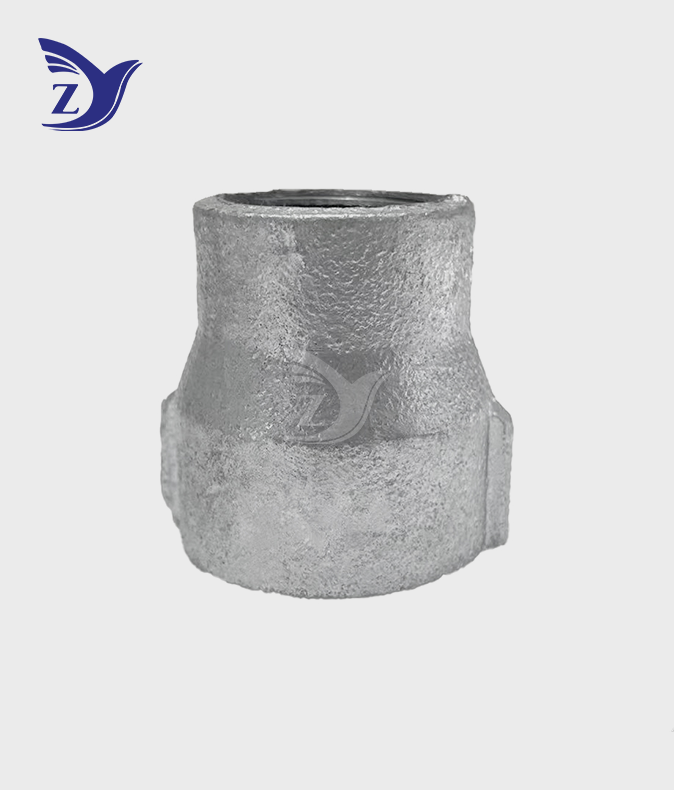
No Hub Hot Dip Galvanized Reducing Coupling Pipe Fitting
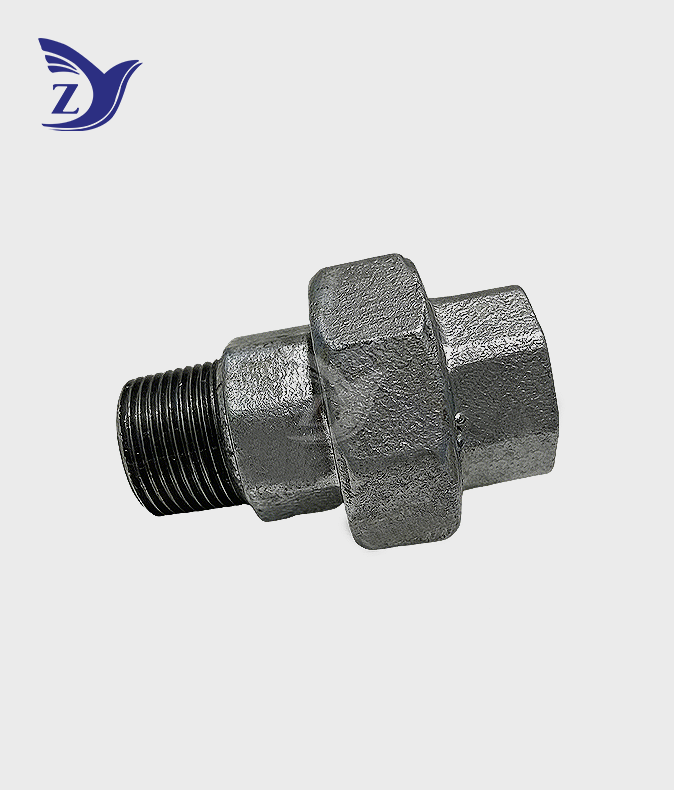
NPT Galvanized Male Female Threaded Union 343 Pipe Fittings
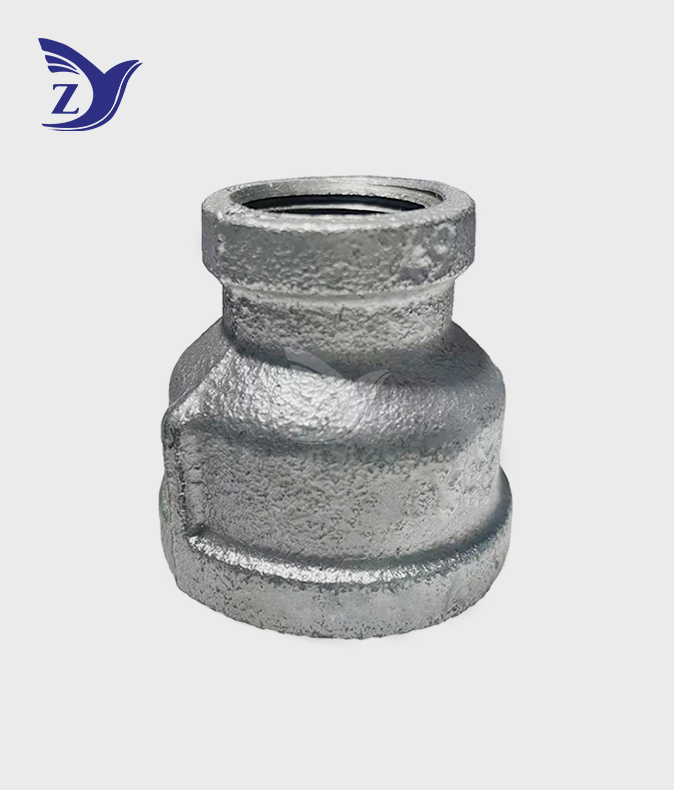
BSPT Square Face Galvanized Square Edge Reducing Coupling Pipe Fittings
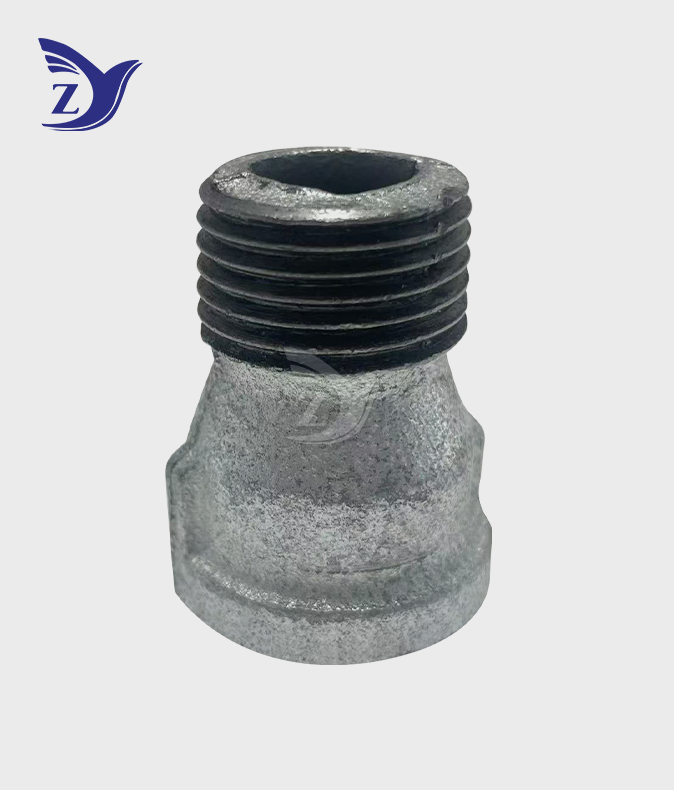
NPT Thread Square Edge Reducing Street Coupling Pipe Fittings
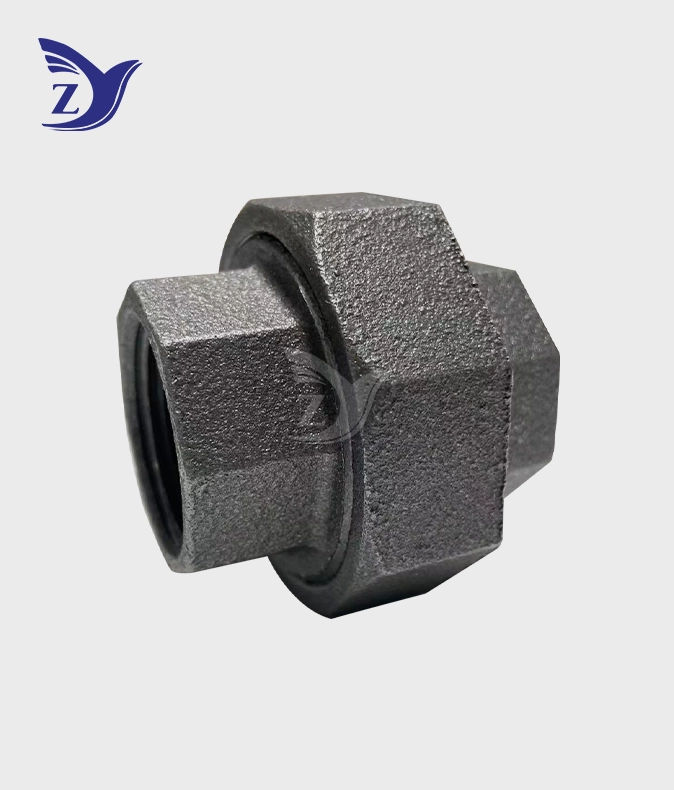
NPT Black Union 340 Pipe Fittings
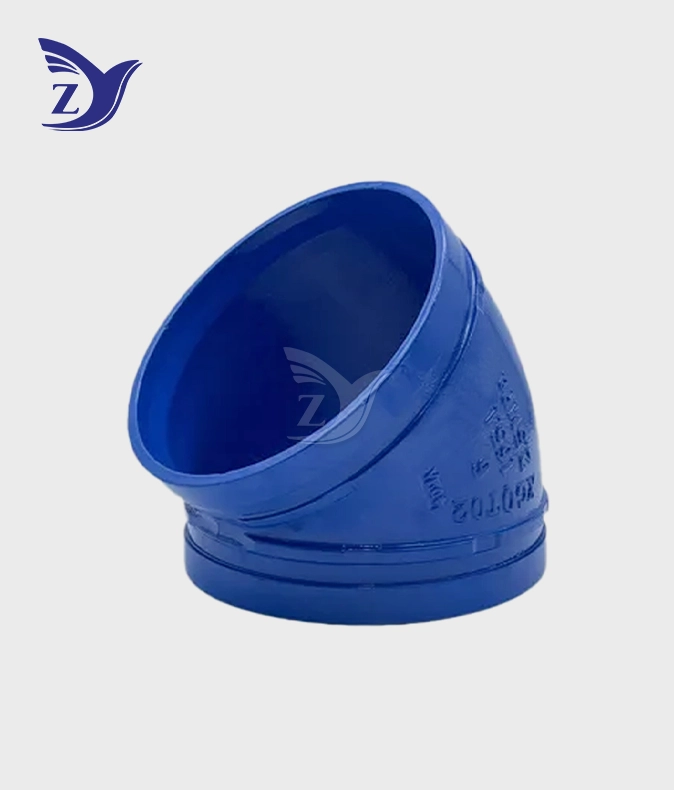
Water Grooved 22.5-degree grooved elbow
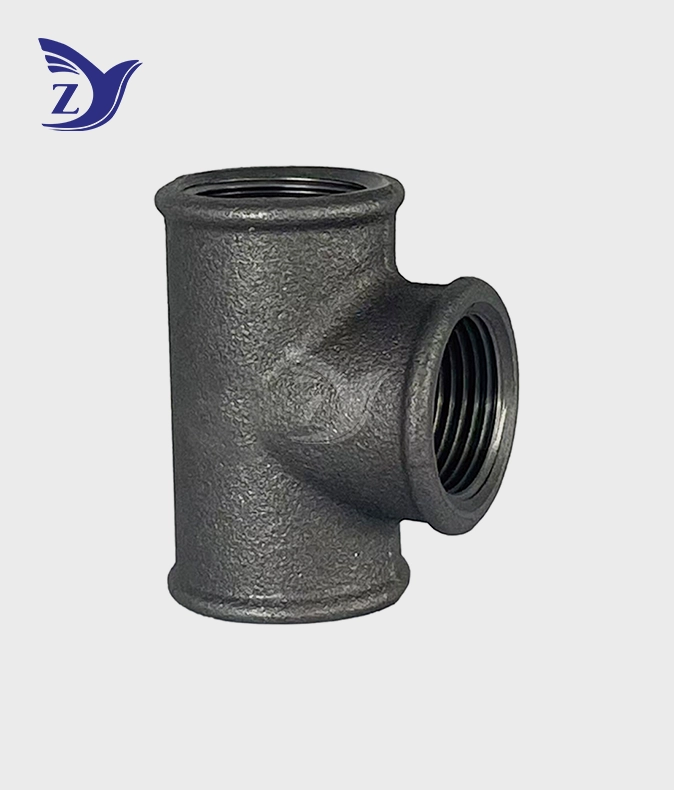
NPT Black Round Face Straight Tee Pipe Fittings
BSPT Black Male Nipple Pipe Fittings