
Jun 25, 2026
Round Face vs Standard End: The Benefit of Round Edge NPT Galvanized Straight Tee
When choosing threaded pipe fittings for commercial use, the choice between standard end configurations and round face configurations has a direct effect on how long the system lasts and how well it works. These NPT round face galvanized round edge straight tee pipe fittings have a unique rounded edge shape that better distributes stress than standard square-edged options. When this design improvement is put together with hot-dipped galvanization and precision threading, it makes the sealing more reliable, resistant to corrosion, and easier to install. These are all things that procurement professionals in the fire protection, municipal engineering, and industrial sectors look at when figuring out the total cost of ownership.
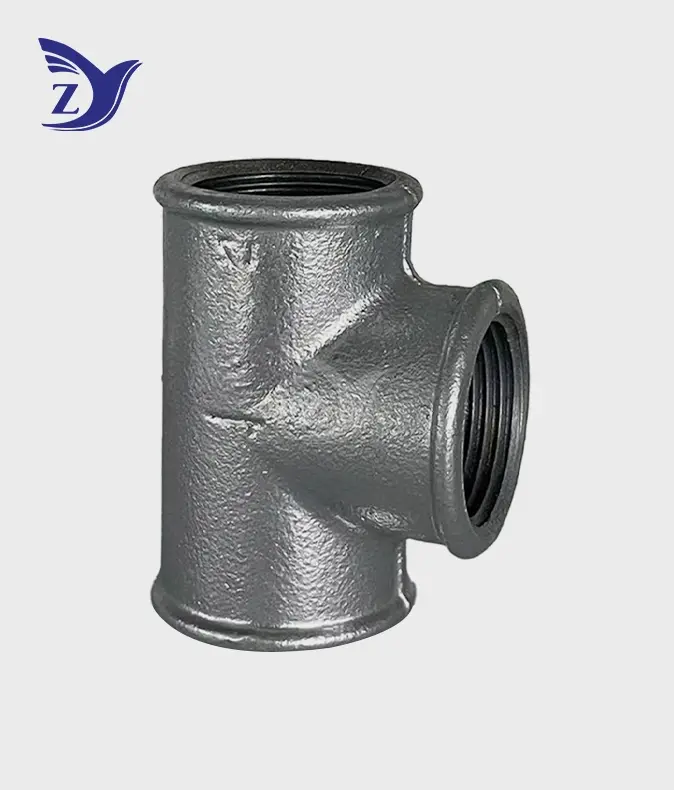
NPT Round Face and Standard End Tee Pipe Fittings
To understand the technical details of threaded fittings, you need to know what the differences are between round face and standard end designs and how they apply to real-life situations.
What Defines NPT Threading Standards
The National Pipe Thread (NPT) guidelines are based on ASME B1.20.1 standards and have a thread angle of 60 degrees and a slope of 0.75 inches per foot. When joined parts contract during assembly, this tapered shape makes a mechanical seal that gets rid of the need for gaskets in most cases. The shape of the threads allows metal-to-metal contact for hydraulic sealing, which is very important in systems that handle pressurized water, oil, gas, and steam.
Material Composition and Galvanization Process
As long as NPT round face galvanized round edge straight tee pipe fittings are made to ASTM A197 standards, good quality malleable iron tees have a tensile strength of at least 40,000 psi, which means they will stay strong in tough situations. During the hot-dipped galvanization process, a zinc layer that is thicker than 86 microns is applied according to ASTM A153. This makes a shield that protects the base metal from oxidation. Electroplated options usually only get as thick as 8–12 microns, so this layer thickness is a lot better. The galvanization goes through rough spots on the surface and forms a metallurgical bond with the iron base. This keeps the coating in place even when the fittings go through cycles of heat expansion or mechanical stress.
Dimensional Standards and Pressure Ratings
The sizes for threaded bolts made of malleable iron are in line with ASME B16.3 for Class 150 parts. NPT round face galvanized round edge straight tee pipe fittings can usually handle 150 psi of pressure for saturated steam and up to 300 psi of pressure for water, oil, and gas (WOG) service at room temperature. When put together, the round edge geometry works as a mechanical reinforcement, spreading hoop load more widely than normal ends with sharp corners. When installers use the right torque specs, this stress distribution lowers the chance of cracking at connection points. This is especially true for large-diameter configurations where assembly forces rise greatly.
Knowing these basic features helps buying teams decide if parts meet the needs of the project and the rules set by the government. The threading accuracy, material features, and coating quality all work together to decide how well a fitting will work for as long as it's supposed to.
Comparing Round Face vs Standard End Tee Fittings: Performance and Application
There are structural differences between NPT round face galvanized round edge straight tee pipe fittings and standard end tees that go beyond how they look. These differences have measured effects on how they are installed and how reliable the system is in the long run.
Structural Design Differences
Standard end fittings have square or sharp edges at the thread termination points, while NPT round face galvanized round edge straight tee pipe fittings have edges that are smooth and curved. With this rounded shape, the pipe threads are guided into alignment during initial contact, cross-threading is less likely to happen during installation, and stress concentrations are kept to a minimum at junction spots. Even though standard end plugs work, they don't have these mechanical and psychological benefits. When putting it together, the square edges can get caught on pipe threads, especially in tight areas or when workers work above, which can make the job take longer and cause damage to the fitting.
Flow Dynamics and Pressure Handling
The round face modification only changes the shape of the outside edge, so the internal flow paths in both kinds of fittings are similar. The difference in performance shows up when the system is working and changes in temperature, shaking, and pressure test the stability of the connections. Round edge tees keep their binding power even when they are loaded and unloaded many times. This is because the way the stress is distributed stops thread roots from giving in one place. Testing information from industrial settings shows that round face connections leak less often in systems that are subject to pressure surges or changes in temperature. This is especially true in HVAC setups where yearly temperature changes put the connections through repeated stress cycles.
Industry Application Preferences
NPT round face galvanized round edge straight tee pipe fittings are preferred by fire protection engineering firms for sprinkler systems because they seal better and require fewer calls for leak fixes. When rust resistance and long service life make these fittings more valuable than normal options, they are used in municipal water supply projects. Precision fitting and round edges work together to meet strict safety standards for preventing leaks in gas distribution systems. Standard end fittings can still be used for short-term installs, low-pressure uses, or jobs where cost is more important than performance.
When engineering teams try to match fitting specs to practical needs and risk tolerance levels in different industrial settings, these performance qualities help them make decisions about which ones to use.
Procurement Considerations for NPT Round Face Galvanized Tee Fittings
When looking for industrial pipe fittings, good buying strategies weigh up the initial costs against the long-term value, quality guarantee, and dependability of the supply chain.
Cost Analysis and Value Assessment
When bought, NPT round face galvanized round edge straight tee pipe fittings usually cost 10-15% more than standard-end versions of the same style. This difference is due to the fact that uniform round edge shapes need more precision during manufacturing, and there are quality control measures in place to make sure that the dimensions are correct. Total cost of ownership analysis shows that this extra usually pays for itself through lower installation labor costs, lower leak-related upkeep costs, and longer service intervals. As installation efficiency gains add up across the system, projects with hundreds of parts save a lot more money.
Supplier Qualification and Certification Verification
Trustworthy makers use ISO 9001 quality management systems and give material certifications that can be linked to specific production batches. Product certifications from well-known groups like UL and FM give third-party assurance that goods meet performance standards for safety-critical uses like fire protection systems. When procurement managers look at possible sources, they should check to see how much they can produce. Plants that can make 30,000 tons per year show they have the scale and process maturity to keep quality high across big orders. Full specs, such as chemical makeup reports and mechanical property test results, made available by the seller show that they are honest and know what they're doing.
Lead Times and Bulk Ordering Advantages
Manufacturers with a lot of stock can fill requests with standard specifications within days, but unique setups may take a few weeks to make and test for quality. When the market demand is high, bulk buying deals often give buyers better prices and make sure they get what they want. By building ties with providers that offer OEM and ODM customization, procurement teams can find non-standard sizes or coatings that meet the specific needs of a project without having to go through multiple sellers.
When companies look at these factors strategically, they can improve the performance of their supply chains while still meeting quality standards that protect system stability and their brand's image in competitive markets.
Conclusion
When choosing between a round face and a standard end NPT galvanized straight tee configuration, you have to weigh the original prices against the performance, dependability, and long-term costs. It is measurable that round edge designs make installation faster, sealing better, and lasting longer. These benefits are especially useful in important applications where system breakdowns have bigger effects. The hot-dipped galvanization process protects against rust much better than thinner coating options. This makes it a good choice for places where replacing fittings would cost a lot of money or be hard to get to. Quality-checked round edge fittings from well-known makers are reliable enough to protect project plans, system performance, and an organization's image, say procurement professionals who work in the fire protection, city engineering, and industrial sectors.
FAQs
What exactly distinguishes round face from standard end fittings?
Round face fittings have ends that are shaped more smoothly where the threads end. This makes installation easier and spreads the stress of the joint more evenly. Standard end fittings have square or sharp tips that don't help with mechanics and can make installation harder in tight areas.
How do I verify that fittings meet certification requirements?
Reputable makers offer third-party certifications from groups like UL and FM, as well as material certifications that can be linked to particular production runs. Chemical composition records, mechanical property test results, and measures of coating thickness that show agreement with ASTM and ASME standards should all be included in the documentation.
Can round edge galvanized fittings connect with black steel pipe?
Following NPT or BSPT standards is more important than the base material or finish when it comes to threading compatibility. When both parts are the right size, galvanized fittings will thread onto black steel pipe correctly. Think about galvanic corrosion that could happen when different metals come into touch with water or ions.
Zhiyuan NPT Round Face Galvanized Round Edge Straight Tee Pipe Fittings
Zhiyuan Malleable Steel has been researching and developing castings for 26 years and can help companies that need reliable industrial pipe fitting solutions. Our factory in Shanxi Province follows ISO 9001 quality standards and makes more than 1,000 different types of products every year, with a capacity of 30,000 tons. We can ship normal NPT round face galvanized round edge straight tee pipe fittings within two hours if they are in stock. For unique projects, we also offer full OEM and ODM modification services. We are a reliable manufacturer and supplier, so we promise that any parts that aren't working right will be replaced. Our goods also have CE, UL, and FM certifications that meet foreign standards for buying things. Email us at q1236800000@gmail.com to talk about the details of your project, get price quotes for buying in bulk, or look into ways to make the product fit your needs. You can find detailed information and learn about how our engineering support helps improve system designs for greater stability by going to zymalleablepipefitting.com.
References
American Society of Mechanical Engineers. (2021). ASME B16.3: Malleable Iron Threaded Fittings, Classes 150 and 300. New York: ASME Press.
American Society for Testing and Materials. (2019). ASTM A197: Standard Specification for Cupola Malleable Iron. West Conshohocken: ASTM International.
American Society for Testing and Materials. (2020). ASTM A153: Standard Specification for Zinc Coating (Hot-Dip) on Iron and Steel Hardware. West Conshohocken: ASTM International.
Nayyar, M.L. (2019). Piping Handbook, Eighth Edition. New York: McGraw-Hill Education.
Smith, P.R. & Zappe, R.W. (2020). Valve Selection Handbook: Engineering Fundamentals for Selecting the Right Valve Design. Houston: Gulf Professional Publishing.
Weiss, W.J. (2018). Corrosion Protection in Industrial Systems: Coating Technologies and Material Selection. Cambridge: Woodhead Publishing.
Online Message
YOU MAY LIKE
High quality furniture manufacturer
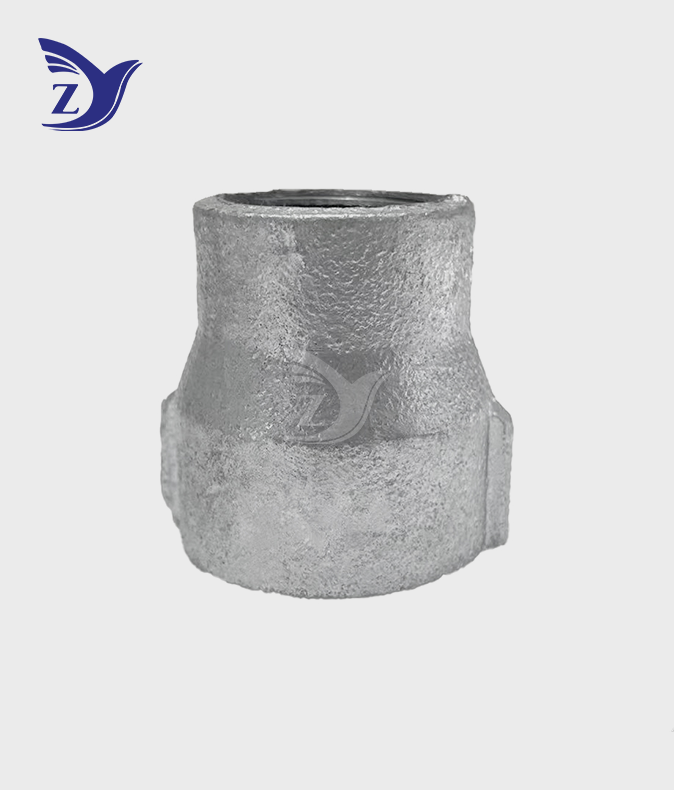
No Hub Hot Dip Galvanized Reducing Coupling Pipe Fitting
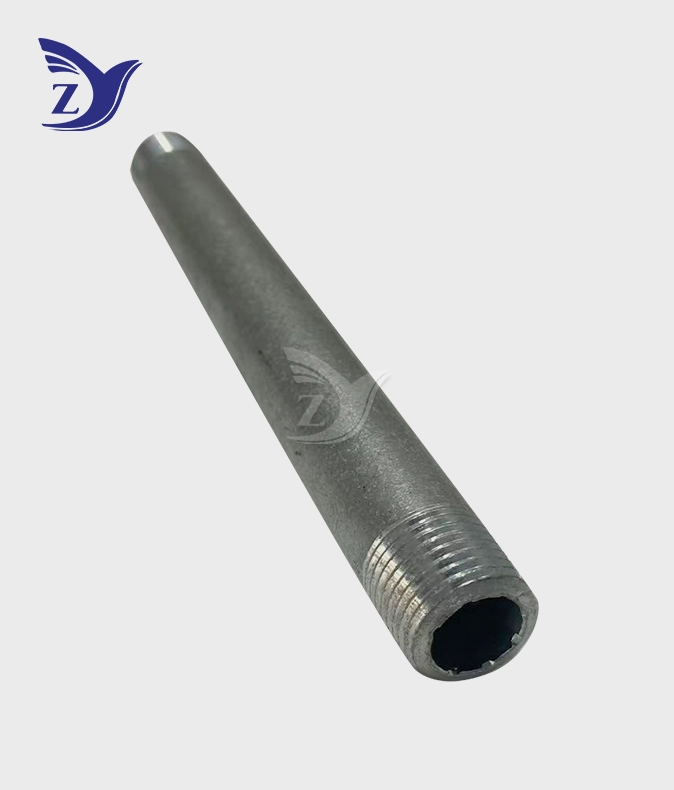
Carbon Steel Pipe Male Threaded Fittings Electro Galvanized
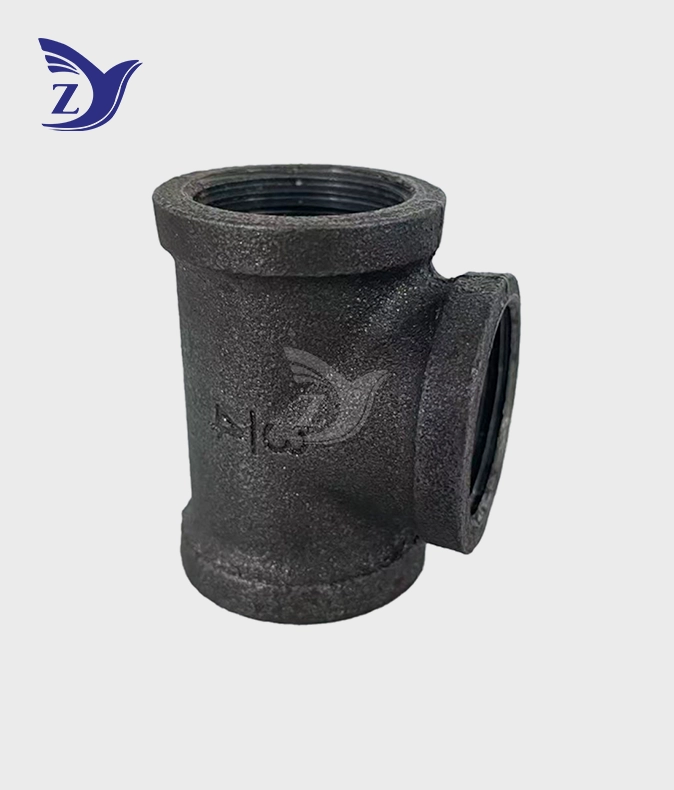
NPT Black Square Face Straight Tee Pipe Fittings
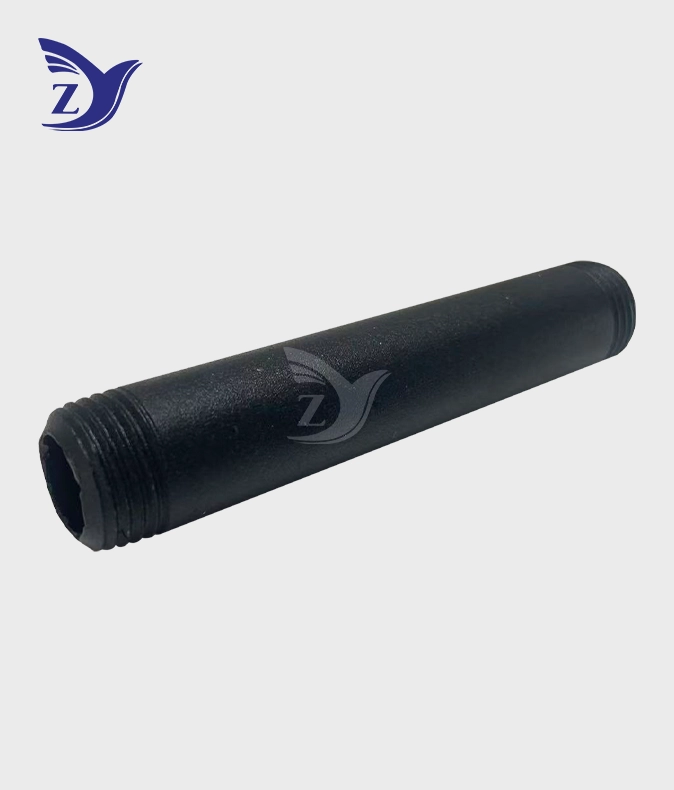
Carbon Steel Pipe Male Threaded Fittings Black Oxide Treated
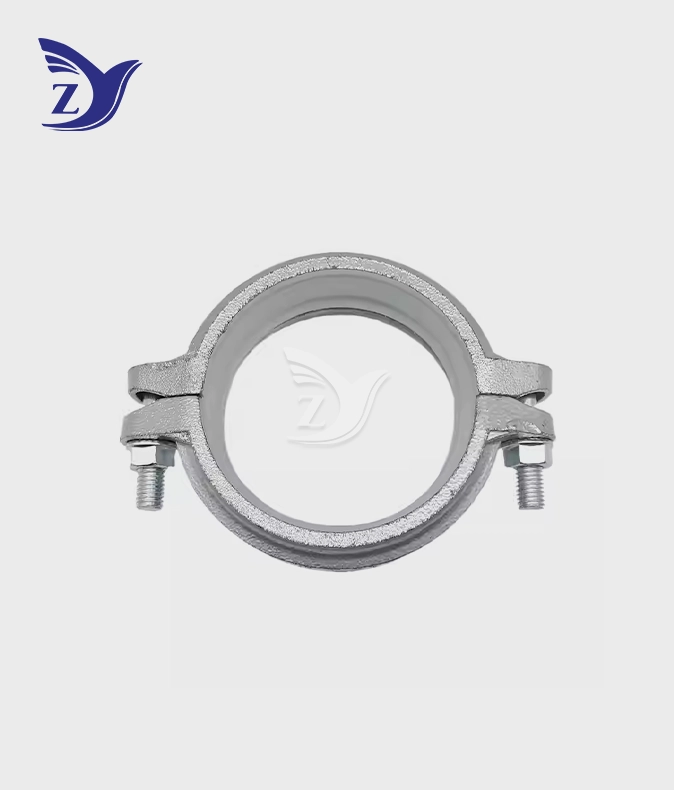
Water Grooved Clamp
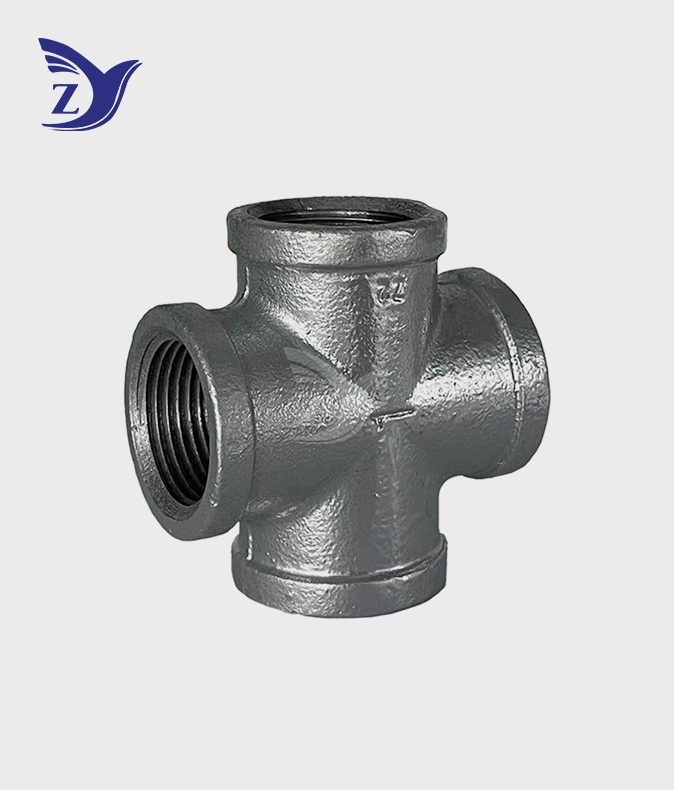
NPT Square Face Galvanized Square Edge Cross Pipe Fittings
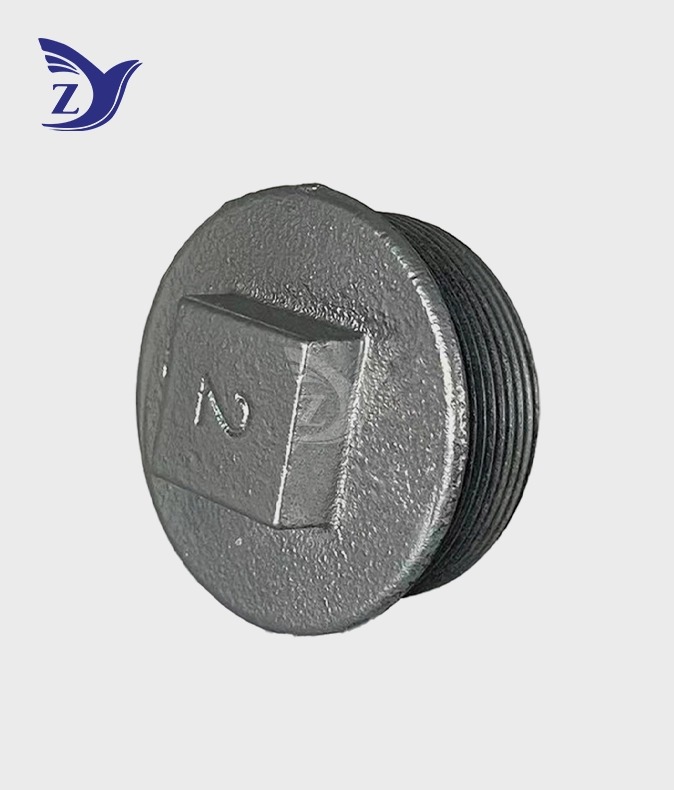
NPT Galvanized Flanged Pipe Plug Pipe Fittings
NPT Galvanized Union 340 Pipe Fittings