
Aug 5, 2026
NPT Thread Galvanized 342 Union Pipe Fittings: Features, Applications & Installation Guide
It is more important than you might think to choose the right detachable pipe connection when you are selecting parts for fire protection systems, local water infrastructure, or industrial process plumbing. NPT galvanized union 342 pipe fittings are the best choice for situations that need easy entry for repair, defense against rust, and reliable sealing over many years of use. Standard iron-to-iron unions can seize up after being wet for a long time, but the 342 model has a brass-to-iron seat design that keeps the seal from galling and stops leaks. Because of how they're made, these threaded unions are necessary for fire protection contractors, plumbing wholesalers, and city building teams all over the United States.
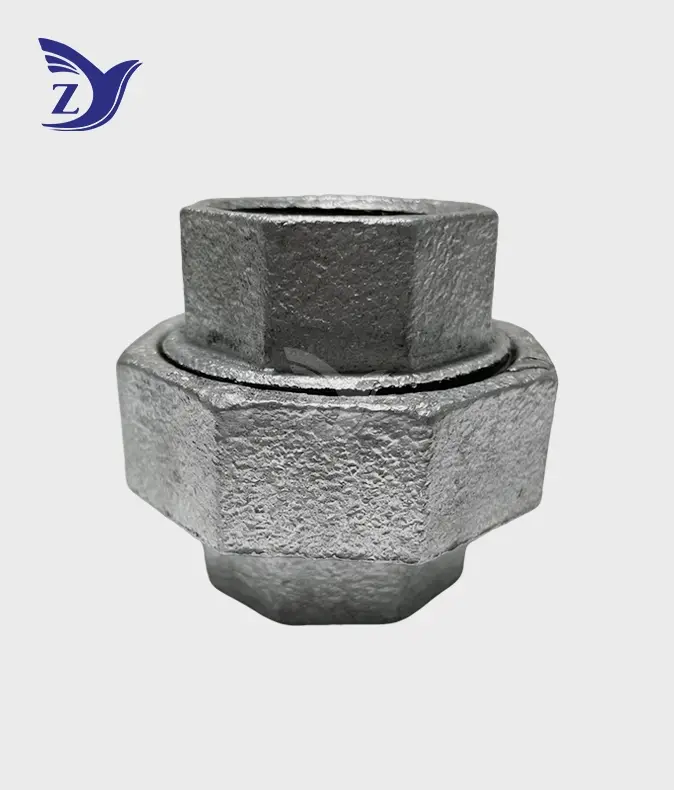
Understanding NPT Galvanized 342 Union Pipe Fittings
What Makes the 342 Union Different
The brass insert design is what makes this removable industrial pipe fitting stand out. The iron-to-iron resting surfaces on Figure 340 unions are different from the brass ring that is pressed into one half of the union body on NPT galvanized union 342 pipe fittings. This brass-to-iron contact makes a barrier between the mating sides that doesn't rust, which keeps the two halves from joining together because of rust. This means that repair workers working on pump stations or boiler rooms can quickly take things apart, even after years of use.
Material Composition and Standards
Quality 342 unions begin with Black Heart Malleable Iron that meets the requirements of ASTM A197. The process of making pliable iron creates a ferritic microstructure that makes the iron much more flexible than gray cast iron options. The fitting can handle shock loads and vibrations without cracking because of the way the material is made. This is an important feature for setups that are subject to water hammer or thermal cycles. The hot-dip galvanization method follows ASTM A153 guidelines and usually adds a zinc layer that is more than 86 micrometers thick. This layer of protection keeps the iron from rusting for decades, which is especially helpful in wet places or along the coast, where regular black iron fails quickly.
Thread Configuration and Pressure Ratings
These portable pipe unions have NPT threads that meet ASME B1.20.1 standards. They also have a 1°47' taper angle that makes the link less secure as you tighten it. This curved thread shape makes a mechanical seal that gets tighter over time, so it can be used for both gas and liquids. Standard Class 150 unions can handle 150 psi of full steam and 300 psi of water, oil, and gas flow at room temperature. The threaded union design works with pipes from 1/4 inch to 6 inches in diameter. Fittings with bigger bores are usually used for water mains in cities and process lines in factories.
Applications and Industry Uses of Galvanized Union 342 Fittings
Fire Protection Systems and Pump Installations
Fire protection engineering firms use these NPT galvanized union 342 pipe fittings at every link place where future entry is important. Unions must be right next to the ends of pumps for the suction and discharge lines to connect. This lets techs remove pumps without having to drain whole systems or cut pipe. The metal seat keeps the machine from seizure during emergency fixes, when time is of the essence. Sprinkler system workers put unions in front of zone control valves and alarm check valves to make repair isolation points. These points keep the system running as smoothly as possible while parts are being tested or replaced.
Municipal Water and Heating Infrastructure
Salty air makes it hard for water systems that serve coastal towns to keep their pipes from rusting. Heavy galvanization makes these industrial-grade, safe removable joiners last a lot longer than black iron would. In meter vaults and chlorination equipment rooms, where humidity stays high all the time, filtration plants and treatment facilities use NPT galvanized union 342 pipe fittings. Heating system workers use these fittings at the links to boilers and all through distribution networks because they know that the brass-to-iron seat can handle differences in temperature that would damage regular iron-to-iron unions. Being able to quickly disconnect parts of pipes during yearly shutdowns or emergency repairs saves cities and towns a lot of money on labor costs over the life of the system.
OEM Equipment and Modular Skid Fabrication
These detachable pipe joints are strategically placed as break points by companies that make packed equipment like compressor skids, generator cooling systems, or portable pump units. With this flexible method, different parts can be shipped separately and then connected on-site using standard NPT threads. Ocean freight is especially hard because the equipment sits in damp places for weeks at a time. The metal seat keeps the NPT galvanized union 342 pipe fittings from seizing up while the equipment is being shipped, which makes installation go smoothly when it gets there. Builders of HVAC equipment use these unions when field service needs to take parts apart on a regular basis. This cuts down on guarantee costs and customer downtime.
Installation Guide for NPT Galvanized 342 Union Pipe Fittings
Required Tools and Preparation
Having the right tools on hand is the first step to a proper fitting. You'll need pipe wrenches that are the right size for the fitting. For fits up to 1 inch, a 10-inch wrench is usually enough, and a 14-inch or larger wrench is needed for bigger sizes. Before putting the pipe together, thread check tools make sure that the threads meet NPT standards. A wire brush gets rid of dirt and zinc flakes from the threads, and clean rags get rid of the cutting oil residue. You can use PTFE tape that is rated for your service conditions or anaerobic pipe dope that is made for surfaces that have been welded. When cleaning and putting together threads, safety glasses protect your eyes from metal bits.
Step-by-Step Assembly Process
First, look for damage in the union and pipe threads, paying special attention to the first few threads where they meet. Follow the manufacturer's instructions for how to apply the sealer you want to use. This is usually two to three wraps of PTFE tape applied in the direction of tightening, or a thin, even layer of pipe dope. Thread the NPT galvanized union 342 pipe fittings onto the pipe by hand until the resistance rises. This typically happens after three to four turns. Put one wrench on the pipe and the other on the union body. Then, apply steady force while keeping the pipe and union body in line. NPT threads should get tighter as the resistance goes up; rapid binding means cross-threading, which means the part needs to be taken apart and put back together again.
Avoiding Common Installation Mistakes
The most common mistake made during union placement is over-tightening. Too much pressure can break the body of the malleable iron or bend the threads, which makes leak tracks instead of stopping them. The right finish is when the NPT galvanized union 342 pipe fittings feel securely in place and lined up. This is usually when the torque is hand-tight plus one to two wrench turns, but this depends on the size of the joint. Cross-threading happens when workers are in a hurry and don't check the position of the first thread. This won't happen if you take the time to make sure the threads connect smoothly during the first full turn. When you use old, broken PTFE tape again or put sealant on female threads, you might make debris that gets in the way of the seal. When you use clean threads and new sealing materials, you always get reliable results.
Conclusion
NPT galvanized union 342 pipe fittings have the corrosion protection, easy maintenance access, and pressure-rated reliability that professional installations need. The brass-to-iron seat design solves the critical problem of seized unions while maintaining leak-free performance across water, gas, HVAC, and industrial applications. Procurement professionals can choose parts that lower lifecycle costs and improve system reliability whether they're installing fire protection systems, building municipal infrastructure, or industrial equipment. These detachable fittings have been used for decades and have been proven to work.
Partner with a Trusted NPT Galvanized Union 342 Pipe Fittings Manufacturer
Zhiyuan Malleable Steel has been casting for 26 years and can make 30,000 tons of products every year to serve distributors, contractors, and industrial buyers all over North America. Our NPT galvanized union 342 pipe fittings have full ISO 9001, UL, FM, and CE certifications, as well as comprehensive pneumatic testing and thread verification protocols. We keep over 1,000 product specifications in stock and ship standard items within two hours, so we can meet your project deadlines without sacrificing quality. Our OEM/ODM customization services make products fit your market needs, and our policy for replacing damaged products protects your investment. Contact our team at q1236800000@gmail.com to talk about your needs with a reliable supplier who knows how to do professional installations. Visit zymalleablepipefitting.com to see our full range of products and request technical specifications.
FAQ
What advantage does the brass seat provide in 342 unions?
The brass insert makes a non-corrosive contact between the union halves that keeps them from rusting together. This design feature makes it possible to disassemble NPT galvanized union 342 pipe fittings easily even after years of wet service, which saves a lot of work compared to iron-to-iron designs that stop up over time.
Can galvanized unions connect directly to black iron pipe?
Physical connection is possible, but not advised for wet systems because different metals reacting with water cause galvanic corrosion, which speeds up the breakdown of the zinc layer near the junction. Whenever possible, use consistent materials throughout wet pipe systems involving NPT galvanized union 342 pipe fittings.
What temperature limits apply to these malleable iron unions?
Class 150 NPT galvanized union 342 pipe fittings can usually handle continuous service up to 350°F to 400°F, though their pressure ratings drop as the temperature rises. Rather than the iron body itself, the actual service limits are usually set by the temperature limits of the thread sealant and how the brass seat reacts to high temperatures.
How do I verify proper NPT thread compliance?
When inspecting, use accurate NPT thread working gauges. When hand-tightening the pipe end into the NPT galvanized union 342 pipe fittings, it should be within plus or minus one turn of the reference notch written on the gauge. Deviations show threads that are out of tolerance and could leak or fail during service.
Are these fittings suitable for potable water applications?
It depends on how much lead is in the brass insert and how pure the zinc coating is. Systems that handle potable water need lead-free brass that meets NSF/ANSI 61 standards and certain galvanization processes. Standard industrial NPT galvanized union 342 pipe fittings are fine for fire protection, HVAC, and process water, but systems that handle potable water need certified products.
References
- American Society of Mechanical Engineers. (2021). ASME B16.39: Malleable Iron Threaded Pipe Unions, Classes 150, 250, and 300. New York: ASME Press.
- ASTM International. (2020). ASTM A197/A197M-20: Standard Specification for Cupola Malleable Iron. West Conshohocken: ASTM International.
- ASTM International. (2019). ASTM A153/A153M-19: Standard Specification for Zinc Coating (Hot-Dip) on Iron and Steel Hardware. West Conshohocken: ASTM International.
- American Society of Mechanical Engineers. (2018). ASME B1.20.1: Pipe Threads, General Purpose (Inch). New York: ASME Press.
- National Fire Protection Association. (2022). NFPA 13: Standard for the Installation of Sprinkler Systems. Quincy: NFPA Publications.
- American Water Works Association. (2020). Manual M11: Steel Pipe—A Guide for Design and Installation. Denver: AWWA Publications.
Online Message