Apr 20, 2026
NPT Galvanized Male Female Threaded Union 341 Pipe Fittings VS Copper Brass Male Female Threaded Union
When planning industrial plumbing projects, picking between copper brass threaded unions and galvanized male female threaded union 341 pipe fittings can often affect both how well the work goes right away and how reliable the system is in the long run. The hot-dip zinc finish on galvanized unions makes them stronger and more resistant to corrosion. This makes them perfect for high-pressure water, gas, and steam uses in harsh industrial settings. Copper brass unions work great for pipes in homes and other places where heat needs to be transferred. The purpose of this comparison is to help buying professionals make the best choices for their projects by looking at performance traits, cost effects, and application fit.
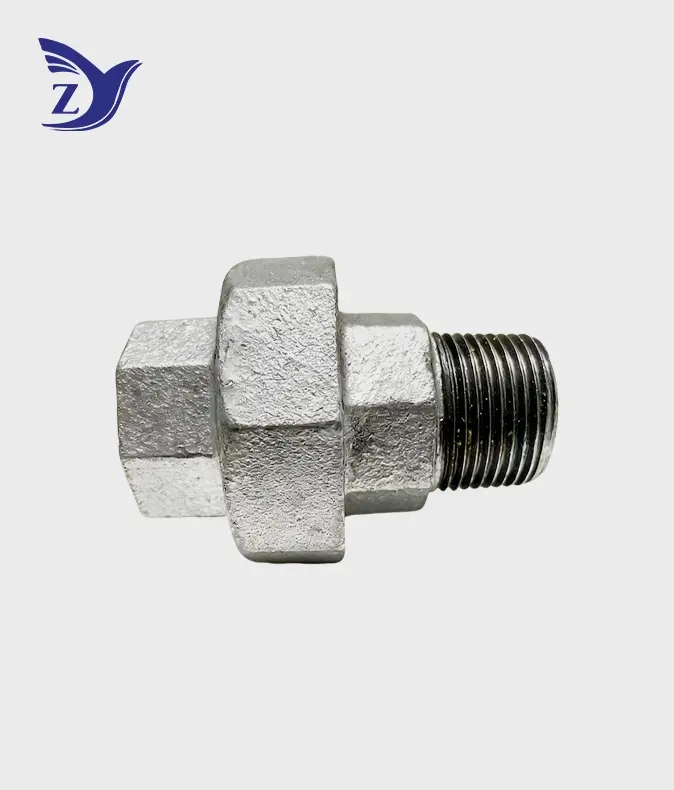
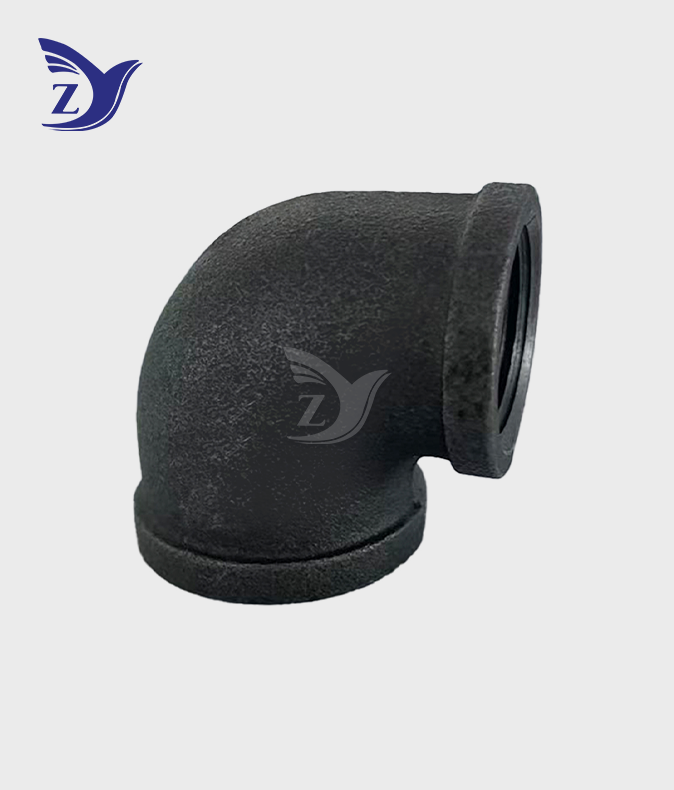
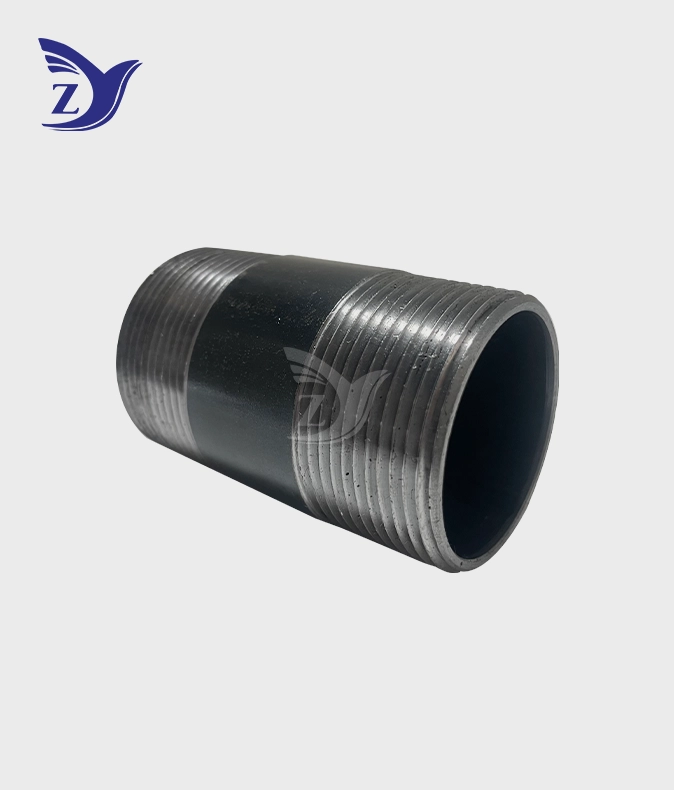
NPT Galvanized Male Female Threaded Union 341 Pipe Fittings
The tech behind galvanized threaded joints is the result of many years of improving the manufacturing process. These two-threaded, detachable pipe connectors solve a basic problem: how to make safe, easy-to-maintain connections in networks of fixed pipes without breaking or taking the whole system apart?
What Makes the 341 Union Configuration Unique
The number 341 refers to a three-part structure that has a male end, a female end, and a union nut. This heavy-duty male-female pipe joiner has a carefully designed taper seat that seals metal to metal without using flexible covers. The design makes it possible to take out parts of the pipeline for repair or changes without having to turn the whole system around. This is a huge benefit in mechanical rooms or process facilities that are already very busy.
Galvanized male female threaded union 341 pipe fittings are made from ASTM A197 Cupola Malleable Iron and have a tensile strength of over 40,000 psi (276 MPa) with a 5% expansion. This flexibility keeps the material from breaking in huge pieces when it's exposed to sudden changes in temperature or to mechanical vibrations, which happen a lot in industrial water and gas pipeline fitting uses. The make-up of the material makes it compatible with both NPT and BSPT threading standards, which helps meet the wants of buyers around the world.
Hot-Dip Galvanization Process and Protection
The 341 threaded union is resistant to rust because it has been hot-dip galvanized according to ASTM A153 standards. In this method, the finished casting is submerged in liquid zinc that is about 450°C. This forms a coating that is metallurgically bound and is usually more than 85 microns thick. By corroding more slowly than the iron base below, the zinc layer protects the iron substrate even if it gets scratched.
Hot-dipped galvanized unions don't form white rust in damp places like electroplated coats that are 5–15 microns thick. They also stay strong in pH ranges from 6.5 to 12.5. According to the rules, pneumatic air-under-water testing at 0.6 MPa is needed to make sure that the casting is solid and that the seat seals well. Magnetic induction gauges check the evenness of the coating, making sure that there are no bare spots that could shorten the life of the coating in wet setups.
Thread Standards and Sealing Mechanics
The precision-threaded design has NPT threads that meet ASME B1.20.1 standards. The threads have a 60-degree side angle and a 1:16 taper. When the right amount of force is applied, this shape makes an interference fit that forms a pressure-tight seal. Parallel threads need gaskets, but the tapered thread form embeds thread compound into microscopic gaps, making connections that are leak-proof up to 300 psi working pressure in a normal city water service.
For quality control, accurate L1 ring and plug gauges must be used to check for 100% Go/No-Go. To make sure the field assembly works, the thread depth, pitch accuracy, and taper regularity must all fall within tolerance bands of ±0.002 inches. Checking the alignment of the axes stops eccentric loads, which could cause stress cracks during thermal cycles.
Copper Brass Male Female Threaded Unions: Features and Uses
Brass unions are used in specific situations where heat conductivity, good looks, and ease of use are more important than raw mechanical power. Knowing what makes them unique helps buying teams figure out where the proper application boundaries are.
Material Properties and Corrosion Behavior
Most copper brass metals are made up of 60 to 70% copper, along with zinc, lead, and small amounts of other elements. This mixture is very easy to work with and has natural antimicrobial qualities that are good for distributing drinkable water. For the most part, the material doesn't rust in normal pH water, but it can become dezincified in harsh water conditions, especially when the chloride level is higher than 300 ppm or the pH is lower than 7.0.
Brass (about 120 W/m·K) is a much better thermal conductor than malleable iron (about 50 W/m·K). This means that brass unions are better for heating uses where heat transfer efficiency is important. But this same trait makes thermal expansion happen faster when temperatures change, so expansion loops in steam service need to be carefully designed.
Application Strengths in Residential and Commercial Settings
Most of the time, brass unions are the best choice for indoor plumbing jobs where moisture is managed and looks are important. Because they can be put together easily with normal pipe wrenches and work with copper tubing, they are good choices for HVAC systems, distributing hot water in homes, and plumbing in business buildings.
Stress corrosion breaking doesn't happen to this material in normal settings, so it works well in climate-controlled spaces. Facility managers who are in charge of exposed pipes in high-end business setups like how easy it is to maintain—brass surfaces can be polished to restore their look.
Limitations in Industrial Environments
Even though they have benefits, brass unions face problems in tough workplaces. Threaded brass joints can only handle up to 200 psi of pressure, which means they aren't ideal for high-pressure steam or compressed air systems. Since the material gets soft at temperatures above 200°C, it can't be used for process heating.
Cost is another factor that affects buying choices. Due to the unstable price of copper, brass unions usually cost 40 to 60 percent more than galvanized parts of the same size. This extra cost has a big effect on overall material spending when thousands of fittings are needed for city building projects. Concerns about sustainability come up when deciding whether to mine copper or recycle steel. These issues also come up in environmentally responsible business procurement strategies.
Galvanized vs Copper Brass Male Female Threaded Unions: Detailed Comparison
To choose between these materials, you have to look at their performance in a number of different areas that have a direct effect on the success of the project and the costs over its lifetime.
Corrosion Resistance and Environmental Durability
When used outside or in the workplace, galvanized unions work better than other types. Electrochemically, the zinc layer gives up its own life to protect the base metal from oxidation. Fittings that are properly galvanized can last 25 to 50 years in public water service, based on the land and the chemistry of the water. The strong zinc shield works much better than brass in coastal areas or chemical manufacturing plants.
The ways that brass corrodes are very different. In safe environments, oxidation creates a protected patina. In harsh environments, dezincification removes zinc from the structure of the metal, leaving copper that is porous and loses its mechanical strength. Chemicals used to treat water, especially chloramines used for city sanitation, speed up this breakdown. Dezincification doesn't happen to galvanized fittings, so they keep their structural integrity in a wide range of water types.
Mechanical Strength and Pressure Capacity
Galvanized male female threaded union 341 pipe fittings are made of high-strength, anti-rust, pliable iron that can handle working pressures up to 300 psi with safety factors greater than 4:1. This mechanical strength can handle shock loads from water hammer without breaking or deforming. The bendable nature of the material absorbs impact energy, which is very important in fire safety systems where quick valve opening causes pressure spikes.
Brass unions work fine for home use at 150 to 200 psi, but they don't have the technical margin needed for process pipes in industry. Because it softens and loses its power at high temperatures, the material can't be used in high-temperature steam service, where zinc fittings work best. Impact protection is also better for malleable iron. If you hit brass fittings during building, they can break, but galvanized joints usually only get cosmetic damage.
Installation and Maintenance Considerations
Both materials can be put together in the field with normal pipe wrenches, but galvanized male female threaded union 341 pipe fittings are better for jobs that are hard to do. The taper seat design allows for a small amount of angle misalignment during makeup, which makes assembly easier in crowded areas. To keep softer threads from crossing over, brass joints need to be aligned more precisely.
Maintenance times are very different. When used correctly, galvanized parts only need to be looked at visually every three to five years to make sure the coating is still intact. As dezincification continues, brass unions that are used in rough conditions may need to be replaced every 10 to 15 years. Both types of unions can be taken apart for inspection and repair without having to shut down the whole system. However, galvanized parts last longer, which lowers the cost of upkeep over their lifetime.
Cost Analysis and Total Ownership
When buying in bulk, galvanized unions are usually 40–60% less expensive than brass versions, which makes the initial cost of acquisition much lower. This difference gets bigger for big jobs. For example, a city water treatment plant that needs 500 unions could save $15,000 to $25,000 on materials by asking for zinc parts.
When you figure out the total cost of ownership, you have to include the costs of repair and upkeep. If the project lasts 30 years, brass unions might need to be replaced once, in 15 years, while zinc fittings will last the whole time. When you add up the installation work costs ($80 to $120 per fitting for union repair, which includes system downtime), the long-term benefit of galvanized parts in industrial settings stands out even more.
Conclusion
Picking between zinc and brass threaded unions depends on how well the strengths of the materials match the needs of the application. The NPT/BSPT male-female 341 galvanized union is the most durable union on the market for industrial water, gas, and steam service where strength, pressure, and resistance to rust are very important. Its hot-dipped galvanizing finish and high-strength, malleable iron construction make it stable for decades in harsh settings at a low cost over its lifetime. Brass unions are still better in controlled indoor settings where the way they look and how well they keep heat in are reasons to pay more. To choose the best material, procurement pros have to look at things like fluid properties, weather exposure, pressure needs, and total ownership costs. By knowing these technical differences, you can make sure that your piping systems meet performance standards and offer value throughout the duration of a project.
Partner with Zhiyuan Malleable Steel for Reliable Industrial Piping Solutions
Zhiyuan Malleable Steel is the best company for procurement teams looking for a reliable source of galvanized male female threaded union 341 pipe fittings. They can help with even the most difficult industrial projects. Our 30,000-ton annual production capacity lets us handle large orders without affecting delivery times. Standard goods are shipped within two hours of proof of an order. With over 1,000 product specs made according to strict ISO 9001 rules and approved to CE, UL, and FM standards, we give project-based engineering buyers the quality consistency they need. Because we can customize ODM and OEM parts, we can meet non-standard needs that off-the-shelf parts can't. You can email our technical team at q1236800000@gmail.com to talk about your unique application needs, ask for material certifications, or get low prices on large orders. We stand behind our goods with policies for replacing broken parts and full expert help from specification to installation. This way, you can be sure that your piping systems will work well for decades to come.
FAQ
Can I use galvanized unions for potable water systems?
Yes, NSF/ANSI 61 rules say that hot-dip galvanized fittings that meet ASTM A153 standards can be used with drinkable water. The zinc layer doesn't let dangerous amounts of contaminants into the water that people drink. But new systems should be flushed well before they are put to use to get rid of any factory debris that is still there.
How do I verify authentic quality in galvanized threaded unions?
Check the markings on the fitting body. Size designations, pressure rates, and approval marks should all be stamped by a reputable maker. Ask for mill papers that show what the material is made of and tests that show how thick the layer is. Use accurate tools to check the thread quality and the weight of the fittings. Real malleable iron fittings have a certain weight that fakes that are too light lack.
What makes threaded unions fail before they should?
The most common reasons are bad fitting (cross-threading, over-torquing), using thread standards that don't work together (mixing NPT and BSPT), not using enough thread sealant, and using the machine above its recommended pressure or temperature limit. Water chemistry problems, like having a very low pH or a high chloride level, can also speed up rust in materials that are prone to it.
References
American Society of Mechanical Engineers. ASME B16.39: Malleable Iron Threaded Pipe Unions, Classes 150, 250, and 300. New York: ASME Press, 2017.
ASTM International. ASTM A197/A197M: Standard Specification for Cupola Malleable Iron. West Conshohocken, PA: ASTM International, 2020.
ASTM International. ASTM A153/A153M: Standard Specification for Zinc Coating (Hot-Dip) on Iron and Steel Hardware. West Conshohocken, PA: ASTM International, 2019.
International Organization for Standardization. ISO 49:1994: Malleable Cast Iron Fittings Threaded to ISO 7-1. Geneva: ISO, 1994.
National Fire Protection Association. NFPA 13: Standard for the Installation of Sprinkler Systems. Quincy, MA: NFPA, 2022.
Revie, R. Winston, and Herbert H. Uhlig. Corrosion and Corrosion Control: An Introduction to Corrosion Science and Engineering. 4th ed. Hoboken, NJ: John Wiley & Sons, 2008.
Online Message
YOU MAY LIKE
High quality furniture manufacturer