
Jul 2, 2026
Male Female 90° Long Radius Elbow Dimensions
When selecting pipe parts for industrial systems, it's important to know the exact sizes. The male and female 90° long radius elbow measurements have a direct effect on the stability of the system, the pressure ratings, and the success of the installation. BSPT galvanized male female 90° long radius elbow pipe fittings are a special type of threaded joints that are used to change the flow direction while keeping the hydraulic efficiency. These fittings blend the ease of a straight male-to-female link with the flow benefits of larger bend radii. They get rid of the need for extra coupling parts in installations with limited room. The hot-dipped galvanized covering protects against rust and extends the life of the parts in harsh settings. This makes them very useful in places where dependability is important, like fire protection systems, local water supply networks, and petrochemical plants.
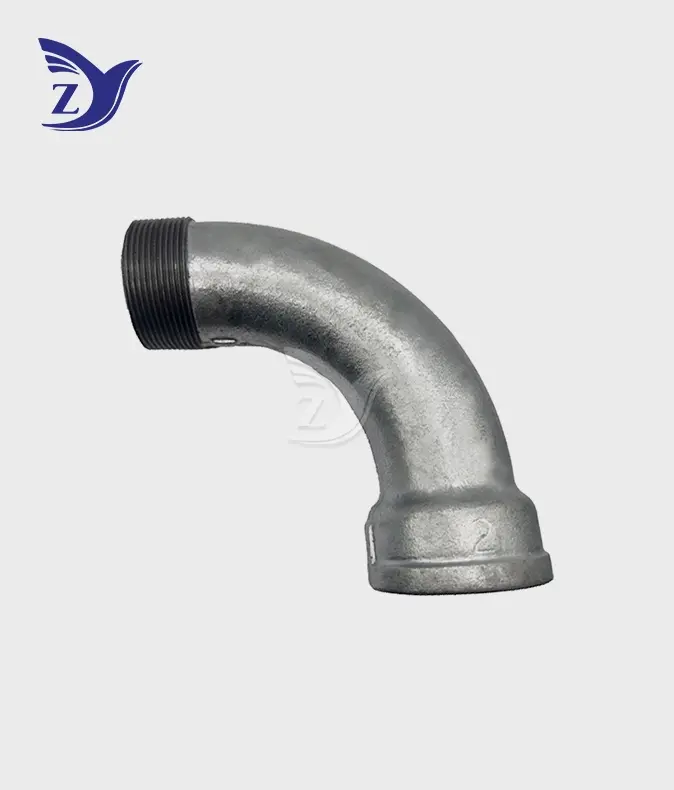
Dimensional Analysis of BSPT Male Female 90° Long Radius Elbows
Critical Dimensional Parameters
The number of threads per inch (thread pitch) changes depending on the standard size, and the two parts that fit together must line up perfectly. ISO 7/1 standards say that a 1-inch BSPT fitting should have 11 threads per inch and a ½-inch fitting should have 14 threads per inch. To make sure that the right closing compression happens during assembly, the taper angle error is kept very close to ±0.5°. The swept path of the flow axis is found by measuring the elbow radius. Long radius fits usually have dimensions of 38mm for ½-inch sizes and 190mm for 2-inch sizes.
Center-to-end lengths change how pipes are laid out and how much space they need. A normal BSPT galvanized male female 90° long radius elbow pipe fittings configuration with a radius of 1 inch is about 63 mm long from the center to the male thread end and 54 mm long from the center to the female end face. Because of the different thread engagement levels needed for male and female links, these uneven measures make sense. These exact measurements should be included in the procurement specs so that there are no problems with interference during installation.
Measuring BSPT Threads Accurately
To measure threads, you need tools that are regulated and meet ISO 7/1 standards. Go/No-Go plug gauges check the accuracy of male threads, and ring gauges check the accuracy of female threads. The engagement length, or how far the male thread has to move before it forms a full lock, is usually between 6mm and 11mm for ½-inch fits and 2 inches. Deviation outside of these limits weakens the seal and could lead to early failure during pressure cycle.
BSPT Versus NPT and BSP Standards
Even though they look the same, BSPT and NPT threads are not compatible, even though they both have tapered shapes. The flank angle for NPT is 60°, while the flank angle for BSPT is 55°. This makes the thread types unsuitable, which stops them from engaging properly. Parallel BSP threads don't have any taper at all, so they need extra closing screws instead of relying on thread interference. If you mix these standards, you could damage cross-threading, not seal properly, or have a severe system failure. Clear labeling rules must be followed by distribution hubs that serve foreign markets to avoid accidental substitution.
Procurement Guide for BSPT Galvanized Male Female 90° Long Radius Elbows
Supplier Evaluation Criteria
Qualified providers keep their ISO 9001 certification, which shows that they handle quality in a planned way. There is paperwork that shows the chemical makeup of the raw materials all the way through to the final inspection. Calibration certificates for thread gauges prove that measurements are accurate, and reports on the thickness of zinc coatings show that they meet ASTM A153 standards. For big projects that need coordinated deliveries, production capacity is very important. Make sure that makers can keep up with the necessary volumes without lowering quality or lengthening lead times.
Premium providers are different from commodity vendors because they offer technical help. Having access to application experts who can suggest the right sizes, pressure ratings, and material grades based on the conditions of service is worth more than just the price of the product. Suppliers with sample evaluation programs let customers check the BSPT galvanized male female 90° long radius elbow pipe fittings physically before buying in bulk, which lowers the risk of procurement.
Quality Verification Protocols
To make sure the BSPT is followed, thread gauging with accurate L1 and L2 gauges should be used during the incoming check. To make sure the right contact depth, the stand-off distance—the space left over when the threads bottom out—must be within the allowed range. Optical comparators or precise angle blocks are used for dimension checks to prove that the 90° angle is accurate to within ±0.5°. Using magnetic scales to test the thickness of the zinc covering confirms that the average coverage is at least 70 microns.
Random sampling for hydrostatic testing at 1.5 times the working pressure finds flaws or holes in the casting that can't be seen with the naked eye. Setting clear acceptance criteria and rejection rules with sellers before placing an order keeps disagreements about broken goods at bay. Inspection records that are written down meet the standards of the quality system and provide proof to back up warranty claims if problems happen in the field.
Conclusion
To plan, buy, and install a pipe system correctly, you need to have a good idea of the sizes of BSPT galvanized male female 90° long radius elbow pipe fittings. With its unique BSPT threading, dual male-female configuration, longer bend radius, and galvanized corrosion protection, this cable meets specific technical needs in fire protection, public infrastructure, and industrial process uses. To be successful at procurement, you need to check the dimensions, make sure the thread standards are compatible, and work with approved sources who keep strict quality control throughout the manufacturing process. This document includes installation instructions, upkeep procedures, and criteria for judging suppliers. It gives purchasing managers, engineers, and distributors useful information to help them choose the best parts and make sure the system works well for a long time.
FAQs
What distinguishes BSPT from BSP thread standards?
BSPT threads have a 1:16 taper that makes interference fit seals just by engaging the threads, but parallel BSP threads need extra gaskets or sealing washers to make connections that don't leak. The tapered shape makes BSPT better for industrial uses with changing working conditions because it resists vibrations better and keeps the seal's integrity through thermal cycles. To avoid buying mistakes, thread sizes and technical models must make it clear which standard applies.
How do I measure BSPT thread sizes correctly?
To find out how many threads are in an inch, use an accurate thread pitch gauge. Then, look at the ISO 7/1 dimensional tables that show how pitch is related to standard pipe size. Using precision calipers, measure the outside width at the beginning of the thread and compare the reading to standard values. To check the depth of an engagement, you need threaded ring gauges that show the right standoff distance when the threads sit. Ordering the wrong sizes, which slows down tasks and costs more, can be avoided by taking accurate measurements.
When should galvanized fittings be chosen over stainless steel?
In water, gas and HVAC uses where chemicals aren't used in large amounts or temperatures don't go above 200°C, galvanized parts protect against corrosion at a low cost. Stainless steel is worth the extra cost when it is used to make food, medicines, or in places where corrosion is common and zinc coats break down quickly. A budget study that compares the original investment to the expected service life helps choose the best materials for each operating situation.
Partner with Zhiyuan Malleable Steel for Precision-Engineered Pipe Fittings
With 26 years of experience casting and a production capacity of 30,000 tonnes per year, Zhiyuan Malleable Steel is ready to meet your needs for BSPT galvanized male female 90° long radius elbow pipe fittings. Our manufacturing methods are ISO 9001-certified, which means that the dimensions, threads, and coatings are accurate enough to meet foreign standards like CE, UL, and FM certifications. Whether you need standard inventory items shipped within two hours or OEM solutions that are made to fit specific needs, our expert team can help you with everything, from developing specifications to providing service after delivery.
As a reliable provider of these pipe fittings, we keep a large collection of more than 1,000 different product specifications. This way, we can avoid delays that throw off project plans. Our two-layer cardboard wrapping keeps the integrity of the product safe during foreign shipping, and our policy for replacing broken products shows that we care about customer happiness. You can email our team at q1236800000@gmail.com to talk about your exact size needs, ask for technical information, or get bulk prices for your next purchase. You can look at our whole product line at zymalleablepipefitting.com and learn how our solutions made from malleable steel improve the dependability of systems used for fire protection, public works, and industrial processing.
References
- British Standards Institution. ISO 7/1:1994 Pipe Threads Where Pressure-Tight Joints Are Made on the Threads - Dimensions, Tolerances and Designation. London: BSI Standards, 1994.
- American Society of Mechanical Engineers. ASME B16.3-2016 Malleable Iron Threaded Fittings: Classes 150 and 300. New York: ASME Press, 2016.
- ASTM International. ASTM A153/A153M-16a Standard Specification for Zinc Coating (Hot-Dip) on Iron and Steel Hardware. West Conshohocken: ASTM International, 2016.
- Hydraulic Institute. Effects of Pipe Fitting Geometry on System Pressure Loss and Flow Distribution. Parsippany: Hydraulic Institute Technical Papers, 2018.
- National Fire Protection Association. NFPA 13: Standard for the Installation of Sprinkler Systems - Pipe and Fittings Requirements. Quincy: NFPA Publications, 2022.
- Stewart, Malcolm G. Corrosion Protection Performance of Hot-Dip Galvanized Steel in Infrastructure Applications. Journal of Materials in Civil Engineering, Volume 31, Issue 4, 2019.
Online Message
YOU MAY LIKE
High quality furniture manufacturer
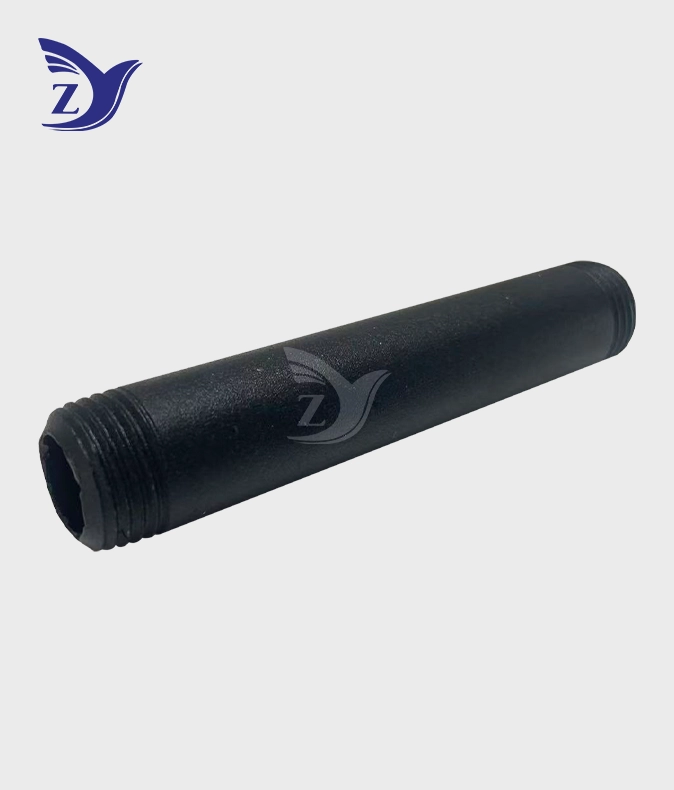
Carbon Steel Pipe Male Threaded Fittings Black Oxide Treated
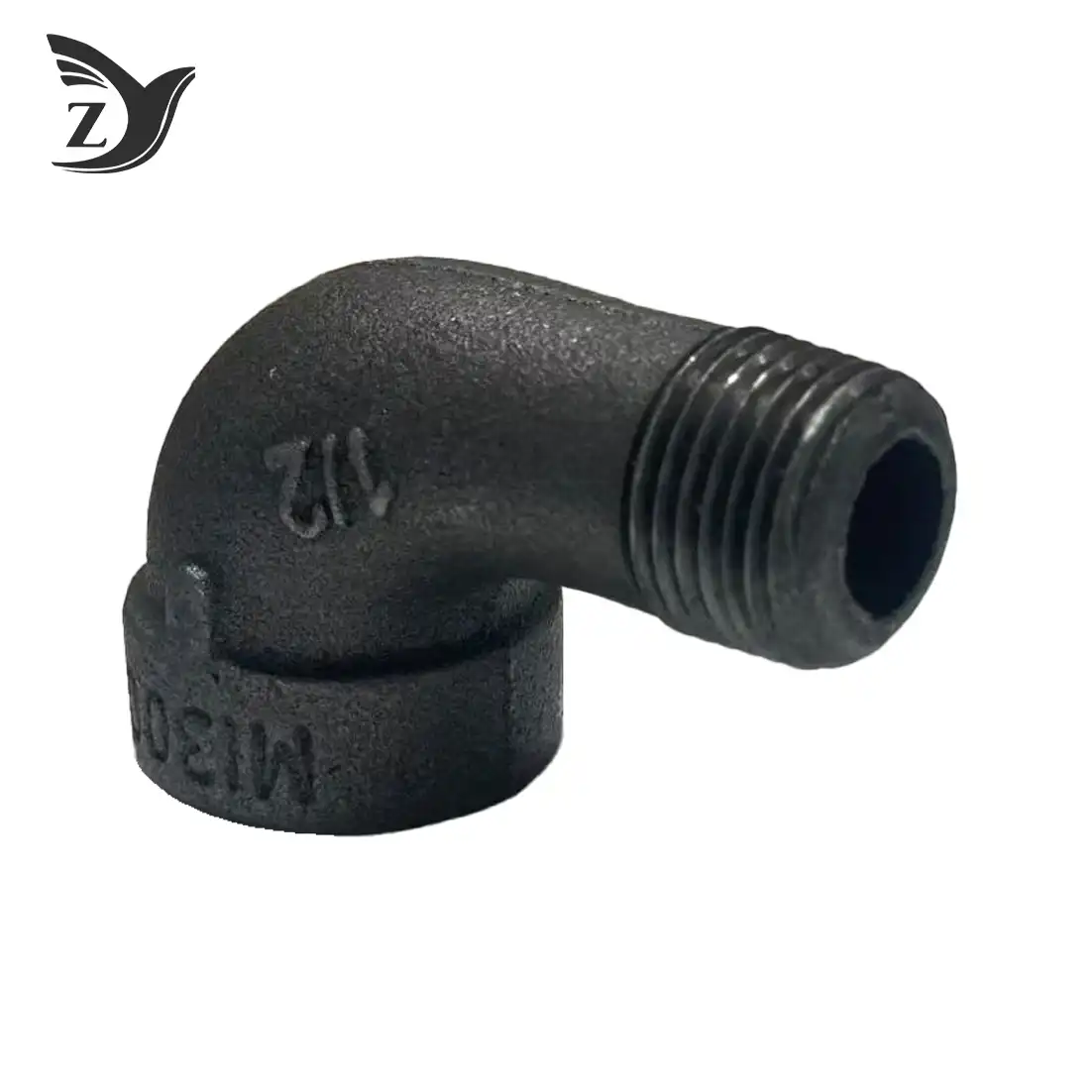
300# Black Threaded 90° Elbow, Male & Female
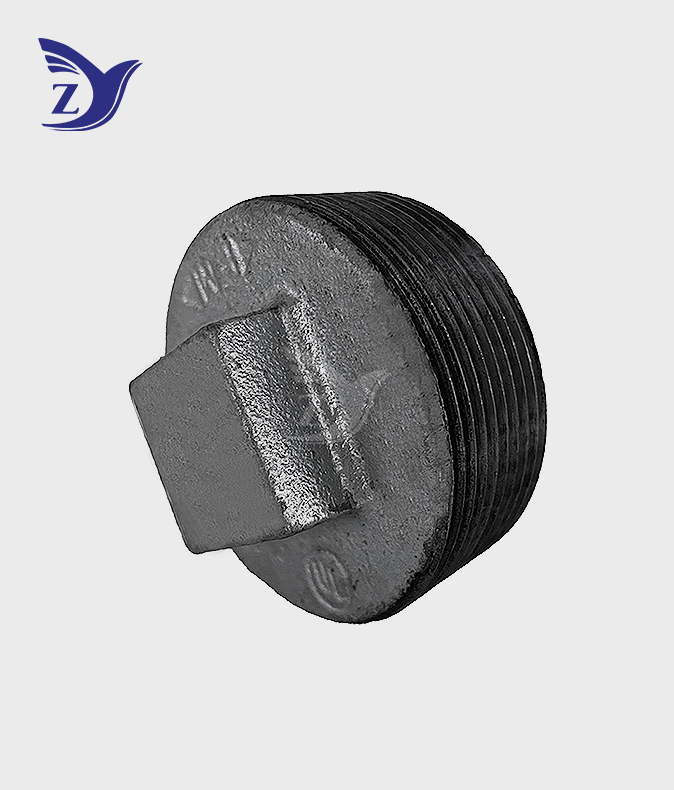
NPT Galvanized Non-Flanged Pipe Plug Pipe Fittings
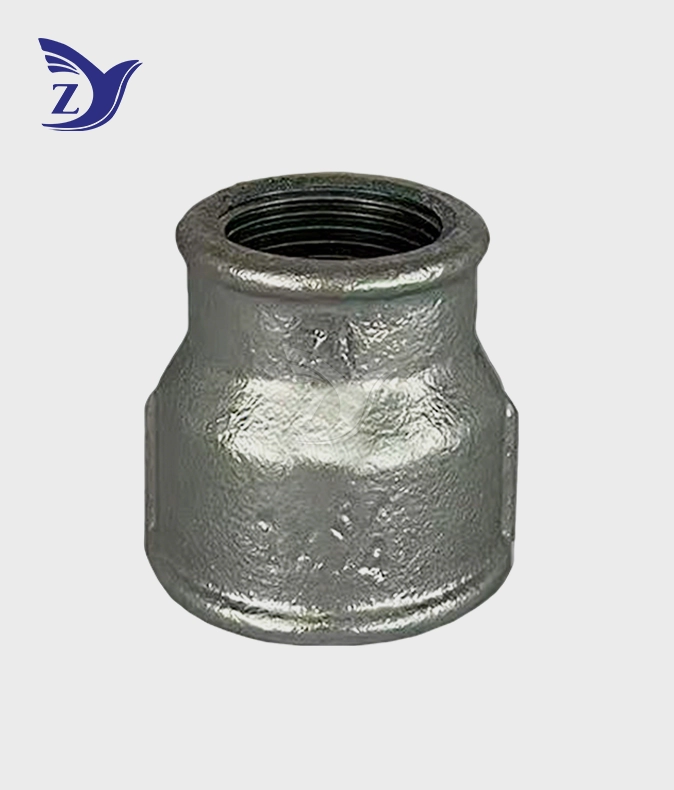
BSPT Round Face Galvanized Round Edge Reducing Coupling Pipe Fittings
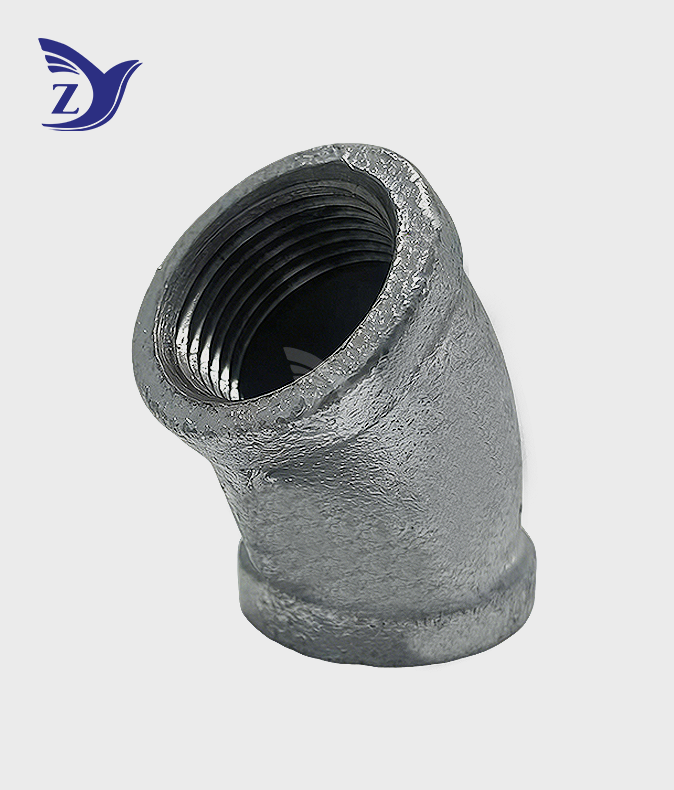
NPT Square Face Galvanized 45° Square Edge Elbow Pipe Fittings
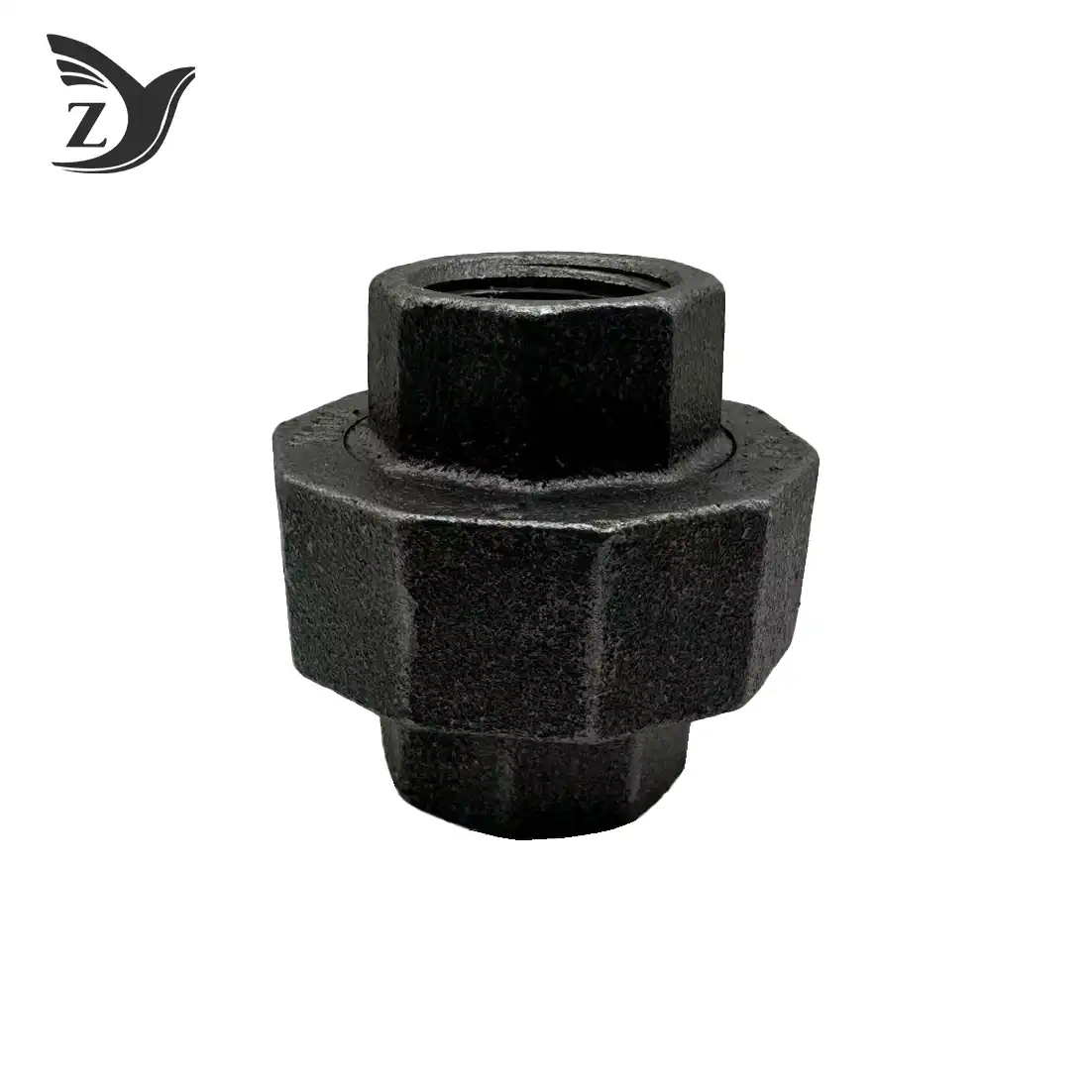
NPT Black Union Class 300 Pipe Fittings
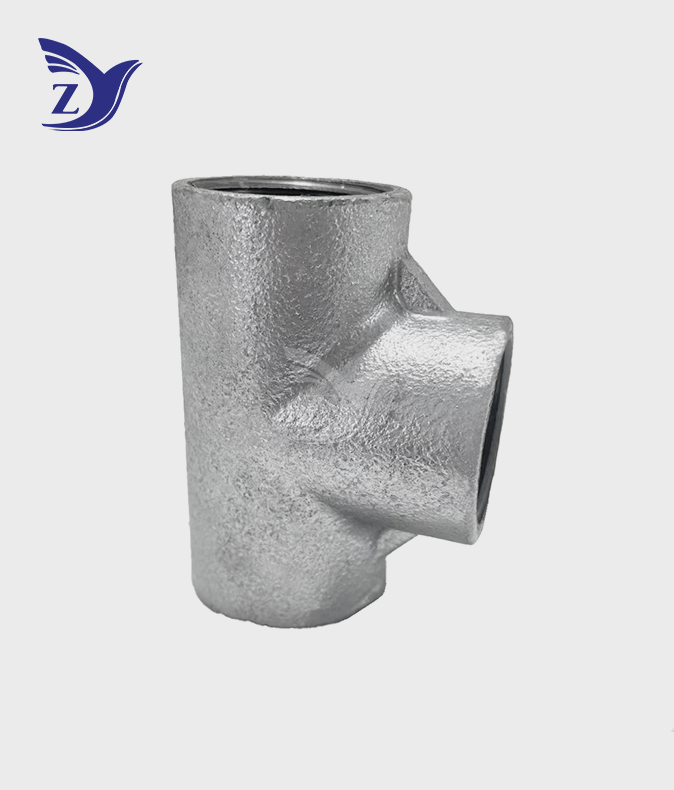
No Hub Electro Galvanized Straight Tee Pipe Fitting
Class 300 Hot Dipped Galvanized Malleable Iron Equal Coupling