
May 6, 2026
Maintenance Tips to Extend Life of Galvanized Threaded Union 343 Pipe Fittings
When galvanized male female threaded union 343 pipe fittings are properly maintained, they last a lot longer and don't break down before they're supposed to. These removable connections are very important in water, gas, and industrial pipe systems. They are made of malleable iron and are protected by hot-dip galvanization. Checking regularly for early signs of corrosion, cleaning carefully so as not to damage the zinc covering, lubricating the threads with compatible compounds, and using the right fitting torque are all things that can be done to make the service life longer. By learning about environmental factors and taking preventative steps, you can cut down on the number of replacements needed by 40 to 60%. This can save a lot of money on projects like fire protection, HVAC, and municipal pipelines while keeping the system's reliability.
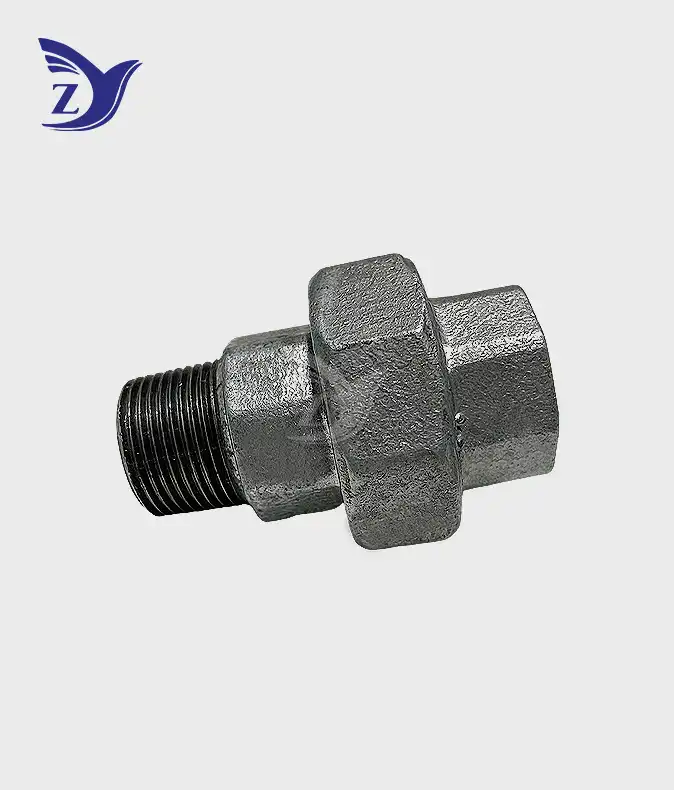
Galvanized Threaded Union 343 Pipe Fittings Maintenance Needs
Learn about galvanized male female threaded union 343 pipe fittings and how to keep them in good shape. In industrial and business pipe systems, galvanized threaded unions are used as special break points. There is a male-female setup with external threads on one end and internal threads on the other end that is identified by the number 343. This design gets rid of the need for middle nipples, which cuts down on leak paths and makes it easier to do upkeep in tight spaces.
What Makes the 343 Configuration Unique
The male-female threaded union 343 is a small part that blends the functions of an adapter and a union. Standard female-to-female unions need extra barrel nipples to connect to equipment, but this design links directly to valve ports, pump housings, or machinery interfaces. These bolts are made from ASTM A197 malleable iron that has a minimum tensile strength of 330 MPa. They don't crack when they are subjected to mechanical stress, shaking, or sudden changes in temperature. The hot-dip galvanization method adds a protective zinc layer that is about 70 microns thick. This layer protects against rust in damp and outdoor settings.
Common Degradation Patterns and Challenges
Even though they are built to last, fittings do break down over time for a number of reasons. Repeatedly putting things together and taking them apart wears down the threads, which makes the seal less effective over time. This is especially true when the precision-machined surfaces are damaged by using the wrong tools or too much pressure. When two different metals touch each other in the presence of electrolytes, galvanic corrosion speeds up. This causes electrochemical processes that weaken the zinc layer. Changes in temperature between -20°F and 300°F and other environmental factors cause joints to expand and shrink, which tests their strength.
The main thing that hurts zinc joints is still water getting inside them. Even though the zinc covering is very good at protecting at first, oxidation can attack the iron base below if this barrier is broken by scratches, impacts, or chemical contact. This process moves much faster in industrial settings with sulfur compounds, chlorides, or acidic condensates.
Key Maintenance Strategies for Longevity
To make industrial galvanized male female threaded union 343 pipe fittings last longer, we need to take organized steps that deal with both short-term issues and long-term wear and tear. By following regular maintenance procedures, you can keep small problems from turning into expensive system failures that need to be shut down quickly.
Regular Inspection Methods and Schedules
Setting up a regular check schedule is the first step in doing good upkeep. Visual checks should be done every three months in normal conditions and once a month in harsh or high-stress situations. During these checks, look for changes in the zinc layer, such as discoloration, white rust, or an iron base that can be seen. Check the thread contact areas for wear patterns, galling marks, or distortion that could mean the bolt wasn't installed correctly or was over-tightened.
Visual checks are complemented by technical tests. To find small leaks before they get worse, put soapy water solutions around the parts that have been put together while the system is under pressure. Thermal imaging cameras find changes in temperature that could mean that there is internal rust or flow limits. Every year, hydrostatic testing makes sure that pressure ratings stay within acceptable limits for important installations in industrial or fire protection systems.
Keeping records is just as important as observing. Keeping detailed inspection logs that track the state of fittings over time shows patterns of wear and tear that can be used for planned maintenance instead of fixes that are needed after the fact. Studies on workplace repair have shown that this method cuts down on unplanned downtime by about 35%.
Proper Cleaning Techniques to Preserve Galvanization
To keep the protected zinc layer from getting damaged when cleaning metal surfaces, you need to be very careful about what you use. Do not use strong acids, alkaline degreasers above pH 12, or rough wire brushes that remove galvanization by hand. These rough ways leave the base metal exposed, which speeds up the rust that follows.
To get rid of loose dirt and scale, dry brushing with soft brass or nylon bristles is the first step in the recommended cleaning process. After that, use light detergents or cleaners made just for rusted metal, making sure the pH stays between 6 and 8. Rinse well with clean water and let dry completely in the air before putting it back together. Even though the metal is galvanized, rust can still start in threaded holes where water is standing.
When used according to the manufacturer's directions, phosphoric acid-based treatments made just for galvanized steel can get rid of stubborn layers or white rust that forms. These treatments remove corrosion products without harming the zinc coating. After treatment, put a thin layer of protection over the places that were fixed.
Lubrication Practices to Prevent Thread Damage
Proper thread oil does two things: it lowers the amount of force needed for fitting and protects against galvanic rust, galling, and seizing. Choose oils that can be used on both metal surfaces and fluids in the system. For gas and non-potable water, PTFE tape or pipe dopes made from petroleum work well. Potable water systems can use oils that are food-grade and meet NSF-61 guidelines.
How you use an application changes how well it works. Before putting lube on the male threads only, clean them well and cover the first three to four threads fully. Too much oil creates hydraulic pressure during assembly, which could cause the joint body to crack. Do not put oil on the sealing sides of conical seat unions because it breaks down the metal-to-metal contact.
Anti-seize solutions with zinc or aluminum particles offer better safety in high-temperature situations or when parts are left put together for a long time. These products stop chemical bonding between matching surfaces, which is what makes it hard to take apart. Reapplying the coating every year during routine repair keeps it protected for as long as the fitting is in use. When you follow the right cleaning steps, do regular checks, and use the right lubrication, galvanized unions last 5 to 8 years longer than setups that aren't taken care of.
Procurement and Supply Considerations for Long-Term Maintenance
Choosing reliable suppliers of galvanized male female threaded union 343 pipe fittings and knowing the factors that affect buying have a big effect on the amount of upkeep needed and the system's dependability over its entire life. Differences in quality between makers affect both how well something works at first and how long it lasts.
Certification Standards and Quality Assurance
Third-party certifications from reputable makers show that their products meet world standards. Quality management systems like ISO 9001 make sure that production methods are always the same. Product approvals like UL (Underwriters Laboratories), FM (Factory Mutual), and CE (European Conformity) make sure that the product works well and meets safety standards.
Make sure that providers give you material test records that show the chemical make-up, tensile strength, and coating thickness for each batch of production. Thread correctness within ANSI/ASME or ISO tolerance bands is proven by dimensional inspection reports. Documentation from pressure tests shows that every joint can handle the maximum pressures without leaking.
Supplier Technical Support and Service Capabilities
Check the supplier's help system as well as the quality of the products. Technical consulting services help match fitting specs to the needs of the application. This keeps costs from going up too high or too low, which could cause the fitting to fail too soon. When something goes wrong, engineering teams should help with installation, care, and fixing the problem.
Having access to replacement parts is very important. Standard goods are delivered within days instead of weeks by suppliers who keep a lot of stock on hand. Custom or non-standard designs need longer lead times, so getting involved early is important for planning the job.
Defective product policies show how confident a company is in the quality of the goods they make. When errors happen despite quality controls, project delays are kept to a minimum by having clear replacement processes and warranties that cover everything.
Evaluating Manufacturing Capabilities
The supplier's production potential shows how well they can meet deadlines for large orders. Facilities that handle 30,000 tons of material a year and have multiple production lines are able to handle big projects without missing their delivery dates. Smaller businesses may have affordable prices, but they may have trouble meeting the needs for high volume or quick turnover.
Product accuracy is affected by how complex the manufacturing process is. Medium-frequency electric ovens let you precisely control the temperature for the best metal qualities. Automated machines make threads that are correct and meet tight standards. Modern galvanizing systems evenly coat metal with zinc, instead of leaving bare spots and drips that happen in older facilities.
As a way to tell the difference between good makers and bad ones, quality inspection infrastructure includes pneumatic leak testing for finding flaws in the casting, thread gauge verification for making sure the dimensions are correct, and coating thickness measurement to make sure the rust protection meets requirements.
Logistics prices and delivery times are affected by where things are sent. For regional jobs, domestic providers offer shorter lead times and lower shipping costs. For large orders, international makers may offer lower prices, which could support planning for a longer time frame.
Established companies that sell to customers all over the world usually keep extensive product lines with more than 1,000 SKUs that include both standard and custom configurations. This range makes buying easier by letting projects be supplied by a single source instead of having to coordinate with multiple suppliers.
Conclusion
To make galvanized male female threaded union 343 pipe fittings last longer, you need to pay attention to how they are installed, the climate, and regular repair schedules. When threads are properly engaged, the right amount of pressure is applied, and suitable sealants are used, the first performance is solid. Inspections done on a regular basis find rust or wear early on, before small problems get worse and cause the system to fail. Cleaning methods that protect the galvanized layer, along with the right lubricant while in use, keep security against damage from the environment. Choosing the right materials for the job cuts down on costs over the life of the product while still meeting performance standards. Partnering with qualified makers that offer approved goods, expert support, and reliable supply chains makes sure that you can get high-quality parts that will help fire protection, HVAC, municipal, and industrial piping systems work well for a long time.
FAQ
How often should galvanized threaded unions be inspected?
Inspection frequency depends on conditions: every 3 months for indoor systems, monthly for harsh or vibrating environments, and at least annually for fire/life safety systems.
Can I reuse galvanized unions after disassembly?
Reuse depends on inspection results. Check threads for damage, sealing surfaces for scratches or debris, and the galvanized coating for rust or heavy wear. Replace fittings if threads are damaged, coating loss exceeds ~30%, or cracks are present. Undamaged fittings can be reused after cleaning and lubrication, but replace gaskets. For critical systems, replacement is safer than reuse.
What causes white rust on galvanized fittings?
White rust (“wet storage stain”) forms when zinc stays damp without airflow, appearing as white powder on the coating. It usually doesn’t harm protection unless the zinc layer is compromised. Clean with a mild acid solution, rinse thoroughly, dry completely, and re-protect the surface.
Partner With Zhiyuan Malleable Steel for Superior Galvanized Union Solutions
Since 2006, Zhiyuan Malleable Steel has been making high-quality galvanized male female threaded union 343 pipe fittings for fire protection companies, local engineering firms, and industrial businesses all over the world. Our 50,000-square-meter factory in Shanxi Province can make over 1,000 different products that meet ASTM A197, ISO 9001, UL, FM, and CE approval standards. It can also handle 30,000 tons of production every year. Every fitting goes through strict hydraulic testing, thread counting, and thickness checks of the coating to make sure the quality is always the same. We keep a lot of standard goods in stock and can deliver them within two hours for pressing project needs. For more complex needs, our technical team offers ODM/OEM customization services. Our full quality guarantee covers replacing broken goods and providing ongoing technical help for the duration of your project. Email our engineering team at q1236800000@gmail.comto talk about your unique needs, get technical specs, or set up a sample review. You can see our whole selection of products at zymalleablepipefitting.com. That's why top makers of galvanized male female threaded union 343 pipe fittings choose Zhiyuan Malleable Steel as their reliable and affordable pipeline solution provider.
References
- American Society of Mechanical Engineers. (2020). "ANSI/ASME B1.20.1: Pipe Threads, General Purpose (Inch)." ASME Standards Committee.
- ASTM International. (2019). "ASTM A197-20: Standard Specification for Cupola Malleable Iron." West Conshohocken, PA: ASTM International Standards Organization.
- National Fire Protection Association. (2021). "NFPA 13: Standard for the Installation of Sprinkler Systems." Quincy, Massachusetts: NFPA Technical Committee on Sprinkler Systems.
- Zinc Coating Technical Institute. (2018). "Hot-Dip Galvanizing for Corrosion Protection of Steel Products: Technical Guidelines and Maintenance Practices." Industrial Coatings Research Journal, Volume 34, Issue 2.
- Pipeline Maintenance Association. (2022). "Best Practices for Threaded Connection Integrity in Commercial and Industrial Piping Systems." Journal of Pipeline Engineering and Maintenance, Volume 18, Pages 145-178.
- International Organization for Standardization. (2021). "ISO 7/1: Pipe Threads Where Pressure-Tight Joints Are Made on the Threads - Part 1: Dimensions, Tolerances and Designation." Geneva: ISO Technical Committee.
Online Message
YOU MAY LIKE
High quality furniture manufacturer
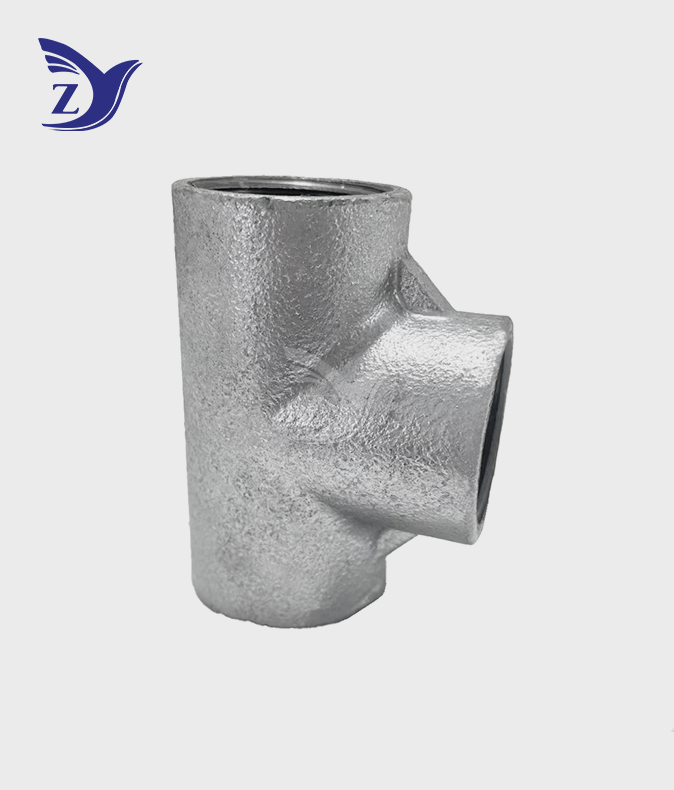
No Hub Electro Galvanized Straight Tee Pipe Fitting
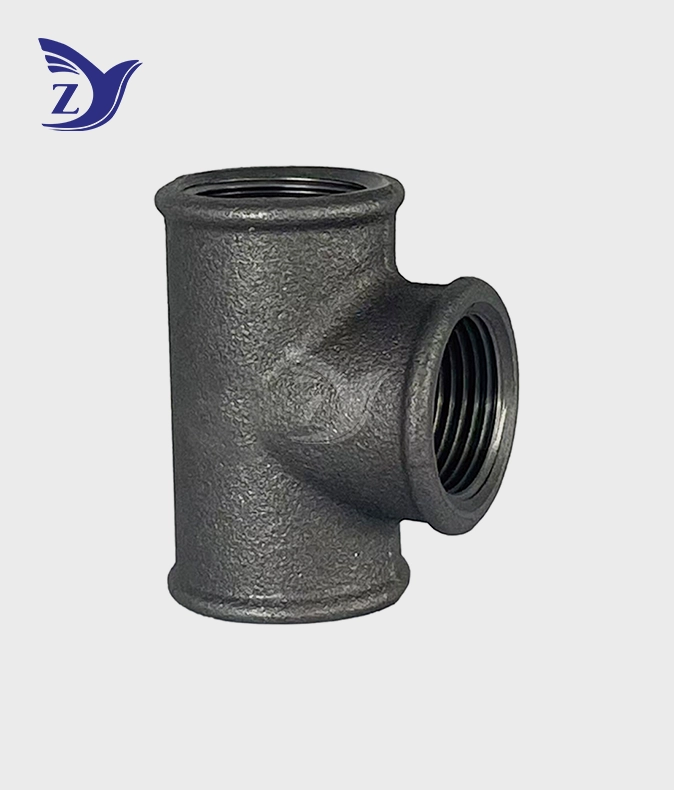
NPT Black Round Face Straight Tee Pipe Fittings
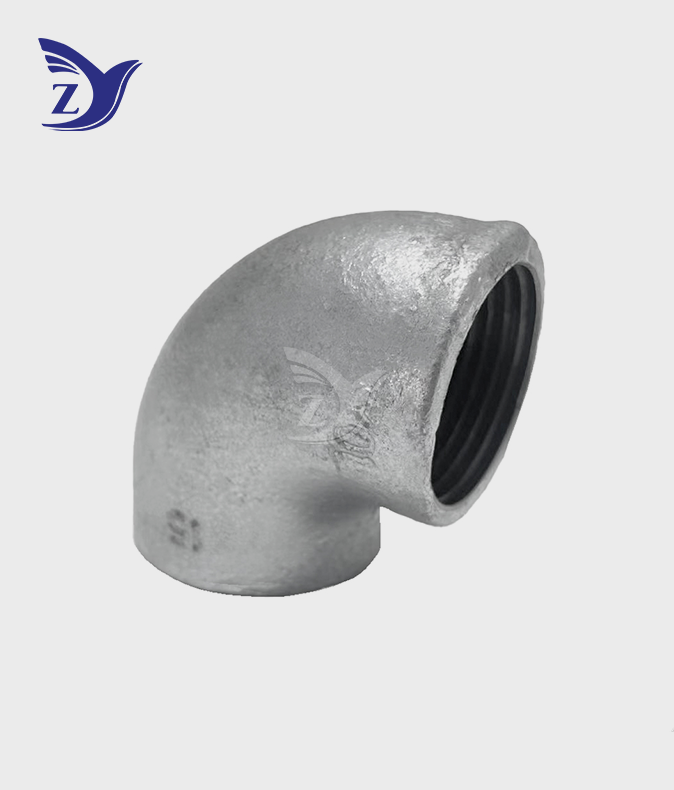
No Hub Electro Galvanized 90° Elbow Pipe Fitting
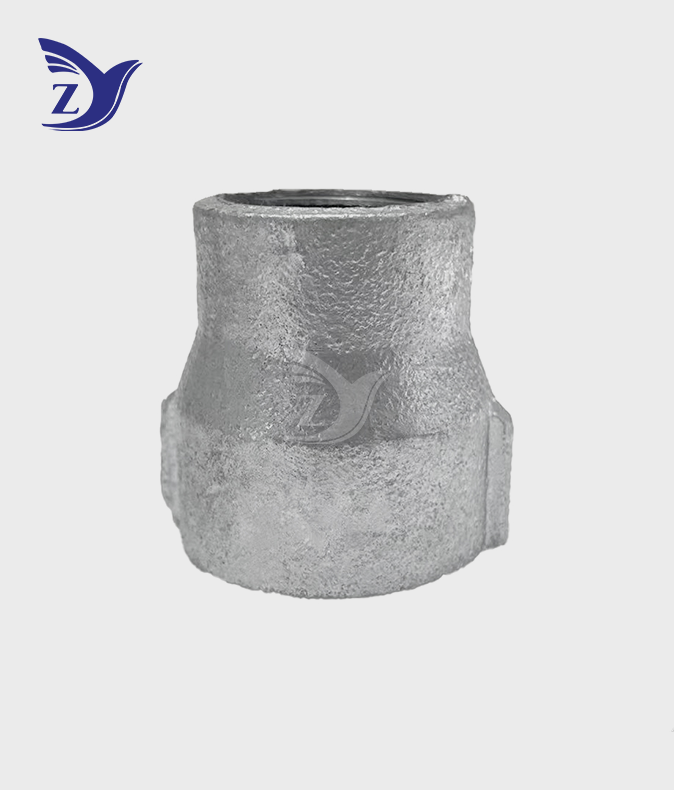
No Hub Hot Dip Galvanized Reducing Coupling Pipe Fitting
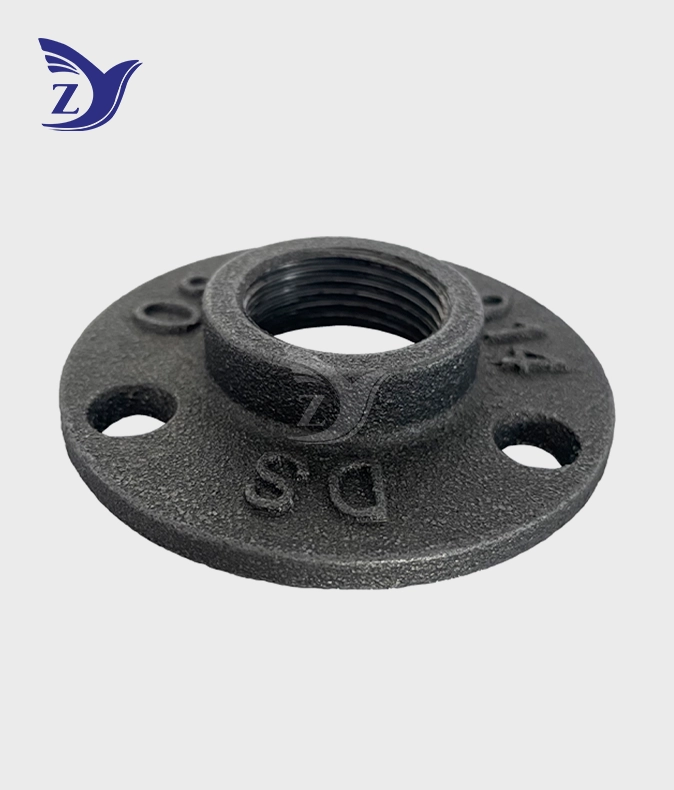
NPT Black Flange Pipe Fittings
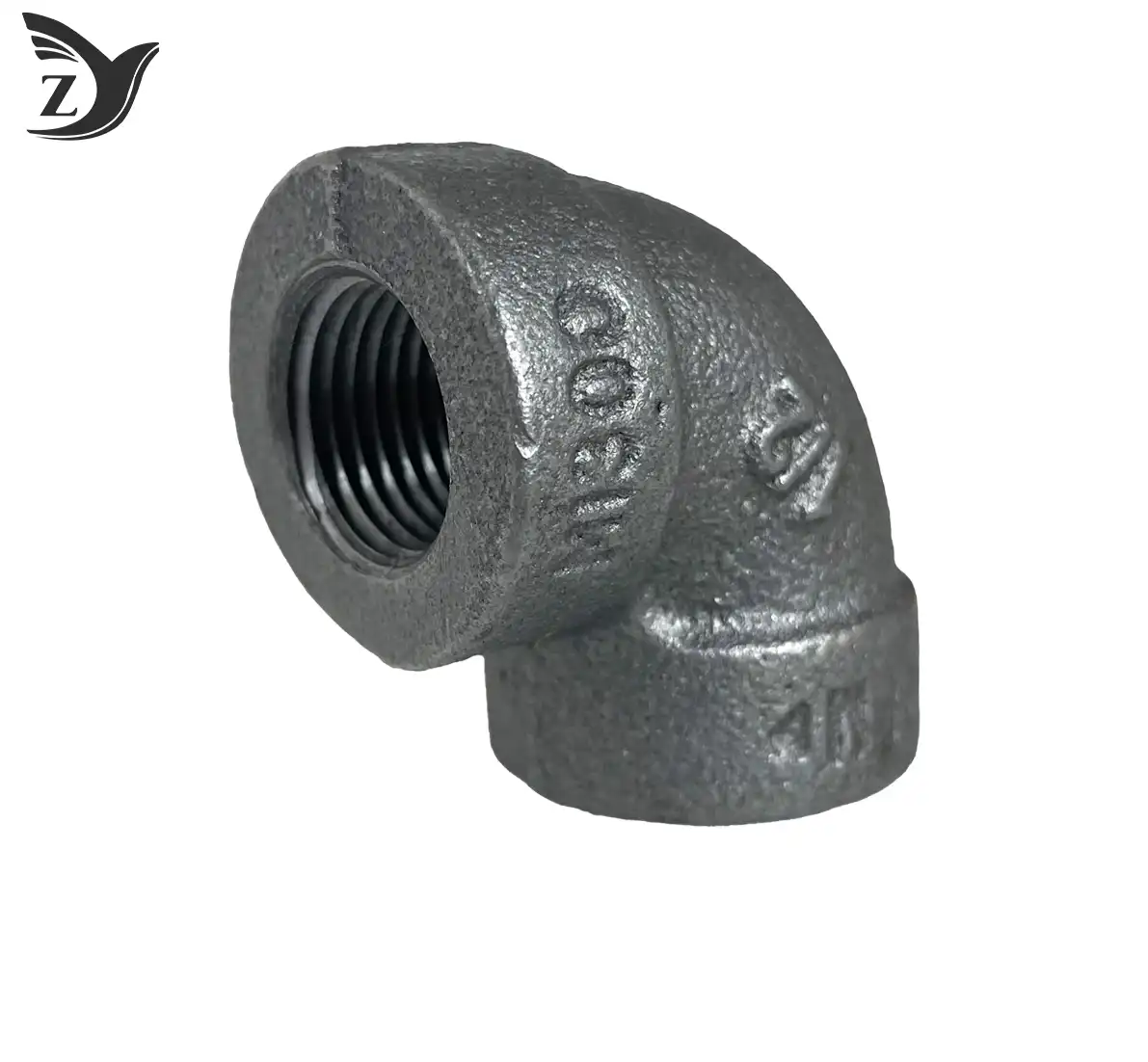
300LB Black Malleable Iron 90 Degree Elbow Pipe Fitting
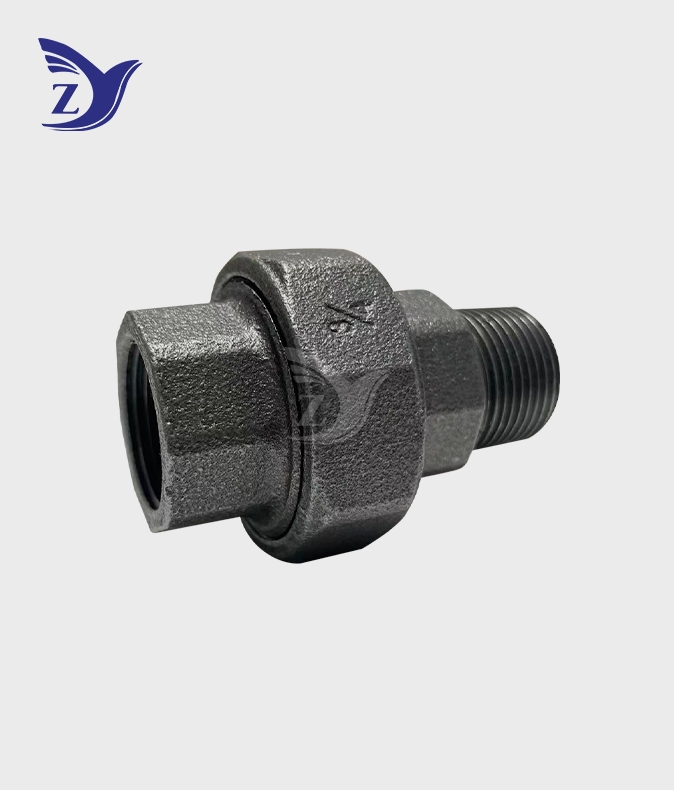
NPT Black Male-Female Union 331 Pipe Fittings
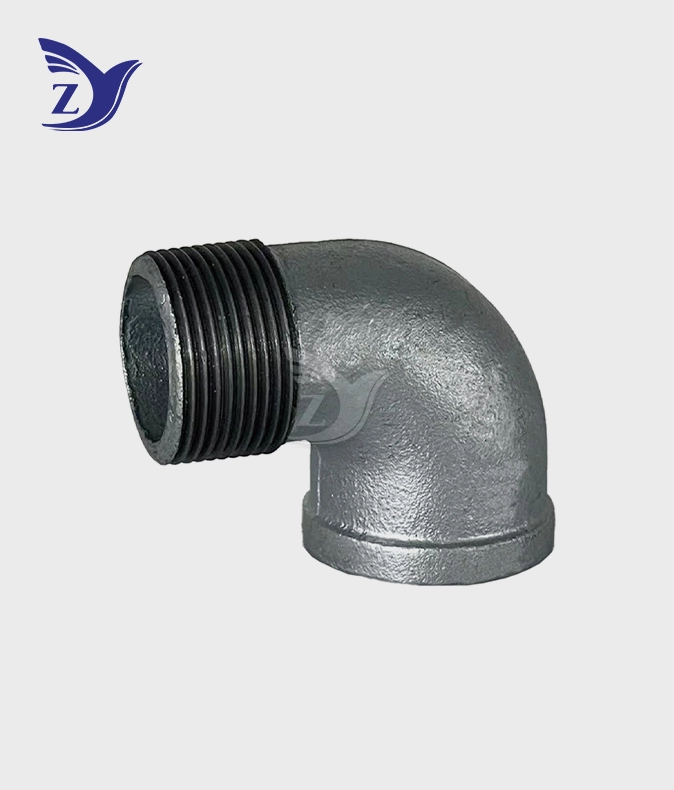
NPT Square Face Galvanized 90° Male Female Threaded Elbow Pipe Fittings