
Jul 10, 2026
Long Radius Elbow VS Short Radius
When choosing pipe fittings for industrial use, the difference between long radius and short radius bends has a big effect on how well the system works and how efficiently it runs. BSPT galvanized male female 90° long radius elbow pipe fittings are a unique option that strikes a good mix between best flow and installation flexibility. These threaded 90° bends make it easier for fluids to flow smoothly and allow water and gas pipelines to be redirected in harsh settings. These 90° radius pipe fittings are important for fire protection systems, city engineering, HVAC installations, and petrochemical operations because they are made of high-strength, anti-rust malleable iron and have a hot-dipped galvanized finish. Learning the differences between long radius and short radius designs helps procurement professionals make smart choices that meet both the needs of the current installation and the long-term stability of the system.
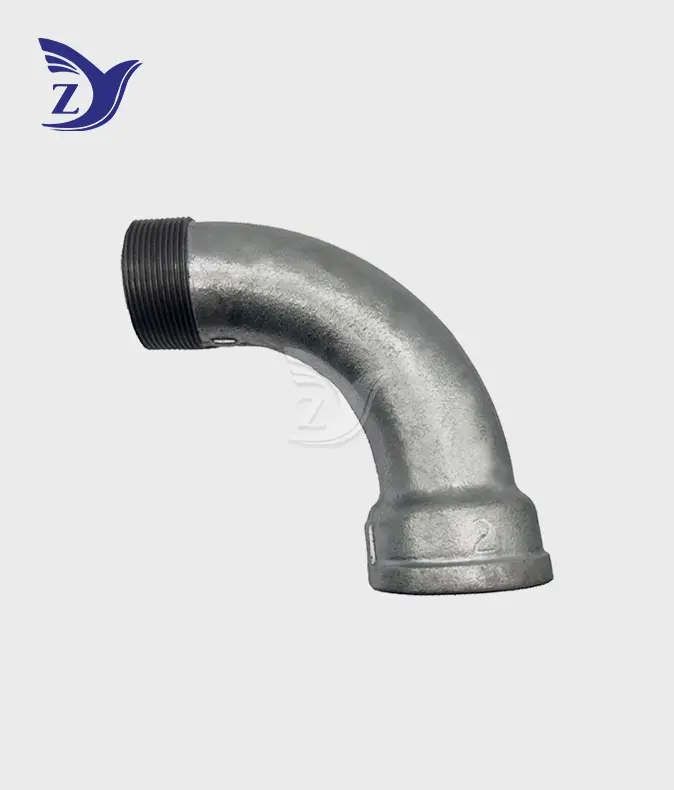
Long Radius vs Short Radius Elbow Pipe Fittings
The main difference between elbows with a long radius and those with a short radius is the central radius, which is the distance between the pipe's center and the center of the elbow. The centerline radius of a long radius elbow is usually 1.5 times the standard pipe diameter. The centerline radius of a short radius elbow is only 1 time the width. This change in geometry has a big effect on the flow properties and fitting needs.
What Defines Long Radius Elbows
Long radius designs make the turn smoother, which lowers flow turbulence and pressure drop. The longer curve lets gases and fluids keep more stable speed profiles, which stops wear at the bend and makes the fitting last longer. This design works especially well in systems that move rough materials or have high flow rates.
Short Radius Applications and Limitations
Short radius elbows have small installation areas, which makes them good for situations where room is limited. But the tighter bend makes more flow resistance and localized turbulence, which could make energy costs and wear patterns worse. These fittings work well in low-velocity situations or when limitations in the way the pipe is laid out are more important than worries about hydraulic efficiency.
BSPT Threading Standards
British Standard Pipe Taper (BSPT) threading has a 55° thread angle and a 1:16 taper. This makes pressure-tight seals through thread interference instead of relying on gaskets. This standard is different from NPT threading, and knowing these differences will help you avoid making costly mistakes when buying things that won't work together. The male-female design of BSPT galvanized male female 90° long radius elbow pipe fittings lets equipment join directly without any intermediate nipples. This makes setups easier and lowers the chance of leaks.
Benefits and Applications of BSPT Galvanized Long Radius 90° Elbow Fittings
Long radius shapes have clear technical benefits that can be seen in many different types of industries. These industrial-grade male-female long elbows improve performance in ways that can be measured, which is why they are used in important pipe systems.
Superior Flow Characteristics
In most situations, BSPT galvanized male female 90° long radius elbow pipe fittings shape cuts down on friction losses by up to 60% compared to short radius options. The slow change in direction keeps the flow patterns smooth and stops eddy currents from forming, which waste energy and speed up wear. This feature stops steam hammer in condensate return lines and boiler feed systems. Steam hammer is a damaging event where fast changes in pressure cause shock waves that hurt equipment and fittings.
Enhanced Corrosion Protection
As per ASTM A153 guidelines, the hot-dipped galvanized process adds a zinc layer that is usually more than 70 micrometers thick. This layer of protection acts as both a shield and a sacrifice, with the zinc corroding faster than the underlying iron base below it. We've seen that parts that are properly galvanized in outdoor petrochemical sites stay structurally sound for decades, even in coastal areas where salt spray speeds up rust.
Real-World Application Examples
Long-radius bends in refrigerant and chilled water lines are very helpful for industrial HVAC systems because they keep the flow speed constant, which stops efficiency losses and compressor strain. When long radius fittings are used instead of standard elbows, slurry or sediment-filled water moving through agricultural irrigation networks gets blocked less often when the direction of the flow changes. These fittings are required by municipal water treatment plants for chemical feed lines where movement could cause precipitation or uneven mixing.
The dual-threaded, NPT/BSPT suitable design meets a range of system needs without creating too much inventory. Fire protection workers like this feature because it lets them connect American equipment to foreign pump assemblies or make changes to systems that already have different threading standards.
Comparing Long Radius vs Short Radius Elbows: Which Fits Your Project?
The choice between long and short radius designs should be based on the needs of the project. When making a choice about buying, there are a number of things that need to be carefully considered.
Hydraulic Performance Analysis
Calculations of pressure drop show big differences. A 2-inch long radius elbow usually causes 0.4 velocity head losses, while a fitting with the same length and width causes 0.9 velocity head losses, which is more than twice as much resistance. Over long pipe networks with many direction changes, these differences add up to big changes in the cost of pumping. Within a few months of use, the energy savings from less friction usually make up for the slightly higher cost of buying long radius fittings.
Spatial Considerations
Installation of BSPT galvanized male female 90° long radius elbow pipe fittings needs more room—about 50% more linear space than installation of short radius elbows. This difference in size may force short radius selection in retrofitting small mechanical rooms or thick pipe racks, even if it means hydraulic fines. But the smoother flow way lowers vibration transfer, which might let pipes be closer together by reducing mechanical interference.
Lifecycle Cost Evaluation
Maintenance plans and material reliability go hand in hand. Erosion rates go down in long radius bends because they lower turbulence. This is especially true in systems that deal with fluids that are full of particles or that are moving quickly. Water utility workers keep records of maintenance that show long radius fittings in sand-bearing supply lines last 40% longer before they need to be replaced than their short radius peers.
The high-strength, anti-rust, malleable iron structure is stronger than cast iron and more stable at high temperatures. The microstructure of malleable iron, which is created by heating, has the castability of iron and the flexibility of steel. This means that it doesn't break easily when it freezes or is under a lot of mechanical stress.
Conclusion
Choosing between long radius and short radius elbow designs has a direct effect on how well the system works, how much it costs to run, and how often it needs to be maintained. BSPT galvanized male female 90° long radius elbow pipe fittings offer measured benefits in improving flow, resisting rust, and allowing for flexible installation, which is why they are specified in tough industrial settings. Critical performance needs are met in fire protection, city infrastructure, HVAC systems, and petrochemical installations by the precision-threaded construction, hot-dipped galvanization, and high-strength, malleable iron makeup. Understanding the differences between thread standards helps keep interface mistakes to a minimum, and using the right selection criteria and installation techniques guarantees years of leak-free service. When purchasing managers look at lifecycle costs instead of initial purchase prices, they always find that long radius fittings are a better deal because they use less energy and last longer.
FAQ
What advantages do long radius elbows provide over short radius alternatives?
Long radius bends lower pressure drop by about 50 to 60 percent by rerouting flow more gently. This hydraulic efficiency means that less energy is used to pump water and there is less damage at bends. In rough fluid uses, the smoother flow path reduces vibrations caused by turbulence and increases the service life of the fitting.
Can BSPT and NPT fittings be used interchangeably?
Not at all. Even though they look the same, BSPT and NPT threads have different side angles (55° vs. 60°) and small differences in their length. Forcing threads that don't work well together together makes locks that aren't reliable and can leak. It also damages the threads, which makes it impossible to redo properly. Before buying, you should always make sure that the thread standard is compatible.
How much additional installation space do long radius fittings require?
About half as much space is needed around long radius elbows as around short radius elbows. This is the difference between 1.5 and 1.0 times the pipe diameter as the central radius. This can make installations in small spaces harder, but the better flow often makes it worth it to change the plan or use a different route.
What quality control measures ensure fitting reliability?
Manufacturers with a good reputation use thread gauging with measured standards, checking the thickness of the zinc covering, hydrostatic pressure testing, and measuring to make sure the angles are correct. Certifications that meet ISO 9001, ASTM A153, and area standards show that the quality system is strong and always delivers goods that meet specifications.
Partner with Zhiyuan Malleable Steel for Premium BSPT Galvanized Fittings
Since 2006, Zhiyuan Malleable Steel has focused on casting research and making pipe fittings. They have gained a lot of experience by working hard on malleable iron and steel products for 26 years. Our 30,000-ton annual production capacity meets both standard and unique needs, and our over 1,000 product specifications make sure that we always have a full inventory. We make BSPT galvanized male female 90° long radius elbow pipe fittings that meet international standards like ISO 9001, CE, UL, and FM certifications. This gives procurement workers proof that the quality is good.
Our plant in Shanxi Province's Taigu District runs 156 precision machining units, eight 3-ton medium frequency electric furnaces, two 100-ton natural gas heating kilns and environmental protection galvanizing systems. With this integrated production capability, we can keep wait times low while still providing consistent quality. Standard goods can be shipped within two hours from our large inventory. Custom OEM/ODM services can handle things like non-standard sizes and coatings that are needed for a particular job.
We stand behind our goods with full technical help and promises that will repair any that are broken. Email our team at q1236800000@gmail.com to talk about your piping system needs, get full specifications, or get quotes on large orders. If you're a fire protection contractor, a municipal engineering firm, a wholesale distributor, or the manager of a petrochemical facility, you should work with a reputable supplier to make sure your projects get high-quality parts, fast service, and on-time delivery.
Visit zymalleablepipefitting.com to explore our complete product catalog and discover how our knowledge of malleable steel can help your business succeed.
References
- American Society of Mechanical Engineers. (2020). ASME B16.3: Malleable Iron Threaded Fittings - Classes 150 and 300. New York: ASME Press.
- British Standards Institution. (2018). BS EN 10242: Threaded Pipe Fittings in Malleable Cast Iron. London: BSI Standards Publication.
- ASTM International. (2019). ASTM A153/A153M: Standard Specification for Zinc Coating (Hot-Dip) on Iron and Steel Hardware. West Conshohocken: ASTM International.
- Hydraulic Institute. (2021). Pipe Friction Manual: Flow Resistance in Piping Systems. Parsippany: Hydraulic Institute Publications.
- International Organization for Standardization. (2017). ISO 7/1: Pipe Threads Where Pressure-Tight Joints Are Made on the Threads - Dimensions, Tolerances and Designation. Geneva: ISO Central Secretariat.
- Crane Company. (2019). Flow of Fluids Through Valves, Fittings, and Pipe: Technical Paper No. 410. Stamford: Crane Engineering Division.
Online Message