
May 7, 2026
Key Standards for Galvanized 90 Degree Elbows Explained
It is very important to know the rules behind zinc 90-degree elbows when looking for pipe joints for fire protection systems, public water systems, or industrial process pipelines. A hot-dip galvanized round edge 90° elbow is more than just a way to connect two pieces of pipe; it's the result of decades of study into metals, safety tests, and precise engineering. These moldable iron parts are made according to strict rules that make sure they won't rust, stay together, and connect securely in a wide range of working conditions. Following international standards such as ASTM A197 for material makeup and ASTM A153 for galvanizing quality has a direct effect on the safety and life of your systems.
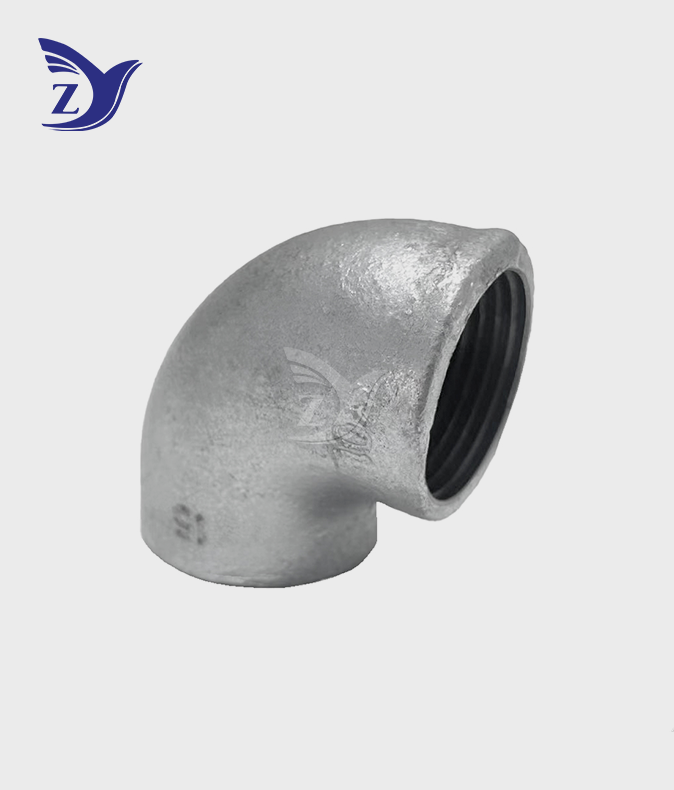
Hot-Dip Galvanized 90° Elbows Standards
Defining Round Edge 90° Elbows and Their Unique Features
Round edge fittings, which are also called "beaded elbows," are different from plain or square edge fittings because they have a strengthened collar at the threaded hole. This notched rim makes the material thicker right where mechanical stress builds up during fitting. When workers use force to tighten NPT or BSPT threaded connections, the round edge design stops the threads from stripping and bell-mouthing, which can happen with lighter-duty fittings. We think this difference is most important in high-pressure situations where Class 150 grades call for strong structures.
The reinforcement design goes out about 3–5 mm beyond the standard thread width, which gives the hoop what engineers call "superior hoop strength." This design stops disastrous splitting when the internal pressure changes, which is a frequent way for steam condensate lines and compressed air systems to fail. Because square edge fittings don't have this extra support, they can only be used in low-stress domestic settings where the building code allows for thinner wall parts.
International Manufacturing Standards Governing Production
Industrial-grade hot-dip galvanized round edge 90° elbows are made according to a set of standards that meet and must be checked by buying teams. ASTM A197 describes the cupola malleable iron makeup, which includes carbon levels between 2.40 and 2.90%, silicon levels between 0.90 and 1.40%, and controlled manganese levels. This is what gives the material its unique ability to be shaped. This standard makes sure that the base metal won't break easily after being heated for galvanizing.
For Class 150 threaded fittings, dimensional compliance is based on ASME B16.3 standards. These standards set limits for thread engagement length, fitting face-to-center lengths, and internal flow paths. For NPT threads with a 60-degree side angle and a 1:16 taper ratio, the thread shape must follow ASME B1.20.1. For BSPT threads with a 55-degree angle, it must follow BS 21. These specs aren't arbitrary; they make interference fits that seal more and more as the fitting force rises.
ISO 9001 approval shows that companies have recorded quality management systems that check the quality of raw materials, make sure patterns are accurate, control the temperature of the molten iron, keep an eye on the annealing cycle, and check samples for dimensions. We've found that providers who aren't ISO certified often have problems with installation in the field because their products aren't consistent from batch to batch.
Coating Quality Standards and Testing Requirements
Through metallurgical joining with liquid zinc, the galvanizing process turns pliable iron into an assembly that doesn't rust. ASTM A153/A153M says that parts must have a layer weight of at least 2.0 oz/ft² (610 g/m²), which is about 85 microns thick. Electro-galvanized coats, on the other hand, are only 8 to 15 microns thick and only cover the surface.
The European standard that is similar is EN ISO 1461, which says that the average layer thickness must be more than 70 microns and each reading must be more than 55 microns. As part of the testing process, the Preece test (repeated immersion in copper sulfate solution) is used to check for adhesion, and magnetic thickness gauges are used at various fitting sites to check for consistency in the coating. During quality control checks, measures of the width should be made at the threaded areas on the inside, the surfaces on the outside, and the most important spot where the elbow body meets the reinforced rim.
Compliance testing includes analyzing the makeup of the layer. When hot-dip galvanizing is done right, it creates a structure with several layers: a top layer of pure zinc, layers of a zinc-iron mixture (gamma, delta, and zeta phases), and a base iron layer. This layered design offers both sacrificed protection and mechanical strength that keeps the threads from flaking when they meet.
Corrosion Resistance and Material Performance Standards
The Hot-Dip Galvanizing Process and Quality Control Measures
Before hot-dip galvanizing, the metal is cleaned with caustic to get rid of any production oils. Next, it is pickled in hydrochloric or sulfuric acid solutions to remove any oxides on the surface. After being rinsed, fittings are treated with flux, which usually includes ammonium chloride and zinc chloride compounds. This stops the zinc from oxidizing again and helps it wet during soaking.
When parts are put into molten zinc pools that are kept at 445–455°C for 3–7 minutes, based on the thickness of the walls, the galvanizing process starts. This temperature range lets iron-zinc intermetallic compounds form while stopping zinc from being too fluid, which would otherwise cause runs and drips. Centrifuge spinning right after removal gets rid of any extra zinc on the internal threads, making sure that the threads connect properly without any problems.
Manufacturers who have strict quality control do constant bath analysis to check the purity of the zinc, the amount of aluminum (0.005-0.020% is best for coating shine), and the amount of lead (it must stay below 1.4% for drinkable water compliance). Monitoring temperature with two or more thermocouples stops overheating, which speeds up the breakdown of iron into the zinc bath and makes coats rough and brittle.
Corrosion Performance Benchmarks and Expected Service Life
Standardized evaluation of corrosion protection is done with salt spray tests according to ASTM B117. Class 150 hot-dip galvanized fittings can usually handle 1,000 hours or more of constant exposure to 5% salt fog before the base starts to corrode. This is about 15 to 25 years in normal industrial settings. This time drops to 8–15 years in coastal marine settings with direct salt spray exposure, but it can last longer than 50 years in dry indoor uses.
Pitting resistance relies on how even the coating thickness is and how well the zinc-iron alloy layer is attached. If the zinc layer is damaged mechanically, the iron base is revealed. However, the zinc layer around it protects against cathodic damage for 3 to 5 millimeters. This behavior of the sacrificial anode explains why small cuts on the covering don't instantly affect the integrity of the fitting.
Corrosion rates are greatly affected by the pH of the environment. In neutral pH settings (6.5–7.5), zinc dissolves very little—about 1 micron per year. Acidic conditions below pH 5.0 speed up the rate of attack to 5–10 microns per year, and highly alkaline conditions above pH 12.5 do the same thing. To make sure there are enough coating stocks, the specs for the purchase should include the expected chemical exposure ranges.
Mechanical Properties and Pressure Rating Standards
Through controlled annealing processes, malleable iron's metallurgical structure blends the ability to be cast like gray iron with the ability to be shaped like steel. ASTM A197 says that the minimum tensile strength must be 345 MPa (50,000 psi) and the minimum yield strength must be more than 241 MPa (35,000 psi). Because of this, Class 150 valves can handle 300 psi working pressure for gas, oil, and water service at room temperature.
According to known de-rating models, pressure ratings go down as temperature goes up. Class 150 fittings keep their 260 psi value at 150°F (66°C); at 300°F (149°C), this drops to 200 psi. For steam service, extra safety measures are needed. Because of thermal cycling stress, 150 psi saturated steam is the highest level that normal flexible fittings should be used in.
Impact resistance testing makes sure that the flexibility is still there after hardening. Good fits can handle Charpy impact tests at room temperature without breaking easily. This shows that the heat cycle of galvanizing hasn't damaged the annealed microstructure. When looking for parts for uses that involve mechanical shock or shaking loads, we suggest asking for impact test certificates.
Procurement Guidance: Ensuring Compliance and Quality from Suppliers
Essential Certifications and Documentation Requirements
ISO 9001:2015 certification is the minimum level of quality management proof that buying teams should ask for. This standard says that providers must keep written records of their processes for tracking materials, inspecting products while they're being made, calibrating testing equipment, and checking for products that don't meet standards. Ask for copies of the real certificate, which should include scope statements and information about the accrediting body. Claims of general quality that can't be backed up by certification aren't very reliable.
The CE mark means that the hot-dip galvanized round edge 90° elbow meets the safety, health, and environmental protection guidelines of the European Union. Even though it's not required for shipping to North America, CE approval shows that a company is committed to following international rules. When third-party conformity assessment takes place, the marking must include the informed body identification number so that the product can be tracked back to the organization that issued the certification.
It is important to note that UL and FM approvals are only for fire protection uses that follow US building rules. For these certificates, factories are constantly inspected, sample testing programs are run, and follow-up checks are done to make sure that compliance continues. Fittings that don't have these approvals can't legally be put in many business and local fire control systems, even if they look good and are priced competitively.
Material test records (MTRs) list the chemicals that make up a production lot and its mechanical qualities. Suppliers who care about quality give MTRs that link each fitting to a heat number for the malleable iron casts and a batch number for the pickling runs. This paperwork is very helpful when checking materials for a project or looking into problems with performance in the field.
Import Compliance and Documentation Standards
For international shipments, you need business bills with Harmonized System (HS) tariff classification numbers. In most places, these are 7307.19.90 for threaded fittings made of malleable iron. Correct labeling makes sure that the right amount of duty is paid and that customs processing goes smoothly. Whether it's done on purpose or by accident, misclassification causes shipping delays, fines, and strained relationships with suppliers.
Certificates of Origin show where goods were made, which affects tax rates under different trade deals. Some parts of the USMCA, for example, give qualified North American material special treatment. Even though Zhiyuan Malleable Steel is made in Shanxi Province, China, we provide clear paperwork about where our products come from so that you can accurately figure out the landed cost when making your purchase.
Shipments should come with quality papers that include reports on measurements, measurements of covering thickness, pressure test results, and material certifications. Customs officials may ask for these papers to make sure that an import is legal, and your quality assurance teams need them for incoming inspection validation and project paperwork files.
Packaging standards affect both how well a product is protected and how much it costs to ship. For overseas packages, we use double-layer cardboard boxes with polyethylene moisture barriers. These keep the dimensions and weights acceptable while avoiding transit corrosion. Wooden box packaging protects large-diameter fittings better, but it costs 15–25% more to ship and may need pesticide certification for phytosanitary reasons.
Conclusion
To find your way around the rules for galvanized 90-degree elbows, you need to know how the material requirements, production methods, coating needs, and performance needs for each application all work together. hot-dip galvanized round edge 90° elbow fittings that meet ASTM A197, ASTM A153, and ISO 9001 standards have been shown to be resistant to rust, last a long time, and be easy to install in a variety of settings, including fire safety, public works, and industry processes. When comparing beginning costs to long-term performance, purchasing choices always favor quality-certified providers who offer full paperwork, material tracking, and expert support. Zhiyuan Malleable Steel has been specializing in malleable iron pipe fittings for 26 years. This shows our dedication to manufacturing quality and customer relationship throughout the lifecycles of all projects.
FAQ
What distinguishes round edge from square edge 90-degree elbows?
Round-edge elbows have a reinforced beaded rim around the threaded hole that makes the hoop stronger and less likely to split when installation stress is applied. This design is better at handling repeated assembly cycles and hydraulic surge conditions than square edge options, which don't have any extra support and are only good for fixed, low-stress setups where the lower cost at first justifies the shorter lifespan.
How long do parts that have been hot-dip galvanized last outside?
Service life changes based on how harsh the world is. In moderate industrial environments with yearly moisture, it usually takes 15 to 25 years for substrate rust to show up. Longevity drops to 8–15 years in coastal marine settings with direct salt spray exposure, but it can last over 50 years in protected indoor uses. Regular inspections that record the rate at which coating thickness is lost allow accurate estimates of how long the coating will last.
Which licenses are the most important when buying from other countries?
ISO 9001 certification checks that quality control systems work and that factory standards are followed. Material test results that show the metal meets the requirements of ASTM A197 show that the metal is of good quality. ASTM A153 coating thickness testing makes sure that the rust protection is good enough. When project requirements or government rules say so, application-specific approvals like UL and FM for fire safety and NSF/ANSI 61 for drinkable water must be obtained.
Partner with Zhiyuan Malleable Steel for Certified Quality
Zhiyuan Malleable Steel offers hot-dip galvanized round edge 90° elbow units that meet all standards. They come with full certifications, material tracking, and professional support to help you make a successful purchase. Our 30,000-ton yearly production capacity serves industrial sites, fire protection companies, and local engineering firms that need a stable inventory depth and quick fulfillment. We keep our ISO 9001, CE, UL, and FM certifications up to date with all the necessary paperwork, such as material test results, records of coating thickness checks, and records of measurement inspections.
Whether you need standard NPT and BSPT fittings from our large inventory or custom specs using our ODM/OEM services, our engineering team is available to help you quickly and effectively during specification review, sample evaluation, and volume production. Your investment is safe because we offer replacement warranties for broken items and double-layer export packing. You can email our sourcing experts at q1236800000@gmail.com to talk about the needs of your project, ask for certification paperwork, or set up a visit to our Shanxi manufacturing facility. As a well-known provider of hot-dip galvanized round edge 90° elbows, we can show you how quality-certified parts can lower your system's downtime and costs over its lifetime.
References
American Society for Testing and Materials. ASTM A197/A197M - Standard Specification for Cupola Malleable Iron. West Conshohocken: ASTM International, 2020.
American Society for Testing and Materials. ASTM A153/A153M - Standard Specification for Zinc Coating (Hot-Dip) on Iron and Steel Hardware. West Conshohocken: ASTM International, 2023.
American Society of Mechanical Engineers. ASME B16.3 - Malleable Iron Threaded Fittings: Classes 150 and 300. New York: ASME Press, 2021.
European Committee for Standardization. EN ISO 1461:2009 - Hot Dip Galvanized Coatings on Fabricated Iron and Steel Articles. Brussels: CEN Publications, 2009.
National Fire Protection Association. NFPA 13 - Standard for the Installation of Sprinkler Systems. Quincy: NFPA Press, 2022.
Porter, Frank C. Corrosion Resistance of Zinc and Zinc Alloys. Boca Raton: CRC Press, 2019.
Online Message
YOU MAY LIKE
High quality furniture manufacturer
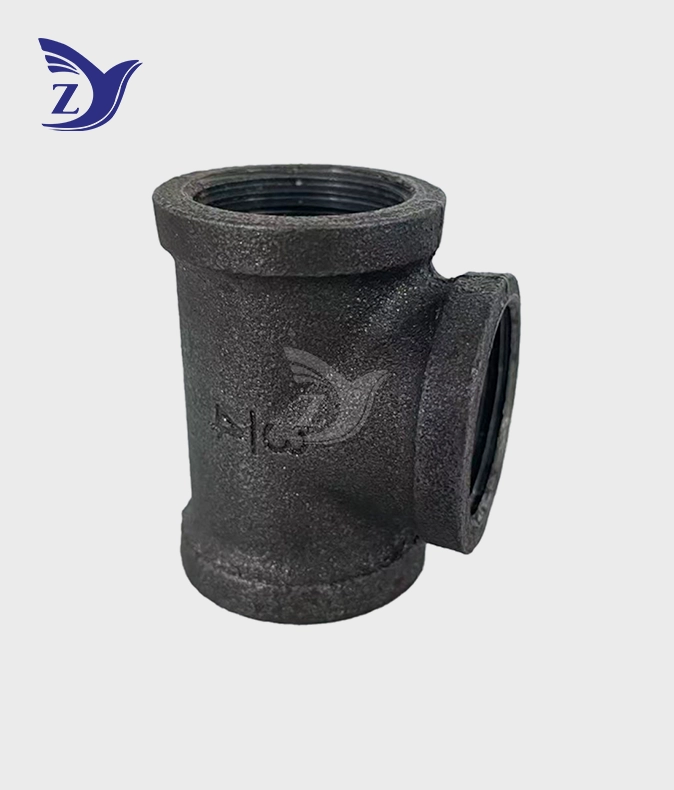
NPT Black Square Face Straight Tee Pipe Fittings
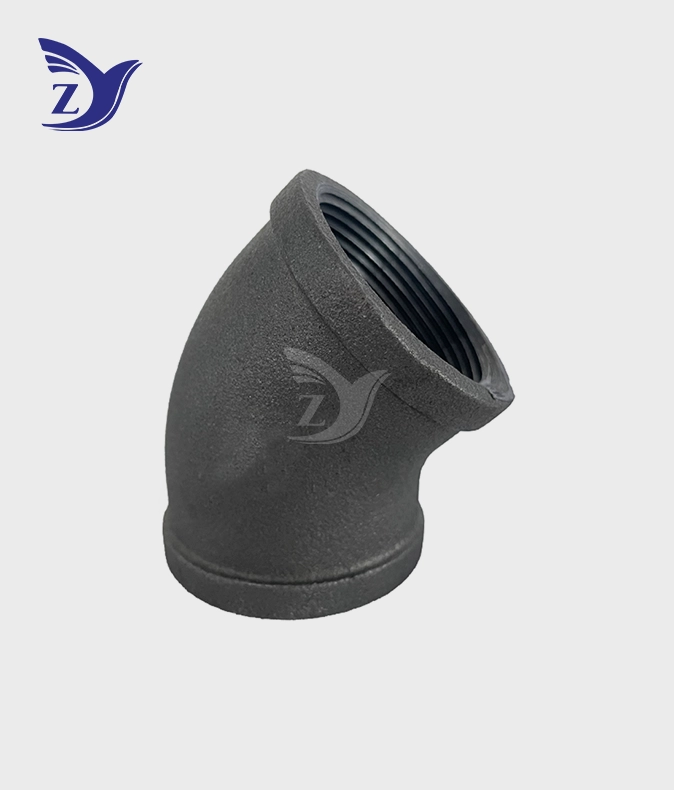
BSPT Black Square Face 45° Elbow Pipe Fittings
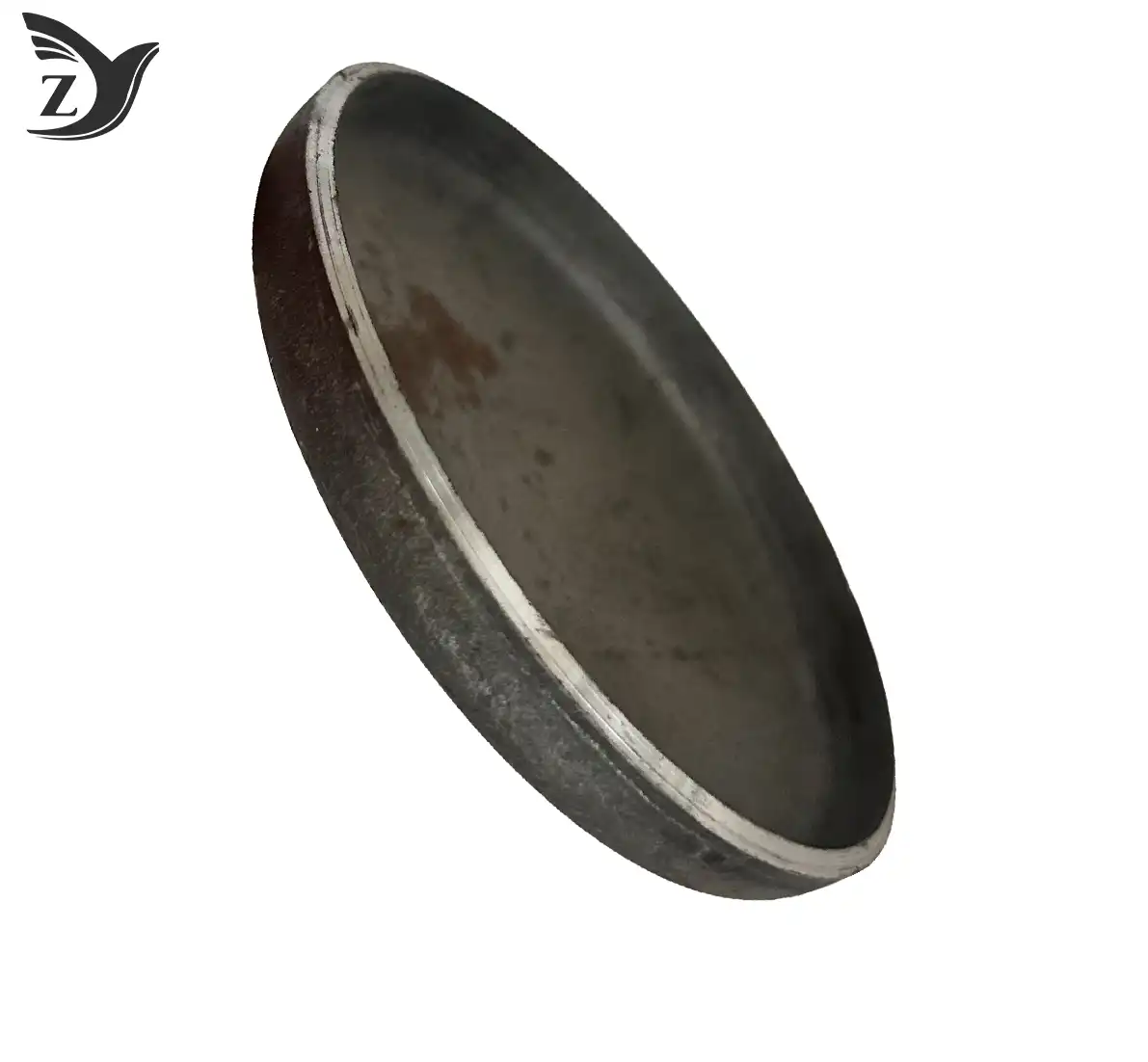
Carbon Steel Welded Cap Pipe Fitting
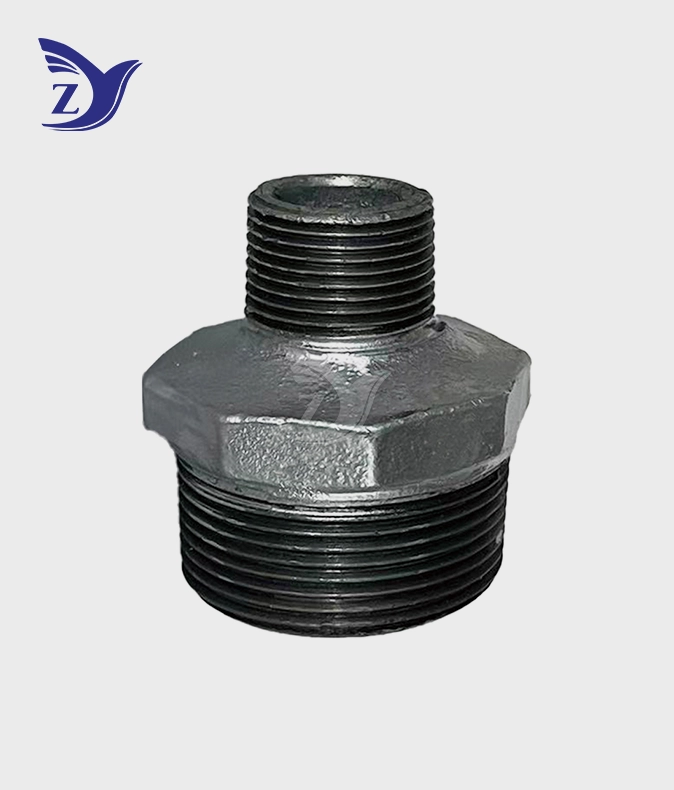
NPT Galvanized Reducing Male Nipple Pipe Fittings
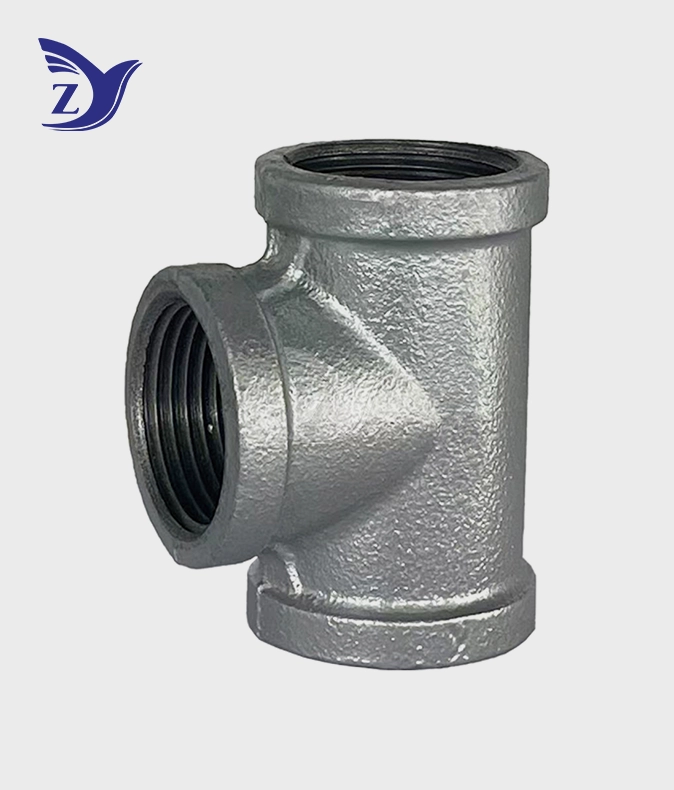
NPT Square Face Galvanized Square Edge Straight Tee Pipe Fittings
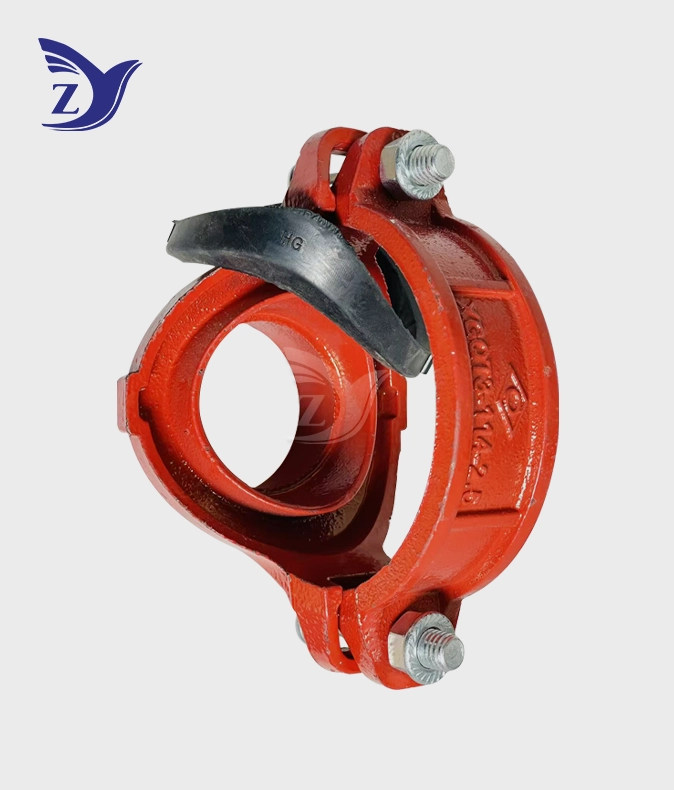
Fire Grooved Mechanical Tee
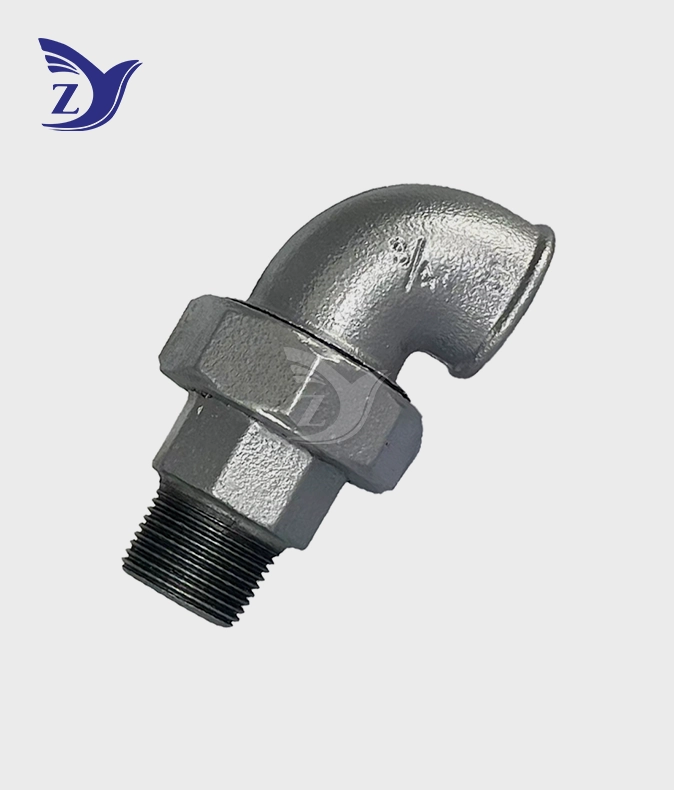
NPT Galvanized Union Elbow Threaded Pipe Fittings with Male and Female Ends
NPT Galvanized Male Female Threaded Union 343 Pipe Fittings