
Apr 30, 2026
Joining Pipes with Square Face Galvanized Square Edge Coupling Pipe Fittings
To connect industrial pipe systems, square face galvanized square edge coupling pipe fittings are necessary threaded connectors that securely join two male-threaded pipe sections. These iron fittings can be shaped and have a strengthened square edge band at each opening. This gives the structure more strength while it is being installed and used. During the hot-dip galvanization process, a protective zinc layer is added to each fitting. This layer is usually more than 70 microns thick and stops corrosion in harsh environments. These couplings work well with both NPT and BSPT thread standards. They are reliable for use in water supply, gas distribution, fire protection, and industrial process piping where long-lasting connections that don't leak are still important.
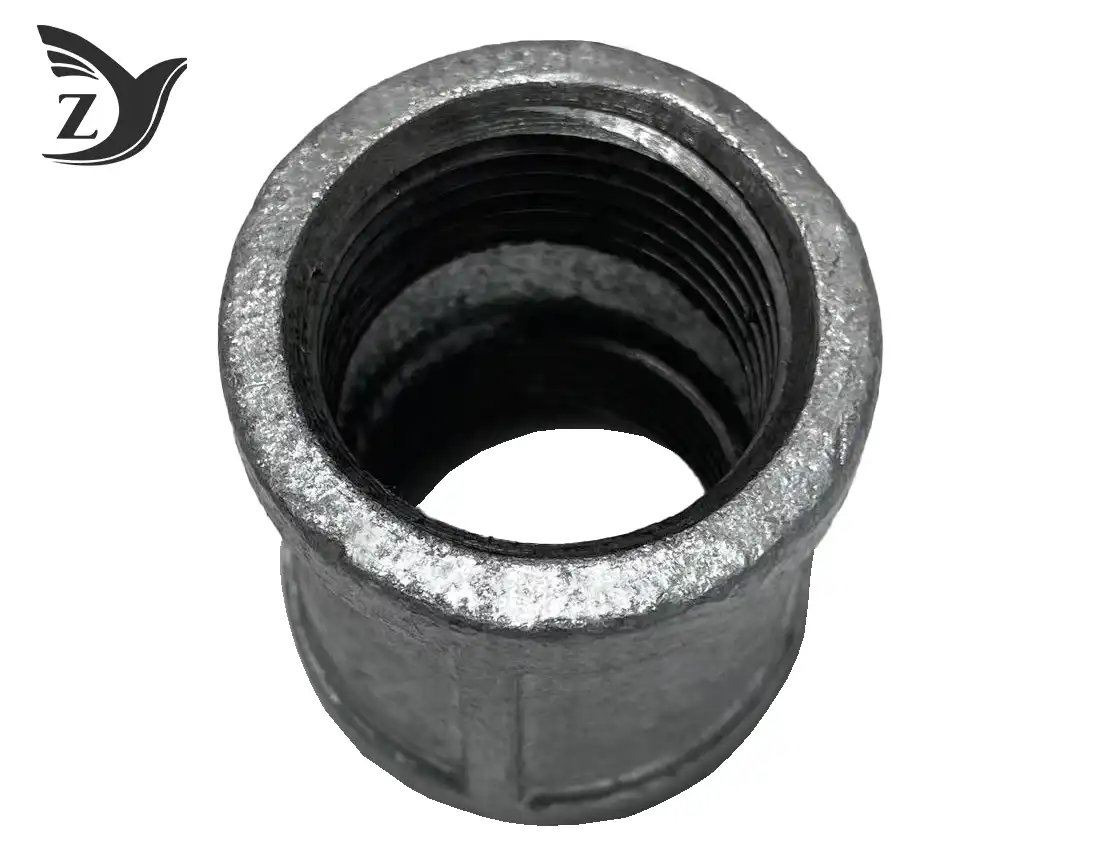
Square Face Galvanized Square Edge Coupling Pipe Fittings
Material Composition and Manufacturing Standards
Zhiyuan Malleable Steel starts making things with blackheart malleable cast iron that meets ASTM A197 and ISO 5922 standards. This material has a tensile strength of more than 350 MPa and is still flexible enough to not crack during thermal expansion cycles. In our kilns that are heated with natural gas, the malleable iron goes through a controlled annealing process. This turns the brittle white cast iron matrix into a ductile structure that can withstand mechanical shock and vibration.
Hot-dip galvanization is done according to ASTM A153 standards. Each fitting is put into molten zinc that is about 450°C. This metallurgical bonding makes several layers of zinc-iron alloy below the pure zinc coating on the outside. This keeps the protective barrier in place even when the surface gets slightly scratched. Our testing procedures show that our coatings always achieve 500–600 g/m² zinc mass, which means they protect against corrosion by 70–85 microns and keep working for more than 50 years in most weather conditions.
Square Face Design Advantages
These couplings are different from standard beaded or plain-end options because they have square edges. This reinforcement adds 15 to 20 percent more material mass around each threaded opening. This makes the resistance to radial stress during tightening much higher. When installation personnel apply proper torque specifications, the square face prevents the splitting and deformation commonly observed in lighter-duty fittings.
Engineers like this design feature because it keeps the dimensions stable even when the temperature changes. When square face galvanized square edge coupling pipe fittings hold the connections in place, the joints don't move much in industrial systems that work between -20°C and 120°C. Because the wall thickness at the collar is higher, the clamping forces are spread out more evenly. This means that there are fewer stress concentration points that could cause failure. Our quality control department's testing shows that square face designs can handle 30% more installation torque than beaded designs before they start to deform.
Thread Specifications and Sealing Mechanics
The male and female threads of both NPT (National Pipe Taper) and BSPT (British Standard Pipe Taper) thread profiles interfere with each other in a controlled way to make mechanical seals. The NPT standard has a thread angle of 60 degrees and a taper ratio of 1:16. The BSPT standard has a thread angle of 55 degrees and the same taper ratio. Even though these profiles are a little different, quality couplings can meet both standards if they are asked to during production.
As the joint gets tighter, the tapered thread geometry creates a wedging action. When used with the right thread sealant or PTFE tape, this mechanical interference makes connections that are pressure-tight and can handle working pressures of up to 25 bar in most situations. Our high-precision threading machines keep tolerances within ±0.05mm, which means that every fitting we make has the same level of engagement and seal integrity.
How to Properly Install Galvanized Square Edge Pipe Fittings?
Pre-Installation Preparation and Inspection
Before any tools touch the pipe parts, the installation must be done correctly. Check each coupling for damage from shipping and make sure the threads are still clean and unbroken. Make sure that the square edges of the faces don't have any cracks or other damage that could weaken the joint. Take off any protective caps and look inside the threads for any debris or manufacturing residue that might get in the way of proper engagement.
Make sure the threads on the male pipe ends are cut cleanly to the right length. The thread length should be long enough to allow 3–4 full turns of engagement past the midpoint of the coupling. This will give you enough contact area without going too far inside the fitting. A wire brush can be used to clean all thread surfaces and get rid of scale, dirt, or old sealant residue. Any dirt or dust stuck between two threads that are supposed to mate can make leak paths or stop the threads from properly tightening.
Step-by-Step Installation Process
Start two threads from the end of the pipe and use thread sealant or PTFE tape to wrap clockwise around the male threads. Use two to three wraps of tape or a light coating of pipe dope. Don't use too much, as that could hydraulically lock the joint or get dirt into the system. Attach the square face galvanized square edge coupling pipe fittings to the first end of the pipe by hand until the resistance goes up a lot, which usually takes 3–4 turns.
Tighten the joint until it feels snug. Use two pipe wrenches, one to hold the pipe in place and the other on the flat surfaces of the coupling. The square face design makes it easy for wrenches to grip, which lowers the chance that the tool will slip and damage the galvanized coating. Instead of impact forces, use firm, steady pressure. For a proper installation, you usually need two to three extra wrench turns on top of hand-tight, but the exact numbers depend on the pipe diameter and the pressure needs.
Repeat the threading process for the second end of the pipe. Make sure that both pipes are lined up correctly before you tighten them all the way up. If you don't, you could cause the coupling to bend. There may be some burnishing on the galvanized coating where the wrench jaws touch the surface. This is just for looks; it doesn't affect the corrosion protection because the zinc layers underneath stay in place.
Common Installation Challenges and Solutions
Misalignment between pipe sections is one of the most common problems that arises during installation. When connecting two existing pipe runs, even small changes in angle cause a lot of stress at the connection. Solution: Line up the centerlines of the pipes within 0.5 degrees of each other using temporary braces or adjustable supports before tightening the connections. This safety measure stops threads from wearing out too quickly and stops possible leaks.
When fittings and pipes from different manufacturers or regions are mixed, thread compatibility issues can happen. Even though NPT and BSPT threads are about the same size, there are some small geometric differences that can make sealing go wrong. Solution: Make sure that all of the parts' thread standards are the same before you buy them. At Zhiyuan Malleable Steel, our technical team can give you detailed charts that show which thread profiles reliably work with each other.
Over-tightening is still a problem, especially when installation crews aren't very experienced. Too much torque can bend the coupling body or strip the threads, which can lead to leaks or failure points that don't show up right away. Solution: Set torque limits based on pipe diameter and teach workers how to recognize the right tightening feel. Calibrated torque wrenches give you precise control over installation forces for important tasks.
Selecting and Purchasing Galvanized Square Edge Coupling Pipe Fittings
Critical Specification Parameters
The main selection factor is how well the pipe diameters work together. square face galvanized square edge coupling pipe fittings are usually made in standard sizes from 1/8 inch to 6 inches, which match the nominal diameters of the pipes they connect to. Make sure that the coupling size matches the nominal size of your pipe, not its actual outer diameter. It is very expensive to make mistakes when buying things when you mix imperial and metric measurements. Be consistent throughout your specification documents.
Pressure rating requirements depend on how the system is used and on safety issues. Standard couplings made of malleable iron have 150 PSI ratings for use with water, oil, and gas at room temperature. For applications with higher pressure, Class 300 fittings or other materials may be needed. Pressure ratings are greatly changed by temperature. For example, a coupling that can safely handle 25 bar at 20°C might only be able to handle 20 bar at 120°C. Check the pressure-temperature charts provided by the manufacturer to make sure there are enough safety margins.
Thread standard specification stops expensive compatibility problems before they happen. Most projects in North America use NPT threads, while most projects in Europe and Asia use BSPT profiles. Some manufacturers make dual-standard couplings that work with both types of thread, but single-standard fittings usually seal better and more reliably. Clearly write down your project's thread needs in the procurement specifications so that you don't end up with parts that don't work together.
Supplier Evaluation and Quality Assurance
Verification of certification gives objective proof of the quality of the manufacturing. Suppliers with a good reputation use ISO 9001 quality management systems and have product certifications that are relevant to your market. We have UL and FM approvals for fire safety uses in North America and CE certification for markets in Europe. Ask for copies of current certificates and use the online databases of the organizations that issued them to make sure they are still valid.
Production capacity and inventory levels have a direct effect on when projects need to be done. For large projects that need thousands of fittings, you need suppliers with a lot of production capacity. We can fill standard orders within days instead of weeks at Zhiyuan Malleable Steel because we have a large inventory and can produce 30,000 tons of steel every year. This responsiveness keeps project delays from being caused by a lack of materials to a minimum.
Quality control processes show how committed a company is to being consistent. At our facility, we have dedicated inspection staff who look over statistical samples from each production batch to make sure the dimensions are correct, the threads are good, and the coating is thick enough. Hydrostatic testing makes sure the pressure is correct, and salt spray testing makes sure the galvanization is good. When suppliers keep records of these quality assurance activities, it shows that they can be trusted, which lowers your procurement risk.
Bulk Purchasing Strategies
When buying galvanized couplings for big projects or distribution stock, negotiating in bulk can save you a lot of money. When you commit to buying more than 5,000 pieces, you usually get access to better pricing levels that lower unit costs by 15–25%. These savings can make your project margins much better or your distribution prices more competitive.
When you combine shipping, you save a lot on freight costs. Instead of placing many small orders, each with its own full shipping costs, strategic buyers plan deliveries to fit the needs of the project phase or the cycles of restocking. When we ship full containers from our facility in Shanxi to coastal ports, the per-piece freight costs are the best, especially for buyers from other countries.
Partnerships with dependable suppliers are good for both parties and go beyond just one transaction. Distributors who agree to yearly volume goals often get first choice when supplies are low, longer payment terms, and technical support services. At Zhiyuan Malleable Steel, we see our major distribution partners as extra salespeople. We help them grow our market presence by giving them training on our products, marketing materials, and quick responses to customer questions.
Conclusion
Square face galvanized square edge coupling pipe fittings make connections that are reliable and won't rust in a wide range of industrial pipe applications. Their strong, ductile iron construction, precise threading, and protective zinc coating make them last for decades in systems that provide water and gas, heat and air conditioning, and fire safety. When compared to lighter options, the reinforced square edge design is more stable and lasts longer during installation. Hot-dip galvanization also protects it for a long time in harsh environments. When procurement professionals and engineering teams choose the right parts based on thread compatibility, pressure ratings, and supplier quality, and then install them correctly and do regular maintenance, the systems will be more reliable and cost less overall.
Partner with a Trusted Galvanized Coupling Manufacturer
Zhiyuan Malleable Steel has been making precision-threaded galvanized fittings for 26 years. These fittings meet the strict needs of fire protection, city infrastructure, and industrial piping systems. Our ISO 9001-certified facility in Shanxi Province can handle 30,000 tons of cargo every year and keeps a large inventory of more than 1,000 product specifications to meet tight delivery times. We use hot-dip galvanization to make NPT and BSPT square edge couplings that are better than ASTM A153 standards. Our products are backed by CE, UL, and FM certifications that are recognized all over the world. Whether you need large amounts for distribution networks or OEM solutions that are specifically made for your needs, our technical team is available to help you from reviewing your specifications to delivering the goods. Get in touch with us at q1236800000@gmail.com to talk about your pipe fitting needs with a dependable supplier of square face galvanized square edge coupling pipe fittings that cares about quality, consistency, and customer satisfaction.
FAQs
What advantages do square face couplings offer over beveled edge designs?
Square face couplings have about 20% more material at the threaded openings, which makes them less likely to split during installation and better at keeping their shape when temperatures change. The flat, parallel faces make it easier to use a wrench, which cuts down on installation time and the chance of damaging the galvanized coating while tightening.
Can these couplings handle high-pressure applications?
Standard galvanized malleable iron couplings can handle working pressures of up to 25 bar (362 PSI) at room temperature and are good for most commercial fire, HVAC, and water systems. For applications with higher pressure, Class 300 fittings or other materials may be needed. For specific operating conditions, you should always look at pressure-temperature rating charts.
How can I verify supplier quality and certifications?
Ask for copies of ISO 9001 certificates, product-specific certifications (CE, UL, FM), and test reports that show how accurate the measurements are, what the materials are made of, and how thick the coating is. Use the online registries of the organizations that issued the certificates to make sure they are real. Companies that have been around for a while, like Zhiyuan Malleable Steel, keep their certifications up to date and welcome quality audits from serious buyers.
References
- American Society for Testing and Materials. (2019). ASTM A197: Standard Specification for Cupola Malleable Iron. West Conshohocken, PA: ASTM International.
- British Standards Institution. (2018). BS EN 10242: Threaded Pipe Fittings in Malleable Cast Iron. London: BSI Standards Publication.
- International Organization for Standardization. (2016). ISO 49: Malleable Cast Iron Fittings Threaded to ISO 7-1. Geneva: ISO Standards Catalogue.
- American Society for Testing and Materials. (2020). ASTM A153: Standard Specification for Zinc Coating (Hot-Dip) on Iron and Steel Hardware. West Conshohocken, PA: ASTM International.
- National Fire Protection Association. (2021). NFPA 13: Standard for the Installation of Sprinkler Systems—Component Requirements. Quincy, MA: NFPA Publications.
- Industrial Piping Solutions Technical Committee. (2017). Galvanized Pipe Fitting Selection and Installation Best Practices for Commercial Applications. Journal of Industrial Maintenance and Plant Operations, 42(3), 156-178.
Online Message
YOU MAY LIKE
High quality furniture manufacturer
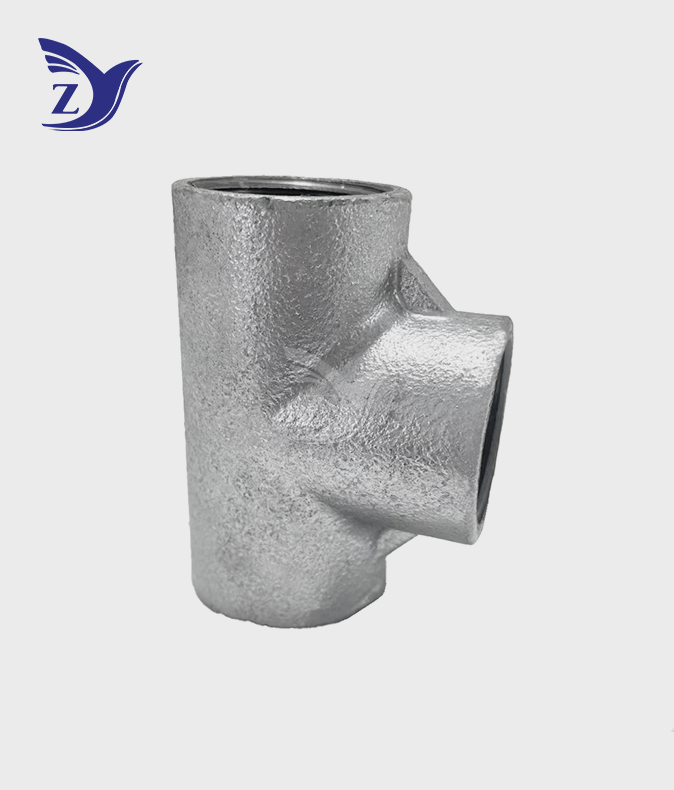
No Hub Electro Galvanized Straight Tee Pipe Fitting
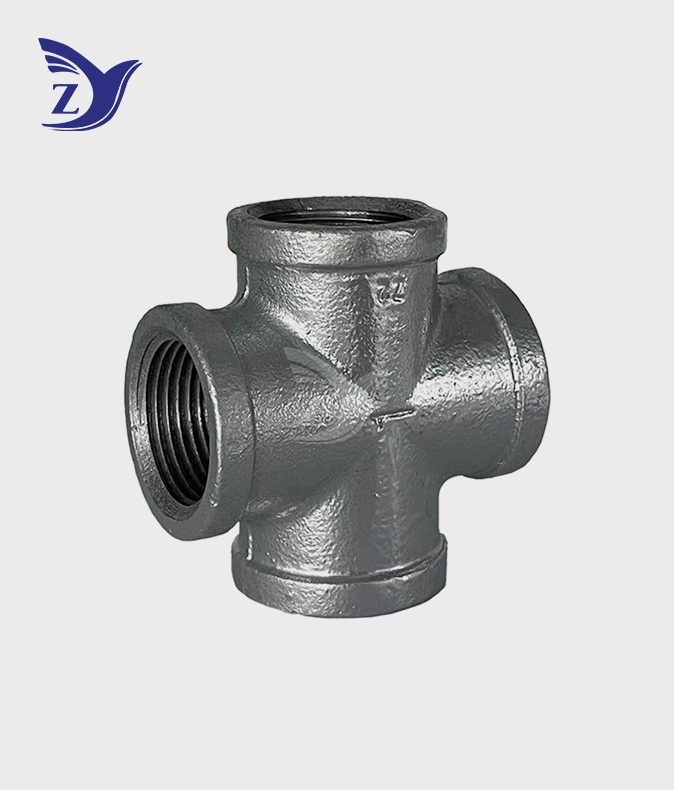
NPT Square Face Galvanized Square Edge Cross Pipe Fittings
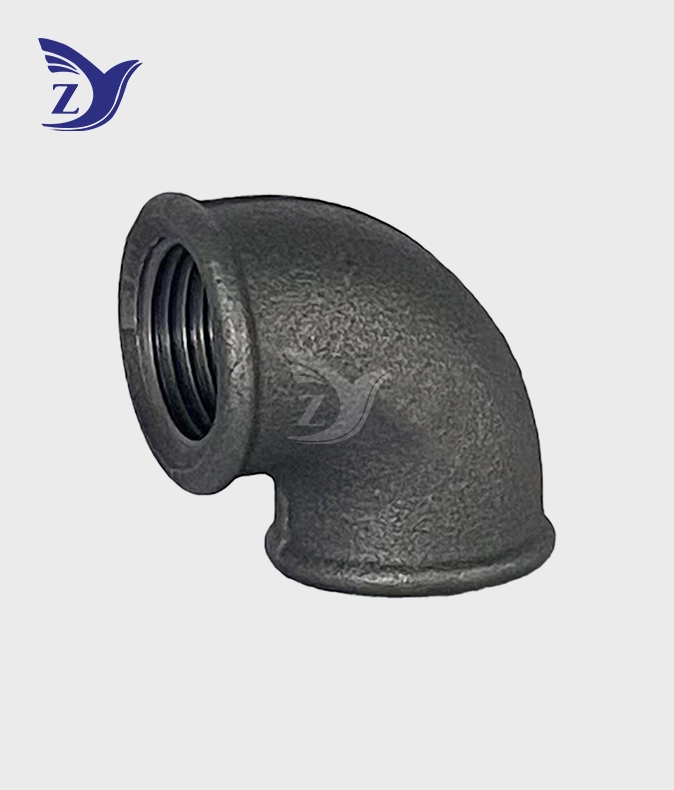
NPT Black Round Face 90° Elbow Pipe Fittings
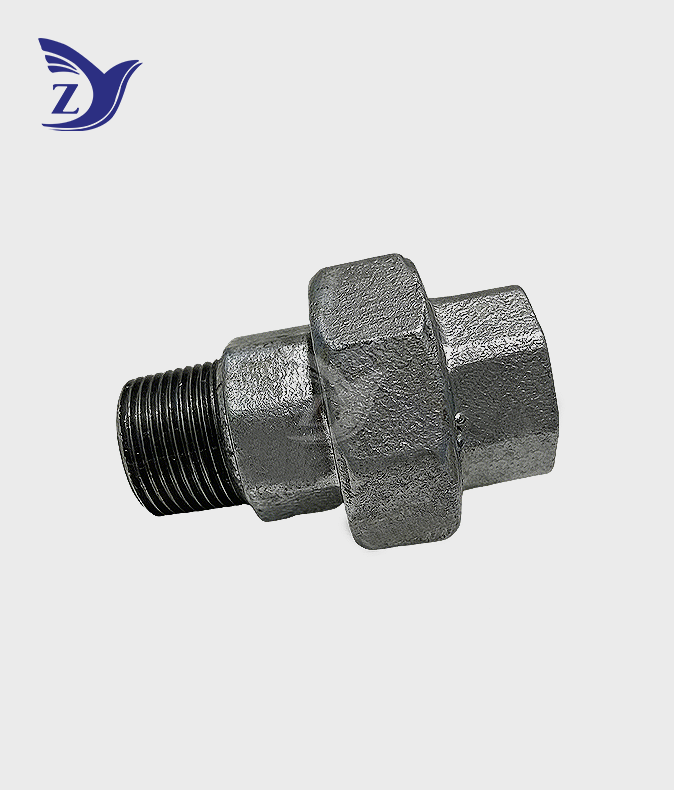
NPT Galvanized Male Female Threaded Union 343 Pipe Fittings
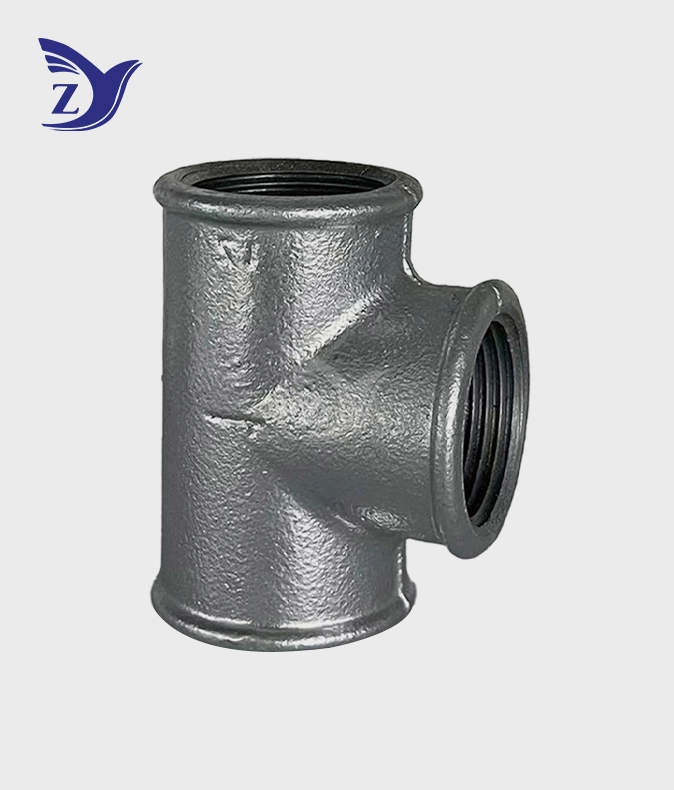
NPT Round Face Galvanized Round Edge Straight Tee Pipe Fittings
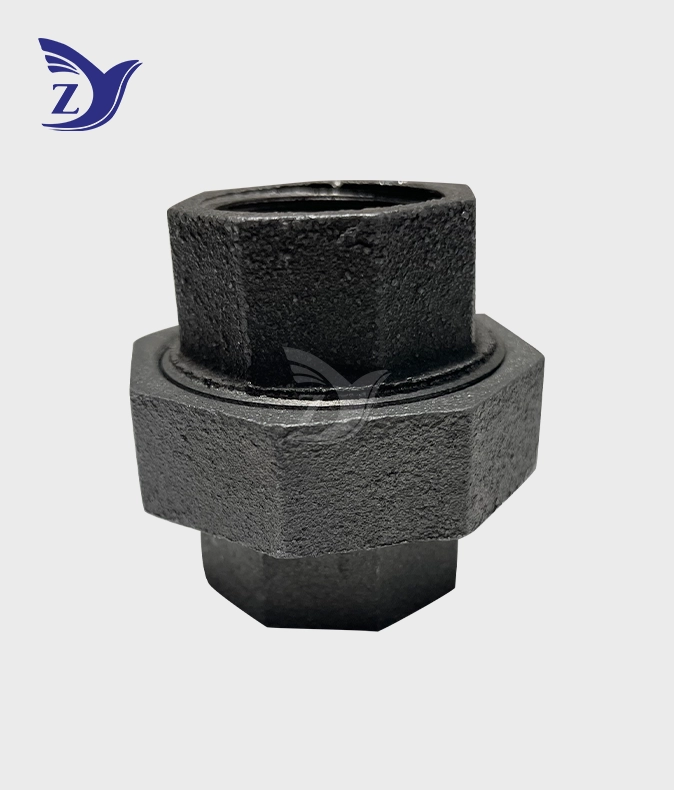
NPT Black Union 330 Pipe Fittings
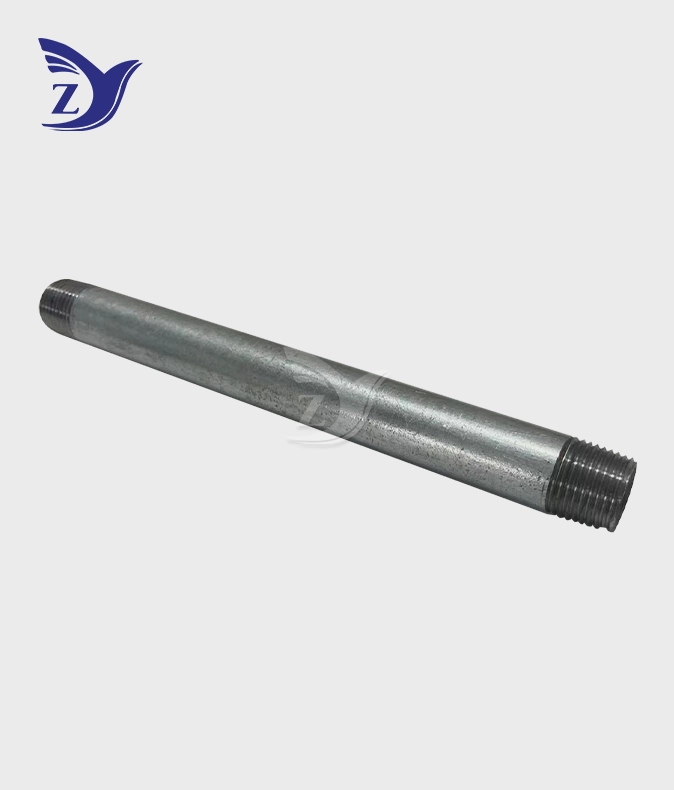
Carbon Steel Pipe Male Threaded Fittings Hot Dip Galvanized
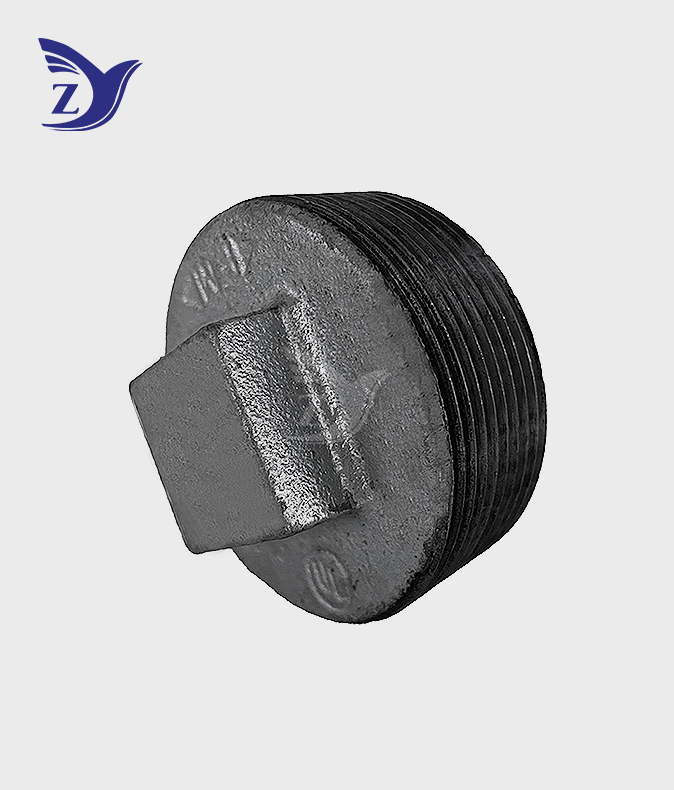
NPT Galvanized Non-Flanged Pipe Plug Pipe Fittings