
May 15, 2026
Joining Pipes with Black Round Face Coupling Pipe Fittings
When building industrial pipe systems, picking the right connection is very important for long-lasting performance with no leaks. Threaded, malleable iron connectors with a round face are black round face coupling pipe fittings. They are made to join two straight pipe pieces accurately and securely. Unlike banded or beaded versions, these round-faced couplings have a smooth circular shape that evenly distributes stress and has a clean look that makes them perfect for use with water, gas, oil, and steam. These fittings are made from malleable iron and have a black oxide covering that protects them from rust while they are being stored and installed. They also work with both NPT and BSPT thread standards. Due to their strong construction and reliable sealing abilities, they are essential parts of fire protection, city structures, petrochemical processes, and HVAC systems.
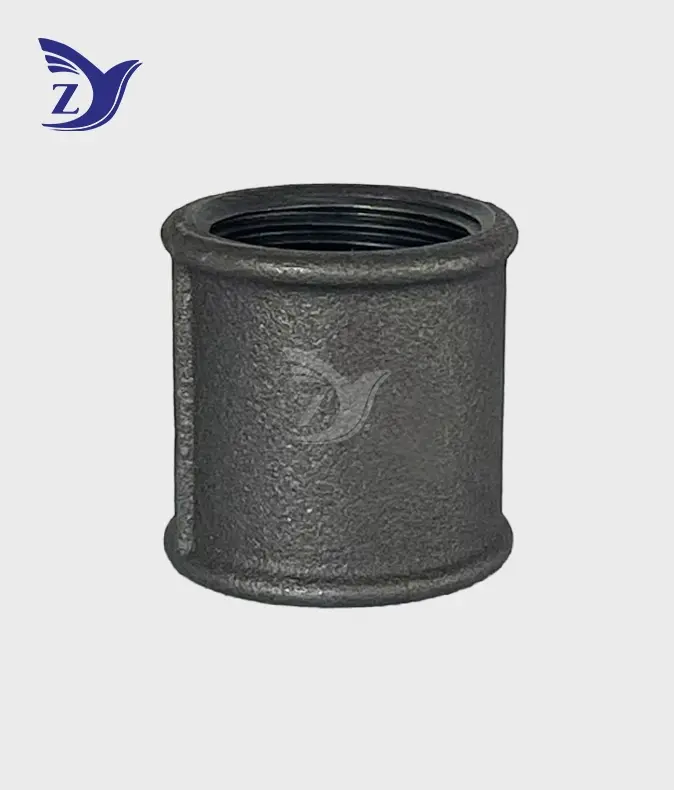
How to Properly Install Black Round Face Coupling Pipe Fittings
Pipe Preparation and Thread Inspection
A careful preparation of the pipes is the first step to a successful black round face coupling pipe fitting. To keep the threads from getting damaged when the connection is engaged, the cut ends of the pipes must be straight and smooth. Using a pipe reamer or deburring tool, get rid of any internal or exterior burrs that could make the flow of fluid rough or weaken the thread. Check the threads on both the pipe and the fitting for damage, dirt, or flaws in the way they were made. Any flaws can cause leaks or stop the right amount of pressure from being applied. To get rid of cutting oils, dirt, or rust that get in the way of proper binding, clean the threads with a wire brush and solvent.
Joint integrity and system efficiency are directly affected by the state of the threads. Damaged threads need to be rethreaded in the field using dies that are the right size for either NPT or BSPT standards. The curved thread design needs to be fully engaged. For NPT connections, this means four to five full threads, and for BSPT joints, it's about the same number. Partially engaging a part lowers the pressure that it can hold and raises the risk of a leak, especially in systems that are likely to vibrate, like pump discharge lines or compressor pipes. Before using sealer, always make sure that the threads on the pipe and black round face coupling pipe fitting are compatible. Mixing NPT and BSPT threads leads to bad taper matching and seals that don't work.
Sealant Application and Assembly Technique
When you choose and use sealants correctly, they stop leaks and keep the system clean. Teflon tape (PTFE) is still the most popular choice for water and gas services. To use it, wrap three to four layers clockwise around the pipe, starting two threads from the end and making sure the tape doesn't hang into the pipe body and get stuck on valves or meters. Thread sealant paste that is made for specific media (like water, gas, steam, or chemicals) works better in high-vibration or temperature cycling situations, but you need to wipe off any extra paste that gets on the threads to keep them from hardening and making it harder to take apart in the future.
To get a good seal without overstressing the threads, controlled force application is needed for coupling contact. Tighten the coupling onto the first pipe piece by hand until the resistance increases significantly. Then, use a pipe wrench to do the finishing tightening, which usually takes one to two extra turns for diameters up to 2 inches and a little more for larger ones. Don't use too much force, as it can damage the threads, crack the casting, or change the shape of the curved interface. When you connect the second pipe, make sure that both pieces are lined up correctly so that they don't cross-thread. Then, tighten them again. There may be wrench lines on the black finish. These don't affect the structural integrity, but they can be fixed with paint to make the installation look more uniform.
Common Installation Challenges and Maintenance Tips
Misalignment is a common fitting mistake that leads to problems before they should. Installers sometimes overtighten joints to make up for lines that aren't perfectly lined up, which causes bending stresses that eventually break the malleable iron. Adjusting the pipe routing with support hangers or clamps should be done before the final coupling assembly. This makes sure that the connections are stress-free and that heat expansion is handled by flexible joints or expansion loops instead of fitting flexure.
Most leakage problems are caused by threads that aren't engaged properly, sealer that isn't clean, or incorrect pressure. Minor seeps can't turn into catastrophic fails if the work is redone right away. Drain the damaged area, take the joint apart, check the threads for damage, clean well, reapply new sealant, and put it back together with the right amount of force. Inspections should be done on a regular basis to look for external rust (especially in wet or chemical environments), make sure that support structures keep pipes from sagging that puts stress on joints, and make sure that sound dampening measures still work in equipment connections. Visual checks done on a regular basis can find damage before it leads to leaks. This extends the life of the system and cuts down on unnecessary downtime.
Comparing Black Round Face Coupling Pipe Fittings with Other Coupling Types
Structural Differences with Slip-On and Grooved Couplings
Threaded couplings are fundamentally different from other types because of the way they join. Black round face coupling pipe fittings use interference fit between tapered threads to make a mechanical seal. They don't need any extra clamping gear or gaskets. This ease cuts down on the number of parts needed and takes away any worries about elastomer breakdown in high-temperature or chemical environments. Slip-on couplings, on the other hand, slide over the ends of plain pipes and rely on external bolts to compress internal gaskets. This makes assembly faster, but it also creates possible failure places where the gasket could wear out, the bolts could loosen, or the compression could be uneven.
Another unique method is grooved coupling systems, which use pipe ends with rolled or cut grooves and housings that are held together by nuts that engage seals inside the grooves. These systems are great for quickly installing large-diameter pipes, and they are also flexible enough to work in areas with earthquakes or heat expansion. However, grooved connections need special tools to prepare the pipes, raise the total system profile (which is important in small spaces), and add more parts that need to be stocked and kept. Threaded black malleable connectors are very small, only need standard threading tools, and don't need any special gear for slot cutting or rolling. This makes them perfect for repair projects and changes that need to be made in the field.
Installation Complexity and Maintenance Considerations
Different connection systems have very different installation speeds. Threaded connections take longer to put together because you have to clean the threads, apply sealant, and carefully watch the torque. However, once they are placed correctly, they make lasting joins that rarely need upkeep. The learning curve for threaded assembly is very short. With standard pipe tools and thread gauges, any worker who knows basic plumbing can do a good job. Maintenance mostly just involves looking at things every once in a while; taking things apart is only needed for system changes or replacing parts.
For servicing access, flanged joints are the easiest to take apart, but they need exact bolt torque patterns, gasket replacement during every reassembly, and a lot more room for the bolts to move. Because they are heavy and expensive, flanged joints aren't often used unless they need to be taken apart a lot, like for pump suction, heat exchanger connections, or equipment that needs to be serviced often. Threaded malleable couplings are the best choice for permanent setups that need to be changed every so often. They work reliably without taking up as much room, being heavier, or costing more, and they last longer than mechanical coupling systems.
Pressure Resistance and Application Suitability
The form of the connection and the qualities of the material have a direct effect on the pressure capacity. The 300 psi WOG grade of threaded black malleable iron connectors comes from the strength of the malleable iron body and the mechanical interference caused by the tapered threads. This design works great for steady-state pressure uses, but it doesn't work as well for high-frequency pressure pulsations, which can loosen threaded connections over time. In these cases, soldered joints or special vibration-resistant couplings are better.
Slip-on and grooved gasket-dependent fittings put limits on the rubber that make it less compatible with chemicals and high temperatures. Standard EPDM gaskets break down above 250°F and are attacked by chemicals in petroleum products. Threaded metal-to-metal seals, on the other hand, work effectively in full steam and hydrocarbon services. On the other hand, gasket-based systems can handle vibrations better when installed correctly and tensioned, which makes them useful for connecting pieces of equipment that are likely to vibrate. When procurement workers understand these trade-offs in performance, they can perfectly couple technology to the needs of an application, lowering costs and increasing reliability over time.
Conclusion
Using black round face coupling pipe fittings to connect pipes has been shown to work reliably in a wide range of industrial, business, and local settings. When you combine the mechanical qualities of malleable iron with precise threading standards and surface treatments that prevent corrosion, you get links that will last for decades in harsh conditions. If procurement experts know the technical specs, the right way to install it, and how well it works, they can make choices that save money in the short term and make the long term worth it. When looking for parts for fire safety systems, city infrastructure, or industrial processing plants, it's important to choose qualified makers with a track record of capacity and expert support. This will ensure the success of the project and the long-term integrity of the system. Standardizing thread specs and size requirements around the world gives the supply chain more options while still meeting the high standards needed for complicated projects.
FAQs
What materials are used in manufacturing black round face coupling pipe fittings?
These joints are made from iron that can be shaped and meets ASTM A197 or ASTM A47 standards. The iron goes through ferritic heating to make it stronger than 40,000 psi and flexible enough to not break when it hits something. The black finish is made up of an oxide covering or lacquer that keeps the metal from rusting while it's being stored and is still compatible with painting or field coating.
How do pressure ratings affect fitting selection for specific applications?
Standard Class 150 fittings can handle 300 psi of cold working pressure or 150 psi of full steam at 366°F. They can be used for oil, gas, and water services. For uses with higher temperatures or pressures, Class 300 versions with thicker walls are needed. Always make sure that the pressure number of the fitting is higher than the maximum working pressure of the system, leaving enough room for safety to account for pressure surges and how temperature affects the strength of the material.
Can these fittings be used interchangeably with flanged connections?
Threaded fittings and flanged ties both join pipes, but they are used for different things. Threaded joints make permanent, compact connections that are great for smaller sizes and less frequent disassembly, while flanges make it easier to do upkeep on connections for large-diameter pipes and equipment. For direct interchangeability to work, adapter parts must be able to change from threaded to flanged configurations while keeping the structure of the system.
Partner with a Trusted Black Round Face Coupling Pipe Fittings Manufacturer
Zhiyuan Malleable Steel has been researching and making pipes and fittings for more than 26 years. They work with fire protection workers, city engineers, plumbing wholesalers, and corporate buying teams all over North America and the world. Our factory is ISO 9001 qualified and makes precision-threaded NPT and BSPT round-edge black malleable connectors that meet strict international standards and have been approved by UL, FM, and CE. With the ability to produce 30,000 tons per year, an inventory that includes more than 1,000 specs, and normal product delivery within two hours from our Shanxi plant, we can meet the supply reliability needs of project plans. Our OEM/ODM customization services can handle special threading, private labeling, and unique size needs. They come with full technical help from design to installation. The company cares about quality so much that they use double-layer cardboard boxes to protect your items while they're being shipped internationally and a simple policy for replacing broken items that takes away any risk in the buying process. Email our skilled staff at q1236800000@gmail.com to talk about your unique needs, get full technical specifications, or get bulk pricing for your next job. You can look through our full selection of certified products at zymalleablepipefitting.com and find out why top builders and dealers choose Zhiyuan Malleable Steel as their preferred supplier for industrial-grade black round face coupling pipe fittings.
References
- American Society of Mechanical Engineers. ASME B16.3: Malleable Iron Threaded Fittings - Classes 150 and 300. New York: ASME Press, 2016.
- ASTM International. ASTM A197/A197M-16: Standard Specification for Cupola Malleable Iron. West Conshohocken: ASTM International, 2016.
- British Standards Institution. BS EN 10242: Threaded Pipe Fittings in Malleable Cast Iron. London: BSI Standards Publication, 2013.
- National Fire Protection Association. NFPA 13: Standard for the Installation of Sprinkler Systems. Quincy: NFPA, 2019.
- Underwriters Laboratories. UL 197: Standard for Commercial Electric Heating Appliances. Northbrook: UL Standards, 2018.
- International Organization for Standardization. ISO 7/1: Pipe Threads Where Pressure-Tight Joints Are Made on the Threads - Part 1: Dimensions, Tolerances and Designation. Geneva: ISO, 2014.
Online Message
YOU MAY LIKE
High quality furniture manufacturer
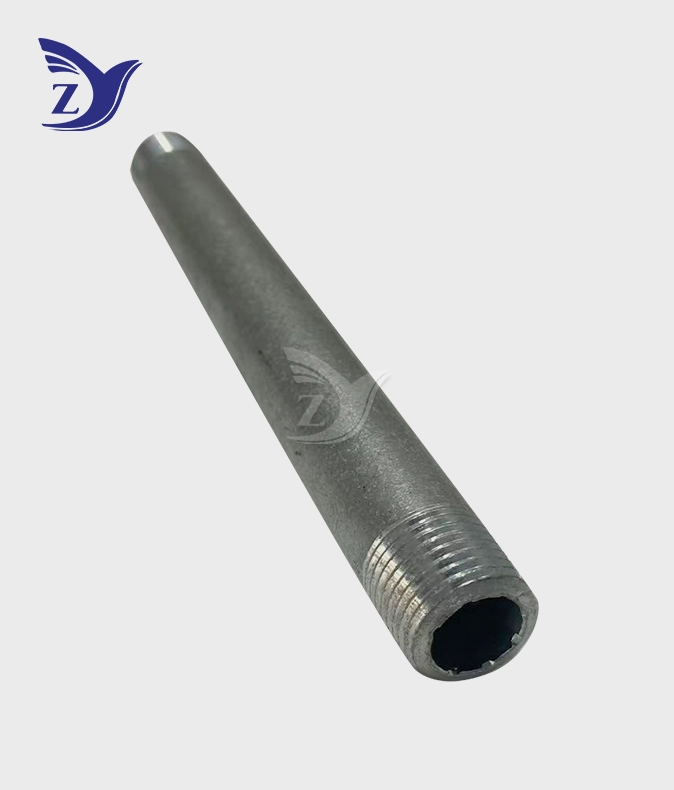
Carbon Steel Pipe Male Threaded Fittings Electro Galvanized
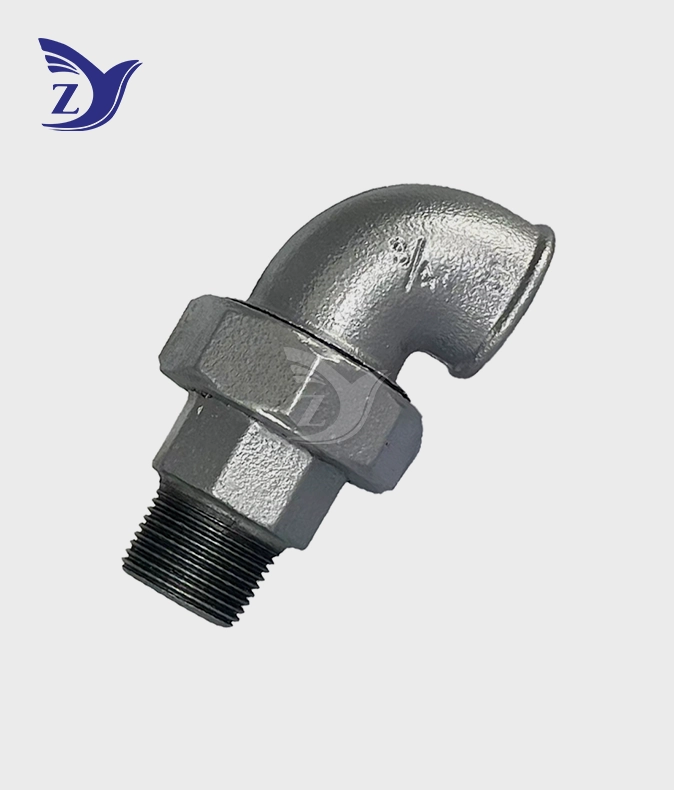
NPT Galvanized Union Elbow Threaded Pipe Fittings with Male and Female Ends
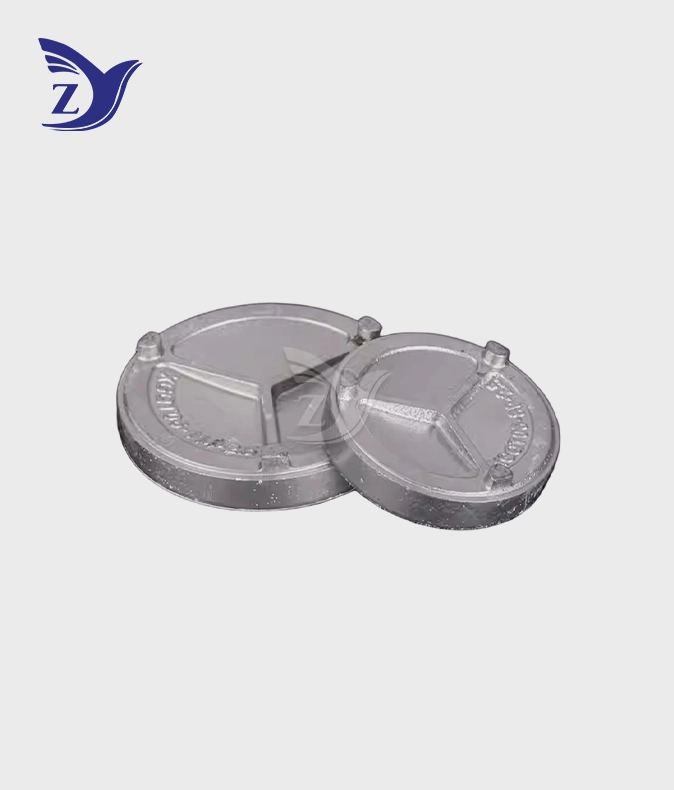
Water Grooved Blind Flange
Water Grooved 90° Elbow
NPT Black Union 342 Pipe Fittings
Class 300 Galvanized 90 Degree Malleable Iron Elbow
NPT Galvanized Male Female Threaded Union 341 Pipe Fittings
Forged Carbon Steel Socket Weld 45 Degree Elbow High Pressure Pipe Fitting