
Jul 15, 2026
Is a grooved the same as a threaded pipe fittings?
Grooved pipe fittings and threaded pipe fittings are not the same way to connect pipes. Grooved pipe fittings use mechanical connections with seals and clamps that connect to grooves rolled into the ends of the pipes. They don't need to be threaded or welded. Threaded fittings use internal or external screw threads that usually follow NPT or BSP standards. The parts are twisted together and sealed. Both do similar things in pipe systems, but they are very different in how they are installed, how much work it takes, how much pressure they can handle, and how they are maintained. Engineers and buying managers can choose the best option for a project by understanding these differences.
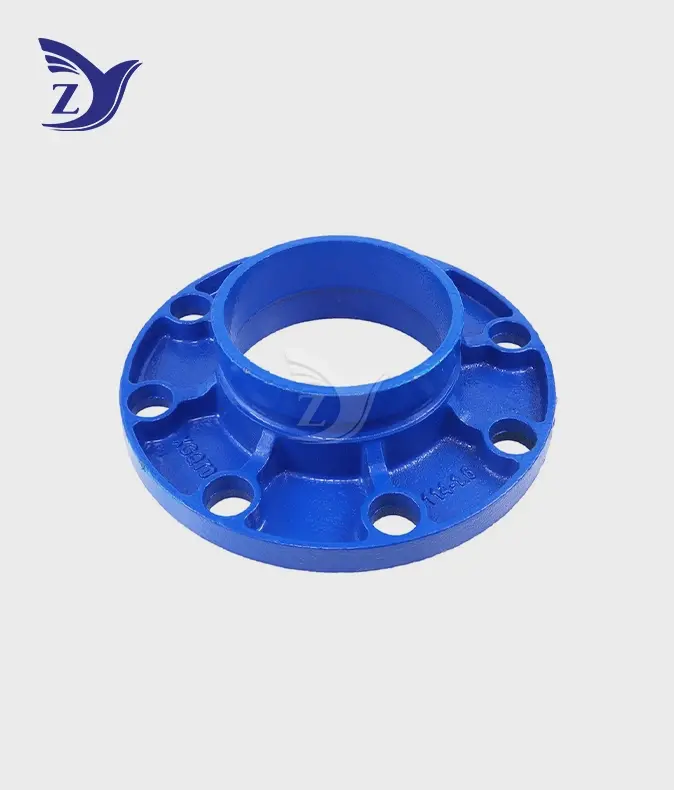
Understanding Grooved and Threaded Pipe Fittings
What Are Grooved Pipe Fittings?
Grooved mechanical pipe systems changed the business world by getting rid of the need for bonding and threading. The method works by rolling holes near the ends of the pipes and then using a coupling device made up of nuts, a gasket, and housing pieces to make a strong connection. In the early 1900s, this method was first used for fire defense. Since then, it has been used in water transportation, HVAC, mining, and industrial process systems. While keeping its leak-tight structure, the flexible link can handle changes in temperature, pressure, and seismic movement. The materials used include ductile iron, steel that can be shaped, stainless steel, and special alloys. The pressure values can go above 500 psi, based on the coupling design and pipe schedule.
What Are Threaded Pipe Fittings?
Threaded links are one of the best ways to join things together. They have been used for hundreds of years. These fittings have carefully machined threads that mesh when parts are put together. The threads are either tapered NPT threads, which are common in North America, or parallel BSP threads, which are common around the world. Before tightening with pipe tools, sealant tape or pipe dope must be put on the male threads during installation. Threaded fittings are usually used for smaller diameter uses (usually less than 4 inches) in lower-pressure settings like home pipes, instrument connections, and compressed air systems. Materials like carbon steel, brass, iron that can be shaped, and different types of stainless steel all have different levels of resistance to rust and temperature tolerance.
Key Functional Differences at a Glance
The main difference between these platforms is how they connect to each other. Grooved pipe fittings join by applying pressure to the rolled groove, which makes a seal through the gasket while allowing some lateral movement. Threaded systems need thread contact and sealant to keep leaks from happening, which makes the link rigid and unbending. Installation speed is very different. Grooved connections can be put together in minutes without any special skills, but threading requires the right method, control of pressure, and thread preparation. Accessibility for maintenance also varies a lot. Grooved systems can be taken apart and used again, while threaded connections usually need to be cut off to be removed. These differences have a direct effect on project timelines, labor costs, and the ability of the system to change over its entire operating life.
How to Choose Between Grooved and Threaded Pipe Fittings for Your Project?
Defining Project-Specific Requirements
The factors for system design set the stage for choosing a fitting. For applications with pressures above 300 psi, grooved pipe fittings work better because they have a wider performance range. For applications with pressures below 150 psi, either technology can be used. Picking the right material is important when the temperature ranges are very high or very low. For example, normal EPDM seals in grooved systems work from -30°F to 230°F, while special threaded fittings with high-temperature sealants can handle temperatures above 400°F. Conditions in the environment affect how long something is expected to last. In places where corrosion is likely to happen, like chemical plants or sites near the coast, grooved systems with stainless steel housings and suitable gaskets work better. This is because they don't have the problems that come with threaded joints, where sealant degradation can lead to leaks.
Budget Considerations and Supplier Selection
The total cost of ownership is more than just the price of the car. Figure out the fixed cost per joint, which should include labor, supplies, and equipment hire, before you look at the bids. Even though the materials cost more, grooved systems usually have 15–25% lower installation costs for jobs with more than 200 joints. The skills of the supplier have a big effect on the success of the job. When you buy grooved pipe fittings from a reliable company with a large inventory, you can avoid delays that cost a lot of money—standard goods are shipped within hours instead of weeks. Zhiyuan Malleable Steel keeps a stockpile of more than 1,000 different product specs. Standard items can be shipped within two hours, which helps meet tight building plans. Customization is important for difficult projects that need non-standard layouts, OEM modifications, or specific material grades.
Installation and Maintenance Best Practices for Grooved and Threaded Pipe Fittings
Threaded Connection Installation Steps
How well you can stop leaks depends on how well you prepare the thread. Square off the pipes and ream the inside to get rid of the burrs. Chase current threads with a die to fix any damage and make sure they connect properly. Cover 1.5 to 2 full thread turns from the end of the male thread with PTFE tape or an acceptable pipe dope. Wrap the tape around the thread end clockwise. Don't put sealer on the first two threads; this will keep dirt from getting into the system. Tighten the connection by hand until there is strong resistance. Then, use pipe wrenches to add two to three more turns, making sure you get the right contact depth and don't over-torque, which can damage threads or fittings. Remove any extra sealer from the threads right away to keep them from hardening and making removal harder in the future.
Maintenance Strategies and Inspection Protocols
Regular inspections greatly increase the life of grooved pipe fittings. Visual checks every three months should find rust, gasket extrusion, bolt loosening, or coupling section separation on systems with grooves. Every year, the torque is checked to catch bolt loosening from thermal cycles. Threaded joints need to be checked for leaks and re-tightened several times in the first year because the seals will shrink. Different materials and environments require different ways to stop corrosion. Hot-dip galvanized steel parts that can be shaped are a cheap way to protect against weather, while epoxy coatings or stainless alloys are better for harsh chemical conditions. For underground pipes in acidic soils, cathodic protection integration may be needed. Long-term asset management is helped by good documentation methods. Keep track of the times of installation, the force values, the materials of the gaskets, and the history of any changes. This information helps predict when repair needs to be done and helps find the root cause of problems when they happen.
Conclusion
In modern plumbing systems, grooved pipe fittings and threaded pipe joints do different things and have different benefits that are best for certain uses. For medium to large width uses in fire protection, HVAC, and city infrastructure, grooved systems are more cost-effective in the long run, easier to install, and more flexible. Threaded connections are still useful in small-bore, low-pressure situations where ease of use and low starting cost are most important. For a project to be completed successfully, the technology must be matched to the needs of the operations, the limitations of the installation, and the available budget. Partnering with experienced manufacturers that offer wide ranges of products, reliable shipping, and expert help throughout the lifecycle of a project is good for procurement pros.
Partner with Zhiyuan Malleable Steel for Your Grooved Pipe Fittings Supply Needs
Picking the right grooved pipe fittings provider has a direct effect on how well your project meets its goals and stays within its budget. Zhiyuan Malleable Steel has been making high-quality pipes for 26 years for use in fire protection, city, and commercial settings around the world. Our full line of products, including elbows, tees, crosses, reducers, stiff and flexible couplings, and flanges, makes it possible to buy everything in one place, which makes operations easier and lowers the cost of managing vendors. We answer the most important problems that procurement managers face every day by ensuring that every shipment is certified by ISO 9001, UL, FM, and CE. We also offer double-layer protective wrapping and standard product delivery within two hours. Our ODM and OEM design services can be tailored to the needs of your project, and our 30,000-ton annual capacity makes sure that big engineering orders are always met. You can email our expert team at q1236800000@gmail.com to talk about your project needs, get detailed specs, or get a good deal on your next order of grooved pipe fittings. We are ready to help you succeed by providing quick service and high-quality products.
FAQ
Can I replace threaded fittings with grooved connections in existing systems?
Technically, switching from threaded to grooved pipe fittings is possible and often a good idea when expanding or upgrading a system. To do this, threaded parts need to be cut back, grooved-end pipes or adapters need to be installed, and then grooved joints need to be used to finish the connections. When adding branches to existing systems, this method is especially helpful because it avoids hot work risks and cuts installation time by 60–70% compared to connecting new branches. It is still important to make sure that the coupling housings have enough space around them and that the system pressure and temperature are within the coupling standards. During phased retrofits, transition fittings with threaded inlets and curved exits make it easier to set up hybrid systems.
What are some usual problems that come up with maintaining each type of fitting?
Grooved systems mostly have gaskets that break down because of chemicals that don't work well together, UV light, or temperatures that are too high. Bolts can also rust in tough settings. When these problems are checked regularly, they are found before they cause leaks, and the gaskets can be replaced without having to cut the lines. Threaded connections can rust, which makes it impossible to take parts apart, lose their sealant, which lets water in slowly, and crack under stress from shaking or temperature changes. When threaded joints break, they usually need to be cut and re-threaded to be fixed. This takes a lot more time and materials than maintaining a grooved system. Both technologies require less upkeep if the right materials are used during the original installation.
Are grooved systems compatible with all pipe materials?
Steel, stainless steel, copper, PVC-coated steel, and malleable iron pipes that meet size standards can all be used with modern grooved technology. Compatibility hinges on the size of the groove, the width of the pipe wall, and the type of coupling used. Specialized light-wall couplings are needed for thin-wall tubes, and different types of couplings are needed for schedule 10 pipe and schedule 40 material. Always check the manufacturer's paperwork to make sure that the coupling is approved for the right pipe grades and plans.
References
1. American Society of Mechanical Engineers. (2020). ASME B16.39: Malleable Iron Threaded Pipe Unions. New York: ASME Press.
2. National Fire Protection Association. (2022). NFPA 13: Standard for the Installation of Sprinkler Systems. Quincy, MA: NFPA.
3. Victaulic Company. (2021). Grooved Mechanical Piping Systems: Design and Installation Manual. Easton, PA: Victaulic Technical Publications.
4. Nayyar, M.L. (2019). Piping Handbook (8th ed.). New York: McGraw-Hill Education.
5. American Water Works Association. (2018). AWWA Manual M11: Steel Pipe—A Guide for Design and Installation. Denver, CO: AWWA.
6. Factory Mutual Research Corporation. (2021). FM Approval Guide: Pipe Fittings and Couplings for Fire Protection Service. Johnston, RI: FM Global.
Online Message