
May 12, 2026
How to read straight tee pipe fitting sizes?
To make sure that any plumbing system works well, is safe, and fits together, it is very important to read straight tee pipe fitting sizes correctly. The size number on black round face straight tee pipe fittings normally tells you the standard pipe size (NPS) for each of the three outlets: the two main connections and the branch that goes across the pipe. "Round face" refers to the barbed support ring that makes the holes in the fitting stronger when installing with a lot of pressure. Sizes are usually written on the fitting body in numbers like 1/2", 3/4", or 1". These numbers show the nominal diameter, not the actual measurement. Knowing the difference between these two types of measurements helps keep industrial projects from having costly design mistakes and installation delays.
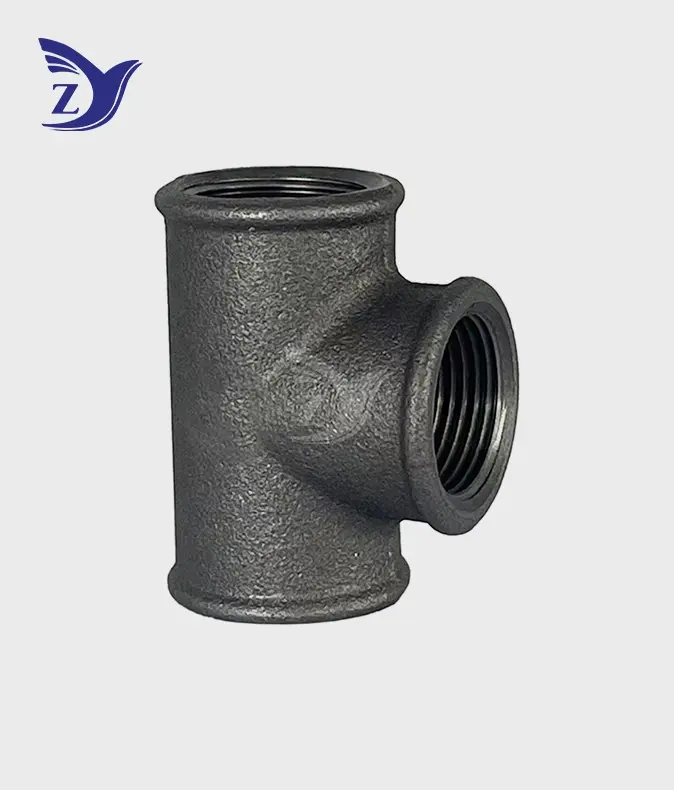
Basics of Straight Tee Pipe Fitting Sizes
If you need to branch pipes in a reliable way, these industrial-grade 3-way fluid connectors are very important. They let fluids or gases flow in three different directions while keeping the structure strong. These are especially important in fire protection systems, municipal water supply networks, HVAC installations, and petrochemical plants.
The black round face straight tee pipe fittings is a non-galvanized oxide or lacquer coating. It gives them high strength and the ability to handle a lot of mechanical stress and thermal cycling. The black finish is made for use in oil, natural gas, and steam systems where flaking zinc could contaminate the system or where cost-effectiveness is more important than corrosion resistance.
Why Size Accuracy Matters in Industrial Applications
If the measures are read wrong, flow rates can slow down or even stop. A difference of only a quarter inch can change how fast water is sent to put out a fire, which is very important in an emergency. For city water projects, exact measurements are needed to stop leaks at the thousands of places where pipes meet in a distribution network.
They need to make sure that the nominal diameter (DN), outside diameter (OD), wall thickness, and face-to-face measurements all match the project needs when they buy things with building companies or system installers. For instance, the durable threaded pipeline branching fitting needs to match both the pipes going uphill and those going downstream to make sure it fits correctly. Re-installing can take a long time and cost a lot of money, so this makes sure there won't be any.
Key Size Indicators You Need to Know
We can figure out the size of a black round face straight tee pipe fitting in a few different ways. The nominal pipe size is the standard for the approximate bore diameter. The outside diameter of the fitting's openings depends on the wall thickness and material grade. The wall thickness determines the fitting's pressure capacity and structural resilience—thicker walls can handle higher pressures but reduce the internal flow area. The face-to-face dimensions show the distance between the two connection points, which is useful for planning space in pipe runs that are already full.
There are also different thread specifications. NPT (National Pipe Taper) threads have a 60-degree thread angle and a 3/4-inch-per-foot taper, which makes mechanical seals through interference fit. BSPT (British Standard Pipe Taper) threads have a 55-degree Whitworth profile and a 1:16 taper ratio. These precision-threaded, NPT/BSPT compatible designs make sure leak-proof connections when properly torqued, but they need to be identified correctly to avoid cross-threading disasters.
How to Read Straight Tee Pipe Fitting Sizes?
Finding the right size on a malleable iron tee fitting is easy once you get used to the way the marks are placed. Most reputable manufacturers stamp the size directly onto the fitting body, though the style changes based on the area and threading standard.
Identifying Manufacturer Markings and Labels
There are three holes in an equal tee that are all the same size. A reducing tee, on the other hand, has a branch that is smaller than the run. "1 x 1 x 1" or "1 x 1 x 3/4" is often written on the surface of the fitting to show the standard size for each opening. The letters "NPT" or "BSPT" are used to identify the thread type. Some of them also have pressure class numbers, such as "150" or "300," which show the highest working pressure in PSI.
There should also be marks on the material grade (for example, "A197" means ASTM standards), the country where it was made, and logos for certifications (UL, FM, CE). These help you keep track of the project paperwork and make sure it's all filled out. You'll have to measure the item yourself if the marks are old or not clear. This can lead to mistakes in measurements that make it harder to buy.
Distinguishing Nominal from Actual Dimensions
When people first start buying black round face straight tee pipe fittings, the difference between the nominal size and the measured diameter can be hard to understand. For example, a fitting marked "1 inch" usually has an inside diameter closer to 1.049 inches and an outside diameter around 1.315 inches for Schedule 40 pipe. This is because nominal sizing was made as a simpler way to set standards when manufacturing tolerances weren't as tight.
The material and schedule can change the sizes. The schedule tells you how thick the walls are. For instance, the walls of Schedule 40 fittings are thinner than those of Schedule 80 fittings. This means that the internal bores are bigger for the same stated size. Fittings made of black malleable iron may have slightly different size ranges than those made of cast iron or steel. If you know about these changes, you won't have to order fittings that look right based on their nominal size but don't fit your lines right.
Measurement Tools and Techniques for Verification
To be sure of everything, you need the right way to measure. You need to be able to measure outside sizes to within 0.01 millimeters with digital calipers to make sure that threads will fit together. Thread pitch gauges measure threads-per-inch (TPI), which is also written as "thread pitch" in metric systems. They can tell the difference between NPT (11.5 TPI for 1 inch) and BSPT (11 TPI for 1 inch) threads. Finally, pipe thread micrometers are used to check taper angles when everything is certain.
Make sure the fitting surface is clean before you start measuring to get rid of any protective coatings or debris that could throw off the readings. Measure around the circumference more than once to find situations where it isn't round. For accurate readings of internal dimensions, use telescoping gauges to transfer the measurement to calipers. Write down all of your measurements along with photos and sketches to make a record that can be used for quality checks and to settle disagreements with suppliers.
Common Challenges and Solutions in Reading Straight Tee Sizes
Avoiding Misinterpretation of Nominal versus Actual Sizes
A lot of black round face straight tee pipe fitting specification mistakes happen because people don't know the difference between nominal and actual dimensions. For example, when an engineer says "1-inch tee," they're talking about the nominal pipe size and expecting the fitting to fit with 1-inch NPS pipe, which has an outside diameter of about 1.315 inches. When people measure the fitting and find that it doesn't match exactly 1 inch internally, they reject compliant products in the wrong way.
Giving procurement staff and field staff dimensional reference charts with nominal size-to-actual dimension conversions for common schedule ratings and teaching people about the problem takes the guesswork out of it. Laminated pocket cards with this information also last longer on the job site and cut down on verification calls. If you're not sure, include both nominal sizes and actual dimensions in procurement documents.
Preventing Errors When Applying Different Standards
People who work on projects that get parts from other countries often mix up ASME and ISO standards without meaning to. Many of the dimensions are the same, but the thread specifications and pressure testing requirements are very different, which means they can't be used together. For example, an NPT fitting won't seal properly with BSPT threads, even though they look the same, because the different taper angles and pitches keep them from engaging properly.
Don't mix up standards when you only use one for the whole project. If you need parts from more than one standard regime for international sourcing, keep the systems physically separate so that they don't get messed up during installation. When you have to mix sources, clearly label the packaging and color-code the fittings by standard.
Troubleshooting Installation Issues Related to Sizing
People usually try to force black round face straight tee pipe fittings onto pipes when they don't thread smoothly. This can damage the threads or break the fitting. However, the problem is usually due to mismatched standards, damaged threads, or contamination, not wrong sizing. To find the cause of the problem, the threads are first looked at visually under a microscope to see if there are any burrs, deformation, or coating buildup.
To make sure that the threads are compatible before installing something, thread gauges check to see if the pipe end is out of round or if the cutting is poor. Pipe threaders need to be sharp and set up correctly in order to cut clean threads within tolerance. Using the right thread compound for the job (never pipe dope on oxygen lines, for example) and only on male threads stops hydraulic locking during installation.
FAQ
How do I convert nominal pipe sizes to actual measurements?
Check out ASME B36.10M or B36.19M for steel or stainless steel pipes. These standards list the outside diameter (OD) and inside diameter (ID) for each nominal size and schedule combination. For example, a 1-inch Schedule 40 pipe has an OD of 1.315 inches and an ID of 1.049 inches. A 1-inch Schedule 80 pipe has the same OD but an ID of 0.957 inches because its walls are thicker.
What international standards govern pipe fitting sizing?
Different areas and industries have different rules. For example, ASME B16.3 covers threaded fittings made of malleable iron in North America, while ISO 49 covers threaded fittings made of malleable cast iron all over the world. BS EN 10242 covers threaded fittings in the EU, and DIN 2950 applies in some situations in Germany. Projects should make it clear which rule applies so that suppliers follow it.
Can I substitute black round face fittings with galvanized ones?
If the conditions for galvanizing aren't right, you can use other materials instead. But, don't use galvanized fittings in high-temperature steam service above 392°F—zinc loses its strength at those temperatures. Also, make sure that the thickness of the coating doesn't get in the way of proper thread engagement—the specs should say that threads must be cut after coating or chased after galvanizing. You need to use dielectric unions to connect galvanized fittings to different metals like copper or stainless steel.
Partner with Zhiyuan Malleable Steel for Precision-Sized Black Round Face Straight Tee Fittings
International standards-based quality control at Zhiyuan Malleable Steel removes the need to guess about sizes. Our NPT/BSPT round-edge equal black malleable tees are measured several times during production to make sure that every one that leaves our 50,000-square-meter facility meets ASTM A197 standards. Our 30,000-ton annual capacity supports over 1,000 product variations, and we keep an inventory depth that allows for two-hour delivery on standard sizes for urgent project needs.
We make black round face straight tee pipe fittings and have ISO 9001, CE, UL, and FM certifications. We offer mill test reports and compliance documentation that procurement teams need for auditable supply chains. Our ODM/OEM customization services can handle non-standard sizing needs, and we have 38 dedicated technical staff members to back them up. You can talk to our team at q1236800000@gmail.com or visit zymalleablepipefitting.com to talk about your project needs. You can ask for dimensional verification samples, bulk pricing, or a technical consultation. Our response time and product quality will show why leading contractors, wholesalers, and system integrators rely on Zhiyuan Malleable Steel for mission-critical piping components.
Conclusion
When buying things for a wide range of industrial uses, it's important to know the difference between nominal and actual dimensions, how materials affect sizes, and how to use the right international standards. For example, precision-threaded, NPT/BSPT compatible designs made to exacting tolerances ensure reliable performance in fire protection systems, municipal infrastructure, and process piping where failure is not an option. To get the quality consistency and dimensional accuracy needed for long-term system integrity and project success, procurement professionals should work with certified manufacturers who offer full documentation and technical support.
References
- American Society of Mechanical Engineers. (2022). ASME B16.3: Malleable Iron Threaded Fittings: Classes 150 and 300. ASME Standards Publications.
- ASTM International. (2021). ASTM A197/A197M: Standard Specification for Cupola Malleable Iron. ASTM Volume 01.02 Ferrous Castings.
- British Standards Institution. (2020). BS EN 10242: Threaded Pipe Fittings in Malleable Cast Iron. BSI Standards Limited.
- International Organization for Standardization. (2019). ISO 5922: Malleable Cast Iron. ISO Technical Committee Standards.
- Mueller, J.P. & Richardson, T.A. (2023). Industrial Pipe Fitting Handbook: Materials, Standards, and Applications (4th ed.). Technical Publishing International.
- National Fire Protection Association. (2022). NFPA 13: Standard for the Installation of Sprinkler Systems. NFPA Codes and Standards.
Online Message
YOU MAY LIKE
High quality furniture manufacturer
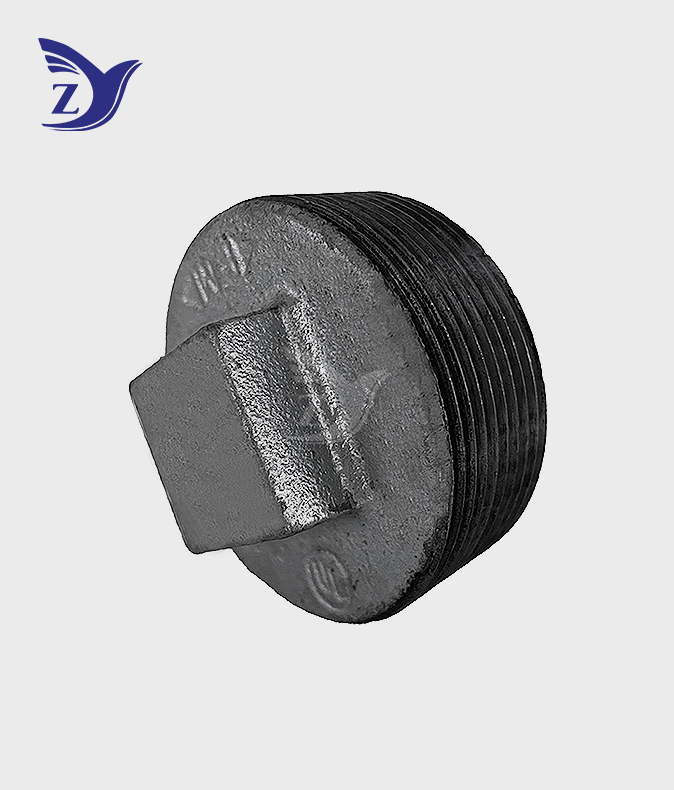
NPT Galvanized Non-Flanged Pipe Plug Pipe Fittings
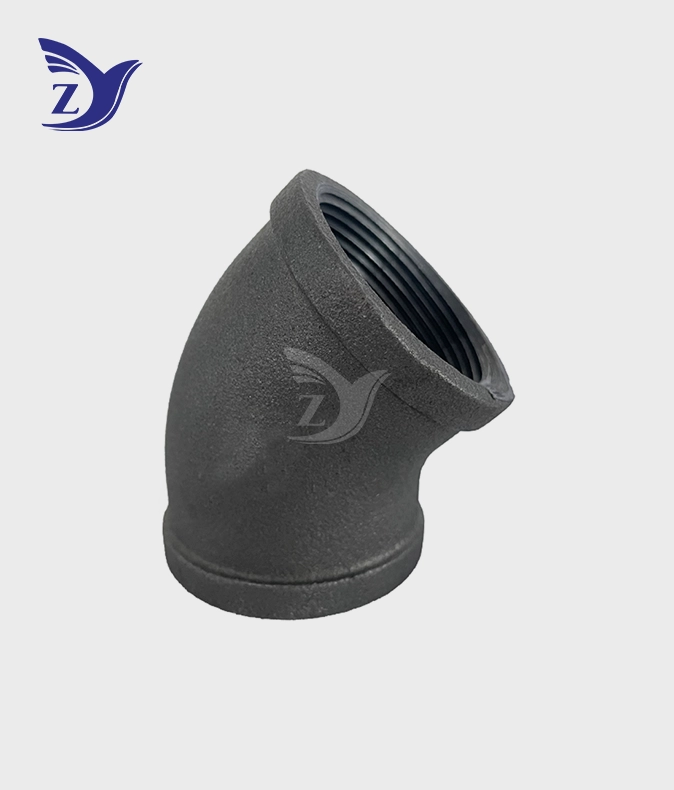
NPT Black Square Face 45° Elbow Pipe Fittings
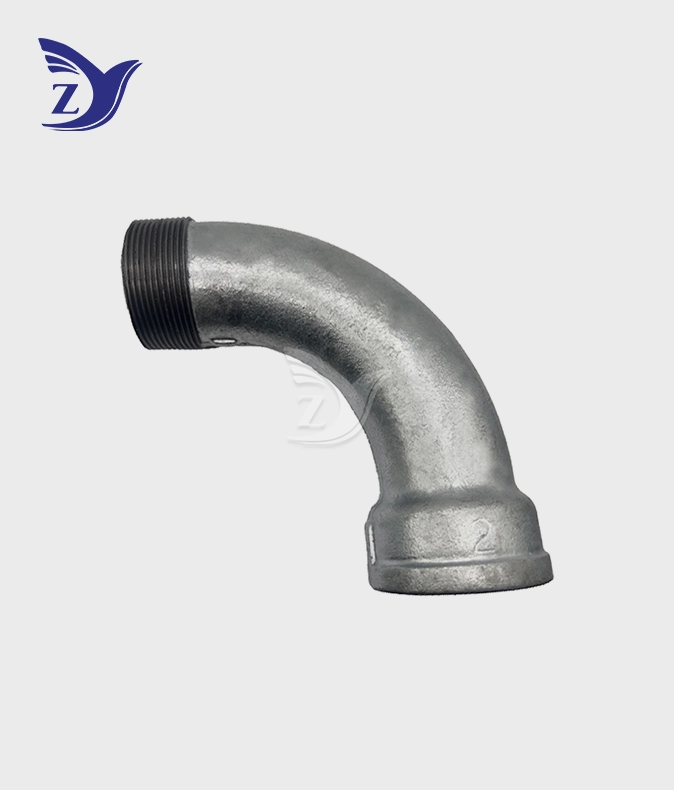
BSPT Galvanized Male Female 90° Long Radius Elbow Pipe Fittings
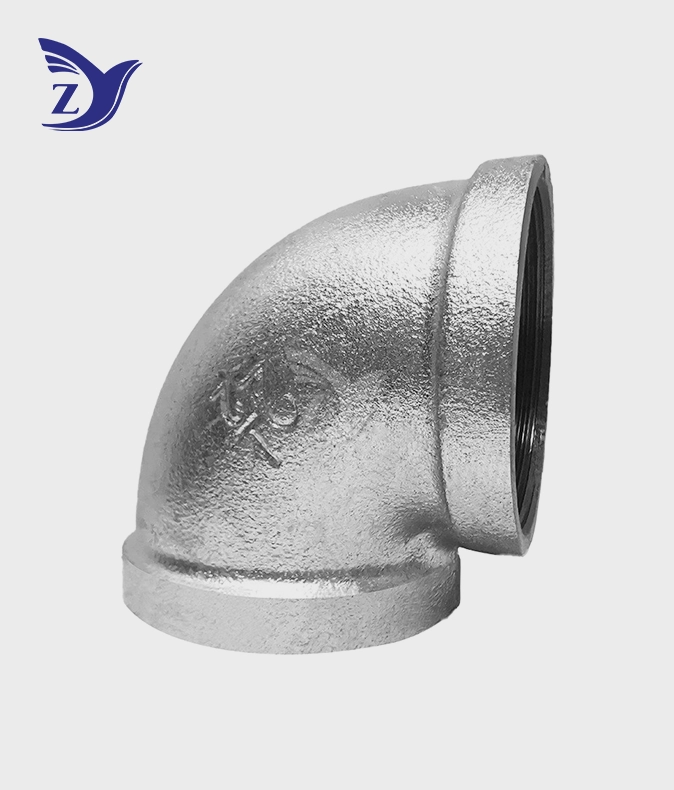
NPT Square Face Galvanized 90° Square Edge Elbow Pipe Fittings
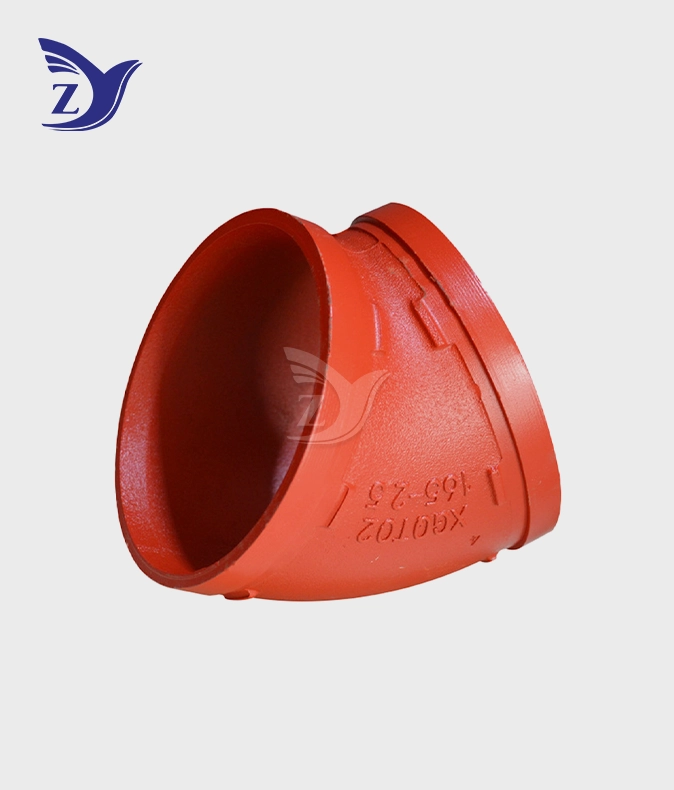
Fire Grooved 45° Elbow
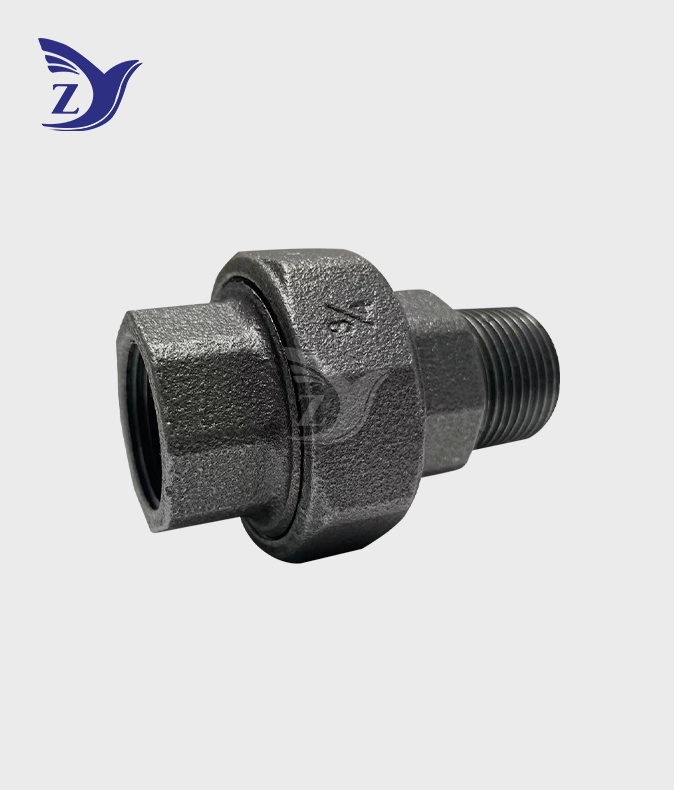
NPT Black Male-Female Union 341 Pipe Fittings
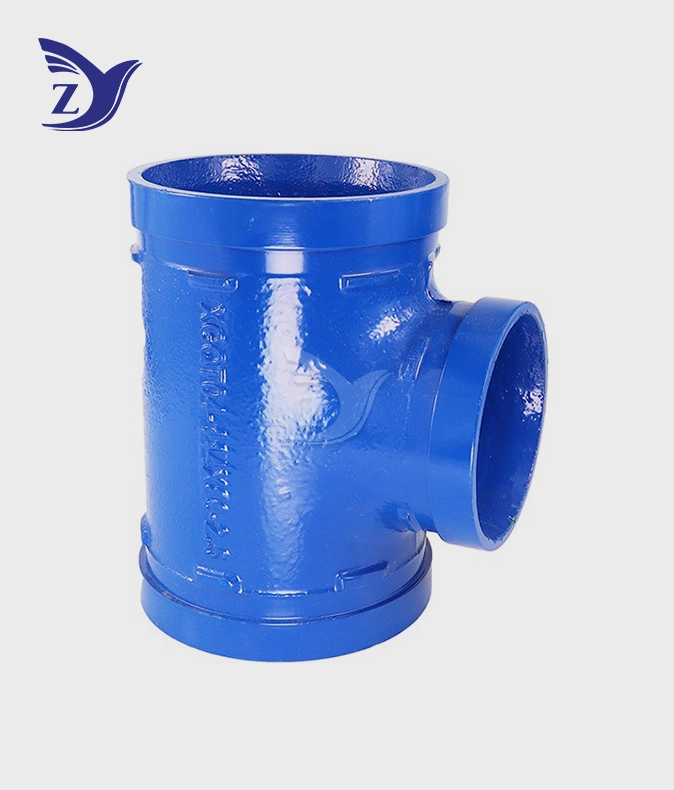
Water Grooved Straight Tee
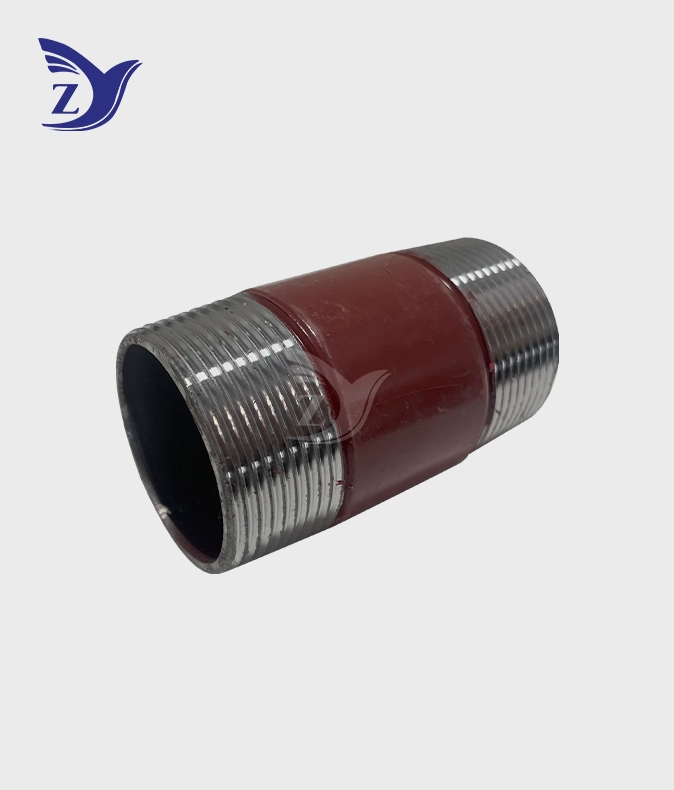
Carbon Steel Pipe Male Threaded Fittings Red Coated