May 13, 2026
How to measure pipe coupling size?
To correctly measure the size of a pipe coupling, you must first know its standard pipe size (NPS), its outer diameter, its inner diameter, and its thread specs. To get black square face coupling pipe fittings, you'll also need to measure the thread pitch and the size of the square face. Measure the pipe's outside diameter with a ruler. Then, take away the wall thickness (multiplied by two) to get the inner diameter. Compare these measures to standard size charts for NPT or BSPT threads. Keep in mind that the square face design makes it easier to hold a wrench and gives structural support at the threaded openings, which makes accurate measurements very important for installations that will be subject to a lot of torque.
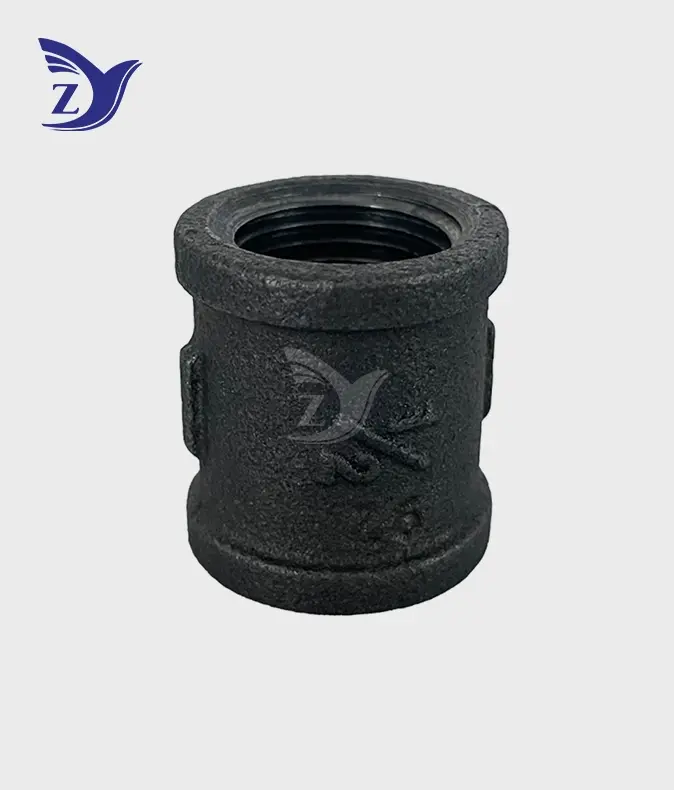
Pipe Coupling Size and Its Importance
Defining Pipe Coupling Dimensions
Pipe coupling size isn't just one number; it includes a number of important measurements that tell you if the system will work together. As a guide, nominal pipe size (NPS) is used, but the real sizes depend on the thread type and coupler design. The outer diameter, inner diameter, thread pitch, face measurements, and wall thickness are all important for making sure the fit is right.
Why Precision Matters for Black Square Face Designs
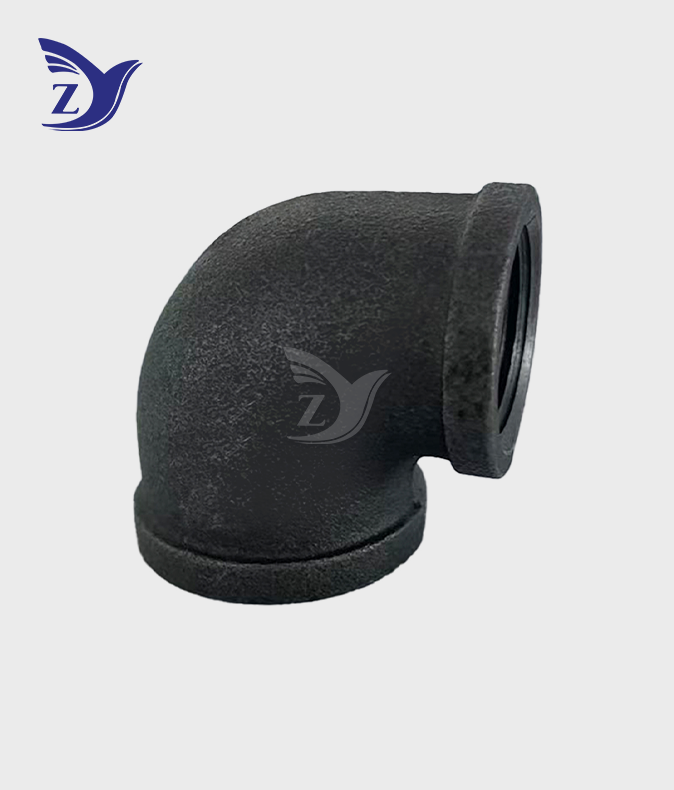
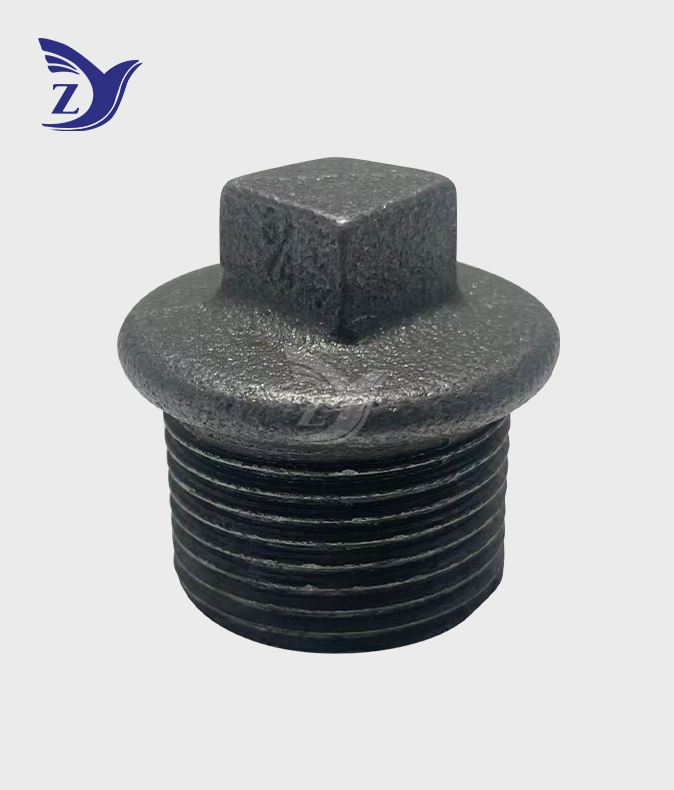
The square face form of industrial-grade black flexible pipe joiners makes it important to think about how to measure black square face coupling pipe fittings differently. This strengthened flat-banded shape at the coupling face makes the material thicker where stress is concentrated, which changes how you measure the distances between faces. Unlike round face options, square edge designs need careful attention to the bands width and height, which has a direct effect on how the wrench engages during installation. The interference fit that NPT and BSPT threads depend on for pressure-tight closing can be harmed by wrong measures.
Common Sizing Challenges in Procurement
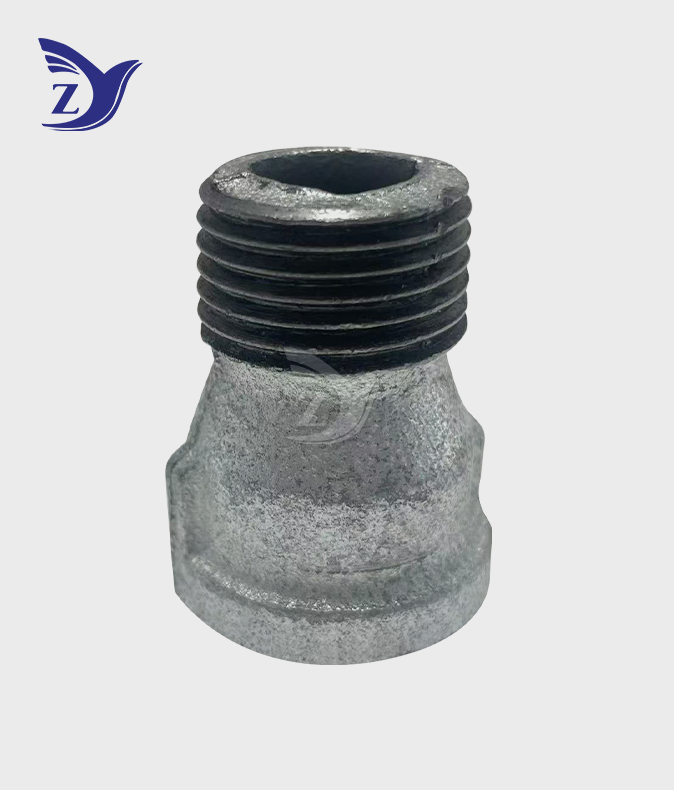
When describing connections that meet different standards, procurement teams often run into problems. Different sources have different manufacturing standards, and the difference between NPT (National Pipe Taper with 60-degree threads) and BSPT (British Standard Pipe Taper with 55-degree threads) makes it hard to make sure that they will work with each other. The thickness of the black oxide layer on non-galvanized valves can slightly change their sizes, so they need to be checked against approved datasheets. Adding reducing connections makes things even more complicated because each end has its own measurements that need to be taken.
Step-by-Step Guide to Measuring Black Square Face Coupling Pipe Fittings
Essential Measurement Tools and Calibration
The right tools are the first step to accurate measuring. For measuring outer and inner diameters, I suggest digital calipers with a precision of at least 0.01 mm. For checking thread pitch, I suggest micrometers, and for longer face-to-face measures, I suggest measuring tapes. Use gauge blocks or measuring rings to set the accuracy of your tools before you start. Metal sizes change when it's hot or cold, so make sure you measure black square face coupling pipe fittings at room temperature (68 to 72°F) to make sure they match standard measurements.
Measuring Core Dimensions
First, find the outer diameter at the largest point of the threaded part. Then, measure three times around the circumference to see if the diameter is ovalizing. To measure the inner diameter, you have to put the caliper jaws all the way into the coupling hole and stay away from the area with the curved threads. To find the thread size, count how many threads are in a one-inch space along the line. For the square face, you need to measure both the width of the strengthened band and how high it sticks out from the coupler body. This is important to make sure that the wrench fits properly during installation.
Special Considerations for Custom Fittings
Threaded pipe joiners that aren't standard or are made to order need different measurement rules. For tolerance limits, you should always look at the manufacturer's plans, especially when working with OEM specs. For reducing couplings, you need to take different readings for each threaded end and make sure you keep track of which measurement goes with which connection point. Because of the annealing process, malleable iron parts may have slightly different sizes. Instead of depending on stated sizes alone, check measurements against the manufacturer's approved dimensional reports.
Materials and Specifications Affecting Measurement and Selection
Material Properties and Dimensional Tolerances
The dimensions of malleable iron couplings made to ASTM A197 standards are always the same because the amounts of carbon (2.4–2.9%) and silicon (1.2-1.7% of the material) are managed. When brittle white cast iron is heated to make it flexible and bendable, a process called annealing can cause small changes in the metal's dimensions, usually no more than 0.5 mm for standard fits. Black oxide or bituminous coats make the surface measurements about 0.05-0.15 mm bigger than bare metal. This is important when fitting tolerances are tight.
How measurements change when there is stress on the installation depends on the mechanical features of high-strength, corrosion-resistant black square face coupling pipe fittings. The tensile strength (≥300 MPa) and elongation rate (≥6%) of malleable iron allow it to deform in a controlled way during thread contact without changing its size permanently. This is different from brittle materials, which can break under pressure.
Standard Versus Custom Sizing Options
Standard square-edge valves that are suitable with NPT and BSPT come in sizes ranging from 1/8" to 6". These sizes cover most water, gas, and industrial pipeline joining needs. There are a certain number of threads per inch for each standard size. For example, there are 27 threads per inch for an 1/8-inch bolt and 11.5 threads per inch for a 2-inch bolt. When non-standard pipe schedules are called for in petrochemical, power generation, or local building projects, custom sizes are needed. Custom fits usually have longer lead times (4–8 weeks) than normal stock items, which can affect project timelines and planning for purchases.
Comparing Square Face and Round Face Coupling Designs
Square face couplings have a support band with flat sides that raises the section modulus at the coupling face. This lets more twisting torque be applied without the coupling face becoming ovalized. When compared to round faces of the same nominal size, this shape makes the total face measurement about 3–5 mm bigger. Round face designs have a continuous curved shape that reduces stress risers during thermal cycles, but they can't handle as much installation pressure. By telling the difference between these shapes when measuring for replacement, you can avoid buying pieces that aren't compatible and won't fit properly against existing system parts.
Conclusion
Accurately measuring the sizes of pipe couplings is essential for industrial plumbing projects to go smoothly and avoid costly delays, system breakdowns, and safety risks. When engineers and procurement professionals understand the complex shapes of precision-threaded malleable iron fittings, especially square face designs with their reinforced profiles, they can choose parts that work reliably in water, gas, steam, and petrochemical settings. When you know about the features of the materials, how to install them, and how to buy them, along with the testing methods described here, you have all the information you need to make smart choices. As performance standards for industrial systems get stricter, taking the time to measure couplings correctly and choose the right provider pays off in lower upkeep costs, longer system lifespans, and safer operations.
FAQ
How Do I Measure Coupling Size When Original Fittings Are Unavailable?
Measure the external thread width and pitch on the joining pipes when you can't find the original fittings. Mark a starting thread and count all the full threads that are within an inch of it. This is how you count threads per inch. Use normal NPT or BSPT size charts to compare these values. The outer diameter of the pipe can help you start, but keep in mind that nominal size is not the same as actual size. For example, a "1-inch" NPT coupling fits a pipe with an outer diameter of 1.315 inches. Looking at manufacturer datasheets from possible suppliers can help you match your measurements to the right coupling specifications.
What Distinguishes Black Square Face From Galvanized Coupling Sizing Standards?
There is only one difference between black and galvanized couplings: galvanized fittings have a zinc coating that is about 0.08 to 0.15 mm thick and slightly increases the outer dimensions. This doesn't usually affect compatibility with standard pipe threads, but it might in precision applications with little room for error. black square face coupling pipe fittings are best for oil, gas, and steam systems where flaking zinc could cause contamination, while galvanized versions are better for corrosive environments that need external protection.
How Does Coupling Size Affect Pressure Ratings and Certifications?
The pressure ratings of couplings depend on both their nominal size and their wall thickness. Due to their thinner walls compared to their bore diameter, smaller couplings (1/2" to 1") usually have higher pressure ratings (Class 300). Larger sizes (3" and up) usually have lower ratings (Class 150), unless they are specially made to be heavy-duty. Certification groups like UL and FM test couplings at certain combinations of size and pressure. This means that pressure values aren't always the same for all measurements. Always make sure that the size of the coupling you measured matches the approved pressure values listed in the supplier's specs for the job you want to do.
Partner With Zhiyuan Malleable Steel for Premium Black Square Face Coupling Pipe Fittings
Zhiyuan Malleable Steel has been making industrial-grade black malleable pipe joiners that meet the strict measurement standards needed for today's projects for more than 18 years. With a production capacity of 30,000 tons per year, you can be sure that you'll find the exact NPT/BSPT square-edge black malleable connections that meet your needs, whether they are standard sizes or special sizes. Under strict ISO 9001 quality control, the sizes of every part are checked to make sure they are the right size for pressure-tight installs.
We keep a large collection of more than 1,000 different product specs, so we can send standard black square face coupling pipe fittings within hours, not weeks. With OEM/ODM skills and CE, UL, and FM certifications that meet foreign compliance standards, our engineering team can help with unique sizing projects. If you need a provider of black square face coupling pipe fittings that knows how important millimeters are, you can email our team at q1236800000@gmail.com or visit zymalleablepipefitting.com to see our whole catalog. Let us show you how precise making and quick service can take away your worries about buying things.
References
- American Society of Mechanical Engineers. ASME B1.20.1: Pipe Threads, General Purpose (Inch). ASME Standards, 2019.
- ASTM International. ASTM A197: Standard Specification for Cupola Malleable Iron. ASTM Volume 01.02, 2018.
- British Standards Institution. BS EN 10242: Threaded Pipe Fittings in Malleable Cast Iron. BSI Standards Publication, 2020.
- International Organization for Standardization. ISO 7-1: Pipe Threads Where Pressure-Tight Joints Are Made on the Threads. ISO Technical Committee, 2017.
- Factory Mutual Research Corporation. FM Approval Guide: Pipe Fittings for Fire Protection Service. FM Global Standards, 2021.
- Underwriters Laboratories. UL 860: Standard for Safety Couplings for Fire-Protection Service. UL Certification Standards, 2019.
Online Message
YOU MAY LIKE
High quality furniture manufacturer